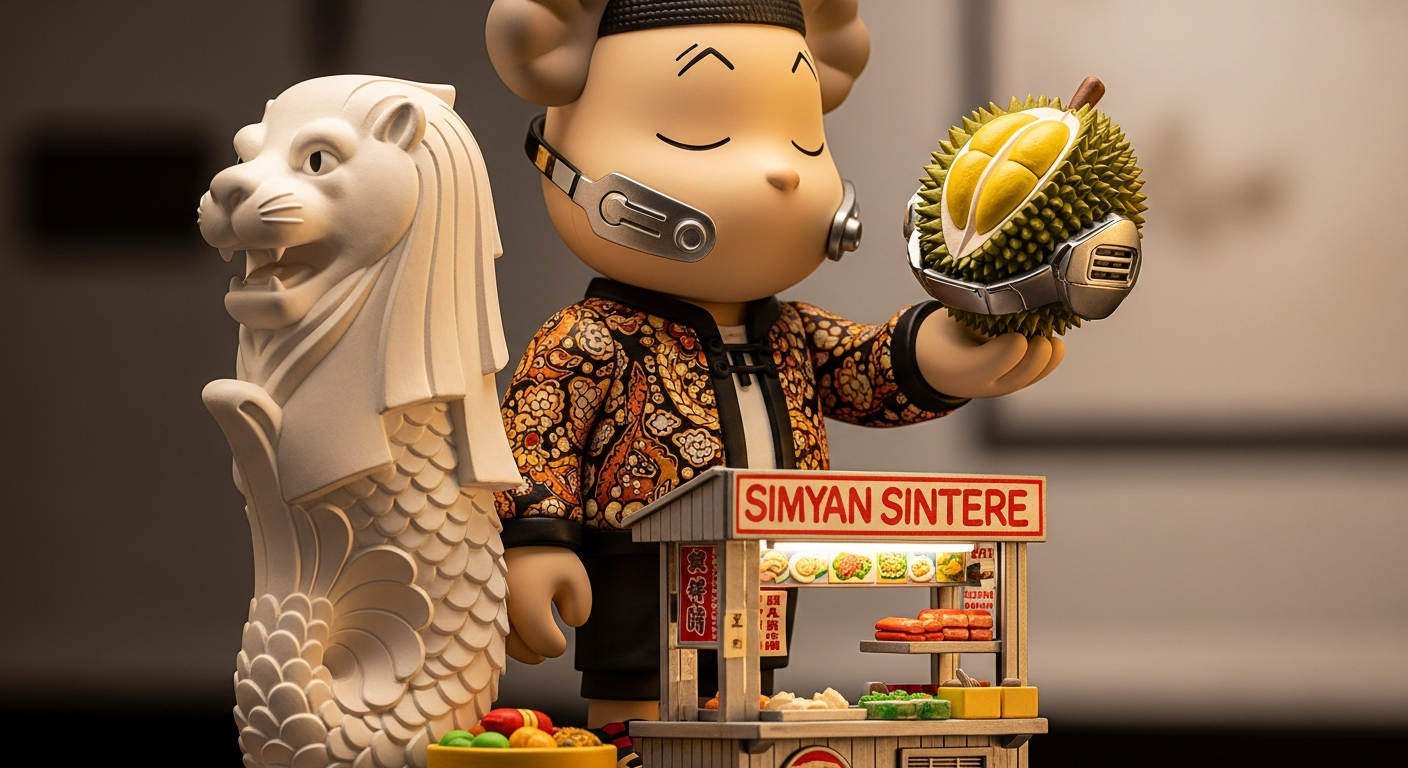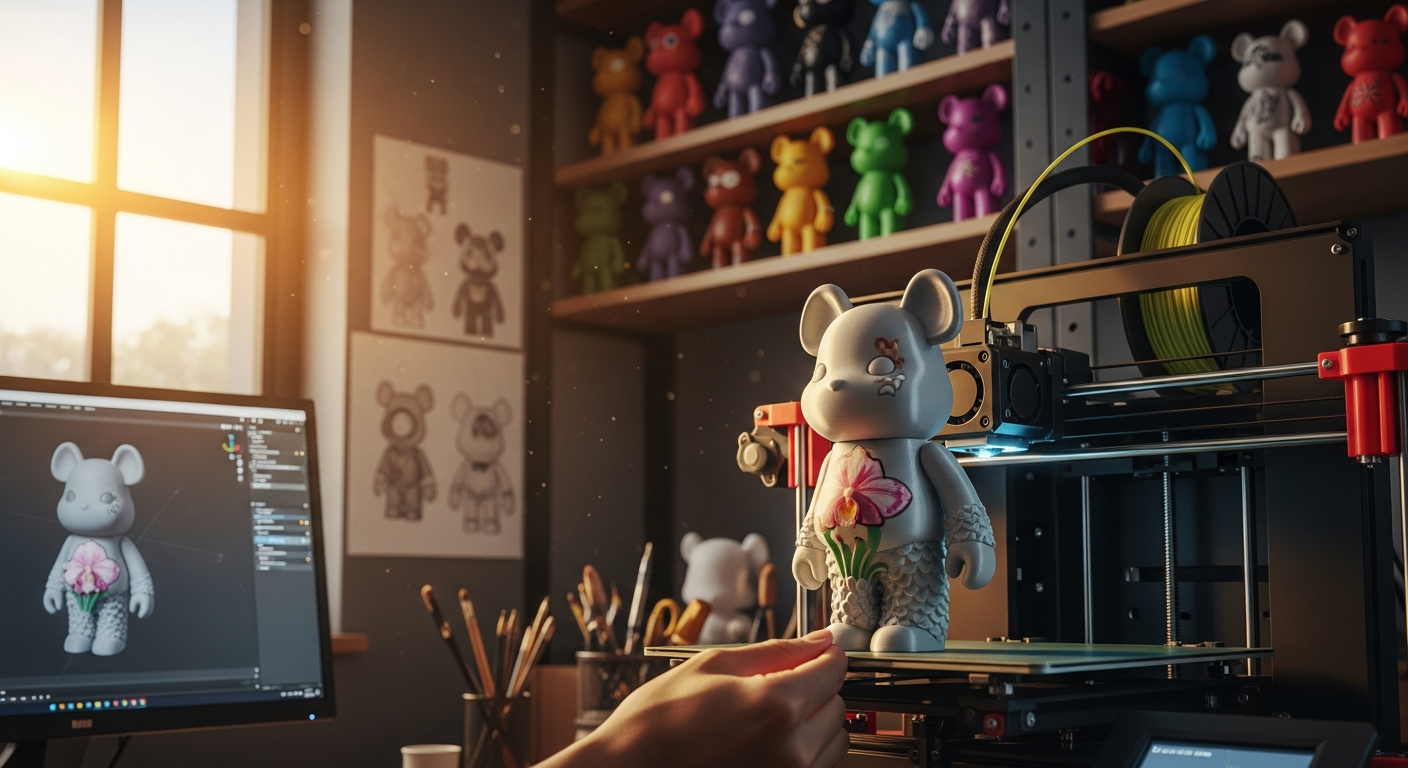
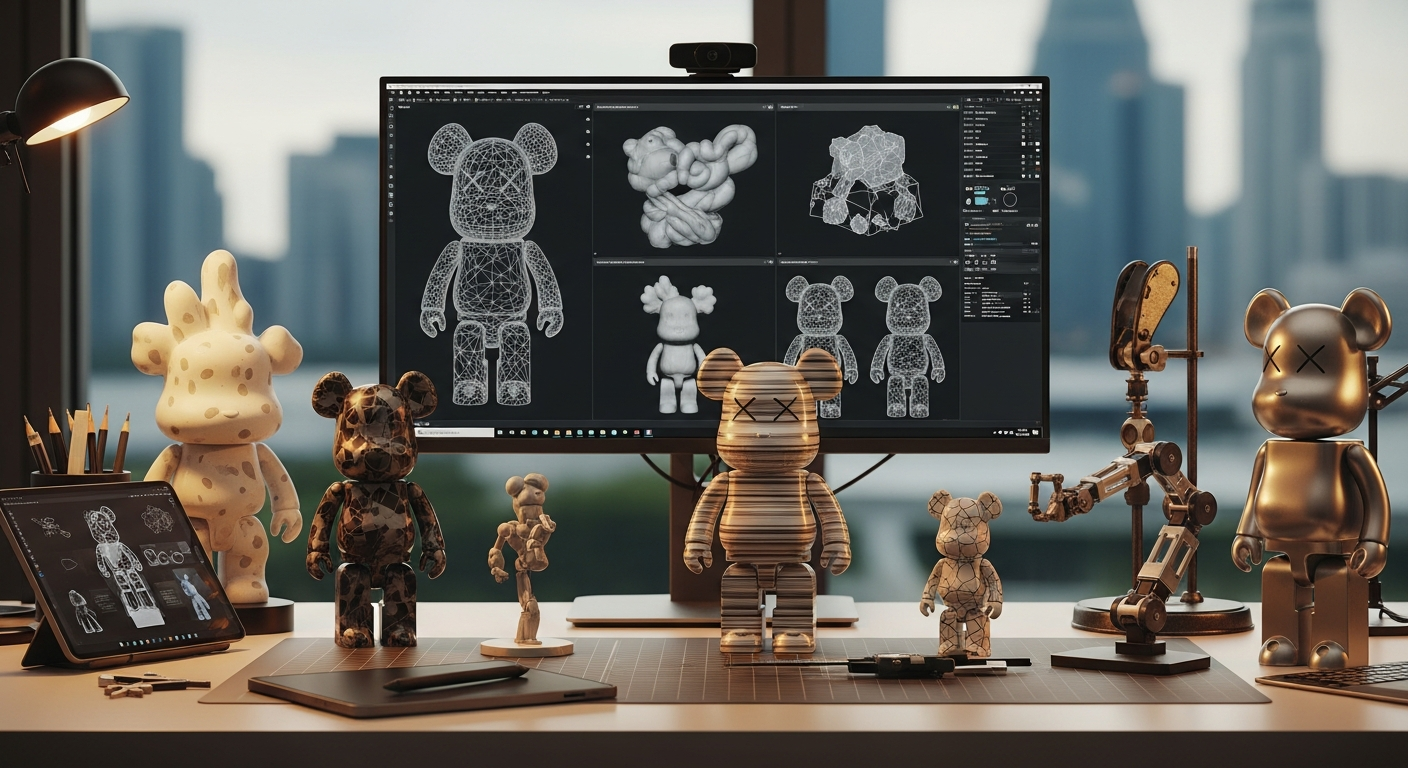

The intersection of collectible design and rapid manufacturing has never been more exciting. In 2025, creators, small studios, and independent designers in Singapore are leveraging local additive manufacturing to produce bespoke art toys with higher fidelity, faster turnaround, and more control than overseas mass production. Whether you’re prototyping a resin figure or launching a limited-run vinyl-style piece, choosing the right 3D printing pathway in Singapore can save time, cost, and preserve the integrity of your artistic vision.
A strong local partner can be the difference between a concept that gathers dust and a collectible that sells out. For teams exploring options, a reliable 3D printing service Singapore can provide not just printing capacity, but material expertise, finishing skills, and production advice tailored to art toys.
Local production offers several strategic advantages for artists and small brands. First, it shortens the feedback loop: designers can iterate quickly on form, scale, and articulation without paying for expensive international shipping or waiting weeks between revisions. Second, local suppliers are often willing to accommodate lower-volume runs and experimental materials, which suits the collectible toy market where scarcity and craftsmanship add value.
For creators focused on design integrity, working with a nearby 3D printing service Singapore helps maintain quality control. Hands-on inspection of test prints, color matching, and final approvals reduce surprises and support tight tolerances that small-scale toy collectors expect.
Understanding which 3D printing technologies match your toy’s needs is crucial.
Material choices influence weight, durability, paint adhesion, and finish. Resins offer crisp detail and smooth surfaces, nylons deliver toughness and flexibility, and specialty composites (wood/metal-filled or elastomeric resins) give unique tactile and visual effects important for collectible appeal.
For artists new to production, partnering early with a reputable 3D printing service Singapore will help narrow choices and prevent costly mismatches between concept and manufacturable reality.
Designing for 3D printing and subsequent finishing is a discipline. Consider these practical guidelines:
A local provider can run design-for-manufacturing (DFM) checks on files and suggest subtle adjustments to improve print success and reduce post-processing time.
The printing stage is only part of the journey. For collectible-quality toys, finishing elevates the perception and resale value.
Working with an experienced post-processing team at a local 3D printing service reduces the need to manage multiple vendors and ensures consistent outcomes across a run.
Selecting a partner involves more than price comparison. Consider these criteria:
Before committing, request sample prints or case studies. Many studios provide material swatches and finish samples so you can judge surface quality and paintability first-hand. A recommended place to start a dialogue is with a trusted 3D printing service Singapore that specializes in creative production.
Costs vary by technology, material, size, and finishing. Typical factors in a quote include print time, material consumption, support removal labor, post-processing, and any assembly or painting services.
Turnaround expectations have tightened across the industry. Many Singapore studios now offer 1–2 week turnarounds for prototypes and 2–6 weeks for small production runs, depending on finishing complexity. Verify lead times and contingency plans, especially around peak seasons.
A direct conversation with a local provider will reveal optimization opportunities: orienting parts to reduce support time, combining components into single prints where feasible, or selecting alternate materials to cut cost without sacrificing quality. Reach out to a specialist 3D printing service for a practical quote tailored to your art toys.
Several developments are shaping the market:
Staying informed about these trends helps designers offer novel finishes and production models that command premium prices and build loyal collector communities.
For designers building a compelling collectible, the combination of local expertise, the right printing technology, and careful finishing will determine success. Singapore’s additive manufacturing scene offers talented partners who specialize in bridging artistic intent and manufacturable reality. By prioritizing material knowledge, design-for-manufacture, and close collaboration with a trusted 3D printing service Singapore, creators can produce standout custom art toys with professional quality and faster market entry.
Careful planning, iterative prototyping, and an experienced post-processing team are the pillars that turn a concept into a collectible that resonates with collectors and stands up to handling and display.