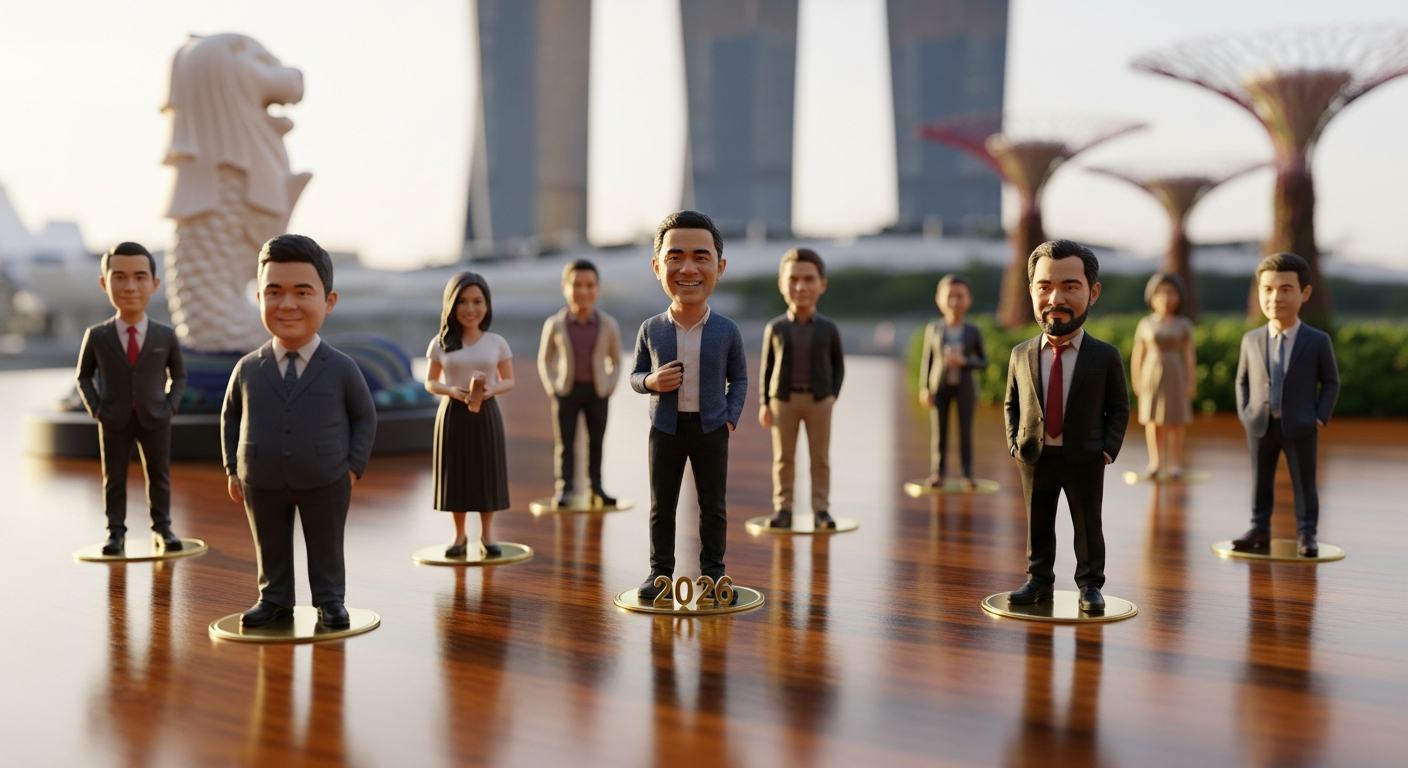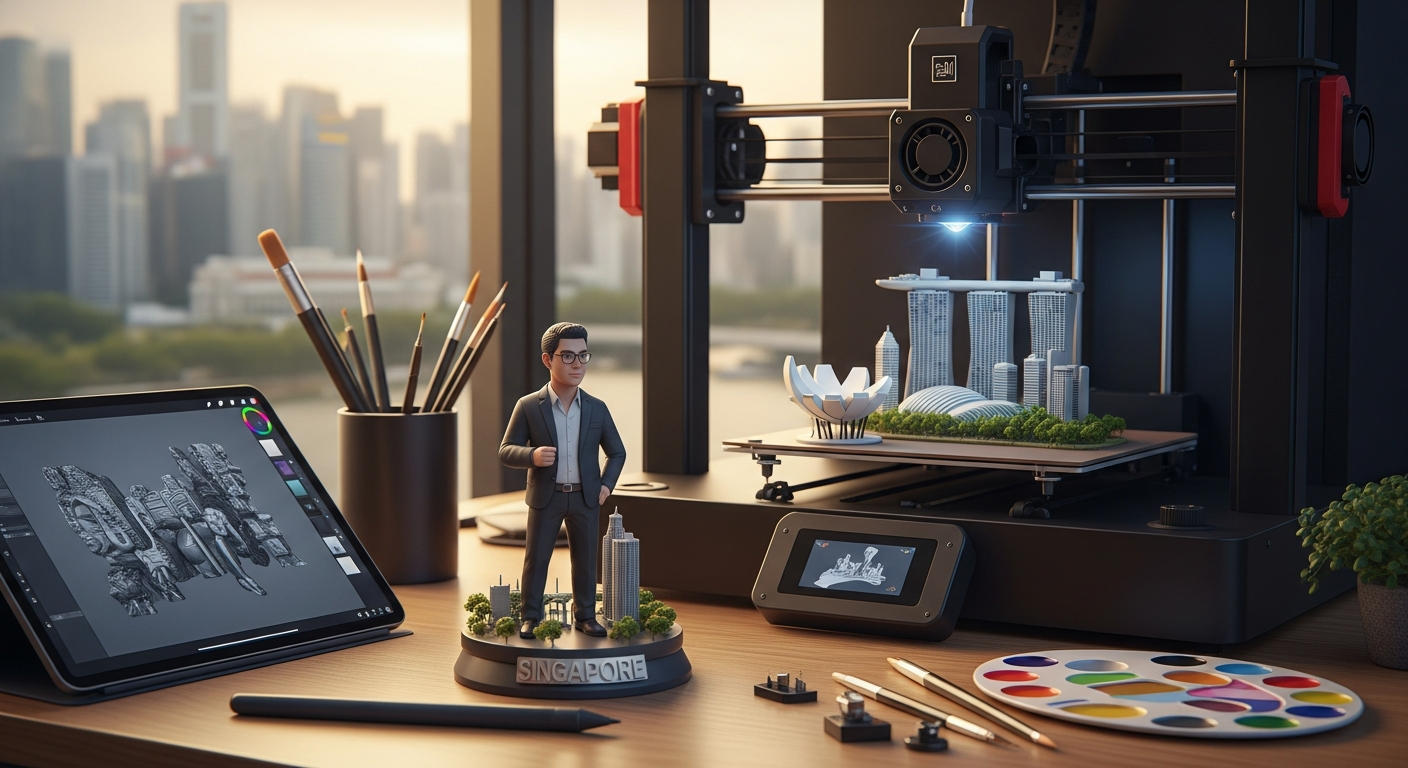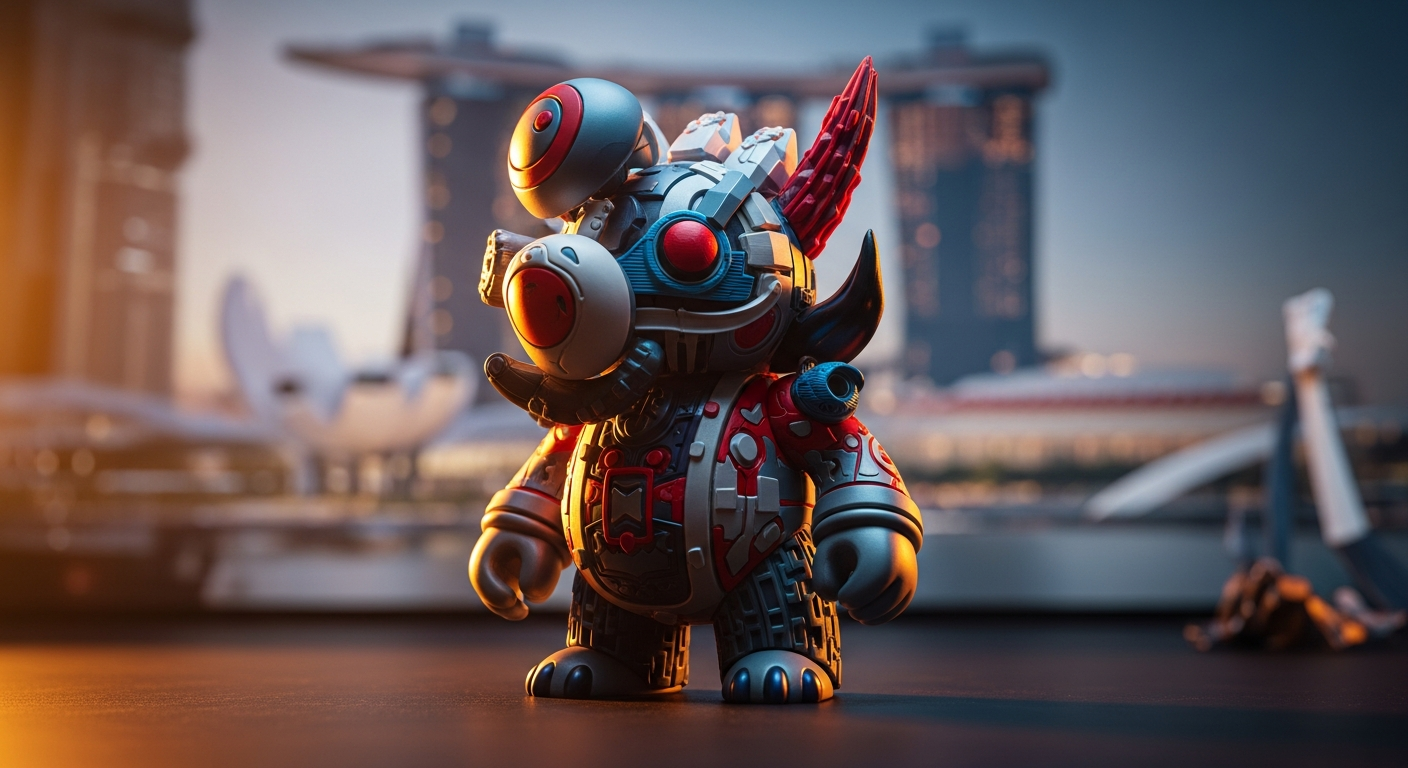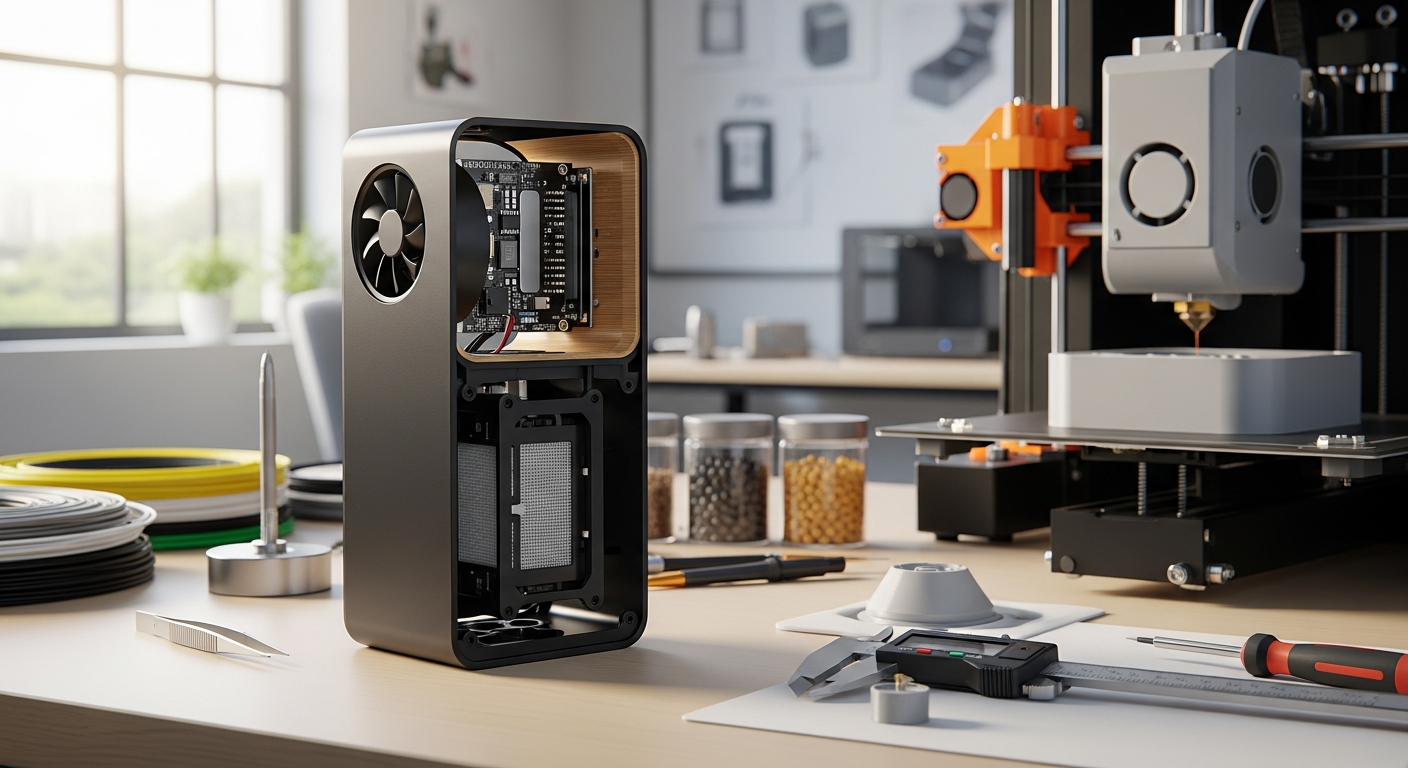

The art toy scene has matured beyond garage vinyl runs and convention booths. Collectors want provenance, exceptional detail and small batches with museum-grade finishes. Designers want faster iteration, predictable costs and sustainable materials. Bridging those needs, 3d printing service singapore has become a critical node in the 2025 art toys ecosystem — bringing AI-driven design workflows and a new generation of sustainable resins to the forefront.
This article maps how those technologies are reshaping the market, what designers and collectors should consider when choosing a 3D partner in Singapore, and how sustainable practices are becoming a competitive advantage rather than a compromise.
Singapore’s strategic advantages — advanced manufacturing infrastructure, strong IP protections, logistics efficiency and a design-forward creative scene — make it an attractive hub for art toy creators. Local 3d printing service singapore providers now offer end-to-end capabilities: high-resolution SLA/DLP printing, industrial PolyJet multi-material systems, rapid post-processing, and consultation on materials and finishes.
For designers, that means rapid prototyping cycles measured in days, not weeks, and easier access to small-batch production without the overseas shipping delays that once forced long-run vinyl manufacturing. For collectors, it means fresher drops, localized limited editions and faster turnaround on commissions.
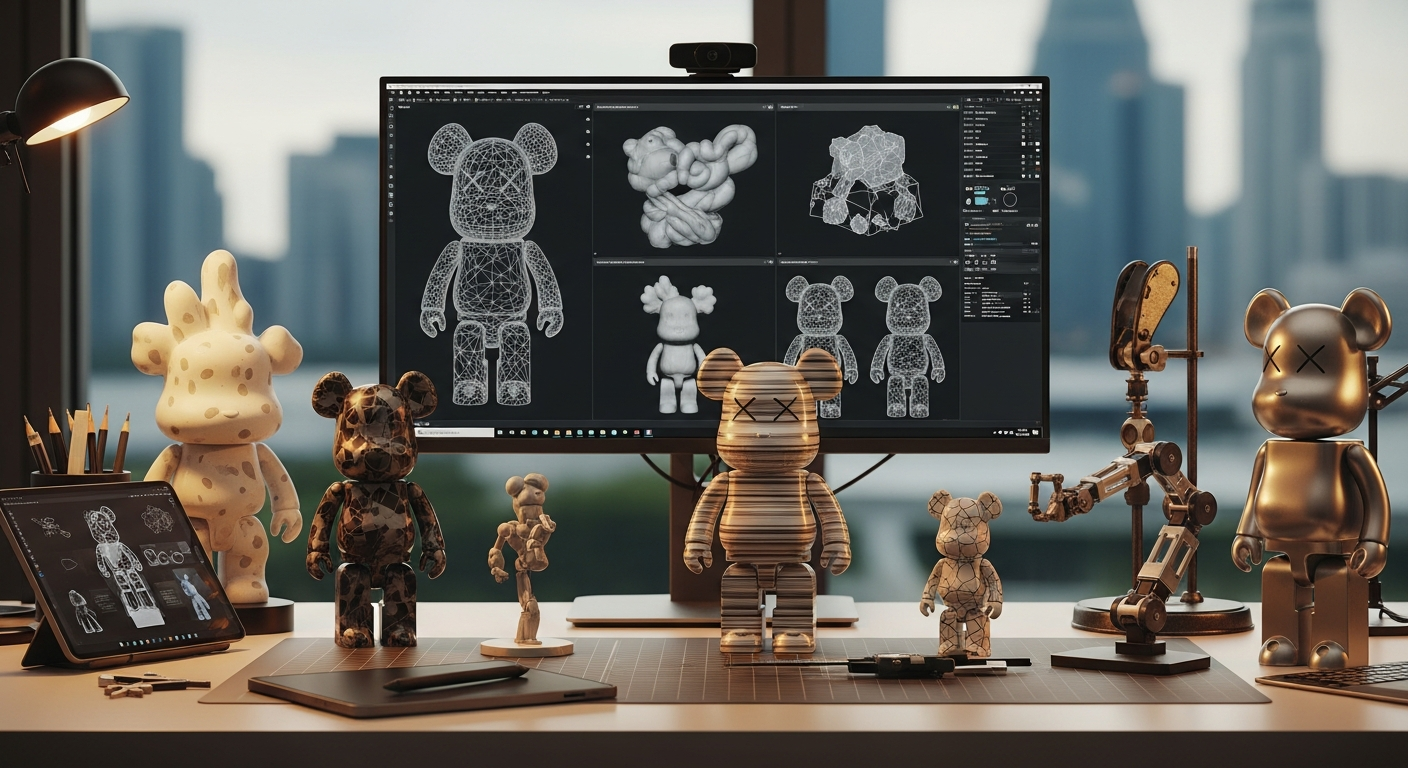
Artificial intelligence has moved from a novelty to an embedded tool in the art toy pipeline. In 2025, AI assists at multiple stages:
These AI capabilities reduce time-to-market and lower the cost of experimentation, letting smaller studios and independent artists compete with established brands.
Sustainability in resin printing has historically been a technical and chemical challenge. Recent advances have changed the calculus:
For art toys, the benefits are tangible: lower environmental impact for limited editions, better working conditions for painters and finishers, and a stronger narrative to present to eco-conscious collectors.
A typical 2025 art toy production cycle with a local 3d printing service singapore looks like this:
This streamlined path shrinks risk and enables creative models such as staggered releases, collector subscriptions and on-demand commissions.
Not all providers are equal. When evaluating a 3D printing partner in Singapore, consider:
A Singapore-based service that combines technical capability with sustainable offerings will be well-positioned to serve the 2025 art toy market.
Costs depend on size, resolution, material and finishing. High-resolution SLA prints with premium eco resins and hand-painted finishes command collector prices, but the per-unit cost for small runs is now far more reasonable thanks to improved workflows and automation.
Typical timelines:
Value drivers that justify premium pricing include limited edition serial numbers, artist signatures, bespoke colorways, and integrated digital provenance (AR experiences or blockchain-backed certificates). These are increasingly expected by serious collectors.
Several clear trends are emerging in the art toys market:
3d printing service singapore providers that support these trends through flexible production, AI tools and green materials will capture disproportionate market share.
Designers:
– Optimize for print: Hollow thicker parts, add escape holes, and design snap-fits for assembly.
– Choose the right resin early: Consider paint adhesion, flexibility and long-term UV stability.
– Prototype quickly: Use rapid SLA prototypes to validate sculpt and articulation before committing to final production.
Collectors:
– Ask about materials and finishes: Know whether a piece uses bio-based resin, whether paint is UV-stable, and the expected longevity.
– Demand provenance: Limited editions should come with numbering and documentation; QR codes or AR can enrich value.
– Understand warranties: Small-batch resin toys may be more fragile than mass-produced vinyl. Check for repair or replacement policies.
As AI and sustainable resin technologies become standard tools rather than novel experiments, the art toy market will continue to fragment into more specialized, high-quality niches. 3d printing service singapore is enabling that shift by combining rapid technical expertise with logistics and sustainability practices that appeal to both creators and collectors.
The result is a healthier, more creative marketplace: designers can experiment without untenable risk, collectors receive better-provenanced, higher-quality pieces, and the environmental footprint of collectible culture declines. For anyone building or collecting art toys in 2025, partnering with a capable 3D service that understands AI workflows and sustainable materials is not just an advantage — it’s a baseline expectation.