Why 3D printing is reshaping art toys
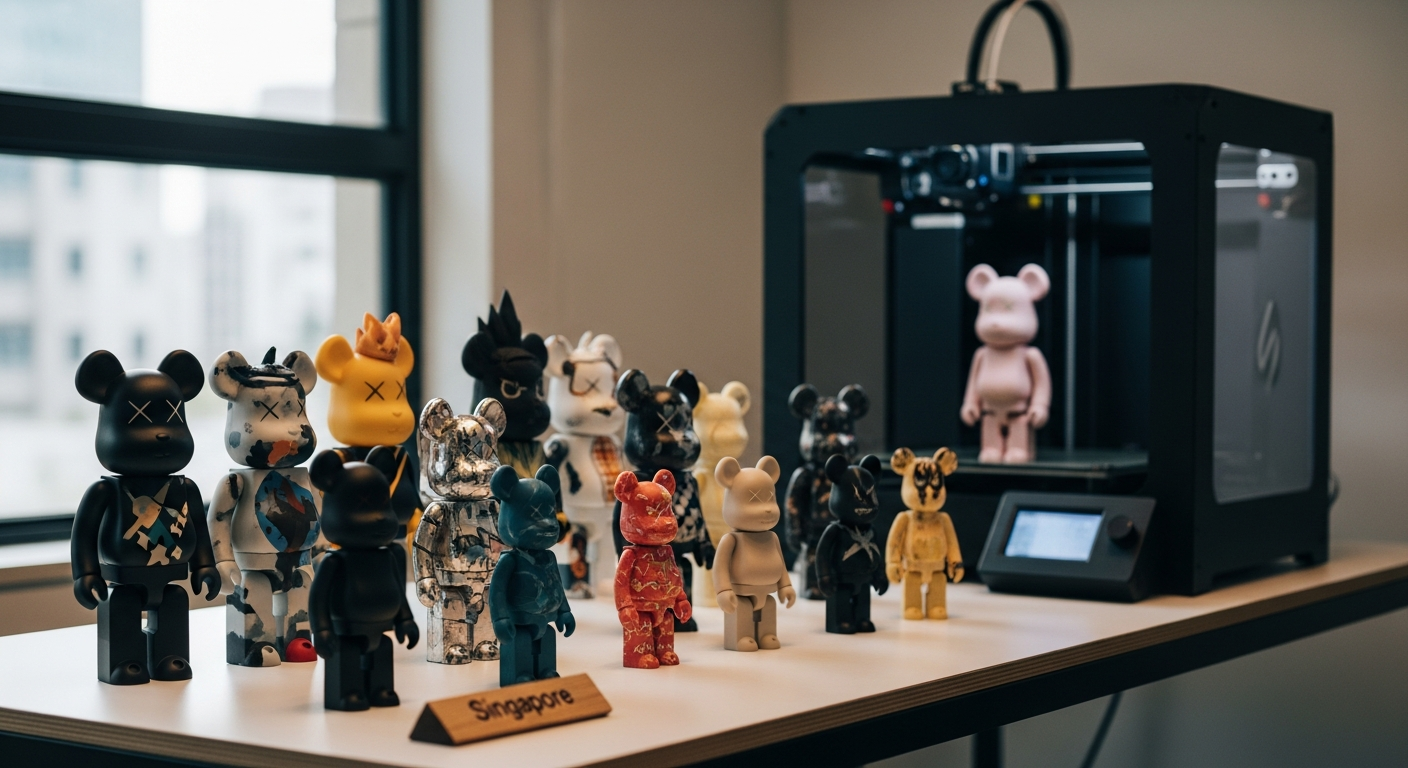
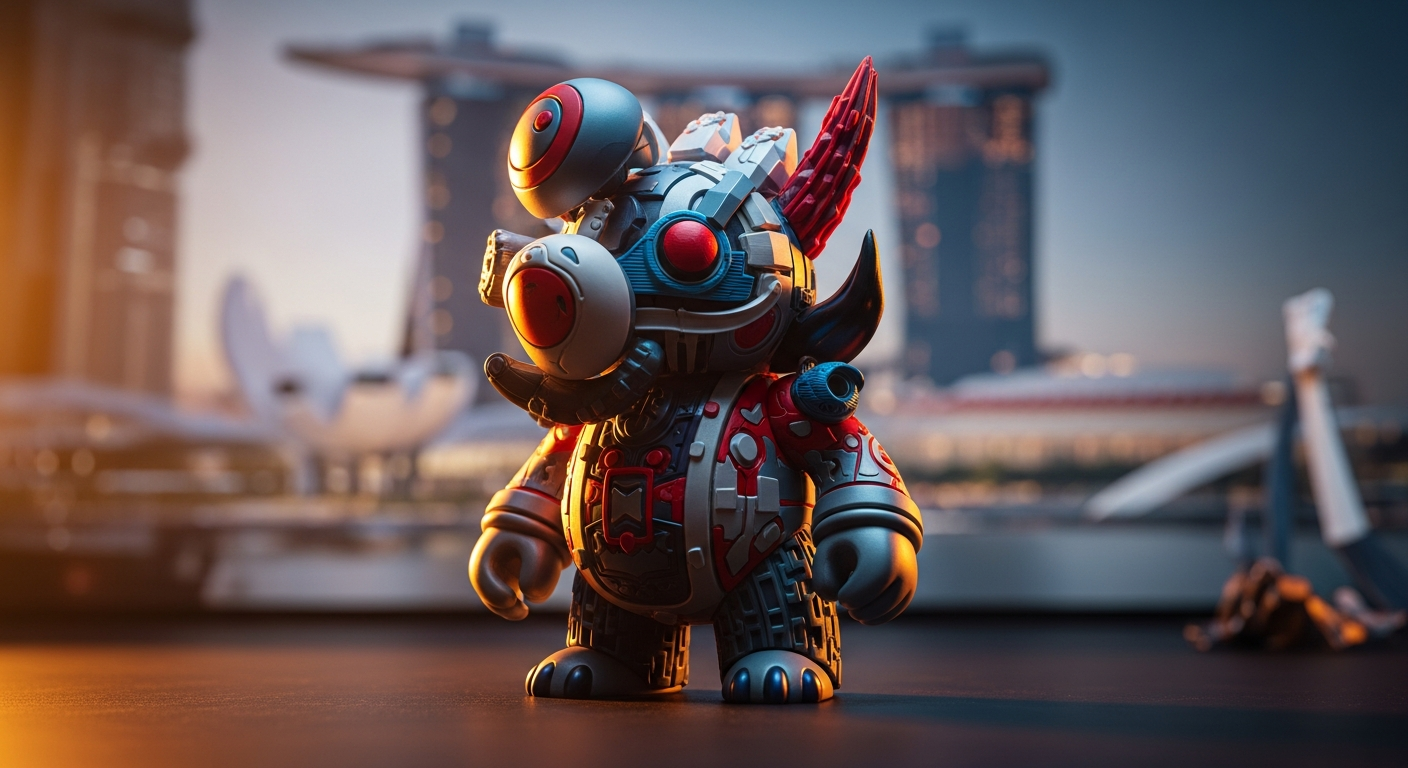
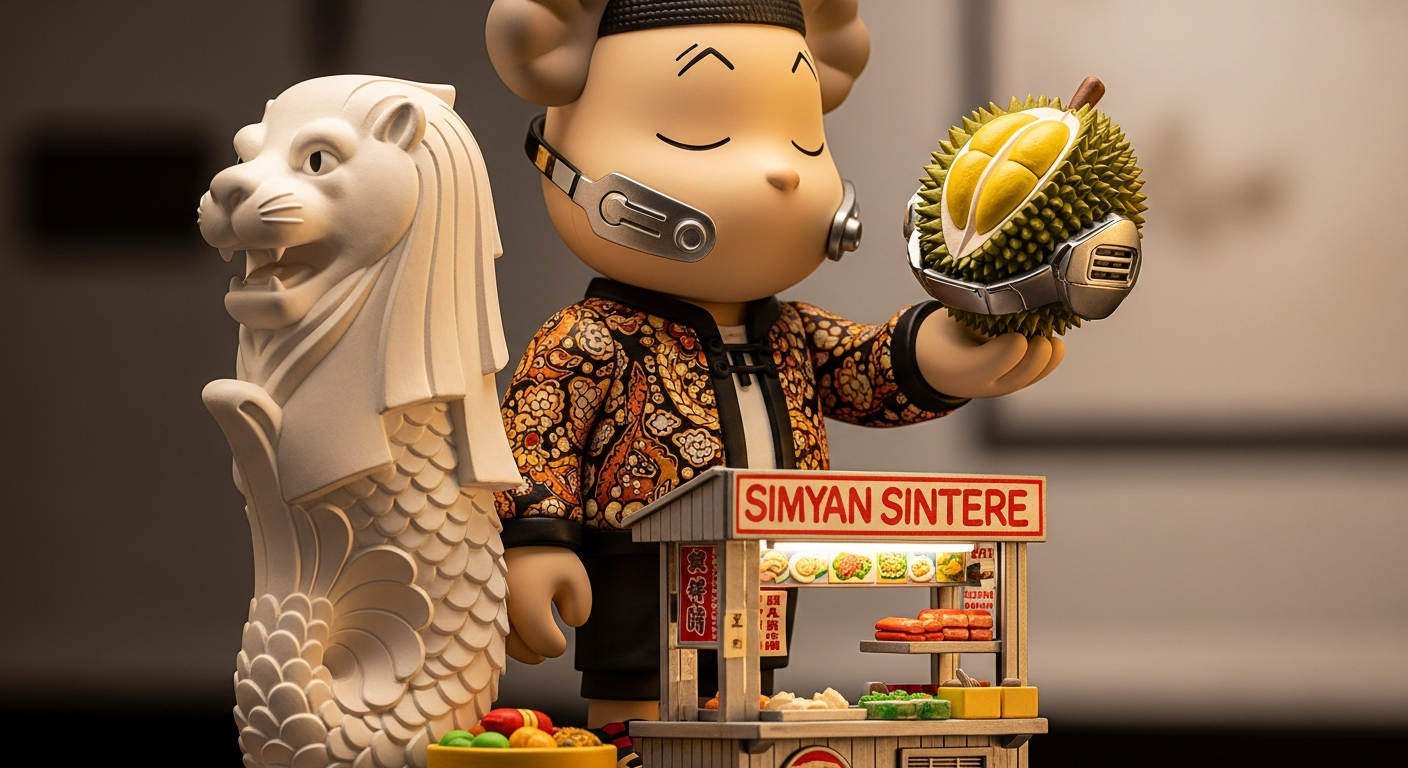
The intersection of designer collectibles and rapid fabrication has made art toys more accessible, experimental and collectible than ever. 3D printing service Singapore providers are enabling artists and small studios to move from concept sketches to physical pieces in days rather than months. For makers, this means faster validation, more frequent limited runs, and the ability to iterate on sculpt, pose and scale with minimal overhead.
Today’s collectors expect museum-worthy detail, small-batch rarity and flawless surface finish. Modern digital workflows and high-resolution 3D printers deliver on all three, making 3D printing the preferred manufacturing route for bespoke art toys.
Key printing technologies for high-detail art toys
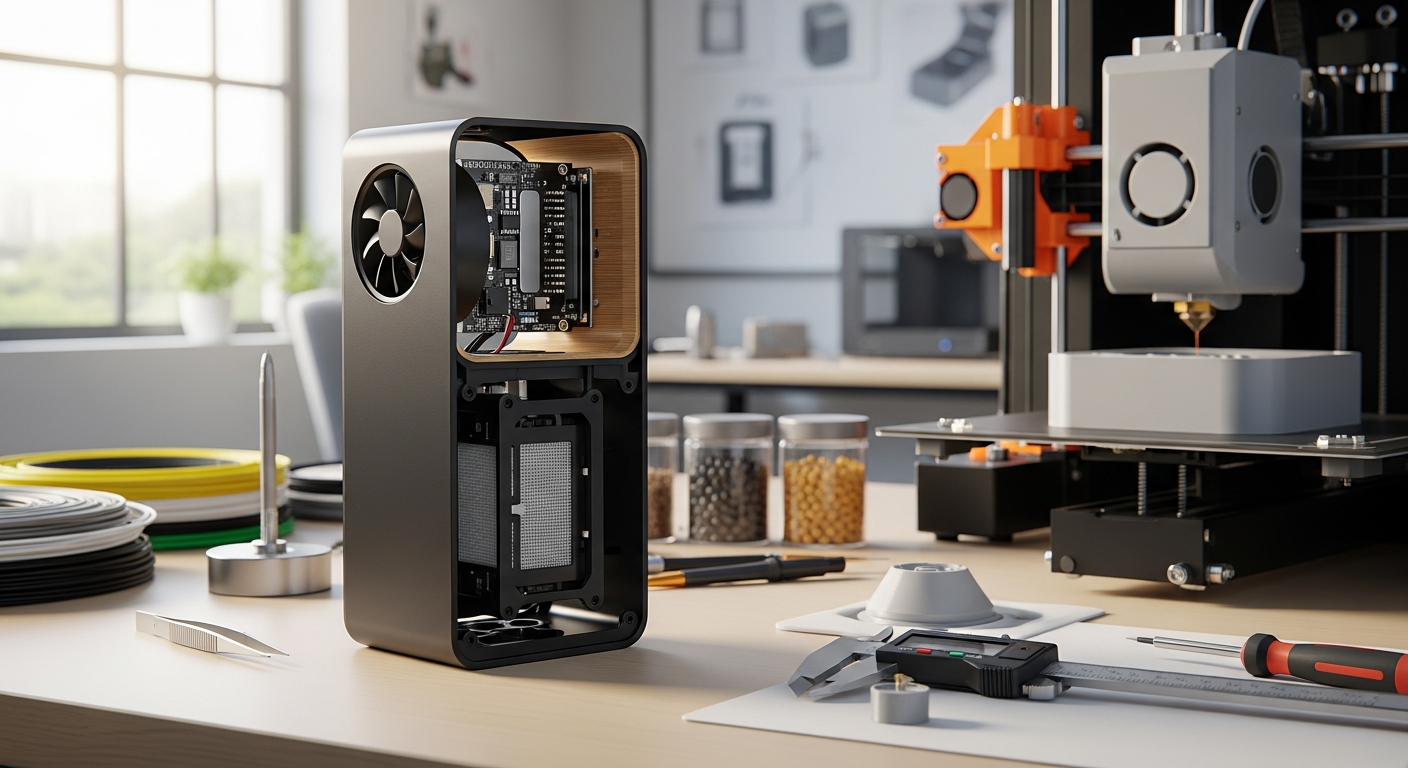
Not all 3D printing methods are equal when it comes to producing collectible figurines. Understanding which technology suits your project is essential for fast turnaround and quality:
- SLA (Stereolithography): Ideal for ultra-fine details, smooth surfaces and small features—perfect for display-grade art toys. SLA parts typically require resin curing and careful post-processing.
- DLP (Digital Light Processing): Similar to SLA but often faster for smaller batches, with excellent detail fidelity and quicker layer curing times.
- SLS (Selective Laser Sintering): Best for strong, flexible nylon parts and complex interlocking elements without support structures—useful for functional toy components or articulated joints.
- FDM (Fused Deposition Modeling): Cost-effective for larger prototypes and quick form checks, but generally requires more finishing to achieve collectible-grade surfaces.
Choosing the right process with your 3d printing service Singapore partner saves time and reduces rework.
A practical workflow for fast turnaround art toys
Fast turnaround is as much about process as it is about machines. A streamlined workflow typically looks like this:
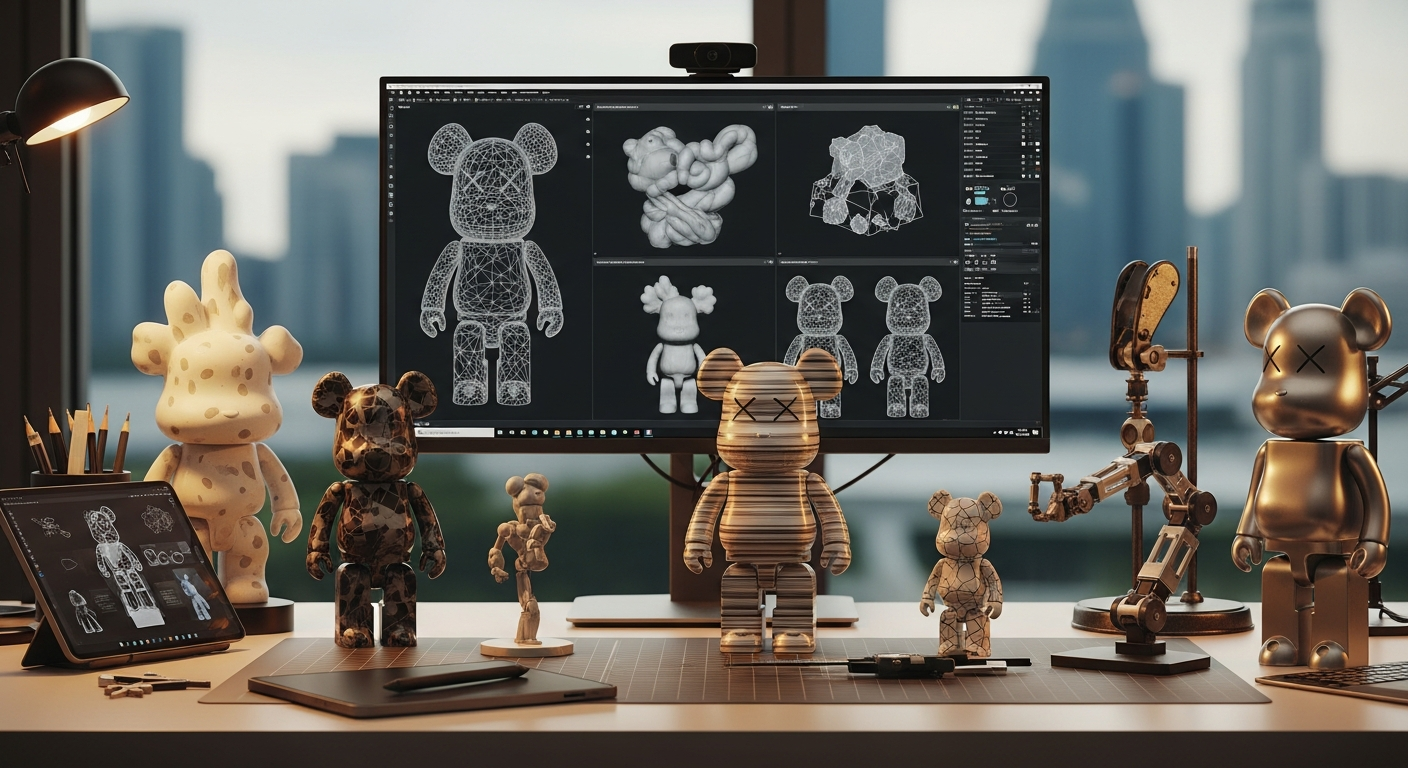
- Concept & digital sculpt: Use ZBrush or Blender for high-res sculpts. Keep a parametric CAD backup for parts that need exact tolerances.
- Design for print: Hollow thick models, add drain and escape holes for SLA, and plan support placement to minimize surface scars.
- Prototype print: Run a quick FDM or low-cost SLA proof to assess scale, balance and pose.
- High-detail print: Produce final parts using SLA/DLP with high-resolution settings.
- Post-processing: Wash, cure, sand, and prime. Apply surface texture where needed.
- Paint & finish: Hand-paint, airbrush, or use pad/UV printing for consistent graphics.
- QC & packaging: Check fit, finish and articulation, then pack for retail or shipping.
A close local partnership with a 3D printing service Singapore workshop removes shipping delays and simplifies iterations during these steps.
Why local 3D printing service Singapore matters for creators
Proximity matters when timing is crucial. Using a local 3D printing service Singapore offers distinct advantages:
- Faster iteration cycles: Overnight or same-week reprints when a tweak is required.
- Face-to-face collaboration: Quick alignment on finishes, color matching and quality standards.
- IP control and confidentiality: Local NDAs and secure handling reduce overseas exposure.
- Logistics simplicity: Lower shipping costs, fewer customs delays and easier returns for revisions.
For independent artists and small brands, these benefits directly translate into shorter lead times and better control over final products.
Finishing, painting and assembly — where the magic happens
High-resolution prints give you forms, but finishing and painting turn those forms into desirable collectibles. Skills and options to consider:
- Surface smoothing: Wet sanding and filler primers eliminate layer lines for a gallery finish.
- Resin casting: Create silicone molds from a master print to produce resin copies for short runs—great for small editions.
- Color and texture: Airbrushing, hand detailing, or hydro-dipping add depth while UV-resistant coatings protect pieces.
- Metalization and inlays: Electroplating or metal leaf accents elevate perceived value.
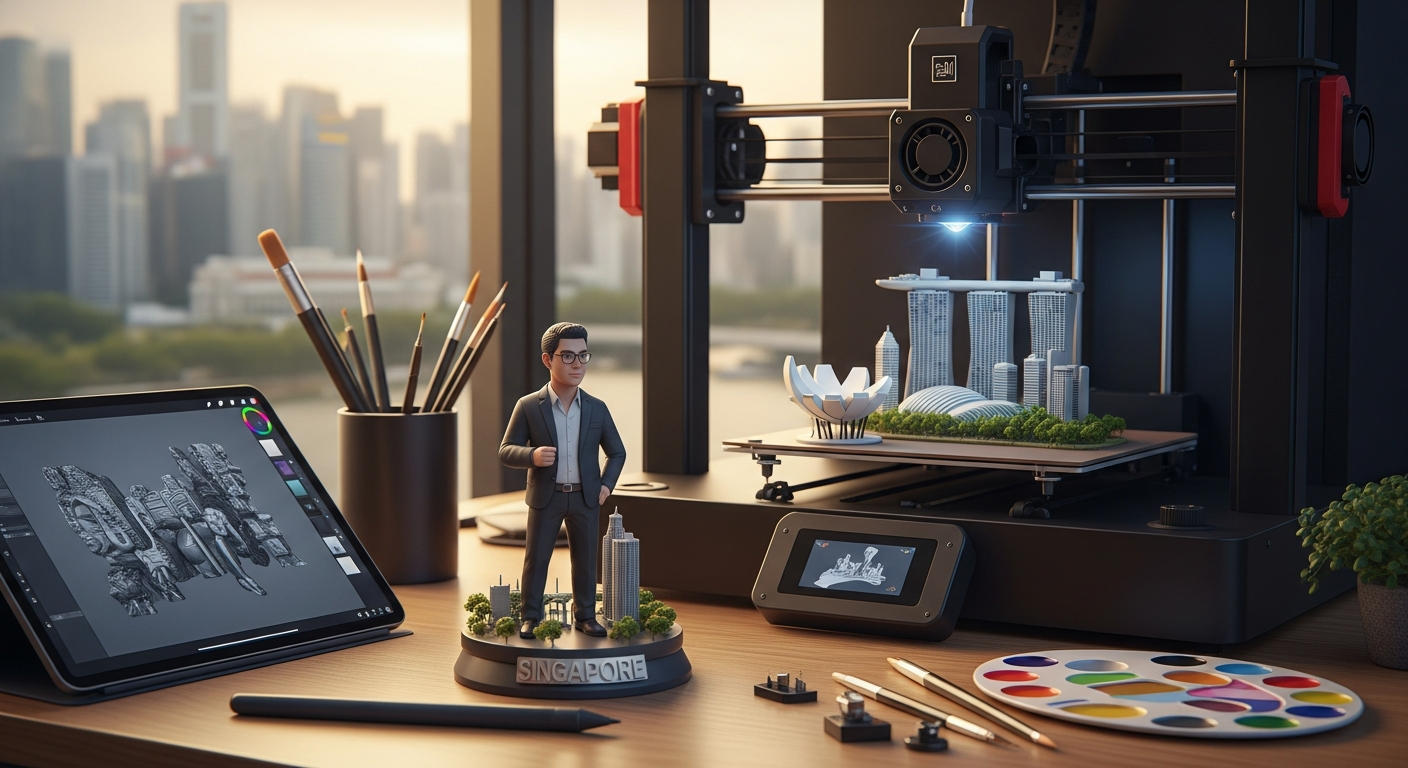
Many 3D printing service Singapore providers offer integrated finishing and painting services, allowing you to consolidate suppliers and speed delivery.
Cost, lead time and scaling considerations
Understanding the cost drivers helps you make trade-offs between speed, detail and budget:
- Material and technology: SLA resins cost more than FDM filament, but deliver superior surface quality.
- Print time: Higher resolution = longer print times. Batch printing strategies can improve throughput.
- Post-processing labor: Finishing and painting are labor-intensive and often the largest cost in collectible-grade toys.
- Quantity: Short runs (10–200 units) often favor 3D printing or resin casting; larger volumes may justify tooling.
Typical lead times in Singapore for a well-managed project:
- Initial prototype: 1–5 days
- High-detail master print + finishing: 3–10 days
- Short-run production (resin cast from master): 1–3 weeks depending on quantity
These timelines vary by complexity, but working with an experienced local partner can shave days off every cycle.
Current trends shaping the art toy scene
Several trends are influencing how art toys are designed, produced and marketed:
- Designer + tech collaborations: Artists increasingly work with 3D printing service Singapore studios that offer digital sculpting and production expertise.
- Limited edition drops: Short, numbered runs create scarcity and boost collector interest—perfectly suited for additive manufacturing.
- Customization and personalization: On-demand colorways, engraving and small variations are easier with digital workflows.
- Sustainable materials: Biodegradable resins and recycled filaments are gaining traction, helping brands communicate eco-conscious values.
- Hybrid manufacturing: Combining 3D printing for detail with CNC or injection-molded parts for durability and cost-efficiency.
Embracing these trends helps creators stay competitive and attract new collector demographics.
Practical tips to speed production without sacrificing quality
- Start with a clear brief: Scale, pose, articulation points, final finish and target price should be defined up front.
- Optimize geometry: Remove unnecessary thin walls, add assembly features and consider tolerance stacking early in the design phase.
- Use prototypes strategically: Validate fit and balance with quick prints before committing to final materials.
- Batch similar parts: Consolidate prints that use the same orientation and resin type to reduce set-up time.
- Partner locally: Rapid feedback loops with a 3d printing service singapore partner cut iteration time.
Real-world use cases and inspirations
- Solo artists launching their first limited runs can use high-resolution SLA masters to cast small editions, minimizing upfront tooling costs.
- Collaborative projects between illustrators and fabricators use 3D printing to iterate stylistic details quickly and produce multiple colorways.
- Brands testing new characters can validate market demand with short-run drops before investing in injection molds.
Explore examples of successful projects and workflows at art toys, or see how a local studio can handle everything from sculpt to finish by checking their 3D printing service.
Choosing the right partner in Singapore
When selecting a 3D printing service Singapore provider, evaluate:
- Portfolio and material capabilities (SLA/DLP/SLS/FDM)
- Post-processing and painting services
- Turnaround guarantees and communication practices
- IP protection policies and confidentiality
- Cost transparency and sample pricing
Look for studios that combine technical expertise with a strong sense of aesthetic—those partners will translate digital sculpts into collectible art toys efficiently. Find examples of integrated services and client work at prototype services and learn about finishing options at custom figures. For ideas on launching limited runs and drops, see resources on limited edition drops.
Final thoughts
3D printing service Singapore capabilities have lowered the barrier between imagination and object. For artists, designers and small brands, the result is faster product cycles, richer detail and the flexibility to experiment with editions and finishes. By selecting the right technology, optimizing the workflow and partnering with an experienced local studio, creators can bring highly collectible art toys to market quickly and with professional polish.
Discover more about flexible production for art toys and local fabrication expertise at art toys.