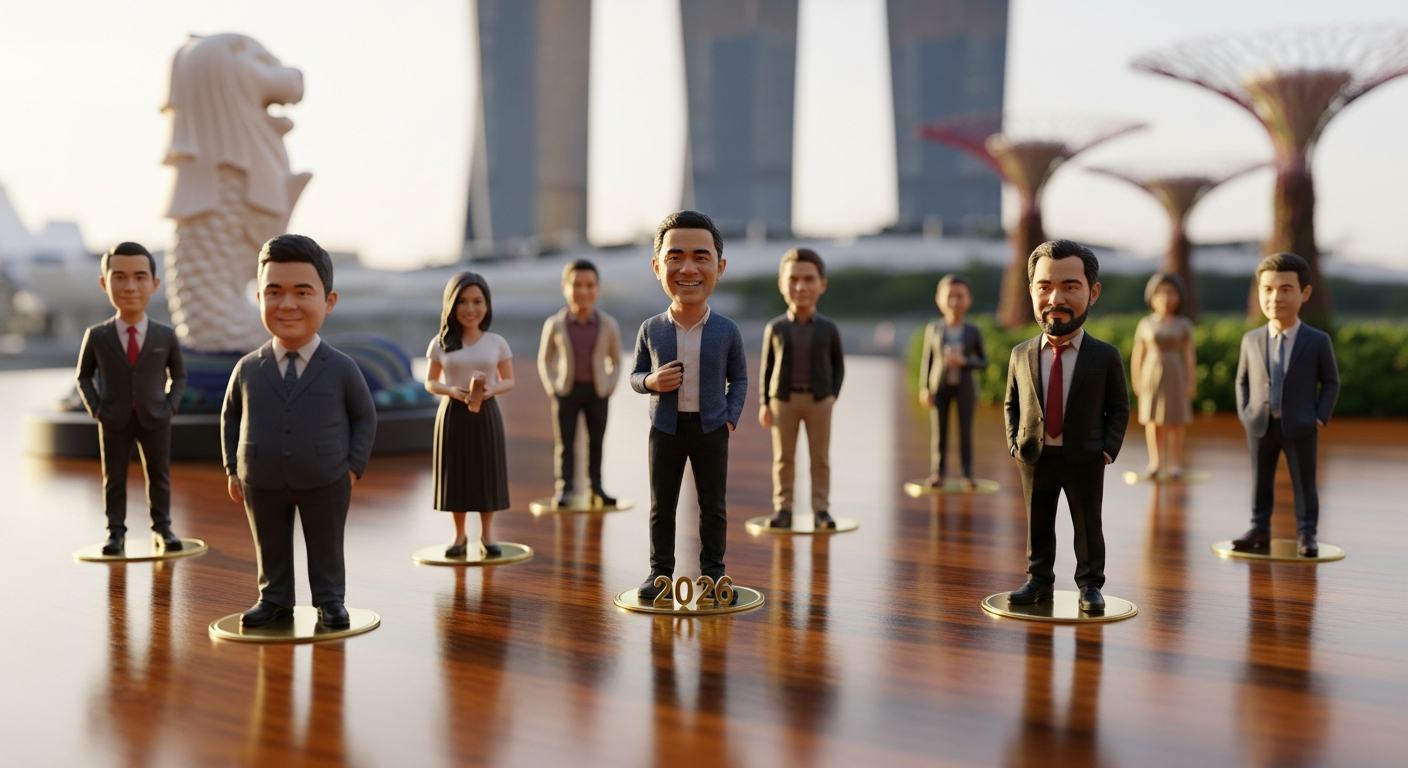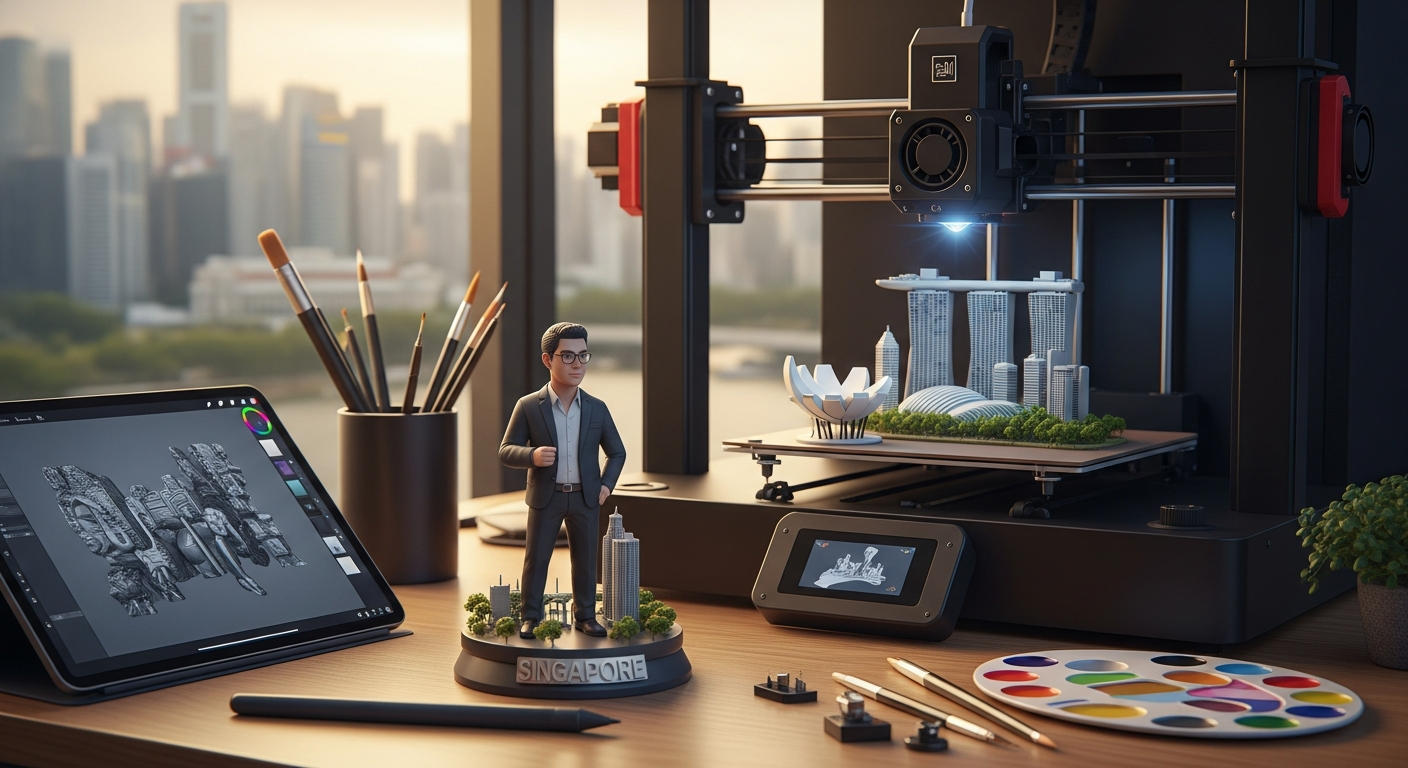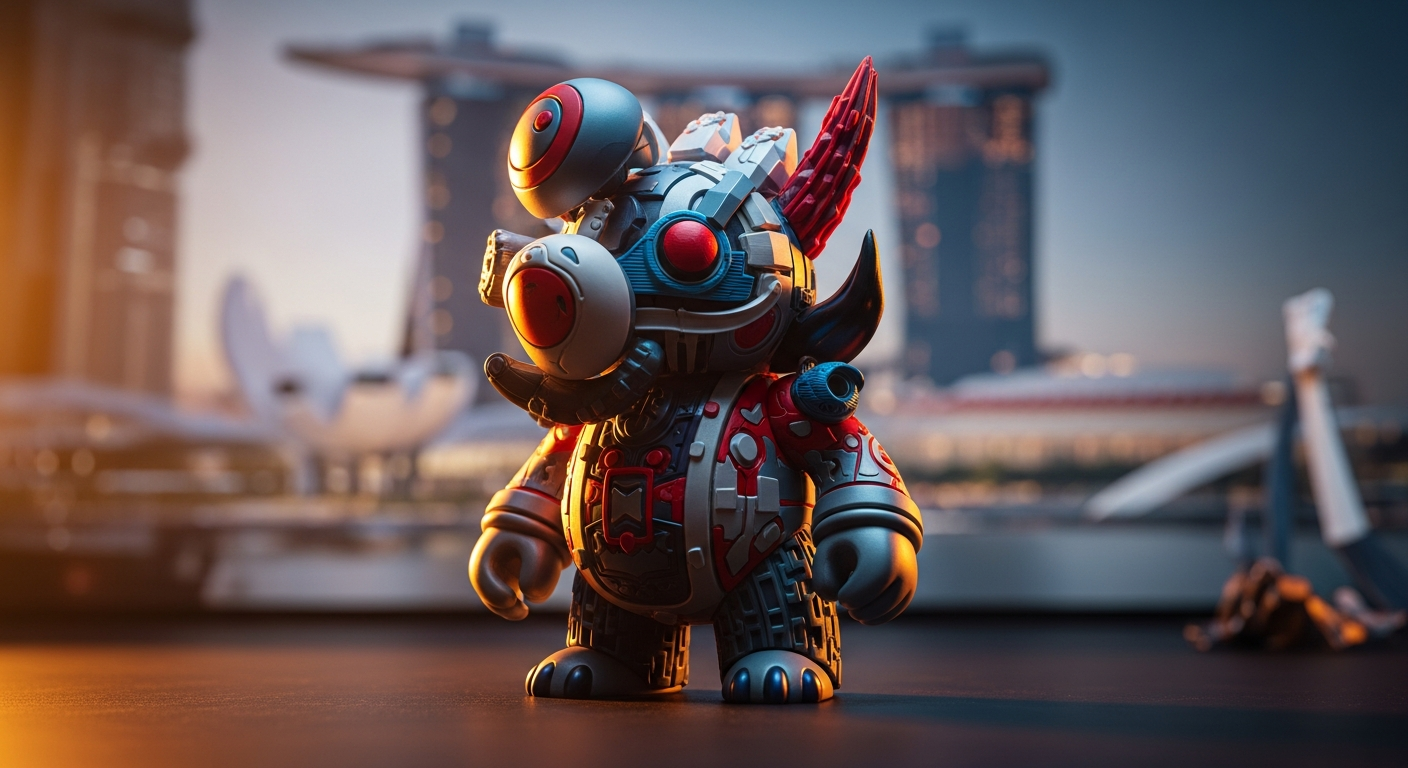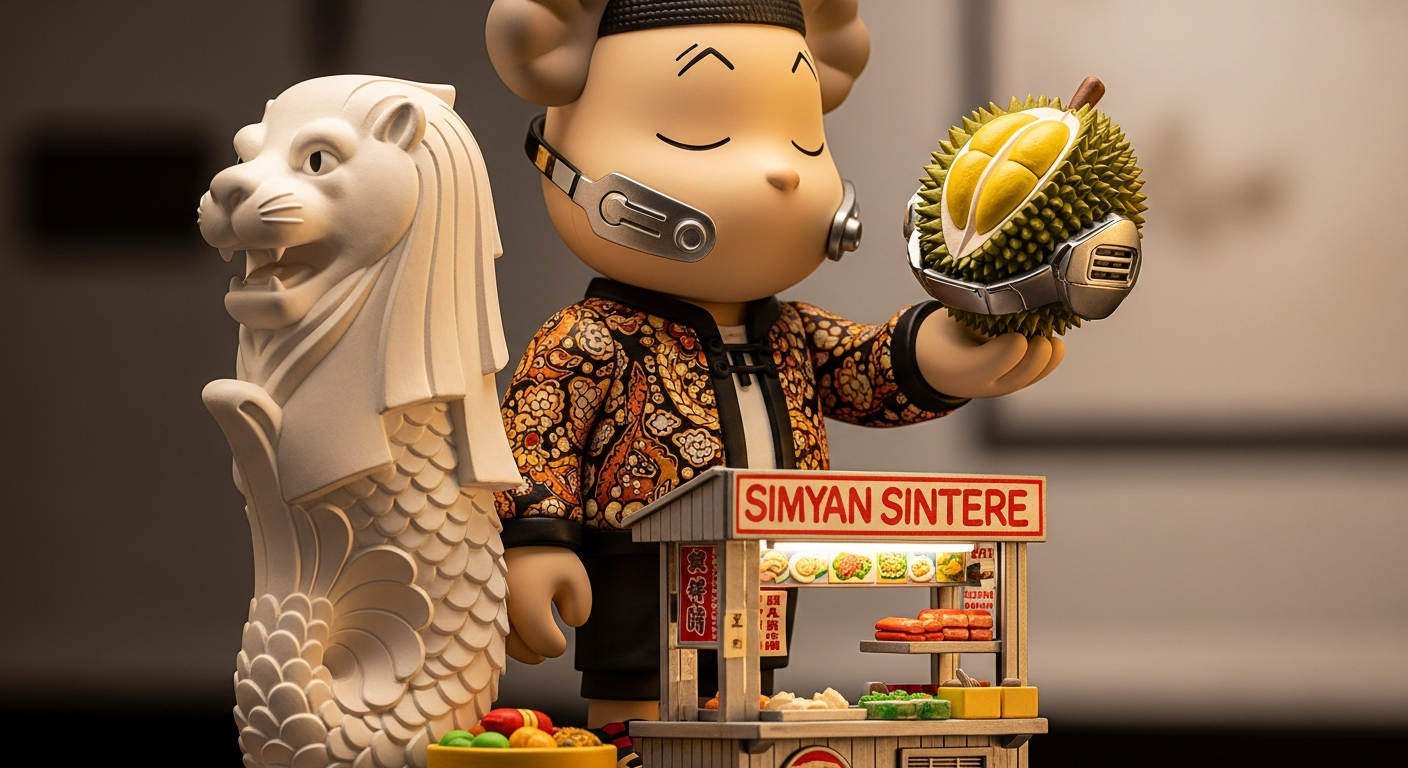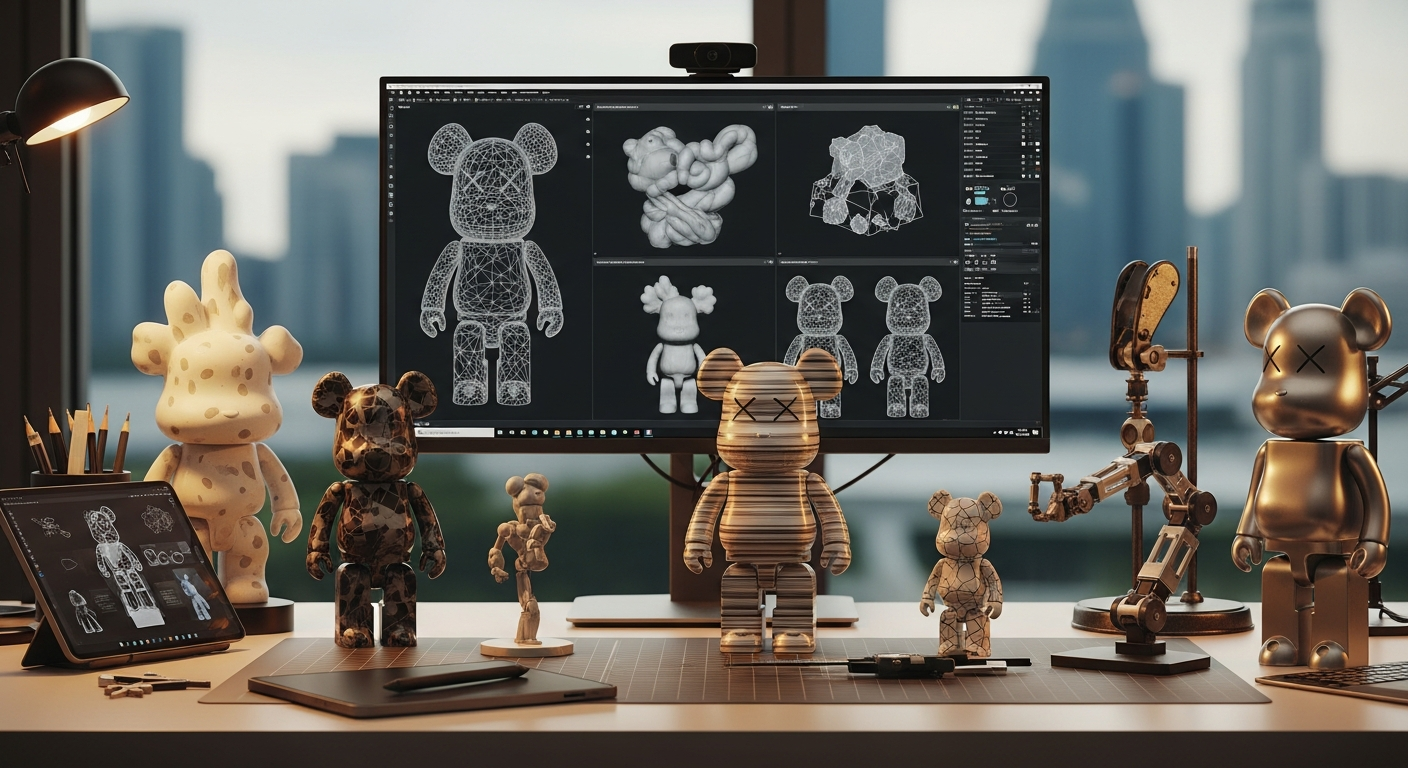


The collectibles market has shifted. Independent designers and toy studios now expect faster iteration, richer surface detail, and smaller, more sustainable production runs. For creators of art toys, a reliable 3d printing service singapore is no longer a novelty — it is the bridge between a digital concept and a tangible, sellable designer collectible.
In 2025 the competitive edge comes from combining craft with technology: high-resolution printing, eco-conscious materials, and NFT-ready digital twins that add provenance and scarcity. This guide walks artists and brands through how to choose the right local service, which technologies matter for different goals, and how to build eco-friendly, web3-enabled art toys from sketch to shelf.
Artists and small brands have specific needs that differ from industrial clients. Look for a partner that offers:
Selecting a service that understands art toys saves time and prevents costly reworks. Local providers also make prototyping cycles faster and give better visibility into production quality.
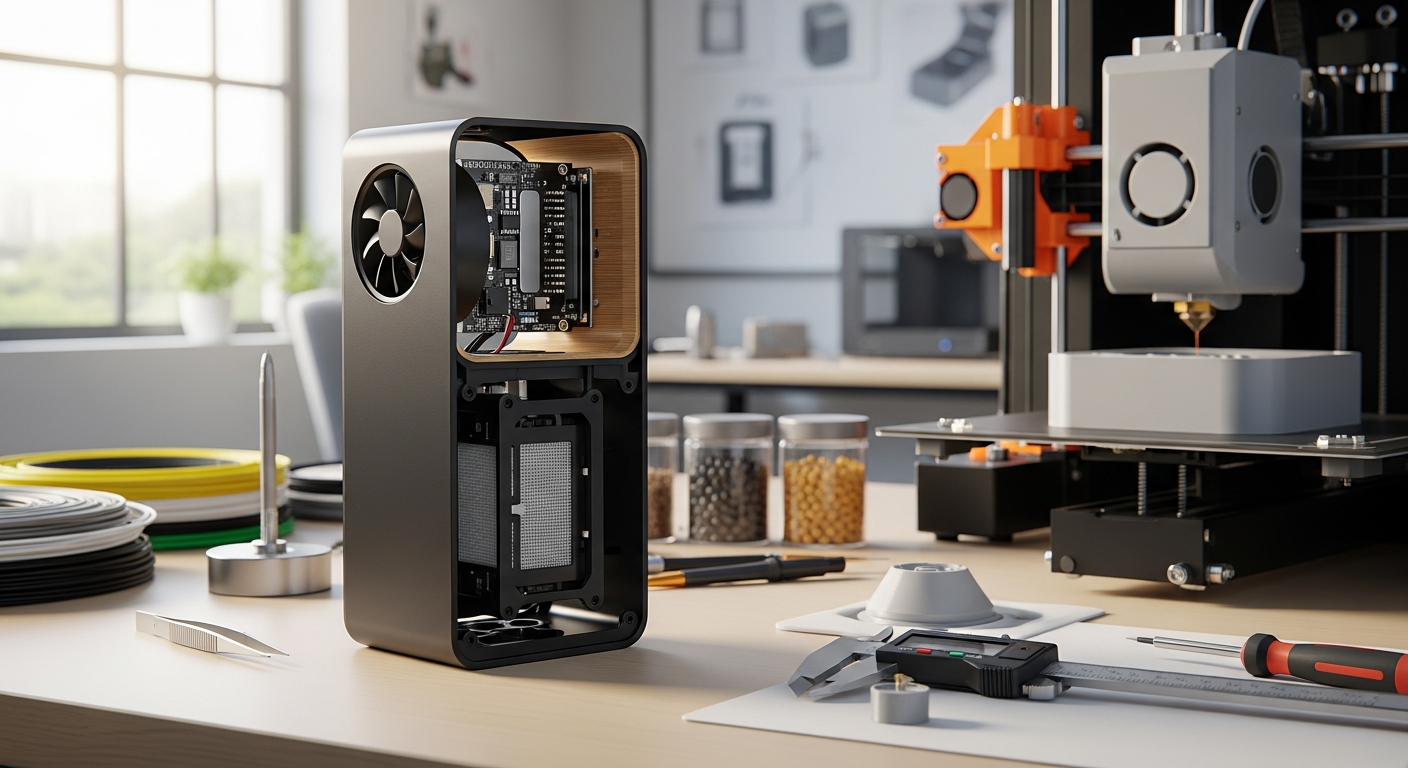
Different art toy designs require different technology. Here are the most common options and when to use them:
Most specialist 3d printing service singapore providers will combine processes to deliver the best balance of cost, speed, and finish.
Sustainability is no longer optional for forward-thinking creators. Eco-conscious collectors and galleries expect transparency about materials and carbon impact. Consider these options:
When evaluating suppliers, request material data sheets and ask about end-of-life recommendations for parts. A good 3d printing service singapore will be able to advise on the best sustainable material for a given design without compromising aesthetics.
Integrating physical collectibles with NFTs has become mainstream for designer toys. A professional service can help create NFT-ready items by delivering both the physical object and a robust digital twin. Key elements include:
Designers should plan the token metadata early. Decide whether the NFT represents ownership, a redeemable claim for a physical piece, or augmented access. A 3d printing service singapore familiar with web3 workflows will support the file formats and export standards collectors expect.
Printing is the start; finishing makes the art toy collectible-quality. Common finishing steps include sanding, priming, airbrushing, tampography, pad printing, and hand-painting. Consider these production strategies:
A service that offers post-processing and painting ensures a single vendor accountability chain and often improves final quality and delivery times.
Budget and timelines vary by technology and finish. High-resolution SLA pieces with hand-painting are costlier and slower but command premium pricing. Full-color PolyJet parts reduce manual painting but cost more per unit. Typical considerations:
Ask providers for a transparent breakdown of printing time, material costs, finishing labor, and shipping. A reputable 3d printing service singapore will provide clear quotes and sample timelines.
Before sending files to a service, prepare these items:
Providing complete information up front reduces revision cycles and speeds time to market.
Singapore offers rapid prototyping culture, fast shipping across Southeast Asia, and a growing ecosystem of designers, galleries, and toy communities. Choosing a 3d printing service singapore with experience in art toys streamlines production, helps with compliance and packaging, and often gives access to local finishing artists and toy photographers.
Partnering with a supplier that understands limited editions, provenance, and eco-responsibility positions your project to succeed with today’s collectors. From high-resolution prototypes to NFT-backed drops, the right local 3D partner turns creative vision into collectible reality.
Designers who prioritize material choices, finishing quality, and clear digital twins will stand out in the crowded market of art toys. A strategic local 3d printing service singapore will be a collaborator, not just a vendor, helping you launch eco-friendly, NFT-ready designer collectibles that command attention and value.