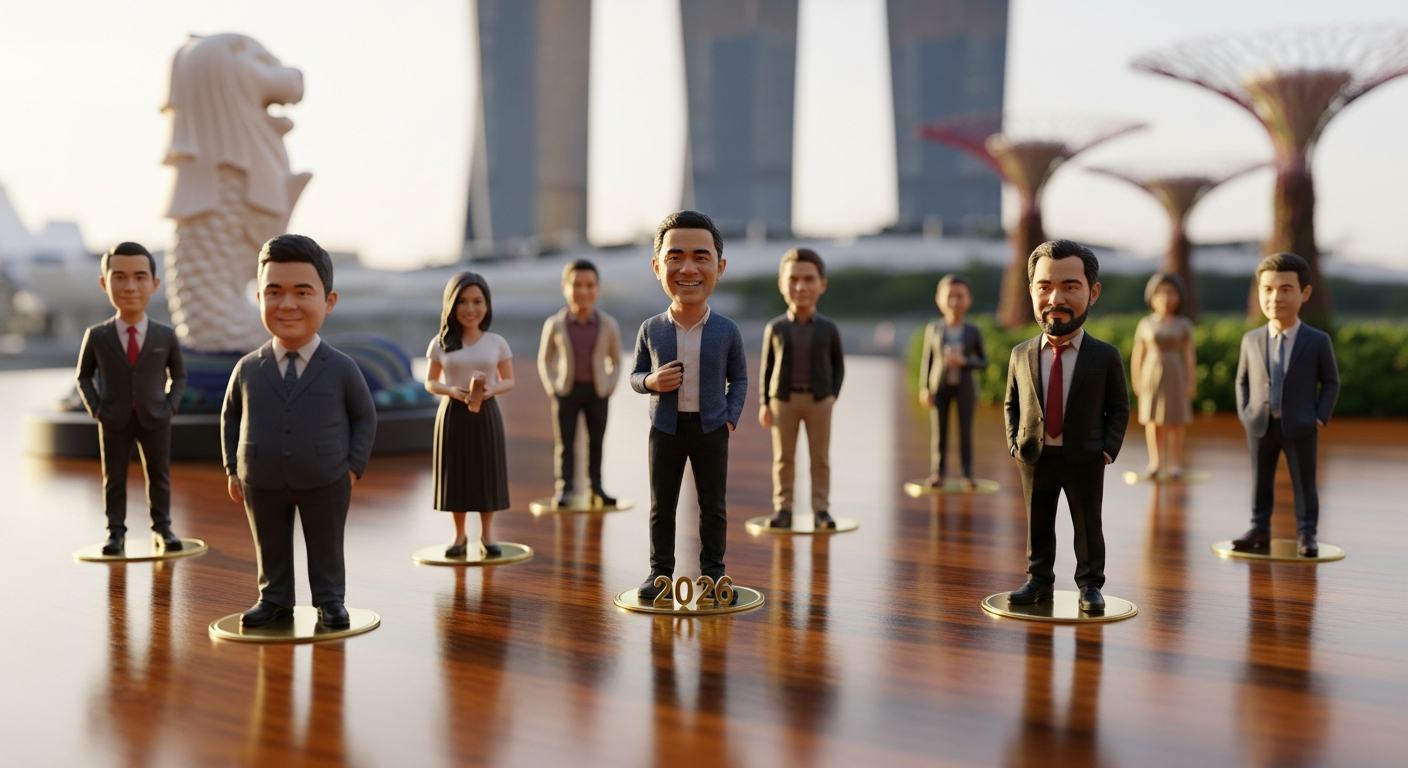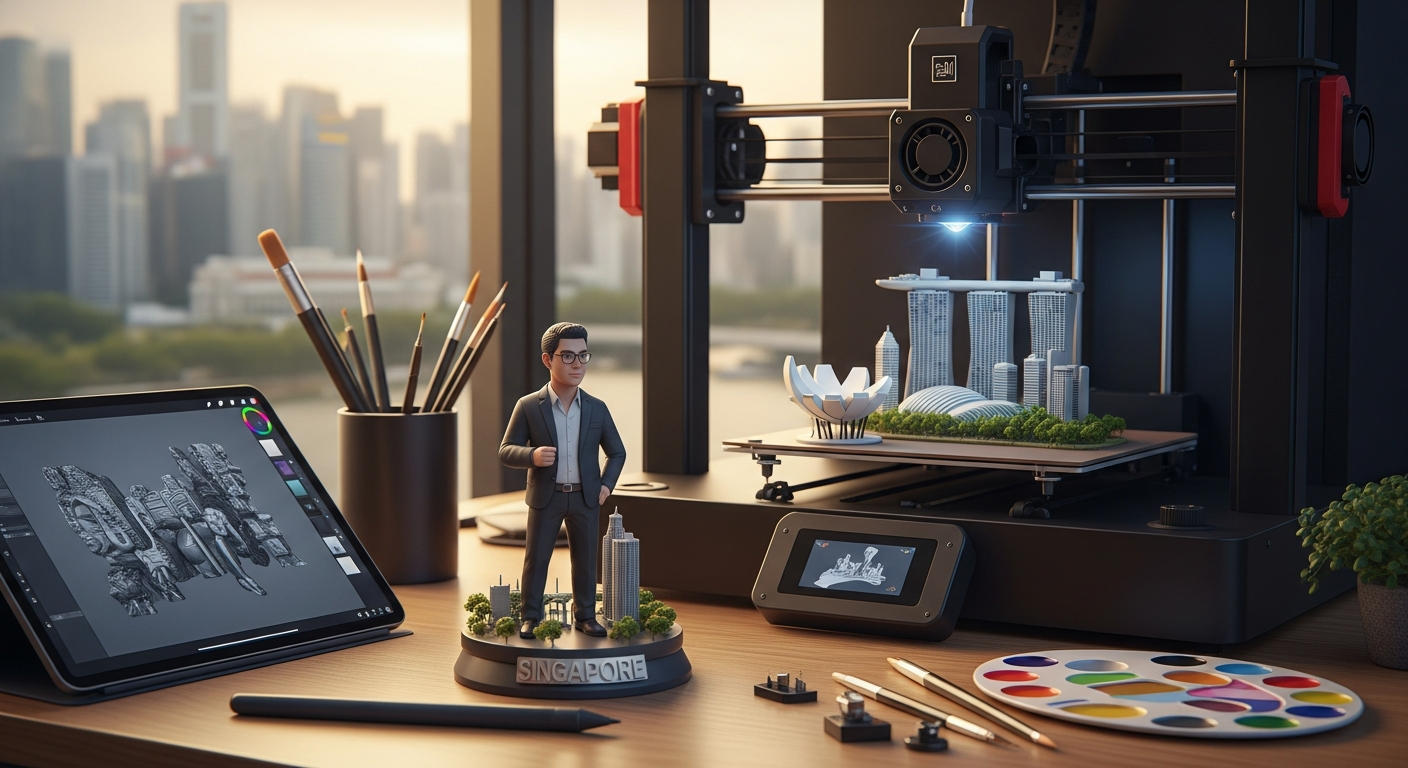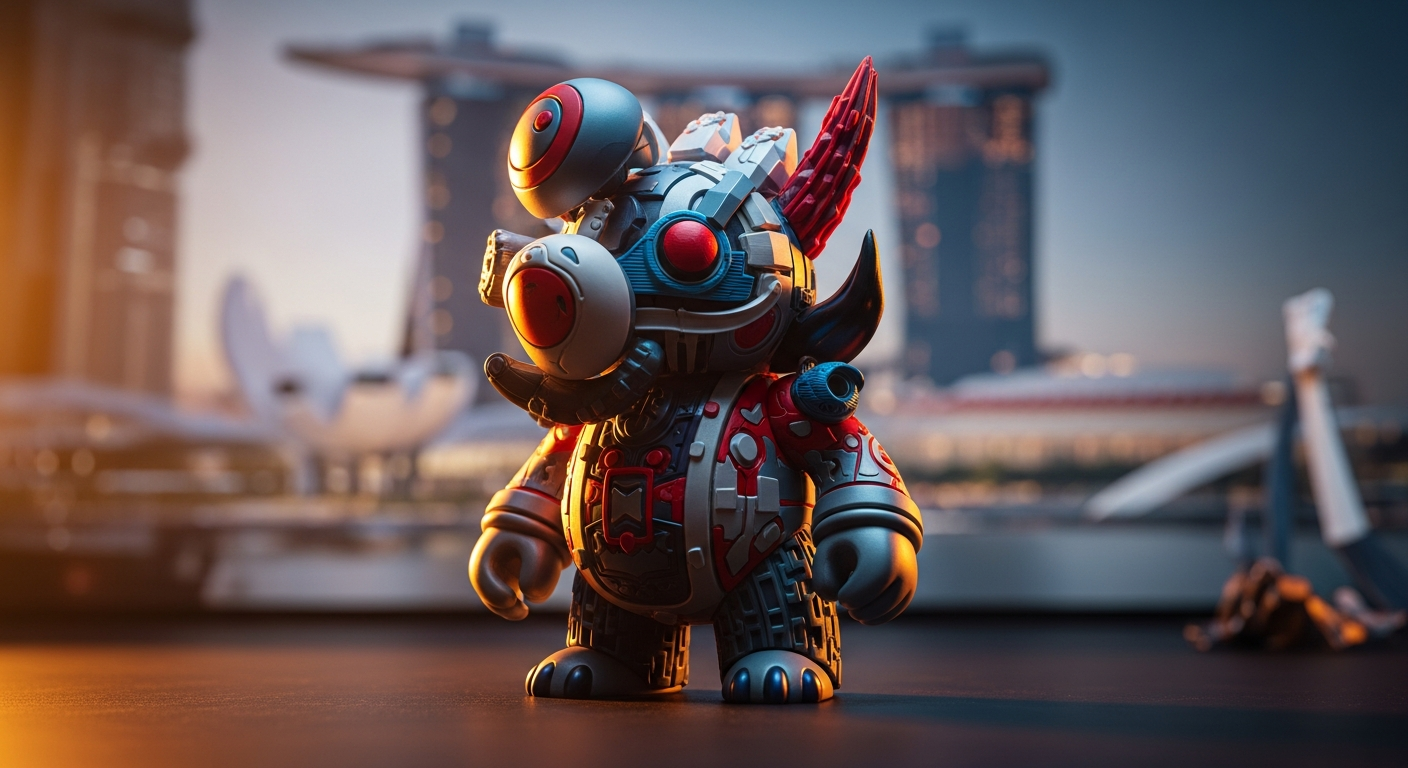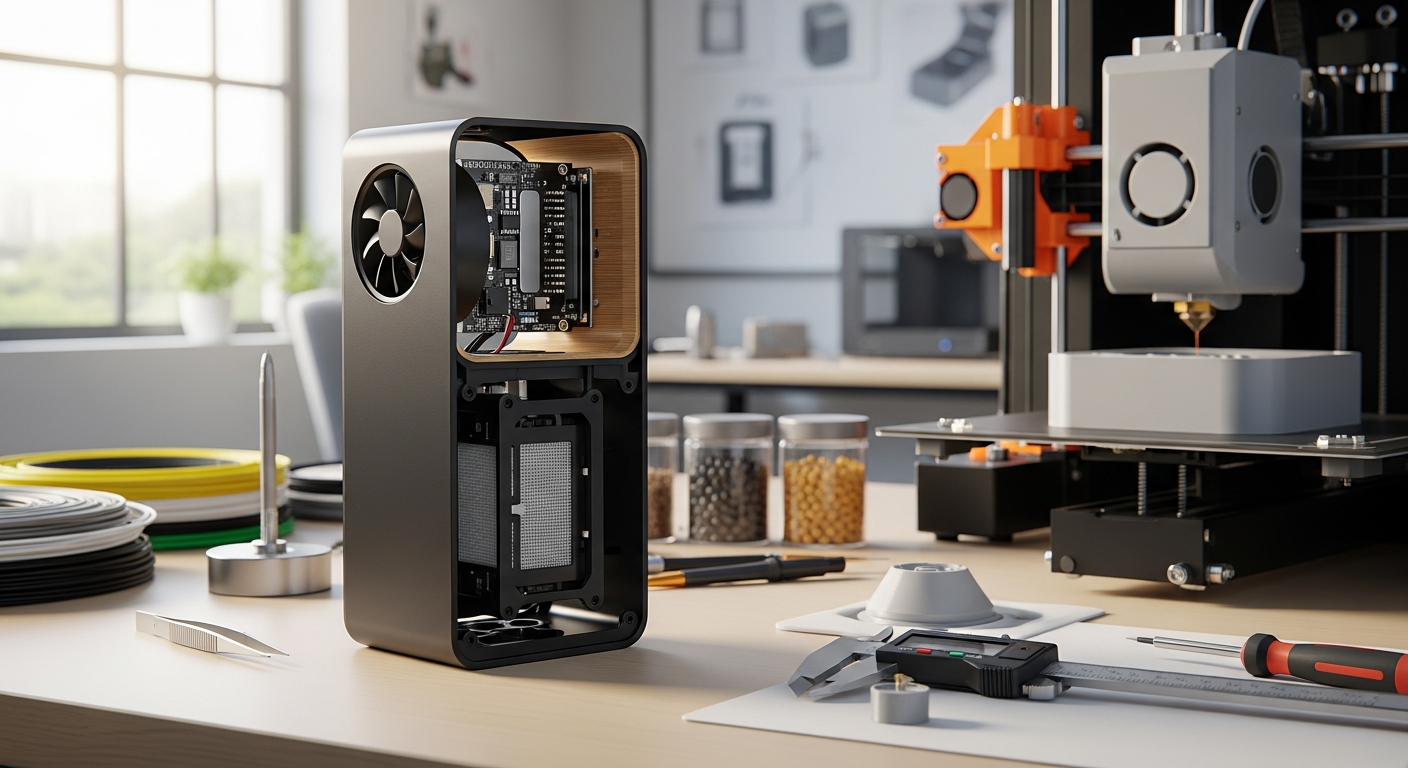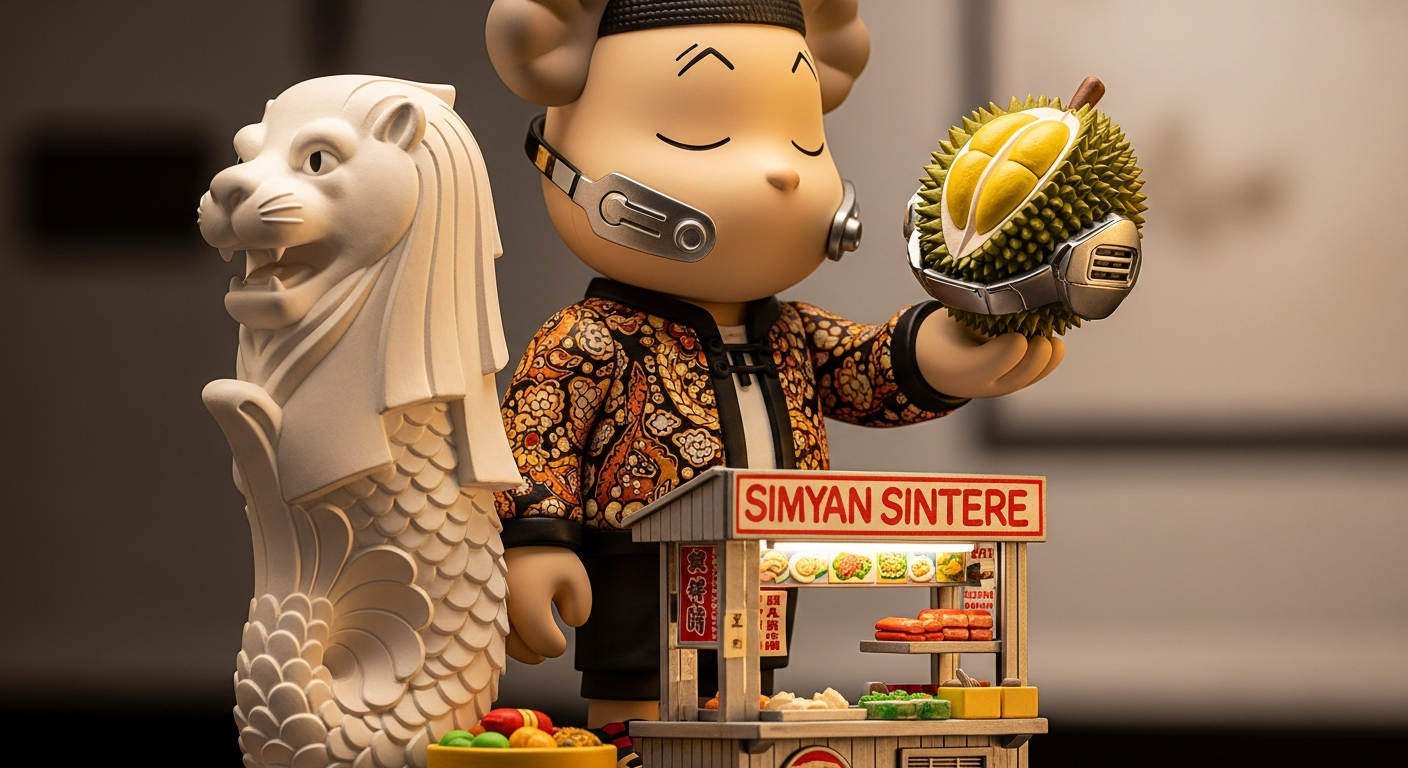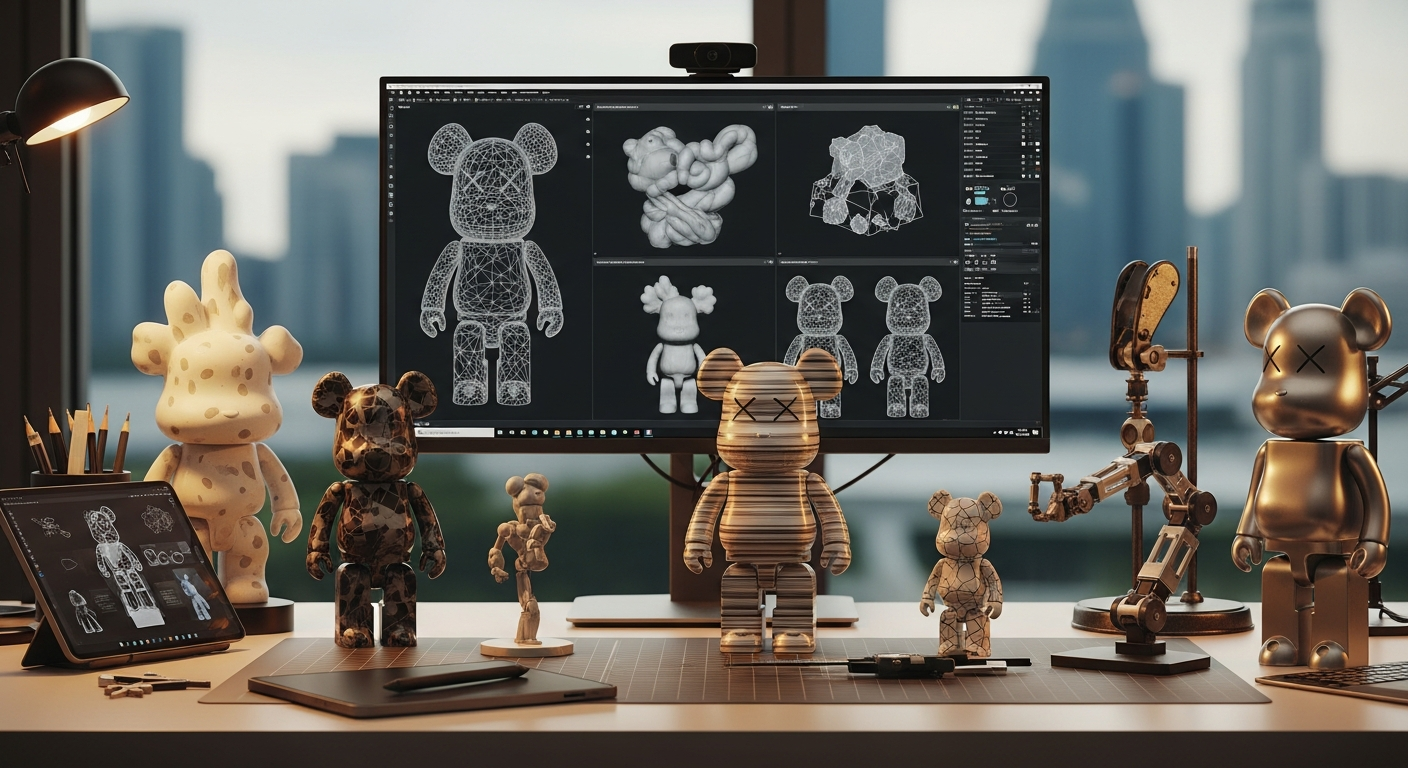

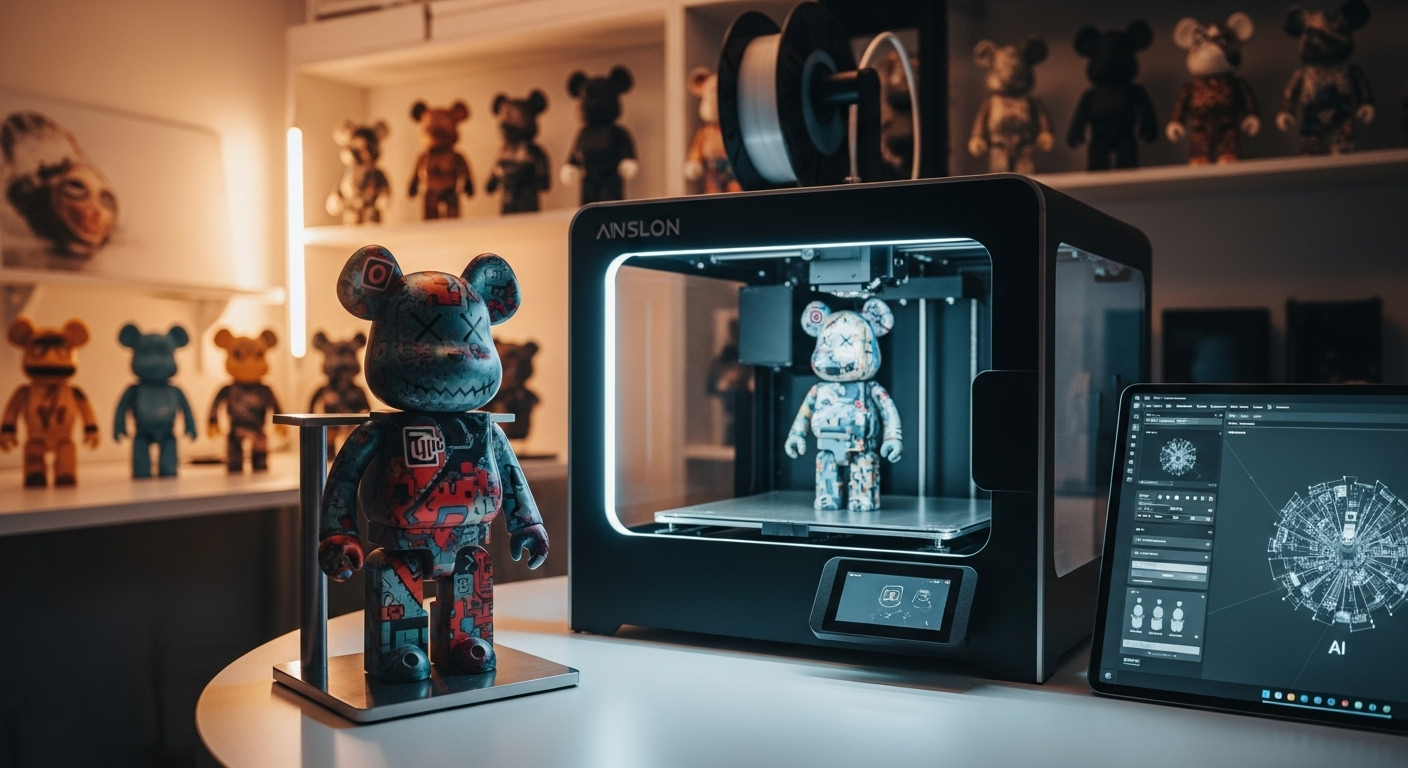
In 2025, the collector and designer toy scene is being reshaped by faster full-color 3D printing, machine-learning-enabled workflows, and a growing appetite for one-off or micro-series releases. Independent designers and small studios can now go from concept to shelf-ready piece without traditional tooling costs. For artists and brands pursuing limited drops, this is a paradigm shift: the value no longer rests solely in scarcity but in the quality of design, color fidelity, and the ability to respond to market trends in real time.
Art toys depend on surface treatment as much as form. Color, gradients, decals and photo-real textures define character, mood and collectibility. Traditional methods — hand painting or pad printing — work for some runs, but they add labor, limit complexity and increase turnaround time. Full-color 3D printing brings several advantages:
These benefits make full-color digital production particularly suited to limited editions and collaborative projects between artists, illustrators and technical studios.
AI is no longer a novelty in 3D production. In practice, AI tools accelerate multiple stages:
Combining creative intent with automated optimization means faster iterations and fewer costly test prints — especially important when working with a professional 3d printing service singapore.
Several hardware and material approaches dominate the landscape:
Each technology has trade-offs in durability, finish, and cost; choosing the right one depends on intended use (display vs play), run size, and budget. Design teams working with a 3d printing service singapore typically audition multiple processes during prototyping to balance look and function.
Embedding metadata and versioning during this process enables limited edition numbering, provenance documentation, and potential digital twins.
On-demand full-color 3D printing unlocks multiple revenue approaches for art toy creators:
These models rely on reliable partners. Designers frequently link their portfolios and storefronts with a trusted 3d printing service singapore to ensure consistent quality and fast turnaround.
Singapore is a regional hub for advanced manufacturing and design services. When selecting a partner, prioritize:
Assess studios by requesting real samples. Links to portfolio pieces and case studies also help you compare surface fidelity and tolerances. If you’re exploring options, many creators reference local studios and services such as art toys that showcase tangible examples of full-color finishes.
Sustainability is both a design constraint and a selling point. Advances in recyclable composites, bio-based resins, and take-back programs have reduced the environmental impact of short-run production. Cost considerations include:
Many designers offset costs by offering tiered editions (standard, premium with special finishes) and by partnering with a 3d printing service singapore that provides transparent pricing and eco-friendly material options.
Recent drops show what’s possible: illustrators applying hand-drawn line art as seamless textures, sculptors using generative lattices to make hollow, lightweight interiors for larger pieces, and brands issuing ‘digital twin’ NFTs tied to a serial-numbered physical toy. These initiatives highlight how full-color printing enables complex narratives: a single toy can contain layered artwork, glow-in-the-dark regions, and metallic accents — all specified in the original digital file.
For hands-on creators, studios like full-color 3D printing providers in Singapore offer end-to-end services from texture mapping to final assembly, making these advanced finishes accessible without owning the equipment.
Working with a trustworthy studio that understands both art toys and manufacturing — such as a dedicated designer collectibles service — reduces surprises and improves collector satisfaction.
Looking forward, expect even tighter integrations between AI, AR/VR previewing, and on-demand manufacturing. Collectors will preview custom colorways in augmented reality before ordering, and AI will recommend optimizations for cost, weight and color fidelity. Marketplaces will increasingly support serialized digital twins and provenance records to protect limited editions.
These trends make timely partnerships with local production specialists vital. Whether you are an independent toy artist or a small brand, access to a responsive 3d printing service singapore that understands both creative workflows and manufacturing realities will define success in the coming years.
The convergence of full-color 3D printing and AI-driven design practices is remapping how art toys are made, marketed and collected. On-demand production removes traditional barriers, letting creative teams experiment with color, texture and scarcity without the heavy lift of tooling. By aligning design practices with manufacturing partners and leveraging new proofing and AI tools, artists can deliver compelling, high-fidelity collectibles that meet the expectations of 2025 collectors.
Explore partnerships and tangible print examples with studios that specialise in on-demand designer collectibles to translate your next concept into a vivid, collectible reality.