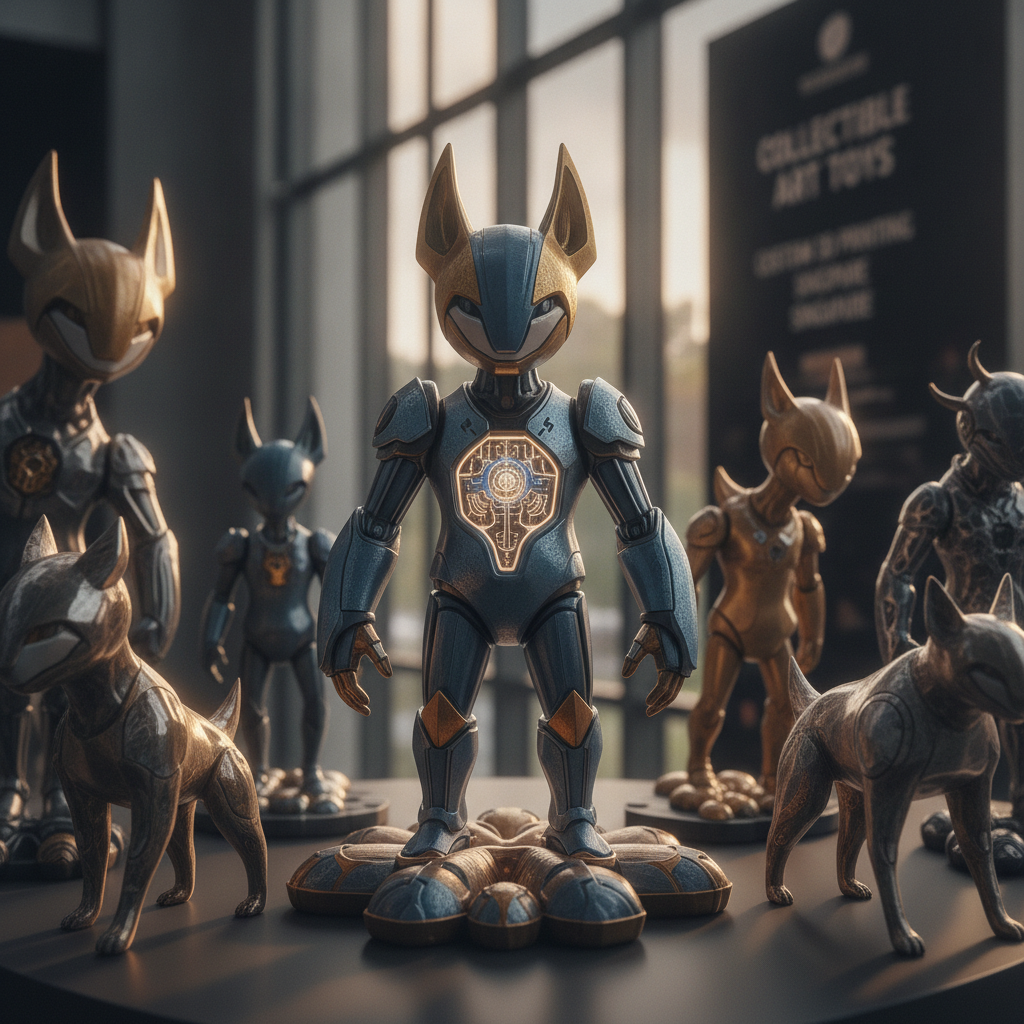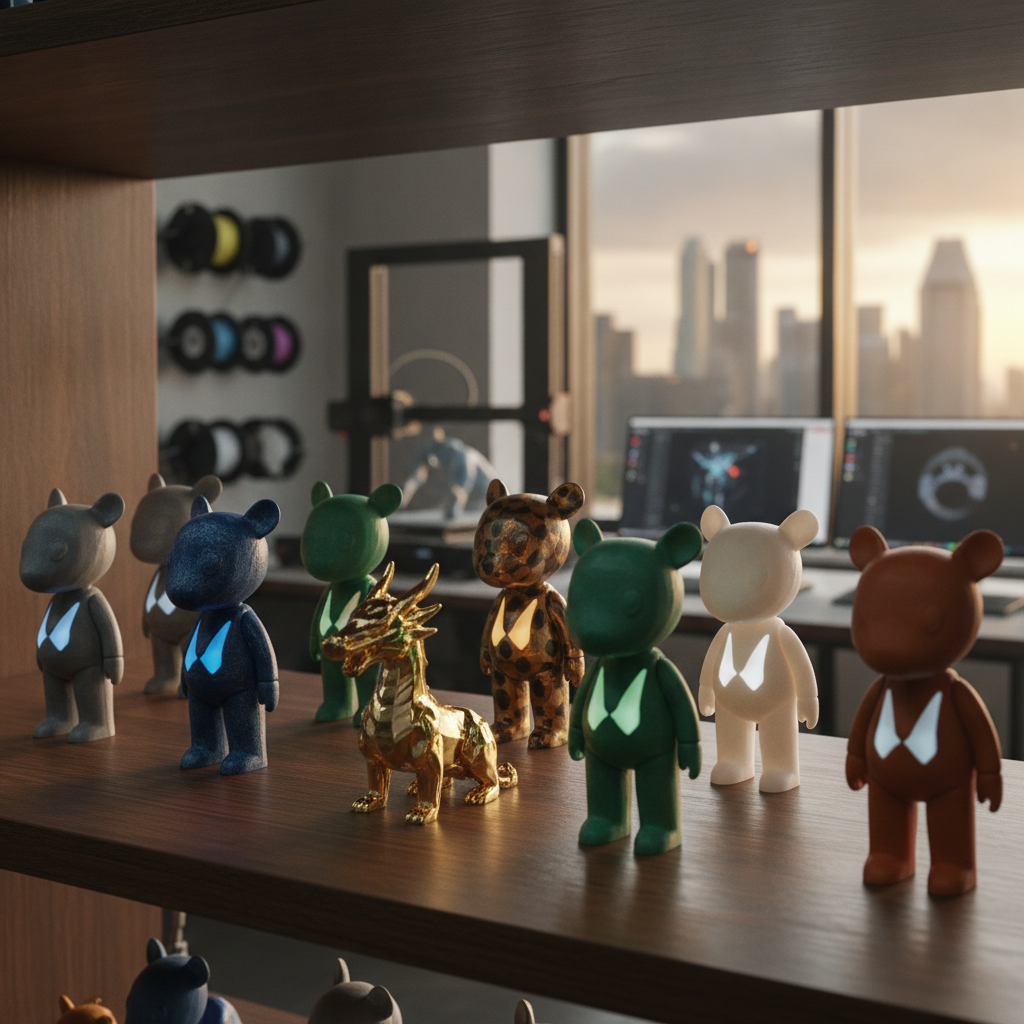

Fused Deposition Modeling (FDM) has matured beyond hobbyist tinkering. In Singapore’s growing creative and maker ecosystems, FDM 3D printing Singapore workflows now deliver reliable prototypes and finished pieces that meet the aesthetic and mechanical needs of collectible art toys. Compared with other additive technologies, FDM offers lower per-part cost, faster iteration, and a wider selection of engineering filaments — all important when creating limited runs or highly detailed designer toys.
This article walks through material choices, design and printing best practices, finishing techniques, and business considerations to turn ideas into collectible art toys that stand out on shelves and platforms.
FDM excels at rapid prototyping, structural parts, and objects that can be post-processed to achieve smooth surfaces or painted finishes. However, its layer-based nature introduces visible layer lines and may struggle with ultra-fine surface details compared to resin-based processes. Knowing these constraints up front helps you design pieces that play to FDM’s strengths:
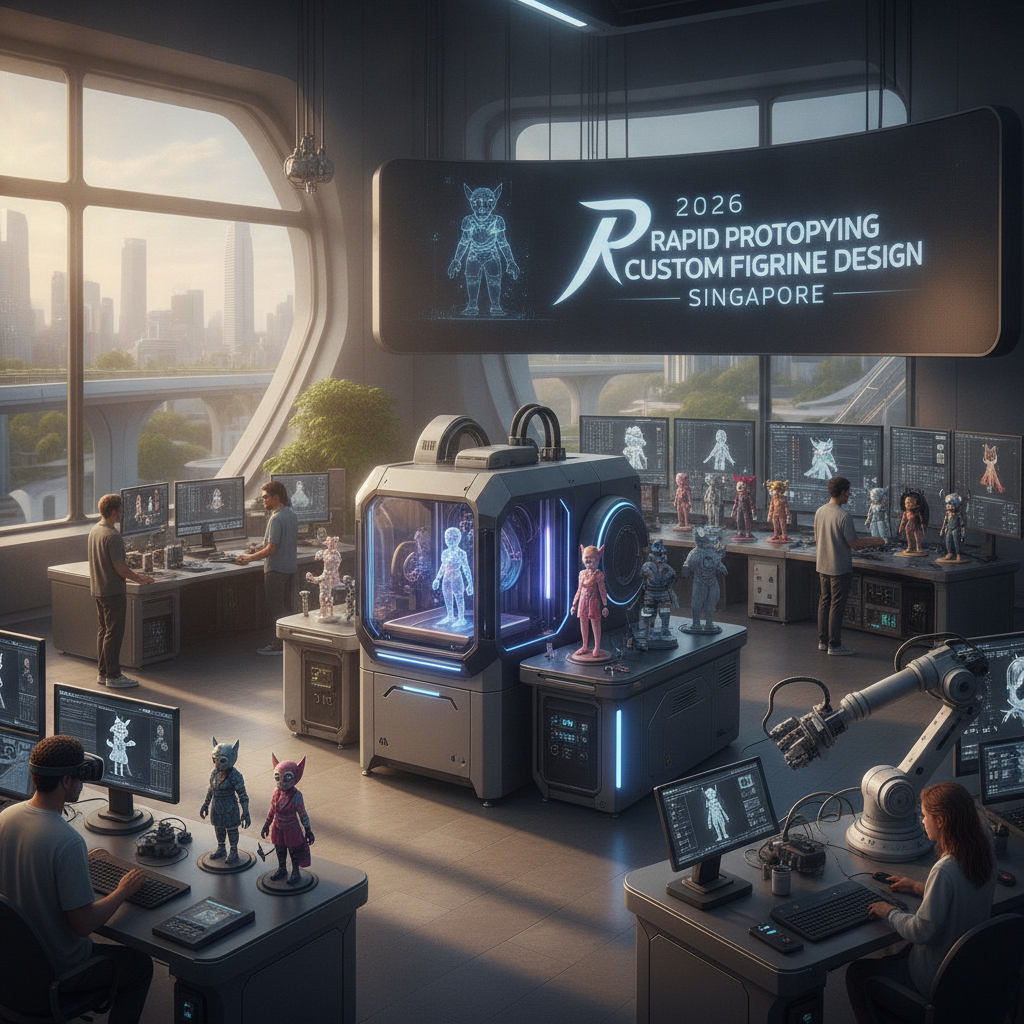
If you want a deeper dive into how rapid iterations can accelerate figurine development, explore techniques used by professional studios for faster iteration and custom figurine design.
Material choice is one of the biggest determinants of final quality and durability. Common filament choices for collectible art toys include:
For many collectible art toys, a combination works best: PLA for detailed exterior shells and PETG or ABS for internal structural cores or joints. Consider filament diameter consistency, spool storage (to avoid moisture), and certified suppliers in Singapore to maintain print success rates.
Small design changes can reduce supports, improve surface quality, and speed up production:
Well-prepared CAD and optimized slicer settings also cut failed prints and wasted filament — essential for small-batch collectible runs where margins matter.
Dialing in print settings transforms a good print into a collectible-grade piece. Key parameters include:
Calibration prints, temperature towers, and bench tests help lock in settings before committing to a batch.
FDM prints usually require post-processing to reach collectible standards. Common steps include:
If you’re scaling up, create a repeatable finishing pipeline with jigs and fixtures so each collectible maintains consistent quality.
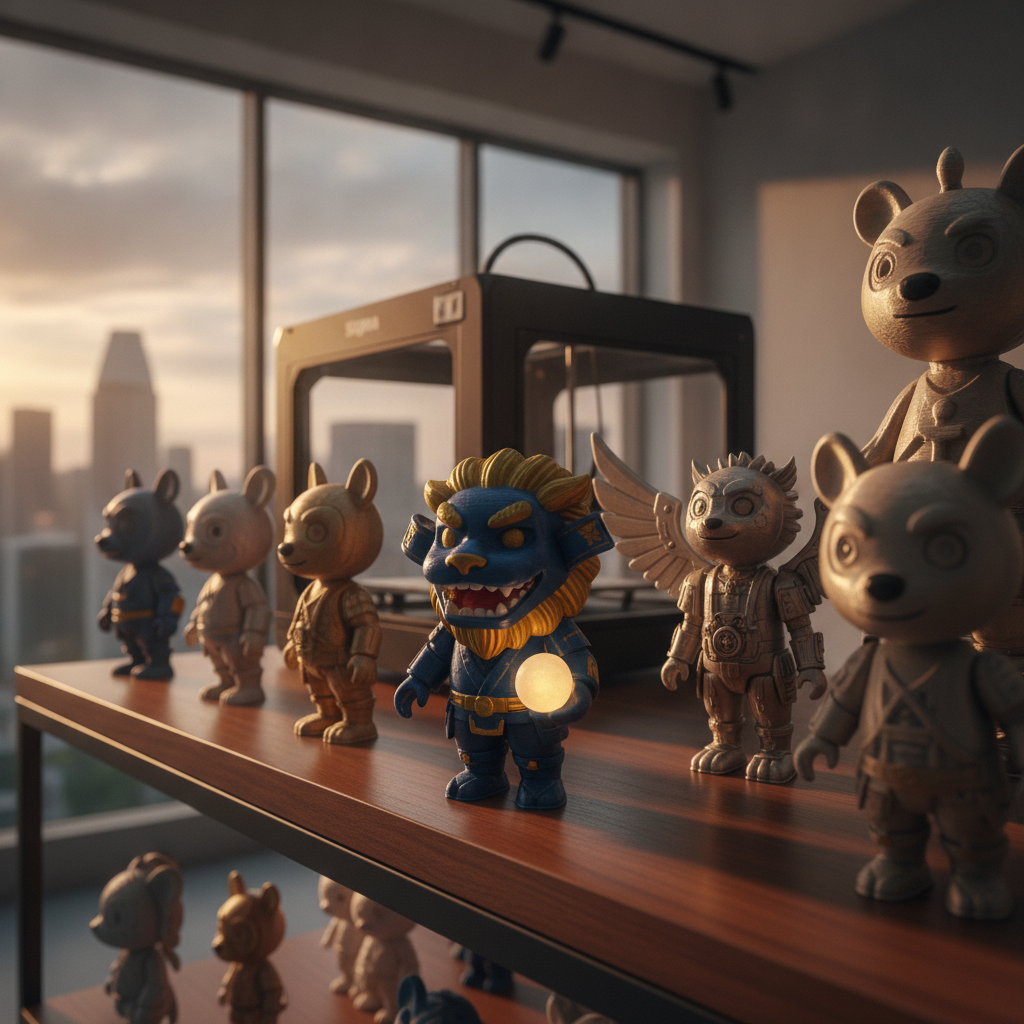
Collectible art toys stand out through character and finish. Consider these techniques:
Experiment with small runs to determine which finishes resonate with your audience before committing to larger production.
Singapore’s maker community values speed and quality, but local production costs can be higher than other regions. To manage cost:
For those looking for professional services, there are established custom 3D printing and prototyping studios offering end-to-end support for limited runs and collectible art toys.
Collectors value authenticity and limited editions. Consider these points:
A clear packaging and storytelling strategy elevates the collectible from a product to a sought-after piece.
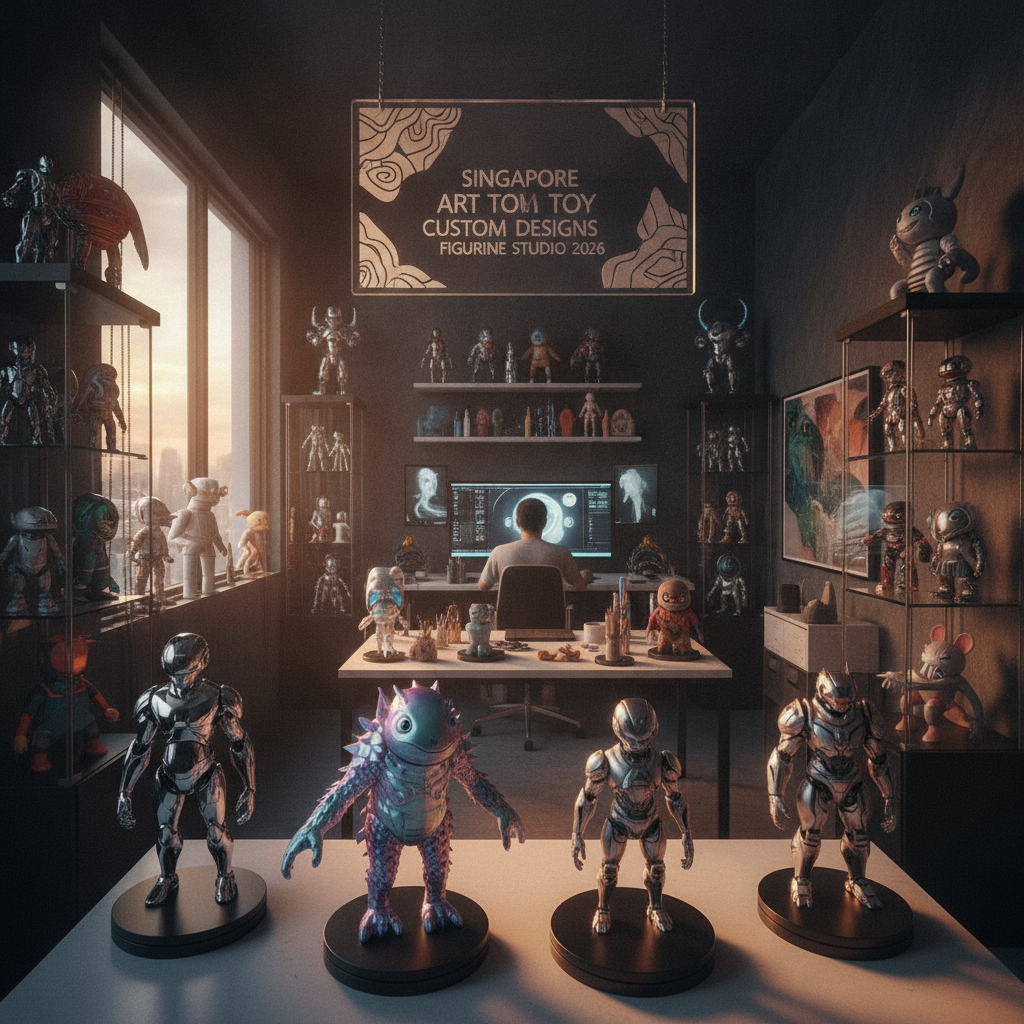
For makers who prefer to focus on creative direction and not day-to-day printing, Singapore has experienced studios and services that support design iteration, printing, finishing, and small-batch production. Look for partners offering transparent material testing, color matching, and sample approvals before full runs. For specialized production, explore local pages and service overviews that highlight rapid prototyping, custom figurine design, and end-to-end 3D printing solutions for collectible art toys.
This iterative loop is where FDM 3D printing Singapore workflows shine—fast, low-cost iterations let designers experiment without huge upfront tooling expenses.
FDM gives artists and small studios in Singapore a practical way to produce collectible art toys with creative freedom and controlled costs. The right mix of design foresight, material selection, printer tuning, and finishing workflows creates pieces that rival higher-cost production methods for niche and limited-edition markets.
As interest grows in collectible art toys, studios that master repeatable processes — from rapid prototyping to high-quality finishing — will have a competitive edge. For makers seeking tailored production support, options for custom 3D printing and specialized studio services are readily available. If you’re evaluating service partners, comparing top custom 3D printing service offerings and understanding where to buy custom figurine design in Singapore streamlines onboarding. Learn how studios convert prints into market-ready collectibles by reading about how custom 3D printing fuels collectible art toys.
Whether you’re a solo artist or a boutique brand, applying these FDM-focused strategies will help you produce collectible art toys that collectors value for both design and craftsmanship.