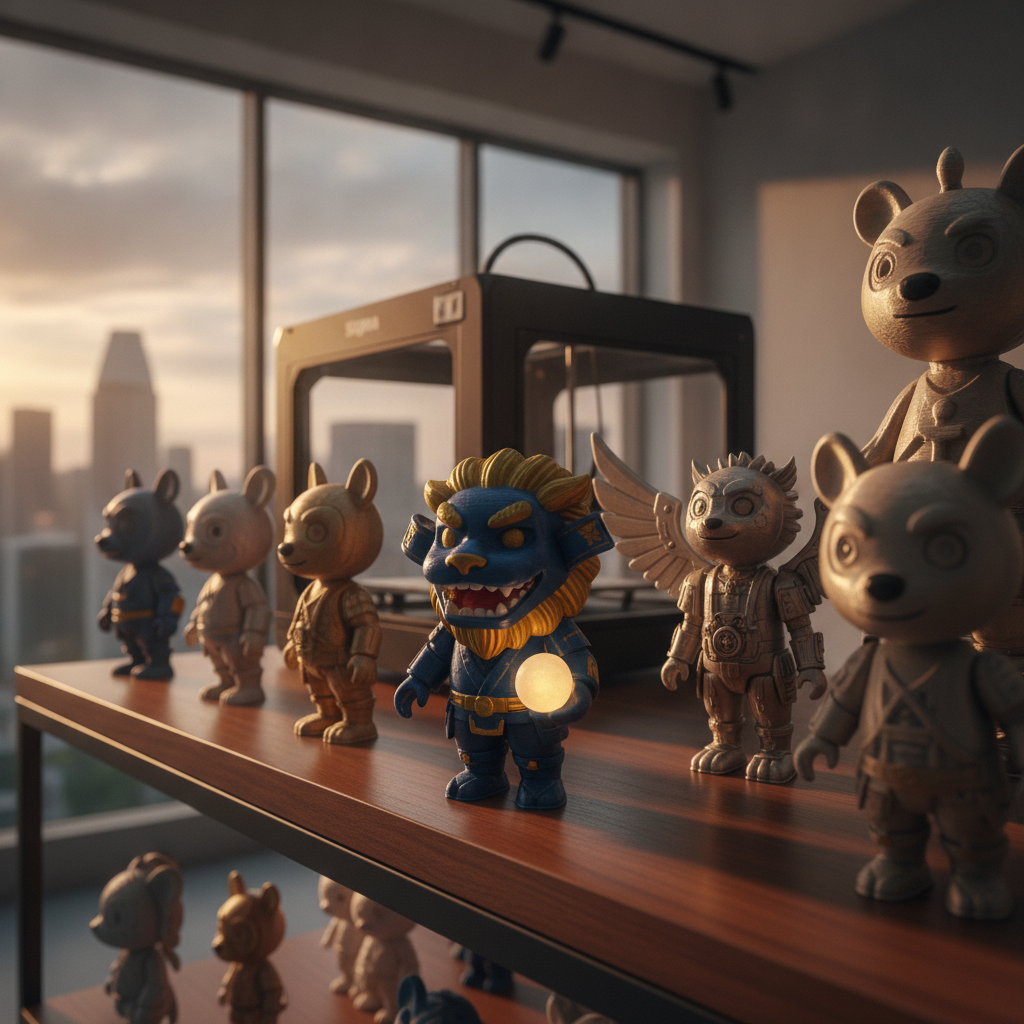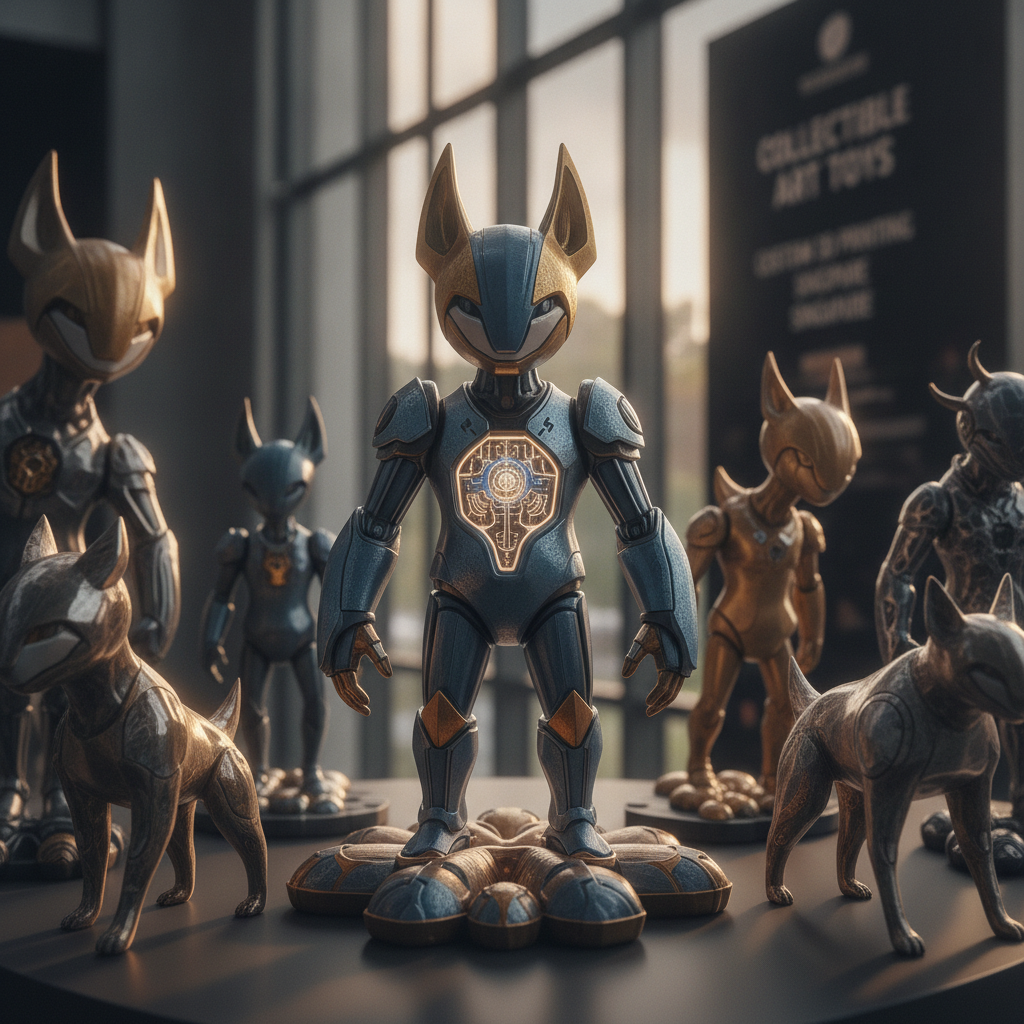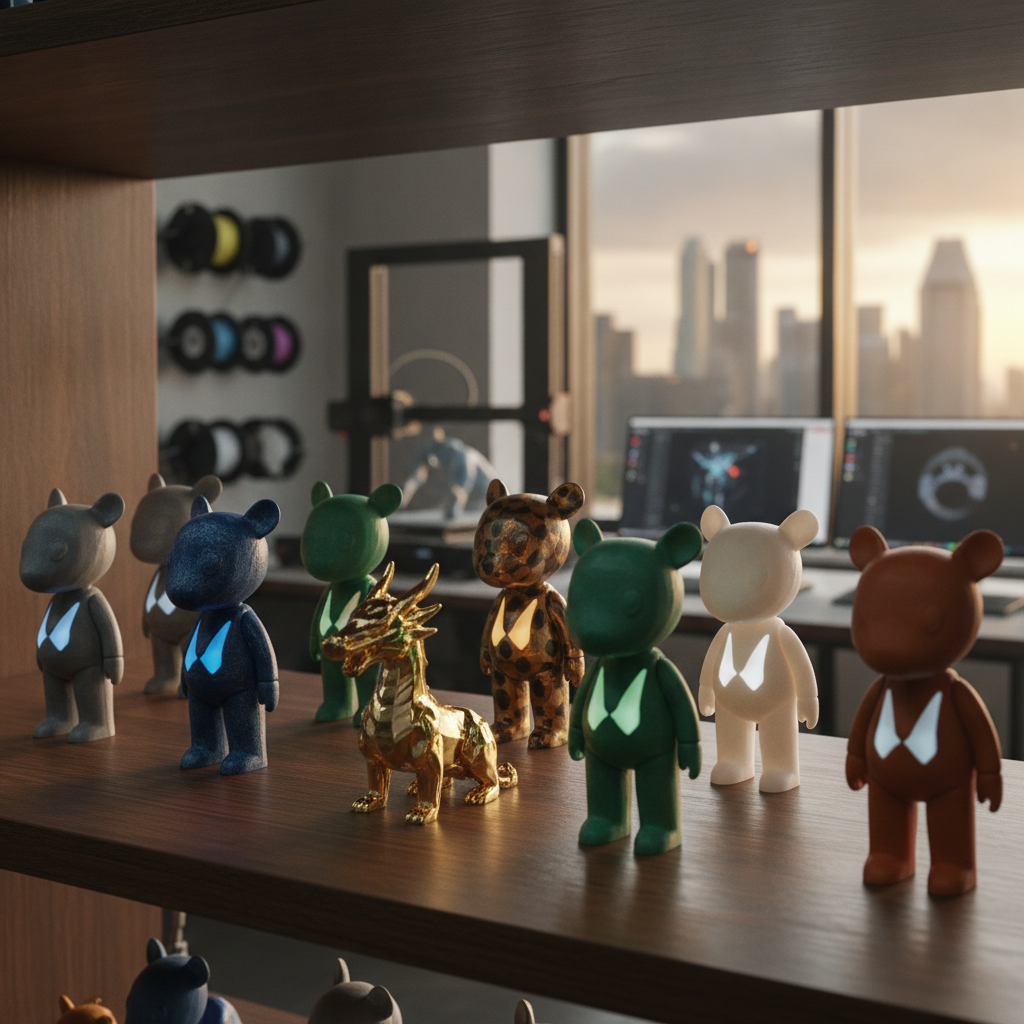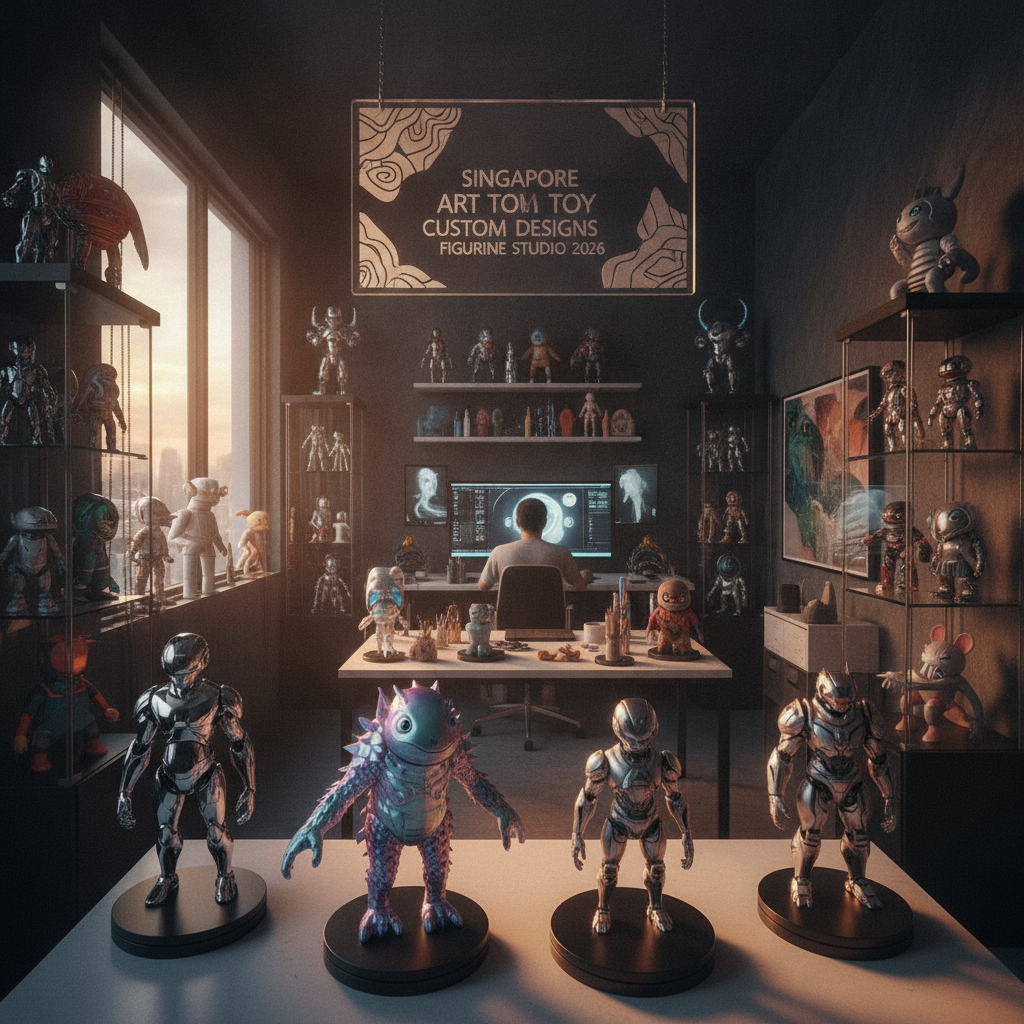

In 2026, Singapore continues to cement its reputation as a regional hub for high-speed product development and precision manufacturing. Rapid prototyping Singapore and custom figurine design Singapore have both evolved beyond basic proof-of-concept models into full-service pipelines that support designers, artists, startups, and brands. This article explores current technologies, best practices, cost and timeline considerations, and actionable tips to move from an idea to a collectible-ready product.
Singapore’s strengths include proximity to advanced manufacturing networks in Asia, a stable business environment, fast logistics, and a growing community of skilled 3D designers and digital sculptors. Local studios have invested heavily in multi‑process capabilities—SLA, SLS, FDM, full‑color binder jetting, and post‑processing services—so teams can iterate quickly without shipping prototypes overseas.
For anyone researching where to buy custom figurine design and production, Singapore’s ecosystem makes it simple to go from concept to small-batch production. Many local providers now offer integrated services — from digital sculpting and 3D scanning to painting, varnishing, and packaging — enabling creators to keep quality and IP control close to home. See an example of local offering options for custom figurine design Singapore in specialist studio pages.
SLA (Stereolithography): High-resolution resin prints remain the go-to for detailed figurines, showing crisp facial features and fine textures. SLA is ideal for presentation models and master patterns used in molding.
SLS (Selective Laser Sintering): Powder-based SLS builds durable, functional prototypes with complex geometries and no support structures, useful when testing articulation or mechanical joints.
FDM (Fused Deposition Modeling): Improved materials and finer nozzles make FDM cost-effective for concept prototypes and larger-scale mockups. For limited-edition art toys, FDM can produce structural parts that are later combined with resin details.
Full-color binder-jetting and PolyJet: For one-off collectibles with printed color and gradients, these processes reduce painting labor and shorten time to market.
Vacuum casting and low-volume injection molding: When you need multiple consistent copies with resin finishes, vacuum casting and short-run injection molding are the bridge from prototyping to collectible production.
Digital sculpting tools & AI integration: ZBrush, Blender, and new AI-assisted retopology and UV tools reduce labor time in surface cleanup and support smarter hollowing and shelling decisions.
If you are comparing suppliers, evaluate studios that combine these capabilities; search for providers labeled as the top custom 3D printing service Singapore to find multi-tech workflows.
Concept & Brief: Moodboards, character sheets, and target size determine material and process choices.
3D Sculpting or Scan: Artists sculpt in ZBrush or scan an existing maquette. For figurines, high-detail sculpting is essential for lifelike paint outcomes.
Rapid Prototyping Iterations: SLA or high‑resolution PolyJet prints validate surface detail and proportions. These can be sanded and painted to simulate final aesthetics.
Functional Testing: Joints, base fit, and weight distribution are tested with SLS or FDM parts if needed.
Master Pattern & Molding: For multiple copies, a master is used for silicone molds, followed by vacuum casting in PU resins.
Finishing & Assembly: Hand painting, tampography, or pad printing for small details, plus protective clear coats.
Packaging & Limited Release: Custom packaging and numbering for collectible runs.
For creatives seeking end-to-end production, there are studios that advertise custom 3D printing Singapore for collectible art toys and can handle the entire pipeline.
Mind Wall Thickness: Maintain consistent minimums (varies by process). SLA can handle fine walls; FDM requires beefier walls to avoid warping.
Hollow Smartly: Hollow large resin parts to save cost and reduce material stresses. Place drain and vent holes strategically.
Orientation & Support Planning: Orient pieces to minimize visible support marks on key surfaces (faces, hands). Consider supports that are easy to remove without damaging detail.
Tolerances for Fit: If parts need to snap-fit, allow sufficient clearance for the chosen process. SLS and SLA have different dimensional behaviors versus FDM.
Articulation & Assembly: Design joints with test pieces to confirm range of motion and strength. Use metal pins or embedded threads for durable connections in limited runs.
Surface Topology: Avoid extremely thin fins and hairline features that could break in handling or tooling. Amplify micro-details where they will survive post-processing.
Material science has progressed: bio-based resins, tougher SLA formulations, and thermoplastic elastomers for flexible parts give designers more choices. Common finishes include:
Studios offering bespoke options often highlight specialized finishing for limited editions. For those making collectible art toys, cross-referencing service pages for finishing capabilities helps avoid surprises.
Budgeting tips: allocate 10–20% of-development cost for multiple prototype iterations, and expect finishing and painting to account for a significant portion of per-unit labor on collectible figurines.
For teams that need end-to-end support, search for vendors described as custom 3D printing for lifestyle product design Singapore; they commonly publish lead-time guides and pricing tiers.
Sustainability is increasingly important. Trends in 2026 include:
Local production hubs in Singapore are positioned well for eco-conscious creators who value traceable supply chains and lower carbon footprints.
Providers who combine design feedback and production (and who advertise as where to buy custom figurine design Singapore) reduce the friction between concept and collectible.
A small studio wants to produce a 200-piece limited run figurine. The chosen path:
This timeline leverages rapid prototyping Singapore capabilities and low-volume manufacturing to meet a tight launch schedule without compromising quality.
When comparing studios, look for those labeled as custom figurine design Singapore specialists; they often publish portfolio galleries that reveal finishing quality and previous collectible projects.
Rapid prototyping Singapore and custom figurine design Singapore are mature, fast-moving fields in 2026. The best outcomes come from teams that combine design-aware prototyping, smart material choices, and local partners who understand finishing and small-batch manufacturing. Whether you’re a solo artist launching a limited collectible or a brand testing a new character line, Singapore’s integrated studios offer the technologies and expertise to move from idea to polished product quickly and responsibly.
For creators and brands, the winning approach is iterative: validate proportions and paintability with rapid prototypes, then scale using vacuum casting or short-run molding while maintaining rigorous finishing standards. Local partners can shorten feedback loops, protect IP, and provide the technical guidance needed to turn studio experiments into memorable collectibles.