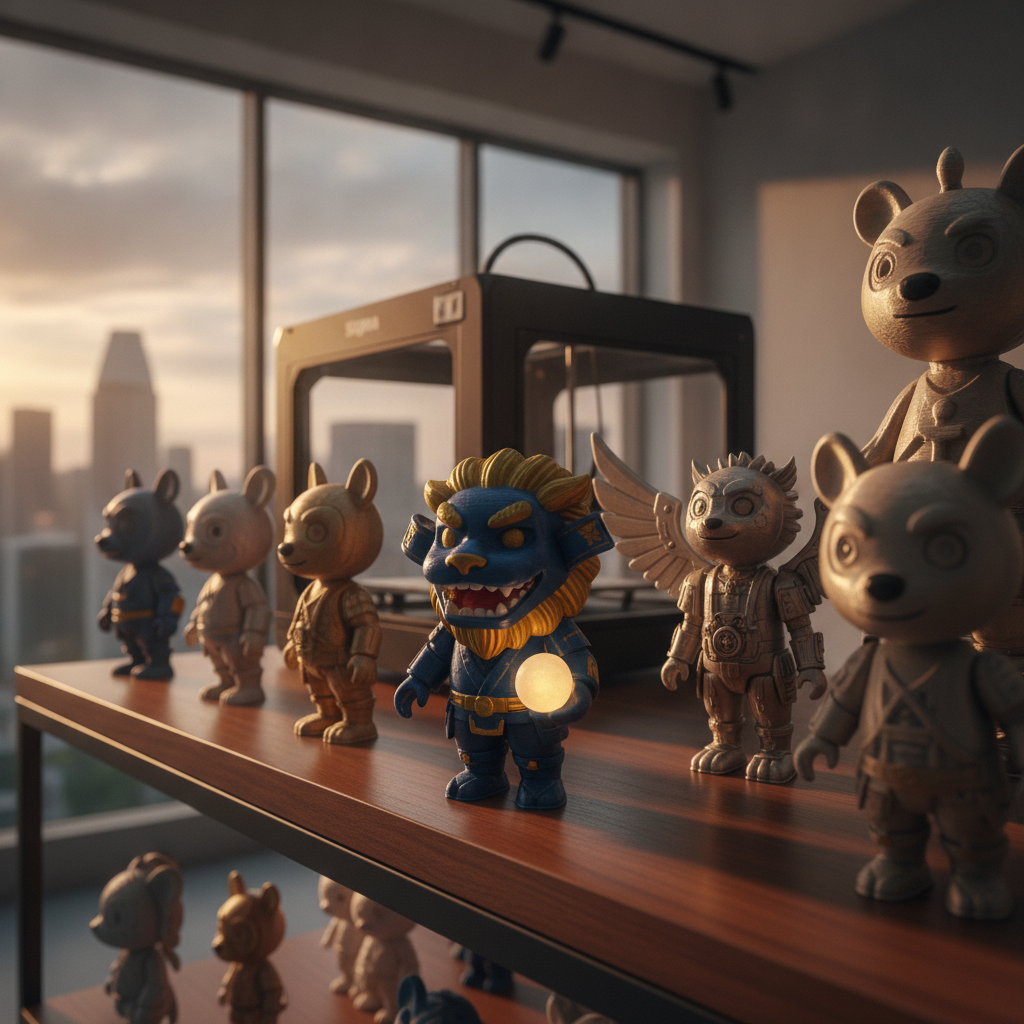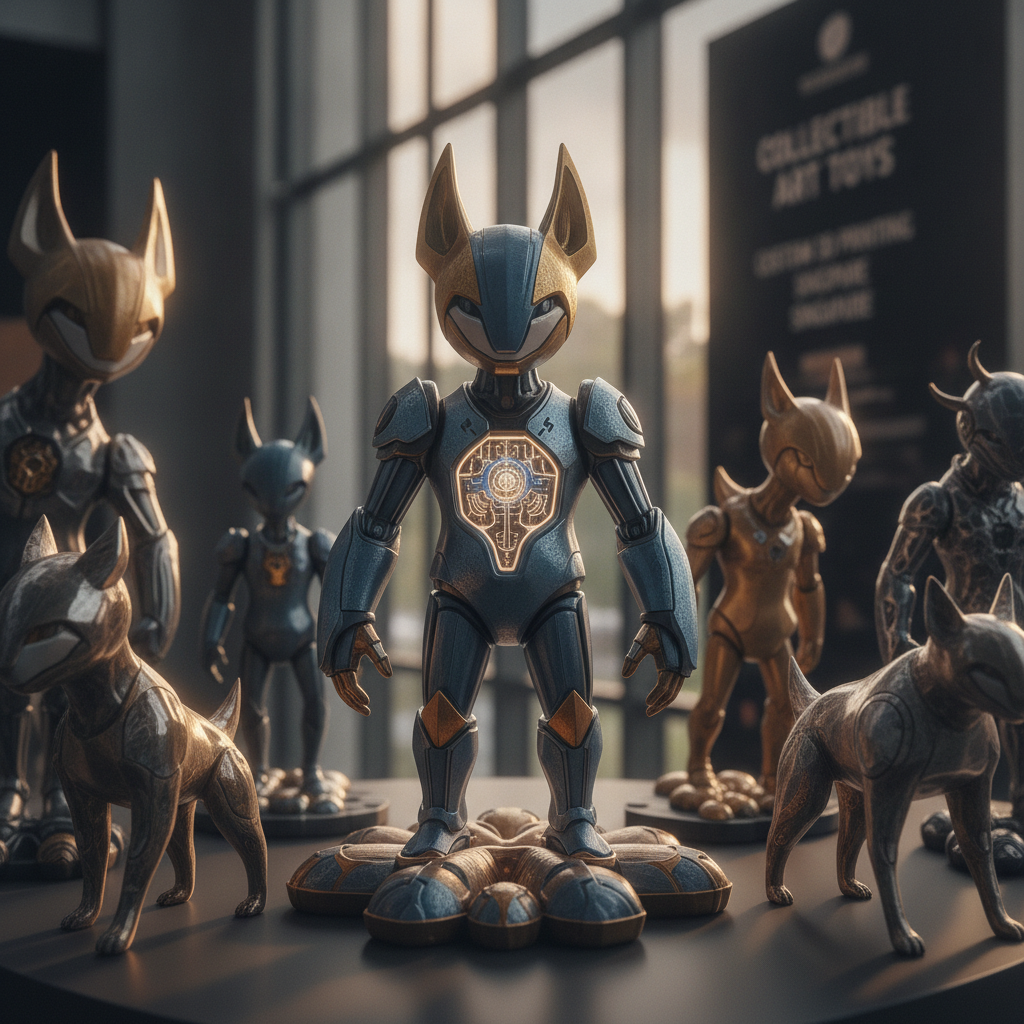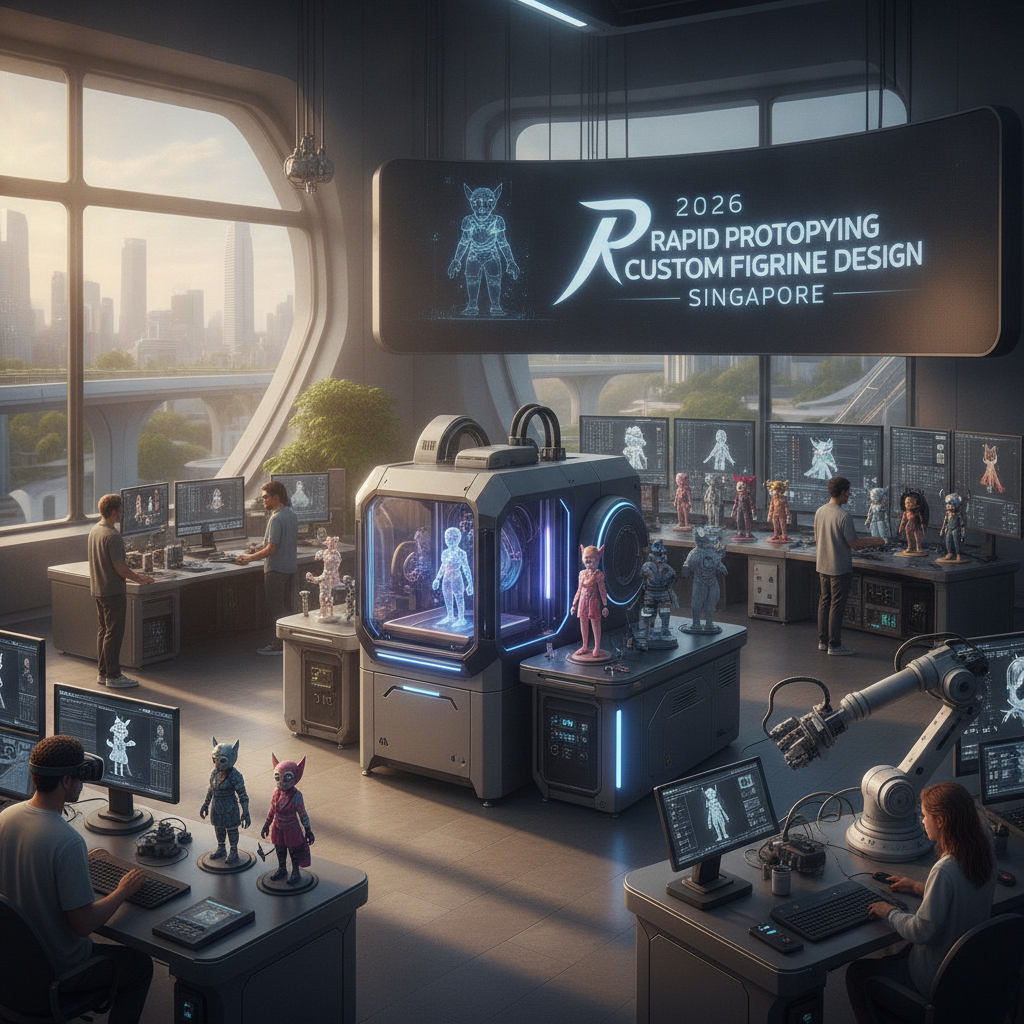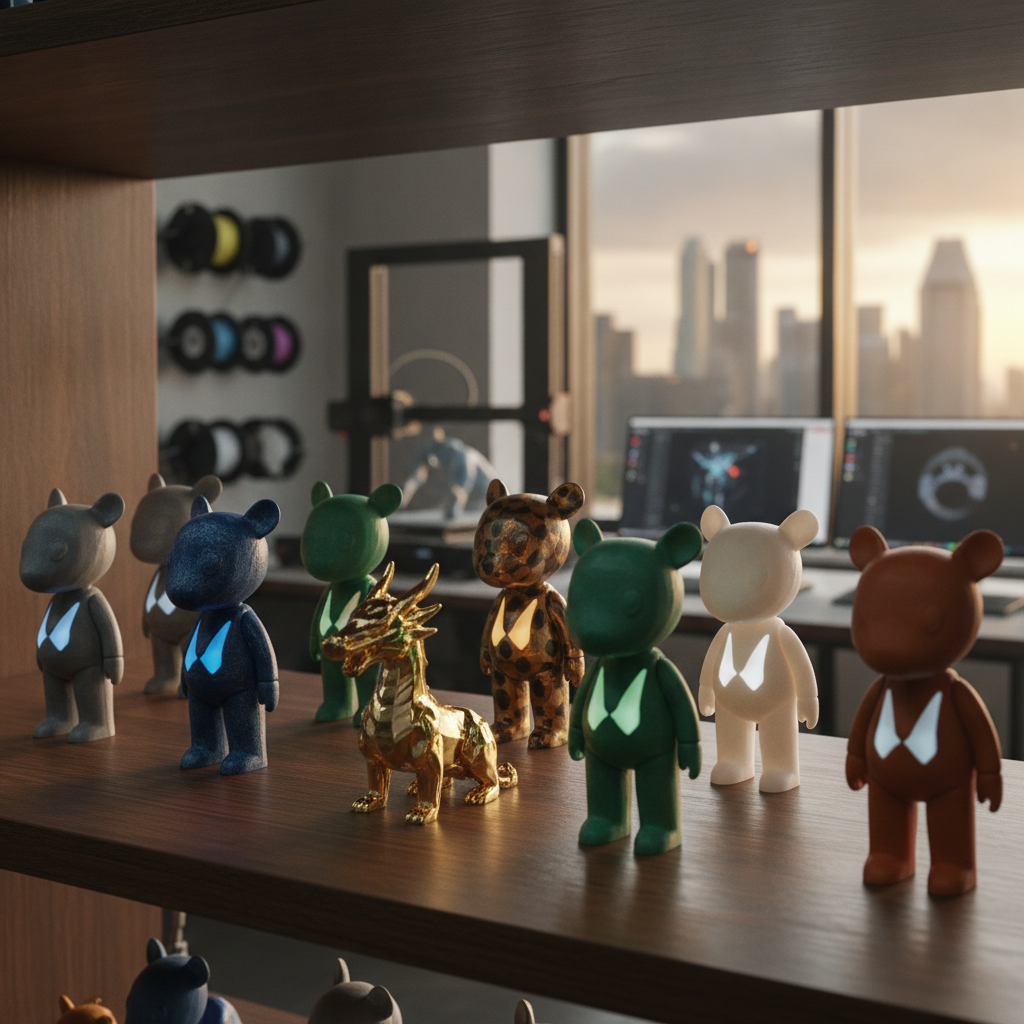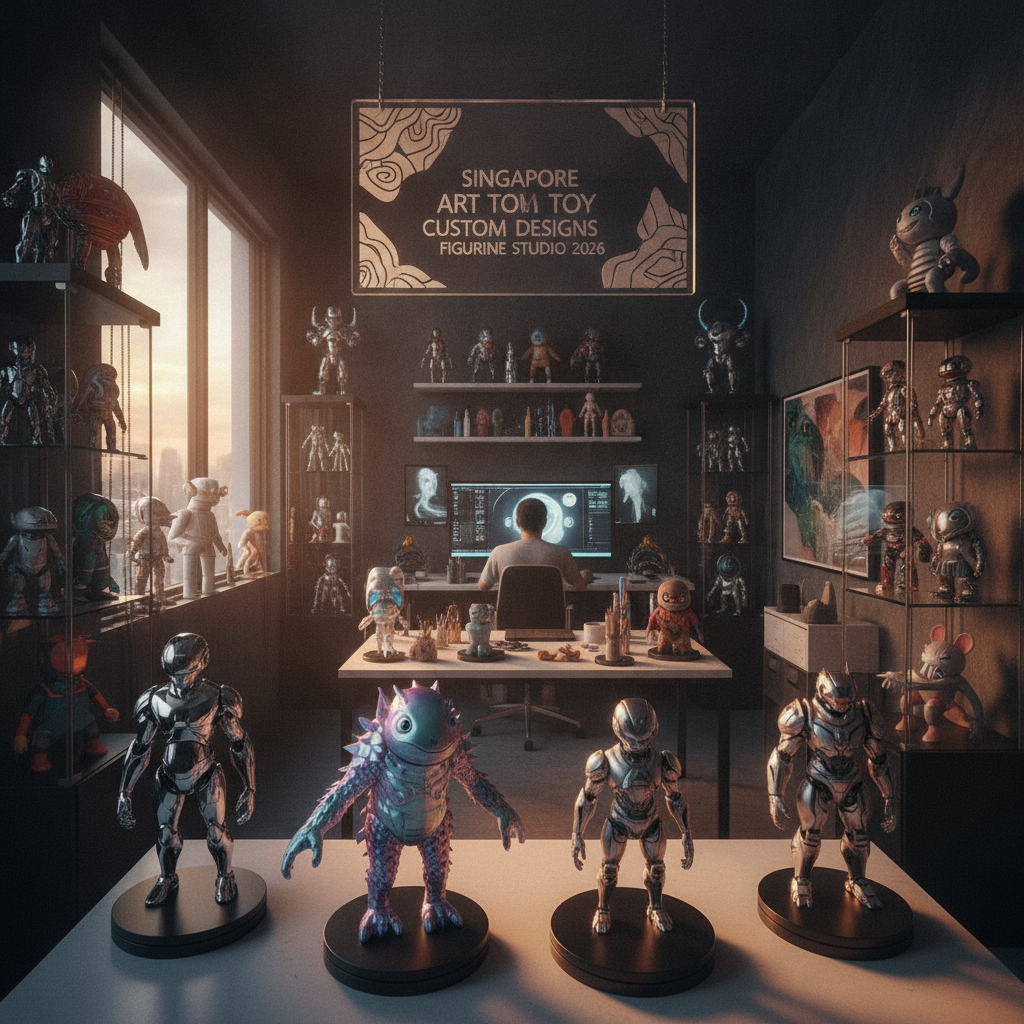

The market for custom figurine design Singapore and independent art toys has matured rapidly. Advances in 3D printing, accessible prototyping, and small-batch manufacturing have shifted production from artisan-only workshops to hybrid studios that combine digital tools with traditional finishing. Whether you’re a collector, designer, or brand manager, knowing where to buy, how to evaluate suppliers, and what production methods best fit your run-size will save time and reduce risk.
Designer art toys prioritize concept, limited runs, and unique finishes. They are collectible objects with artistic narratives embedded in form, paint, and packaging. Commercial figurines, while often highly detailed, focus more on scale runs and consistent quality for larger distributions.
Key differences to watch for when sourcing in Singapore:
These distinctions affect cost, lead time, and choice of supplier.
Singapore has a compact but sophisticated ecosystem for custom figurine design Singapore. Look for three types of suppliers:
A practical way to evaluate options is to request portfolios and ask about previous runs—ask for photos of both prototypes and final products, and request client references when possible. For integrated 3D services and collectible workflows, consider studios that advertise full-service options like custom 3D printing for collectible art toys.
3D printing is now foundational to custom figurine design Singapore. It speeds iteration, reduces upfront tooling costs, and enables complex geometries that are hard to hand-sculpt. The two most common technologies used in the art-toy pipeline are:
For collectible runs, many studios use a hybrid workflow: SLA for details, then silicone molding and urethane casting for small editions. When speed is the priority, fast FDM 3D printing rapid prototyping options in Singapore can deliver dimensional checks and larger proofing models quickly.
Material choice directly affects paint adhesion, durability, and perceived value. When evaluating vendors, clarify:
Ask for sample swatches or photos of previous finishes. Reputable providers will explain trade-offs clearly and suggest the best process for the intended use.
Costs vary widely based on edition size, finish level, and tooling. Typical benchmarks:
Lead times:
Budget for multiple rounds of prototyping if color matching and surface texture are critical.
Use a consistent checklist when contacting suppliers:
Suppliers that combine product-focused services like custom 3D printing for lifestyle product design often offer better integrated project management for cross-discipline projects.
If you need an artist or sculptor, Singapore’s creative networks and marketplaces are active. Look for designers with toy-specific experience, or collaborate with digital sculptors and then hand your files to a production partner. Cross-functional teams often work best: a sculptor for character and pose, a 3D modeler for print-ready geometry, and a production partner for finishing.
For hands-on prototyping and iterative cycles, studios that provide both design and fabrication save time. Explore specialized service pages that highlight their work on collectible lines and lifestyle product design.
Singapore is a logistics-friendly hub, with straightforward export processes. Still, consider:
If you plan to sell internationally, structure packaging to minimize returns and maximize first impressions—well-made packaging can dramatically increase perceived value.
Several trends are influencing where and how people buy custom figurine design Singapore and art toys:
Designers and buyers prefer partners that can navigate these trends—those offering rapid prototyping, small-batch capabilities, and flexible finishing.
When deciding where to buy, consider these channels:
For production-focused projects, prioritize studios with strong prototyping and production workflows—those that emphasize both FDM and resin-based approaches and provide turnkey services like casting, painting, and packaging.
Studios that list their manufacturing services explicitly, such as specialized 3D-printing and rapid prototyping offerings, typically make it easier to plan realistic schedules and budgets.
Making these confirmations reduces revisions and protects your schedule and margins.
If you want focused services for collectible workflows, portfolio-driven production, or faster prototyping, look up studio pages that explain their 3D-printing and production capabilities. Examples of helpful service pages include resources on custom 3D printing for collectible art toys, custom 3D printing for lifestyle product design, FDM 3D printing for limited edition art toys, fast FDM 3D printing rapid prototyping, and custom 3D printing rapid prototyping.
This structured approach—matching your edition size to the right technology, verifying finishes, and choosing partners with clear processes—will make buying custom figurine design Singapore and art toys in 2026 efficient and predictable. A well-documented production plan ensures the final piece matches the original vision, from concept sculpt to shelf-ready collectible.