Why speed matters in lifestyle product design
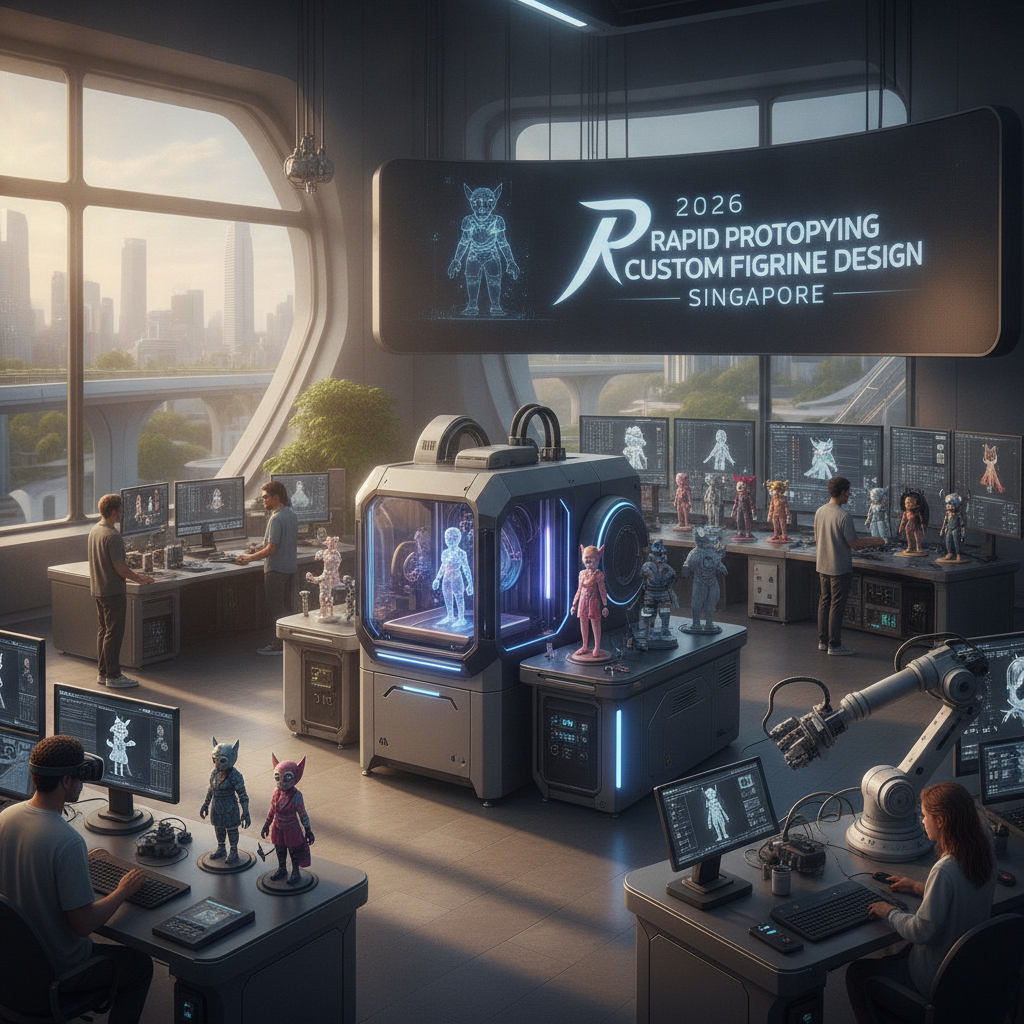
In the competitive world of lifestyle products — from wearables and home accessories to collectible art toys — speed to market is a strategic advantage. Rapid prototyping lets designers test form, fit and function quickly, validate consumer appeal, and refine aesthetics before committing to expensive tooling. In Singapore’s compact, highly connected manufacturing ecosystem, a fast iteration loop can turn a promising concept into a viable product in weeks rather than months.
Rapid prototyping methods that fit lifestyle products
Different prototyping technologies serve different goals. Choosing the right method early saves time and cost while producing usable results for market testing.
- SLA (Stereolithography): Exceptional surface finish and detail for showpieces, jewelry-style prototypes and tight-tolerance features. Ideal for visual approval and high-detail painting.
- SLS (Selective Laser Sintering) and MJF (Multi Jet Fusion): Produces durable, functional parts with good mechanical properties — suitable for moving parts, snap fits and small-batch functional testing.
- FDM (Fused Deposition Modeling): Fast and inexpensive for early-form studies and basic functional prototypes. Works well for large, low-detail parts or structural mock-ups.
- PolyJet / Material Jetting: Multi-material, multi-color printing with soft-touch elastomers and rigid plastics in the same print — perfect for lifelike consumer product prototypes.
- Metal additive manufacturing (DMLS/SLM): For components requiring high strength or metal finishes, like premium hardware or small-batch production parts.
- CNC machining & vacuum casting: When you need production-like material properties, CNC masters and silicone moulding let you create urethane cast parts with realistic surface and feel.
These methods are often combined: an SLA showpiece for investor photos, SLS functional parts for snap-fit testing, and vacuum-cast silicone parts for tactile feedback during consumer trials.
How Singapore accelerates the prototyping timeline
Singapore offers a dense network of design studios, rapid prototyping bureaus and contract manufacturers that specialize in lifestyle product development. Advantages include:
- Proximity and logistics: Short lead times, same-day pick-up or local delivery options accelerate iteration.
- Integrated services: Many studios provide CAD refinement, 3D printing, post-processing, painting and assembly under one roof.
- Skilled design support: Local CAD engineers familiar with design-for-manufacturing (DFM) and design-for-additive-manufacturing (DfAM) help reduce rework and optimize part geometry.
- IP protections and business infrastructure: Professional NDAs, secure file handling and streamlined supplier management reduce risk for designers and brands.
Because of these attributes, a typical rapid-prototyping cycle in Singapore can range from same-day proof prints for concept validation to 3–7 day functional prototype runs, depending on complexity and finishing needs.
Designing lifestyle products for rapid iteration
To make the most of rapid prototyping Singapore capabilities, designers should adopt workflows and habits that enable fast, meaningful feedback.
- Start with modular CAD models: Break your product into replaceable modules (shells, internal chassis, buttons) to swap and test parts without remodelling the whole assembly.
- Prioritize test objectives: Define what each prototype should validate — ergonomics, color, mechanical tolerance, electronics fit — so you select the right material and process.
- Design for finishing: Add draft angles and consideration for sanding, priming, painting, or soft-touch coatings to match final product expectations.
- Use standardised interfaces: If your product integrates electronics or off-the-shelf components, design around consistent mounting points to avoid iterative redesign.
- Validate assembly early: Even simple snap-fit fasteners behave differently across processes (SLA vs. SLS); test assembly-focused prototypes early to avoid surprises.
Cost, timelines and realistic expectations
Rapid prototyping reduces risk but is not free. Typical considerations:
- Turnaround: From a few hours (simple FDM or SLA bench prints) to several days (SLS, MJF, post-processing) or 1–2 weeks for complex multi-step finishing.
- Costs: Early-stage concept prints can be economical (tens to a few hundred SGD), while high-detail, multi-material prototypes or short-run production can range into the low thousands depending on size and finishing.
- Iterations: Plan for multiple iterations; each meaningful change should aim to reduce ambiguity in the next cycle.
A practical timeline for a lifestyle product MVP: concept sketches (week 1), CAD and initial prints (week 2), refined functional prototypes with finishing (week 3–4), user testing and pre-production short run (week 5–8).
Finishing, painting and surface treatments
A prototype’s look and feel often determines stakeholder buy-in. Common finishing steps include:
- Smoothing and priming for SLA and FDM parts.
- Resin infiltration or surface impregnation for porous SLS parts.
- Painting, pad printing and hydrographic transfers for brand fidelity.
- Soft-touch coatings and TPU overmolding for ergonomic surfaces.
- Electroplating or vapor deposition for metallic finishes.
In Singapore, many prototyping studios offer integrated finishing, enabling designers to get near-production aesthetics quickly for photoshoots, investor demos, or consumer trials.
Scaling from prototype to short-run production
Rapid prototyping is often the bridge to small-batch production. Strategies for smooth scaling include:
- Use production-friendly materials early: Where possible, prototype with materials that mimic final injection-molding properties to reduce surprises.
- Plan tooling in parallel: While validating designs with additive methods, begin preparing tooling quotes and DFM changes for cost-effective injection molding.
- Consider hybrid manufacturing: Combine 3D-printed parts and CNC or injection-molded components for small-batch assemblies to balance cost and quality.
- Short-run production methods: Urethane casting, low-volume injection molding and direct digital manufacturing let teams test market demand without committing to large tooling investments.
Trends shaping rapid prototyping for lifestyle products
Current trends designers should watch:
- Sustainability: Recycled filaments and biodegradable resins are gaining traction. Designers can specify lower-waste processes and recycled packaging for prototypes and short runs.
- Multi-material realism: Newer printers can produce parts with varying shore hardness in one build, enabling realistic soft-grip and rigid core combinations.
- Digital workflows and cloud manufacturing: File-sharing, online quoting and remote finishing options have shortened procurement cycles and improved transparency.
- Personalization and mass customization: Rapid prototyping supports limited-run bespoke items — a major opportunity for lifestyle and collectible markets.
- Localized on-demand production: Brands are moving production closer to markets to reduce inventory and respond quickly to demand spikes.
Practical checklist for designers using rapid prototyping in Singapore
- Define what each prototype must validate: look, fit, function, or assembly.
- Choose a process aligned with validation goals: SLA for detail, SLS/MJF for functionality, PolyJet for multi-material realism.
- Include finishing in scheduling and quotes — aesthetics often require post-processing time.
- Protect IP: Use NDAs and controlled file transfer with local partners.
- Test assemblies with production-intent hardware where possible to validate tolerances.
- Budget for 3–5 meaningful iterations before freeze.
Real-world application: lifestyle and collectible products
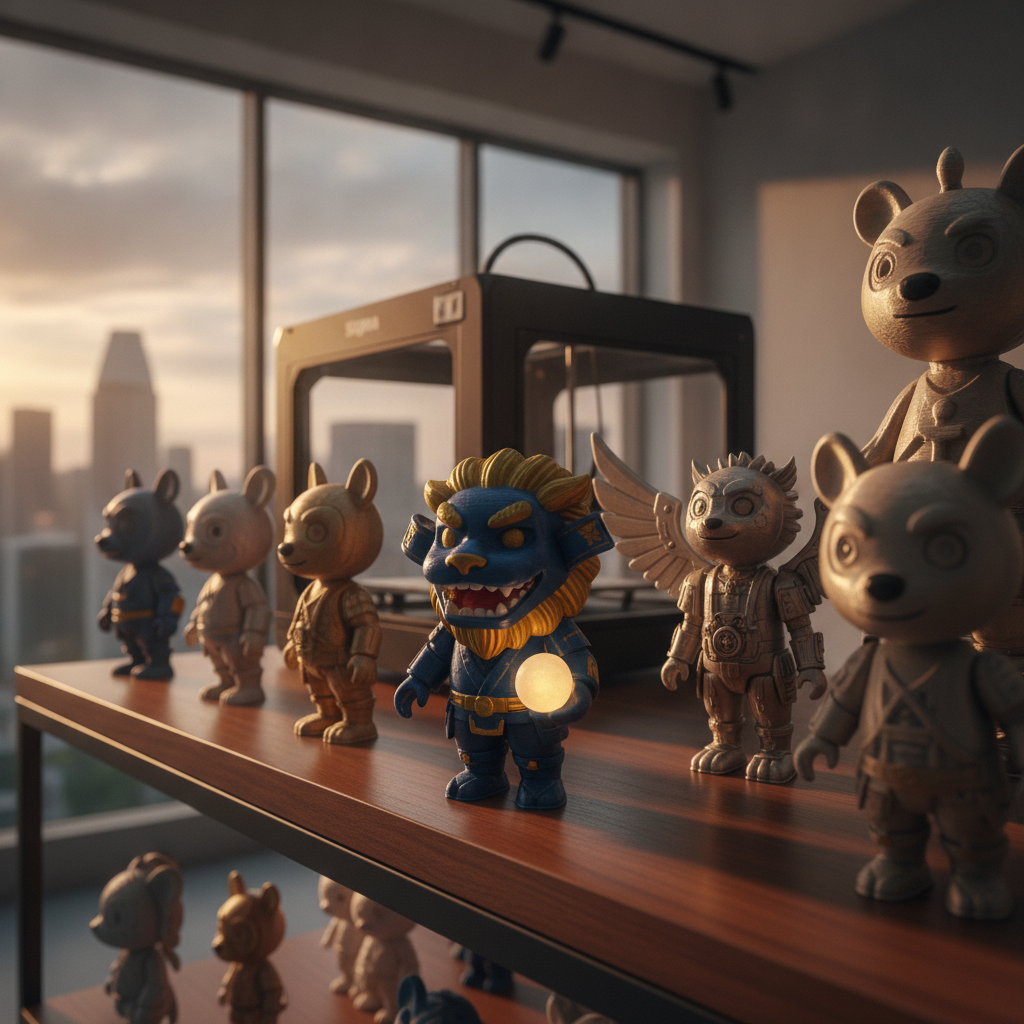
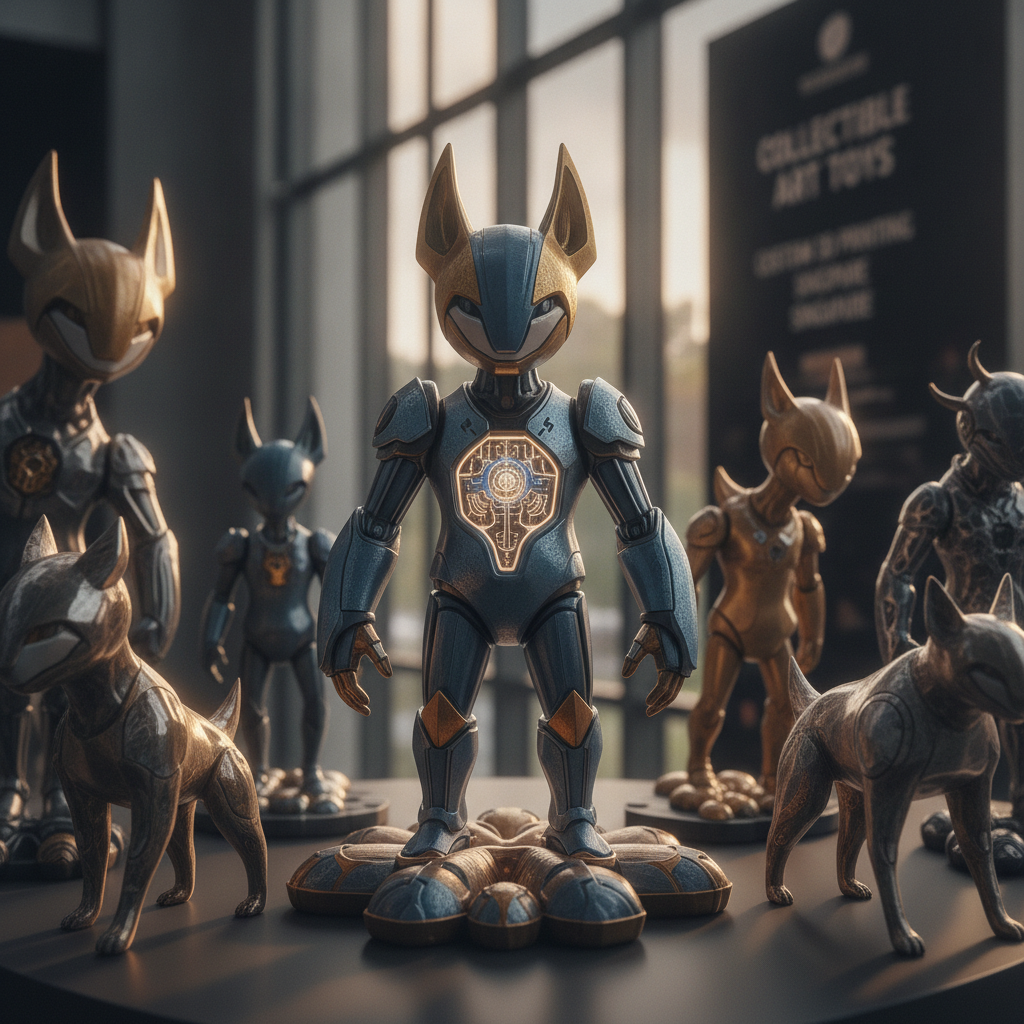
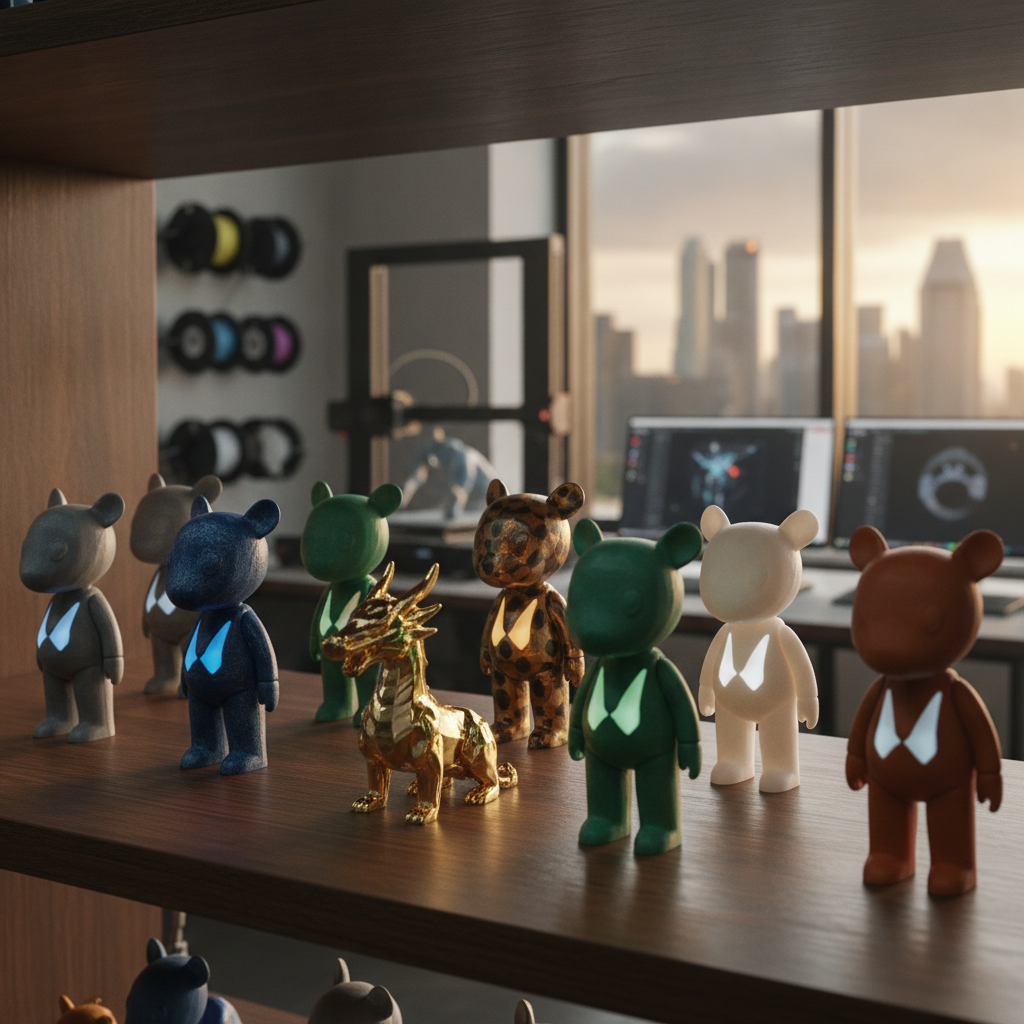
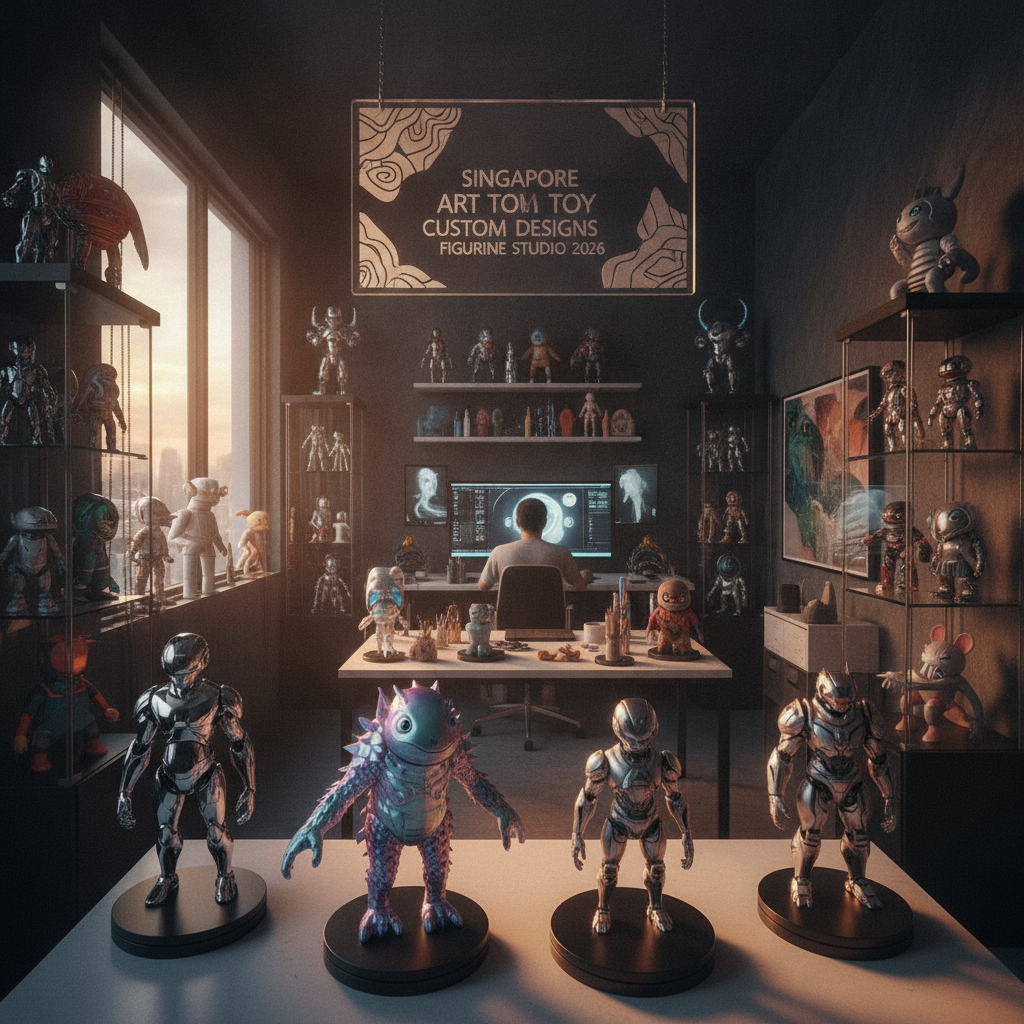
Collectible art toys and lifestyle accessories are a perfect match for rapid prototyping. High-detail SLA or PolyJet prototypes allow artists and brands to preview color separations, paint schemes and tactile surfaces before committing to production. When functional features like moving joints or electronics are involved, SLS or MJF prototypes validate durability and wear characteristics.
Gallery-ready prototypes also support pre-sales and crowdfunding, enabling creators to secure funding and market proof before investing in tooling. For designers targeting local and regional markets, a Singapore-based prototyping partner provides fast sample delivery, flexible finishing options and access to short-run production techniques.
(See related guidance on custom art toys and FDM workflows for designers and collectors.)
Working effectively with a rapid prototyping partner
A productive relationship with a prototyping studio focuses on communication, clarity and shared goals:
- Share clear acceptance criteria for prototypes (tolerances, appearance, functional checks).
- Provide CAD files in standard formats and a prioritized list of critical dimensions.
- Request process recommendations and cost/time trade-offs from the provider.
- Schedule checkpoints for visual approvals, mechanical testing and finishing samples.
Anchoring early conversations around expected outcomes helps reduce rework and keeps development timelines tight.
Conclusion
Fast 3D prototyping in Singapore empowers lifestyle product designers to iterate faster, test thoughtfully and present production-real assets to stakeholders and customers. By choosing the right technologies, integrating finishing early, and leveraging local rapid-prototyping expertise, teams can compress development cycles and de-risk product launches. For projects that combine artistry, functionality and brand-ready aesthetics, partnering with an experienced prototyping studio accelerates the pathway from sketch to market.
Links to practical resources and case studies:
- Learn more about rapid prototyping services in Singapore by exploring materials and workflows in our service overview.
- See examples of custom art toys and FDM 3D printing that illustrate rapid iteration for character design.
- Explore collectible art toys to understand how high-detail prototypes support pre-sales and brand storytelling.
- Use our guide on custom figurine design to prepare files and expectations for prototyping partners.
- Review CAD modeling best practices for designers to speed up handoffs and reduce iteration time.