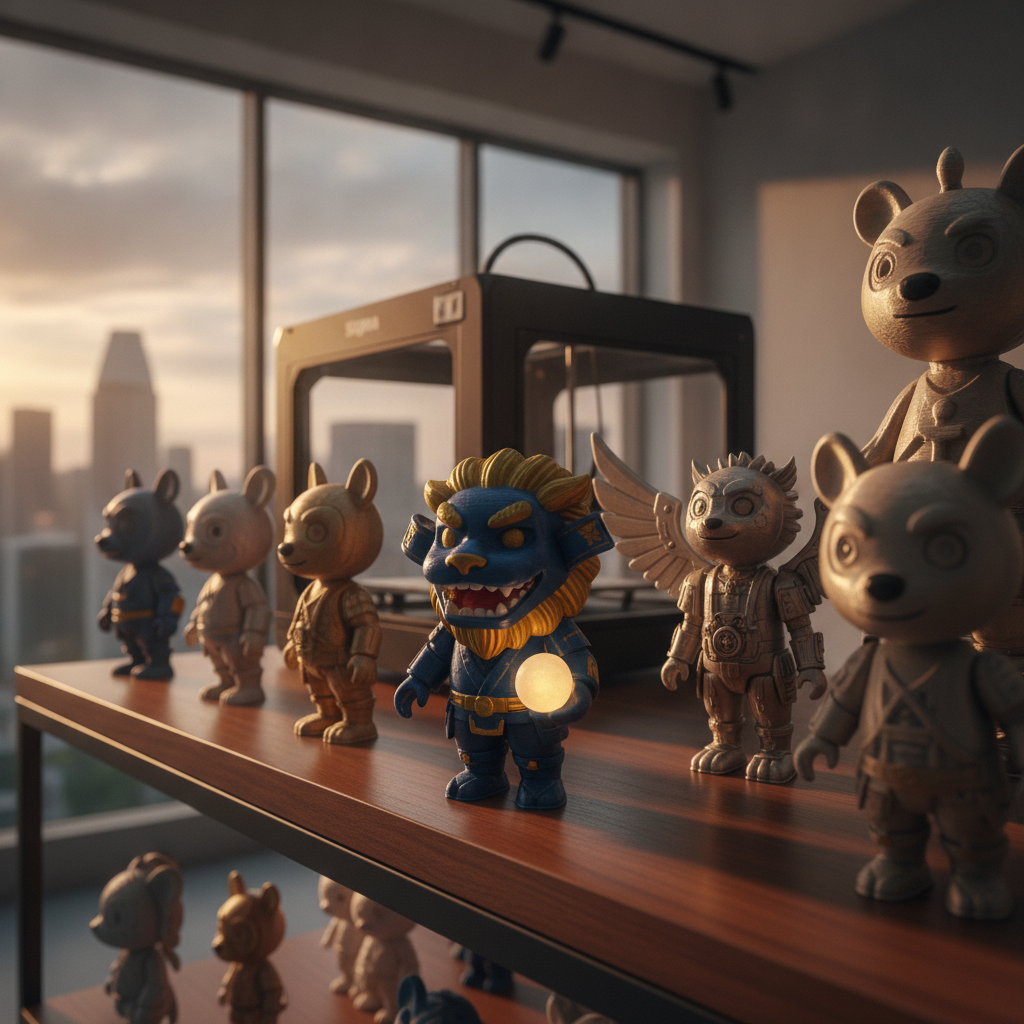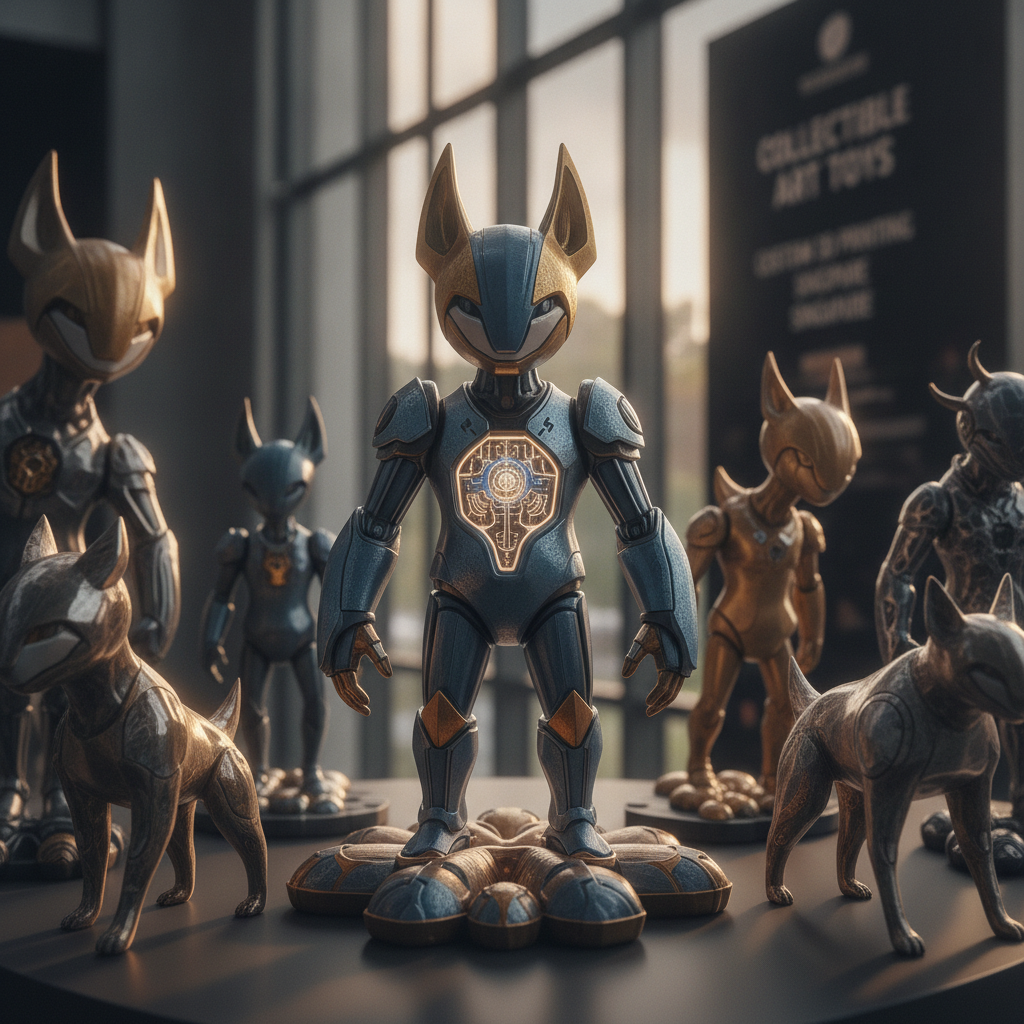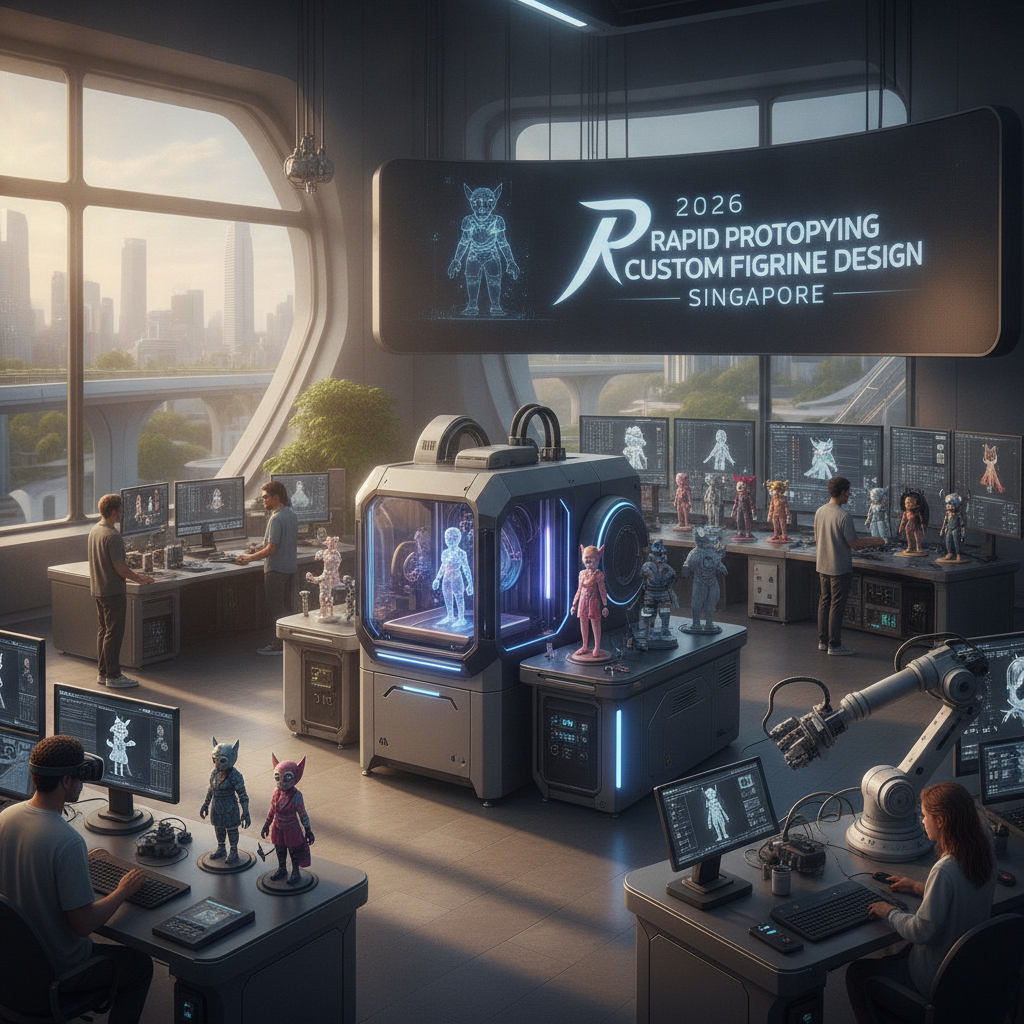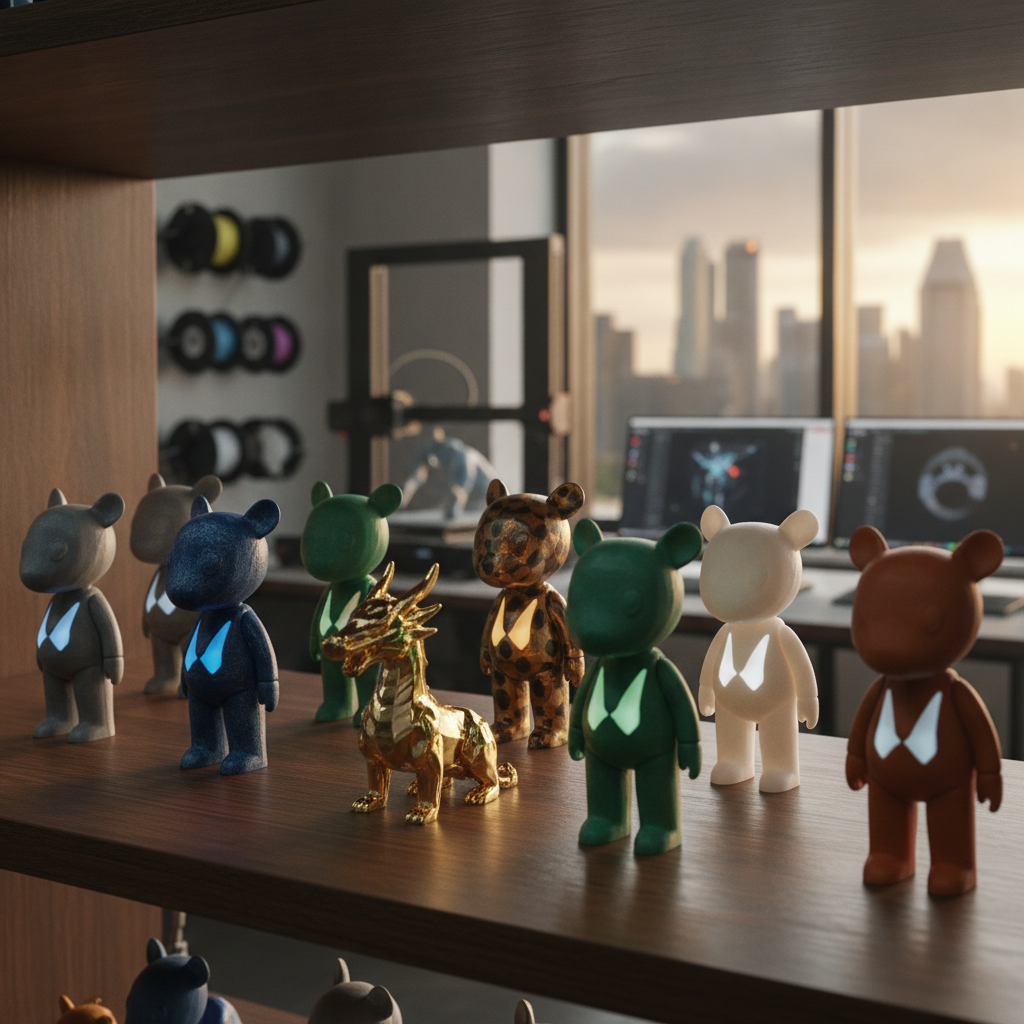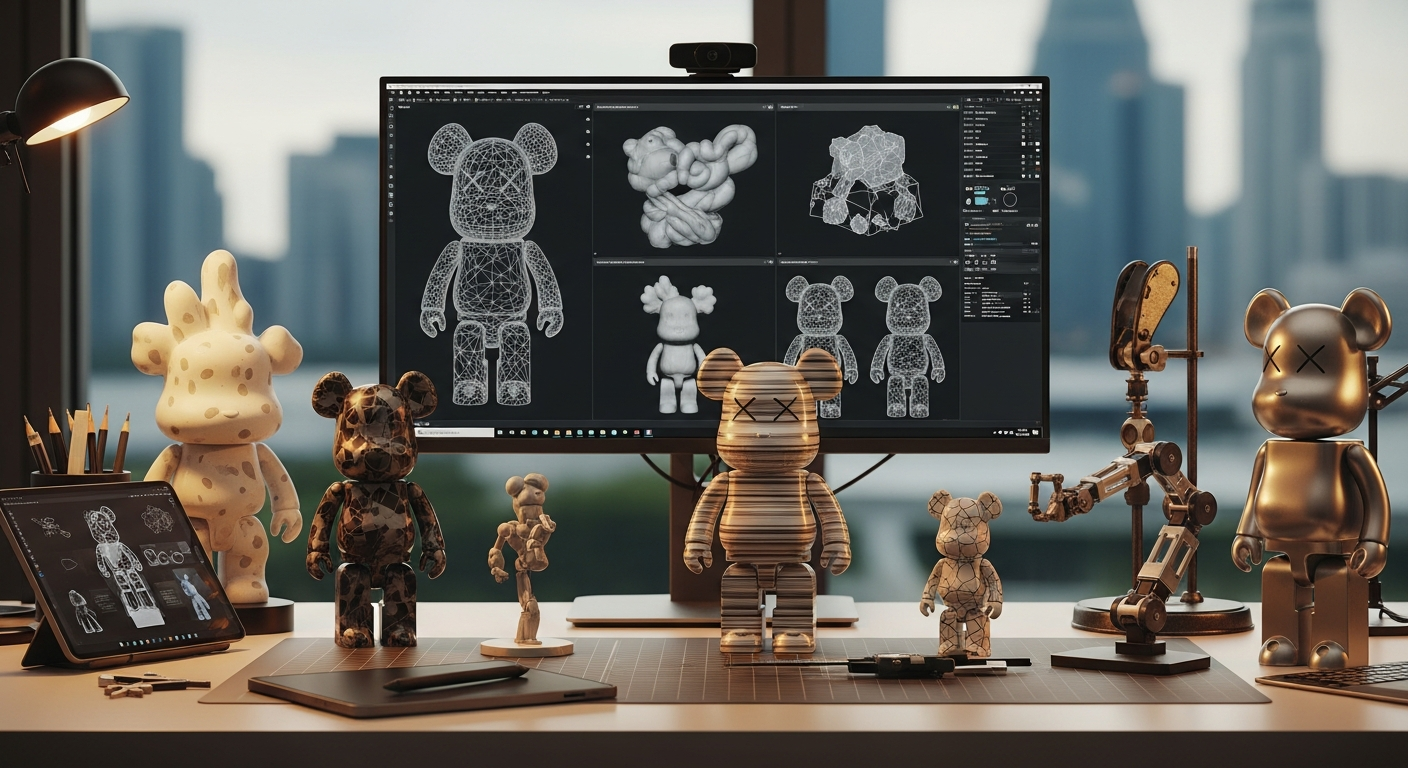

In 2026, the art toys scene is not just about sculpting cute characters and painting vinyls. It has evolved into a high-tech creative industry where AI-driven workflows meet advanced CAD pipelines. Designers and small studios in Singapore are using machine learning to refine aesthetics, simulate material behavior, and speed up iteration cycles — all within CAD modeling Singapore environments tailored for productization and limited runs.
This article explores how AI is reshaping art toys, why CAD modeling Singapore is central to that shift, and practical steps for creators and brands who want to capitalize on rapid prototyping, high-fidelity 3D printing, and collectible manufacturing.
CAD modeling Singapore has matured beyond engineering blueprints. For art toys, CAD tools are the bridge between artistic vision and manufacturable reality. Precision, tolerance analysis, and assembly planning are essential when converting a concept into a functional toy that can be produced at scale or as a limited-edition run. Modern CAD ecosystems in Singapore now integrate AI-assisted sculpting, automated parting line suggestions, and topology-aware hollowing methods that reduce print time and material cost without compromising detail.
Adopting a professional CAD pipeline brings benefits such as accurate fit for multi-part figures, consistent surface quality across batches, and easier licensing collaborations between artists and manufacturers.
AI tools accelerate ideation. Generative models can produce thousands of variations of a character silhouette, pose, or surface texture in minutes. Designers feed a few sketches or moodboards into a model, and the system returns refined 3D concepts that are immediately importable into CAD software. This reduces the months of manual exploration to days, and helps small studios test market appeal rapidly.
For artists focused on art toys, this means faster concept validation and more confident decisions on what to model in high resolution for production. The AI does not replace the artist; it expands the creative range and speeds up repetitive adjustments.
The real power comes when AI-generated assets are channeled into robust CAD modeling Singapore workflows. Key integrations include:
These integrations shorten the path from digital sculpt to physical prototype and reduce costly iteration rounds.
Singapore has become a regional hub for smart manufacturing and additive technologies. Local studios combine CAD modeling Singapore expertise with access to high-end 3D printing, resin casting, and post-processing services. The proximity of design and manufacturing partners shortens lead times for limited-edition drops and time-sensitive collaborations.
If you are exploring production-ready prototype services, look into providers offering coordinated services like design-for-manufacture feedback loops and small-batch 3D printing with professional finishing. For practical examples of coordinated services, studios now showcase packages like custom figurine design and 3D printing that move a concept through CAD, prototyping, and final finishing in a single program: https://artsoustudio.com/custom-figurine-design-and-3d-printing-singapore-2026/.
Limited editions thrive on scarcity and quality. Combining AI-driven variants with precision CAD modeling allows studios to release cohesive collections where each piece is distinct but manufacturable. Brands are using these workflows to create collectible series with predictable manufacturing outcomes and minimized defect rates.
Several studios now advertise end-to-end offerings for exclusive drops and artisan-like production. For example, limited edition art toys often begin as AI-augmented concepts before moving into CAD for structural validation and production planning: https://artsoustudio.com/limited-edition-art-toys-custom-3d-printing-singapore-2026/.
Art toys are tactile objects. CAD modeling Singapore workflows increasingly incorporate surface finish specifications and material simulations so that the final product feels as intended. Advanced software can simulate paint adhesion, injection or casting shrinkage, and how different materials change color under varied lighting.
Studio processes that pair CAD with high-resolution 3D printing and skilled finishing teams are producing museum-quality collectibles. Services for 3D-printed collectible art toys are designed around achieving both sculptural fidelity and durable, pleasant finishes: https://artsoustudio.com/3d-printed-collectible-art-toys-singapore-2026/.
Speed is critical for trend-driven collectibles. Smart rapid prototyping in Singapore leverages automated CAD checks, AI-driven orientation and support generation, and optimized nesting strategies to minimize print time and cost. These systems feed directly into production schedules and quality control protocols. For teams scaling from prototypes to small runs, this results in faster time-to-market while maintaining quality: https://artsoustudio.com/smart-rapid-prototyping-singapore-lifestyle-product-design/.
Collectors and creators care about sustainability. CAD modeling Singapore tools now enable material-efficient designs through hollowing strategies, latticed internal supports, and multi-material planning that reduce waste. AI can suggest optimal infill patterns and wall thicknesses that keep parts strong while using less resin or plastic. Designers can also evaluate recycled or bio-based materials early in the CAD stage to ensure compatibility with their finishing processes.
AI-generated variations and CAD files make collaborations smoother. Brands and artists can exchange standardized CAD files that capture exact tolerances, color specifications, and assembly instruction sets. This clarity reduces back-and-forth and protects IP through versioned assets and watermarked digital proofs.
Many studios specialize in limited-edition collectible figurines with full-service licensing workflows, allowing artists to retain creative control while outsourcing the technical manufacturing work: https://artsoustudio.com/limited-edition-art-toys-custom-figurine-design-singapore/.
Collectors in 2026 expect story-driven releases, verifiable scarcity, and premium finishing. The best-selling art toys blend strong character IP with tactile quality and unique surface treatments. Creators who use AI to explore variants can release curated runs that maintain cohesion while offering collectible differentiation.
Digital-native audiences also value transparency in production and an ethical footprint. Studios that communicate material choices, manufacturing locations, and the role of AI in design tend to build stronger collector trust.
The intersection of AI and CAD modeling Singapore is unlocking a new wave of creative production for art toys. Designers can iterate faster, prototype smarter, and release collectibles with manufacturing-ready precision. Whether the goal is a museum-quality limited edition or an experimental series, leveraging AI alongside disciplined CAD workflows results in art toys that are both expressive and producible.
For creators and brands seeking practical, production-oriented partnerships, the integrated offerings from local studios show how concept-to-collection services work in practice — from bespoke figurine design to fully finished collectible runs. Explore specialized services for rapid prototyping, limited editions, and full 3D-printed collectible services to see how these workflows translate into market-ready products: https://artsoustudio.com/custom-figurine-design-and-3d-printing-singapore-2026/, https://artsoustudio.com/limited-edition-art-toys-custom-3d-printing-singapore-2026/, https://artsoustudio.com/smart-rapid-prototyping-singapore-lifestyle-product-design/, https://artsoustudio.com/limited-edition-art-toys-custom-figurine-design-singapore/, https://artsoustudio.com/3d-printed-collectible-art-toys-singapore-2026/.
The marriage of creative play and engineering discipline is creating durable, collectible art toys that appeal to both hearts and standards of manufacture. Teams that learn to blend AI, CAD modeling Singapore best practices, and thoughtful finishing will lead the next chapter of collectible design.