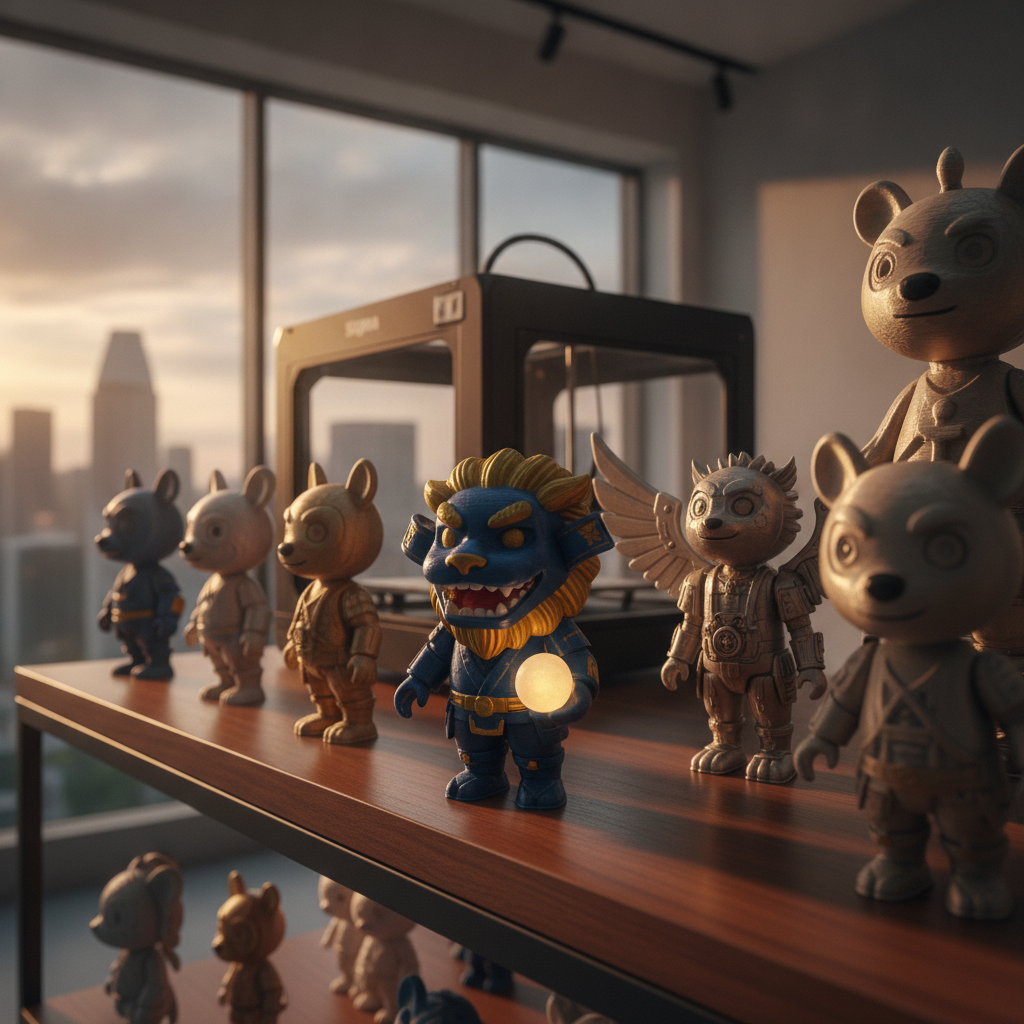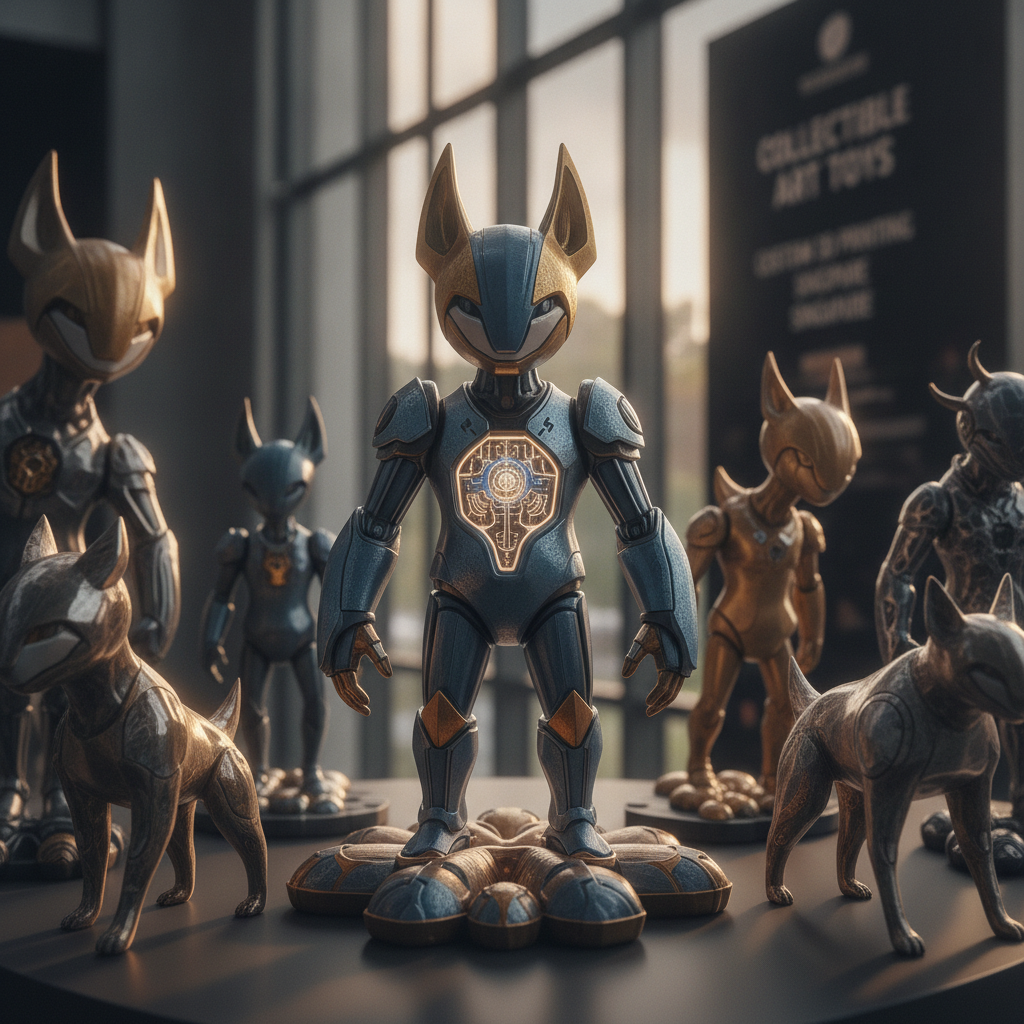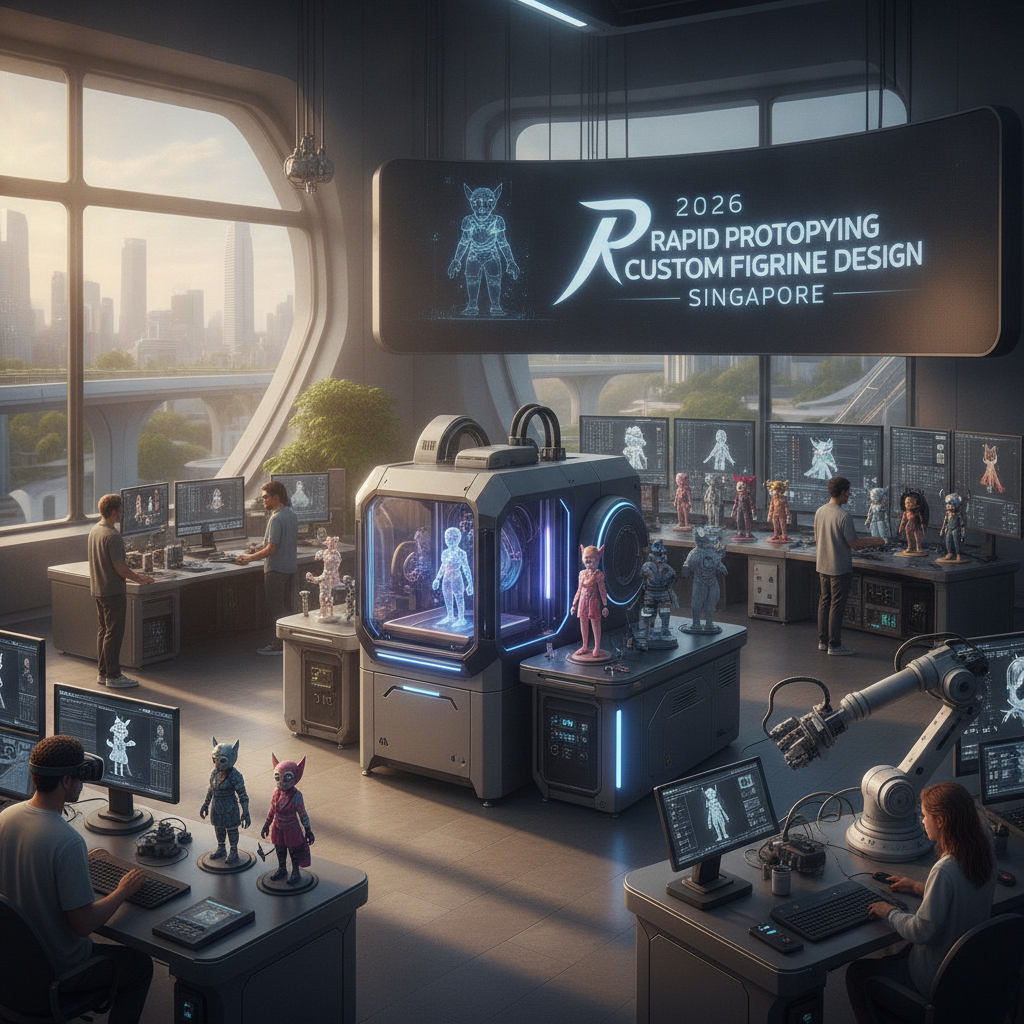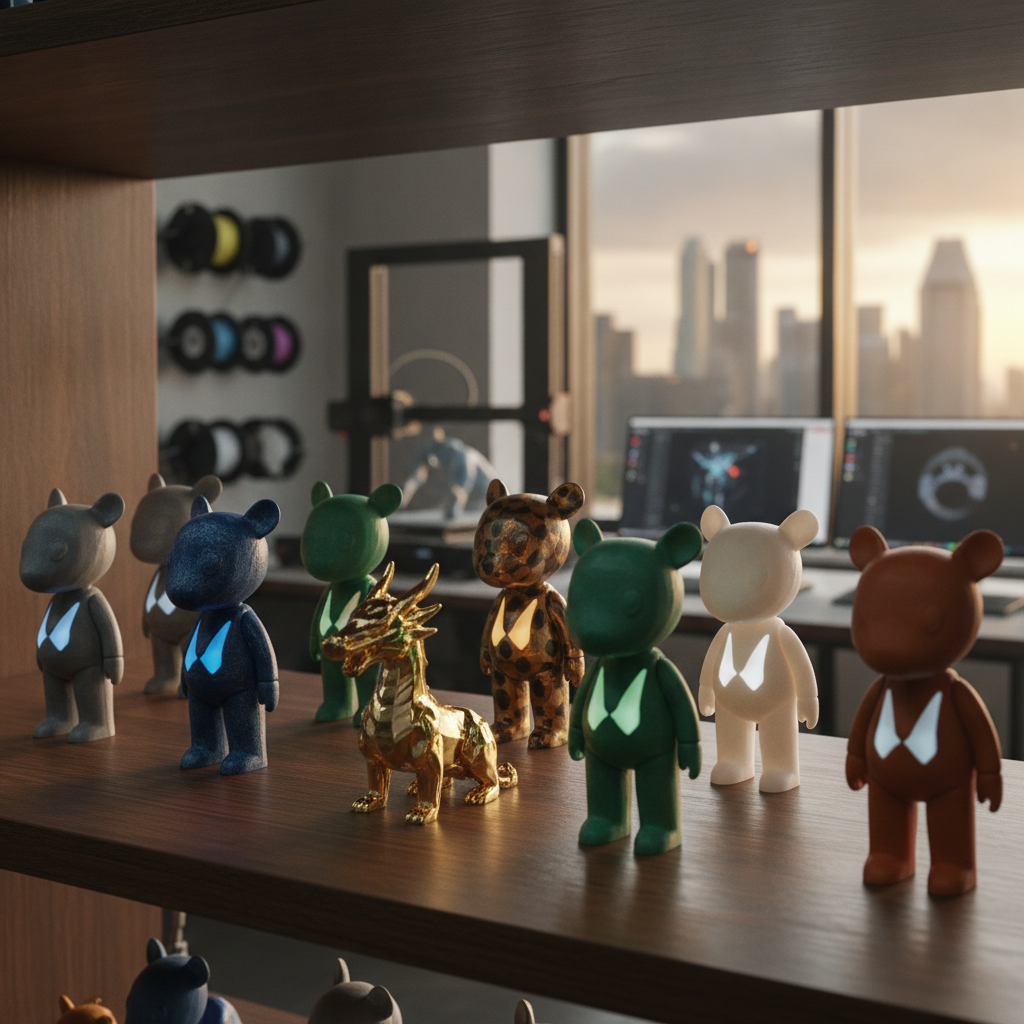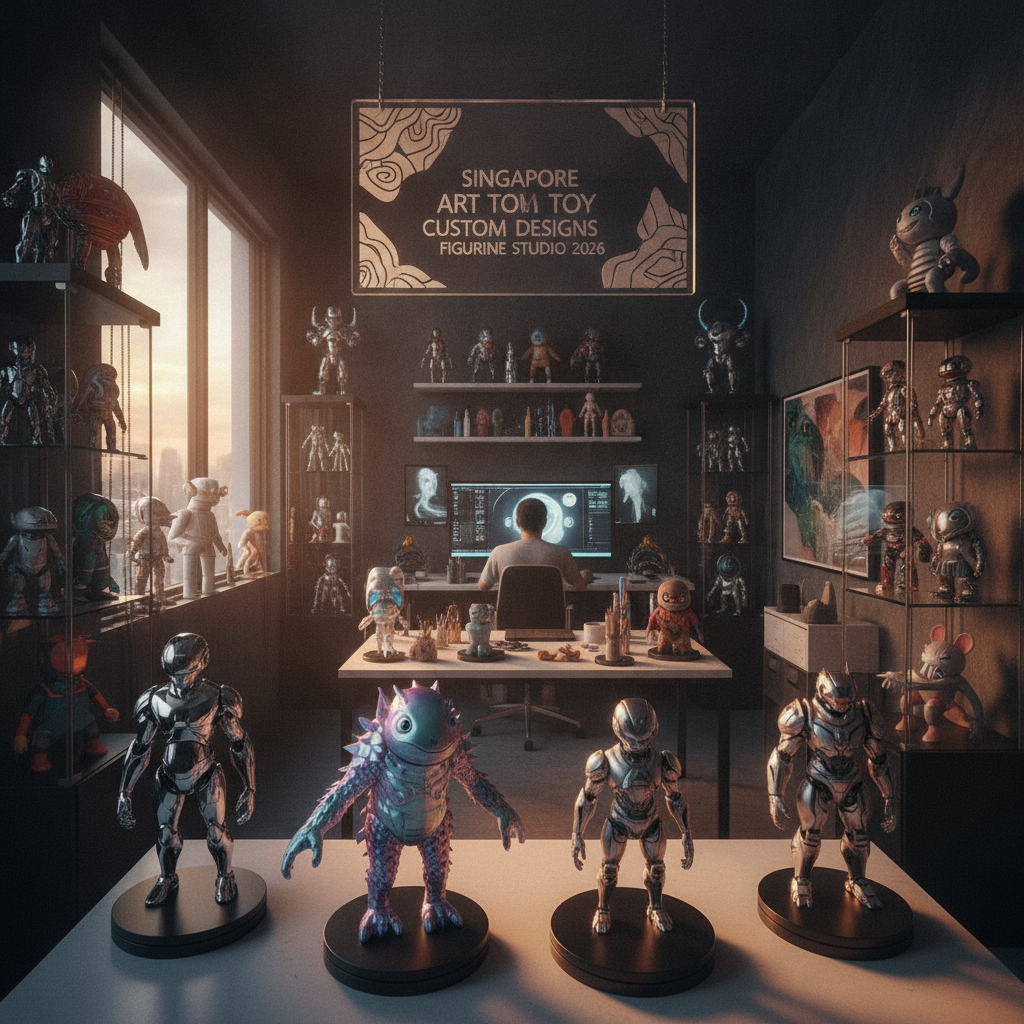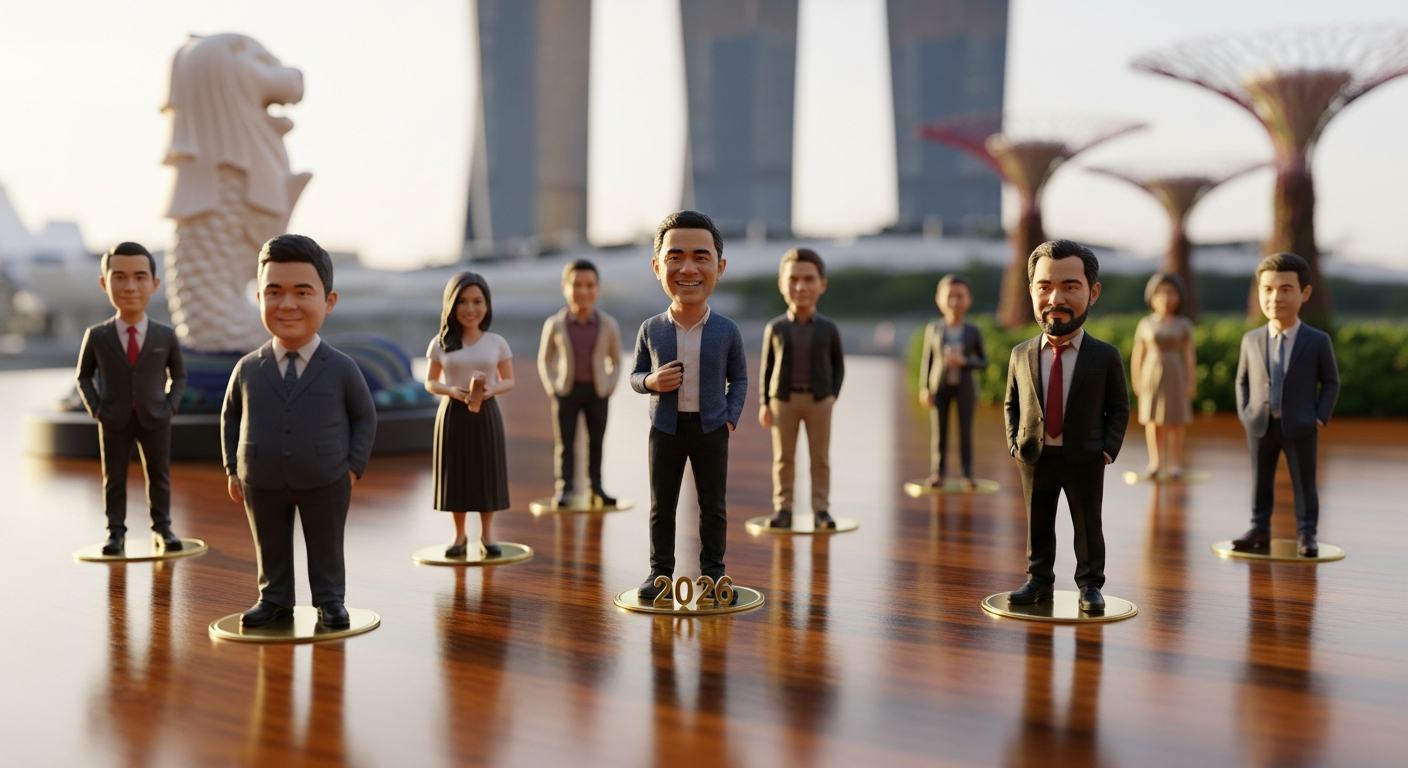

Customization has moved from novelty to expectation. In 2026, collectors, product designers and brand managers turn to custom 3D printing Singapore services to create limited-run collectibles, prototypes and personalized gifts with unmatched detail. This guide explains the current state of custom figurine design Singapore, technology advances, materials, pricing models and how to choose a local studio that can bring your concept to reality.
The last few years saw rapid improvements that matter for figurines: higher-resolution resin printing, affordable multi-material color printing, eco-friendlier filaments and streamlined post-processing. These advances mean smaller details, more vibrant color straight off the printer, and shorter turnaround times — essential for limited-edition drops and bespoke orders.
Recent trends include serialized collectible runs, on-demand manufacturing for creators, and hybrid workflows where digital sculpting is paired with smart rapid prototyping to test form and articulation quickly. For examples of how studios are leveraging these trends, see limited edition art toys and rapid prototyping case studies at local studios like Artsou Studio.
Local providers are also more likely to offer hybrid services — from digital sculpting to hand-painted finishing — which is useful when producing collectible figures where surface finish and paint quality matter as much as the 3D print itself.
Choosing the right material affects detail, durability and finish:
– Resin (SLA/DLP): Best for ultra-fine detail and smooth surfaces. Ideal for display figurines and collectibles.
– Nylon (SLS): Durable, slightly textured surface — good for articulated parts and prototypes that need strength.
– PLA/PETG (FDM): Cost-effective for larger pieces or initial mock-ups, though layer lines are more visible.
– Full-color sandstone and binder-jetting: Good for vibrant, low-cost color prints but less durable for handling.
Finishes:
– Sanding and priming for smooth, paint-ready surfaces.
– UV-cured coatings for gloss/matte finishes.
– Hand painting, airbrushing, and tampo printing for fine details and limited editions.
For venture and design teams experimenting with finishes, see how limited run art toys and collectible workflows are executed in Singapore studios that combine printing with artisanal finishing.
Good studios offer guidance at each stage, reducing costly mistakes. If you’re curious about how rapid iterations are handled, explore smart rapid prototyping examples that local shops use to accelerate product design.
Sharing layered reference images and paint guides reduces back-and-forth and improves color-matching for hand-finished runs.
For studios that successfully combine artistry and manufacturing, review curated projects such as limited edition art toys and 3D-printed collectible art toys produced by Singapore teams.
Costs vary by technology, size and finishing:
– Small resin figurine (10–15 cm), single unit, basic finish: SGD 80–300.
– Multi-part resin figurine with painting and assembly: SGD 300–900 per unit for low-volume runs.
– Short runs (50–200 units) with hand finishes: unit costs drop as assembly times are streamlined.
Lead times:
– Prototype: 3–10 business days depending on post-processing.
– Short production runs: 2–6 weeks depending on finishing and paint complexity.
Optimizing cost: consolidate parts where possible, choose batch-friendly finishes, and plan paint schemes that use fewer colors or tampo printing for repeatable decals.
High-quality figurines depend on post-print workflows: cleaning, curing (for resin), sanding, priming, and multi-stage painting. Many Singapore studios pair digital printing with artisan painting to achieve collectible-grade results.
Quality control includes color proofs, sample approvals, and serial numbering for limited editions. For toy designers, a well-documented QC process reduces returns and protects collector value.
Sustainability is increasingly relevant: bio-based filaments, recyclable resins and closed-loop waste handling are being adopted by responsible studios. Ask potential providers about waste disposal, VOC controls in painting booths, and material traceability.
Regulatory notes: if figurines represent licensed IP, ensure clear rights and approvals. For toys intended for children, compliance with safety standards is essential; most collectible figurines are marketed for adult collectors, but labelling and warnings should still be accurate.
Custom figurine projects succeed when design quality meets smart marketing: limited runs, serialized numbering, certificate of authenticity and packaged storytelling (art cards, creator notes). Design your release schedule with clear pre-order windows and gapless fulfillment timelines to keep collector trust high.
Leveraging community: engage local hobbyist groups, social platforms and pop-up galleries. Case studies of limited edition art toys show how drop scarcity and studio provenance increase secondary-market value.
For projects that blend art and commerce, many Singapore studios provide contract templates or legal referrals to streamline commercialization.
If you need inspiration or examples of how a studio brings a character from sketch to shelf, explore projects that document the full lifecycle from concept to limited release.
Custom 3D printing Singapore and custom figurine design Singapore in 2026 combine technical precision with artisanal finishing to deliver collectible-grade figurines and prototype-ready models. Whether you’re a toy designer, a collector or a brand exploring limited editions, understanding materials, workflows and the local studio ecosystem helps you make better choices and control costs. For examples and partnerships that showcase curated limited editions, rapid prototyping capabilities, and collectible-focused workflows, consult local portfolios and case studies to identify the right partner for your project.
Further reading and resources:
– Limited edition art toys and custom 3D printing examples: https://artsoustudio.com/limited-edition-art-toys-custom-3d-printing-singapore-2026/
– Smart rapid prototyping and lifestyle product design: https://artsoustudio.com/smart-rapid-prototyping-singapore-lifestyle-product-design/
– Custom figurine design case studies: https://artsoustudio.com/limited-edition-art-toys-custom-figurine-design-singapore/
– 3D-printed collectible art toys showcased in Singapore: https://artsoustudio.com/3d-printed-collectible-art-toys-singapore-2026/
– Insights on custom 3D printing Singapore for collectible toys: https://artsoustudio.com/custom-3d-printing-singapore-boosts-collectible-art-toys-2026/
This consolidated view equips creators and collectors to plan feasible budgets, select suitable processes and partner with studios that deliver both technical accuracy and collectible-quality finishes.