Why Singapore is becoming a hub for custom figurine design and 3D printing
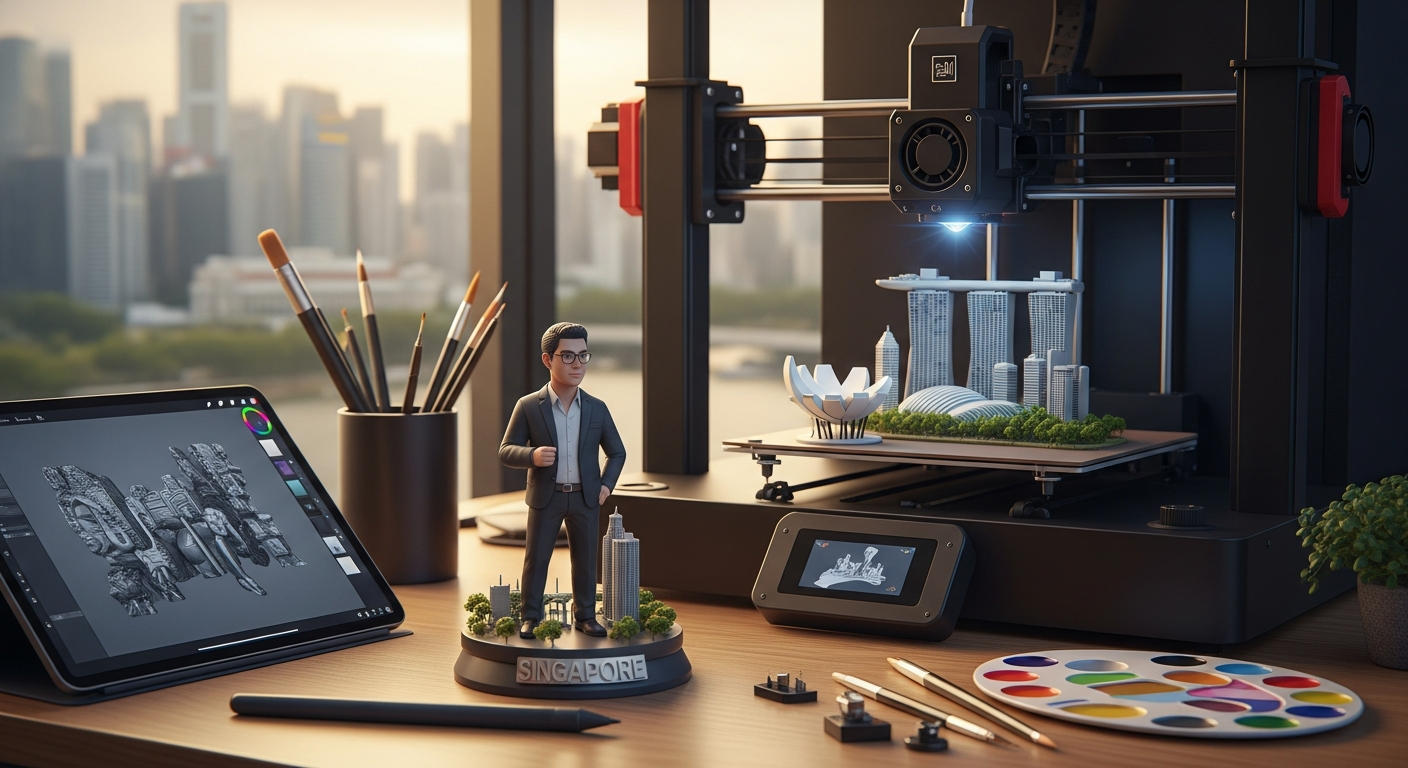
Over the past few years Singapore has accelerated its position as a centre for premium creative manufacturing. For independent artists, toy designers and brands seeking precision, speed and quality, custom figurine design Singapore paired with advanced additive manufacturing delivers unmatched flexibility. The city-state’s strong logistics, business-friendly regulations and growing maker ecosystem make it an attractive location for limited runs and prototype development.
Trends shaping custom figurine design Singapore in 2026
- Personalisation as a standard: Collectors expect small-batch runs with custom colours, accessories and packaging. Limited editions and artist-signed pieces are increasingly valuable.
- Cross-media releases: Designers often tie physical figurines to digital drops (NFTs, AR experiences) to extend collectibility and engagement.
- Sustainability focus: Eco-friendly resins, recyclable packaging and lower-waste workflows are trending, as buyers look for responsibly made collectibles.
- Faster iterations: Hybrid studios offering both design and production in Singapore shorten feedback loops, letting creators test concepts quickly.
These trends make partnering with a local specialist in custom figurine design Singapore a strategic choice for artists and brands looking to capitalise on the collectible market.
How custom 3D printing Singapore elevates design to finished collectible
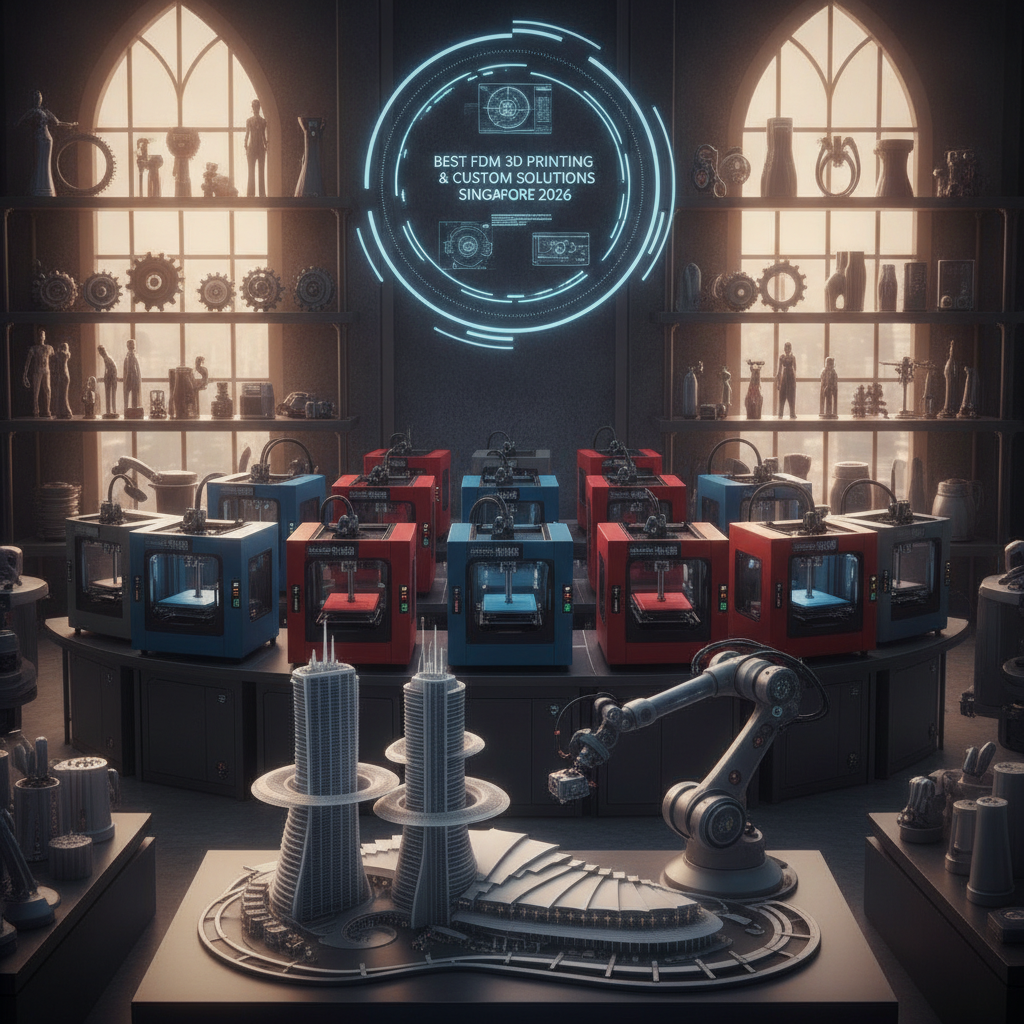
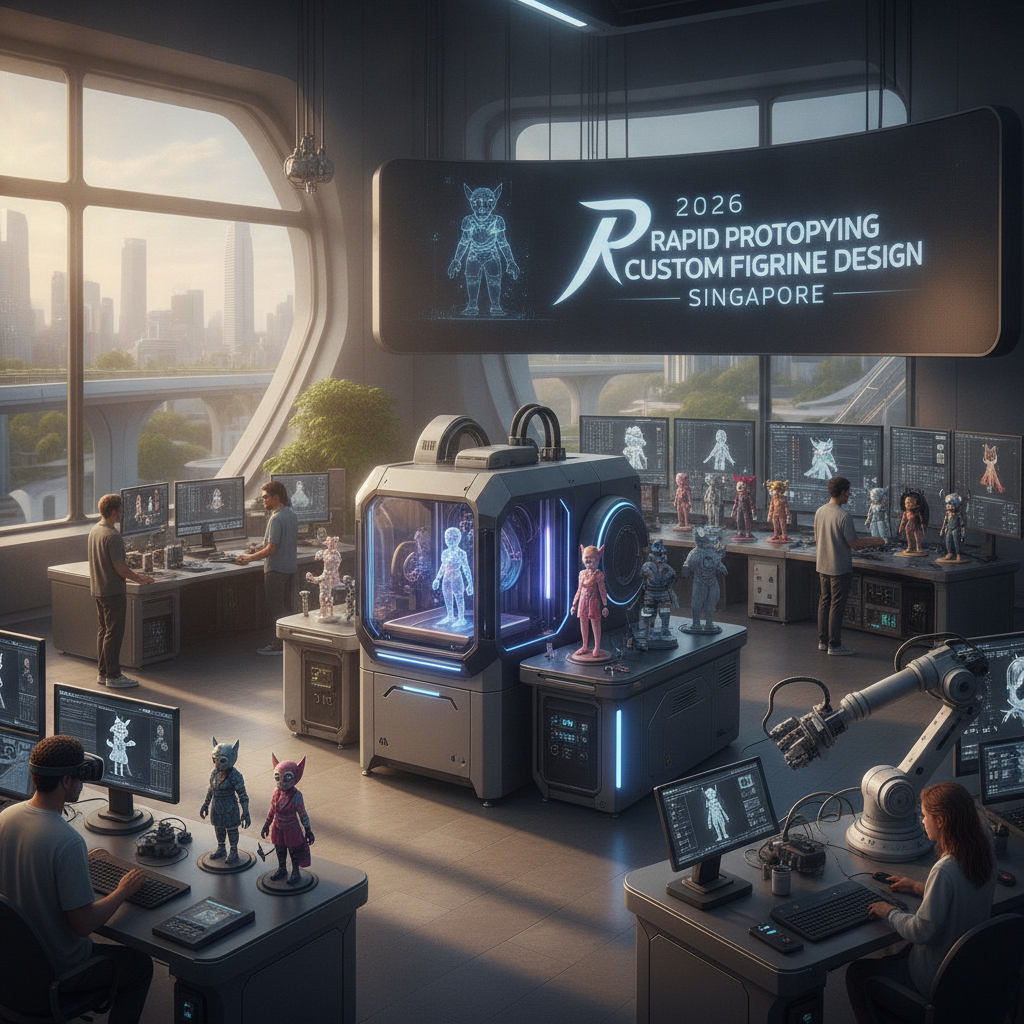
Custom 3D printing Singapore services have moved beyond basic prototyping. Today’s studios integrate SLA, DLP and multi-material FDM with expert post-processing to create gallery-grade collectibles. Key advantages include:
- Precision and detail: SLA/DLP printers can produce intricate textures, delicate facial features and crisp toy seams.
- Colour and material options: Full-colour binder jetting and multi-part assemblies allow highly accurate colour matching and mixed-material effects.
- Fast turnarounds: Local production reduces shipping times and customs delays for urgent drops or iterative design cycles.
When you combine thoughtful sculpting with advanced custom 3D printing Singapore workflows, the result is a collectible that reads as hand-crafted while being reproducible at scale.
Materials and processes: what to choose for your figurine
- SLA/Resin (high detail): Best for fine features, smooth surfaces and paint-ready models. Ideal for premium art toys.
- FDM (thermoplastics): Good for larger forms and functional prototypes. Lower cost but requires more surface finishing.
- Full-colour 3D printing: Useful for complex surface graphics, though often combined with post-print painting for premium products.
- Multi-part assembly: Combining printed components with metal pins, magnets or fabric elements enhances durability and playability.
A modern production workflow in Singapore will recommend the optimal mix of materials and finishing techniques to meet your aesthetic and durability goals.
Design-for-manufacture: common pitfalls and how to avoid them
Designers focused only on sculpting can miss production realities. Typical issues are thin walls, fragile appendages, poor tolerances for assembly, and impractical paint separations. To reduce rework:
- Work with studios offering DFM feedback early in the process.
- Allow for assembly clearances and mechanical joints during sculpting.
- Plan paint masks or separate parts for complex colour schemes.
- Prototype multiple scales to test presence, balance and paintability.
Engaging a local team experienced in custom figurine design Singapore will help catch these problems before they add time and cost.
Cost considerations and timelines
Pricing depends on detail, materials, post-processing and batch size. Typical factors:
- Prototype complexity: Highly detailed sculpts and premium resin finishes increase per-piece cost.
- Batch size: Small-batch runs (tens to low hundreds) can be economical with optimized workflows; larger runs reduce per-unit price further.
- Finishing: Painting, weathering, UV coatings and packaging are significant contributors to final cost.
- Lead times: A well-managed local studio offering custom 3D printing Singapore can deliver prototypes in days and small production runs in a few weeks.
Planning realistic budgets and timelines upfront will avoid last-minute compromises in quality.
Post-processing and finishing that create collectible value
The difference between a toy and a sought-after collectible is often in the finish. Key post-processing steps include:
- Surface smoothing (sanding, priming, micro-filling)
- High-grade hand or airbrush painting
- Sealing and UV-stable clearcoats
- Custom bases, packaging and certificate numbering
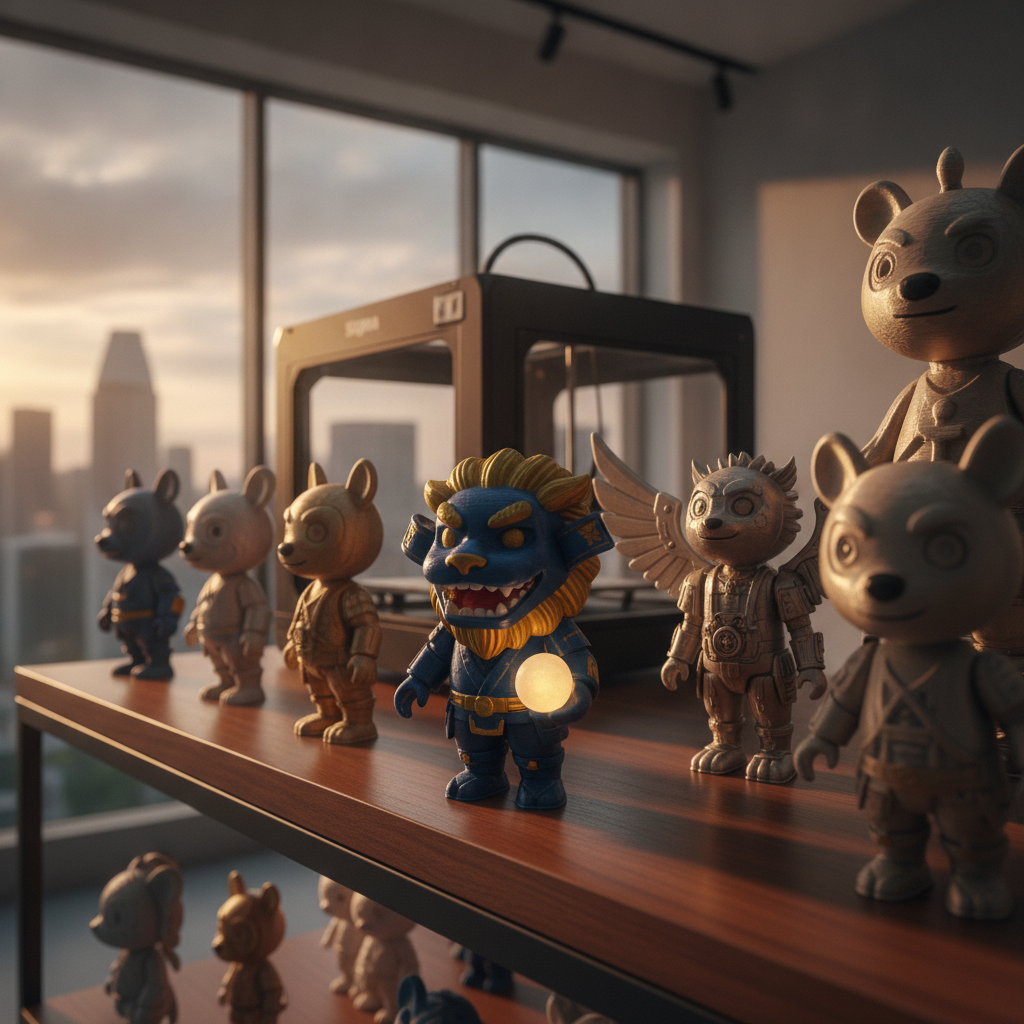
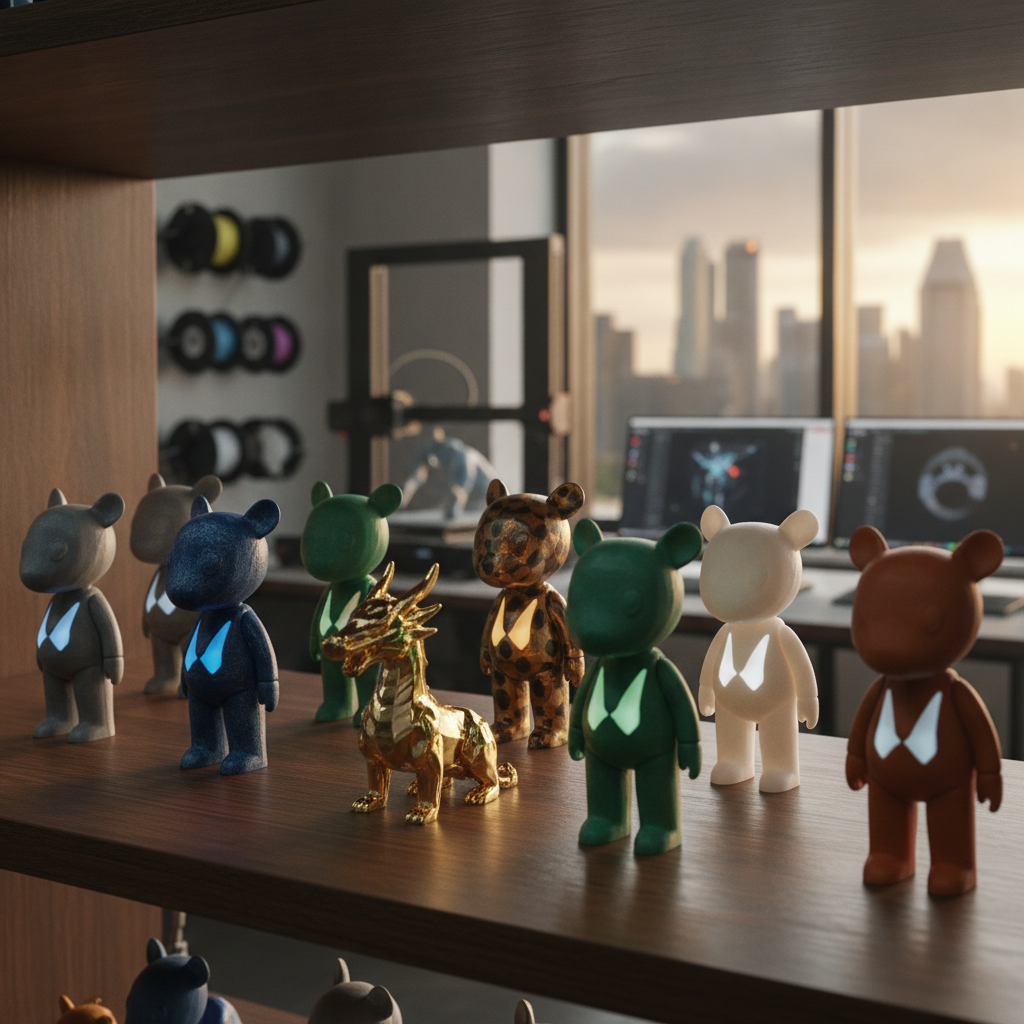
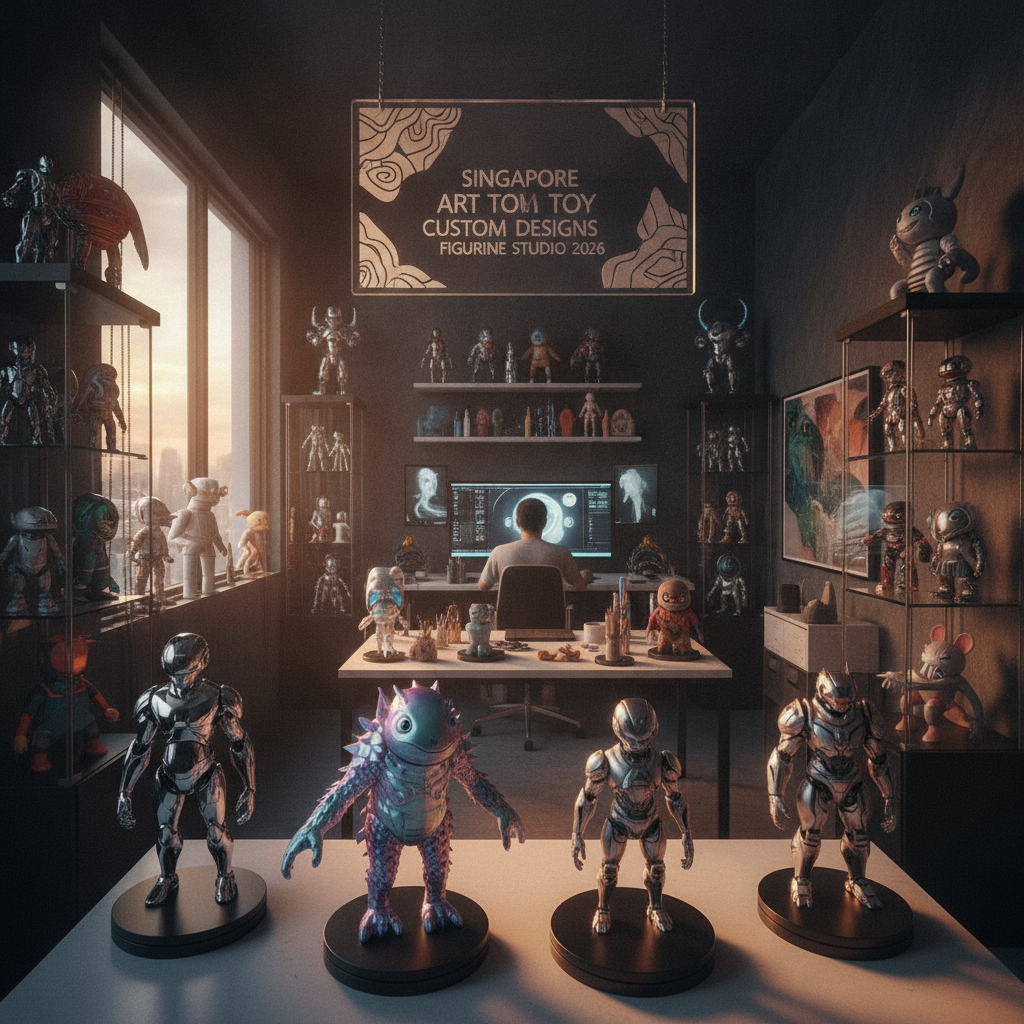
Studios that pair sculpting with professional finishing create products collectors will display and cherish. For examples of finished pieces and small-batch art toys, explore galleries of local producers like those working on limited runs with deep finishing expertise.
Protecting your design and managing IP in Singapore
Singapore offers reliable IP protection frameworks and a clear pathway to register designs and trademarks. For creators:
- Document all design iterations and agreements with studios.
- Use contracts that specify ownership, rights and permissible reproductions.
- Consider design registration for signature characters and distinctive shapes.
Working with a reputable local partner for custom figurine design Singapore reduces risk and helps you retain control over releases.
Choosing the right local partner: what to look for
When selecting a studio in Singapore, evaluate these aspects:
- End-to-end capabilities: From initial concept to painting, photography and packaging.
- Technical expertise: Experience with SLA/DLP, multi-colour printing and complex assemblies.
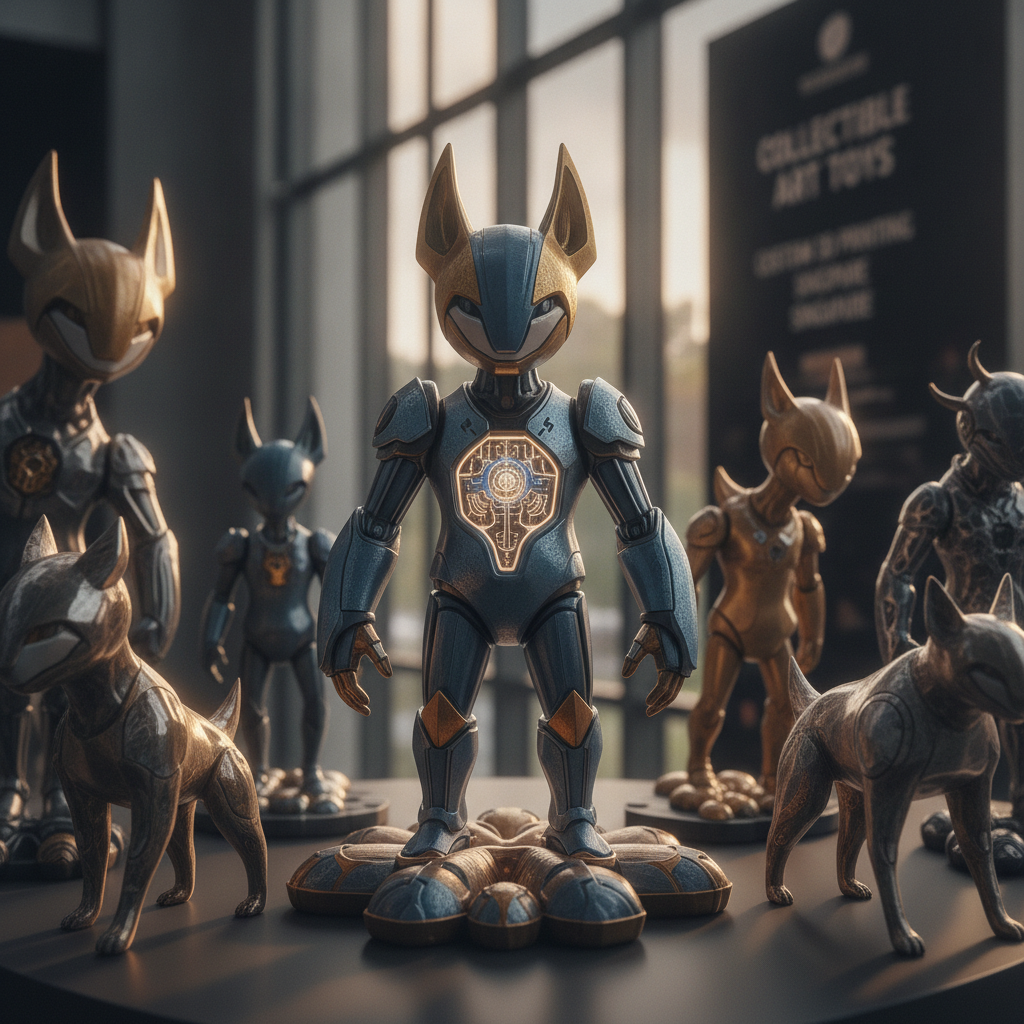
- Portfolio relevance: Examples of limited editions, artist collaborations or collectible art toys.
- Communication and project management: Clear timelines, milestone reviews and fast turnarounds.
- Sustainability practices: Use of recyclable packaging and lower-VOC finishes if that matters to your brand.
A strong local partner can be an extension of your studio, accelerating product development and ensuring consistent quality.
Practical workflow: concept to shelf
- Concept & briefing: Define story, scale, price point and target collectors.
- Sculpt & digital review: 3D sculpt in ZBrush/C4D, with iterative feedback.
- Prototype printing: Rapid prototypes using SLA/FDM followed by fit checks.
- Approval & tooling for small series: Finalise parts for batch printing.
- Production & finishing: Printing, cleaning, painting and quality control.
- Packaging & distribution: Custom packaging, certificates and fulfilment.
If you want to see how studios integrate smart prototyping into product design workflows, check examples of smart rapid prototyping Singapore lifestyle product design in local portfolios.
Local showcases and inspiration
Singapore’s creative scene hosts pop-ups, toy fairs and gallery shows where designers reveal limited editions and new collaborations. These events are a great way to gauge collector interest and network with manufacturers, retailers and artists. Many studios also publish case studies of completed projects—from single-run art pieces to collectible series—useful for benchmarking your own project.
Where to learn more and view examples
- Browse curated collections of limited edition releases to study packaging, numbering and finish standards. See how bespoke production meets collectible expectations in local galleries of limited edition art toys and custom figurine design Singapore.
- Review galleries of 3D printed collectible art toys Singapore 2026 to understand material choices and finish techniques that resonate with buyers.
- Explore how custom 3D printing Singapore boosts collectible art toys and the different finishing options studios employ to reach premium price points.
- When evaluating manufacturing partners, look for portfolios of art toys made with custom 3D printing Singapore to confirm technical capability and surface quality.
- For rapid iteration examples and product design integration, smart rapid prototyping Singapore lifestyle product design case studies show how design and engineering work together.
(Selected references and studio portfolios have detailed process photos and outcome comparisons.)
Final thoughts: how to get premium results in 2026
The intersection of thoughtful sculpting and advanced custom 3D printing Singapore unlocks new possibilities for artists and brands. Whether you’re launching a first limited edition or scaling a collectible line, a local partner that understands both design sensibility and additive manufacturing will save time, reduce costs and elevate final quality. By focusing on materials, finishing and design-for-manufacture, Singapore-based projects can achieve international standards and collector appeal.
Start by defining your audience, production goals and desired finish quality, then evaluate local studios against those criteria. The right collaboration will transform a concept into a collectible that stands out in a crowded market and commands attention from serious collectors.