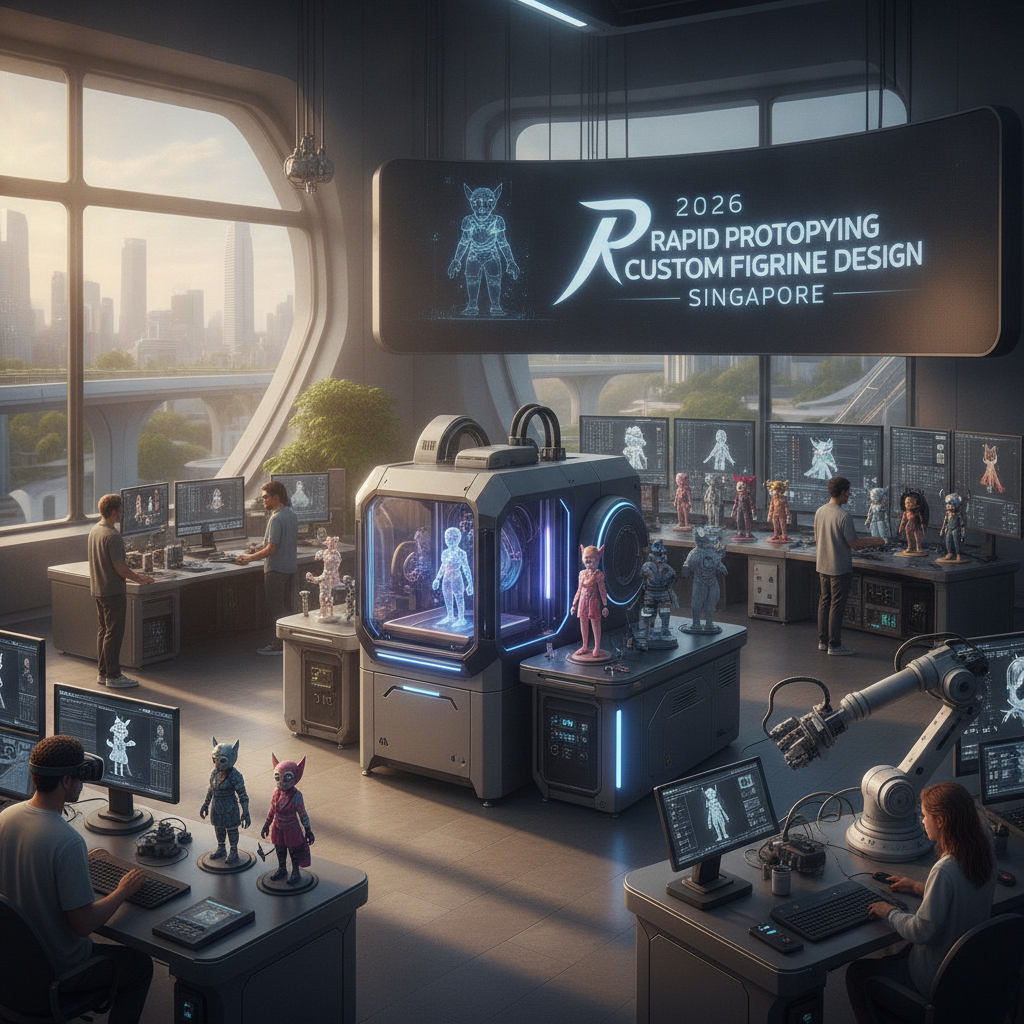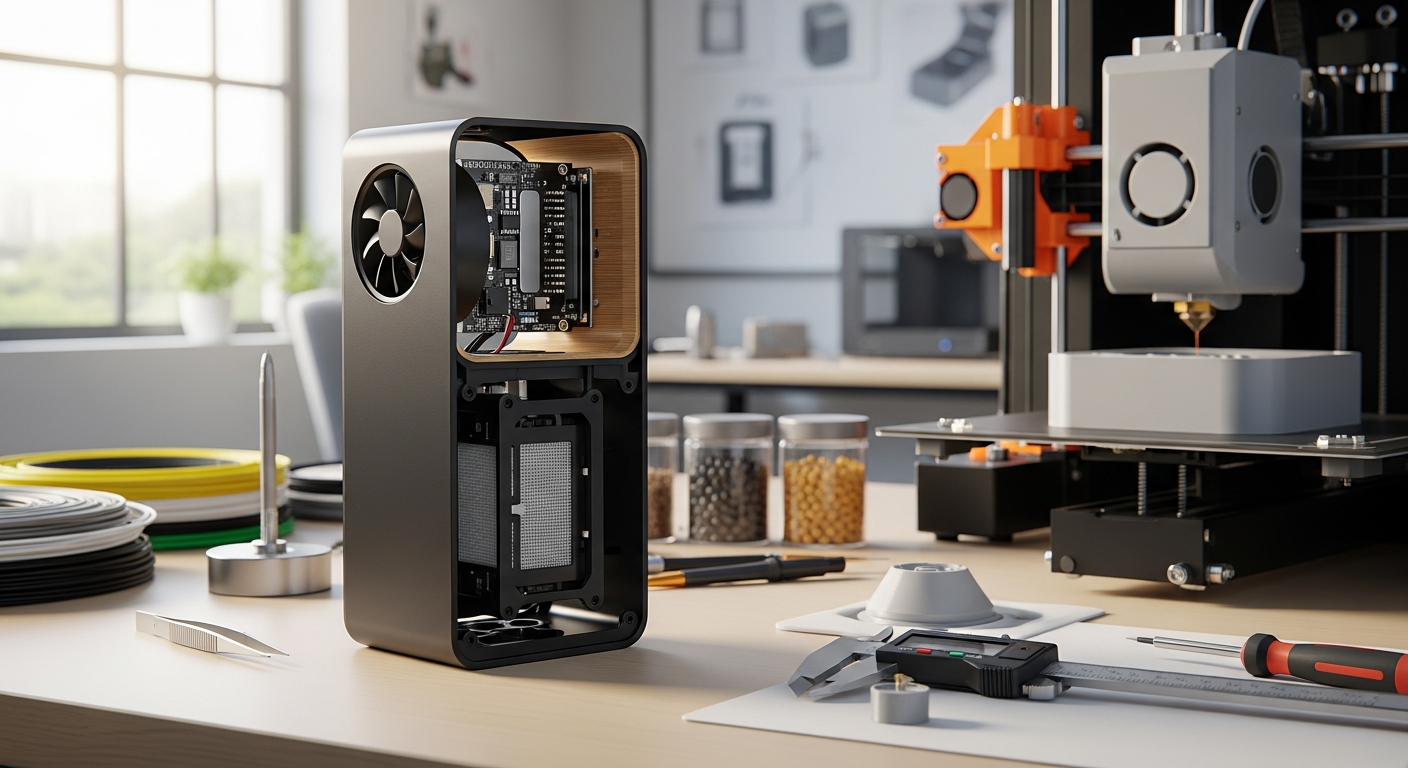


In a small, highly connected market like Singapore, speed matters. Rapid prototyping Singapore isn’t just about making the first physical model quickly — it’s a strategic capability that compresses development cycles, sharpens user feedback loops, and reduces time-to-market for lifestyle products. From smart home accessories to modular wearables and boutique kitchenware, designers and brands are using rapid prototyping to refine function, aesthetics, and manufacturability while staying aligned with evolving consumer trends.
Singapore’s compact geography and dense design ecosystem create an ideal environment for fast iteration. Local makerspaces, specialist fabrication labs, and service bureaus reduce transport time and enable face-to-face collaboration between industrial designers, engineers, and manufacturers. Working with local providers accelerates decision-making and ensures faster turnaround on prototypes, which is essential for lifestyle product design Singapore teams that must validate tactile user experiences and finishes.
Different product goals require different technologies. Choosing the right technique early saves time and cost:
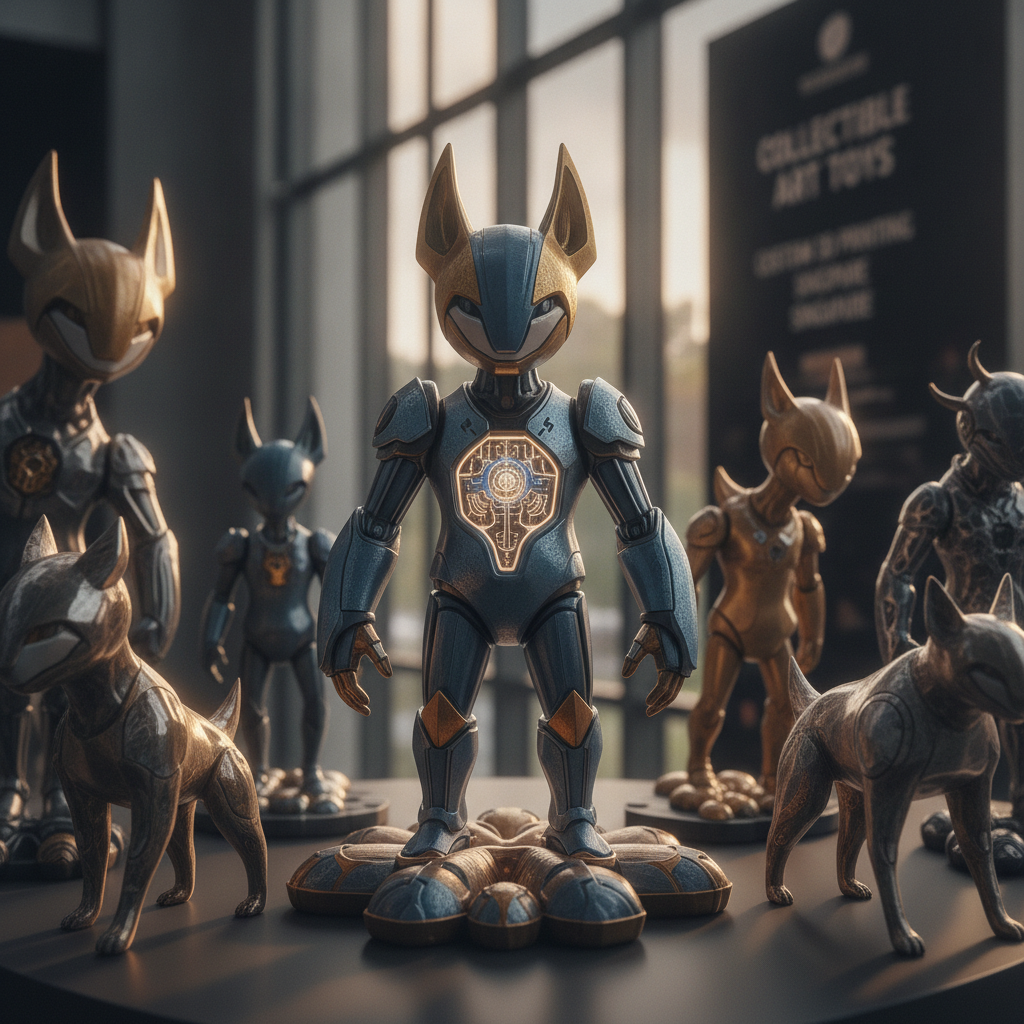
For inspiration and examples in niche collectible and designer products, see how 3D-printed collectible art toys are being realized with contemporary methods: https://artsoustudio.com/3d-printed-collectible-art-toys-singapore-2026/.
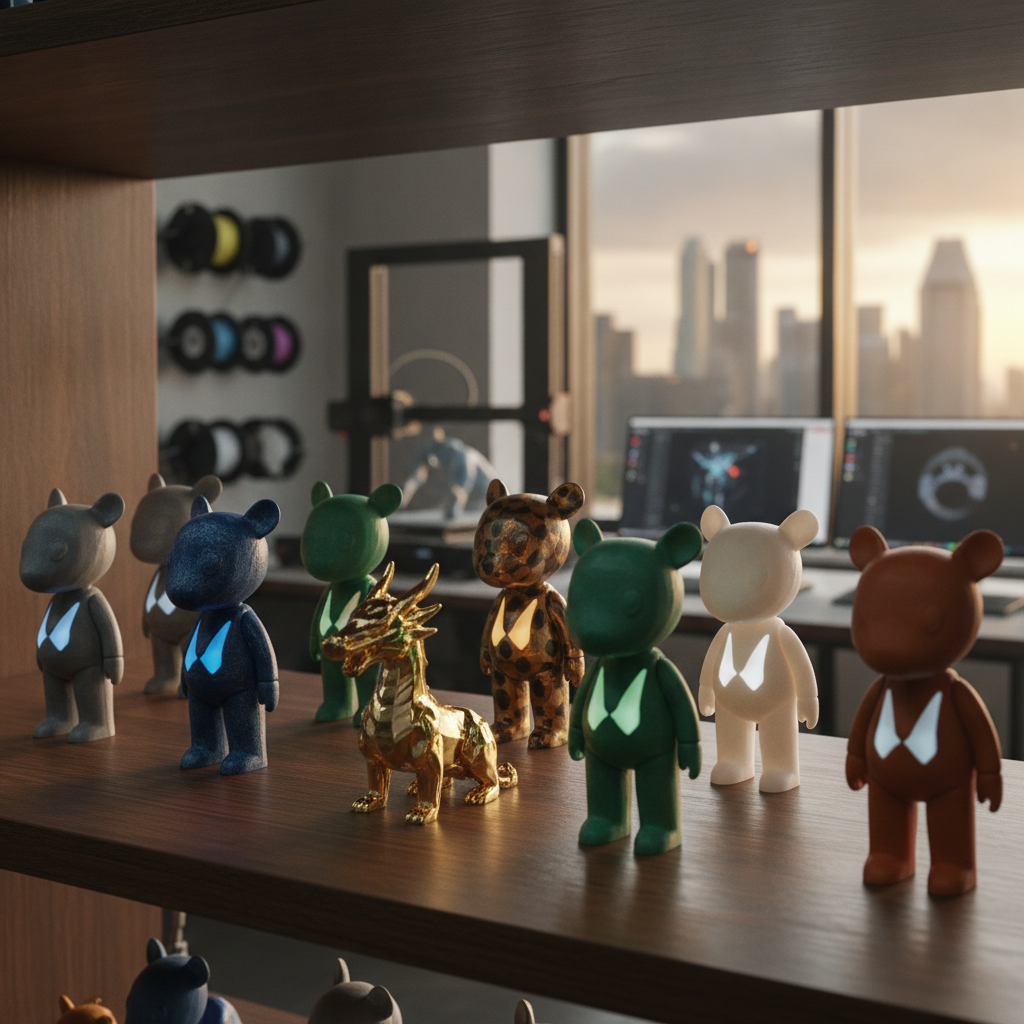
Lifestyle product design Singapore emphasizes both feel and visual appeal. Materials and post-processing determine whether a prototype communicates premium intent or looks like a concept piece.
When evaluating production readiness, leverage experts who combine digital modeling with production-aware finishing, such as custom 3D printing case studies: https://artsoustudio.com/custom-3d-printing-singapore-boosts-collectible-art-toys-2026/.
Speed without strategy wastes resources. Adopt these principles to get the most from rapid prototyping Singapore:
CAD modeling is the bedrock of rapid iteration. Good CAD work speeds iteration and reduces costly reprints — see practical CAD modeling resources here: https://artsoustudio.com/cad-modeling-singapore-for-art-toys-2026/.
Many lifestyle products now include sensors, Bluetooth, or small displays. Rapid prototyping helps validate placement, signal integrity (antennas), thermal behavior, and user interaction flows. Key tips:
These hybrid skillsets — product design, embedded engineering, and 3D fabrication — are increasingly common in Singapore’s product studios and service bureaus.
Choosing the right partner for rapid prototyping Singapore can make or break a project timeline. Look for providers who offer:
For designers producing limited-run collectible or designer objects, comprehensive 3D-printing service options are particularly valuable: https://artsoustudio.com/3d-printing-service-singapore-for-collectible-art-toys-2026/.
Rapid prototyping is rarely the final step. Transitioning to production involves a few common phases:
Design for Manufacturing (DFM) reviews during the prototype stage prevent late-stage surprises. Many Singapore studios support pilot production and can advise on cost/quality trade-offs.
Sustainability is a major trend influencing materials, packaging, and lifecycle thinking. Rapid prototyping supports sustainable product design by enabling:
Consumers in premium lifestyle segments increasingly value repairability and ethical sourcing, so integrating circular design concepts early is both socially responsible and commercially smart.
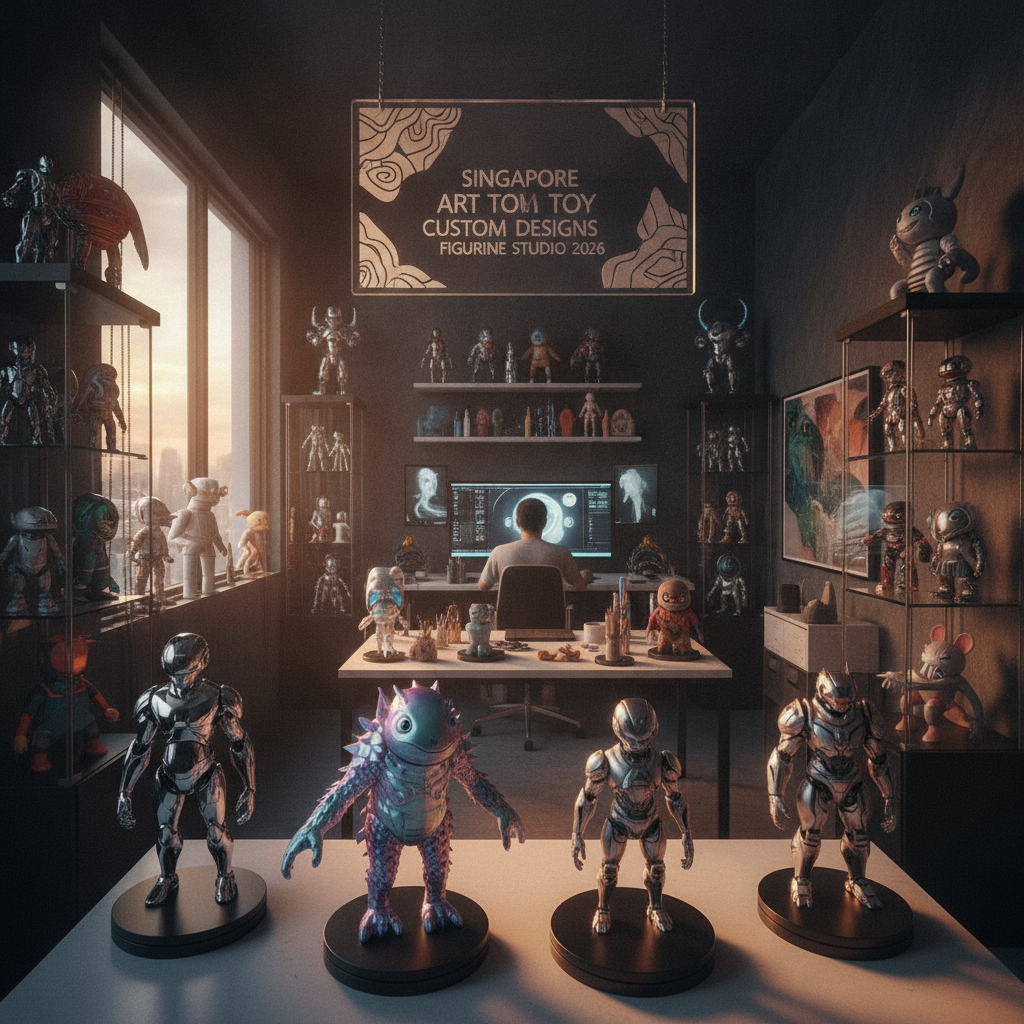
Beyond functional gadgets, lifestyle product design Singapore is flourishing in categories where form and narrative matter: designer homeware, limited-run art toys, bespoke fashion accessories, and artisanal kitchen tools. Many creators combine 3D printing with hand-finishing to achieve a hybrid, craft-forward aesthetic. For concrete examples of art toys blending custom 3D printing and creative design, see this portfolio: https://artsoustudio.com/art-toys-made-with-custom-3d-printing-singapore-2026/.
To see how prototyping and production-aware workflows can be combined for collectible or designer products, review detailed manufacturing workflows here: https://artsoustudio.com/custom-3d-printing-singapore-boosts-collectible-art-toys-2026/.
Several forces are reshaping rapid prototyping and lifestyle product design Singapore:
These trends make rapid prototyping an increasingly strategic investment rather than a tactical expense.
Smart rapid prototyping Singapore practices empower designers and brands to move faster, test bolder ideas, and deliver lifestyle products that resonate with discerning consumers. By choosing the right technologies, aligning materials with user expectations, and partnering with experienced local services, teams can compress timelines without compromising quality. A thoughtful prototyping strategy — from CAD to finishing and small-batch runs — transforms concept into product-ready reality while keeping adaptability and sustainability at the core.