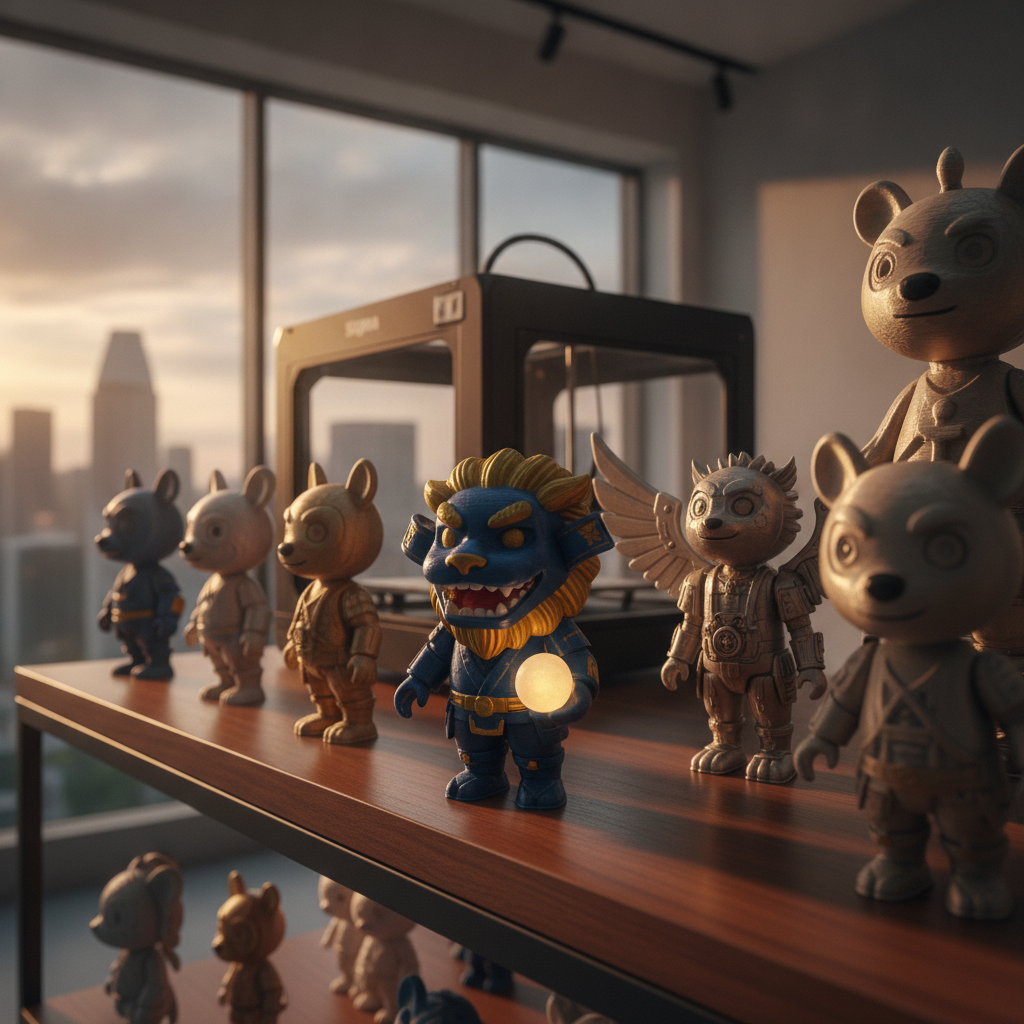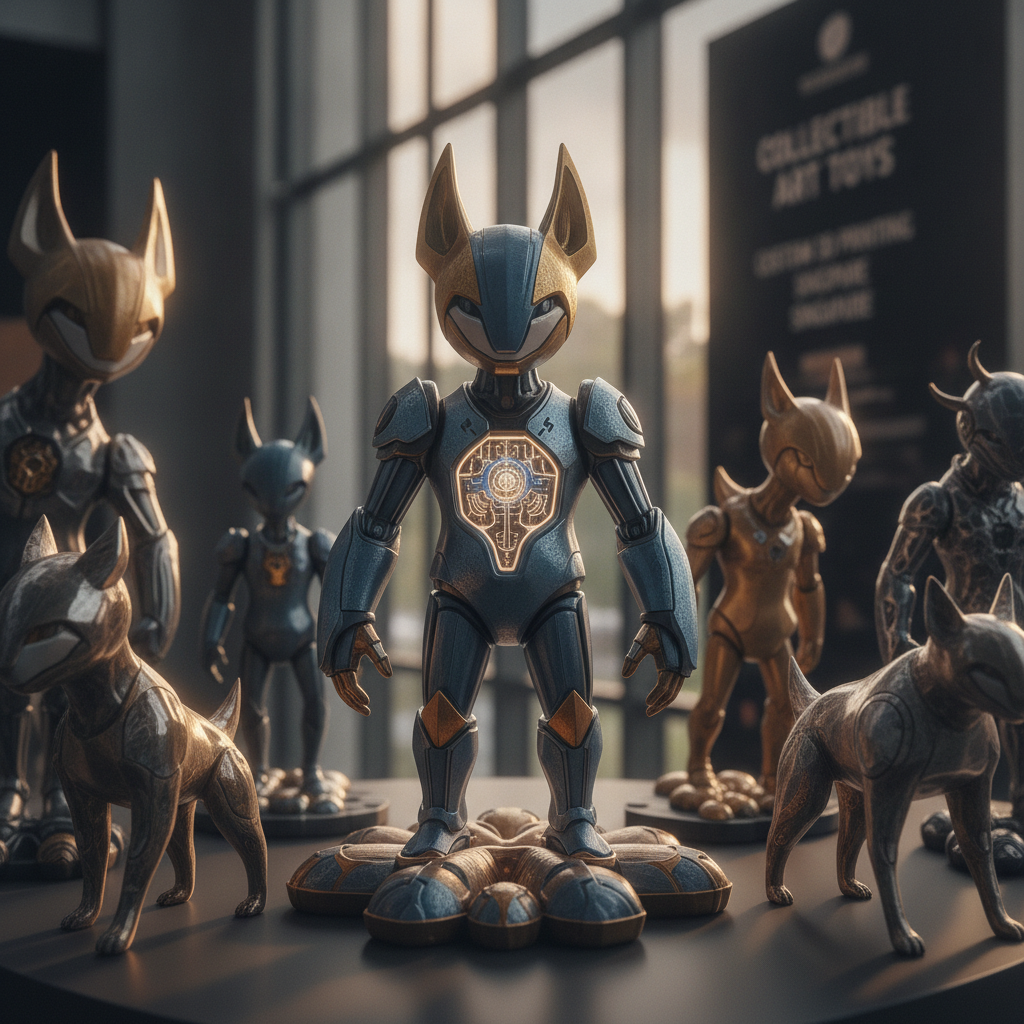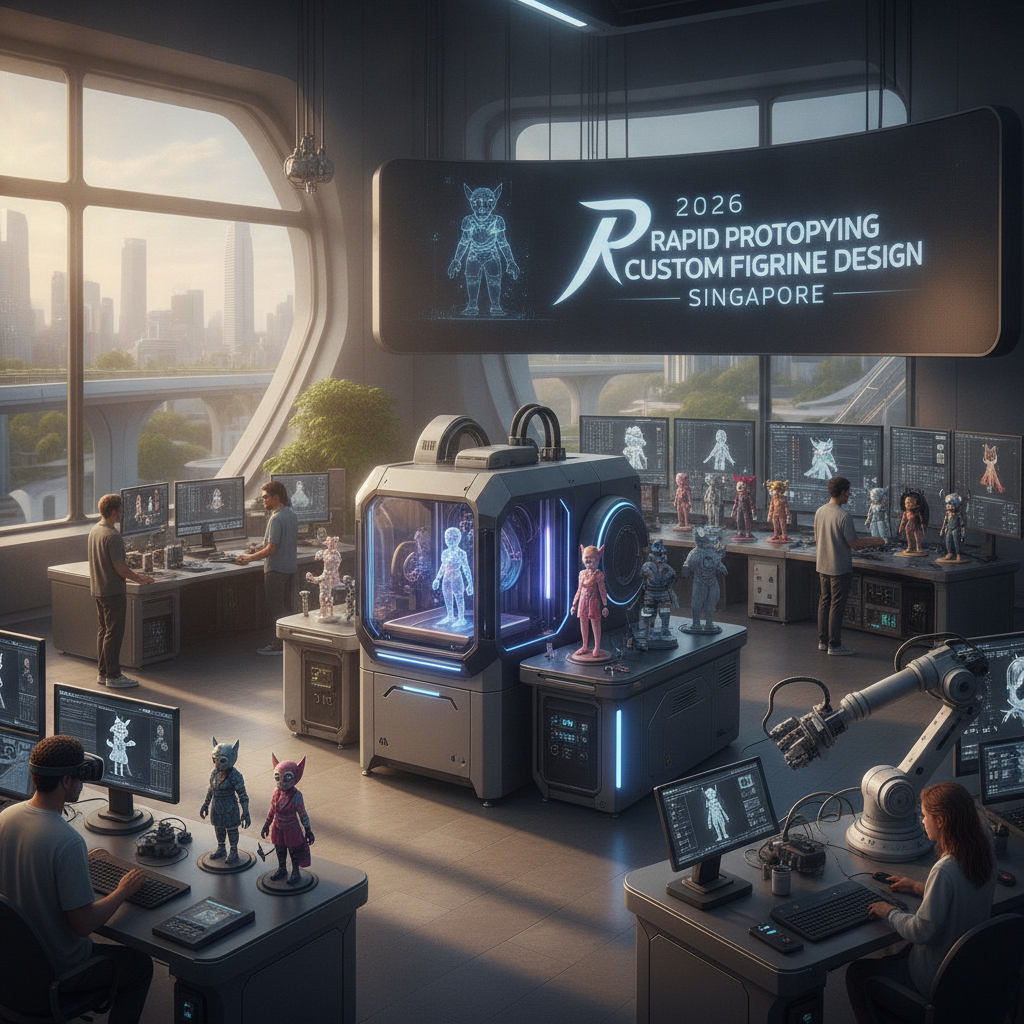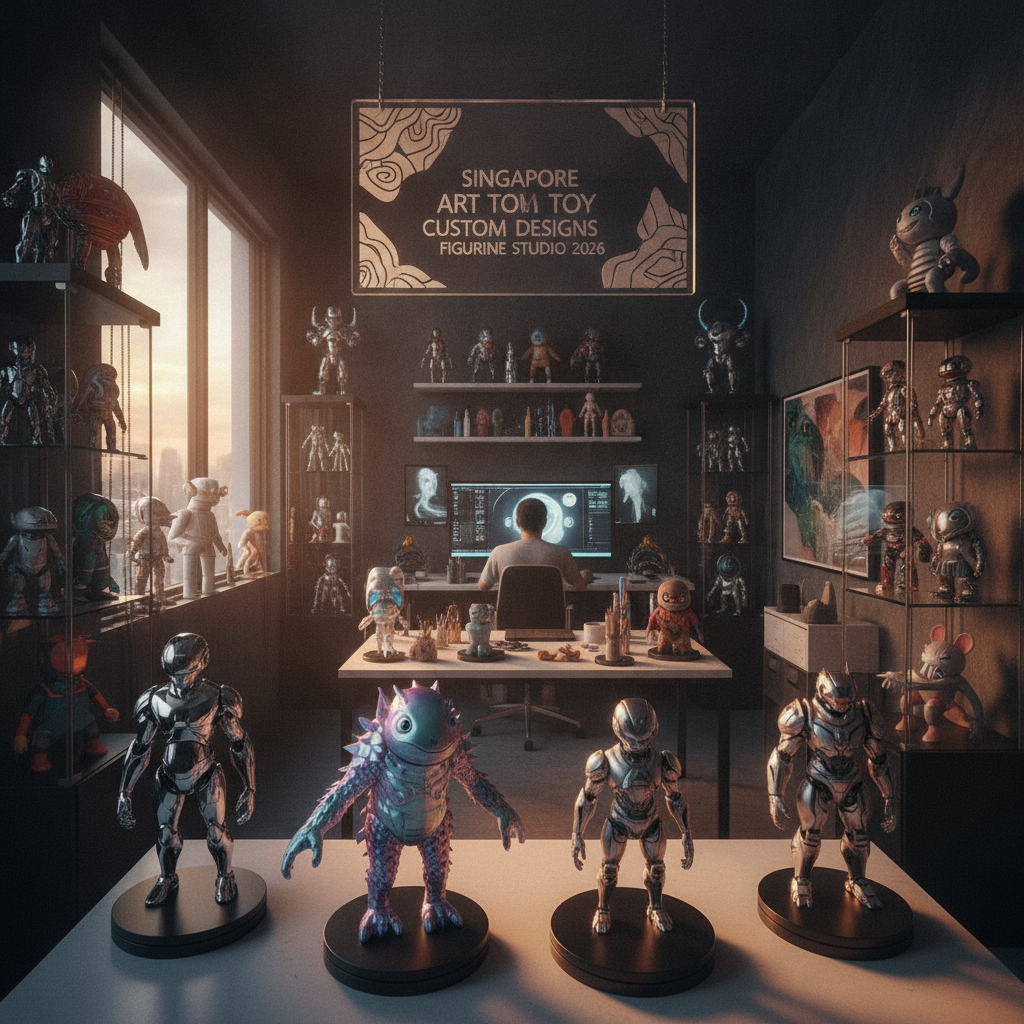

Rapid prototyping and the art toy scene are converging fast in Singapore. As the global collectibles market matures, designers and small studios are using advanced prototyping workflows to compress development cycles, experiment with new materials and launch hyper-targeted limited runs. This article maps the most important trends for 2026 and gives practical guidance for artists, brands and manufacturers who want to turn concepts into collectible, high-quality art toys.
Rapid prototyping Singapore capabilities—ranging from high-resolution resin printing to multi-material extrusion—are redefining what independent creators can achieve. Faster iteration means a design can go from sculpts or CAD to physical proof-of-concept in hours rather than weeks, enabling:
For creators of art toys, that speed translates directly into lower risk and better fan engagement: limited editions can be produced with confidence because the prototype has already been verified for finishing and assembly.
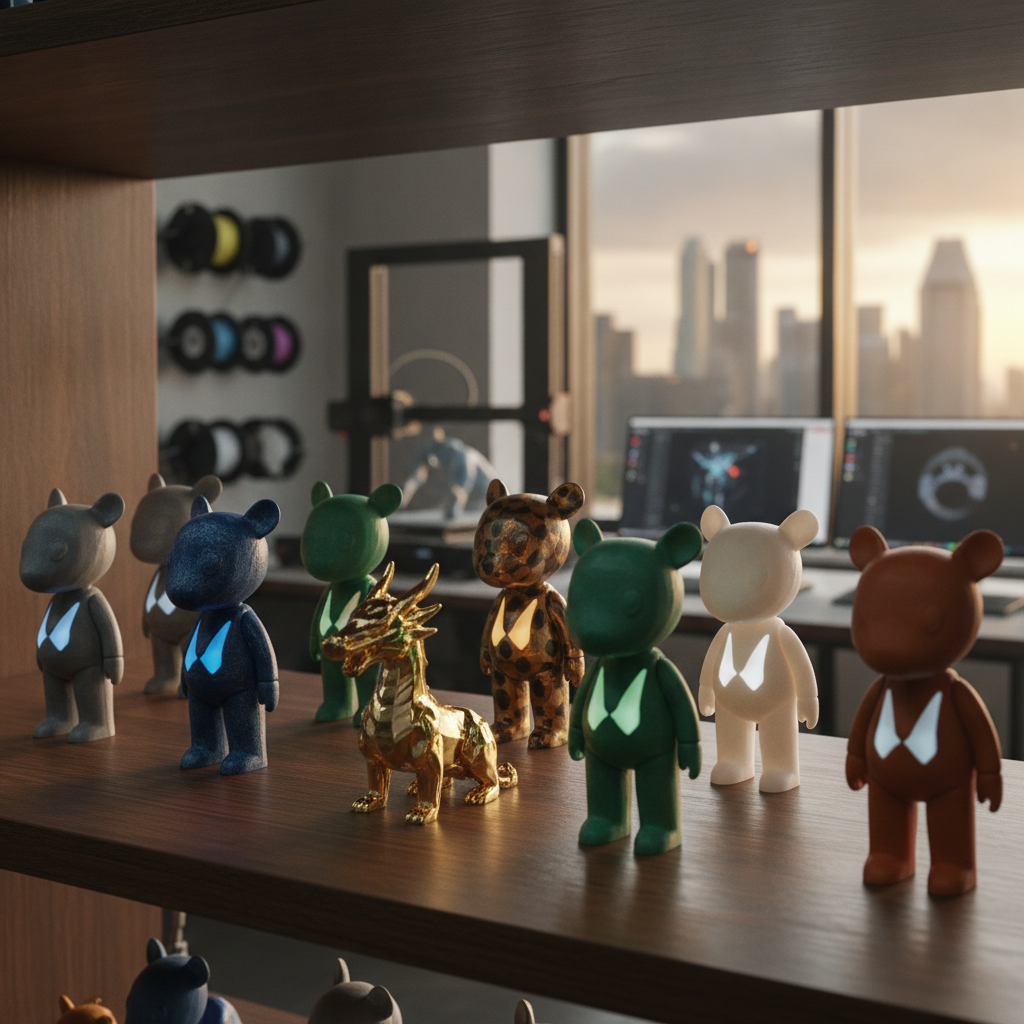
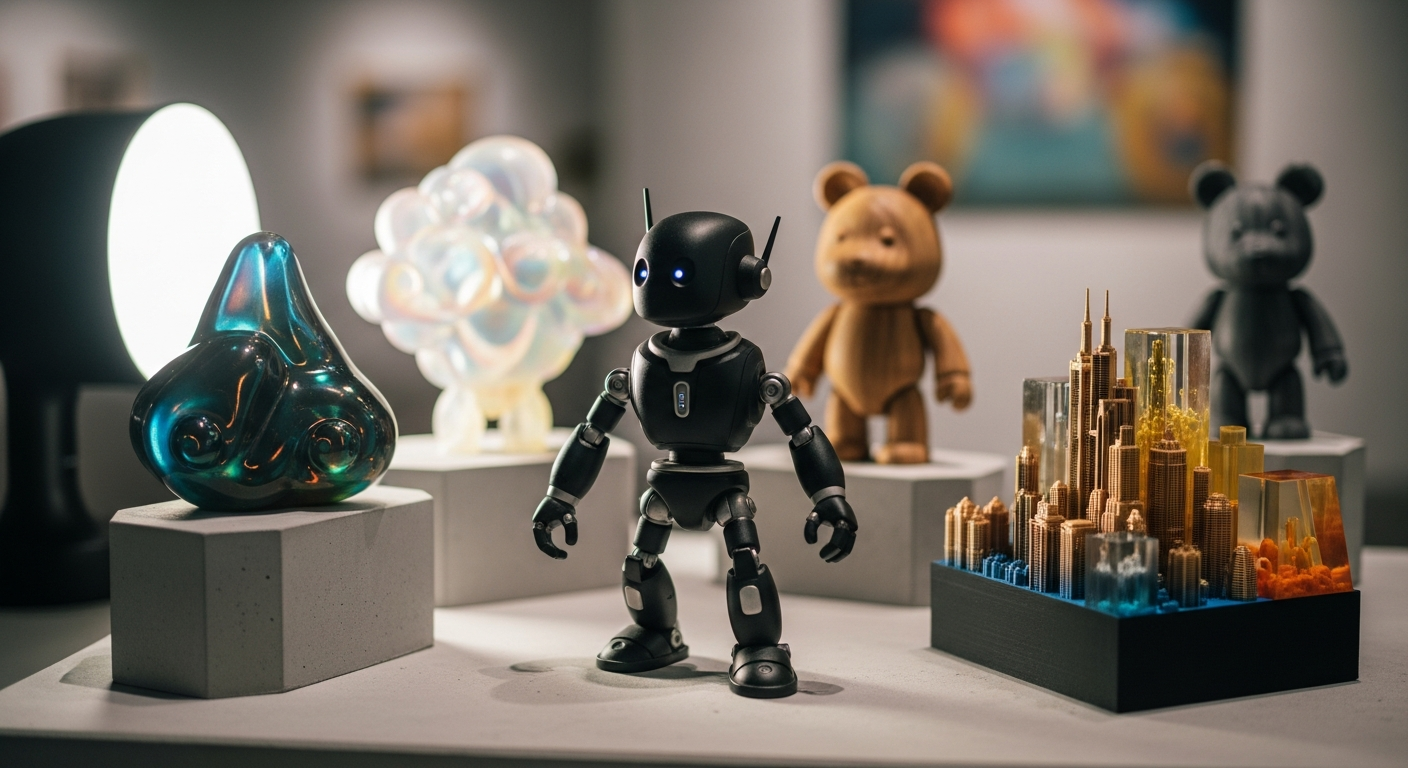
Material options have broadened dramatically. In 2026 you’ll see a strong push toward recycled and bio-based resins for display pieces, alongside high-durability polymers for playable figures. Finishes are also evolving: multi-step post-processing and in-printer full-color capabilities mean prototypes are closer to final retail appearance than ever.
Key material trends to watch:
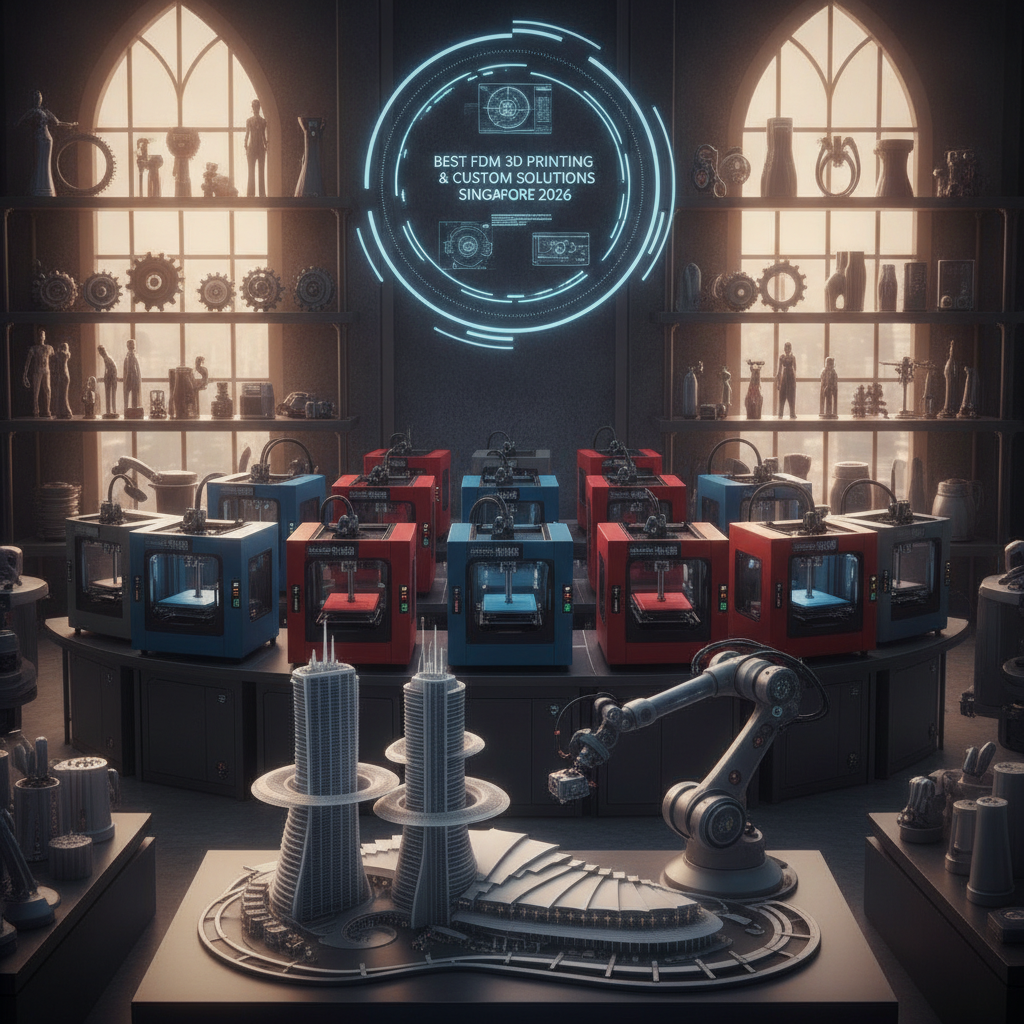
Choosing the right technology depends on scale and design intent. SLA and DLP resin printing still dominate for high-detail collectibles. Full-color binder-jet and PolyJet-like technologies are making packaging prototypes and colorproofing easier. FDM remains relevant for large-scale pieces, jigs and low-cost prototypes.
For creators in Singapore exploring options, it helps to compare capabilities. If surface detail matters, resin is the go-to. If you need rapid, low-cost iterations at large sizes, FDM 3D printing is a practical choice—particularly for prototyping before final production. For an example of how FDM supports limited drops, see how Singapore FDM workflows fuel timed releases: Singapore FDM 3D printing fuels limited art toy drops.
Rapid prototyping is rarely the final step for art toys. Common production pathways include:
To scale a concept without losing craft, many designers partner with services that specialize in small batches. If you’re evaluating partners, compare sample work, finish options and lead times. For designers seeking a reliable partner for small-run printed collectibles, the marketplace has dedicated partners; one useful resource is a list of the best 3D printing service offerings for art toys in Singapore in 2026.
Collectors increasingly expect personalization—color variants, signed bases, and bespoke accessory packs. Rapid prototyping Singapore capabilities enable variable production where each unit can be slightly different without expensive tooling changes.
Strategies to deliver personalization:
For projects focused on tailor-made outputs, working with experts in bespoke workflows helps. Many creators now commission bespoke art toys to ensure each release tells a story and resonates with collectors.
To make the most of rapid prototyping, adopt design practices that reduce rework:
These practices not only shorten iteration loops but also make it easier to scale a design from prototype to production without surprises.
Finishing elevates a prototype into a collector-grade piece. In 2026 expect more hybrid finishes: metallic inks applied over textured primers, gradient airbrush techniques combined with laser-etched details, and heat-applied decals that mimic fabric.
Practical finishing tips:
Professional finish houses can take a prototype and produce a run-ready item, or you can use the prototype as a master for small-batch casting and hand-paint finishes for premium appeal.
The business model for art toys increasingly revolves around scarcity and narrative. Rapid prototyping Singapore infrastructures make it possible to stage mini-drops tied to events, collaborations, or seasonal themes. Because the tooling and lead time are lower, designers can run micro-collections and gauge market response before committing to larger runs.
To execute a successful limited drop:
Services that specialize in limited releases support everything from prototype verification to fulfillment. For projects aiming at exclusive, serialized runs, explore partners who advertise dedicated custom 3D printing Singapore limited edition art toys.
Collaborations with illustrators, musicians and fashion labels remain a strong growth avenue. However, IP protection must be considered early: register designs where relevant, keep version history of CAD files and use clear contracts for co-branded pieces.
When licensing or collaborating, prototypes serve as contract deliverables—physical proof that designs meet brand standards before mass production.
Singapore has a vibrant ecosystem of designers and fabrication studios that cater to the art toy market. Look for partners that offer end-to-end capabilities: high-resolution prototyping, post-processing, color proofing and small-batch production. If you’re focused on product and lifestyle integration, consider studios with cross-disciplinary experience in designer art toys and lifestyle product design.
For teams that want a full-service approach—design refinement, prototyping and finished runs—select a supplier with transparent quoting and sample galleries. Many studios also publish case studies showing how they transitioned projects from prototype to collectible.
If you’re ready to bring a concept to life quickly, compare service offerings and sample work to ensure surface finish, paint application and dimensional accuracy meet collector expectations. Trusted partners often offer a combination of printing technologies and finishing options tailored to the art toy market; for a curated approach to finishing and bespoke development, review studios that highlight their tailored design processes and prototyping expertise.
By 2026 rapid prototyping Singapore capabilities will have made high-quality, limited-run art toys more accessible than ever. Expect faster iteration cycles, broader material choices with sustainability credentials, smarter personalization options and hybrid production techniques that blend digital precision with artisanal finishing. For creators, the takeaway is clear: strategic use of rapid prototyping not only shortens time-to-market but also unlocks new creative possibilities and business models for art toys.
To explore partner options and see examples of how prototyping supports collectible launches, consider reviewing dedicated services that work specifically with art toy designers and limited edition drops: best 3D printing service for art toys Singapore, bespoke art toys custom figurine design, designer art toys and lifestyle product design, custom 3D printing Singapore limited edition art toys, and Singapore FDM 3D printing fuels limited art toy drops.
Rapid prototyping is a creative advantage—use it to iterate boldly, preserve craftsmanship in the finish, and design collectible experiences that resonate with communities in 2026 and beyond.