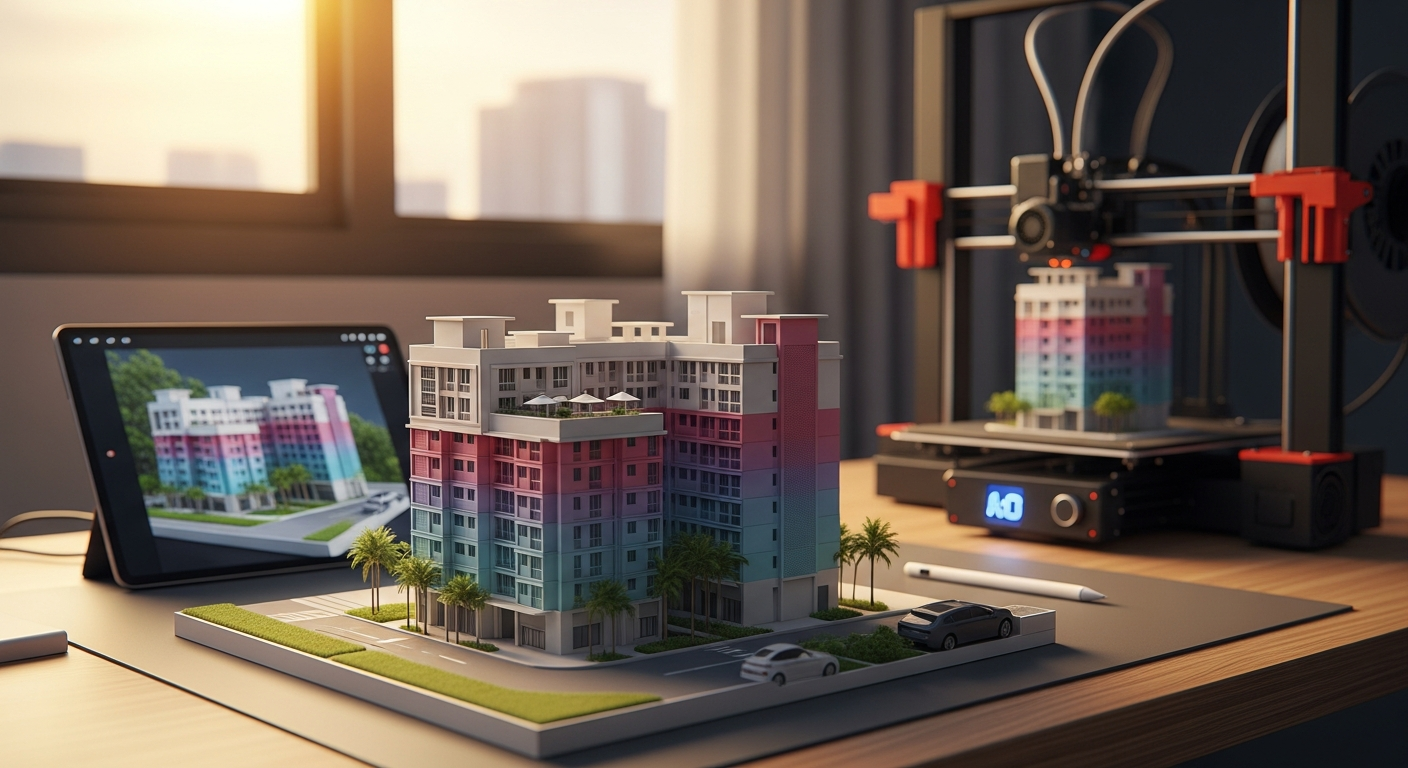

Designers and brands in Singapore are shifting from mass production to on-demand, hyper-personalized products. The phrase lifestyle product design singapore now denotes more than aesthetics — it refers to user-centric, locally manufactured goods that can be iterated quickly and responsibly. Custom 3D printing singapore underpins this shift by enabling rapid prototyping, small-batch manufacturing and intricate geometries that traditional tooling cannot match.
Three forces are driving adoption in Singapore: a dense creative ecosystem that values speed-to-market; sustainability expectations that reward less waste and localized production; and technological maturity—affordable printers, advanced materials and post-processing—that make high-quality output achievable without offshore tooling.
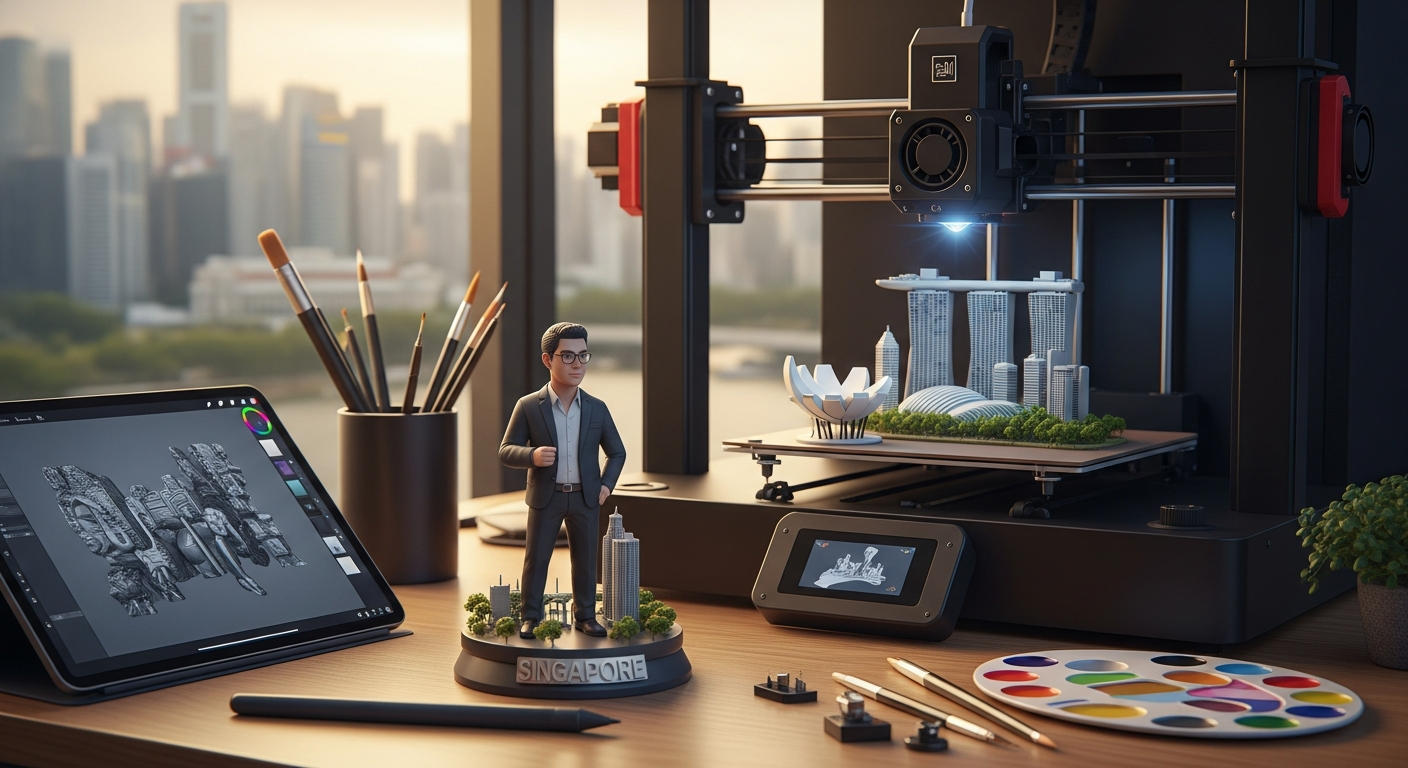
The typical workflow for moving from concept to a customer-ready lifestyle item with custom 3D printing singapore looks like this:
This cycle shortens development time and lowers risk. For example, designers can validate a wearable clasp’s ergonomics in days rather than weeks, then iterate quickly based on user feedback.
Not all 3D printing technologies are equal for lifestyle product design. Choosing the right process depends on finish, strength, detail level and production volume.
Material innovation is a current trend: recycled and bio-based filaments, antimicrobial resins, and color-infused powders reduce environmental impact while meeting consumer demands for sustainability.
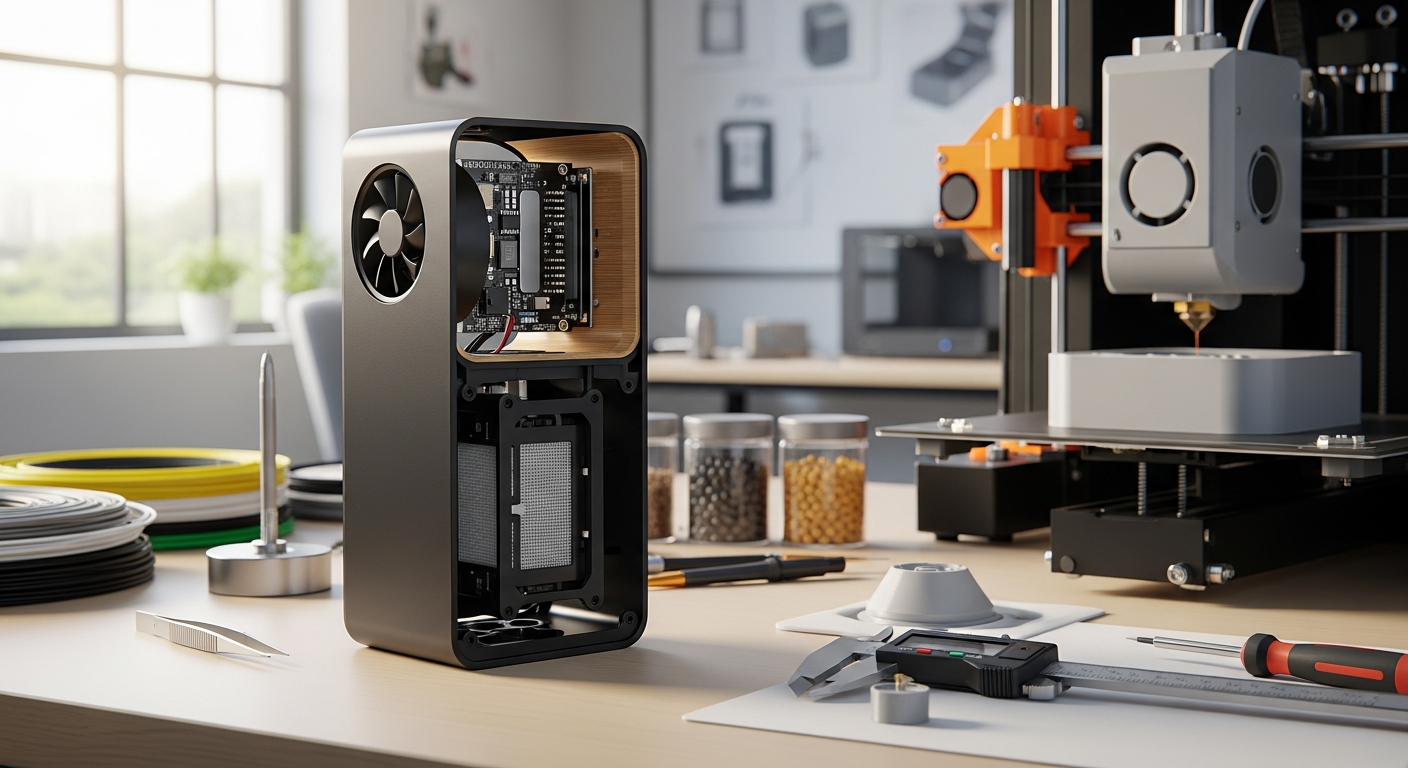
Designers who embrace DfAM unlock the full potential of custom 3D printing singapore. Key principles:
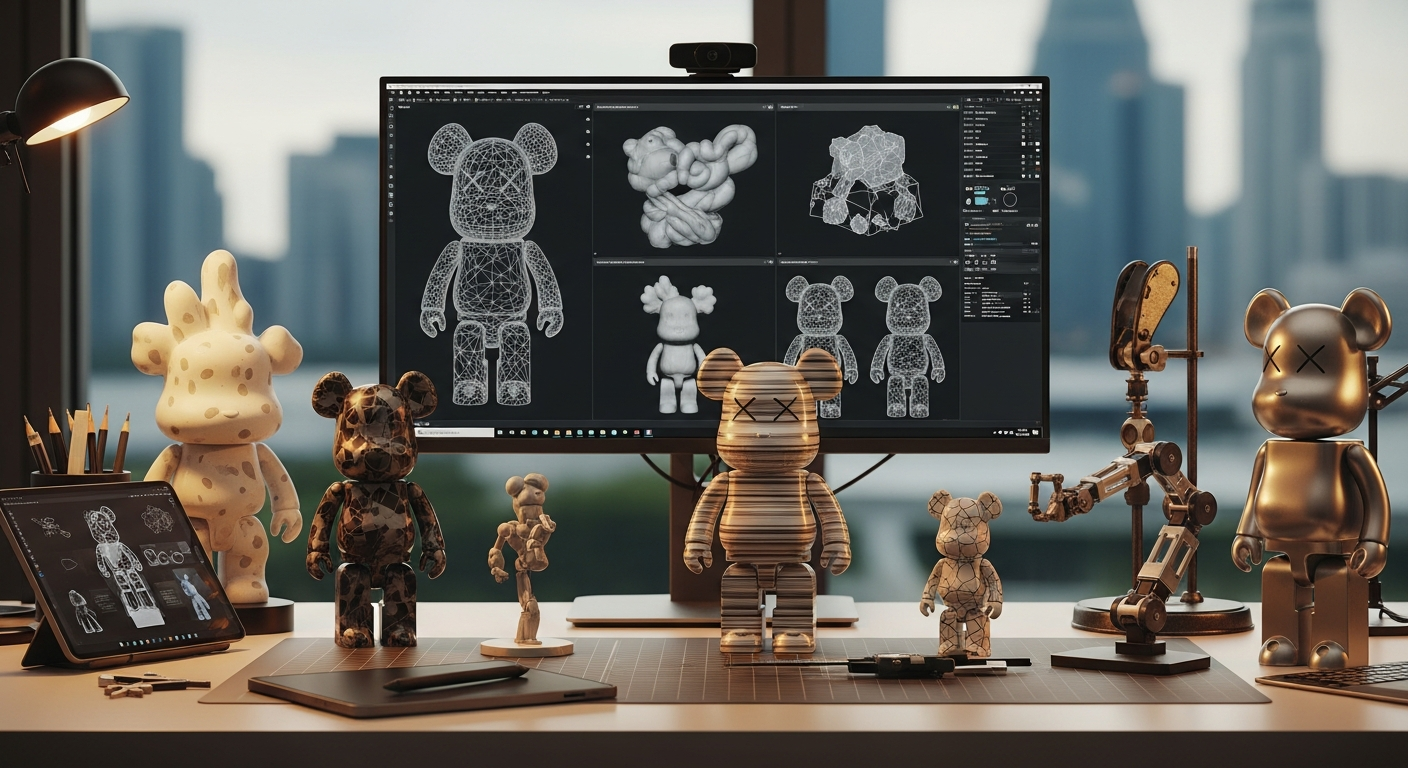
Generative design and AI-assisted tools accelerate exploration of thousands of feasible geometries, helping lifestyle brands create ergonomic and eye-catching forms that would be impossible or costly with injection molding.
Local on-demand custom 3D printing singapore offers several concrete benefits:
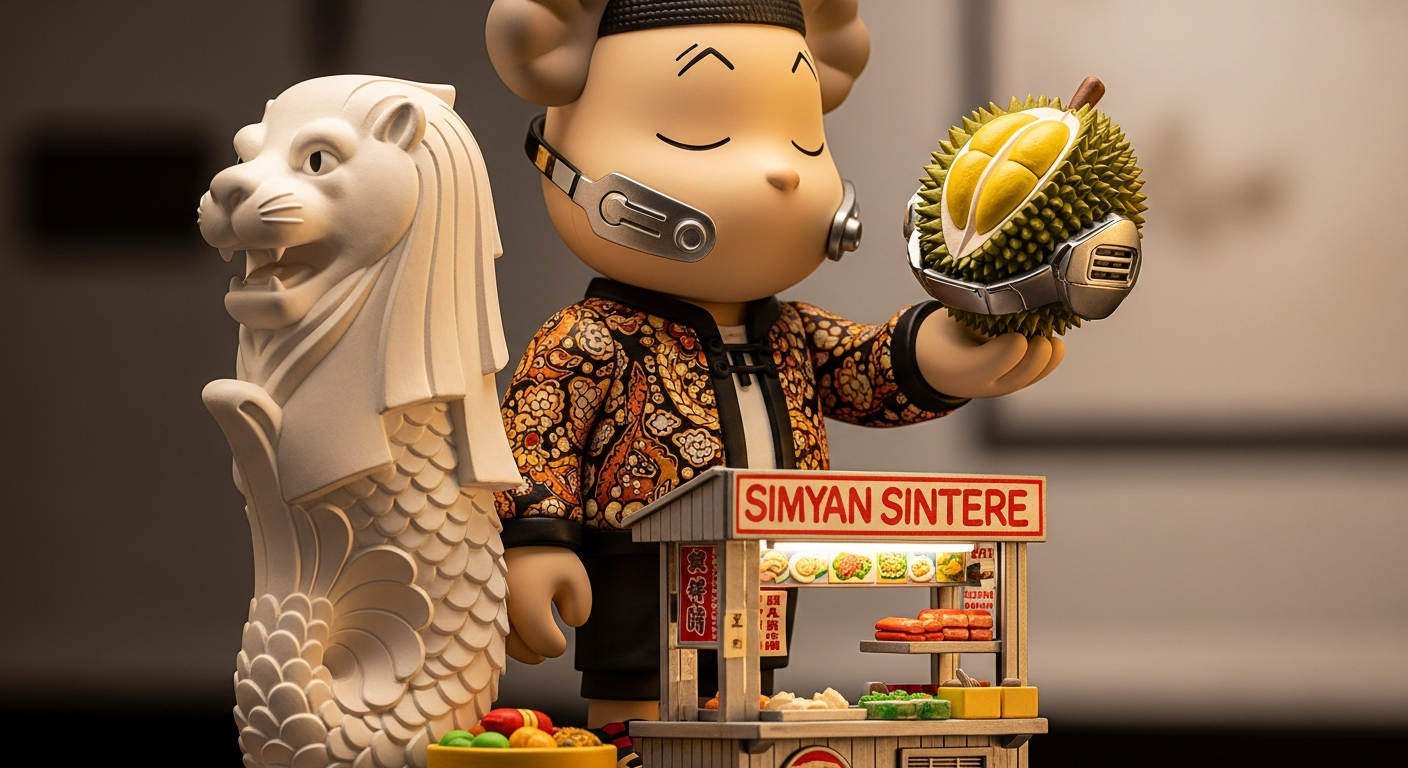
These advantages have helped many Singaporean designers produce collectible objects such as designer toys and limited-run accessories with greater agility.
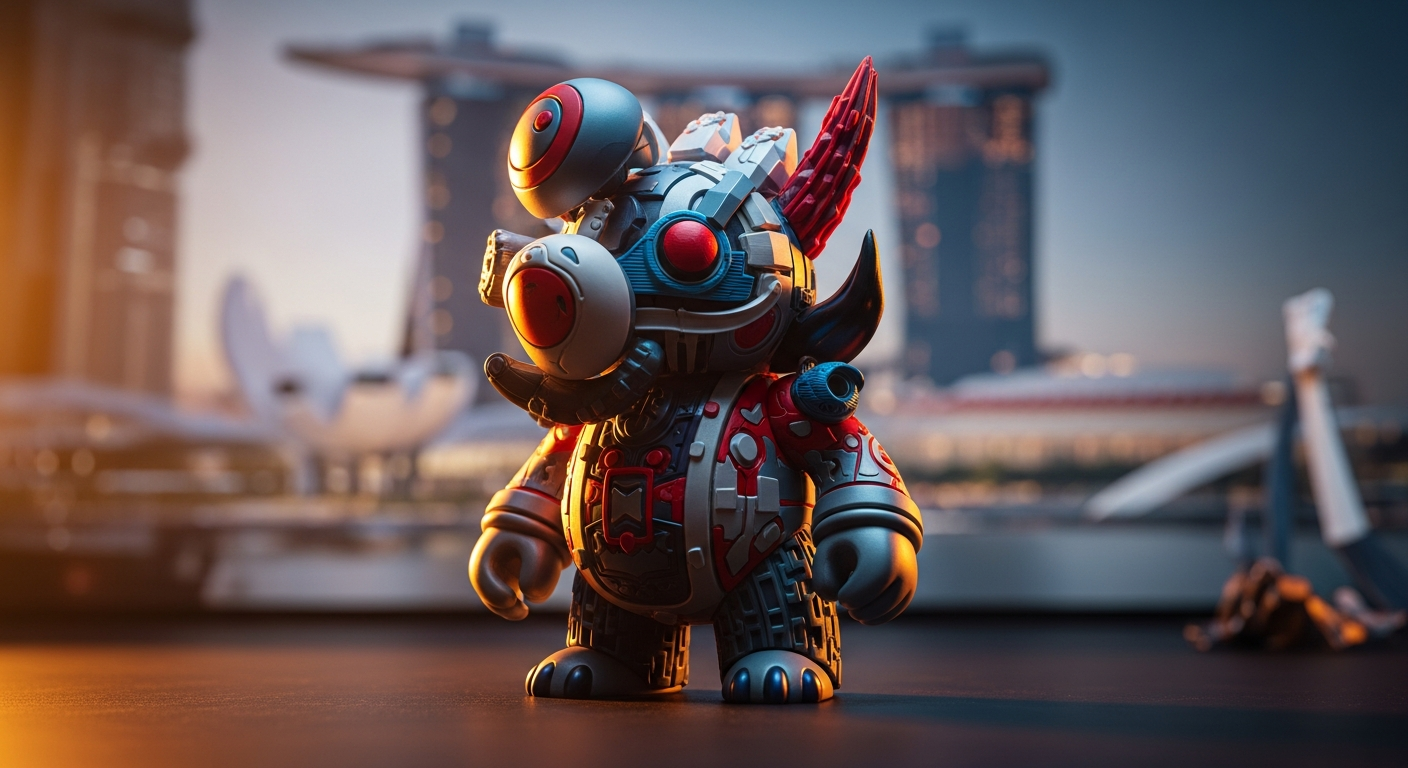
Art toys and collectibles: rapid prototyping and small-batch production allow creators to test collector response, refine sculpt details and release limited editions. For insight into art toy prototyping, see this example of art toys rapid prototyping in Singapore.
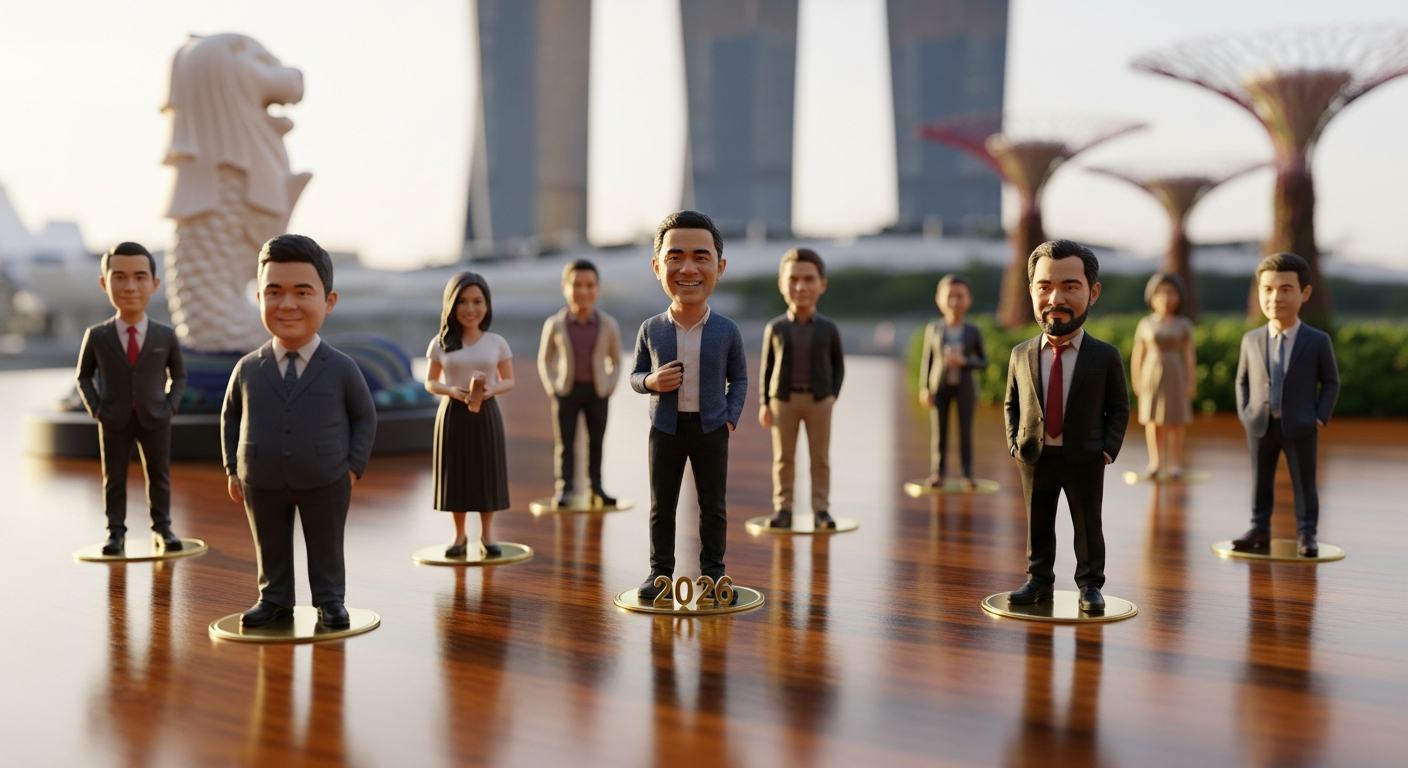
Personalized figurines and gifts: scanning and 3D printing enable unique, photo-realistic figurines for gifting or promotional use. A practical example is custom figurine services highlighted here: custom 3D printing for personalized figurines.
Wearables and accessories: 3D printing supports bespoke fit, complex fastening systems and multi-material parts with soft-touch surfaces.
Home decor and lifestyle gadgets: printed textures, lattice lampshades and geometric planters utilize complex geometries and small-batch decor collections.
Limited-edition runs and collaborations: independent artists can produce short runs that enhance collectibility; learn more about limited editions here: limited edition art toys & rapid prototyping.
High-quality lifestyle products require more than a printer. Post-processing—sanding, vapor smoothing, painting, electroplating and UV curing—turns raw prints into retail-ready pieces. In Singapore, many studios combine printing with artisanal finishing to achieve premium surfaces.
When demand grows, small-batch on-demand production can scale to higher volumes through parallelization (multiple machines) and by switching to faster processes like MJF for consistent mechanical parts. For limited-run product development, teams often use rapid prototyping services that bridge the gap between concept and market-ready runs; see an example workflow for scaling limited edition toys here: rapid prototyping for limited edition art toys.
Sustainability is a major trend in lifestyle product design singapore. 3D printing reduces waste by using only necessary material and making production closer to the point-of-sale, which cuts transportation emissions. Increasingly, studios offer recycled powders and bio-based resins and design for disassembly so components can be reclaimed or recycled.
Design choices also matter: lightweight lattice cores reduce material use; multi-function parts reduce assembly and material overlap; and digital inventory models help brands produce exactly what customers want, minimizing markdowns and end-of-life waste.
Selecting the right service provider is critical for lifestyle products. Evaluate these criteria:
Providers who combine design consultancy and prototyping excel for lifestyle brands. For an example of CAD-integrated art toy design workflows, see this resource on designer art toys meeting CAD modeling.
Cost drivers include part volume, complexity, material choice and finish level. For single prototypes, SLA can be cost-effective; for functional runs in nylon, SLS or MJF may be better. Typical timelines in Singapore:
Transparent quoting that separates printing time, material cost, and finishing helps designers make informed choices.
One emerging niche is the convergence of 3D printing and limited-edition collectibles: creators use digital drops with printed physical editions for exclusive buyer experiences; case studies of this approach are appearing in today’s maker communities.
For inspiration and practical examples from studios that help artists and designers prototype and launch collectible objects, read about art toy prototyping and limited edition workflows here: art toys rapid prototyping in Singapore and limited edition art toys & rapid prototyping.
On-demand custom 3D printing singapore has matured into a practical, strategic capability for lifestyle product design. It empowers designers and brands to experiment, personalize and produce responsibly while keeping production agile and close to market. By combining DfAM, the right materials and professional finishing, Singapore-based creators can deliver world-class lifestyle products without the traditional costs and delays of mass manufacturing.
For designers focused on collectible or limited-run products, the intersection of CAD-driven design, rapid prototyping and local finishing creates a compelling path from concept to market-ready product.