Introduction
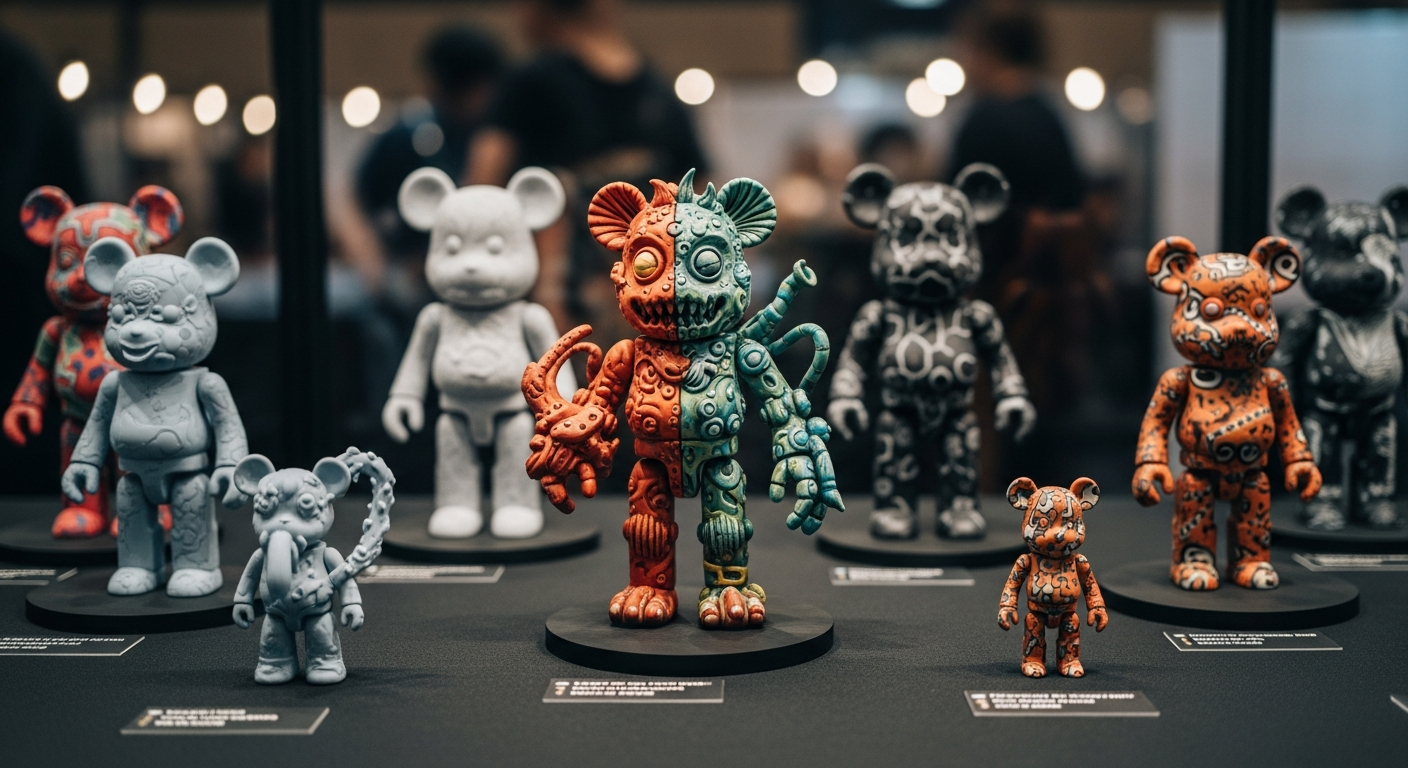
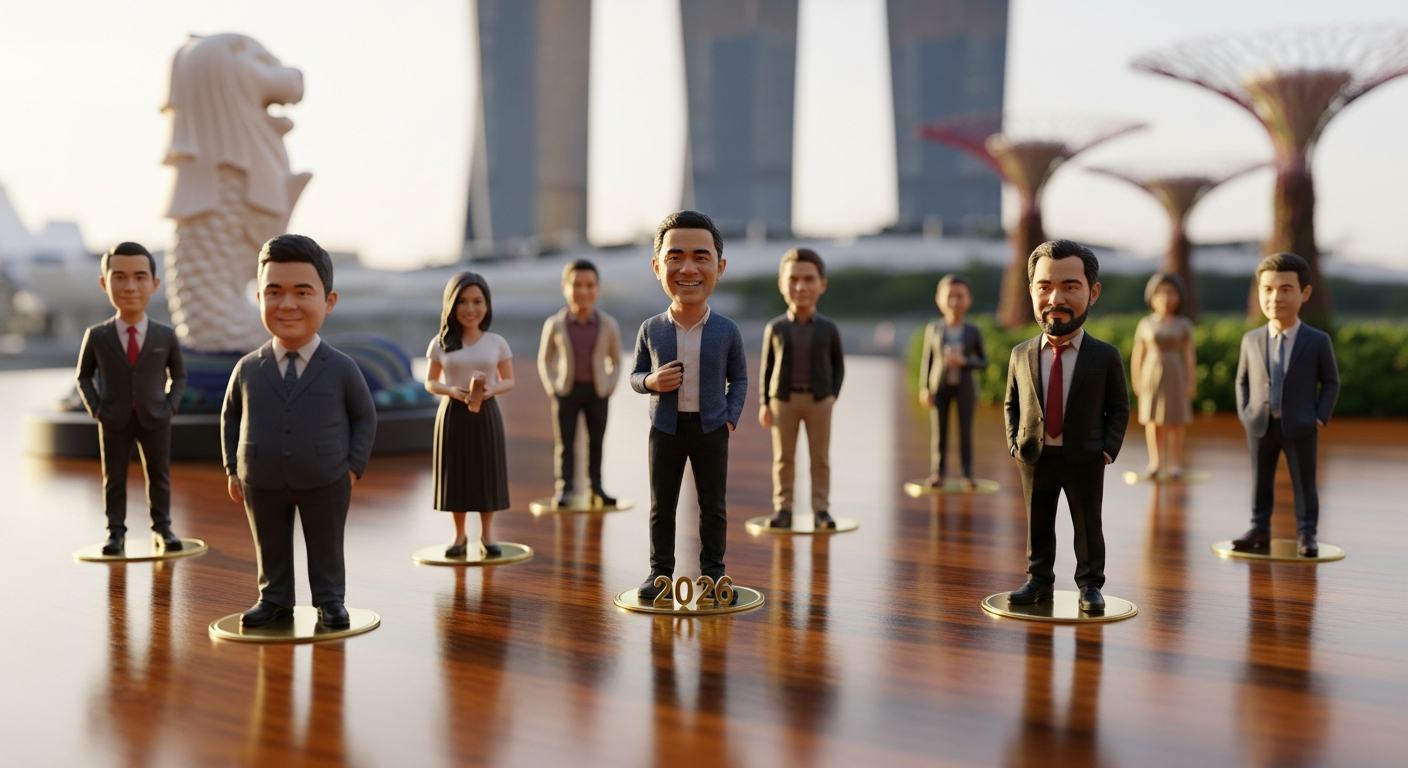
Collectors and designers of art toys are navigating a fast-evolving landscape in 2026. Advances in rapid prototyping have made it possible to move from concept sketch to collectible faster, with higher fidelity and better finishes than ever before. This article explains the techniques, trends and practical considerations collectors should know when commissioning or evaluating limited-edition art toys produced through rapid prototyping in Singapore.
Why rapid prototyping matters for art toys
Rapid prototyping is the bridge between a designer’s idea and a physical object collectors can hold. For art toys, where expression, surface detail and color are paramount, prototyping serves several critical roles:
- Validation: Ensures scale, proportions and ergonomics—and how a toy fits in a collector’s display or packaging.
- Surface fidelity: Captures sculptural detail from CAD or hand-sculpted masters for accurate painting and finishing.
- Iteration speed: Shortens the cycle between design tweaks and physical test pieces, enabling tight limited runs and seasonal drops.
- Low-volume manufacturing: Enables small-batch production with consistent quality using technologies that are now affordable and fast.
These benefits are especially relevant in Singapore, where a compact manufacturing ecosystem supports rapid turnaround and high-quality finishing services.
Core technologies used in 2026
Understanding the main prototyping technologies helps collectors evaluate quality and options:
- SLA/DLP Resin Printing: Exceptional surface detail and smooth finishes; ideal for sculpted heads, ornate textures and single-piece prototypes.
- PolyJet/MultiJet: Multi-material and full-color capability for prototypes that require flexible parts and precise color mapping.
- SLS (Selective Laser Sintering): Great for durable nylon parts with complex geometries—useful for functional components like joints.
- MJF (Multi Jet Fusion): Efficient for small- to mid-volume runs with consistent mechanical properties.
- CNC & Vacuum Casting: CNC master models and silicone molds used for urethane casting of vinyl or soft-touch components, maintaining artisanal feel for collectibles.
Singapore service providers often combine multiple processes—printing the master, refining with CNC or hand-finishing, then using vacuum casting for limited editions—so collectors get the best of both industrial and studio-level approaches.
Materials and finishes collectors should expect
Material choice directly affects feel, weight and paint adhesion. Common materials for art toys include:
- Rigid resins (SLA): High-detail parts ready for primer and paint.
- Nylon (SLS/MJF): Strong and slightly textured, suitable for structural parts and internal mechanics.
- TPU/Elastomers: Flexible parts like soft tails or wearable elements.
- Urethane vinyl/casting resins: Traditional collectible material for soft-touch, collectible toys with the classic vinyl finish.
Finishing trends in 2026 include advanced priming systems for seamless paint layers, digital color matching to Pantone, UV-stable coatings, and pad printing for precise logos or facial details. Many studios now offer integrated painting, masking and assembly so prototypes can be delivered as fully finished pieces ready for photography or display.
How CAD and digital workflows changed designer-art toy collaboration
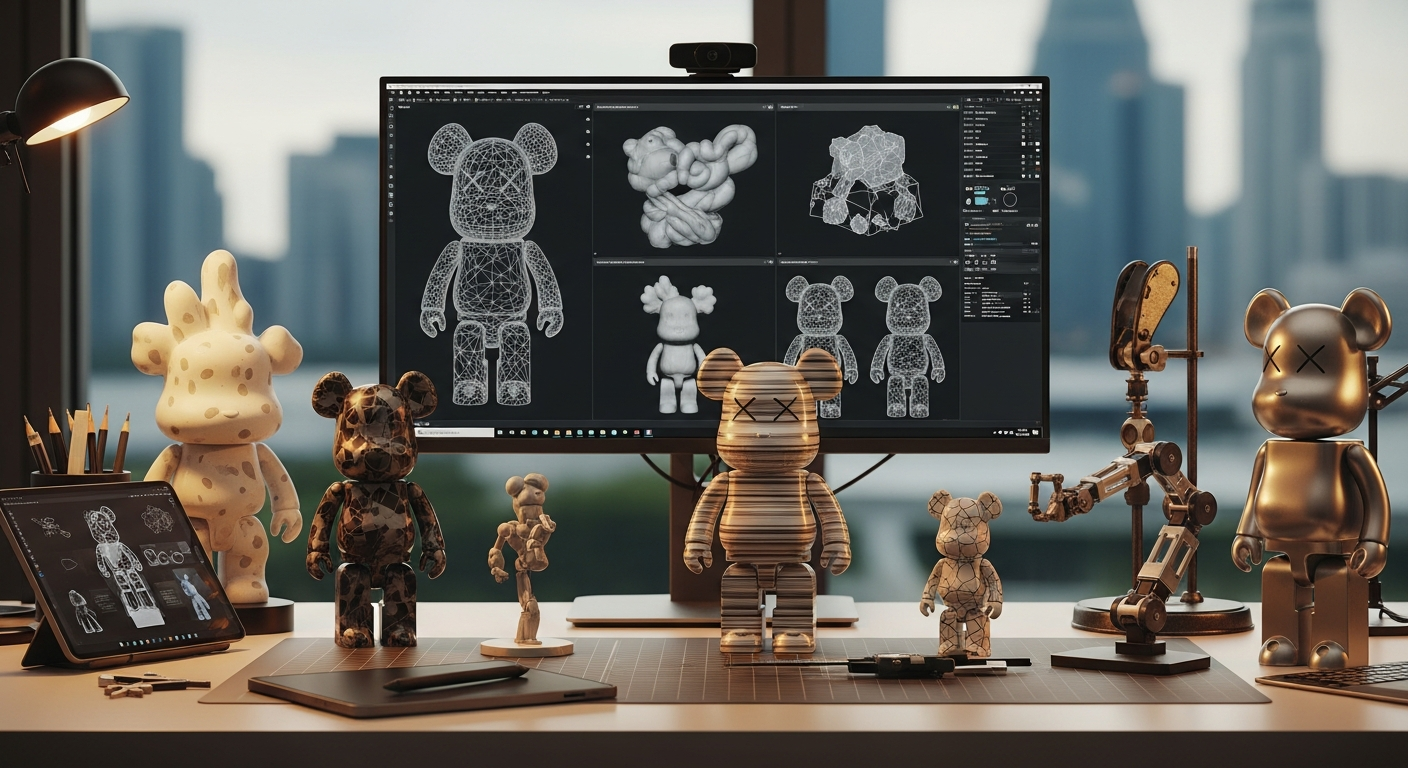
Digital sculpting and CAD allow rapid changes without losing detail. Designers can iterate in ZBrush or similar tools, send STL files for prototype printing, then receive a physical sample within days. This iteration loop reduces expensive rework during small runs and preserves the artist’s intent down to micro details.
For a look at how CAD integrates with toy production workflows, see this designer-focused resource on CAD modeling and rapid prototyping: designer art toys meet CAD modeling.
What to expect from rapid prototyping Singapore services
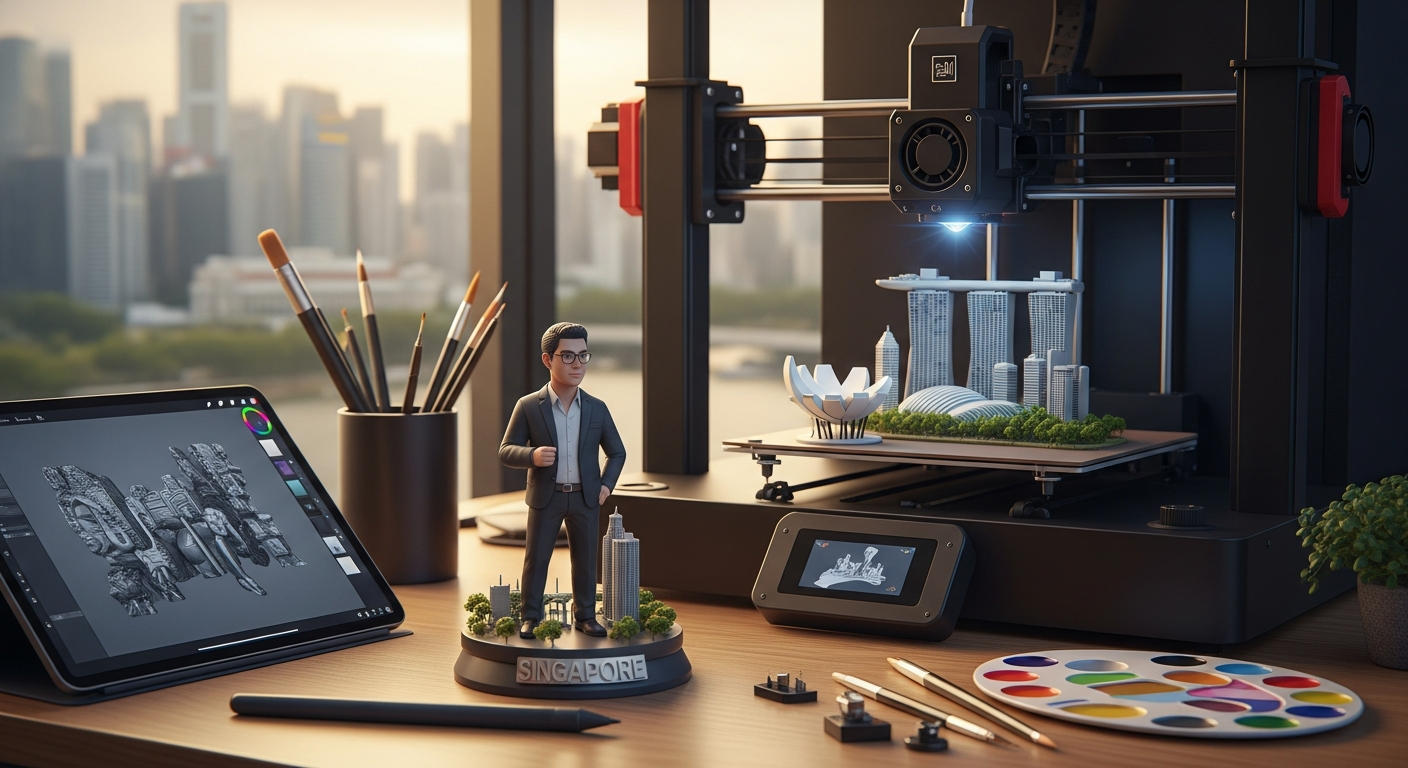
Singapore has become a hub for high-quality rapid prototyping, combining tight lead times with studio-level finishing. Typical service packages for art toys include:
- 3D printing of multiple prototypes for pose, proportion and balance checks.
- Post-processing: sanding, chemical smoothing, hole tapping and resin infiltrations for structural reinforcement.
- Surface finishing: priming, hand-painting, airbrushing, pad printing, and protective coatings.
- Small-batch production: vacuum casting or short-run injection molding for editions of 20–1,000 pieces.
If you need a reliable local supplier for short runs and prototyping, explore integrated offerings at a custom 3D printing service Singapore 2026.
Balancing collectability, edition size and manufacturing method
Collectors value scarcity, finish quality and provenance. When advising artists or studios, consider these trade-offs:
- Very small editions (under 50): Often use vacuum casting from a high-detail master or resin printing with hand-finishing to preserve artisanal quality.
- Mid editions (50–500): MJF or short-run injection molding can produce consistent parts; finishing may be semi-automated to control costs.
- Larger limited editions (500–1,000+): Short-run injection molding or tooling with a limited number of cavities becomes cost-effective, but the initial tooling must be high-quality to retain detail.
Collectors should confirm serial numbering, certificates of authenticity and whether the studio retains digital masters—these elements affect long-term provenance and residual value.
Sustainability and material trends impacting art toys in 2026
Sustainability has moved from niche to mainstream. Key trends:
- Bio-resins and recyclable filaments: Many studios offer plant-based resins and recyclable nylon options that reduce lifecycle impact.
- Minimal packaging and recyclable inserts: Collectors now expect sustainable packaging solutions as part of a release.
- Digital-first limited editions: NFT-linked provenance and limited digital runs paired with physical pieces are common, but physical materials still dominate perceived value.
Singaporean studios often provide transparent material sourcing and end-of-life guidance, which helps ethically minded collectors make informed choices.
Quality control: what collectors should check on prototypes
Before committing to a purchase or approving a run, inspect prototypes for:
- Surface fidelity: Crisp details without layer lines or under-cured spots.
- Paint quality: Smooth gradients, clean masks, and consistent coating with no runs or pitting.
- Fit and function: Joints should articulate smoothly; assembly points should align without forcing.
- Safety & regulatory compliance: For toys intended to be handled, confirm compliance with relevant standards (e.g., EN71 or local requirements).
Ask for high-resolution photos of prototypes under neutral lighting and, if possible, a short unedited video demonstrating articulation and paint response under different angles.
Cost and timeline considerations for collectors commissioning prototypes
Costs vary by technology, finishing and edition size. Typical ranges in 2026:
- Prototype prints (single high-detail piece): SGD 150–800 depending on size and post-processing.
- Vacuum casting small batch (10–50 pieces): SGD 200–800 per finished piece including painting and assembly.
- Short-run injection molding (100–1,000 pieces): Higher upfront tooling (SGD 2,000–20,000) but much lower per-unit costs once tooling is amortized.
Lead times: simple resin prints can be delivered in 48–72 hours; finished prototypes with painting and assembly typically take 1–3 weeks. Short-run production cycles depend on tooling and scheduling; Singapore’s compact supply chains often shorten turnaround times compared to longer offshore timelines.
If you’re comparing prototyping vendors, review turnkey options that combine printing, finishing and small-batch production—this reduces logistics and quality handovers. A helpful overview of combined CAD and prototyping approaches can be found in this trends piece: CAD modeling and rapid prototyping trends 2026.
How collectors can work effectively with studios
- Provide clear references: 3D files, turnarounds, color specs and reference photos save time.
- Build a staged approval process: approve an initial printed master, then the painted prototype before full run.
- Negotiate sample quantities: request 1–2 pre-production samples to test paint and fit.
- Confirm IP and mold ownership: clarify whether molds or digital masters stay with the studio.
For collectors looking to combine lifestyle product design with collectible art toys, some studios offer cross-disciplinary services merging product design and prototyping; see this resource for examples: lifestyle product design Singapore 3d printing service.
Real-world example: a typical limited-edition workflow
- Concept and digital sculpting by artist.
- Rapid prototyping (SLA/DLP) of initial master within days.
- Hand-finishing and painting for evaluation.
- Creation of silicone molds from approved master; vacuum casting for small runs, or tooling for larger editions.
- Full finishing, pad printing and final QC before packaging and distribution.
For studios that provide start-to-finish production—from digital sculpt to finished edition—check specialized rapid prototyping services such as this: rapid prototyping Singapore for limited-edition art toys.
Final checklist for collectors commissioning art toys through rapid prototyping
- Confirm the prototyping technologies available and ask for sample images from previous projects.
- Clarify lead times for prototype, pre-production and full run.
- Verify finishing capabilities (airbrushing, pad printing, UV coating).
- Ask about material options, sustainability credentials and regulatory compliance.
- Negotiate sample approvals and secure documentation for serial numbers and certificates of authenticity.
Rapid prototyping in Singapore in 2026 offers a compelling mix of speed, precision and finishing quality that benefits both designers and collectors. By understanding the technologies, costs and workflows, collectors can make smarter commissioning decisions—ensuring limited-edition art toys arrive with the detail, durability and provenance they expect.