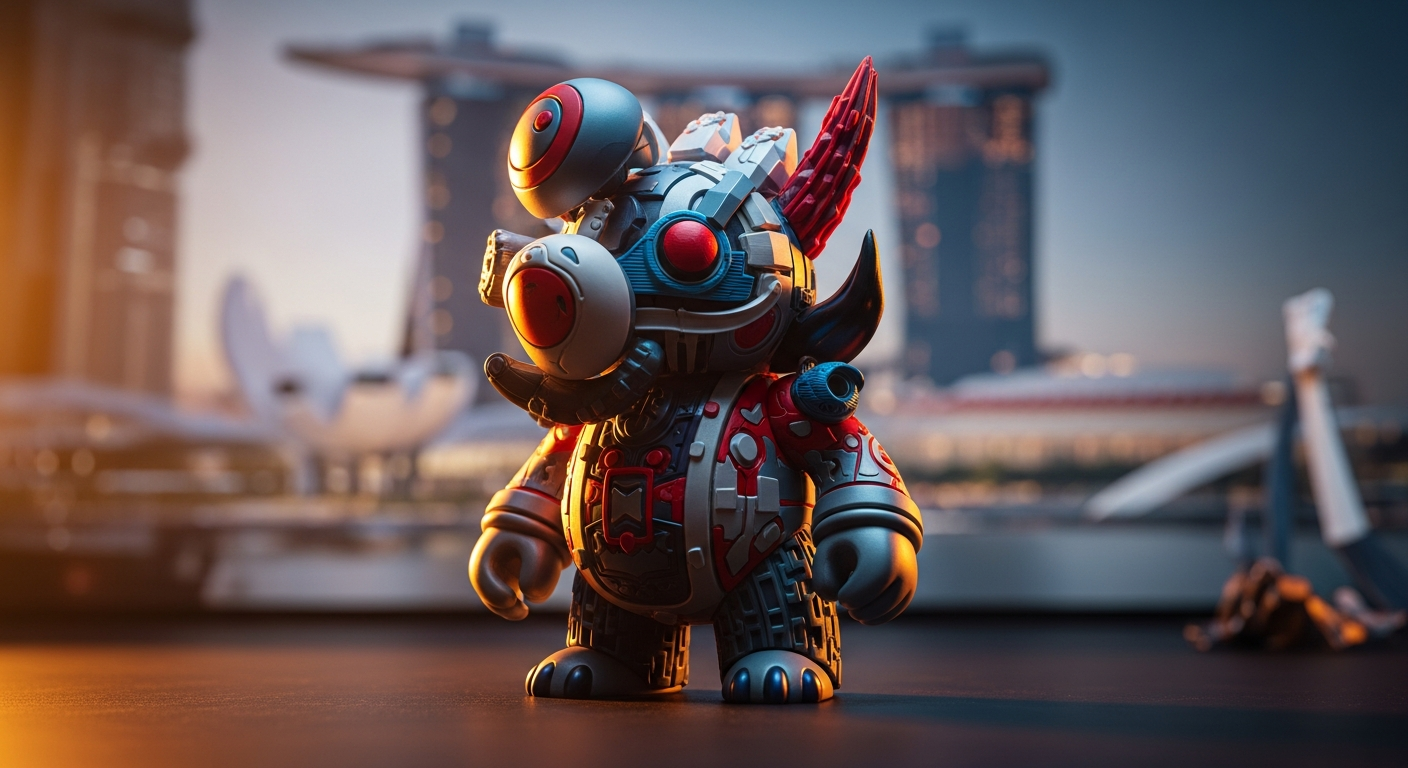
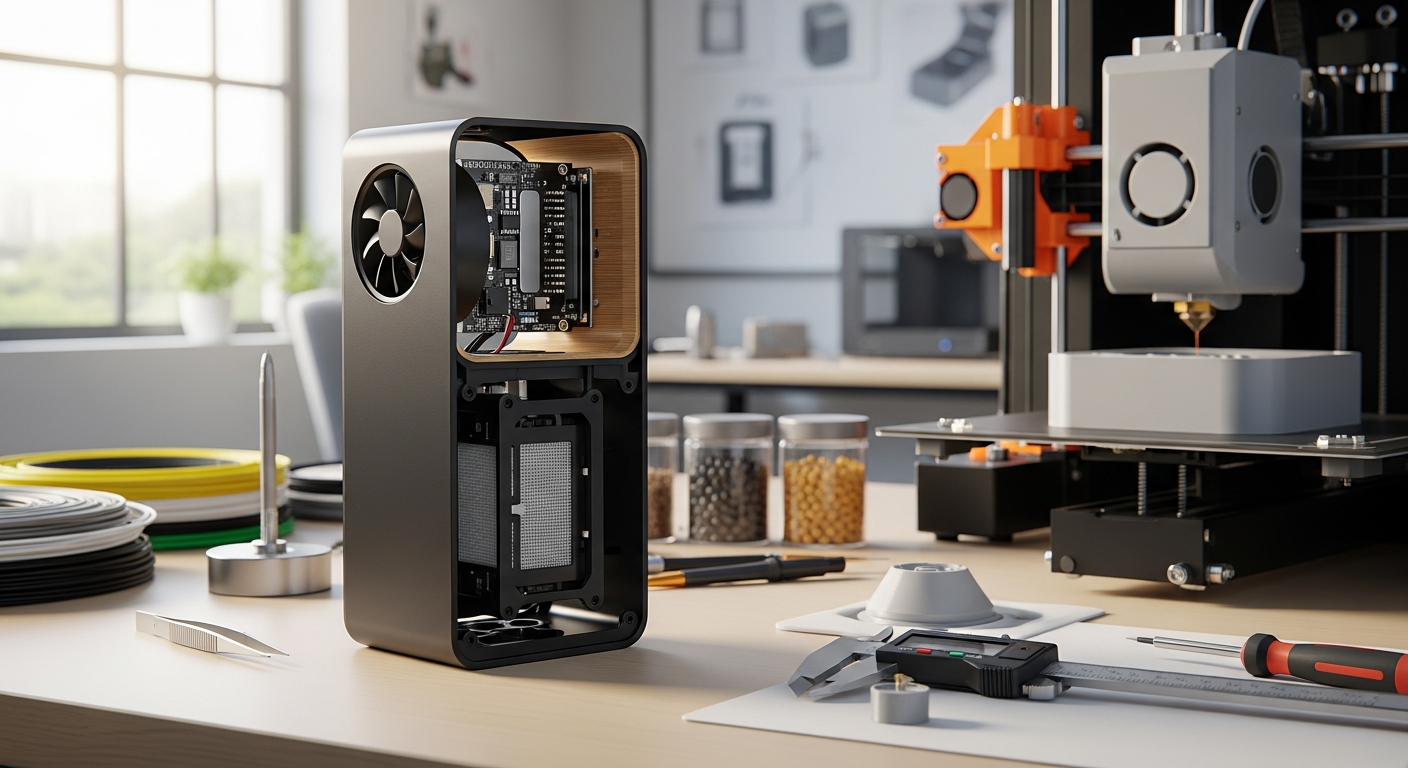
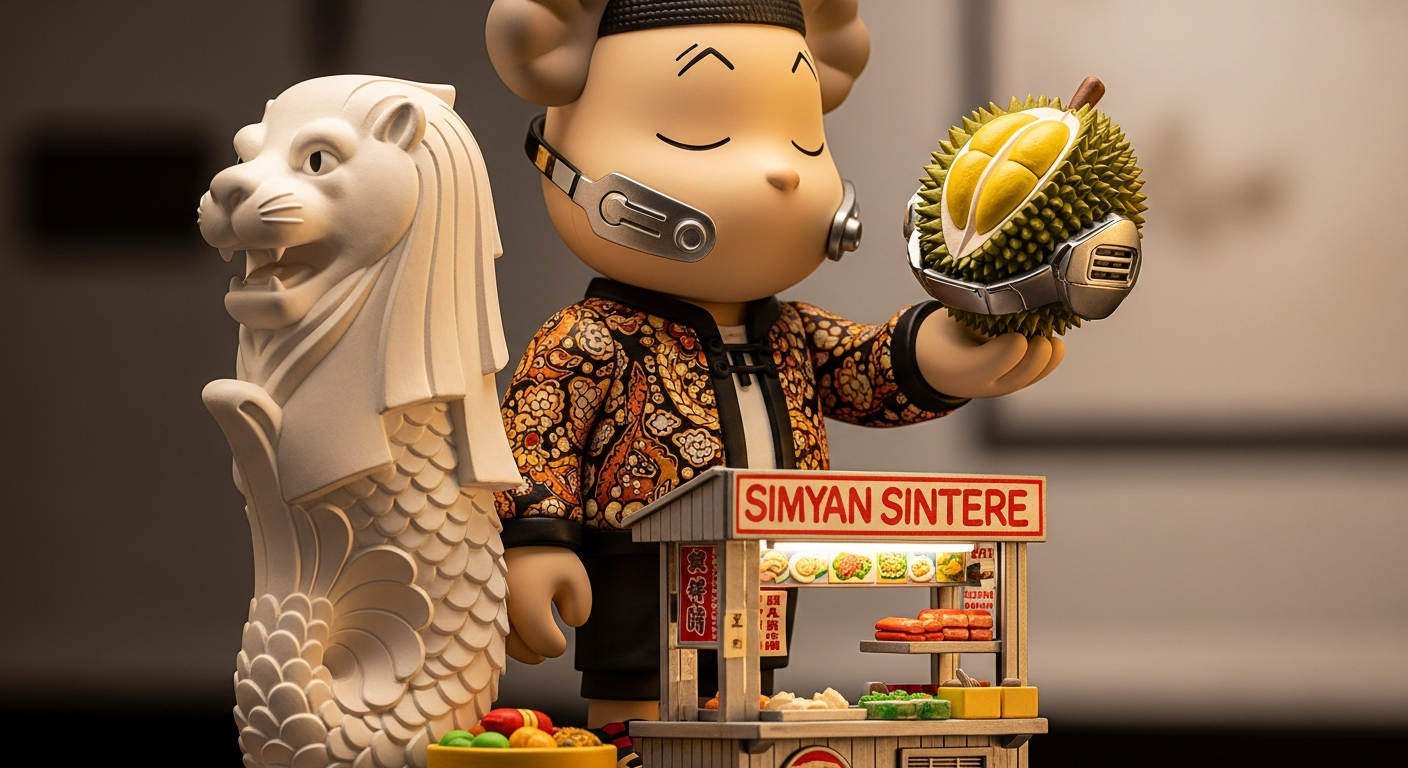
Why rapid prototyping is changing limited edition art toys
Designers and collectible brands are under growing pressure to deliver highly detailed, small-batch releases that stand out in a crowded market. Rapid prototyping Singapore services enable artists and studios to move from concept to physical sample in days rather than months. For limited edition art toys, that speed translates to faster market feedback, better finishing, and controlled production runs that preserve exclusivity.
This article explains how rapid prototyping supports the creative and commercial demands of limited edition art toys, highlights the methods and materials most used in Singapore, and outlines practical steps to turn a sketch into a collectible series.
Rapid prototyping fundamentals for art toys
Rapid prototyping refers to a set of manufacturing technologies that produce physical models directly from digital designs. In the context of limited edition art toys, prototyping solves three primary problems:
- Visual validation: See form, scale, and surface detail in the real world.
- Functional testing: Confirm joints, articulation, and assembly work reliably.
- Iterative refinement: Make quick changes to designs before committing to production runs.
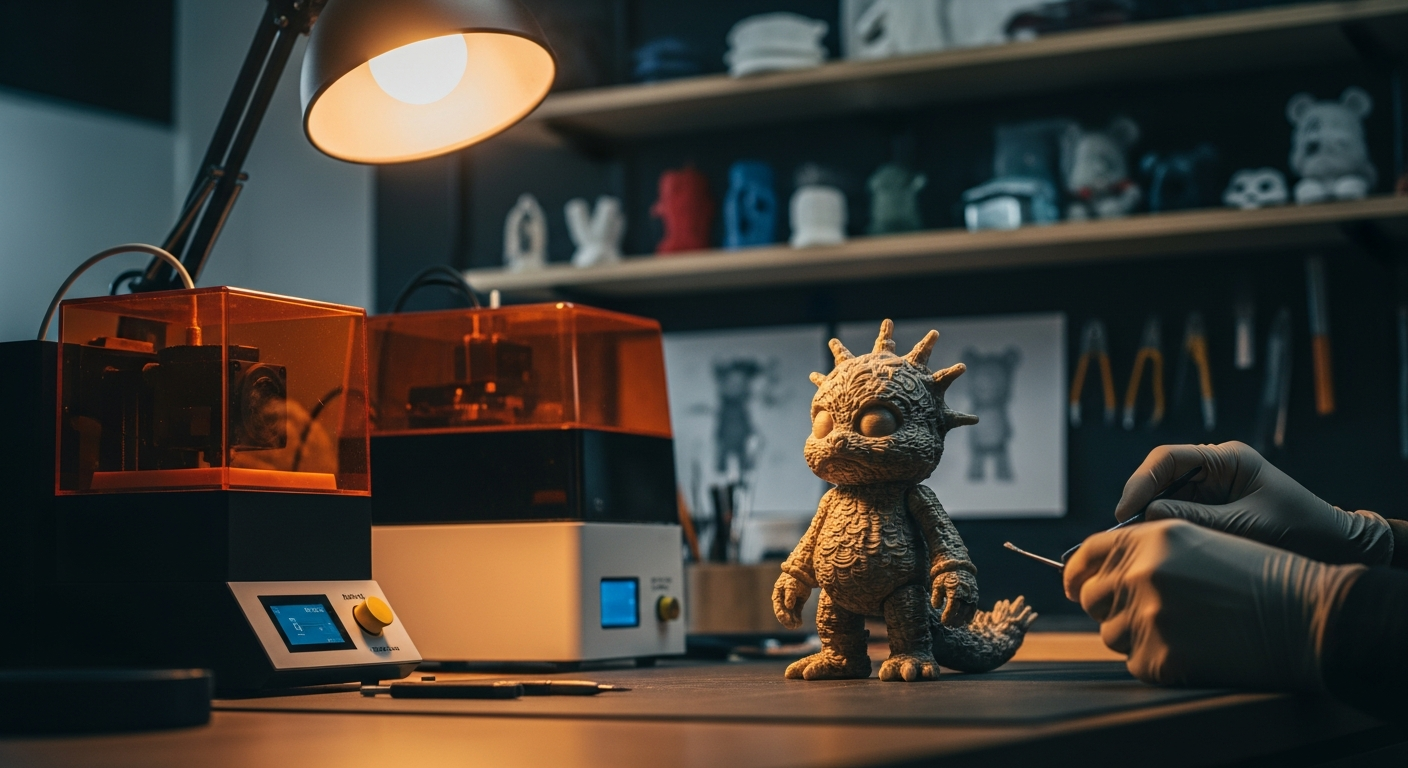
Common technologies used by toy designers include SLA and DLP resin printing for high-detail parts, SLS for durable nylon pieces, and multi-material FDM when structural testing is a priority. Singapore’s ecosystem bundles these capabilities with experienced finishers who can sand, paint, and plate prototypes to showroom quality.
Materials and methods that matter
Choosing the right material and process is crucial for limited edition art toys because each approach affects finish, durability and production cost.
- SLA/DLP resin printing: Best for intricate sculpting, crisp undercuts and smooth surfaces. Often used for master models destined for silicone molds or for small display-only editions.
- SLS (Selective Laser Sintering): Excellent for durable, functional parts with complex geometries and interlocking elements; good for internal mechanisms.
- FDM (Fused Deposition Modeling): Economical for early concept forms, jigs, and functional mock-ups. Not ideal for final collector-grade surfaces unless heavily post-processed.
- Vacuum casting and silicone molds: After creating a high-quality master (frequently SLA resin), vacuum casting produces small runs in polyurethane resins that mimic ABS, PVC, or even soft-touch materials.
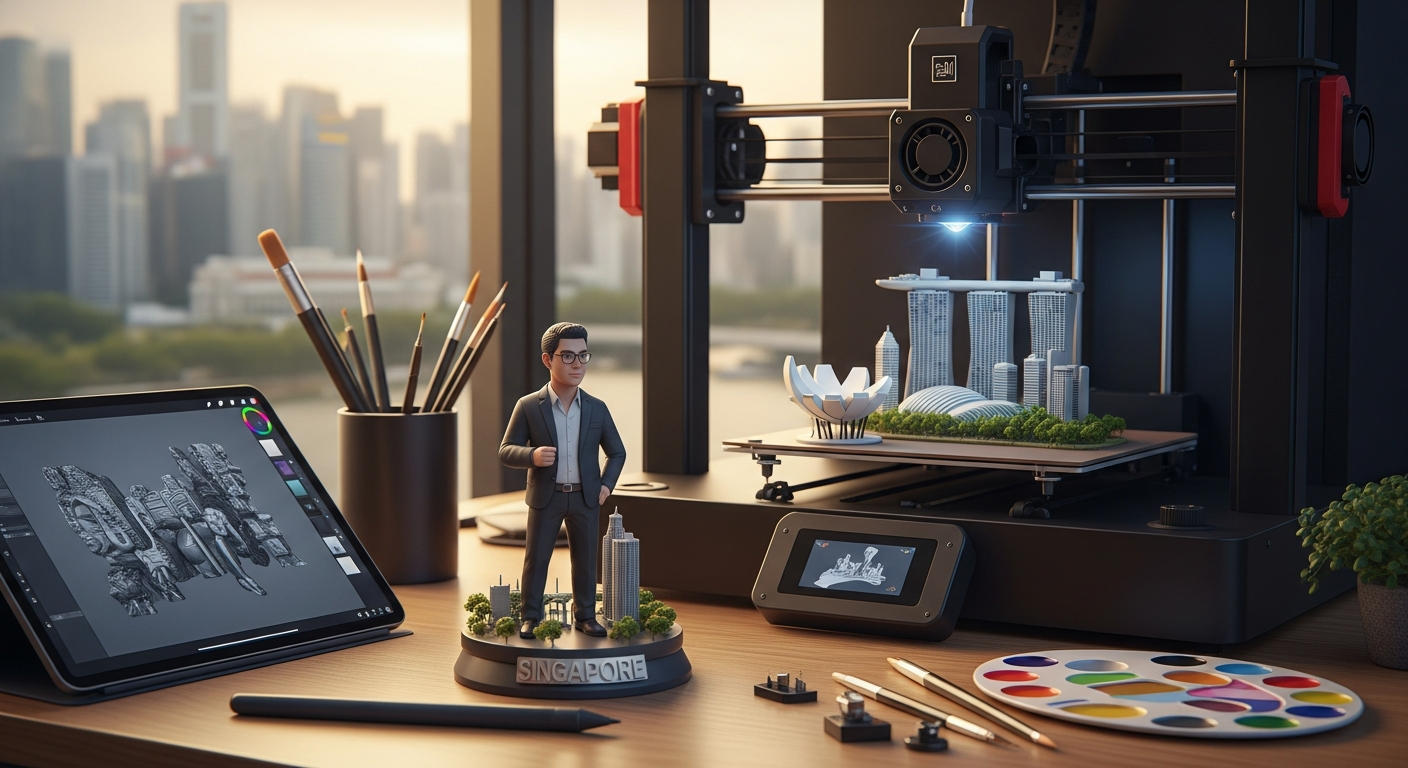
Singapore providers often combine multiple processes: 3D printing a master, refining it through CAD adjustments, then producing small resin or urethane runs for limited edition batches. A reliable custom 3D printing service can manage that workflow end-to-end.
Design considerations for limited edition art toys
Limited edition collectibles demand more than bold concepts; they require practical design decisions that affect manufacturability and collector appeal.
- Tolerances and fit: Articulated joints and snap-fits need precise tolerances. Rapid prototyping helps test and refine these dimensions before committing to molds.
- Surface detail: Micro-sculpt, texture and tiny decals are what collectors notice. Choose SLA or high-resolution DLP to capture those elements.
- Paint and finish compatibility: If metallic plating, soft-touch coatings or high-gloss paints are planned, specify compatible prototype materials early so finishing tests are accurate.
- Ease of assembly: For multipart toys, design for efficient assembly or simple gluing to maintain quality in small batch runs.
Integrating CAD early in the process reduces iteration cycles. Resources that focus on CAD modeling and rapid prototyping trends discuss common workflow improvements and file standards that most Singapore studios expect.
A practical workflow: from sketch to limited edition run
- Concept & sketch: Start with multiple 2D sketches and silhouette studies to lock the character and scale.
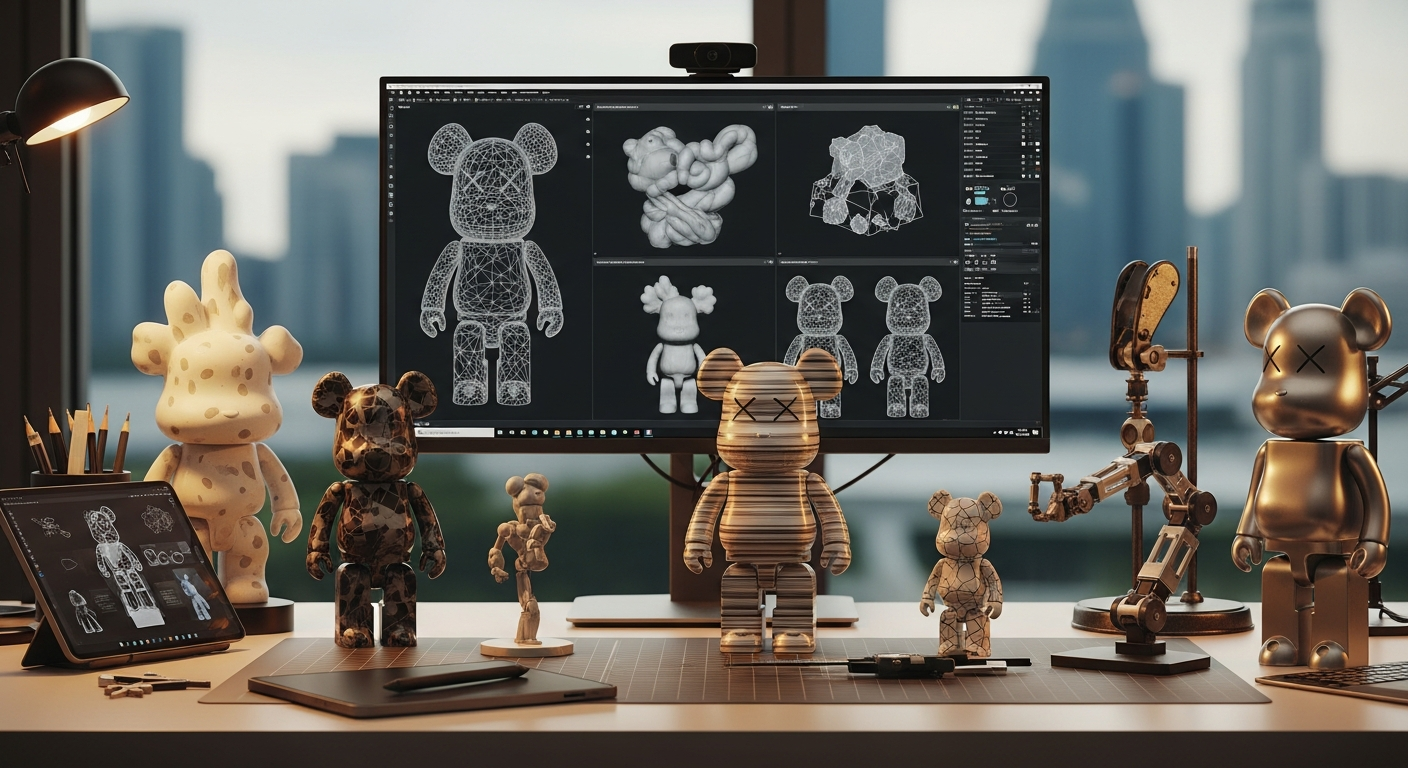
- Digital sculpting & CAD: Convert the selected sketch into a 3D model, resolving internal structures and assembly points.
- Rapid prototype: Print a high-resolution prototype for review. Use SLA for detail or SLS for structural tests.
- Refinement: Adjust CAD based on the prototype, then re-prototype as needed.
- Master finishing: Prepare a gallery-quality master for photography and mold-making, complete with surface treatment and paint tests.
- Small-batch production: Use vacuum casting or small-run injection molding, depending on quantity and budget.
- Final finishing & QA: Paint, apply decals, and perform quality checks to ensure each collectible meets edition standards.
Many design teams partner with specialists in lifestyle product design and 3D printing to streamline these stages and reduce lead times.
Cost, timelines and batch sizes
Rapid prototyping lowers upfront costs but choices still shape budgets:
- Prototype cost: A detailed SLA prototype of a small toy can range widely depending on size and finishing; expect faster quotes when working with dedicated prototyping partners.
- Small-run production: Vacuum casting is cost-effective for editions under 200 units. For larger limited runs, micro-injection molds become more viable but require higher tooling investment.
- Timelines: A prototype cycle can take 3–14 days per iteration in Singapore, with complete tooling and small-batch production achievable in 4–8 weeks for many projects.
Working with a local partner shortens logistics and allows faster physical review cycles — a major benefit for tight release schedules and seasonal launches.
Quality control and finishing that appeal to collectors
Collector expectations are high: clean seams, consistent paint application, and reliable articulation are non-negotiable. Implementing a rigorous QC process during prototyping helps:
- Tolerance verification: Measure parts against CAD to catch dimensional drift.
- Paint and adhesion tests: Ensure the chosen coating holds up under handling.
- Drop and wear testing: Simulate handling to confirm joints and coatings remain intact.
Singapore’s prototyping companies often offer integrated finishing services — from priming and hand-sanding to multi-stage paint and electroplating — so prototypes look indistinguishable from final limited-edition pieces.
Trends in Singapore’s art toy scene and technology
Singapore’s maker and design communities are investing in hybrid workflows: combining hand-crafted artistry with industrial-grade prototyping. Notable trends include:
- Cross-discipline collaborations: Artists team up with product designers to optimize toys for both aesthetic value and manufacturability.
- Sustainable materials: There’s growing interest in bio-based resins and recycled-support powders for SLS.
- On-demand small-batch production: Brands test designs with micro-editions before committing to larger releases.
If you’re exploring contemporary studios, check profiles of top art toy studios in Singapore to see real projects and partner approaches.
Choosing a prototyping partner in Singapore
Selecting the right partner is about matching capabilities with creative needs. Look for providers that offer:
- Multi-technology facilities (SLA, SLS, FDM, vacuum casting)
- Integrated finishing and painting teams
- Experience with toy-safe materials and regulatory guidance
- Transparent costing and quick iteration cycles
A focused provider of limited-run prototyping and finishing can bridge the gap between sculpt and shelf-ready collectible. Examples of integrated workflows and case studies can be found in resources on limited edition art toys rapid prototyping.
Sustainability and ethical considerations
Collectors increasingly expect environmentally responsible practices. Consider these approaches:
- Choose recyclable or lower-impact prototype materials where possible.
- Minimize overproduction by committing to limited runs and using pre-orders to gauge demand.
- Use local prototyping services to reduce shipping emissions and enable quicker iterations.
Sustainable choices can also be a selling point for limited edition releases, resonating with eco-conscious collectors.
Final thoughts: turn prototypes into coveted collectibles
Rapid prototyping Singapore offers a competitive advantage for artists and brands producing limited edition art toys. By combining high-resolution printing, smart material choices, disciplined CAD workflows, and professional finishing, creators can iterate rapidly, control quality, and protect the exclusivity that defines collectible value.
When planning a release, map the prototyping stages, prioritize testable features (joints, finishes, decals), and partner with a studio that provides both technical capability and a strong understanding of the collector market. That combination shortens lead times, reduces risk, and helps deliver limited edition art toys that collectors will prize for their detail, craftsmanship and originality.