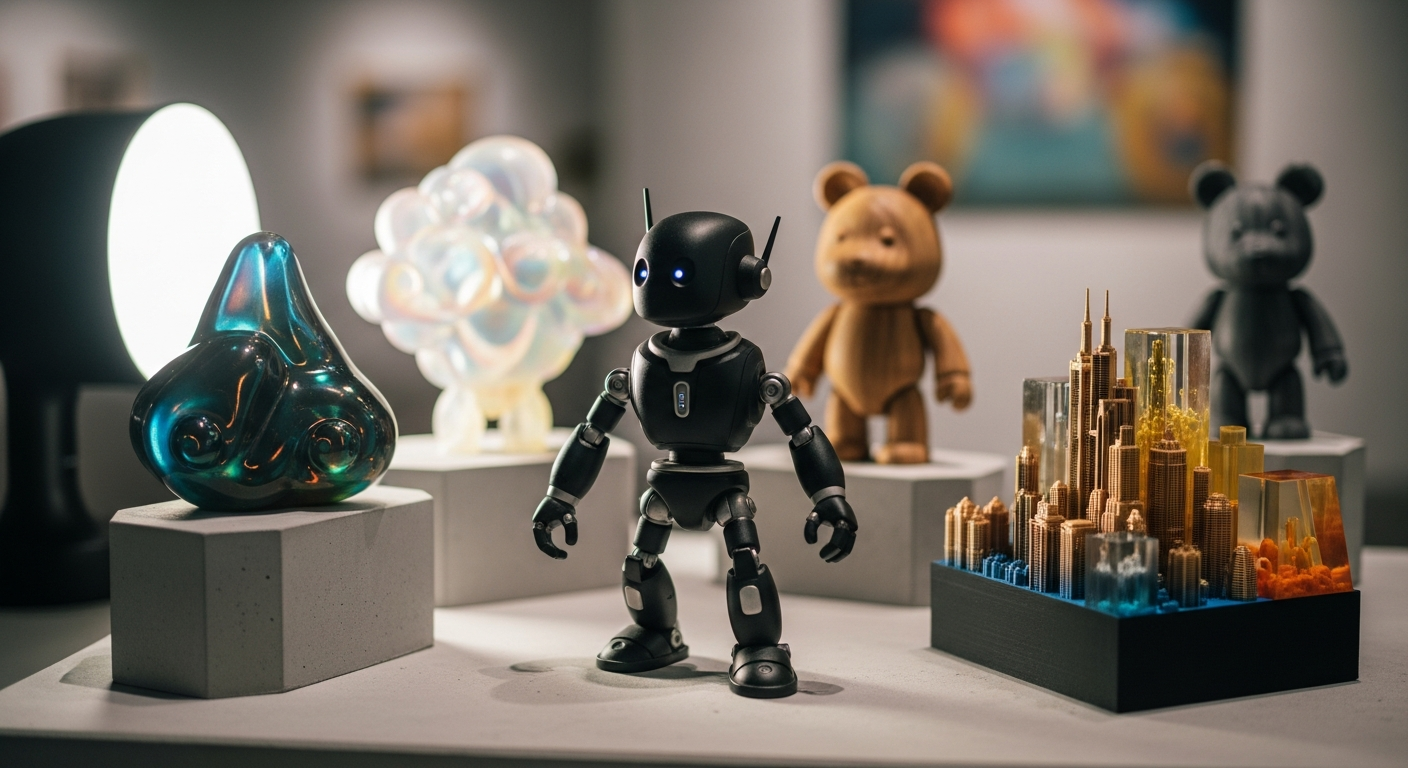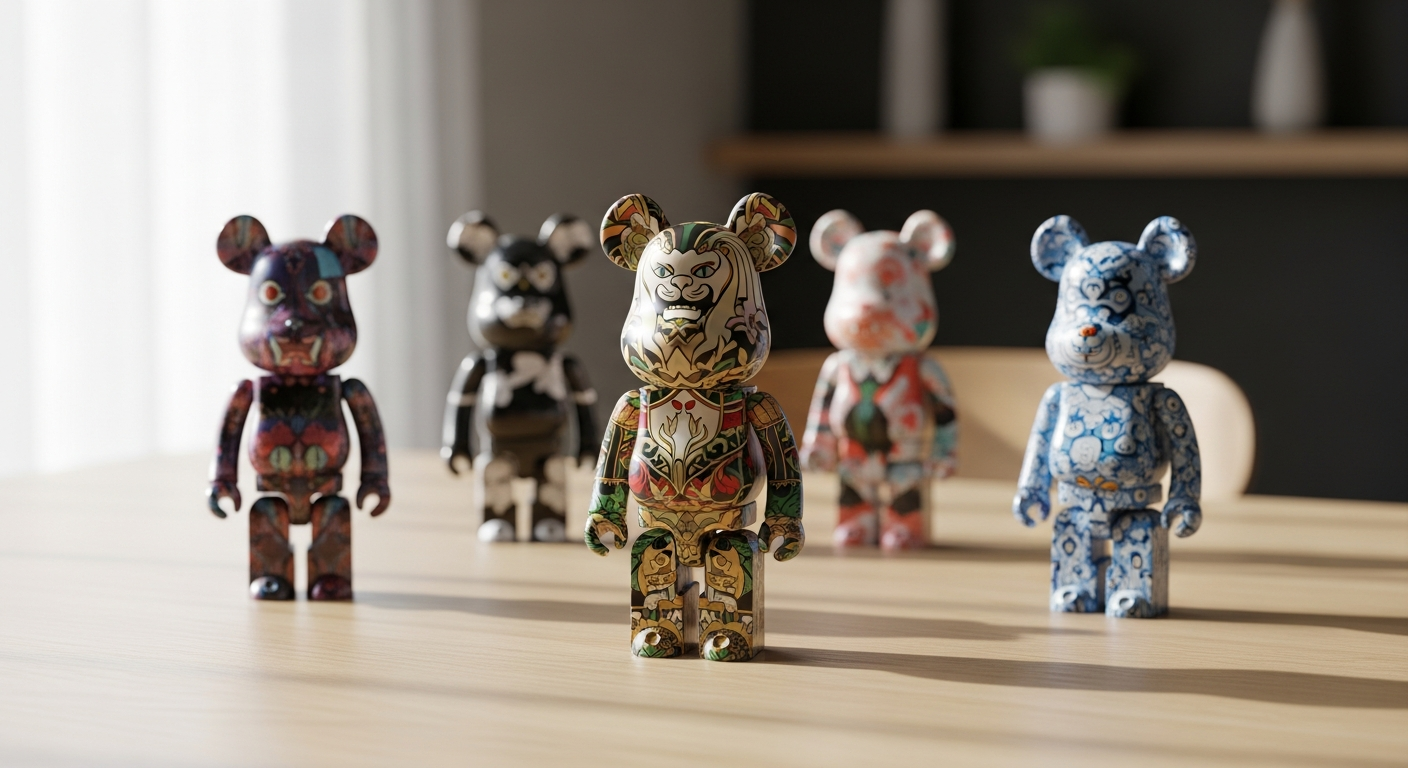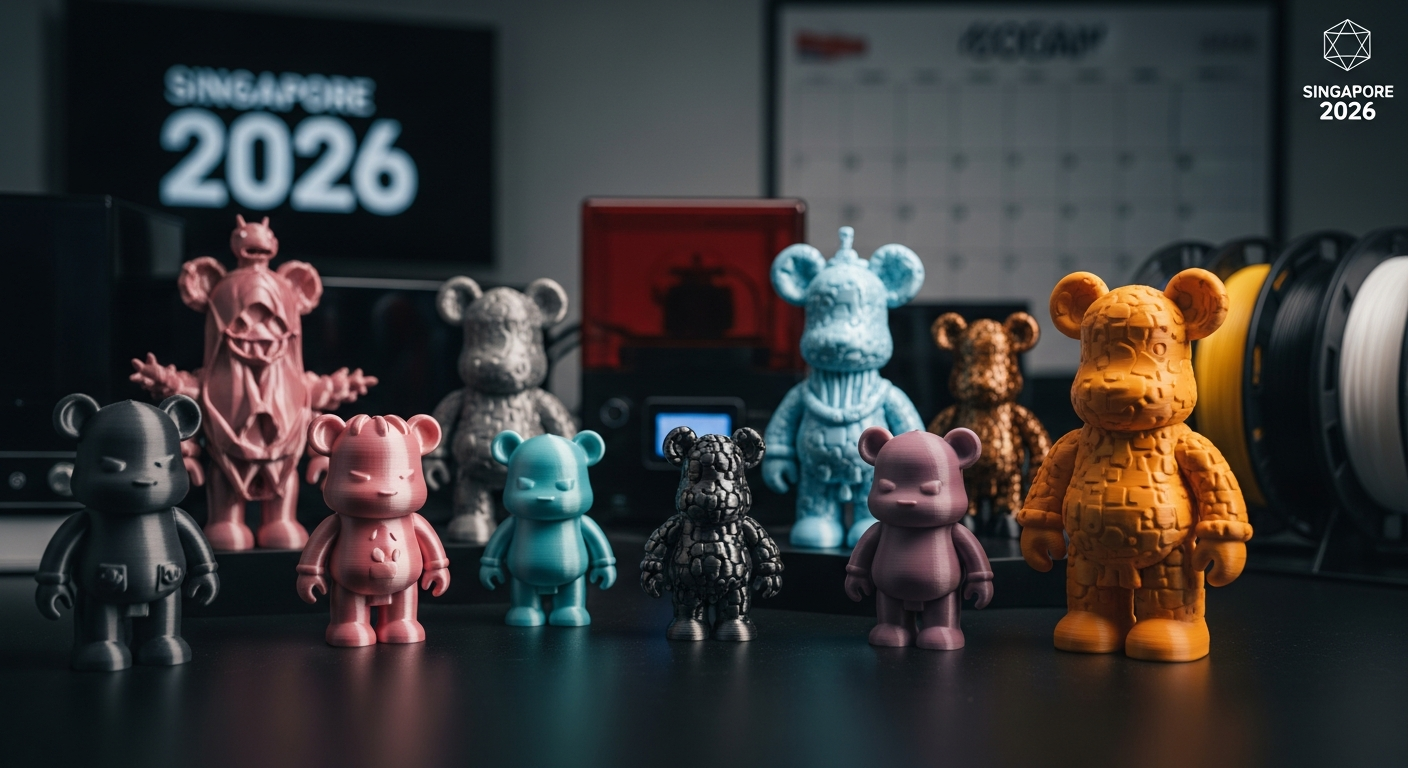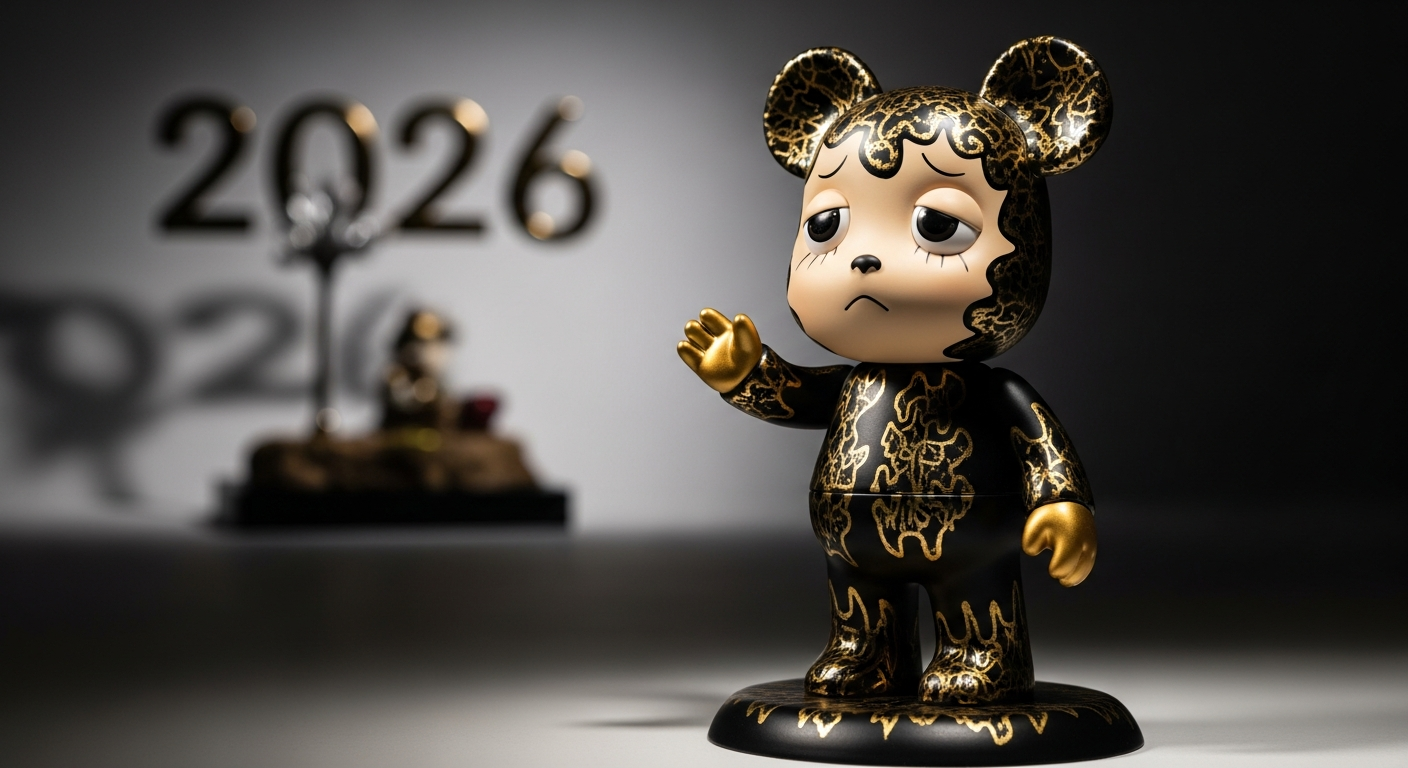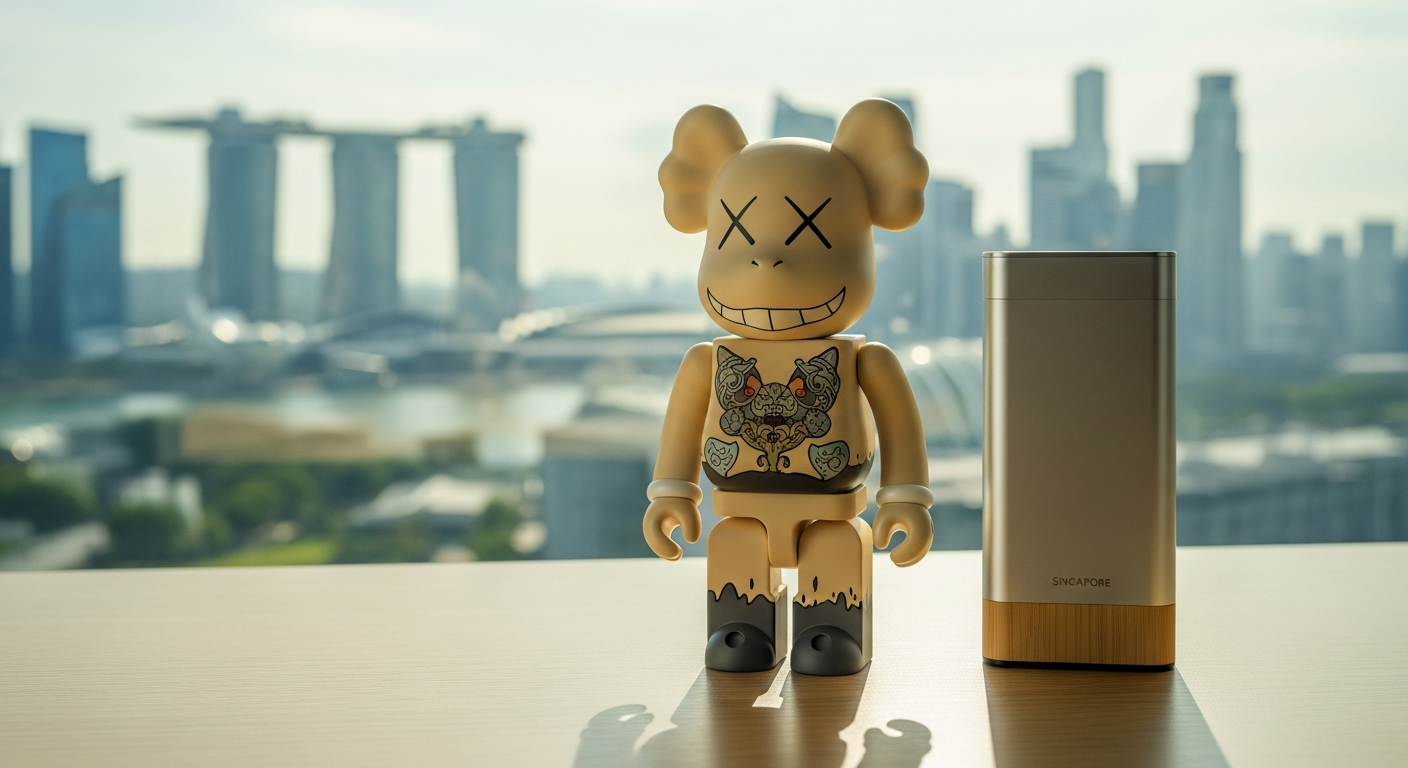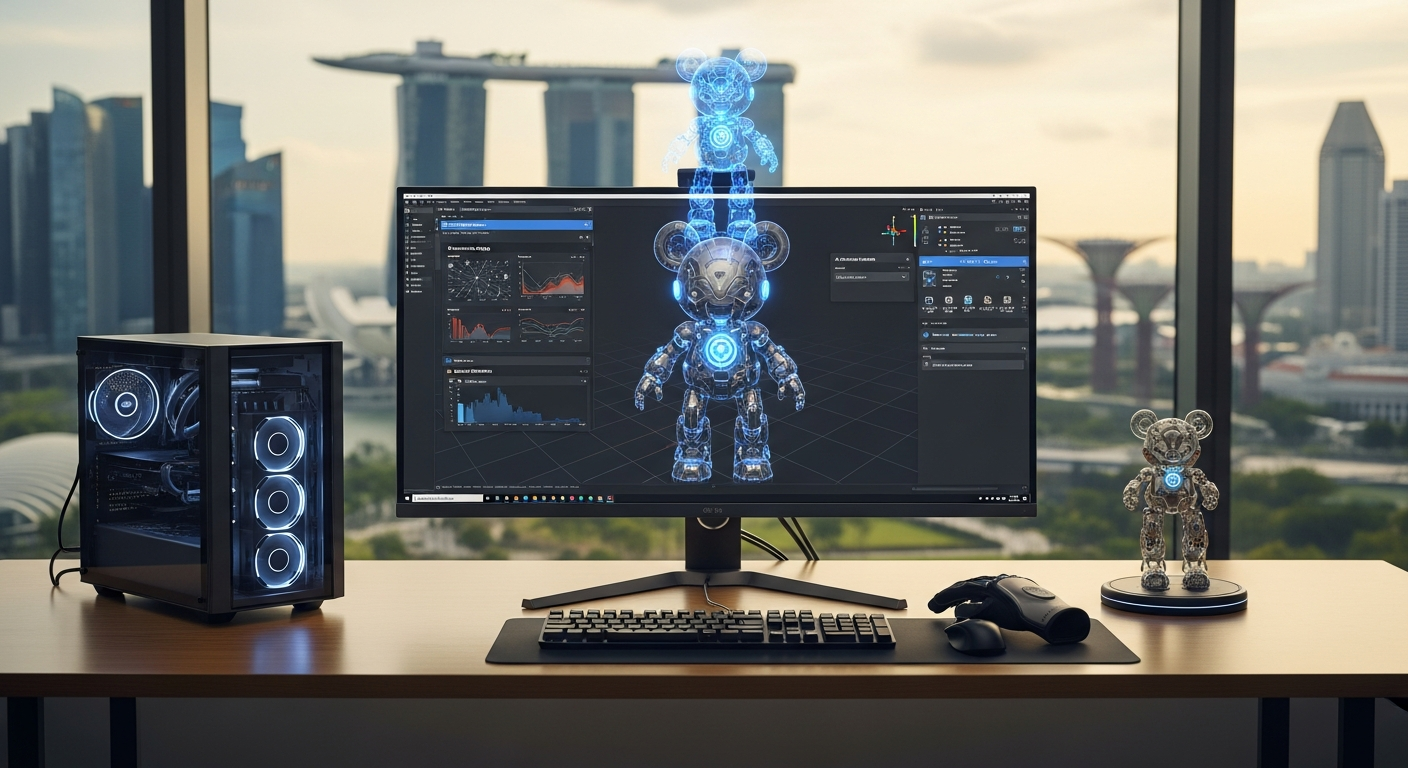
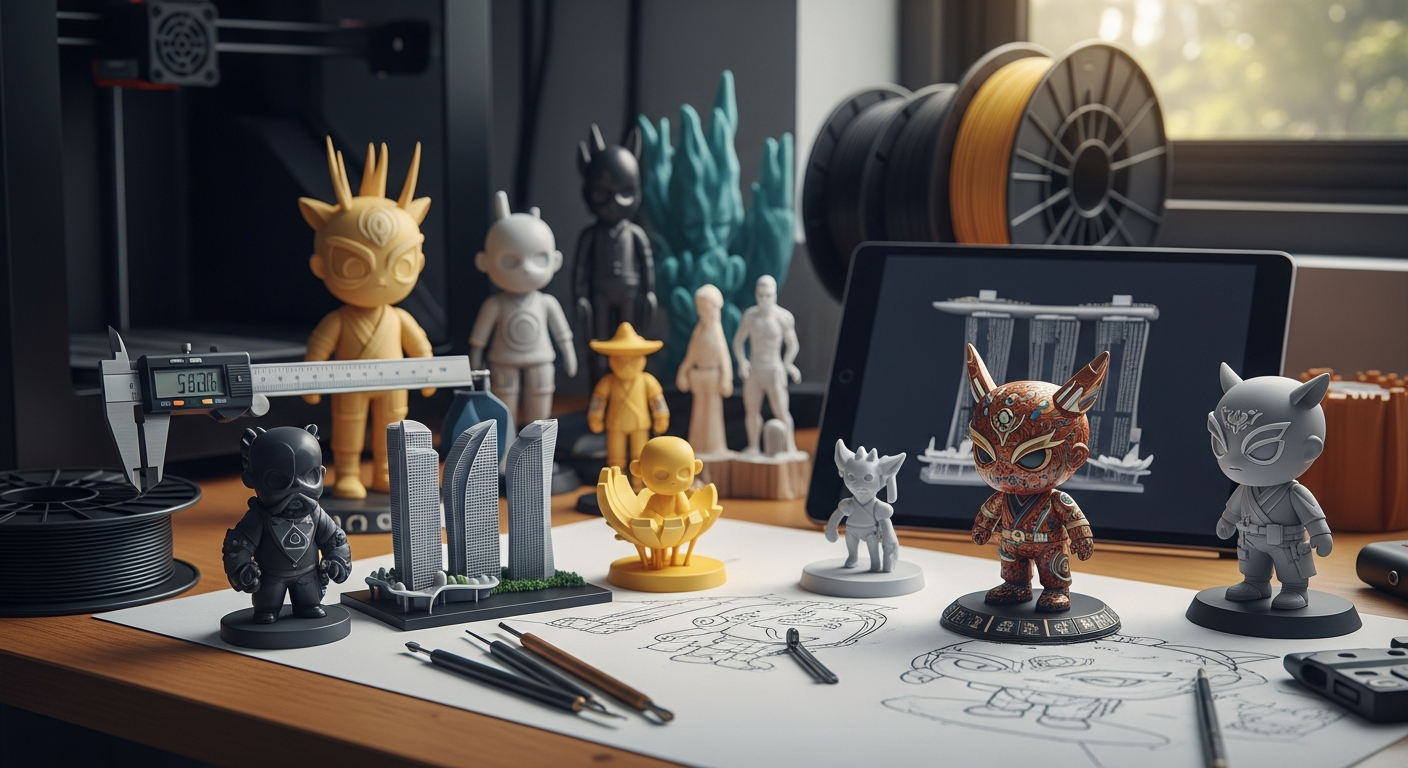

In 2026 the convergence of AI and CAD is reshaping how makers, studios, and brands approach custom figurine design Singapore projects. From hobbyist collectibles to limited-edition art toys, AI-augmented CAD modeling Singapore workflows accelerate ideation, improve surface fidelity, and reduce prototyping cycles. This article examines the practical advantages, tools, and best practices for leveraging AI in custom figurine design Singapore, with examples of rapid prototyping and production-ready strategies used by local studios.
AI integration into CAD modeling Singapore brings three immediate benefits: speed, consistency, and creative augmentation. Generative design and machine learning plugins can produce topology-optimized armatures, suggest surface details based on reference images, and automate retopology and UV unwrapping. For designers working on custom figurine design Singapore, this means:
These improvements not only save time but also lower the cost per iteration, especially critical for limited runs and collectible drops where each prototype matters.
AI is not a replacement for artistic intent; instead, it complements craft by taking care of repetitive technical tasks and offering data-driven suggestions. Typical stages where AI supports custom figurine design Singapore include:
This pipeline reduces friction between the creative studio and the fabrication partner, speeding up the time from concept to a display-ready figurine.
Singapore’s design ecosystem blends global software and local fabrication services. Popular CAD and sculpting tools commonly used for AI-assisted workflows include mainstream packages with AI plugins and specialized sculpting suites. When it comes to turning files into physical pieces, many teams in Singapore rely on rapid prototyping services and local 3D-printing studios.
To understand the practical side of launching collectibles, read how studios use rapid production techniques in projects that help artists launch limited edition art toys with rapid prototyping.
For makers focused on market positioning, guidance on what makes successful collectible runs can be found in curated lists of best limited edition art toys and collectibles 2026.
A robust CAD modeling Singapore approach takes the end manufacturing method into account from day one. For example, SLA prints can capture micro details that FDM cannot, while SLS offers production-friendly batch options without support marks. AI tools can recommend print orientations and support strategies tailored to the chosen technology, cutting post-processing time.
If your project targets small-batch releases, explore case studies on rapid prototyping Singapore for limited edition art toys to see how studios optimize workflows and finishes for collectibles.
Whether designing a 10 cm character or a 30 cm premium statue, applying engineering-informed aesthetics improves success. Key principles include:
Designs that consider these elements from the start reduce costly reworks during the prototyping phase.
For designers moving past one-off models into small production runs, the transition requires different trade-offs. Injection molding offers low per-unit cost at scale but high tooling cost, while resin casting and selective 3D-printing keep upfront costs low. AI can assist by predicting manufacturing costs for different batch sizes, allowing studios to choose the best production path for a given price point.
If 3D printing remains the chosen route, Singapore offers advanced partners. Learn how top providers support designer-led projects in top Singapore custom 3D printing for lifestyle design 2026.
Maintaining consistent quality across a collectible series is crucial for brand trust. AI-driven inspection tools compare scanned parts with the original CAD and flag deviations, such as warping or surface defects. Automated reporting speeds up acceptance decisions and helps manufacturers correct process parameters faster.
Machine vision combined with CAD inspection can also help studios manage multi-supplier production, ensuring outsourced paint, plating, or assembly meets the original design intent.
When creating custom figurine design Singapore, protecting IP is important, especially when collaborating with manufacturers. Best practices include:
AI tools can assist audit trails by tracking versions, design authorship, and automated export logs, which are helpful in disputes or when validating limited editions.
AI-enabled CAD modeling Singapore workflows reduce time-to-prototype but may introduce new cost lines such as cloud compute or paid AI services. Consider these trade-offs:
Studios that model these variables early can set realistic timelines and pricing for releases.
Looking ahead, several trends will further influence AI CAD modeling Singapore and custom figurine design Singapore:
Studios that adopt these trends will have a competitive edge in offering novel collectible experiences and faster drops.
AI-augmented CAD modeling Singapore is transforming custom figurine design Singapore by enabling faster iteration cycles, better manufacturability, and higher-fidelity finishes. For designers and brands creating limited-edition runs, merging AI tools with thoughtful production planning unlocks lower risk and stronger creative expression. Whether you are refining concept sculpts or scaling to small production runs, a well-structured AI-CAD workflow—coupled with trusted prototyping partners—will be a defining advantage in 2026 and beyond.
For inspiration on launch strategies and market-ready collectibles, review curated resources on limited-edition art toys and production workflows to see how leading studios balance creativity and manufacturing efficiency.