Introduction: why 3D printing matters for lifestyle product design in Singapore
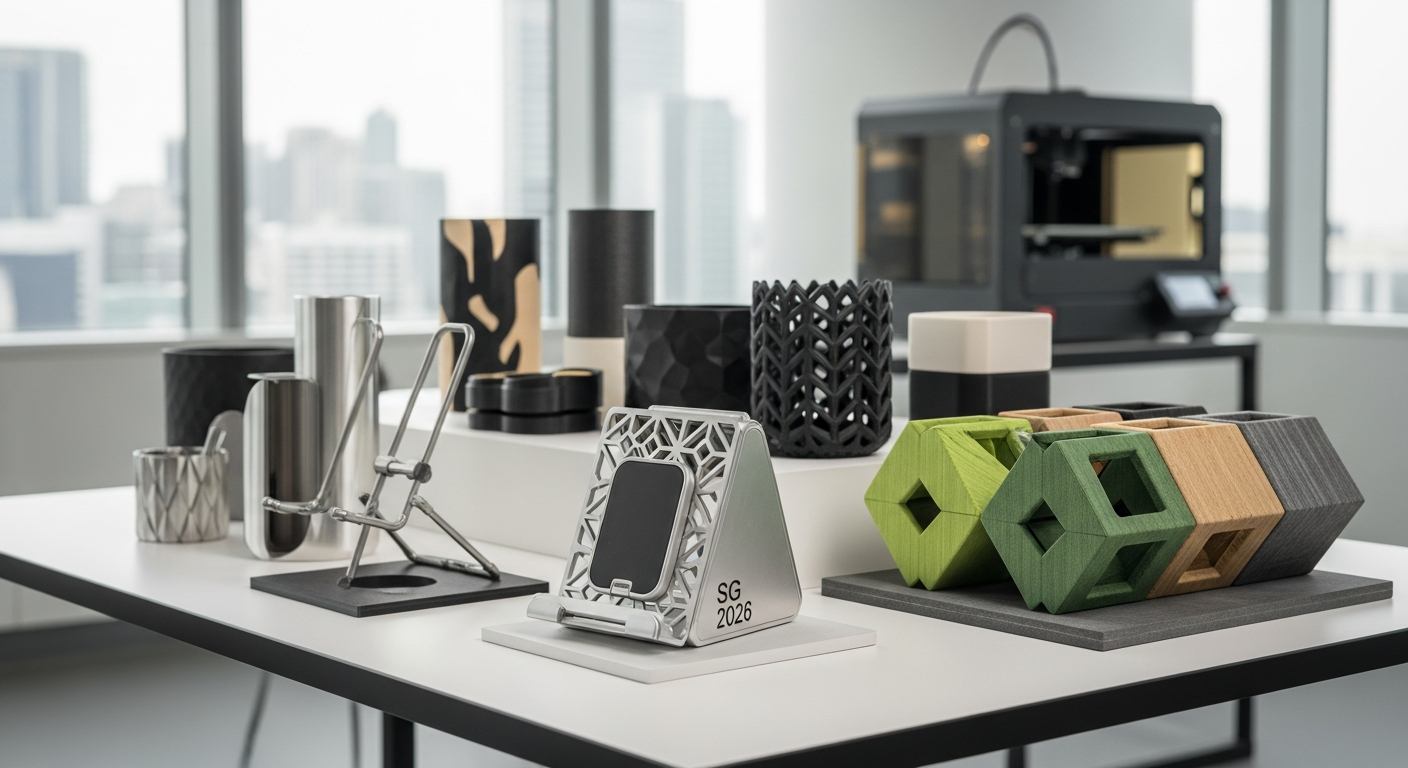
By 2026, 3D printing has moved from novelty prototyping to a central tool in lifestyle product design Singapore teams rely on to cut time-to-market, test form and function, and iterate rapidly. For independent designers, small studios and consumer brands, additive manufacturing delivers speed, customization and new material possibilities — all within Singapore’s compact, well-connected design ecosystem.
This article explains how to use 3d printing service singapore effectively when designing lifestyle products, the technologies and materials that matter today, real-world workflows, and practical tips to choose the right local partner.
The Singapore advantage for lifestyle product design
Singapore is uniquely positioned for rapid product development: strong IP protection, proximity to Southeast Asian supply chains, government grants that support prototyping, and a dense network of creative studios and manufacturers. Designers can validate concepts at scale without long overseas lead times.
Local 3D printing providers also understand regional market preferences — from compact multi-function homeware to fashion accessories and collectible art toys — making them ideal collaborators for lifestyle product design Singapore projects.
Key 3D printing technologies for lifestyle products
Different lifestyle products require different additive technologies. Here are the core processes designers should consider:
- FDM (Fused Deposition Modeling): Cost-effective for functional prototypes and large-format parts. Best for early-stage iteration and proof-of-concept.
- SLA / DLP (Resin printing): High-detail surface finish for jewelry, eyewear frames, and collectible figurines — ideal when surface quality matters.
- SLS / MJF (Powder bed fusion): Strong, functional parts with good mechanical properties and no need for support structures. Great for durable accessories and small-batch production.
- PolyJet / Multi-material jetting: Excellent for multi-color prototypes, soft-touch overmolds and realistic mockups.
- Metal printing (DMLS/SLM): For premium hardware components, buckles or precision fittings when metal strength is required.
Understanding which technology fits a design brief is one of the key services a 3D printing partner should provide.
Materials and finishes shaping lifestyle product design
Material choice affects aesthetics, durability and assembly. Popular options in 2026 include:
- Engineering thermoplastics (Nylon, PA12): Durable, slightly flexible, and good for moving parts.
- TPU / elastomers: For flexible bands, grips and soft-touch elements.
- High-detail resins: For display pieces, figurines, and accessories that require smooth surfaces.
- Composite filaments and fiber-reinforced nylons: For stiffer, lightweight parts.
- Color-capable materials and multi-material jetting: Permit realistic prototypes without painting.
Post-processing options — sanding, dyeing, vapor smoothing, plating and anodizing for metal — allow prototypes to reflect final production look and feel.
From concept to shelf: typical workflow with a 3D printing service
A dependable 3D printing partner will support each stage of the product lifecycle. A standard workflow looks like this:
- Concept and sketching: Rapid ideation and mood boards.
- CAD modeling and engineering: Convert concepts into manufacturable 3D files. For professional CAD support and precision-driven outputs, consider providers who offer integrated CAD services such as best CAD modeling and rapid 3D prototyping.
- Prototyping (iterative): Quick FDM or resin prints to check form; higher-fidelity SLA or SLS parts for fit and function.
- Testing and user feedback: Validate ergonomics, assembly and aesthetics.
- Small-batch production: Use MJF or SLS for production-grade parts or bridge tooling to injection molding.
- Post-processing and finishing: Achieve final look with painting, plating or soft-touch coatings.
Many Singapore studios that specialize in product development combine prototyping with CAD modeling and consulting, streamlining the transition from idea to market-ready product.
Case studies: lifestyle products that benefit from local 3D printing
- Wearables and accessories: Custom-fit watch straps, eyewear prototypes and jewelry benefit from precise DfAM (Design for Additive Manufacturing) and resin finishing.
- Home and living: Small-batch kitchen tools, organizers and lamp diffusers scale well with SLS and MJF for robust, consumer-ready parts.
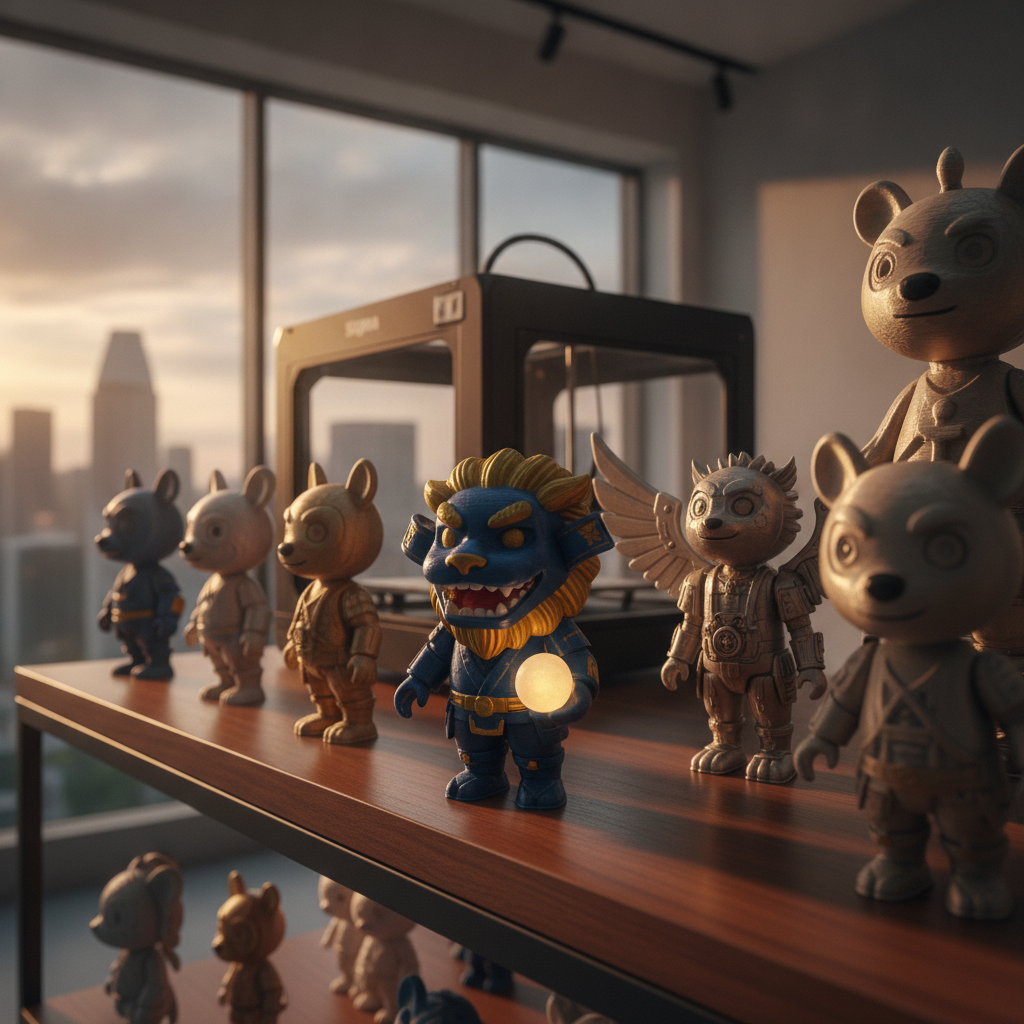
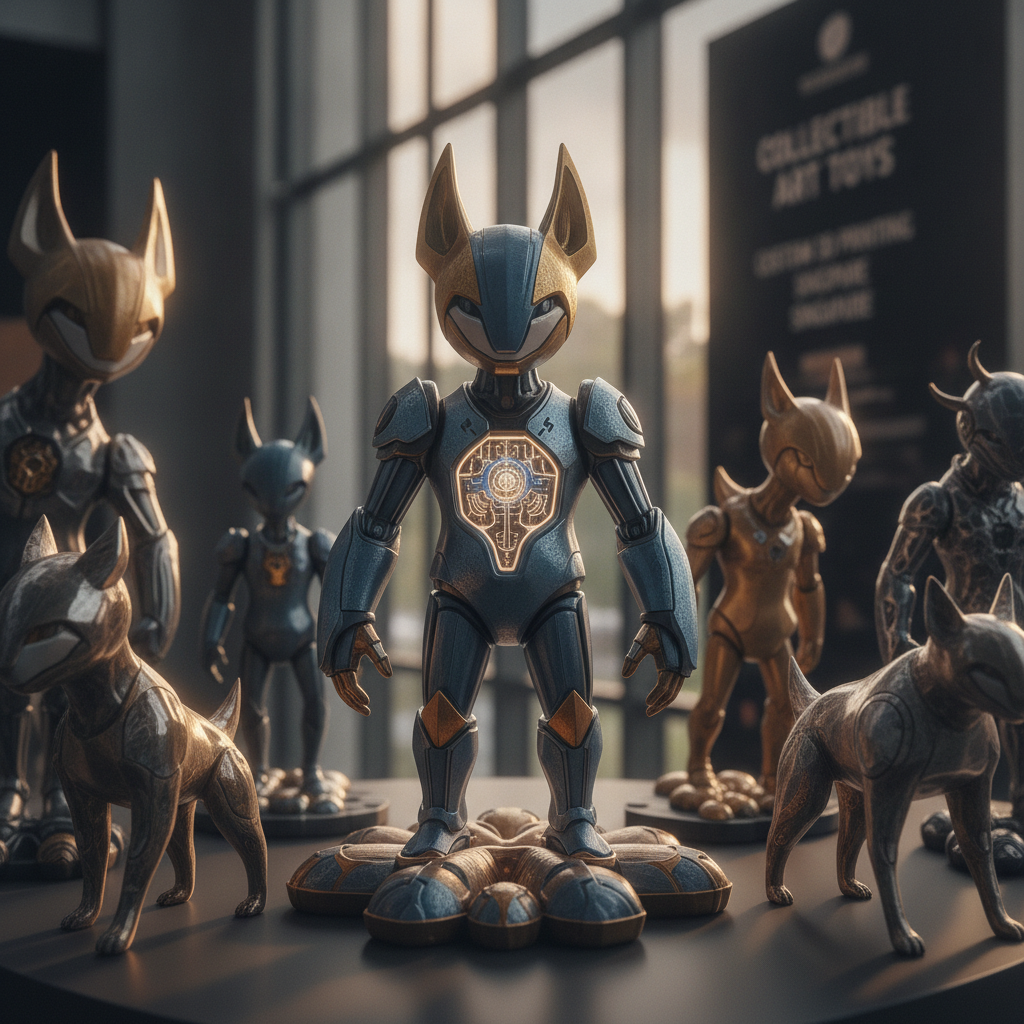
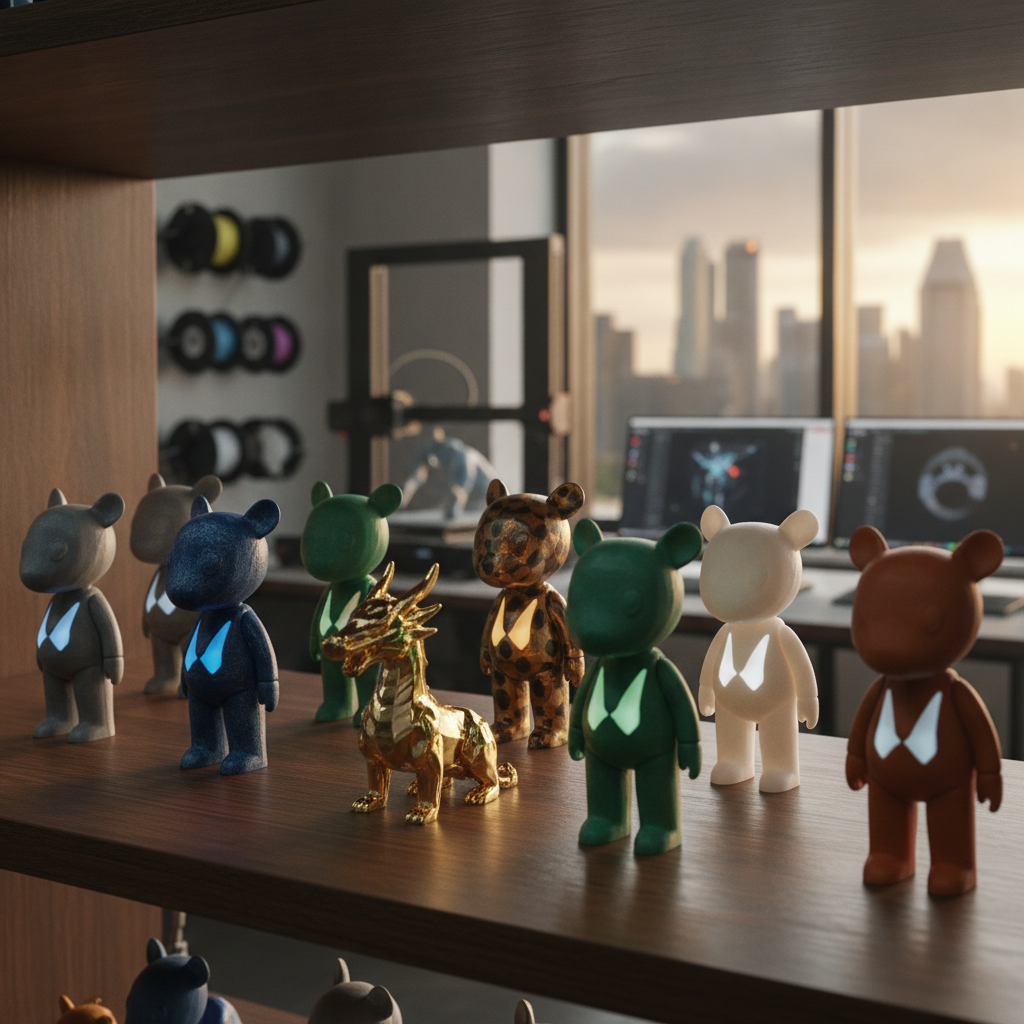
- Art toys and collectibles: Singapore’s creative scene uses FDM and SLA to prototype sculptural toys; discover how artists leverage FDM for art toys in this practical overview.
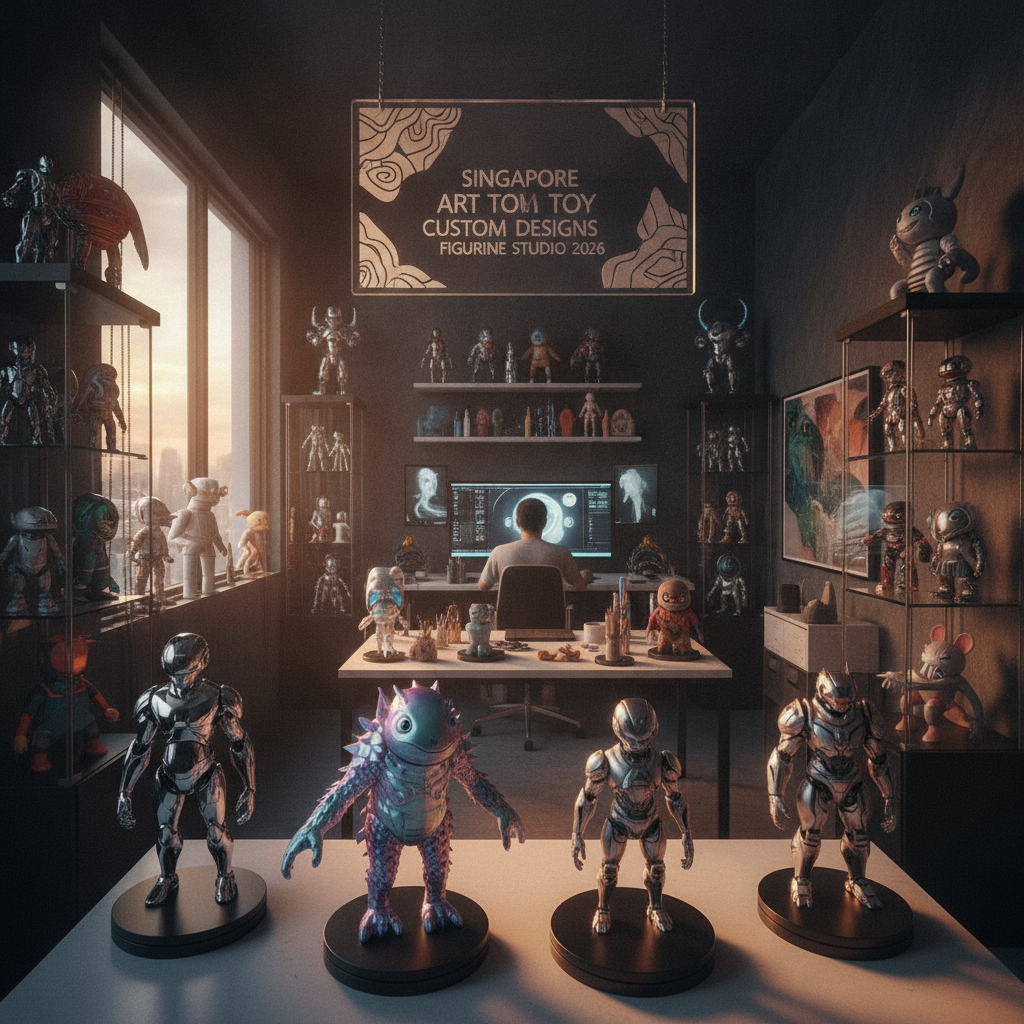
- Custom figurines and gifts: Photogrammetry + SLA printing enables personalised figurines and memorabilia, and there are local studios that help you buy art toys and custom figurines directly.
Local success often comes from mixing creative collaboration with practical engineering support — a partnership many Singapore providers offer.
Choosing a 3D printing service in Singapore: what to look for
When selecting a 3D printing partner for lifestyle product design Singapore teams should evaluate:
- Technology range: Do they offer SLA, SLS, MJF and post-processing, or just FDM?
- End-to-end services: Does the provider offer CAD modeling, design for manufacturing guidance and finishing?
- Material library and color options: Important for realistic prototypes and small runs.
- Turnaround times and capacity: Singapore’s speed advantage only matters if providers can meet delivery expectations.
- Quality control and tolerances: Check sample reports and dimensional accuracy claims.
- Portfolio: Look for experience with lifestyle products similar to yours — for example, custom figurine design and art toys.
- Pricing structure: Transparent quoting for prototypes vs. batch production, including post-processing costs.
A recommended approach is to engage providers who combine 3D printing with CAD modeling and engineering. For integrated offerings, see services that pair 3D printing service Singapore and CAD modeling for smoother development.
Design guidelines and DfAM tips for lifestyle products
Design for additive manufacturing can save cost and improve performance. Practical rules:
- Optimize wall thickness: Avoid overly thin walls on FDM parts; use recommended minimums for resin and SLS.
- Mind print orientation: Orientation impacts surface finish, strength direction and support needs.
- Consolidate assemblies: Use lattices or snap-fit joints to reduce part count and simplify assembly.
- Hollow large volumes: Save material and reduce weight; include escape holes for powder-based processes.
- Apply fillets to stress points: Add radii at junctions to reduce crack risks.
- Tolerancing: Design with realistic tolerances for press-fits and moving parts; consult your printer for exact numbers.
Adopting these practices early reduces iteration cycles and lowers costs when using a 3d printing service singapore.
Cost, lead times and scaling to production
Typical lead times in Singapore are measured in days for single prototypes and 1–3 weeks for small batches, depending on finish complexity. Cost drivers include:
- Technology: SLA prints are costlier per unit than FDM; SLS/MJF for batch runs is often more economical than repeated SLA finishes.
- Post-processing: Painting, plating or soft-touch coating adds labor and time.
- Material selection: Specialty resins, elastomers and fiber composites increase material costs.
When scaling to larger volumes, additive can remain competitive for customized or short-run products, while injection molding becomes more cost-effective for high-volume, standardized items. Hybrid strategies — additively produce complex components and injection mold simple housings — are common.
Sustainability and local manufacturing trends
Sustainability is a growing focus in 2026: recycled filaments, bio-based resins and on-demand manufacturing to reduce inventory are trending. Singaporean studios increasingly offer recyclable and lower-VOC finishing options, and some platforms provide closed-loop recycling for thermoplastics.
Local production reduces freight emissions and shortens supply chains — a compelling advantage for brands prioritizing environmental impact and agility.
Practical next steps for designers and brands
- Start early with a 3D printing partner: Integrating a provider during concepting speeds up iteration.
- Prioritize prototypes that validate fit and ergonomics first, then move to high-fidelity aesthetic models.
- Use CAD and generative design when weight or structural optimization matters; many providers that offer CAD and rapid prototyping can guide you through these steps. Explore best CAD modeling and rapid 3D prototyping options to compare capabilities.
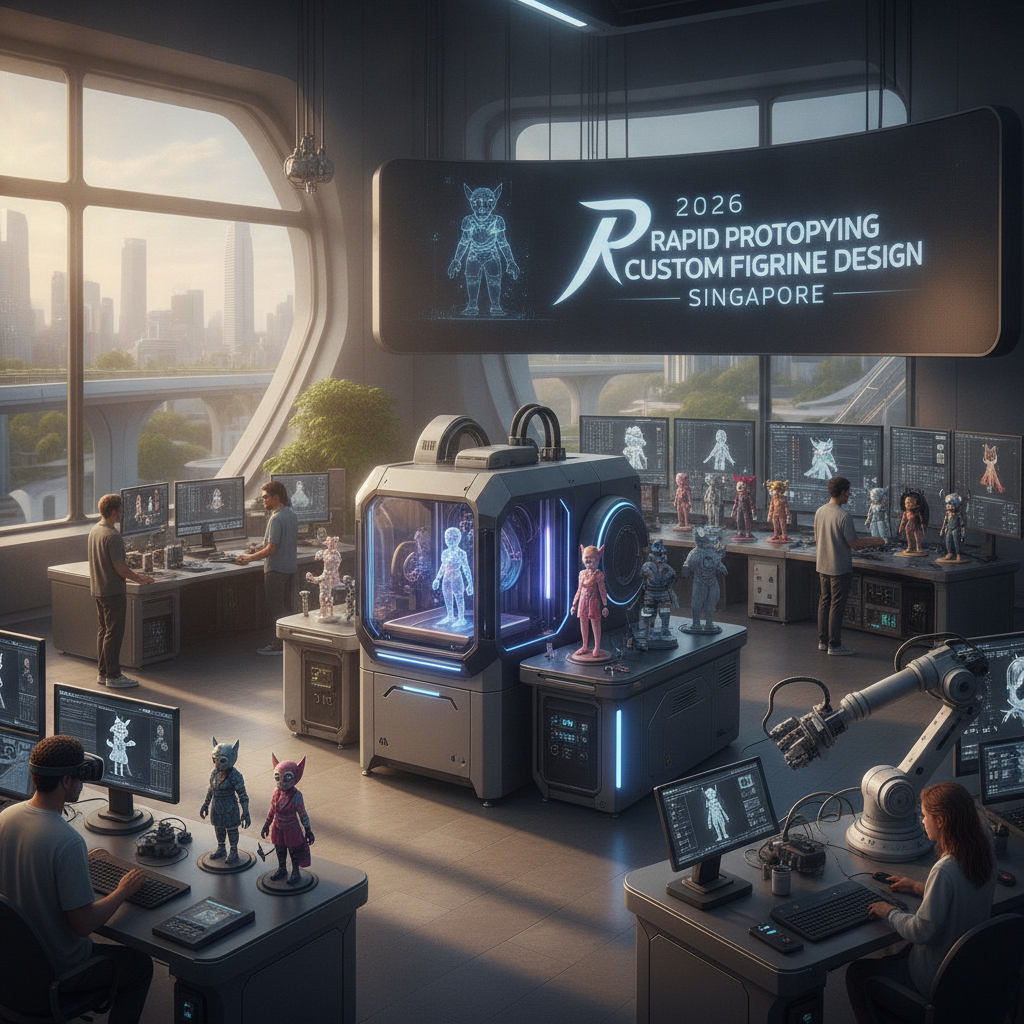
- If your product is art- or character-driven, partner with studios experienced in art toys and figurines — Singapore custom figurine design specialists can bridge character sculpting and production.
Conclusion
In Singapore’s compact but innovation-rich market, 3D printing is an essential tool for lifestyle product design. It shortens development cycles, unlocks complex geometries, and supports customization strategies that resonate with modern consumers. Whether you are prototyping a new home accessory, refining a wearable, or producing collectible art toys, choosing the right local 3D printing partner and applying DfAM principles will save time and cost while improving product outcomes.
For designers needing both design and manufacturing support, consider providers that integrate CAD modeling with production-ready printing. If your project is art-focused, review how FDM-driven studios help artists create and sell toys, or find studios that let you buy art toys and custom figurines directly. For projects requiring combined CAD and printing services, consider providers that explicitly offer 3d printing service Singapore and CAD modeling to accelerate development.
Partnering with specialists in Singapore custom figurine design, art toys and engineering-grade printing will help you move confidently from idea to finished lifestyle product in 2026 and beyond.