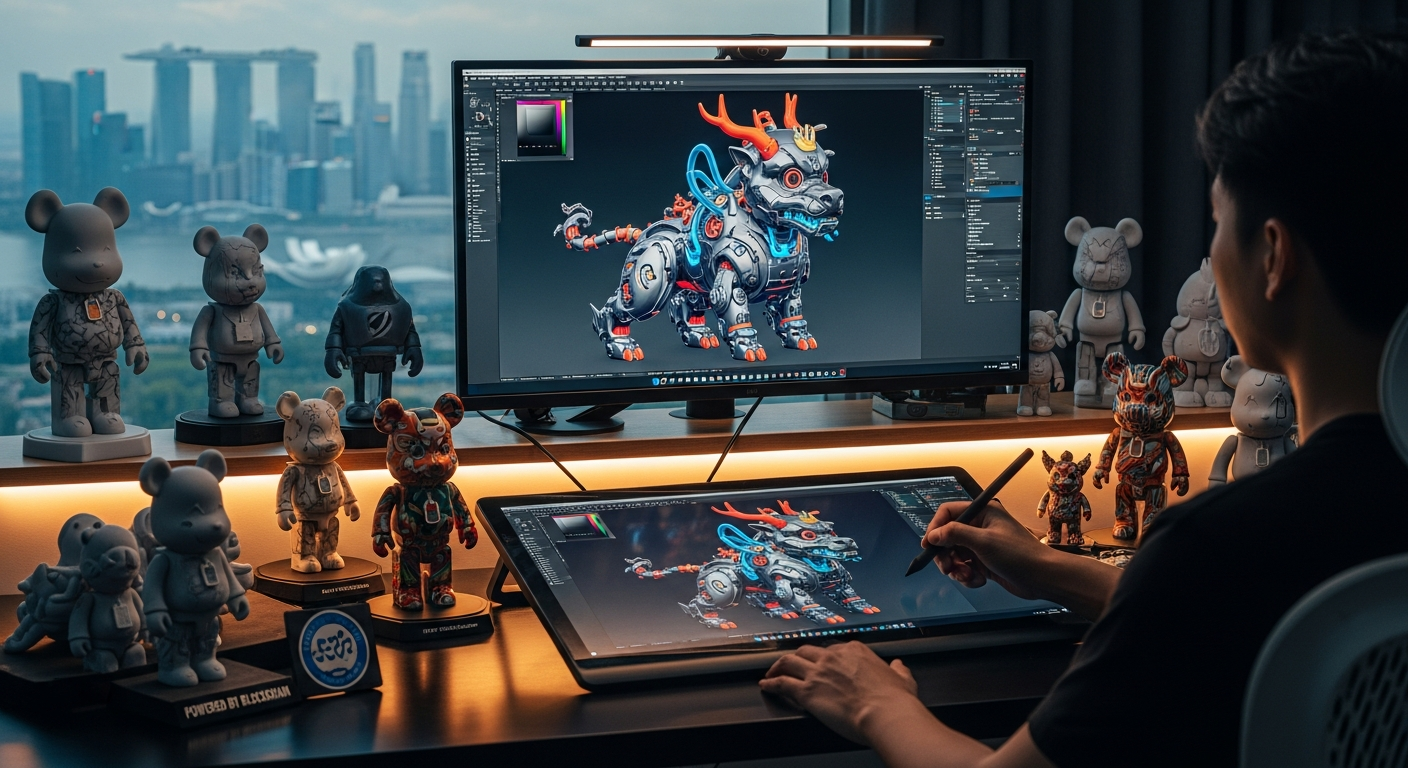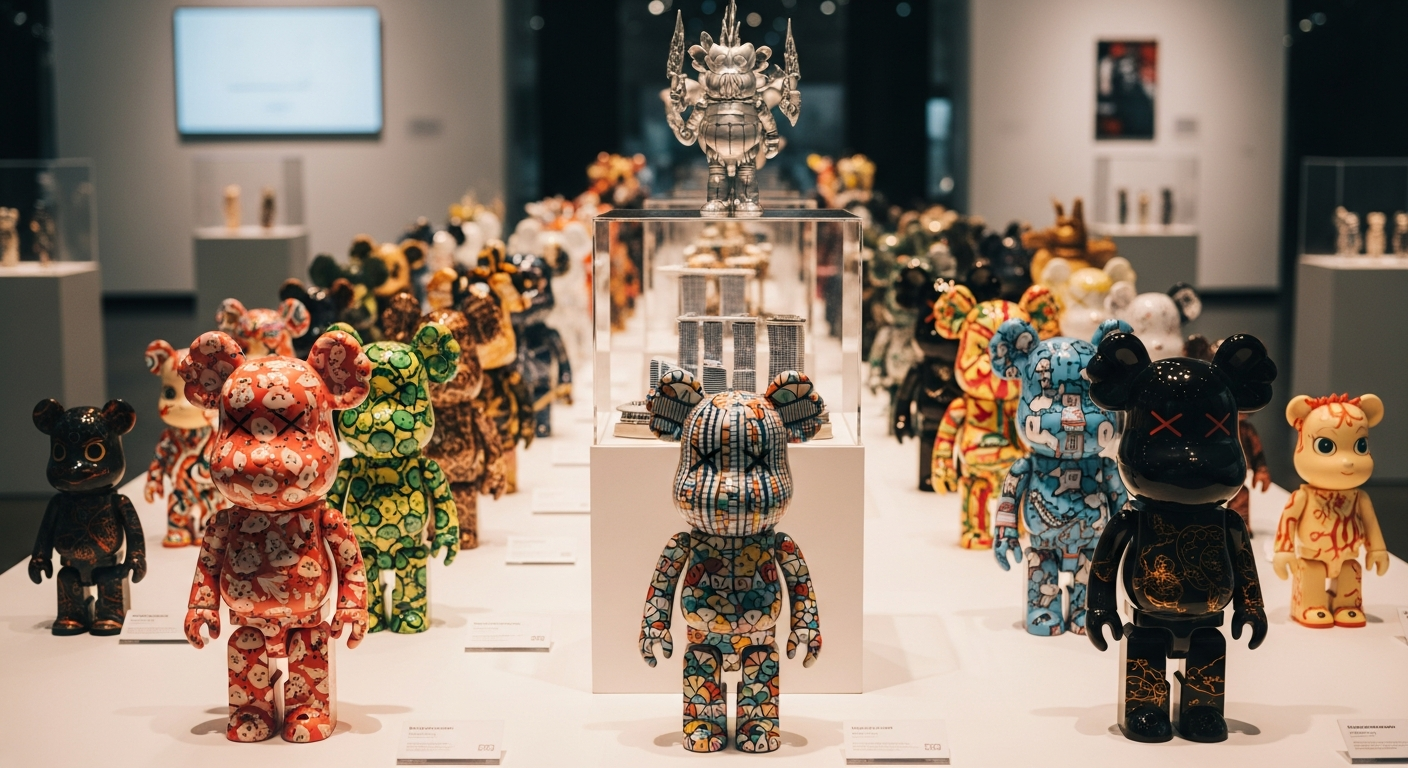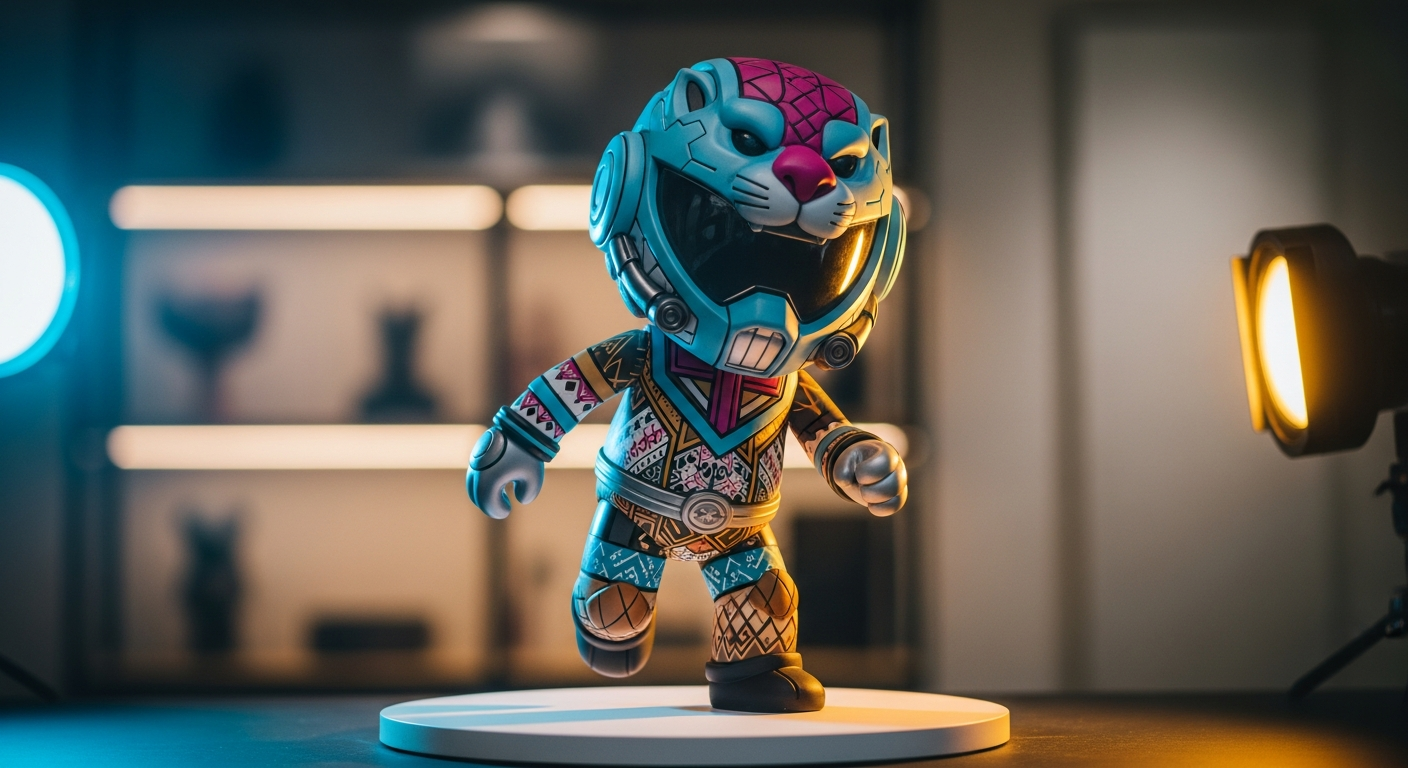

The collectible art toys scene in Singapore has matured rapidly. What started as a niche hobby has become a vibrant design and creative-economy sector driven by technology, limited editions, and global collector communities. In 2026, creators are benefiting from more accessible prototyping tools, AI-assisted design, and refined manufacturing pathways that make small-batch, high-quality runs commercially viable.
If you’re exploring custom figurine design in Singapore, understanding the intersection of creative practice and production strategy is essential. This article unpacks the practical workflow, market trends, materials, and business considerations that help artists and brands turn concept into collectible.
Collectible art toys have shifted from impulse purchases to considered investments. Collectors increasingly look for:
Singapore functions as both a regional design hub and a logistics gateway. Its tight-knit designer community, frequent pop-up events, and easy shipping make it a strategic base for launching collectible art toys to Southeast Asia, East Asia, and beyond.
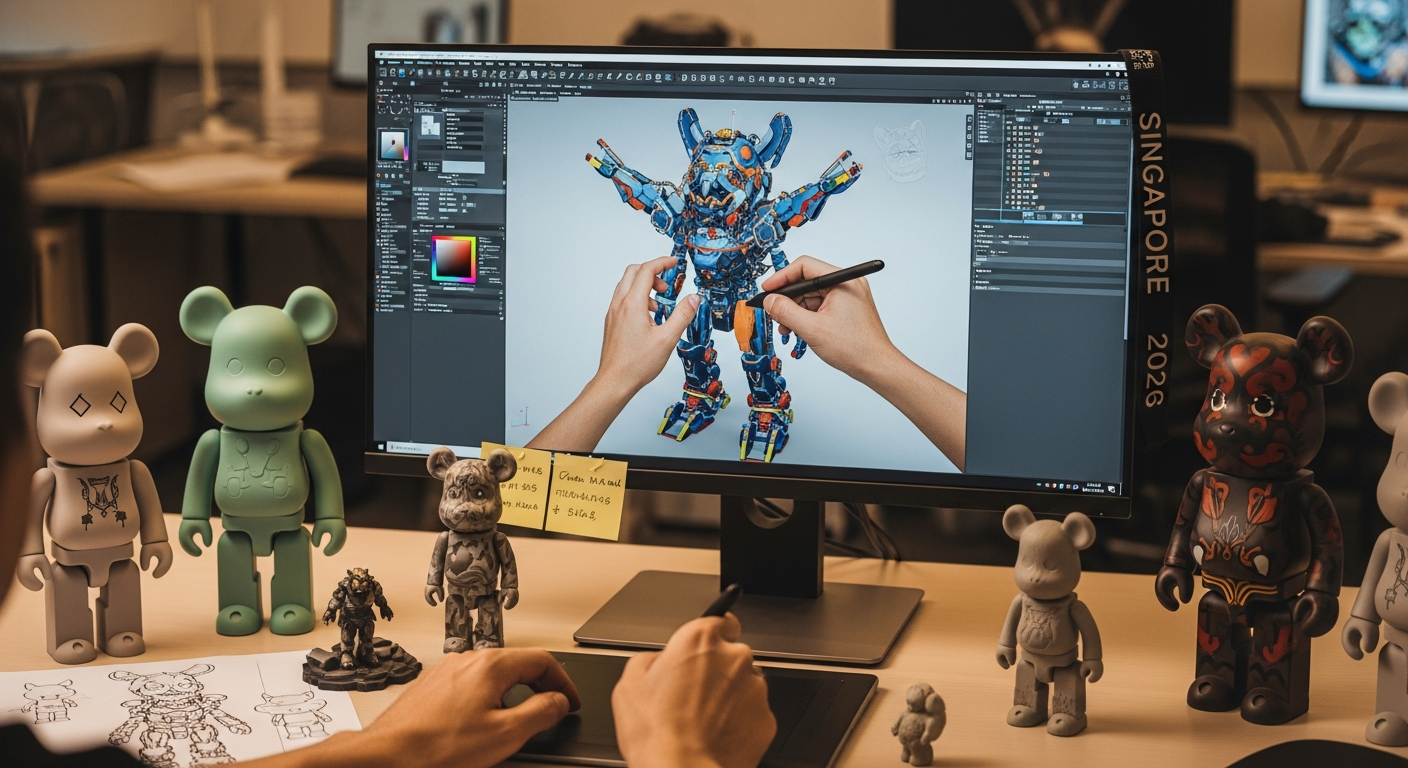
A predictable, repeatable design pipeline reduces time-to-market and cost. Typical stages include:
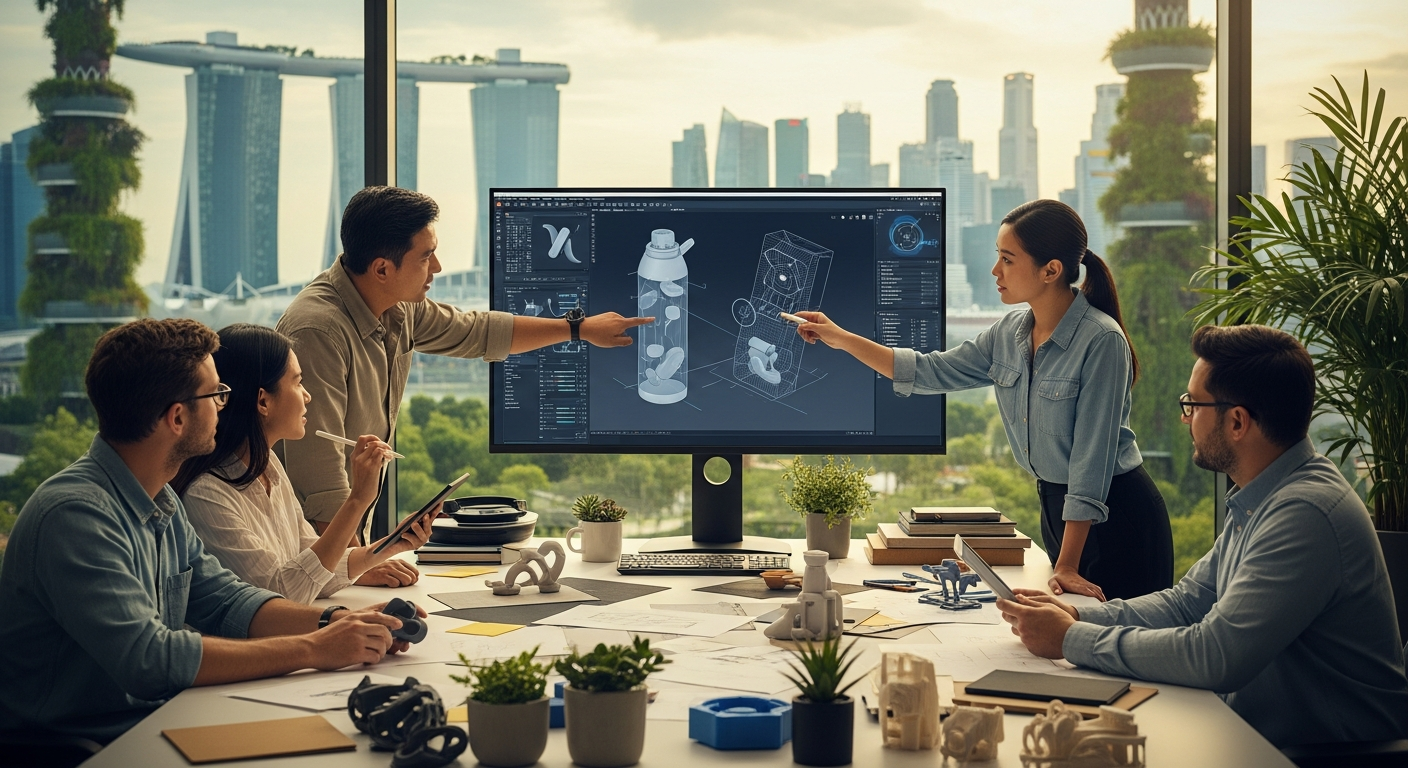
Artists and studios in Singapore increasingly rely on digital workflows. Integrating AI-designed iterations and advanced CAD allows faster concept exploration and reduces the need for multiple physical prototypes.
Explore practical showcases of how AI-assisted workflows accelerate product design in Singapore: AI CAD modeling for lifestyle product design.
Materials choices directly affect perceived value. Common options include:
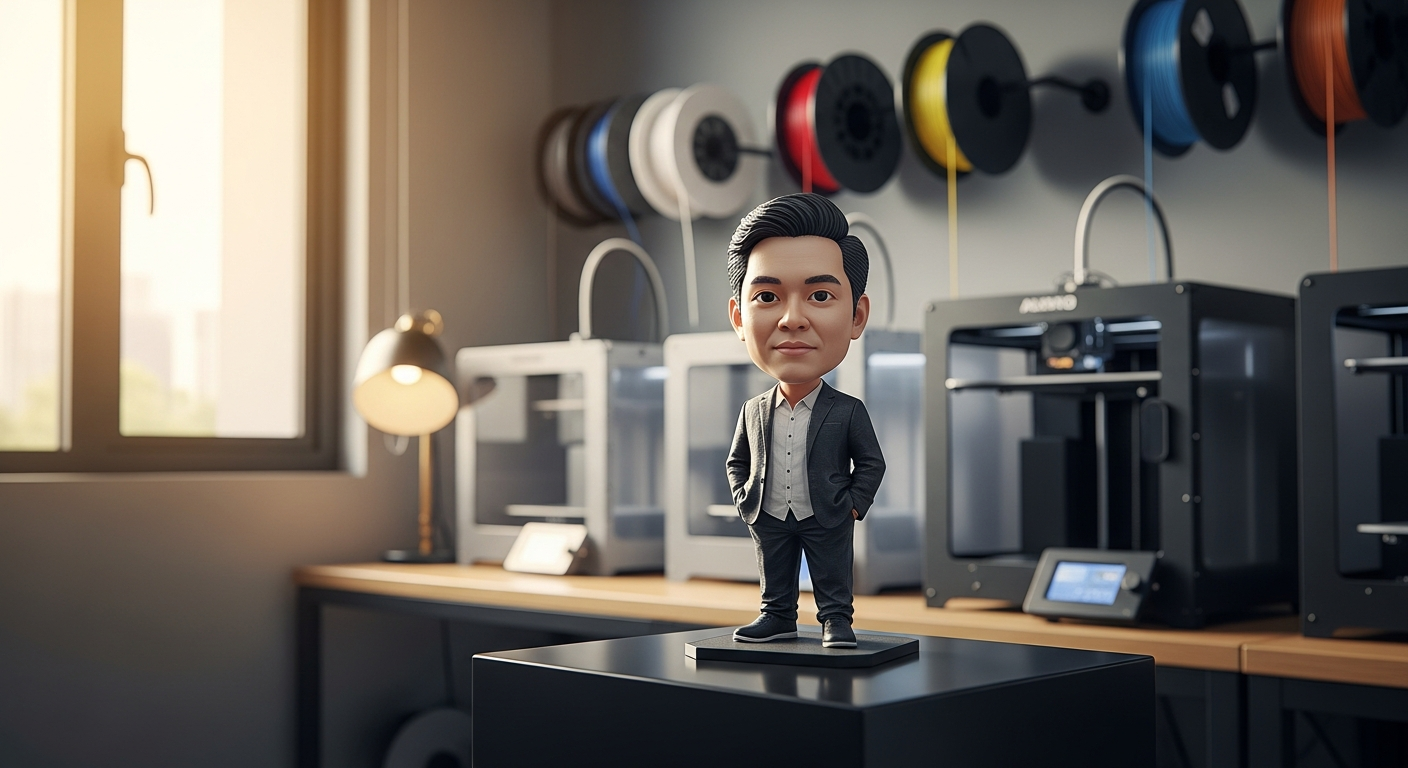
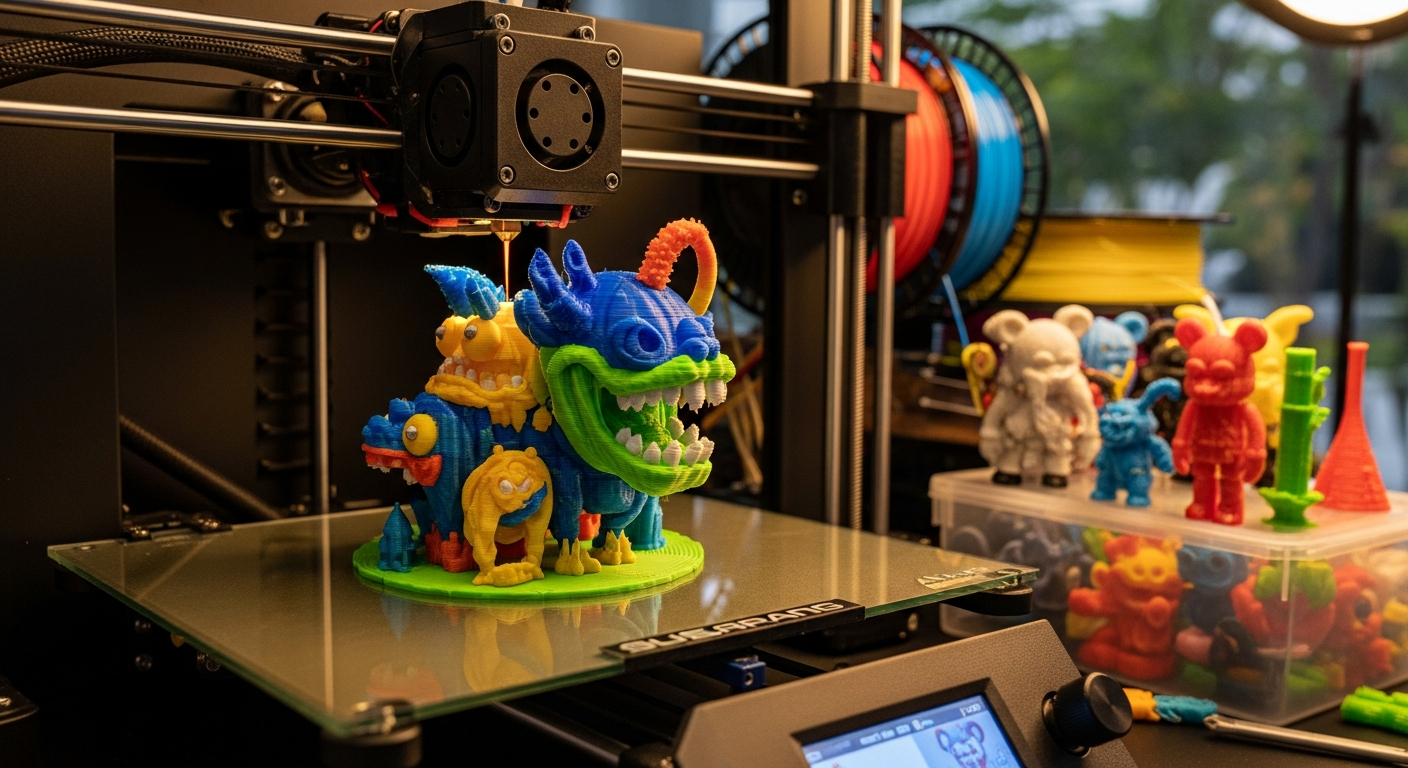
3D printing is no longer just for prototyping — it’s integral to production for many designers. High-resolution SLA prints capture fine sculptural detail and are ideal for short-run resin casts. For faster iteration, FDM helps test scale and articulation before committing to final tooling.
For a deeper look at production-ready 3D processes, see: 3D printing and rapid prototyping for art toys.
Rapid prototyping shortens feedback loops between design and physical form. Best practices include:
Singapore has local rapid-prototyping facilities that support designers from concept to pre-production. Pairing design teams with rapid prototyping experts can reduce unexpected tooling costs and ensure your first production run matches the intended look and fit.
Learn how rapid prototyping is being applied for collectible art toys: collectible art toys rapid prototyping Singapore 2026.
Limited editions are the lifeblood of collectible art toys. Common approaches include:
Drops—time-limited releases with build-up through teasers and presales—continue to create demand and media buzz. In 2026, combining limited editions with community-driven perks (like online meet-and-greets or exclusive prints) increases perceived value and retention.
For designers aiming to craft collectible narratives and release strategies, review: collectible art toys limited edition designer guide.
Collectors buy more than objects; they buy rituals. Packaging and presentation influence both initial sale and secondary-market resale prices. Consider the following:
Price your pieces based on materials, edition size, finishing time, and brand positioning. Smaller editions can command higher per-unit prices but require sharp marketing and collector trust.
Protecting your character designs and brand is critical. Steps include:
Collaborations with illustrators, toy designers, or cultural institutions can amplify reach. In the Singapore context, partnerships with galleries, design schools, and regional pop-culture events are effective routes to visibility.
Selecting the right manufacturing partner depends on volume, material, and finish. Small runs often use resin casting or short-run vinyl pressing, while larger runs require tooling and molds. Key quality control checkpoints:
Local prototyping and manufacturing hubs in Singapore shorten supplier loops and allow faster reworks, which is essential for maintaining collectible quality.
Long-term success comes from community building. Effective strategies include:
Collectors value transparency and narrative. Share your creative evolution and let early supporters feel like co-creators.
Custom figurine design in Singapore is no longer only about craft — it’s about orchestration. Successful collectible art toys blend compelling design, tight production workflows, intelligent use of prototyping and 3D printing, and community-first marketing. By combining these elements, designers can create limited-edition pieces that attract collectors, hold value, and open paths to collaborations and broader licensing opportunities.
For hands-on production options and prototyping resources tailored to art toys, review the technical and production guides available at the linked resources above. They provide grounded, practical steps to move from sketches and ideas to finished collectible runs that perform well both artistically and commercially.