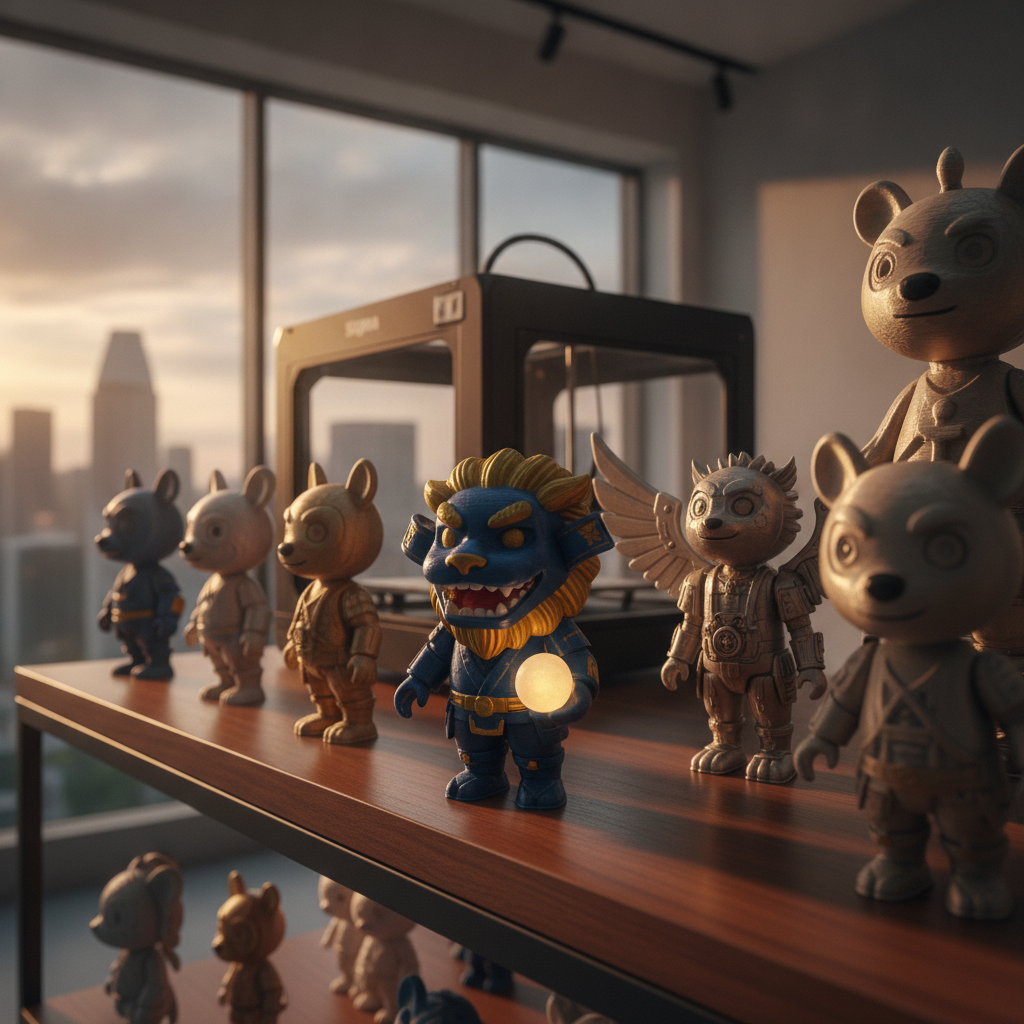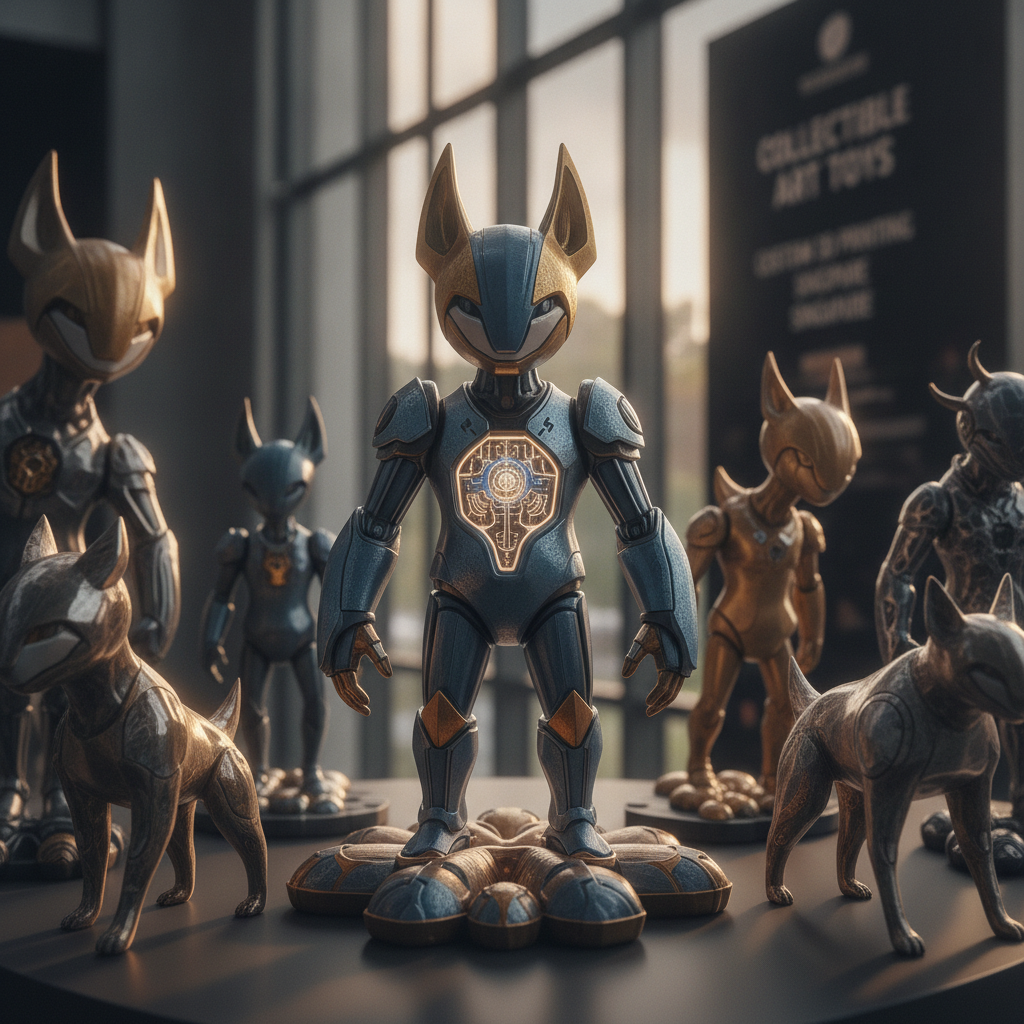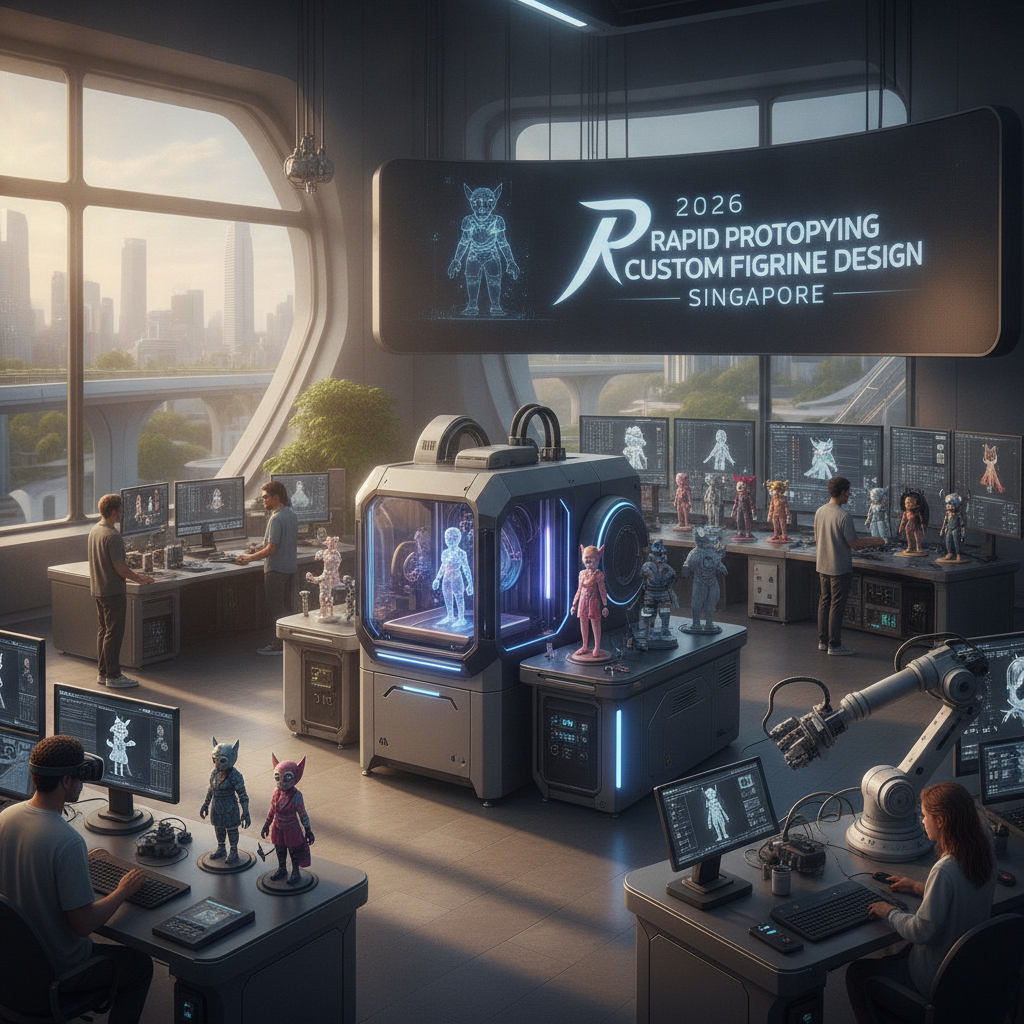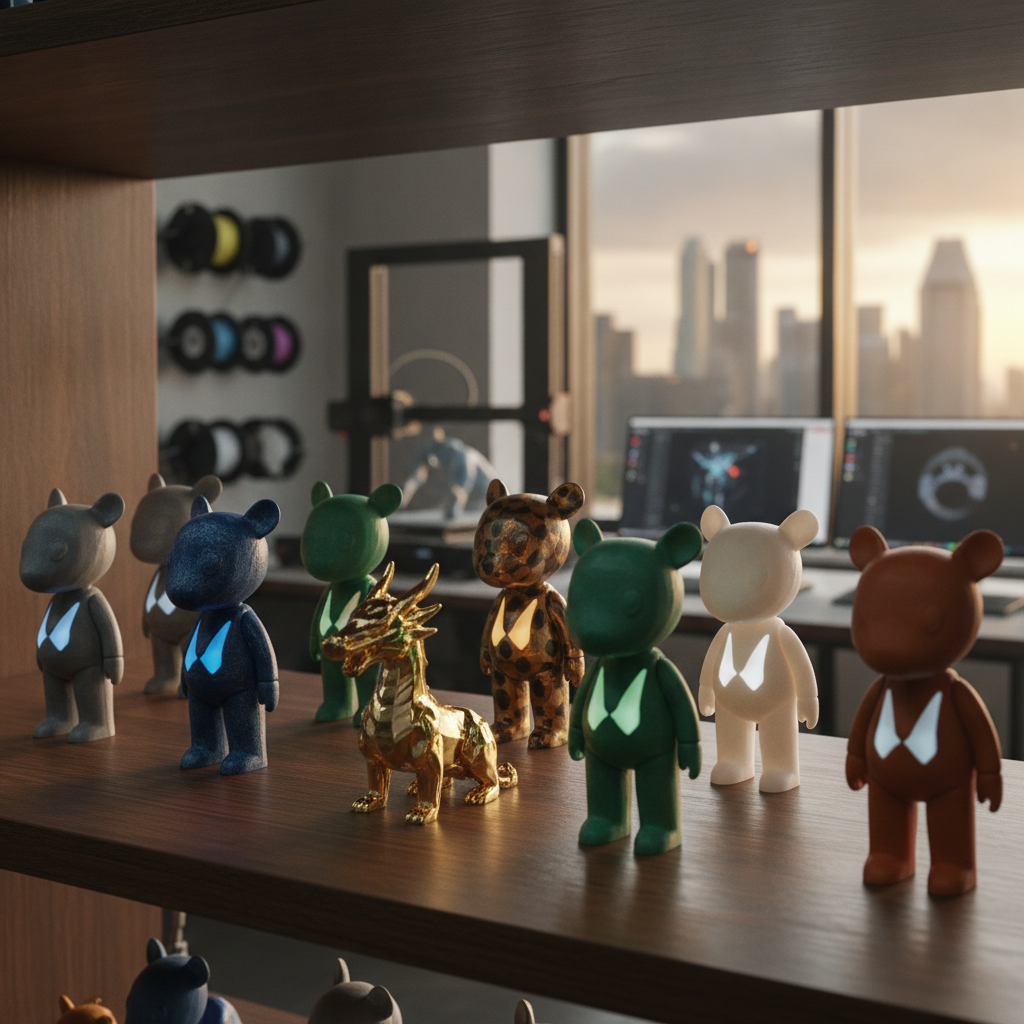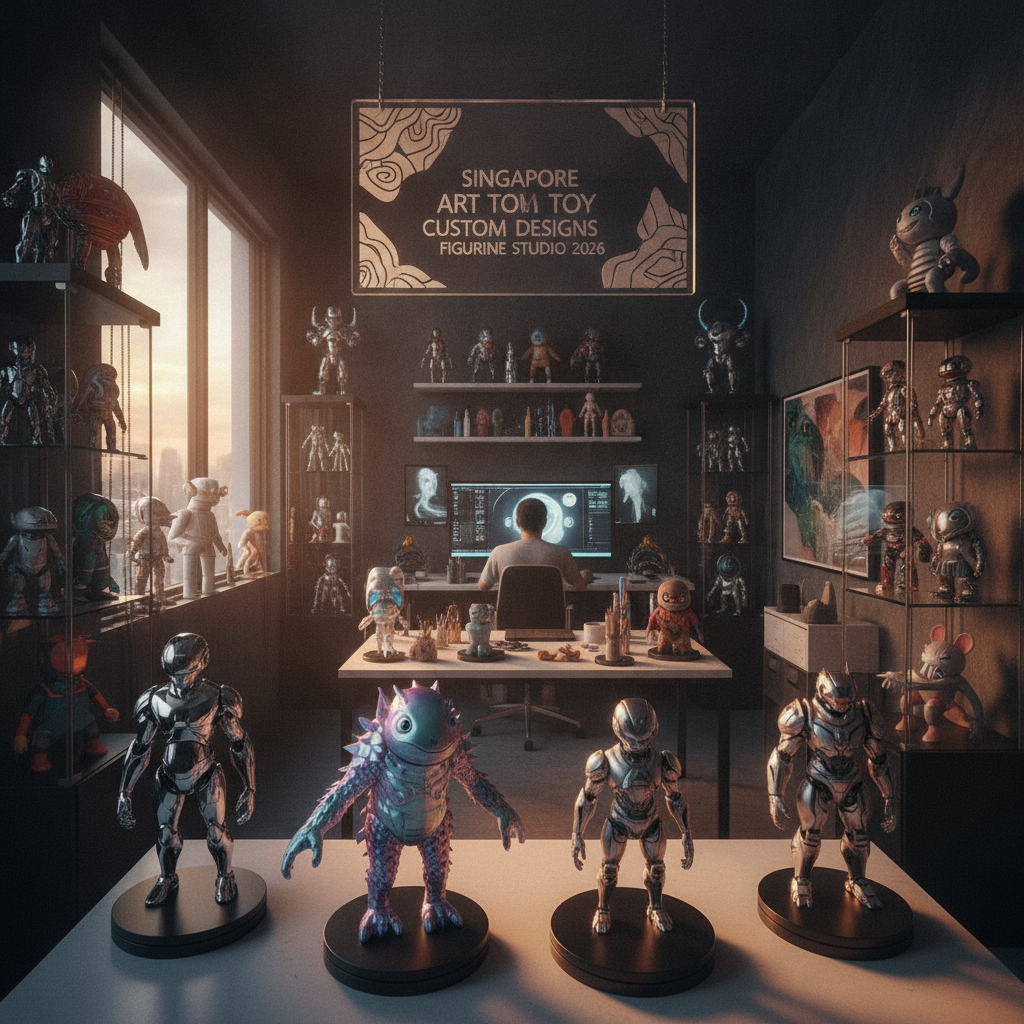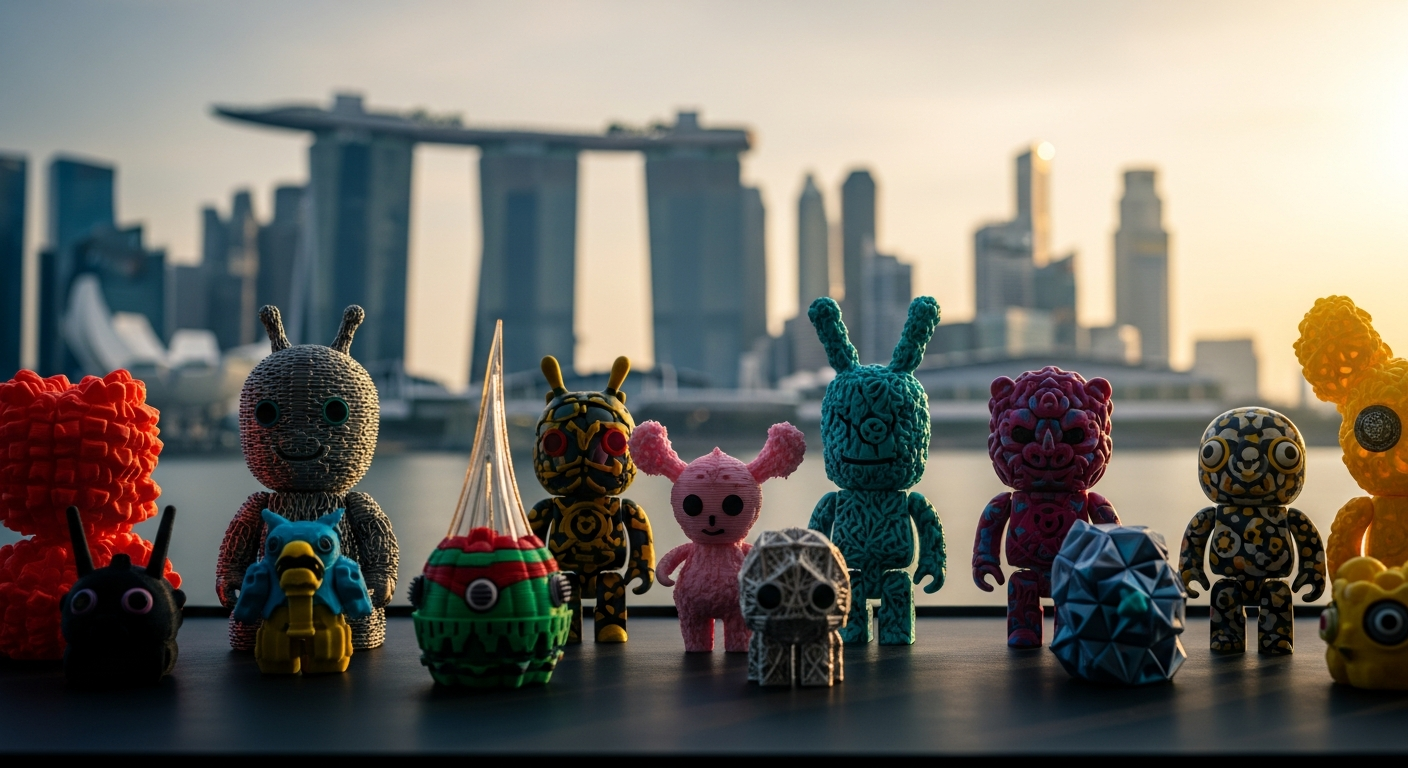

The art toy market continues to evolve — collectors demand originality, designers seek tighter control over limited runs, and studios want faster validation cycles. 3D printing rapid prototyping Singapore has become a cornerstone for independent artists, boutique studios, and commercial designers who build art toys. It bridges the gap between digital concept and tactile object, enabling iterative refinement, precise detailing, and predictable production planning.
In this article we explore practical workflows, technologies, finishing strategies, cost and lead-time considerations, and current trends shaping how designers bring art toys to market in Singapore and beyond.
Rapid prototyping is not just about speed — it is about information. A physical prototype communicates proportions, balance, articulation, and surface treatment in ways a screen cannot. For art toys, where character and detail sell, rapid prototyping Singapore services help you test scale, joint tolerances, and paintability before committing to tooling or a limited run.
A typical prototyping cycle for art toys includes:
This cycle is far faster and more affordable with desktop and industrial 3D printing combined. Designers can iterate multiple times in a week rather than months.
Different printing technologies serve different stages of the design process:
Choosing the right process depends on the prototype purpose — presentation-ready display pieces favor resin prints, while mechanical testing and iteration favor FDM and SLS.
Successful art toys start in the software. Combining traditional sculpting skills with CAD and digital sculpting tools enables precise control over complicated joints and interlock features. For limited edition projects, detailed CAD ensures that every piece fits tight tolerances and can be reproduced reliably.
If you need specialist services for detailed character work or functional assemblies, consider partners who offer end-to-end support in CAD modeling for collectibles — for instance, studios specializing in CAD modeling for art toys.
Prototyping is incomplete without finishing. Collectors expect crisp seams, clean mold lines, and paint-ready surfaces. Post-processing workflows vary by technology but commonly include:
Experienced prototyping partners offer advanced finishing options such as micro-sanding, epoxy layering, and precision masking, which elevate a print from prototype to collectible.
One reason Singapore is attractive for art toy prototyping is its efficient supply chain and competitive local service providers. Rapid prototyping Singapore providers can offer short lead times — often 24 hours for simple FDM parts and 2–7 days for high-resolution resin prints.
Cost considerations:
For designers packaging limited releases, affordable options for short runs matter. Explore providers that specialize in affordable custom figurine design to balance quality and budget.
Once a prototype is validated, you must decide how to scale. Options include:
A common hybrid strategy is to iterate quickly with 3D printing, then produce final masters for molding and casting. For projects where speed and customization remain priorities, read about services offering combined prototyping and small-batch production workflows at custom 3D printing for limited edition art toys.
Working with experienced prototyping partners reduces common mistakes and saves costly rework.
These trends create new opportunities and shape the expectations for rapid prototyping Singapore services.
Collectors expect consistency. To meet that expectation, implement quality checks through the prototyping phase:
Documenting these checks during prototyping reduces surprises when completing a limited run. For studios looking to integrate prototyping and QA workflows, specialized providers can supply end-to-end support — see an example of integrated services in rapid prototyping and custom figurine design Singapore.
When selecting a prototyping partner, consider:
A collaborative partner will help you optimize design for manufacturability without compromising your creative intent. If you need full-service solutions from CAD to finished pieces, explore studios that showcase integrated figurine design capabilities at CAD modeling for limited edition art toys.
Preparing this information will accelerate the prototyping process and reduce back-and-forth.
3D printing rapid prototyping Singapore empowers art toy creators with speed, accuracy, and flexibility. Whether you are experimenting with a character silhouette, validating complex joints, or preparing a collectible launch, choosing the right technology and partner makes the difference between a concept and a coveted piece on a collector shelf.
By combining thoughtful digital sculpting, targeted prototyping methods, professional finishing, and a clear production plan, designers can move confidently from idea to limited edition. The Singapore prototyping ecosystem offers increasingly affordable, high-quality pathways for artists to realize their visions — and the next wave of standout art toys is already being printed, finished, and packaged in studios across the city.
For practical examples of FDM workflows, affordable figurine design, and custom limited-edition production, review the linked studio pages for deeper case studies and service options.