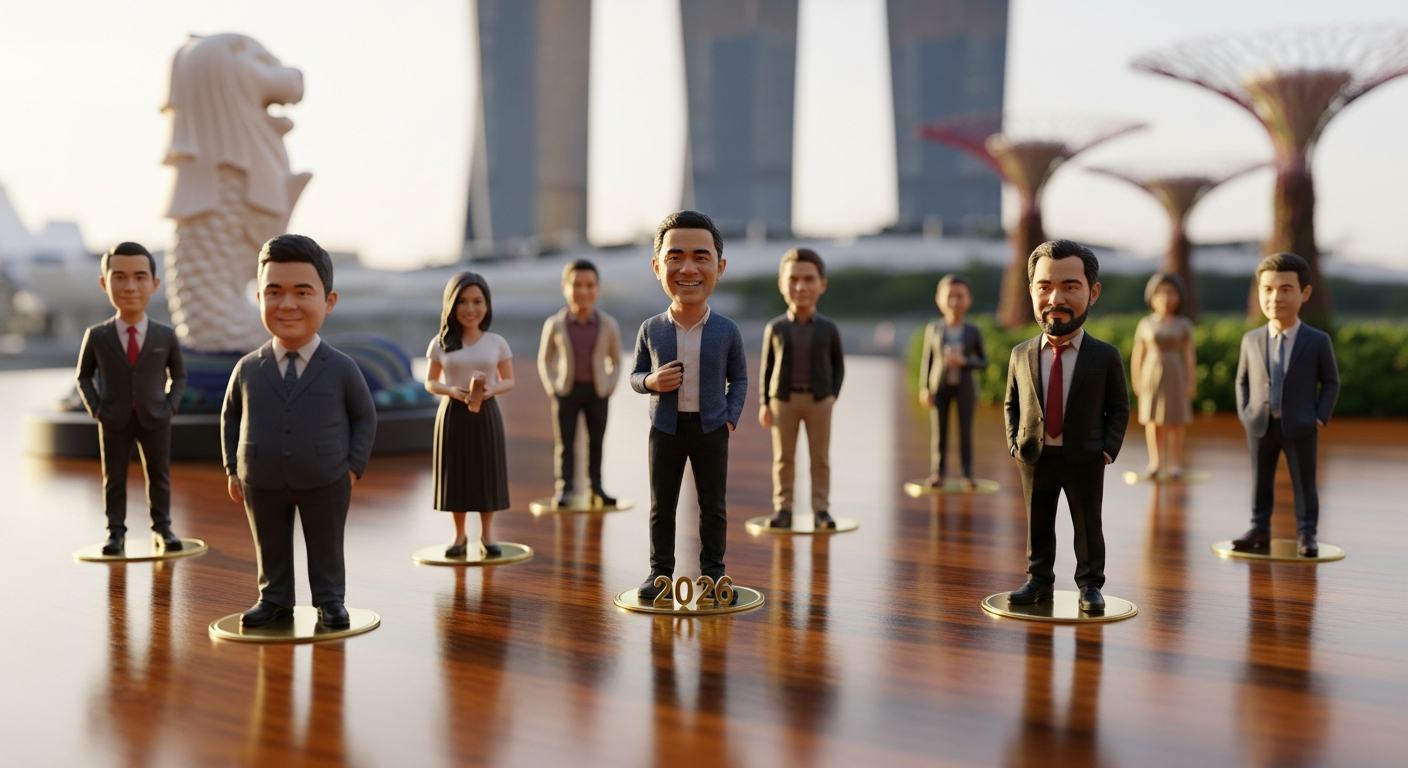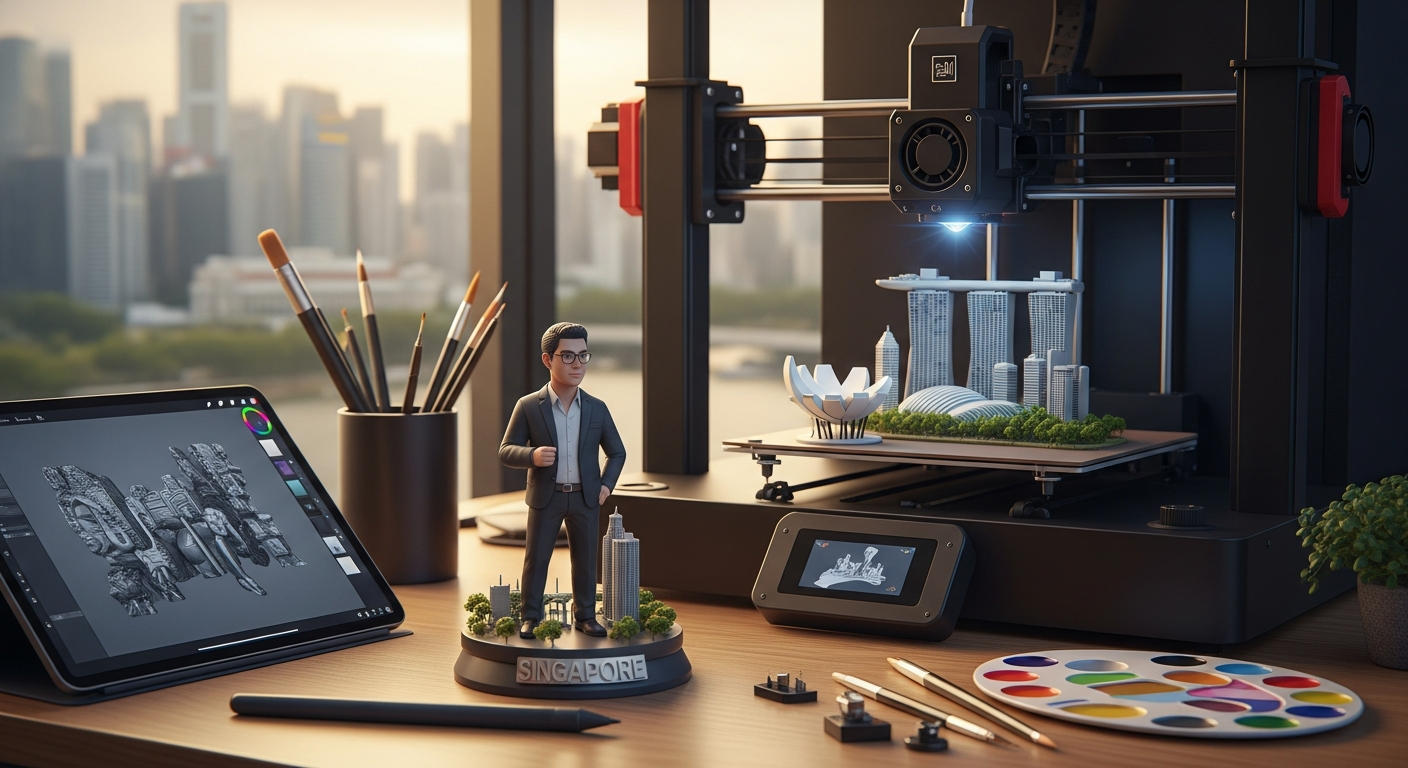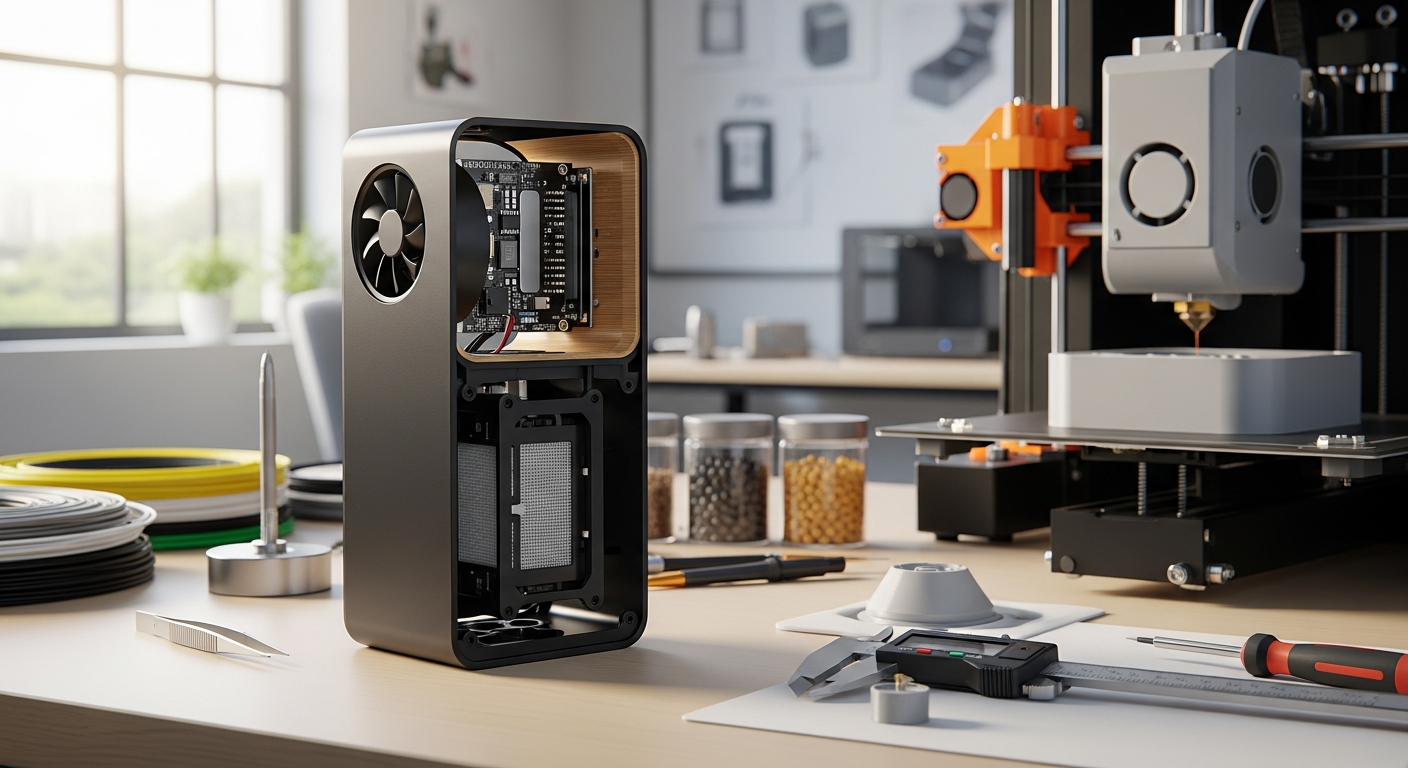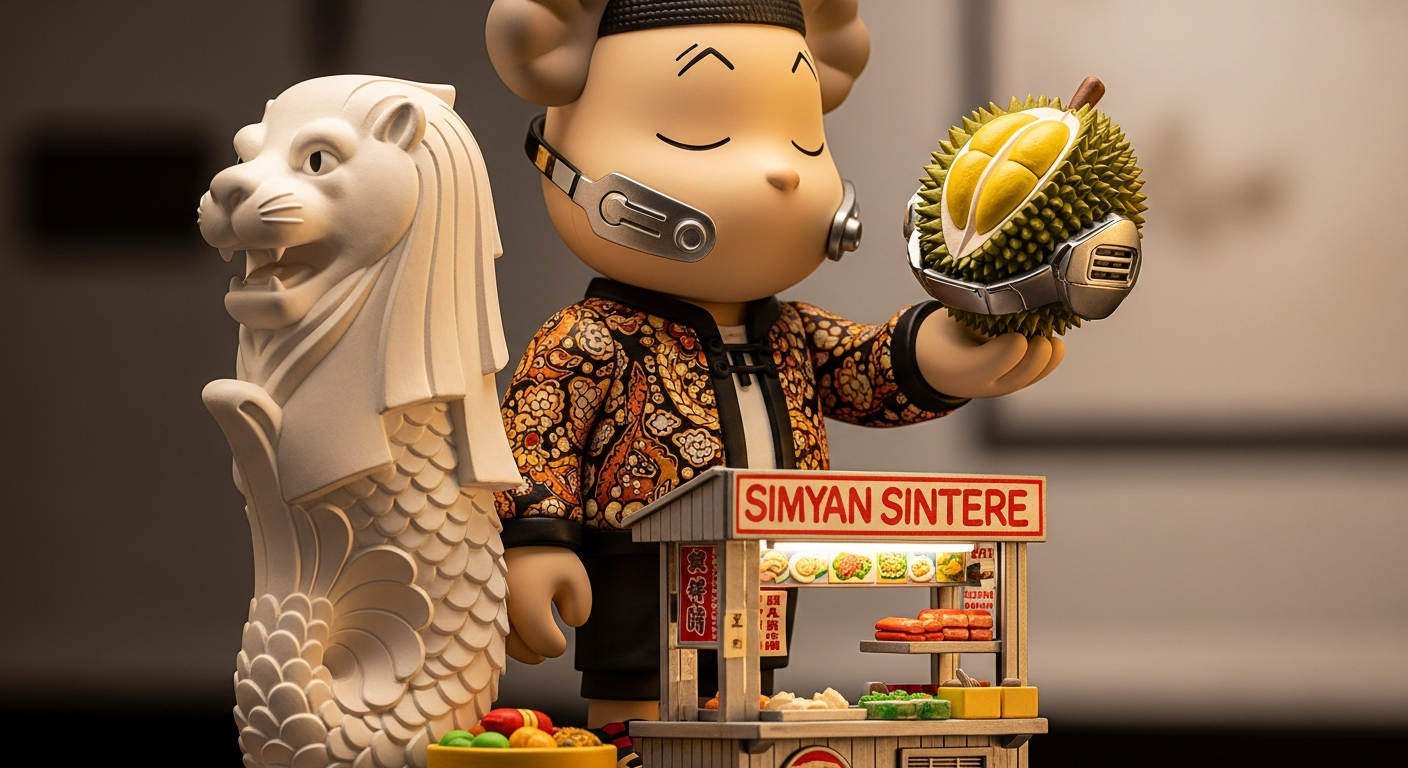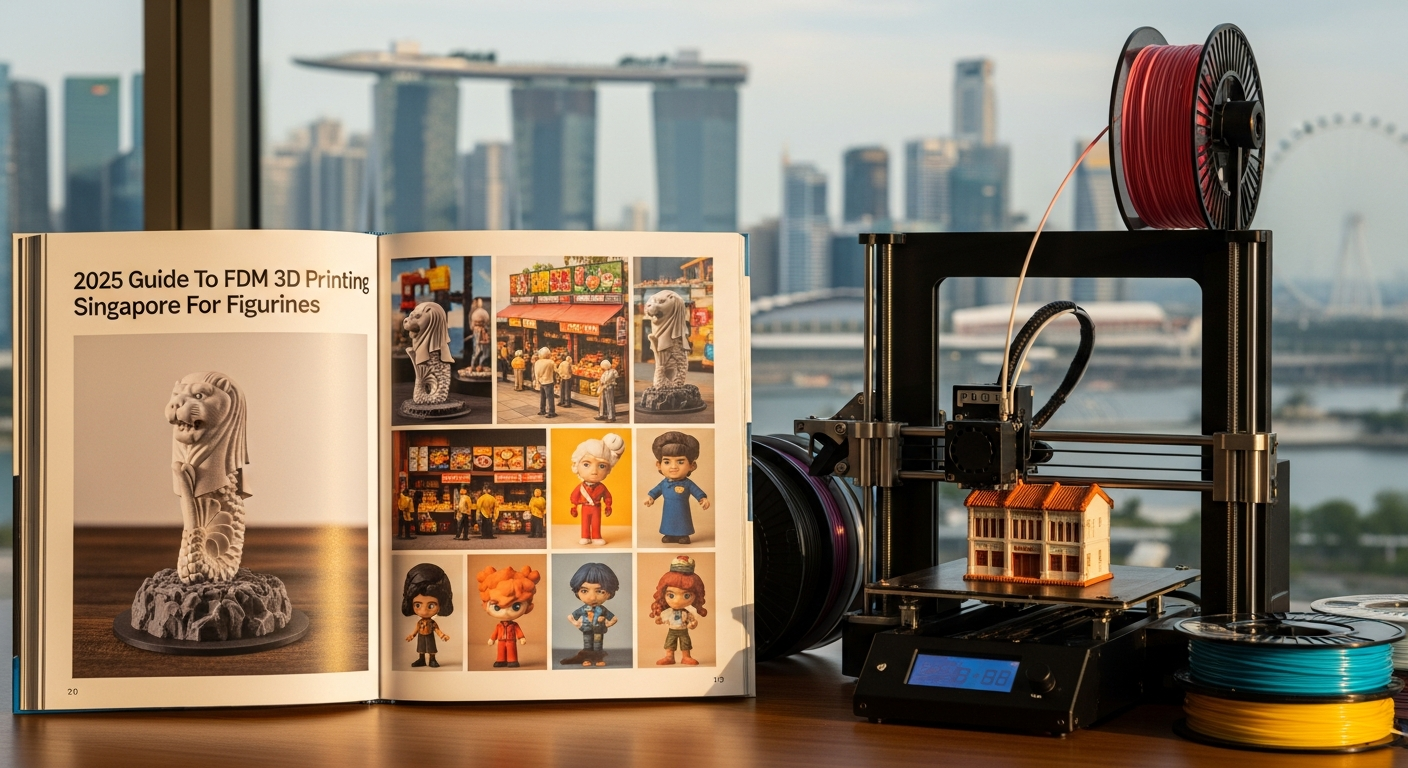
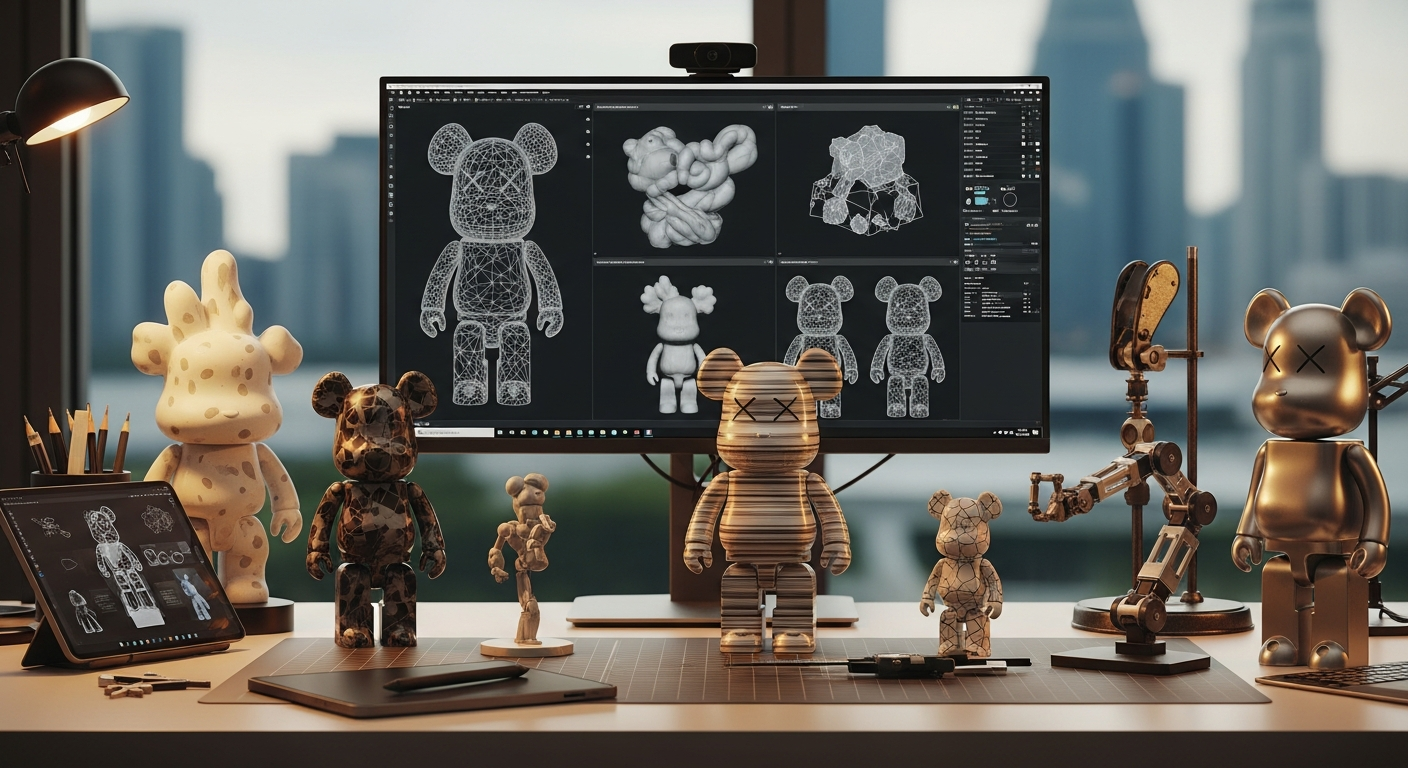

FDM 3D printing has matured into a reliable production method for hobbyists, artists and small manufacturers. In Singapore, demand for collectible figurines, limited-run art toys and personalised miniatures has grown, driving improvements in materials, slicing software and service workflows. This guide explains practical choices for fdm 3d printing singapore projects and walks through best practices for custom figurine design singapore — from file prep to finishing touches.
Fused Deposition Modeling (FDM) extrudes thermoplastic filament layer by layer. Compared with resin printing, FDM shines in speed, cost-per-part and access to a wide range of engineering materials. For figurines, FDM is ideal when you want durable, paintable parts, larger scale prints, or rapid prototyping with low tooling costs. Advances in nozzle technology and slicers in 2025 mean FDM can now produce finer surface quality than it could a few years ago.
Choosing the right filament is one of the most important decisions for figurines.
– PLA: Easiest to print, low warp, good for display models. Biodegradable and available in many colors and composites (wood-fill, silk).
– PETG: Tougher and slightly more flexible than PLA; better for assembled parts that undergo handling.
– ABS/ASA: Heat-resistant with good post-processing potential, but needs enclosure and good ventilation. ASA resists UV better for colored toys.
– TPU: Flexible for wearable or soft parts; tricky for fine features but useful for joints or soft bases.
– Specialty composites: Carbon-fiber filled and high-detail blends exist but require hardened nozzles and tuned settings.
For a professional finish, many Singapore studios print a near-net shape in PLA or PETG and then switch to filler primers and sanding before painting. If you’re exploring services, check examples in local portfolios like this order page: order custom figurines with 3D printing Singapore 2025.
Good prints start in the CAD stage. Follow these rules to avoid common failures and to speed up production:
– Minimum wall thickness: For most filaments, keep walls >= 1.5–2 mm for strength; small features may be thinner if solid.
– Avoid fragile overhangs: Redesign or split parts to eliminate extreme unsupported angles.
– Scale and detail balance: Finer details are limited by nozzle size and layer height. For FDM, 0.2 mm layers and a 0.4 mm nozzle are a practical baseline.
– Hollowing and drainage: Hollow larger parts (3–6 mm wall) to save material and reduce warp; provide drainage holes for trapped support material and resin.
– Split and registration: For complex figurines plan split lines and snap-fit or pin registration to aid assembly and painting.
If you prefer a full-service production pipeline, many Singapore providers combine 3D modelling and print-ready preparation in one workflow — explore integrated options at this custom service link: custom 3D printing Singapore custom figurine design 2025.
Tuning printing parameters can make or break a figurine:
– Layer height: 0.1–0.18 mm for higher fidelity; 0.2–0.28 mm for faster, chunkier models.
– Nozzle size: 0.4 mm standard; 0.25–0.3 mm for finer details (slower prints).
– Print speed: 30–50 mm/s for detailed figurines. Faster speeds increase ringing and reduce detail.
– Retraction and coasting: Dial these in to reduce stringing between separate parts and fingers.
– Supports: Use tree supports or pausing supports to protect delicate surfaces. Plan support contact points on non-visible surfaces.
Professional slicer profiles and multi-part nesting are often used by studios in Singapore to balance quality and throughput. For rapid prototyping with AI-assisted workflows, check this resource: AI-ready rapid prototyping Singapore for custom 3D printing.
Post-processing transforms a printed object into a collectible:
– Support removal: Use flush cutters and precision files; avoid gouging the surface.
– Sanding: Start with 120–220 grit and progress to 400–600 grit for smooth surfaces.
– Filling and priming: Use automotive-grade filler for seam lines, then prime with a high-build primer to reveal imperfections.
– Surface smoothing: For PLA, sanding and primer are common; ABS can be acetone-smoothed carefully with proper ventilation.
– Painting: Acrylic primer, base coats, washes and varnishes are standard. Masking for multi-color figurines is crucial.
Studios in Singapore often offer turnkey finishing services to achieve a gallery-quality result — see examples of limited edition workflows here: limited edition art toys rapid prototyping Singapore 2025.
Costs vary widely depending on scale, material and finishing level:
– Prototype (single PLA print, minimal finishing): Low cost, 1–3 days.
– Small collectible (assembled parts, primer + basic paint): Mid-range cost, 5–10 days.
– Limited edition runs (hand-painted, multiple finishes): Higher cost, 2–6 weeks depending on quantity.
Many Singapore studios offer tiered options: digital-only (STL optimization), economical printing (no finishing), and full-service (assembly, paint, packaging). For pricing comparisons and examples of collectible art toy production, this page is a helpful reference: best custom 3D printing for collectible art toys Singapore.
Consider these trade-offs:
– In-house: Full control, faster iterations, good for ongoing R&D. Upfront cost for printers, tools and training.
– Local service bureau: Access to expertise, high-end finishing, and scale without capital expense. Good for one-off runs or limited editions.
If you’re looking to outsource just the modelling or the entire fulfilment, many Singapore providers present an end-to-end option including CAD tweaks, print, paint and packaging. Check a full-service example: order custom figurines with 3D printing Singapore 2025.
These trends affect pricing, turnaround and the kinds of finishes you can expect from Singapore studios.
For a complete production pipeline that handles these steps, view a service-oriented workflow here: custom 3D printing Singapore custom figurine design 2025.
If you’re ready to move from concept to collectible, many Singapore studios can handle both modelling and production — for example, this production and order hub demonstrates practical end-to-end capabilities: order custom figurines with 3D printing Singapore 2025.
Fdm 3d printing singapore now offers a pragmatic mix of affordability, material choice and accessible finishing options suited for figurines and collectible art toys. Whether you’re pursuing a single prototype or a short-run edition, applying design-for-print principles, selecting the right filament and choosing the appropriate finishing service are the keys to success. For turnkey production, local Singapore providers bridge design and delivery with efficient workflows and professional finishing that help your figurines reach display quality.