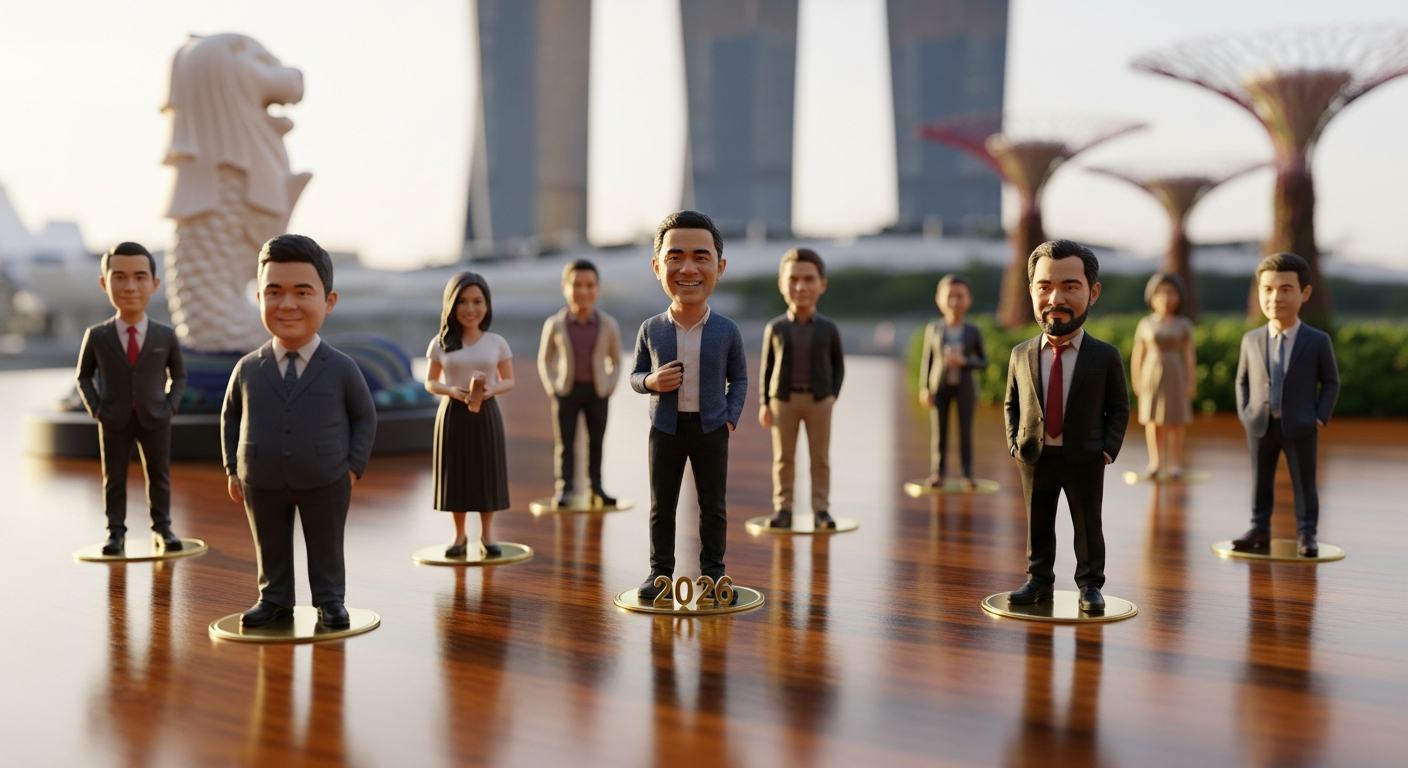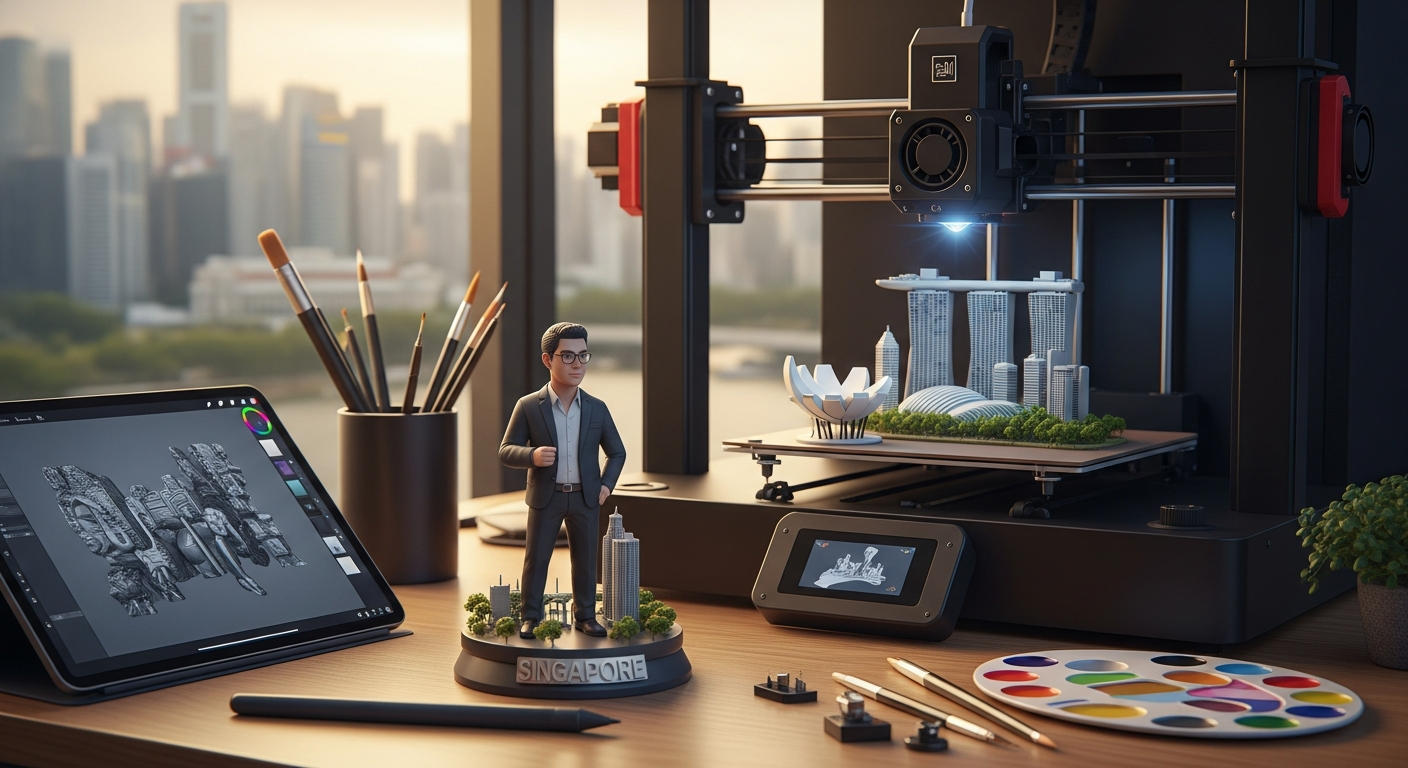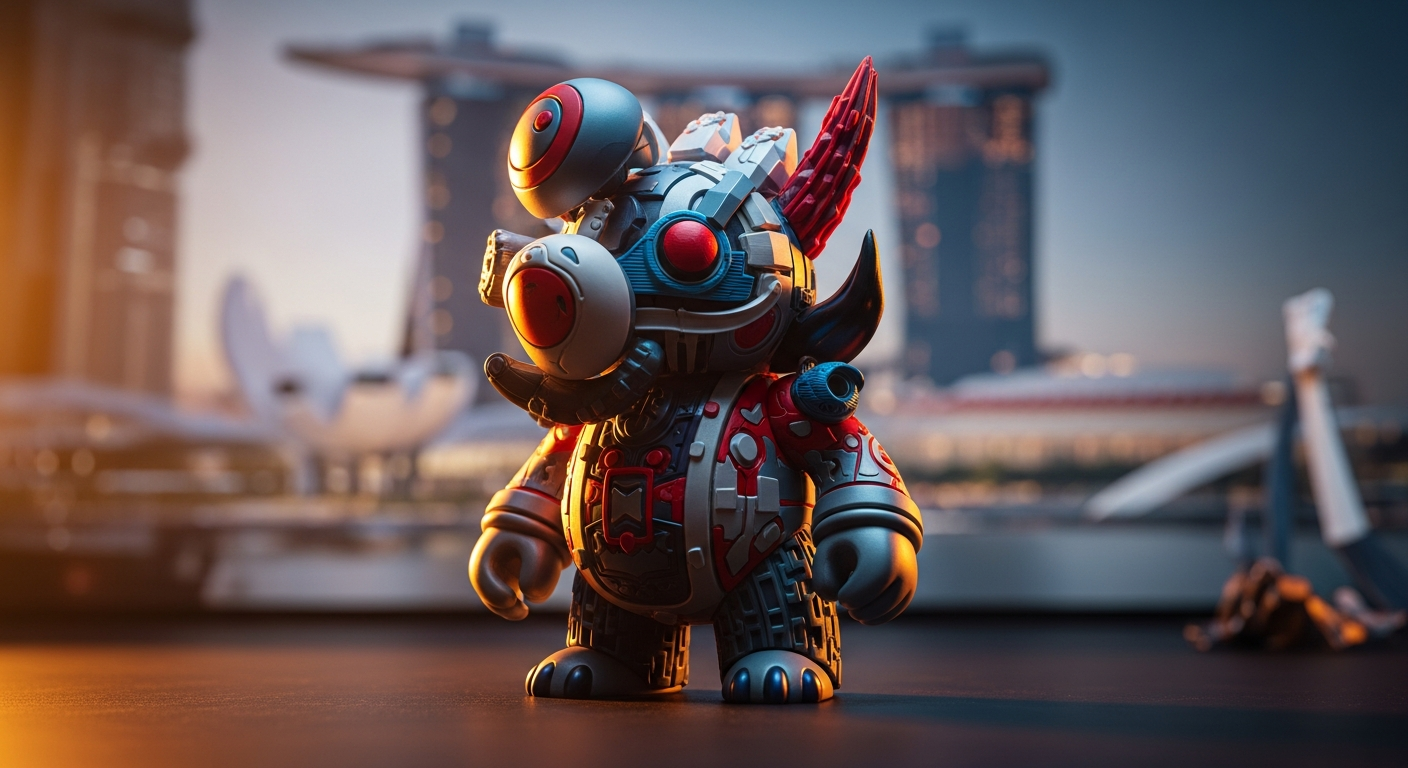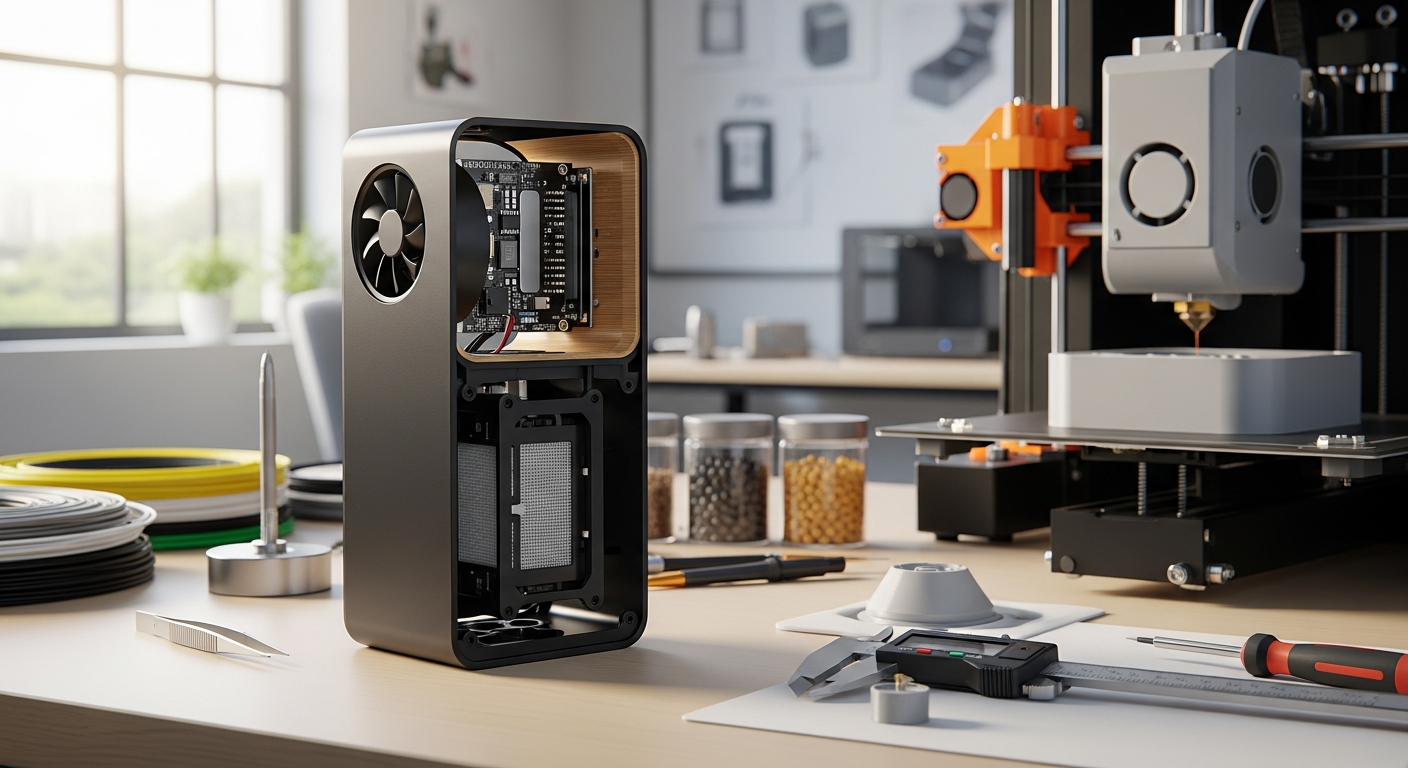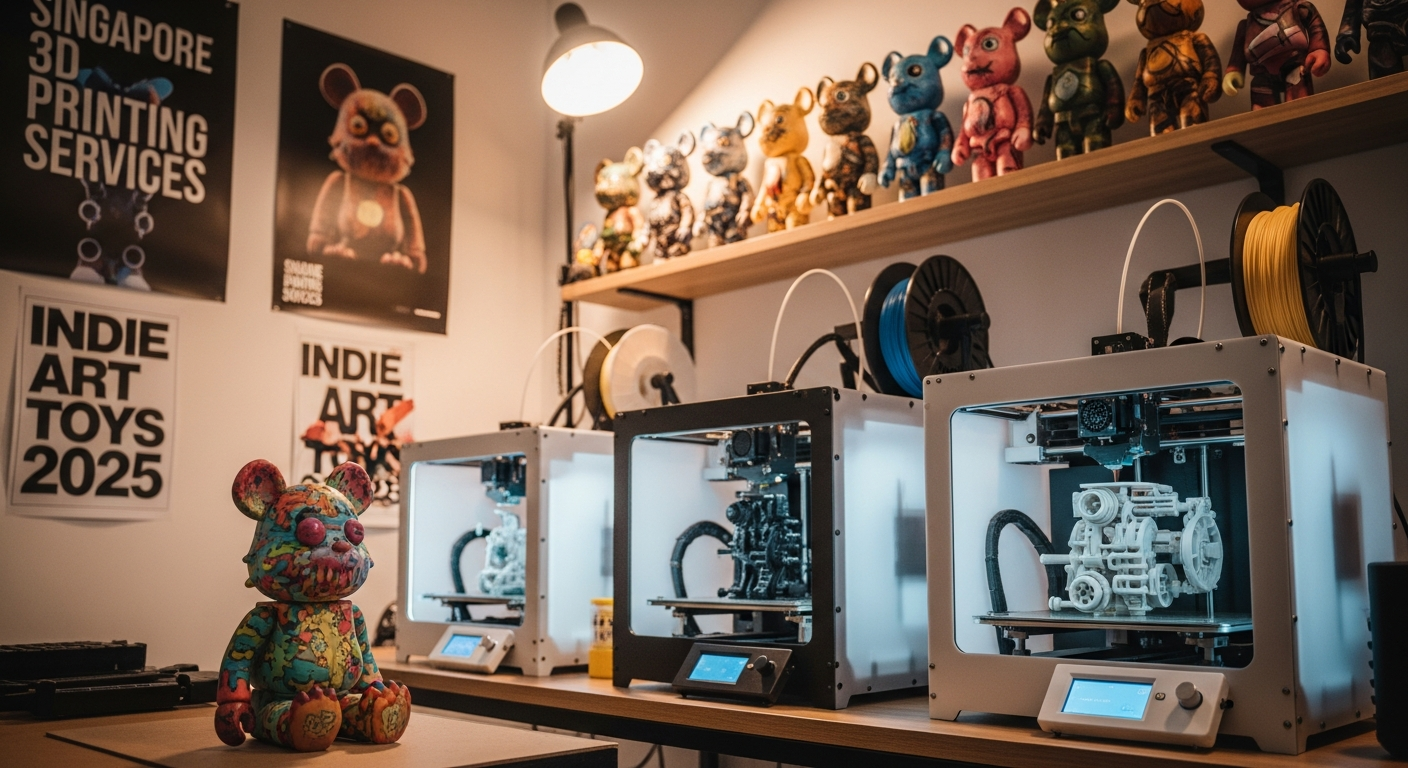

Independent toy designers and small studios are reshaping collectible culture. In 2025, the art toys scene favors bespoke runs, rapid iteration, and bold materials choices. That shift makes working with a reliable 3d printing service singapore essential for creators who want professional-quality prototypes, limited editions, and consistent small-batch production without the long lead times of traditional manufacturing.
This article breaks down how to pick the right provider, which technologies and finishes to prioritize, and practical strategies to scale an art toy from sketch to shelf in Singapore’s creative ecosystem.
3D printing reduces the gap between concept and tangible object. For art toys, advantages include:
For designers focused on limited drops and collector appeal, partnering with a specialised 3D vendor means more creative freedom and faster market feedback.
Not all 3D printing methods are equal for art toys. Understanding the main processes helps you match a finish and cost to your vision.
When communicating with a provider, be explicit about expected surface quality, paint readiness, and tolerance requirements.
Selecting the right partner is more than price. Use this checklist when comparing vendors:
A good local choice will also understand Southeast Asian logistics and collector expectations. When you want a partner with expertise, reach out to a trusted resource like 3D printing service Singapore to review capabilities and sample work.
Material selection determines paint adhesion, feel and longevity. Popular options in 2025 include:
Finishes and coatings are equally important. Consider professional priming, airbrushing, hand-painting, tampo printing for micro details, and clear coats for UV protection. Many studios in Singapore now offer hybrid workflows where a 3D printed master is cast in urethane for small runs — an excellent balance between detail and economy. For material sourcing and finish consultation, vendors often provide samples and mockups; request them early.
Learn more about suitable materials and finish options when planning your next release.
Scaling from a single concept to an edition of 50 to 500 units requires planning. Typical stages are:
Many indie creators underestimate the time and cost of post-processing. Partnering with a provider who handles both printing and finishing reduces coordination overhead and improves consistency. If your release strategy relies on tight timelines or variants, discuss small-batch production options early.
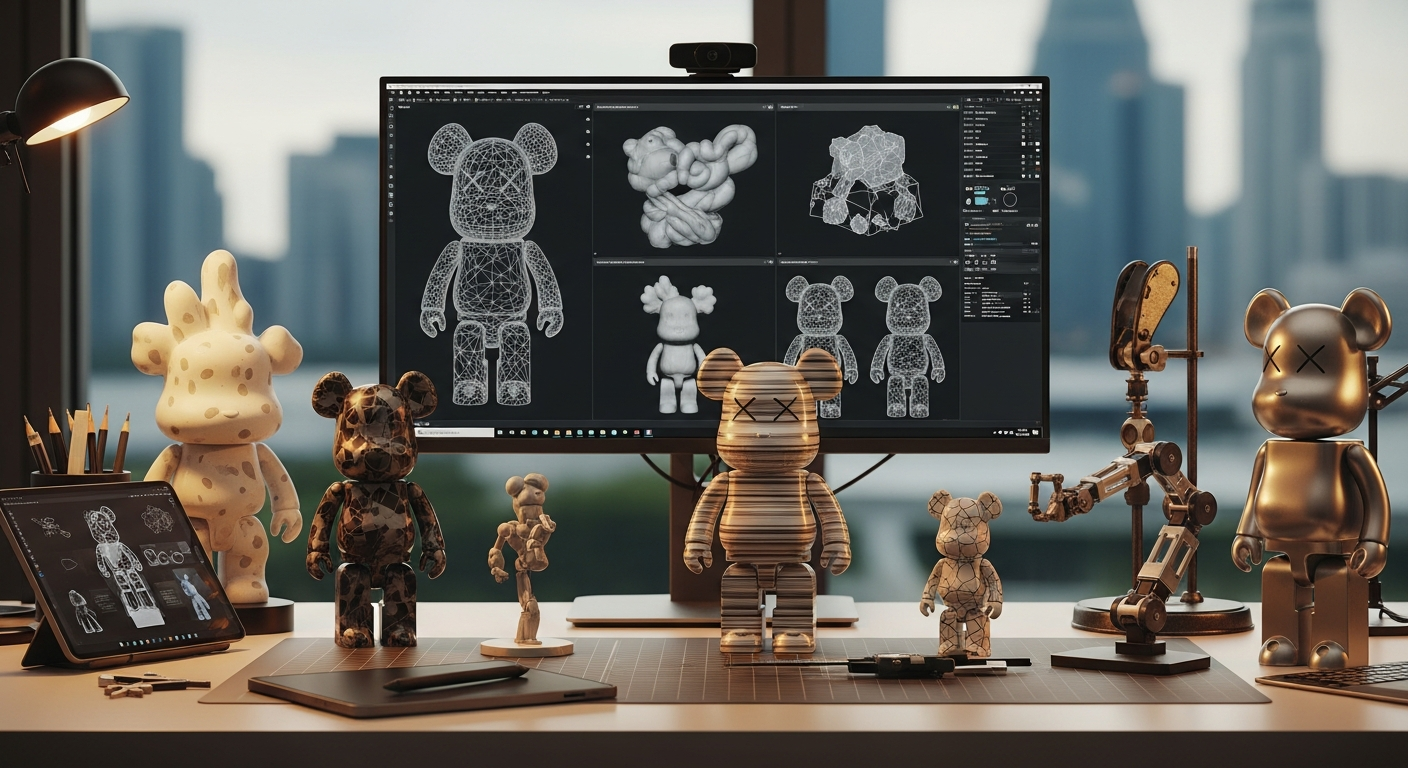
Good design reduces rework and improves aesthetics. Practical tips:
Also consider designing variant-ready molds or modular pieces that let you mix finishes without reprinting full sculpts.
IP protection is a realistic concern for indie designers. Use NDAs, watermark CAD files, and limit source file distribution. Discuss ownership clauses and usage rights with any vendor before sending production files.
Cost factors to budget for:
Small-batch production can be cost-effective if you manage complexity and finishes. For many indie brands, higher per-unit costs are offset by collector pricing and the value of limited runs.
Sustainability is increasingly a purchasing factor. In 2025, look for providers who offer:
Highlighting sustainable practices in your product storytelling can increase appeal among collectors and retailers.
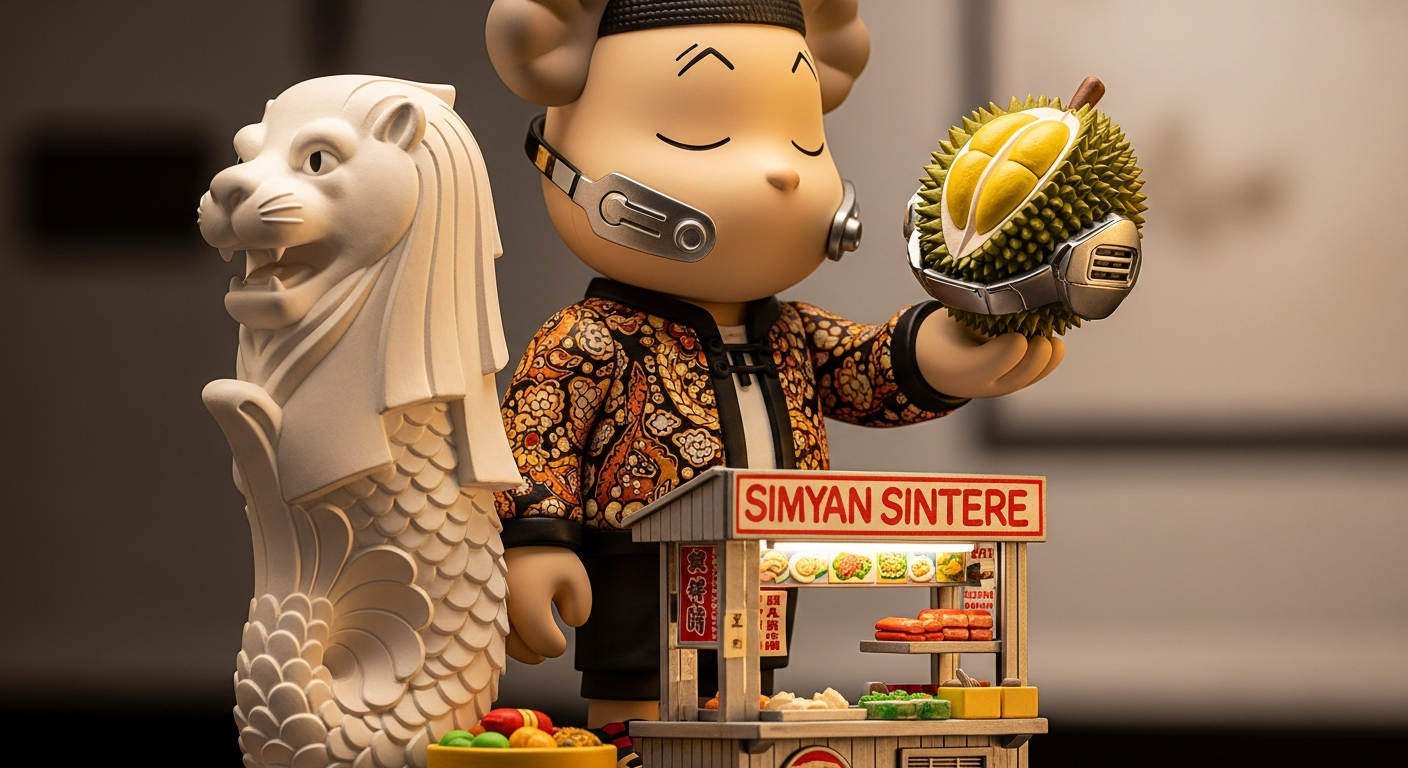
Singapore has a compact but vibrant design scene. Use local galleries, pop-up stores and comic con style events to reach collectors. Collaborate with other designers for crossover drops and limited collaborations to expand visibility.
Work with local partners who understand customs, retail display standards and collector expectations. For a seamless experience from prototyping to launch, consider an integrated partner that can advise on technical and market-facing aspects. Resources like art toys communities and local workshops are valuable for test drops and feedback.
By 2025, Singapore’s 3D printing ecosystem is well equipped for indie art toy creators seeking quality, speed and flexibility. Prioritise a partner with the right technology mix, strong post-processing capabilities and transparent workflows. With careful design choices and clear production planning, 3D printing can turn a solo concept into a collectible reality that resonates with global audiences.