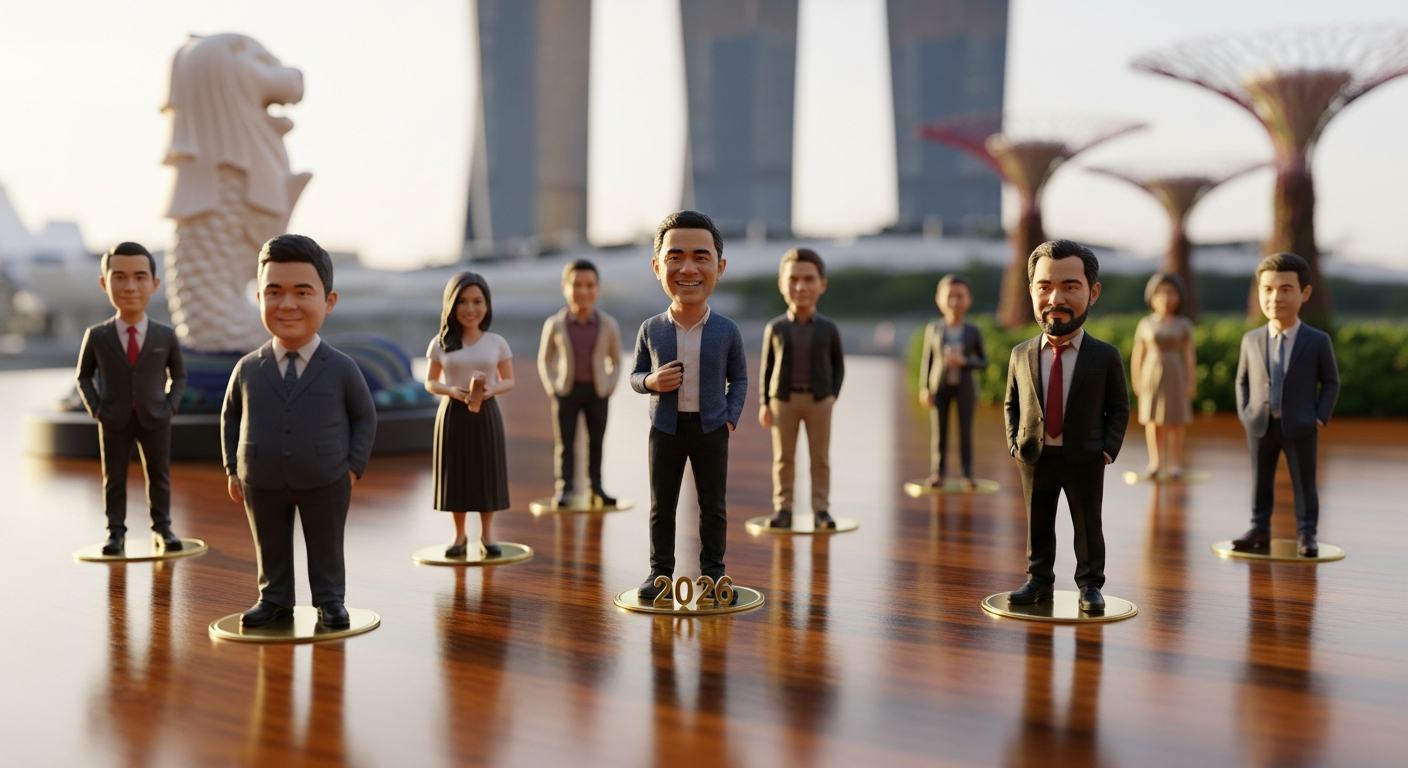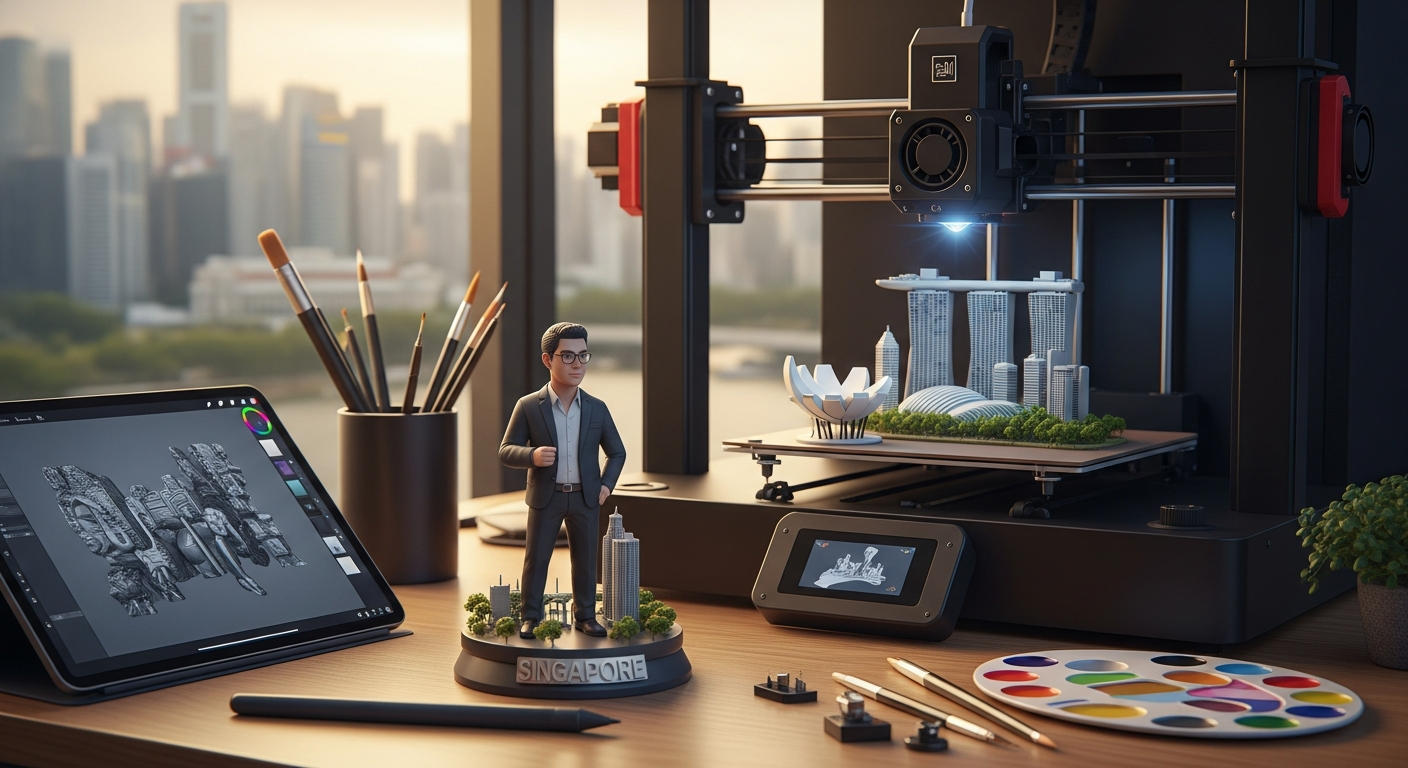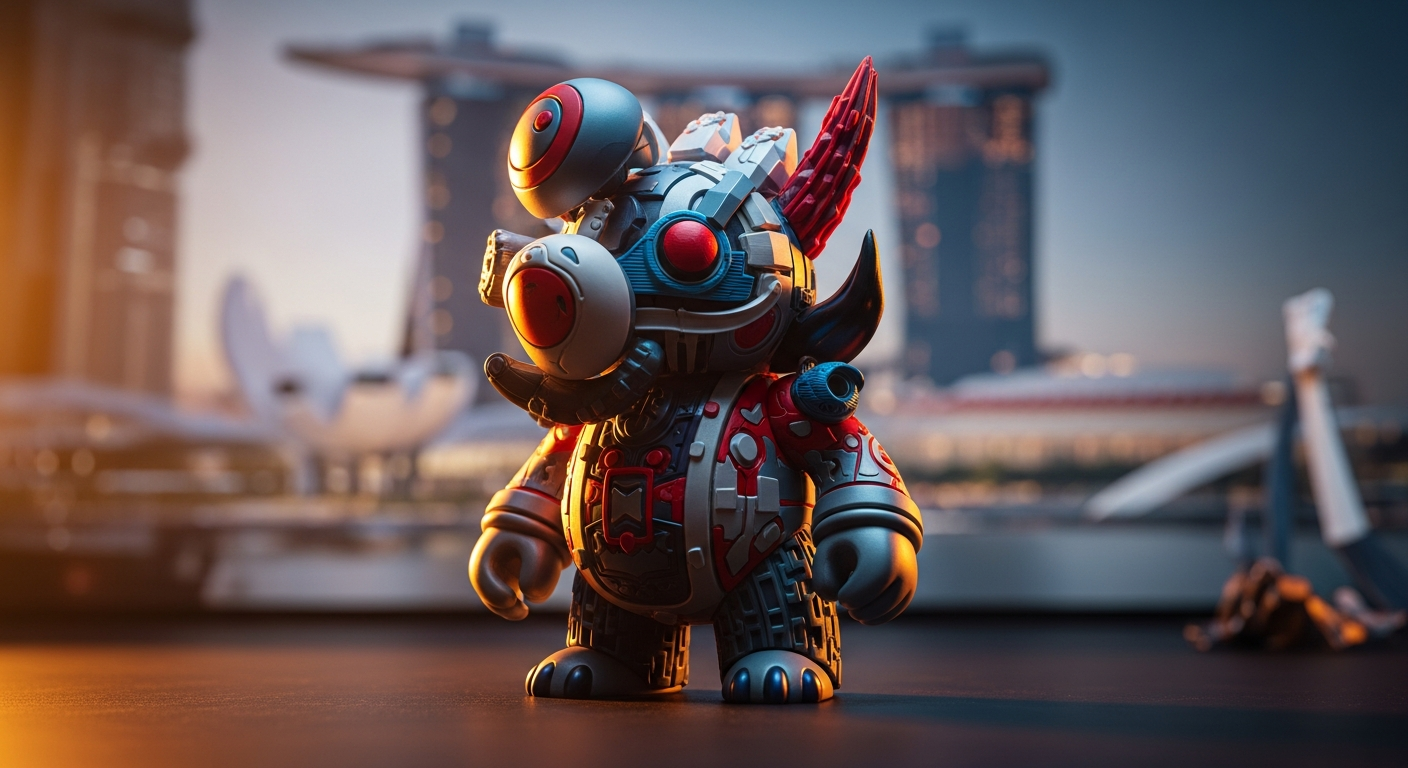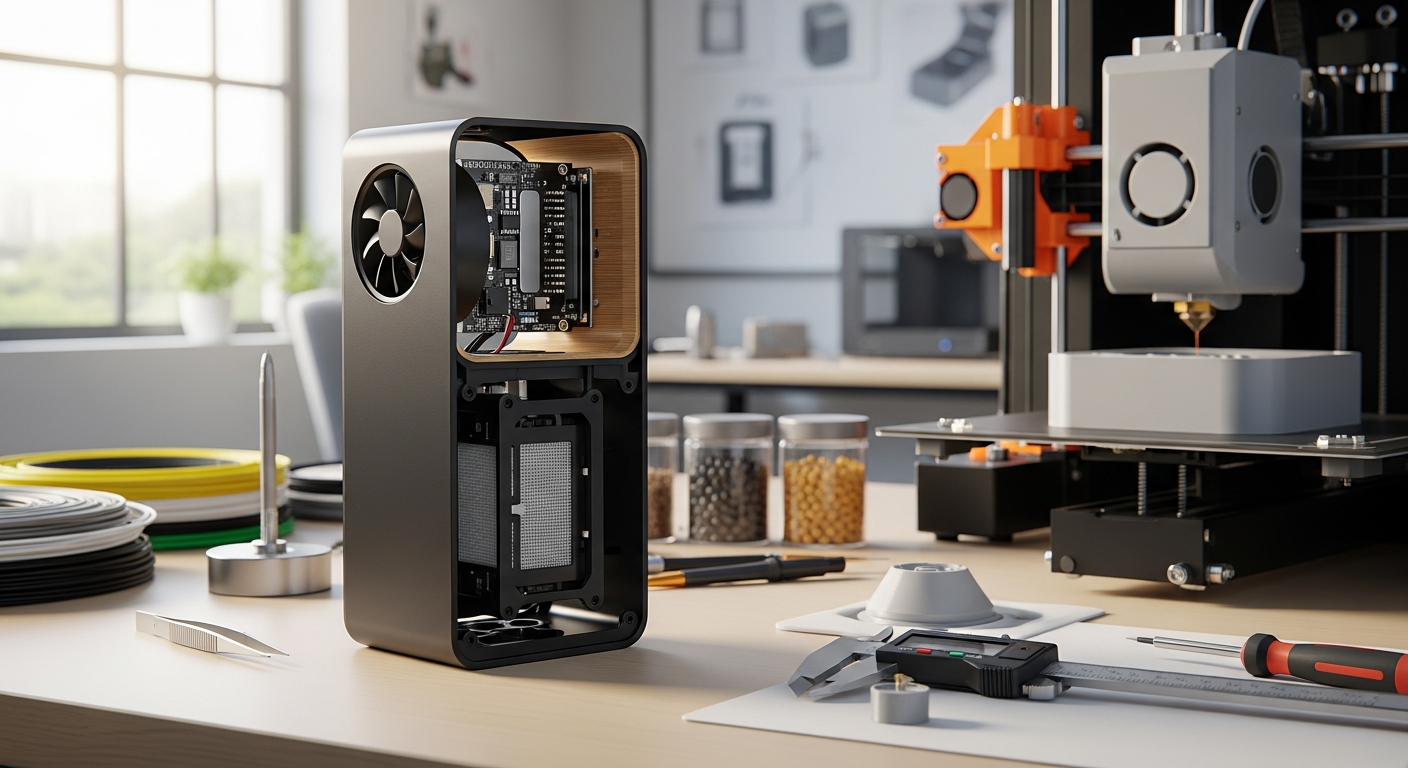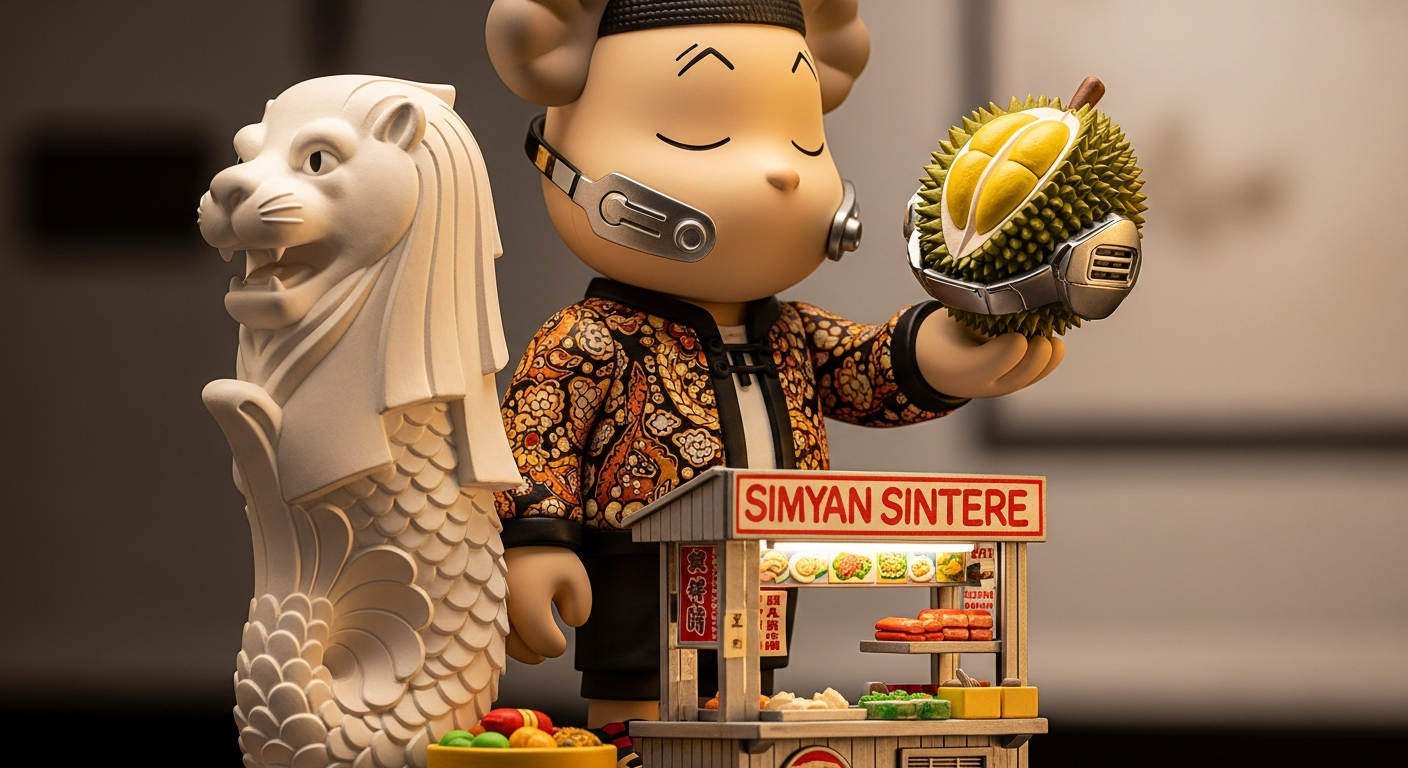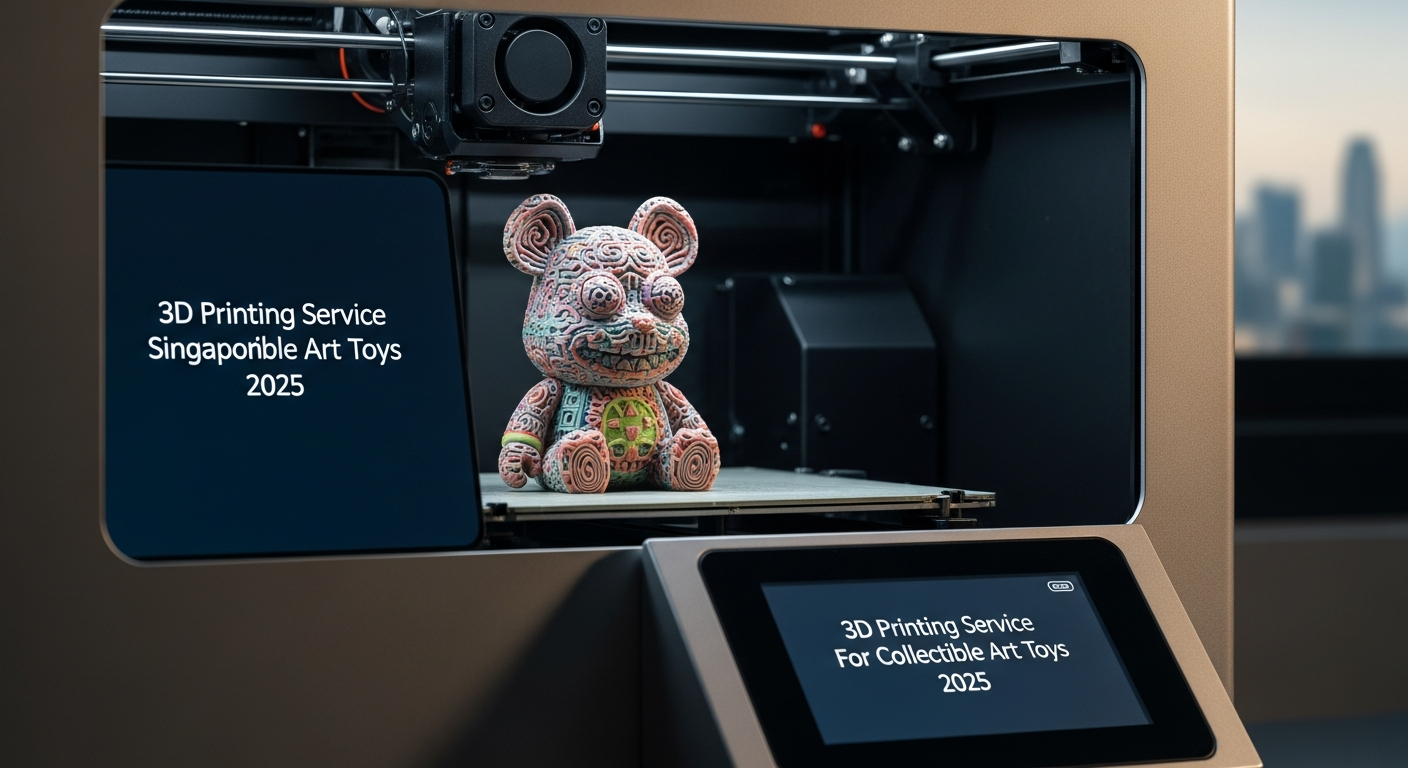
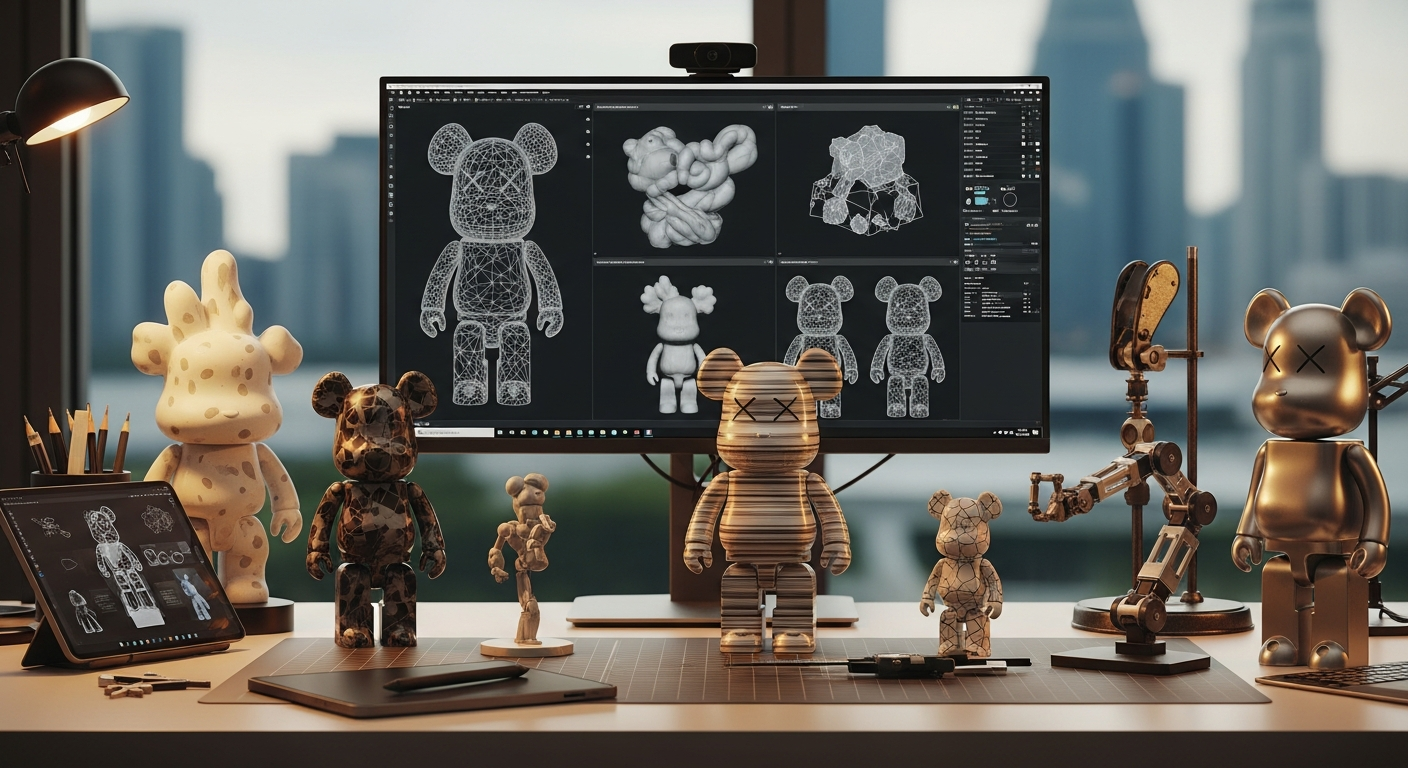

The global appetite for limited-edition designer collectibles has never been stronger. Collectors want pieces that combine sculptural quality, unique finishes and provenance. For independent artists and small studios, partnering with a reliable 3D printing partner gives a competitive edge: faster iteration, higher fidelity, smaller minimum order quantities (MOQs) and tighter quality control. In Singapore, an emerging cluster of specialized providers is meeting this demand with both industrial-grade equipment and boutique finishing services tailored to the art toy market.
Three industry trends dominate the current landscape and influence how collectible art toys are designed and produced:
These shifts mean that when you look for a 3D printing service Singapore-based companies are often the fastest route from concept to collectible.
Choosing the right process depends on the desired finish, run size and budget. The leading options for art toys are:
If you want museum-level detail on small figurines, SLA resin printing remains the default for many studios. For hybrid toys with moving parts, combining SLS for structural components and resin for the sculpted surface can be ideal.
A high-quality 3D print is just the starting point. Finishing turns a good print into a collectible that feels premium:
Many Singapore-based providers now offer integrated finishing, painting and even packaging services, so creators can outsource a full production pipeline rather than juggling multiple vendors. For more information on tailored finishing options, studios often showcase portfolios on their sites like art toys.
Good printing starts with design. Artists aiming for collectible-quality results should follow these practical DfAM (Design for Additive Manufacturing) recommendations:
Local 3D printing studios often run design-for-print checks as part of the quoting process. Request a pre-production prototype or a small test run to identify issues early — it’s an investment that avoids costly reworks.
One of the biggest advantages of using a Singapore-based 3D printing service for art toys is transparent, predictable production for small quantities. Typical cost drivers to consider:
In 2025, many providers advertise two-week turnaround for prototypes and 3–6 week timelines for small production runs depending on finishing complexity. To compare providers, request a breakdown that separates print cost, finishing labor and consumables.
For streamlined prototyping and production, explore a 3D printing service Singapore that lists lead times and sample galleries.
Collectors expect not only beautiful objects but safe ones. If your art toys are marketed to adults as designer collectibles, risk is lower. However, if a piece could be handled by children or sold in markets with strict rules, consider certifications:
A reputable local studio can advise on materials and finishing that meet export requirements. When planning limited editions, work with your printer to document batch numbers and certificates that increase collector confidence.
Selecting the right 3D printing partner involves more than price. Essential questions to vet suppliers:
Look for studios that provide clear sample galleries, process photos and client testimonials. If you need both prototype and production support, choose a partner that combines industrial machines with artisanal finishing. Examples and service pages often appear under headings like collectible art toys on studio websites.
A typical workflow for a 200-piece limited run might look like this:
Total: roughly 6–12 weeks from concept to boxed product for art toys with complex painting and assembly. Local Singapore services reduce shipping times and customs risks, enabling faster market response.
The art toy market sits at the intersection of craftsmanship and production. For artists and boutique brands in 2025, partnering with a trusted 3D printing service Singapore unlocks creative freedom without sacrificing quality or speed. Whether you need delicate resin sculpts, strong functional parts, or full-color prototypes, the right studio will offer technology choices, finishing expertise and clear timelines to bring collectible visions to life. For many creators, that combination — local responsiveness paired with professional finishing — is the difference between a concept and a sought-after collectible. For concrete examples of services and portfolios, review offerings such as resin printing and prototyping service pages from experienced studios.
High-quality production is accessible: thoughtful design, the right technology mix and a local partner capable of professional finishing transform ideas into durable, desirable art toys that stand out in a crowded market.