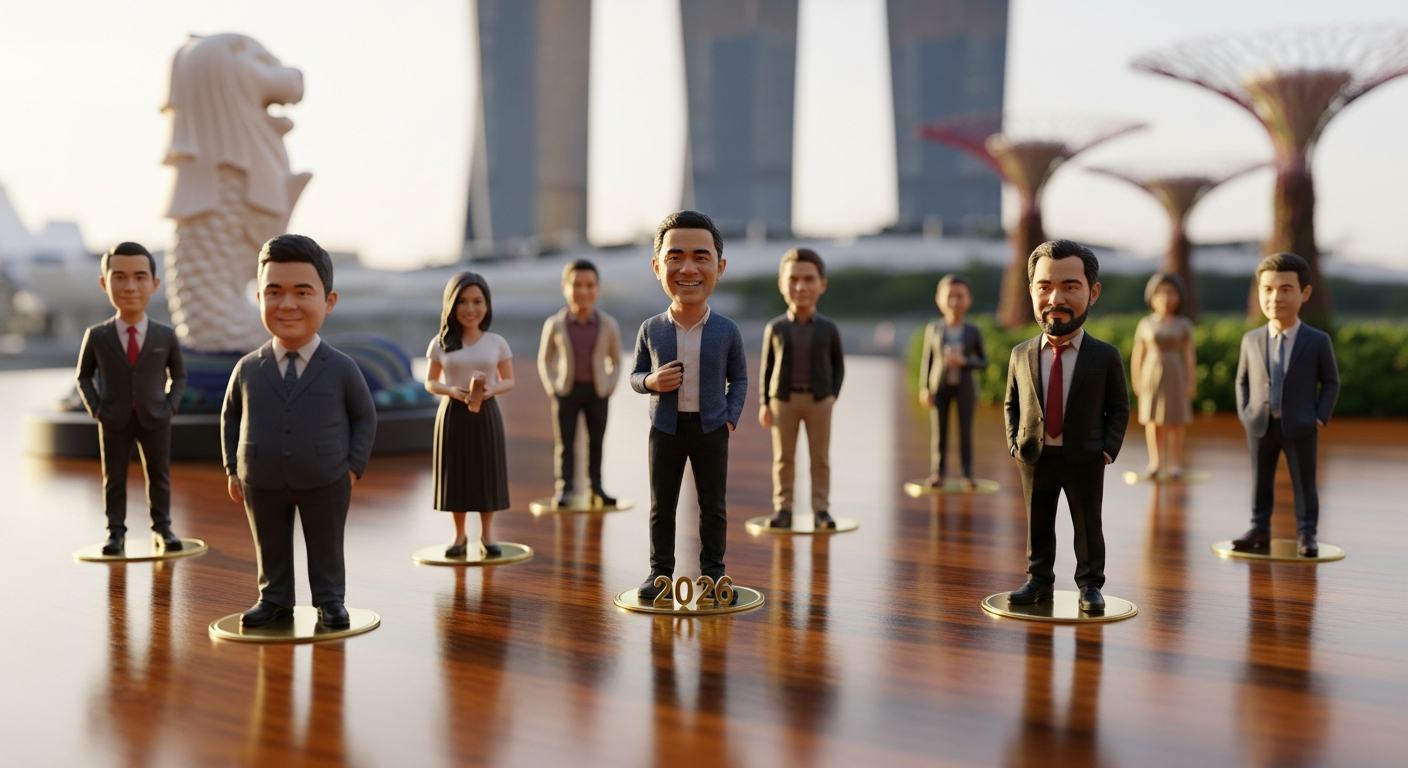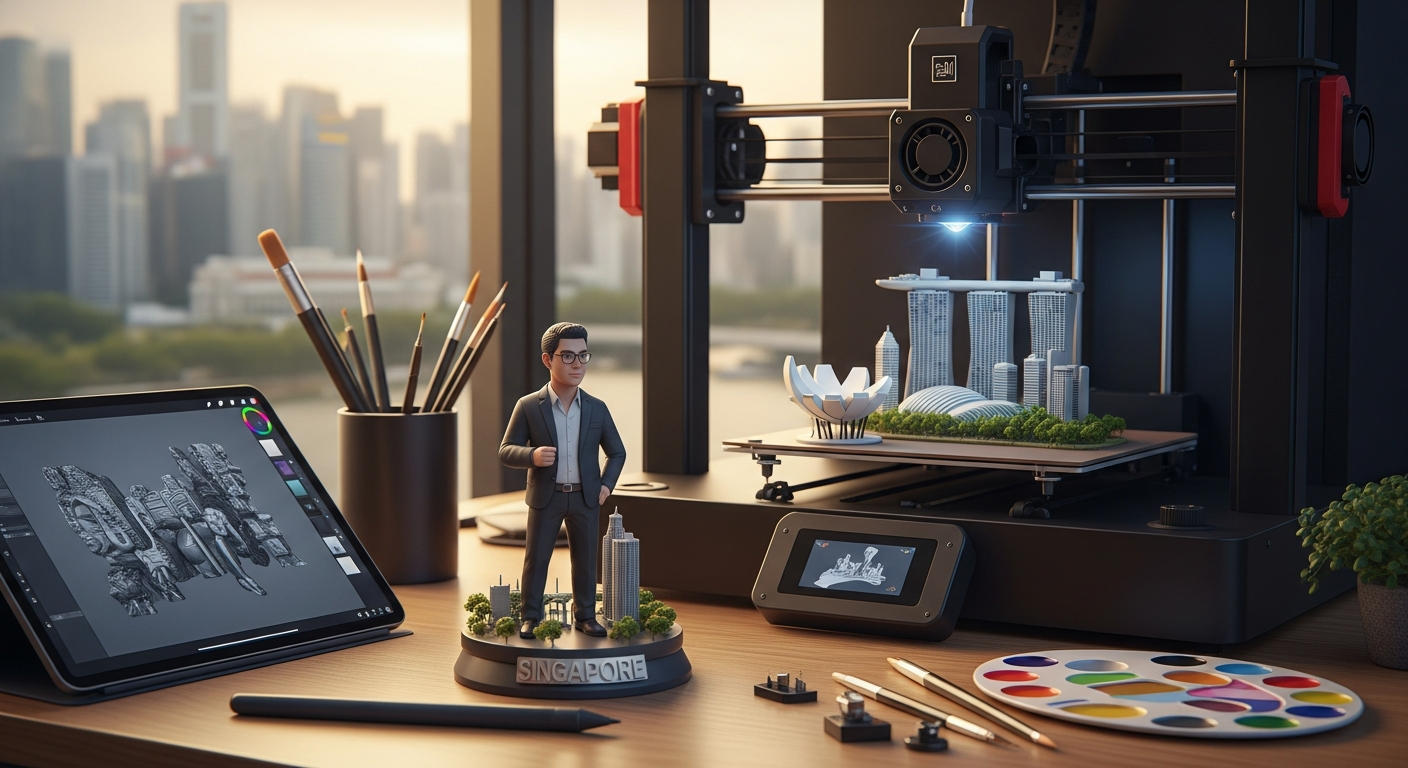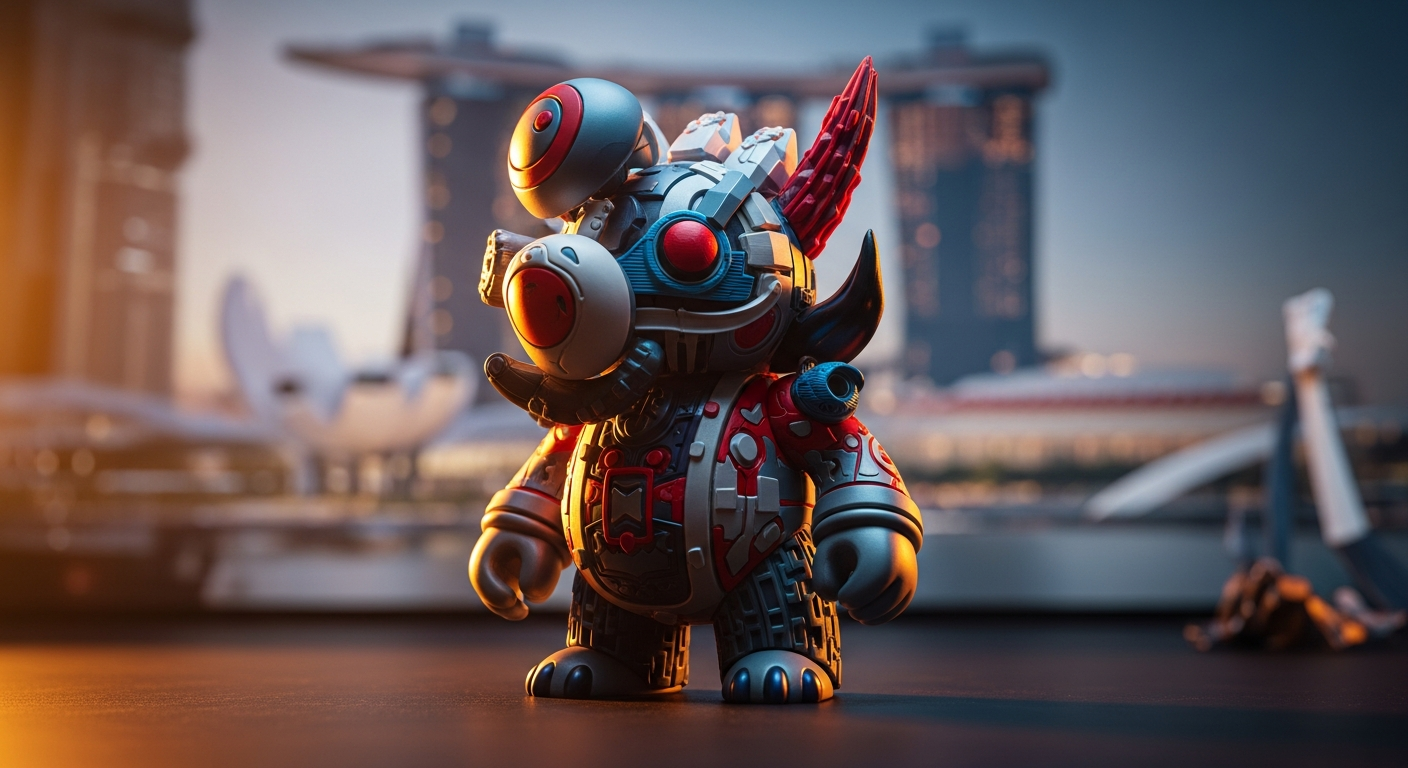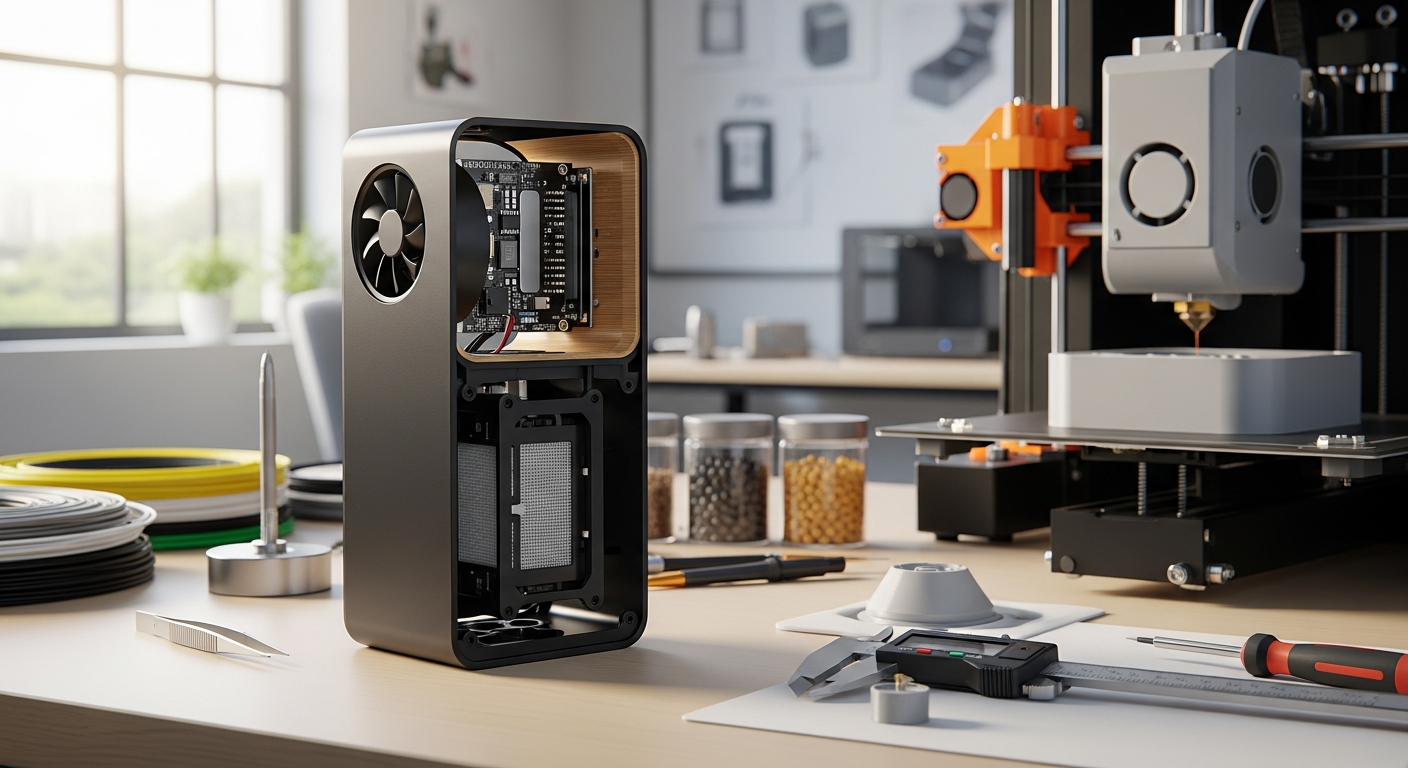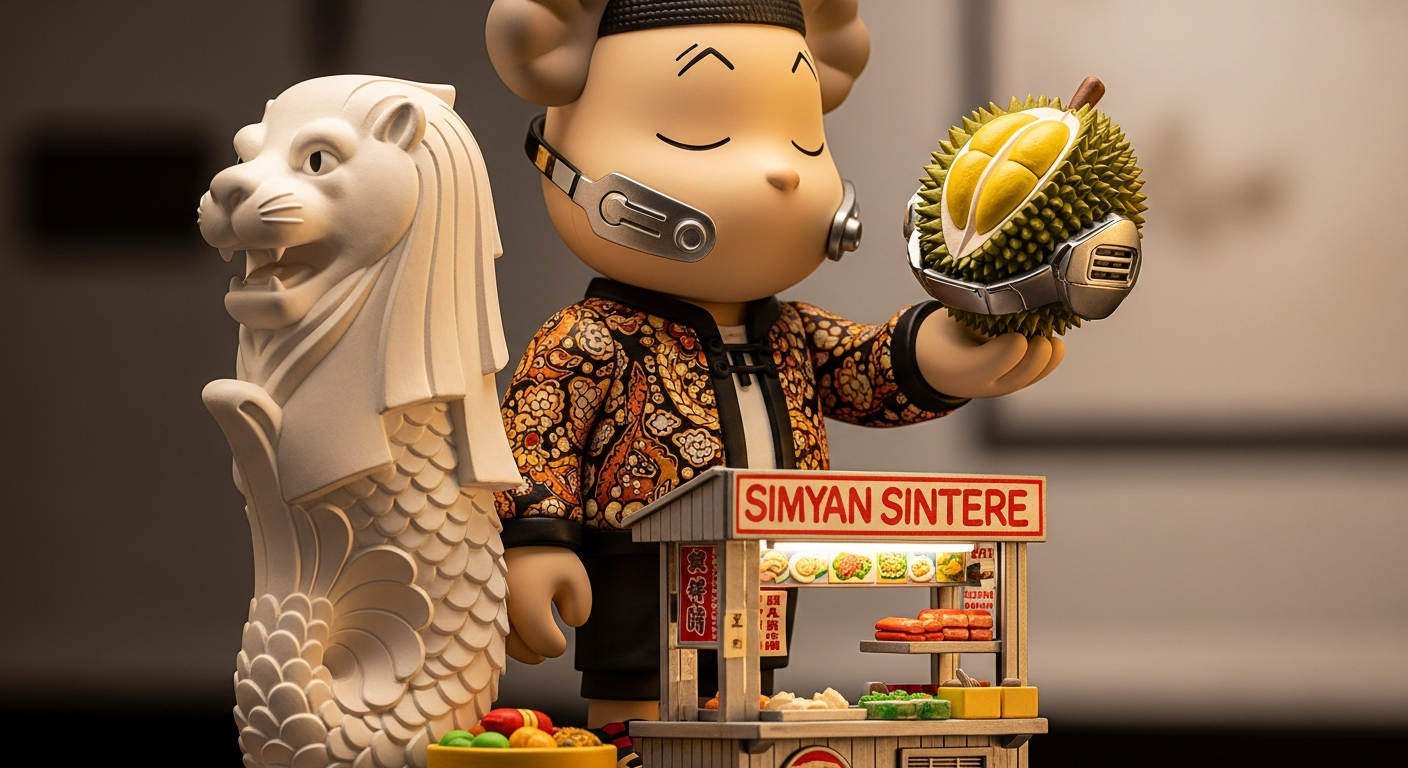

The collectible designer toy market has evolved from garage-made vinyl to digitally native, limited-edition runs that blur the line between art and product. Collectors now expect museum-quality finishes, unique variants, and faster drops — and creators need production models that support creativity without sacrificing turnaround, consistency, or sustainability. 3D printing has matured into a production-ready solution. When combined with AI-driven design tools and sustainable materials, a local 3d printing service singapore can help artists scale from single prototypes to full-color microbatches quickly and responsibly.
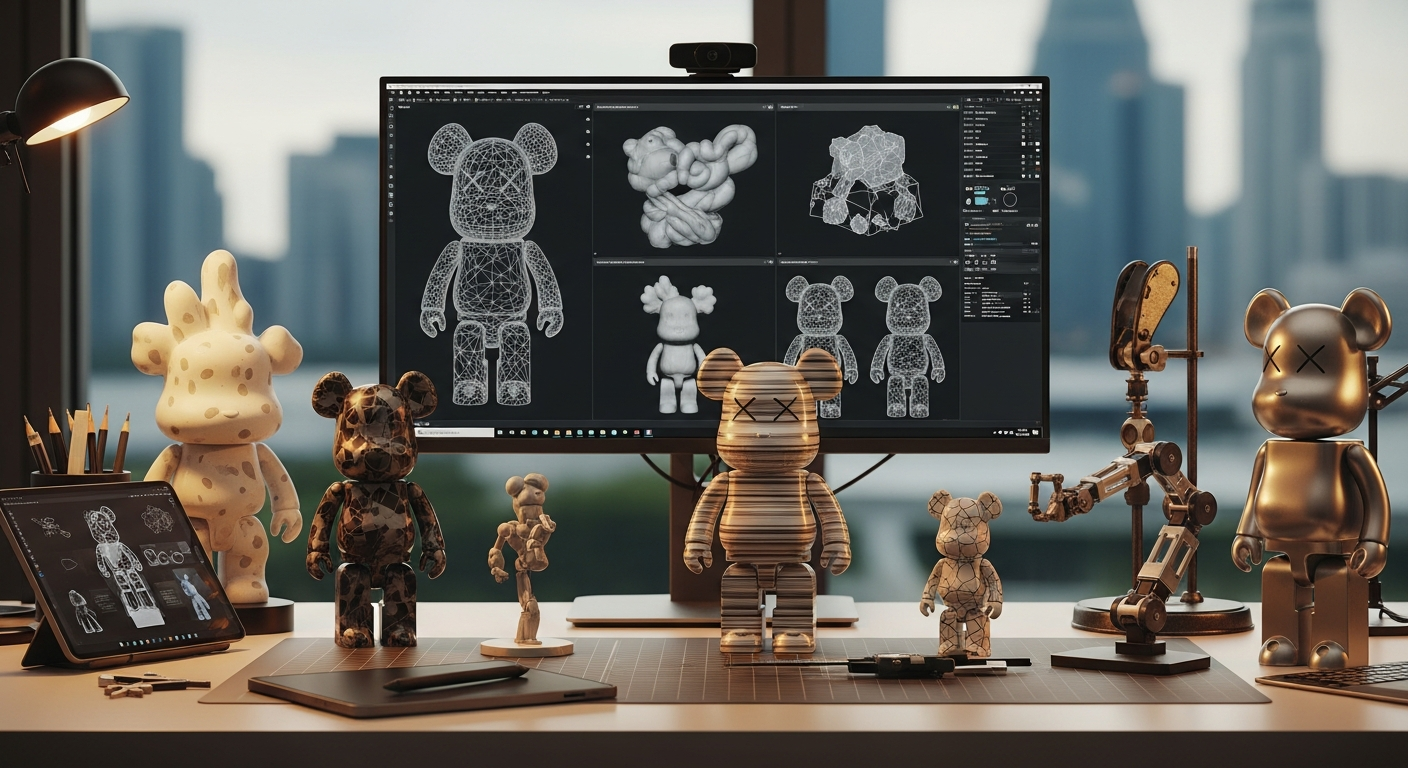
AI isn’t here to replace artists — it’s a turbocharger. Generative design, procedural modelers, and neural style transfer allow toy designers to iterate hundreds of variations in the time it once took to draw one. Practical ways AI accelerates art toy development:
For creators working with a 3d printing service singapore, these tools reduce the back-and-forth: designers can send a validated STL plus color maps and expect predictable results. The service bureau benefits too — fewer revision cycles mean lower costs and faster lead times.
Sustainability has moved beyond marketing. Collectors increasingly prefer brands that minimize environmental impact across production and packaging. Resin-based 3D printing had a reputation for being chemically intensive, but material science has advanced quickly:
When scaling microbatches, small differences in material choice affect finish, paint adhesion, and long-term stability. Work with suppliers and a 3d printing service singapore that publish technical data sheets, UV stability testing, and certification where applicable. The result: collectible art toys that look great and have a lower lifecycle footprint.
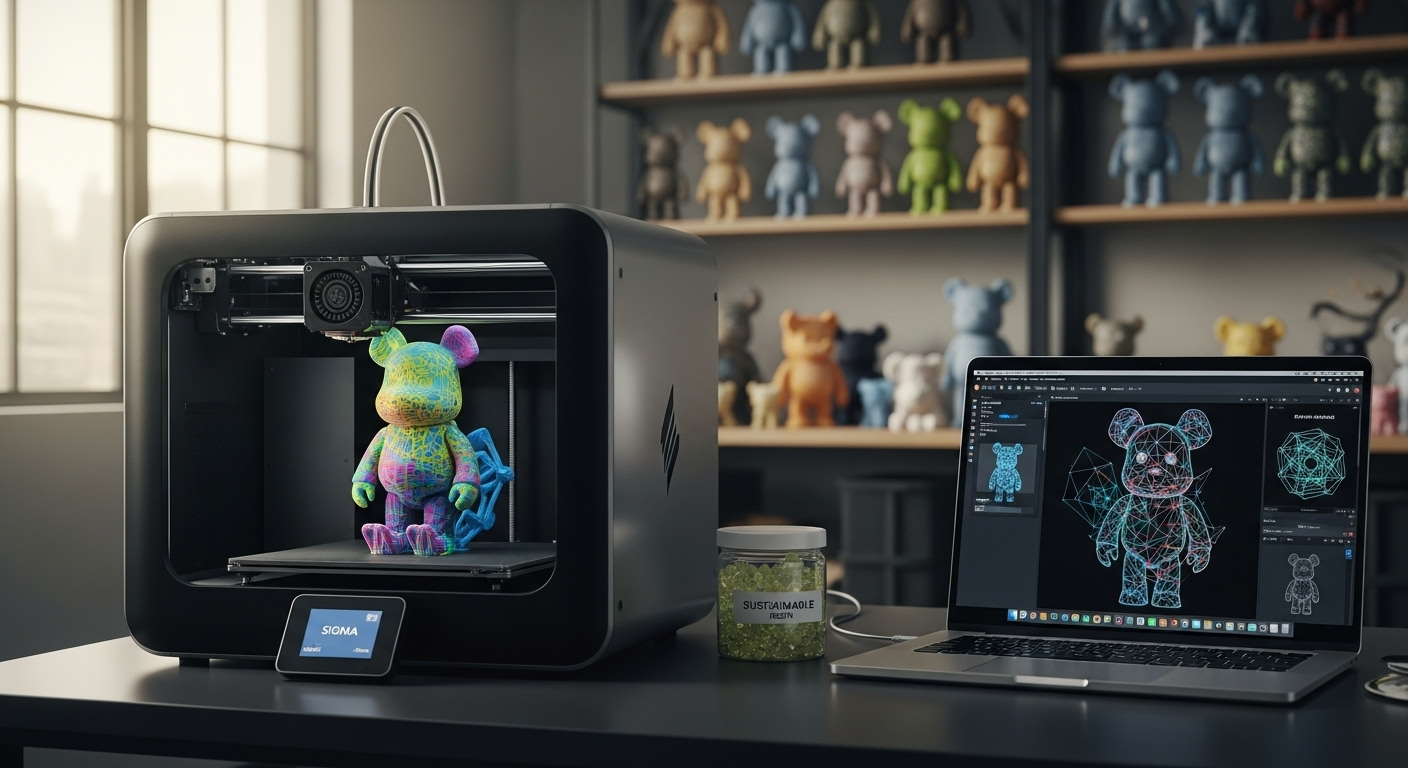
Full-color 3D printing changed the game for art toys. No longer must every piece be hand-painted — full-color processes deliver consistent, repeatable outcomes suitable for limited runs.
Key technologies:
Economics of microbatches
Finishing and quality
Even full-color prints benefit from strategic finishing: light sanding, varnish or matte coats, and inset assembly can elevate perceived quality. A professional 3d printing service singapore will offer calibrated color proofing, batch consistency checks, and post-processing options tailored to collectible standards.
Use generative tools to explore silhouettes and variants. Create a few high-fidelity candidates.
Engineering for print
Hollow large parts, add escape channels for resin, and design interlocking joints for multi-part toys. Export clean STL/OBJ and PBR texture maps if using full-color services.
Material selection
Choose resin with the right balance of toughness, surface finish, and sustainability credentials. Request material data sheets and sample swatches.
Prototype and refine
Print a small set locally. Evaluate fit, paintability, and color accuracy. This is where a responsive 3d printing service singapore is invaluable — quick iterations keep costs down.
Microbatch production
Lock approved files and color profiles. Schedule runs to coincide with marketing and packaging timelines. Request batch certificates for traceability.
Post-processing and packaging
Decide on varnishes or seals to enhance UV resistance. Use eco-friendly packaging to align with the sustainable resin story.
Launch and limited drops
Choosing the right partner means balancing technical capability, sustainability practices, and commercial flexibility:
Technology and scale risk diluting the original artistic intent. The sweet spot is using AI and 3D printing to expand creativity, not replace it. Keep handcrafted touches where they matter: a unique paint stroke, signed base, or personalized certificate. These elements preserve the emotional connection collectors seek while the production backbone — fueled by a responsive 3d printing service singapore and sustainable resin choices — handles the repetitive and technical work.
As 2025 unfolds, creators who combine intelligent design workflows, environmentally conscious materials, and refined production partners will be best positioned to grow their brands, delight collectors, and minimize their environmental footprint. The path from concept to collectible has never been faster — or greener.