

Introduction
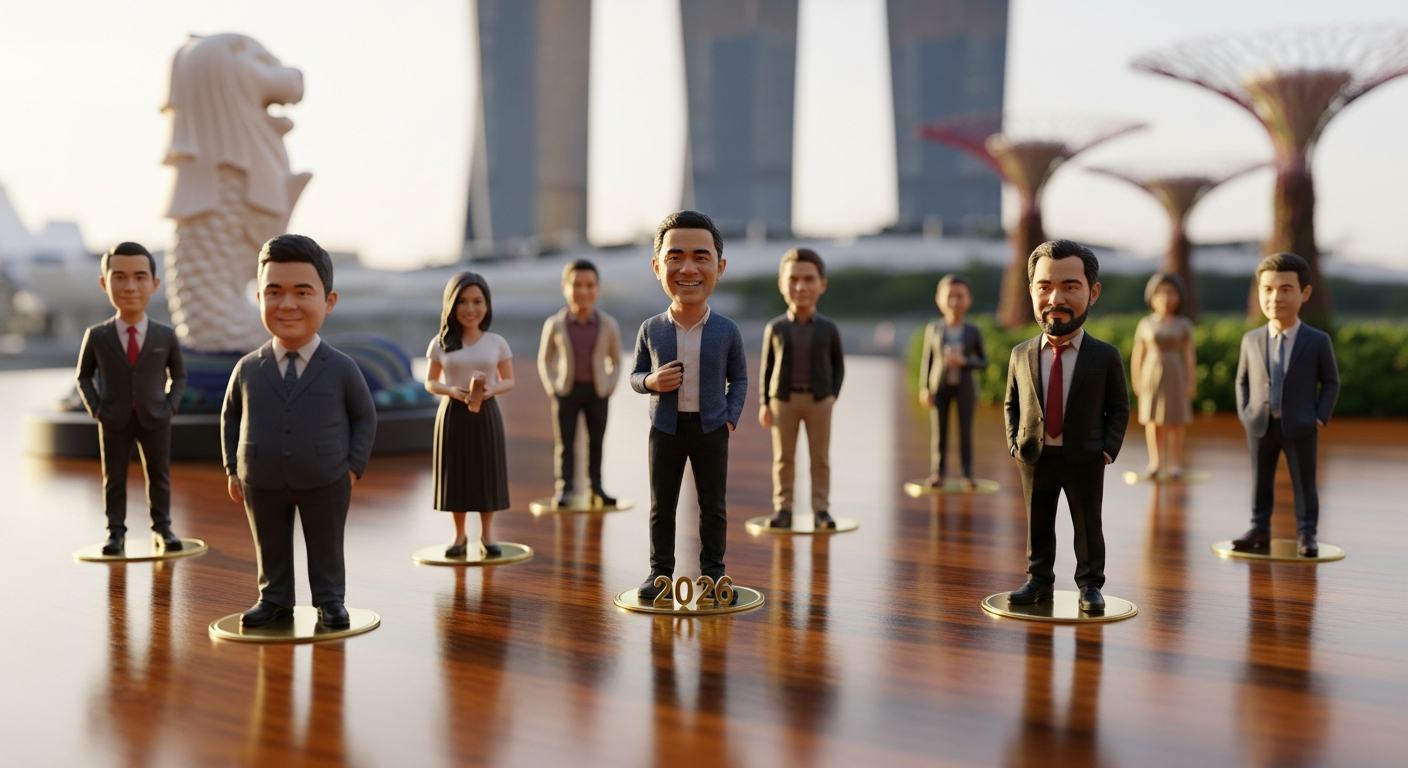
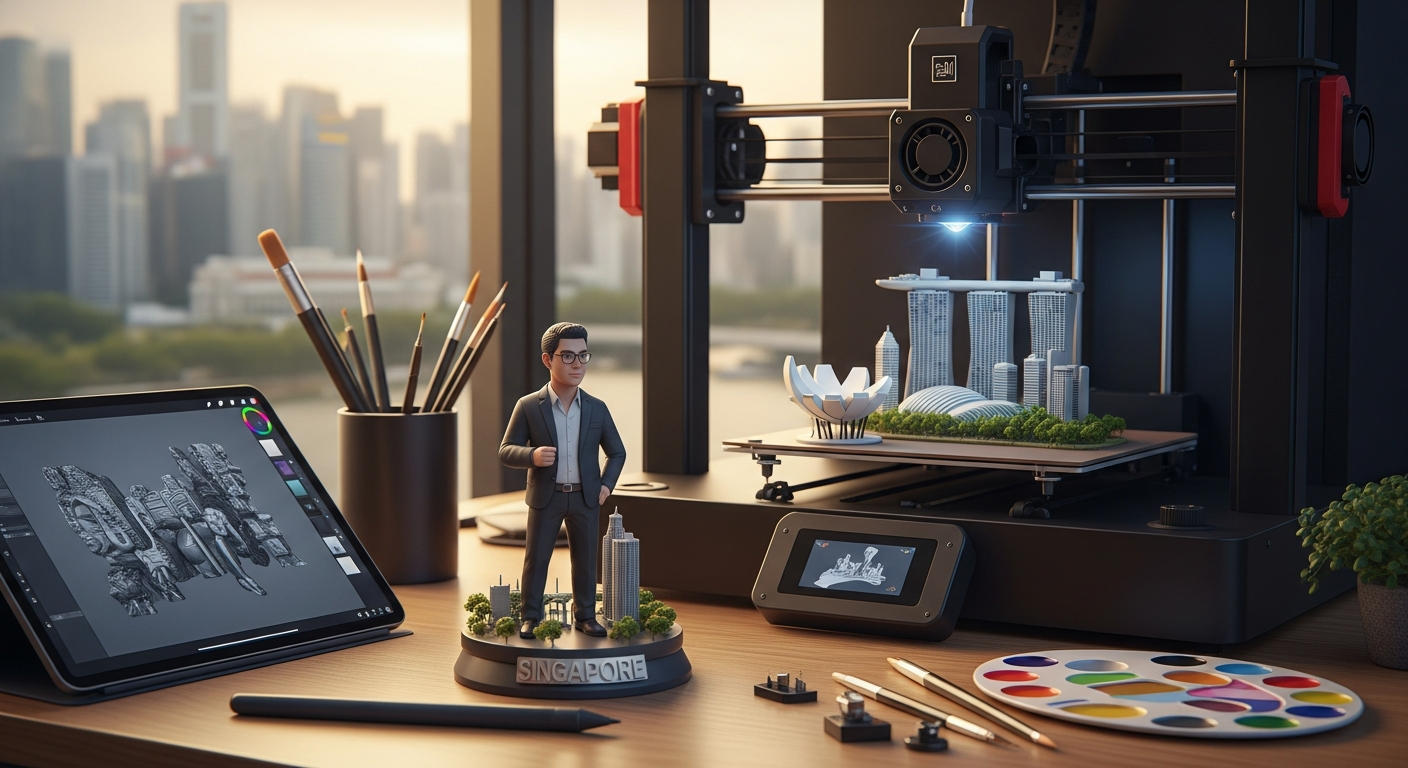
The intersection of collectible art toys and advanced manufacturing has never been more exciting. In 2025, artists and independent brands rely on 3D printing service Singapore providers to transform sketches into tactile, collectible pieces — faster, more accurately and with greater creative freedom than traditional tooling. This article explores the practical workflows that power prototyping, the resin printing techniques that define detail and surface quality, and how limited-edition drops are produced and marketed in today’s market.
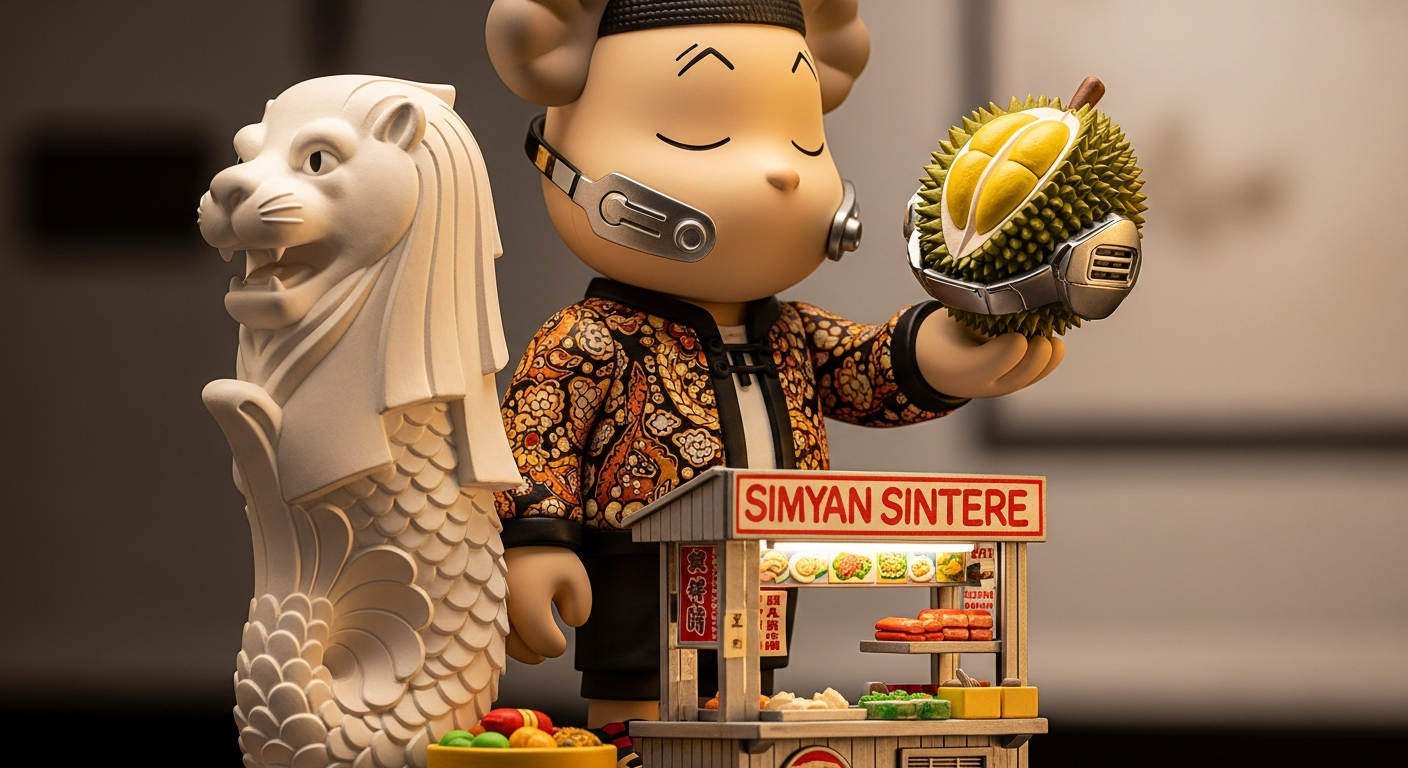
Singapore’s compact ecosystem brings designers, service providers and sophisticated manufacturing equipment within easy reach. Local 3D printing service singapore firms offer rapid turnaround times, tight IP protection, and proximity to regional logistics hubs — all crucial for time-sensitive limited runs. Government grants and maker initiatives have also nudged more studios toward advanced additive manufacturing, making high-resolution resin printing as accessible in the city-state as in major creative capitals.
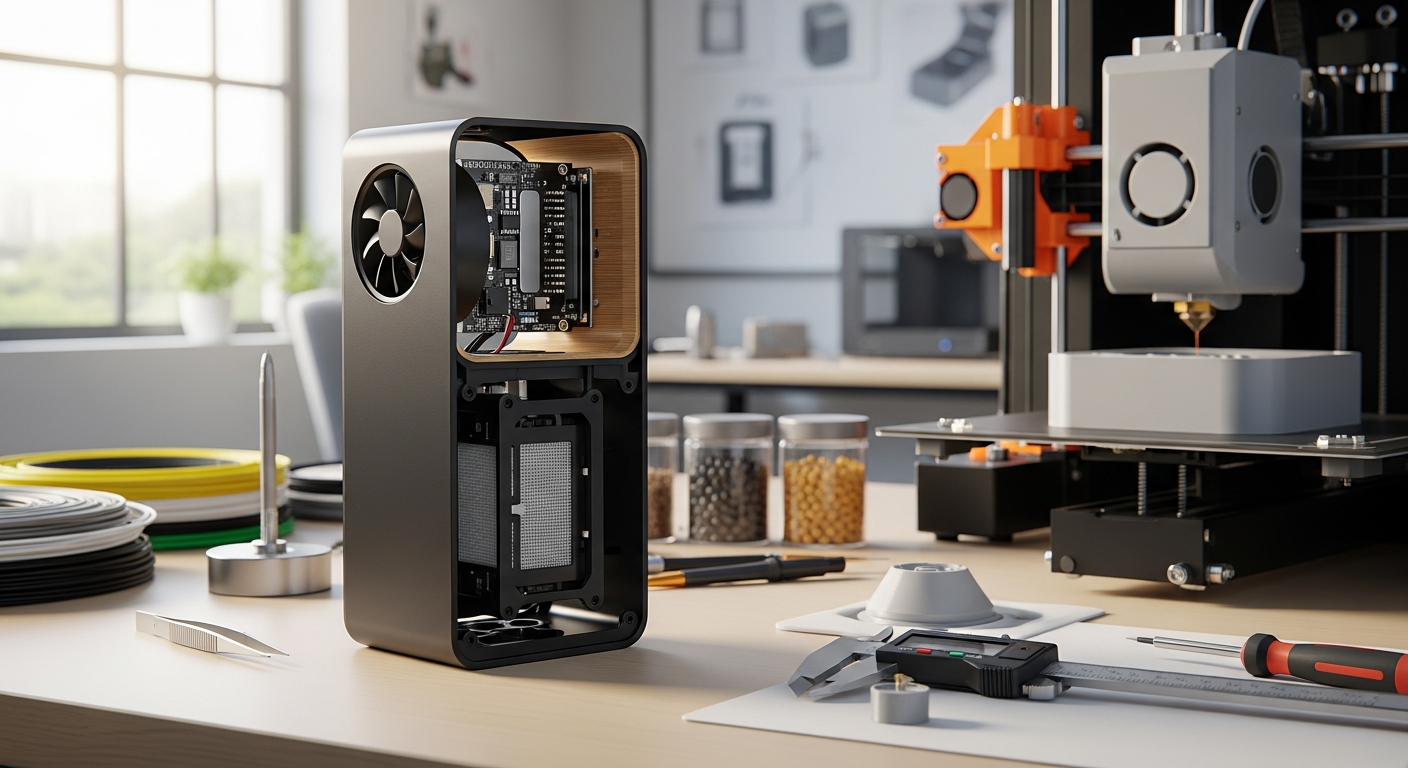
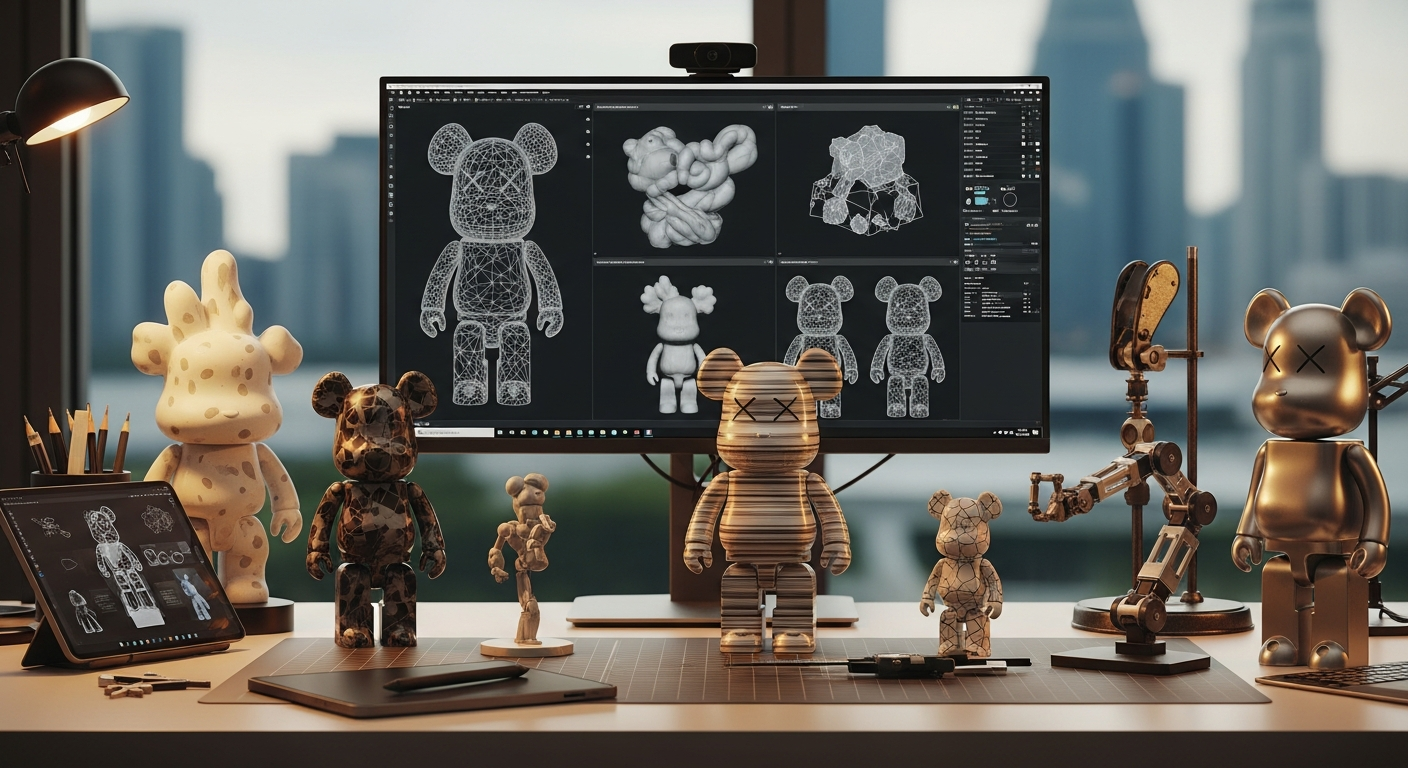
For art toys, prototyping is where concepts become decisions. 3D printing service singapore businesses supply a spectrum of prototyping tools—SLA, MSLA, DLP and high-resolution FDM—that let designers validate form, articulation, and assembly before any significant investment.
This rapid feedback loop shortens product development timelines and helps creators refine features like poseability, balance and hollowing strategies to reduce material use.
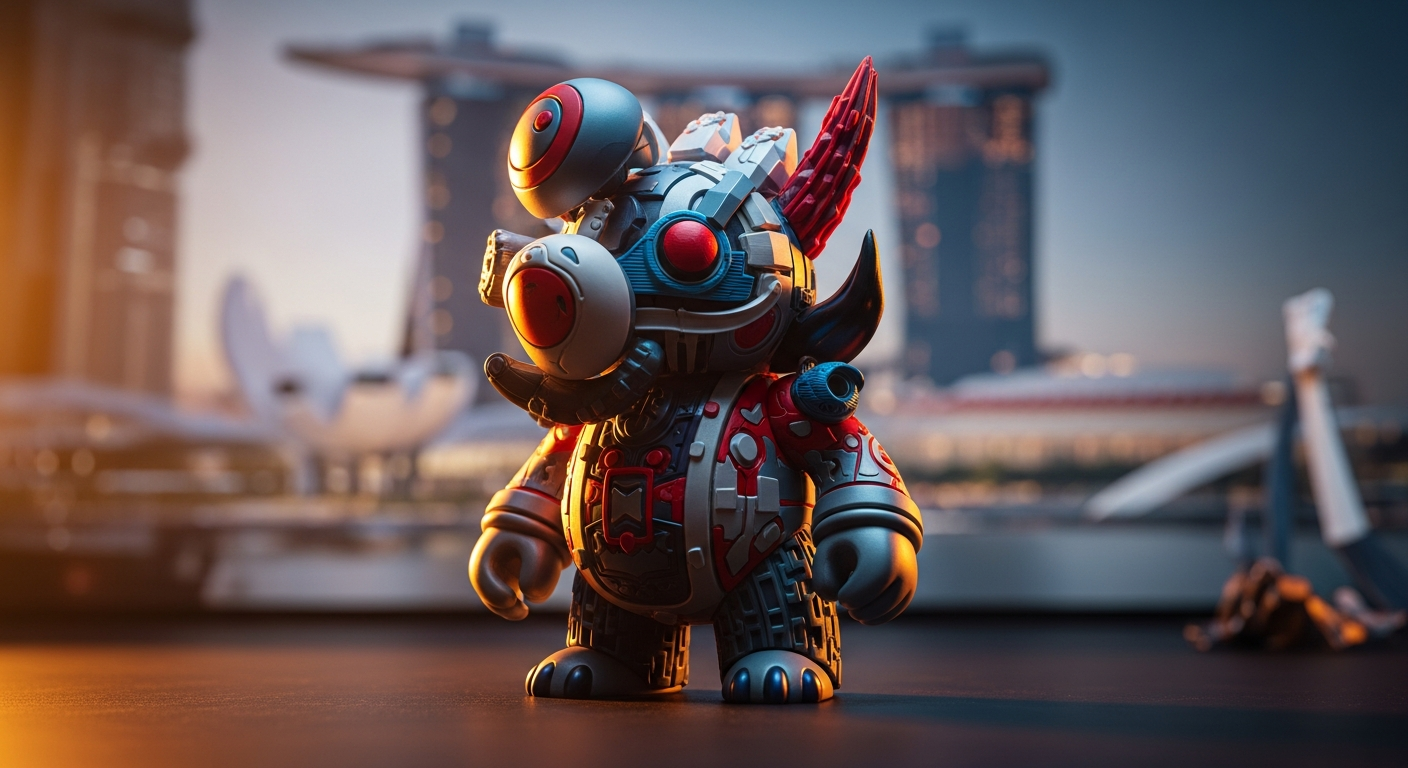
Resin technologies dominate collector-grade art toys because of their surface fidelity and dimensional accuracy. In 2025, service providers in Singapore offer a range of resin options and printers tailored to toy production needs:
Resin printing excels when a product’s value depends on surface quality. For limited-edition art toys, that translates into collectors’ appreciation — and higher perceived value.
3D printing changes the economics of limited editions. Instead of mass injection moulding and large minimum order quantities, brands can opt for small-batch production with predictable costs and flexible schedules.
Hybrid production models are common: 3D printed masters are used to create silicone molds for vacuum casting, which then allows affordable, fast reproduction of colour-matched vinyl or polyurethane parts for medium-sized runs.
A printed toy is a beginning, not the final product. Finishing workflows define its market reception:
Many 3D printing service singapore providers bundle these post-production services, giving artists a single partner for provenance, QA and packaging.
In 2025, limited drops are as much a digital exercise as a physical one. Creators use 3D printing service singapore partners to produce numbered physical pieces while issuing digital certificates of authenticity — often on private blockchains — to verify rarity and ownership. Social-first launches, collaborations with regional galleries, and AR previews for online stores are common tactics to build hype and reduce pre-order risk.
Crowdfunding still plays a role, but the faster prototyping enabled by 3D printing shortens campaign timelines and raises backer confidence. Brands can show near-final prototypes and offer add-ons like signed pieces, alternate colourways or metal-plated variants produced through castable resin workflows.
Sustainability has matured from buzzword to buyer expectation. Leading 3D printing service singapore outfits now provide:
These measures appeal to environmentally-conscious collectors and help brands meet voluntary disclosures or eco-labels for limited editions.
When selecting a partner, artists and brands should evaluate:
Ask for sample works, especially pieces similar in scale and complexity to your art toys. A competent service provider will share case studies, tolerances and suggested design changes to improve manufacturability.
These choices reduce surprises and help preserve the collectible’s intended aesthetic.
Conclusion
In 2025, 3D printing service singapore providers are a cornerstone of the art toy ecosystem, offering designers unmatched iteration speed, resin-level detail and practical pathways from prototype to limited-edition drop. Whether you’re an independent sculptor launching a first run or an established label experimenting with bespoke finishes, the right local partner streamlines production, enhances quality, and unlocks creative possibilities that were impractical just a few years ago. The result is a vibrant market of high-quality, scarce collectibles that meet both artistic ambition and collector expectations.