The new era of collectible creativity
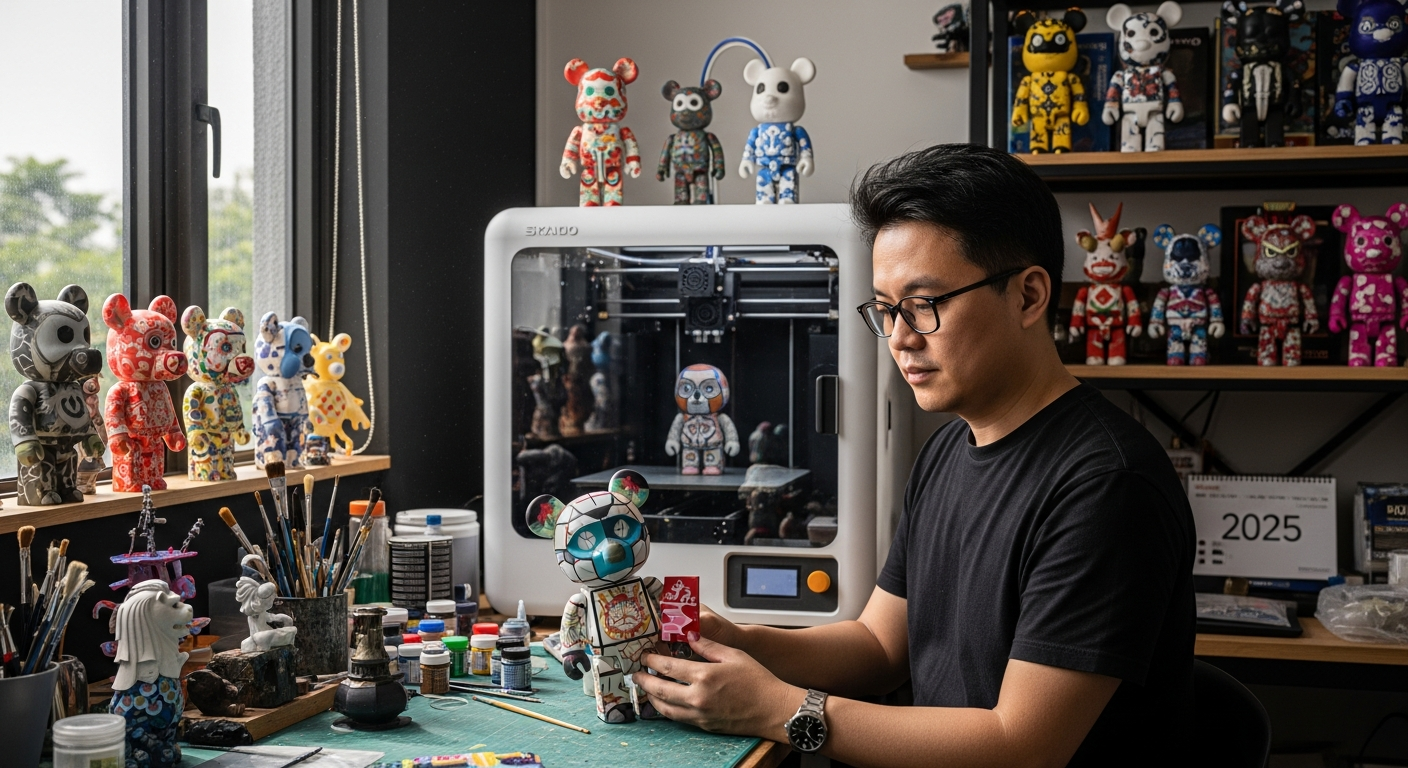
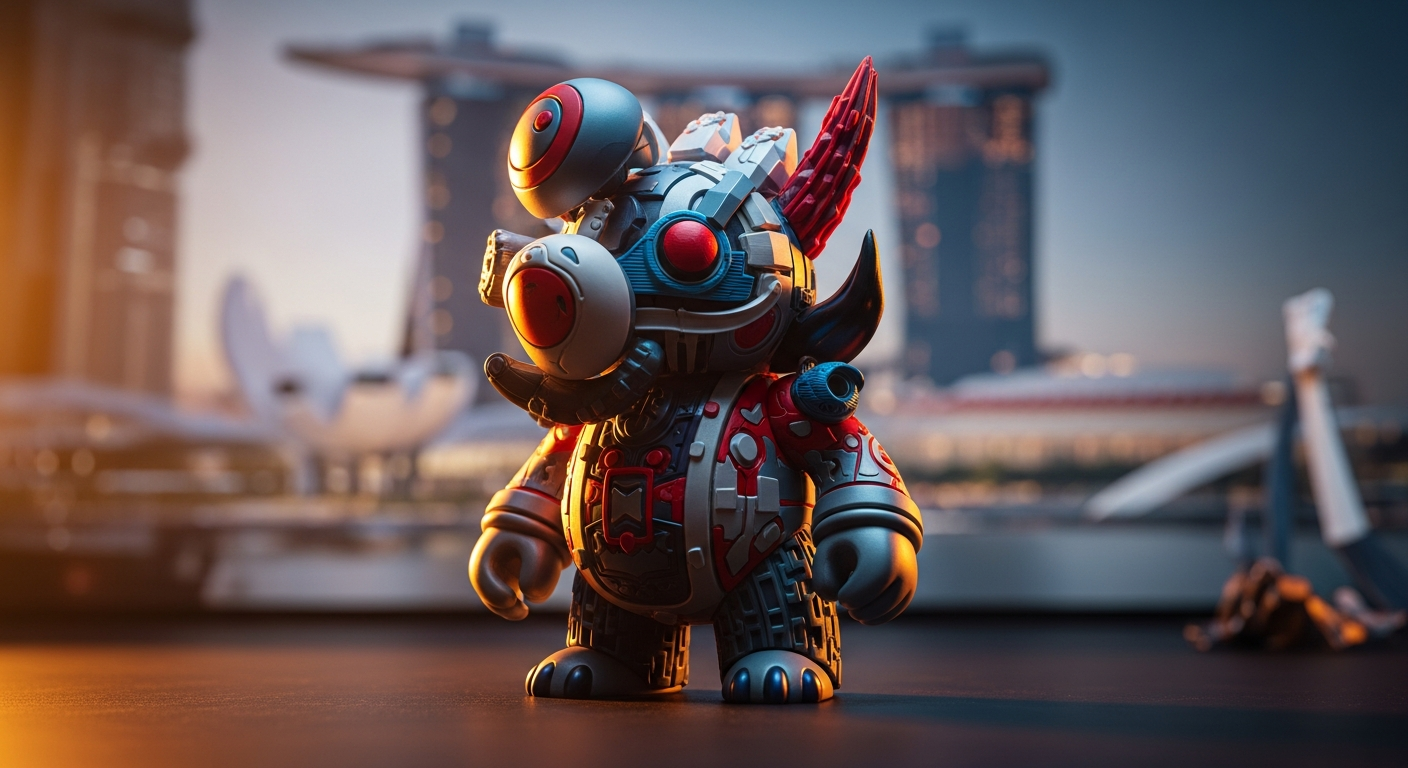
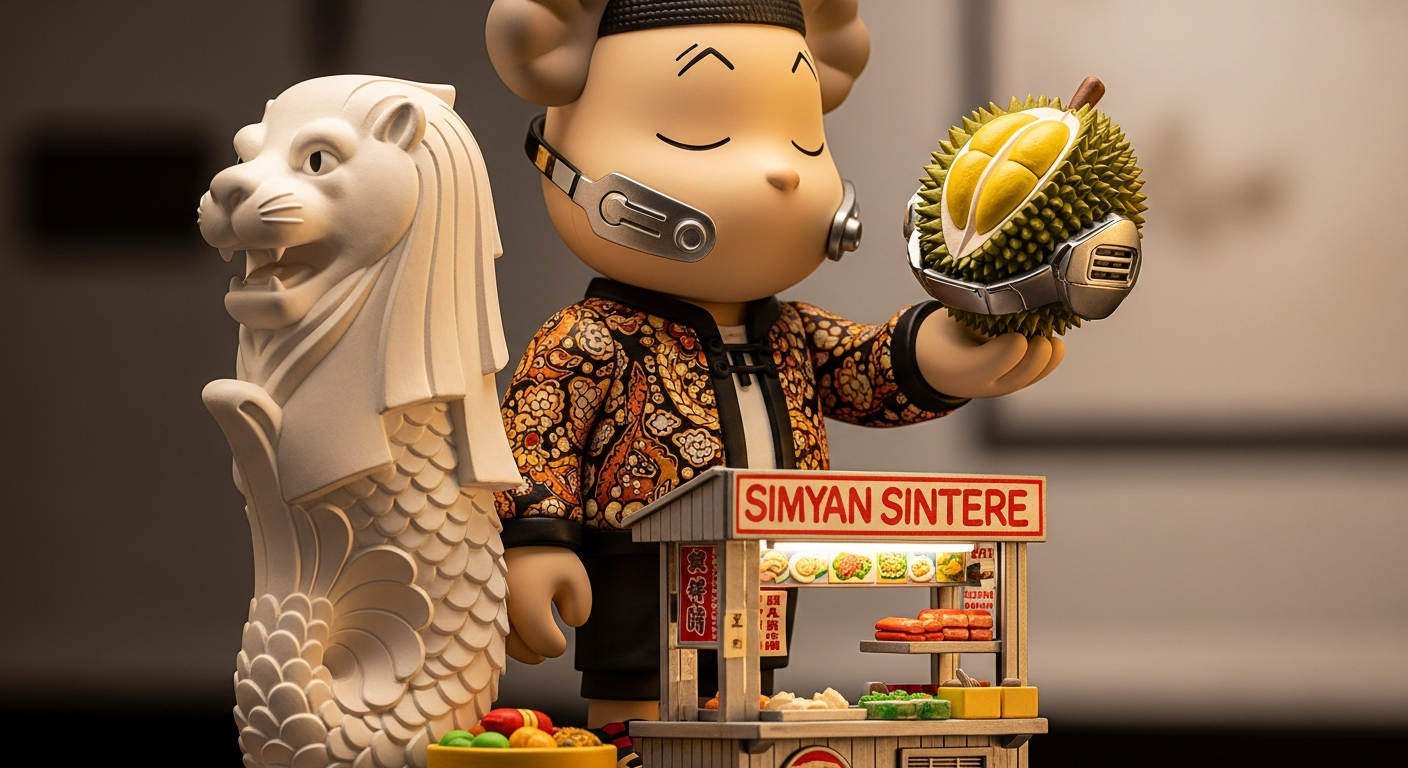
In 2025, the intersection of maker technology and collectible culture has never been closer. Art toys — limited-edition, designer figurines and sculptural playthings — are moving from hobbyist garages to professional production lines without losing their creative soul. Central to that transformation is the expansion of 3D printing capabilities in the region. Singapore’s advanced additive-manufacturing ecosystem makes it easier for creators to iterate fast, achieve studio-grade finishes, and scale limited runs affordably.
Why 3D printing matters for art toys
Traditional toy production often requires expensive tooling and long lead times. For independent designers and small studios, those barriers kill experimentation. 3D printing changes the economics and the creative process:
- Precision and detail: Resin-based SLA and DLP printers reproduce fine sculptural detail and surface texture that collectors expect in premium art toys.
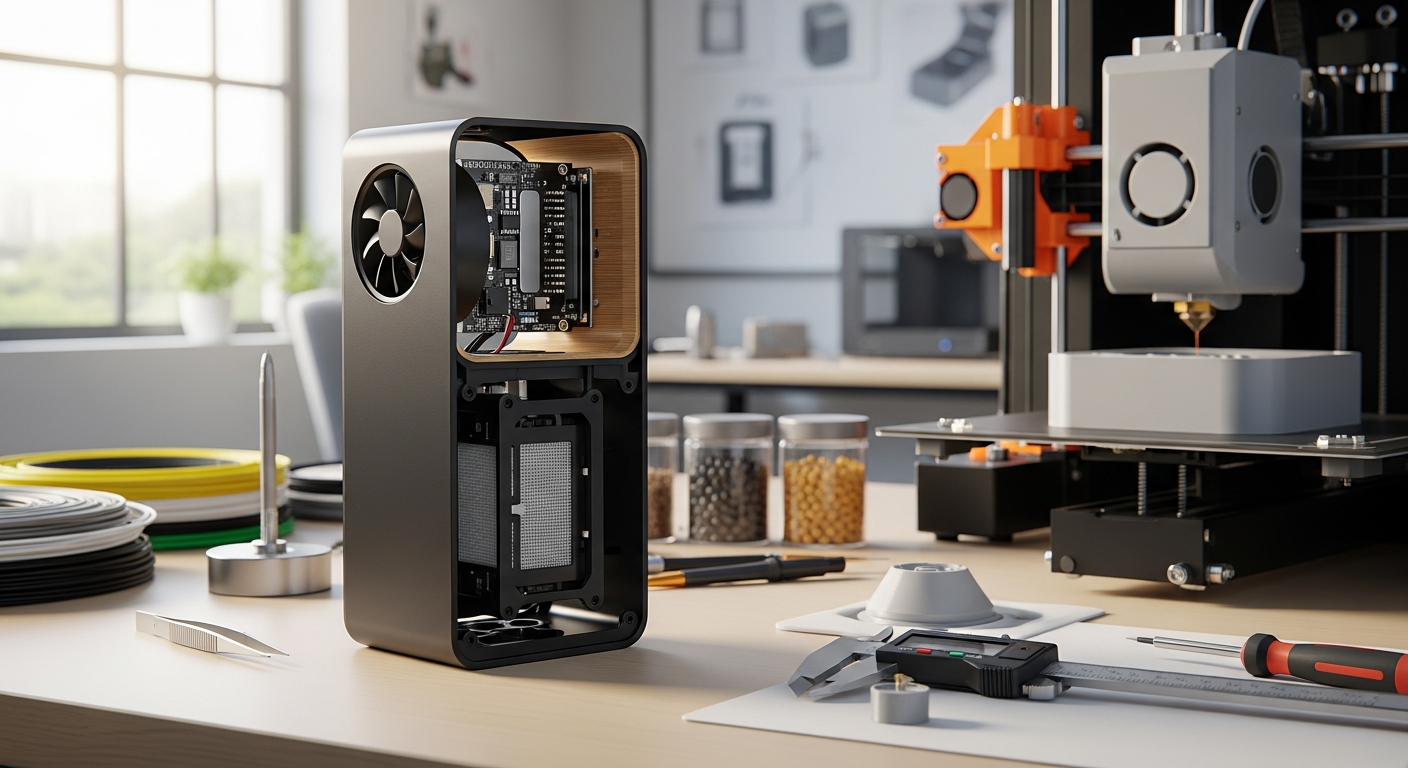
- Fast iteration: Rapid design-test cycles let artists refine poses, expressions, and accessories in days rather than weeks. A local 3D printing service Singapore can turn a concept into a photographed prototype within a single development sprint.
- Cost-effective short runs: Additive manufacturing removes the upfront cost of molds, enabling limited-edition drops and micro-series without heavy capital investment.
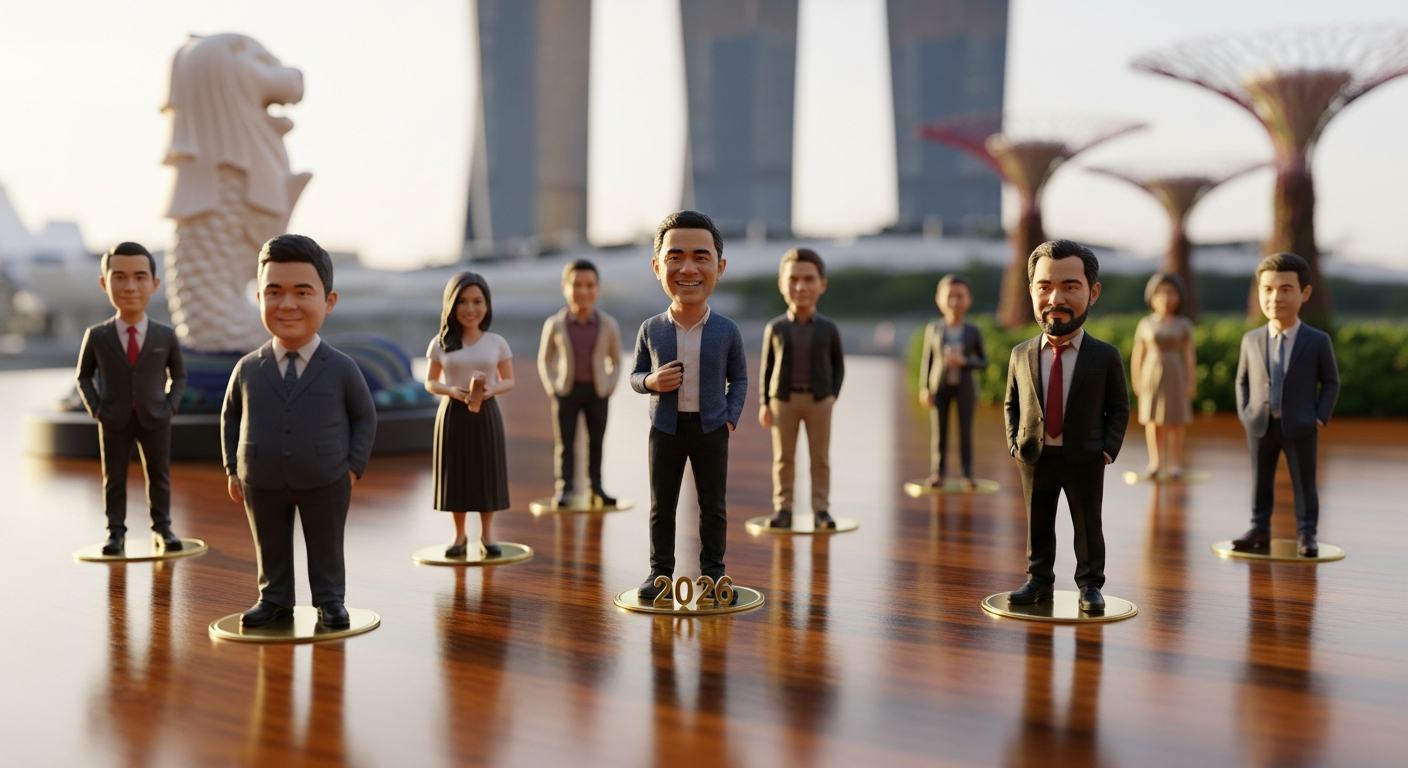
- Customization at scale: Personalization—different colours, names, or modular parts—becomes practical even for small batches.
These advantages are especially significant for creative entrepreneurs who need both studio-quality finishes and the agility to respond to collector demand.
Technologies shaping art toys in 2025
Not all 3D printers are the same. Choosing the right technology affects appearance, durability, paintability, and price:
- SLA/DLP (resin) — best for ultra-fine detail, smooth surfaces, and small parts. Resin prints excel when paintability and surface fidelity matter.
- SLS (nylon powder) — durable, ideal for complex geometries and structural components. SLS parts require less support post-processing and are good for functional pieces.
- MJF and Binder Jetting — efficient for medium runs with good mechanical properties; binder-jetting enables full-colour prints for single-shot polychrome pieces.
- FDM — accessible and low-cost for rapid conceptual prototypes; limited for final surface finish unless heavily post-processed.
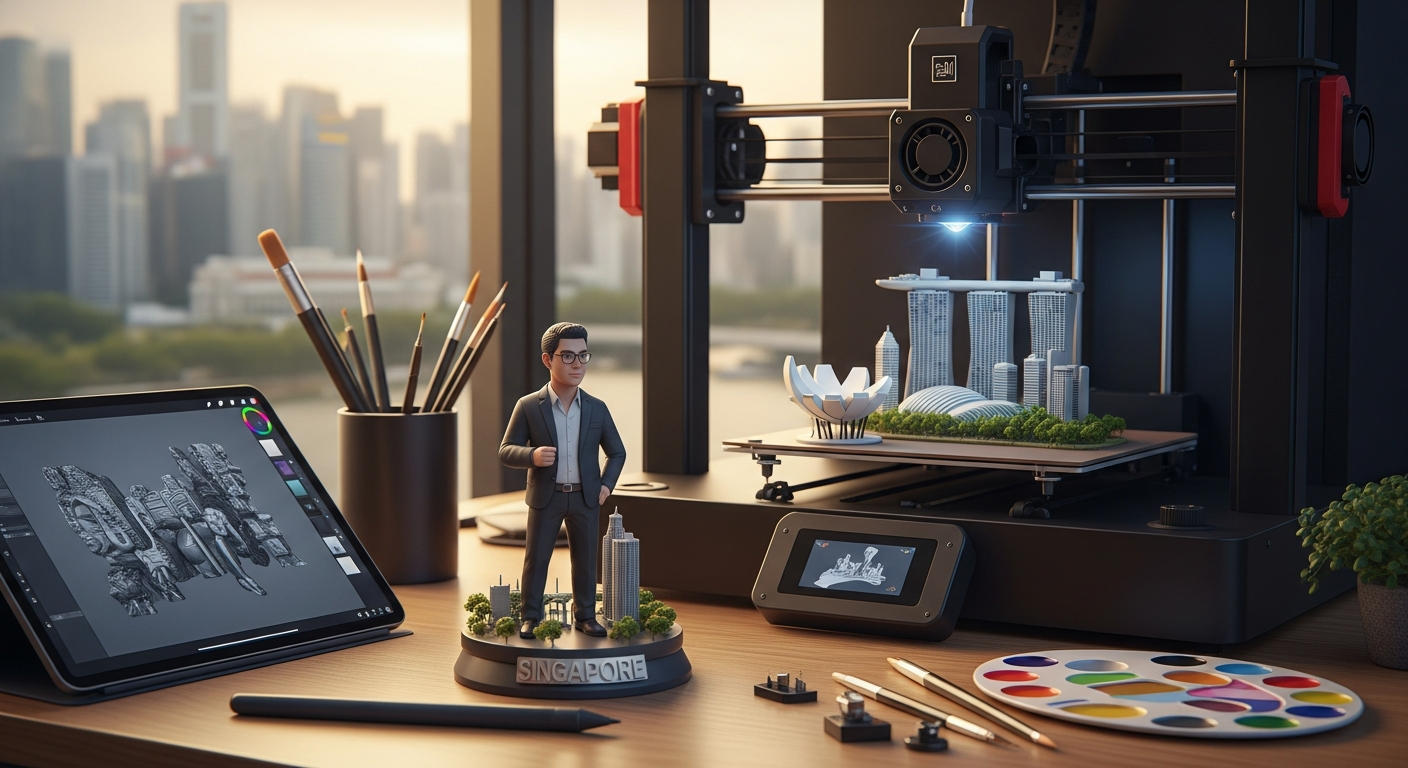
Service providers in Singapore increasingly combine these platforms into hybrid workflows: a resin sculpt for detail, an SLS core for strength, then a finishing pass to achieve the final collector-ready look. For creators prioritizing speed, rapid prototyping links design to production with minimal friction.
Materials and sustainability trends
Material innovation is a major trend in 2025. Collectors and creators are both more environmentally conscious, and manufacturers are responding:
- Bio-based and recycled resins reduce lifecycle impact without sacrificing finish quality.
- Recyclable thermoplastics and improved reclamation processes for powder-based systems reduce waste for small-batch runs.
- Low-VOC primers and water-based paints improve workshop safety and lower environmental impact.
Selecting sustainable materials affects finish, weight, and longevity; experienced suppliers in Singapore can recommend material mixes that balance environmental concerns with collector expectations.
Design workflows: AI, modularity, and provenance
Design tools are evolving as fast as printers. Key workflow shifts influence how art toys are conceived and sold:
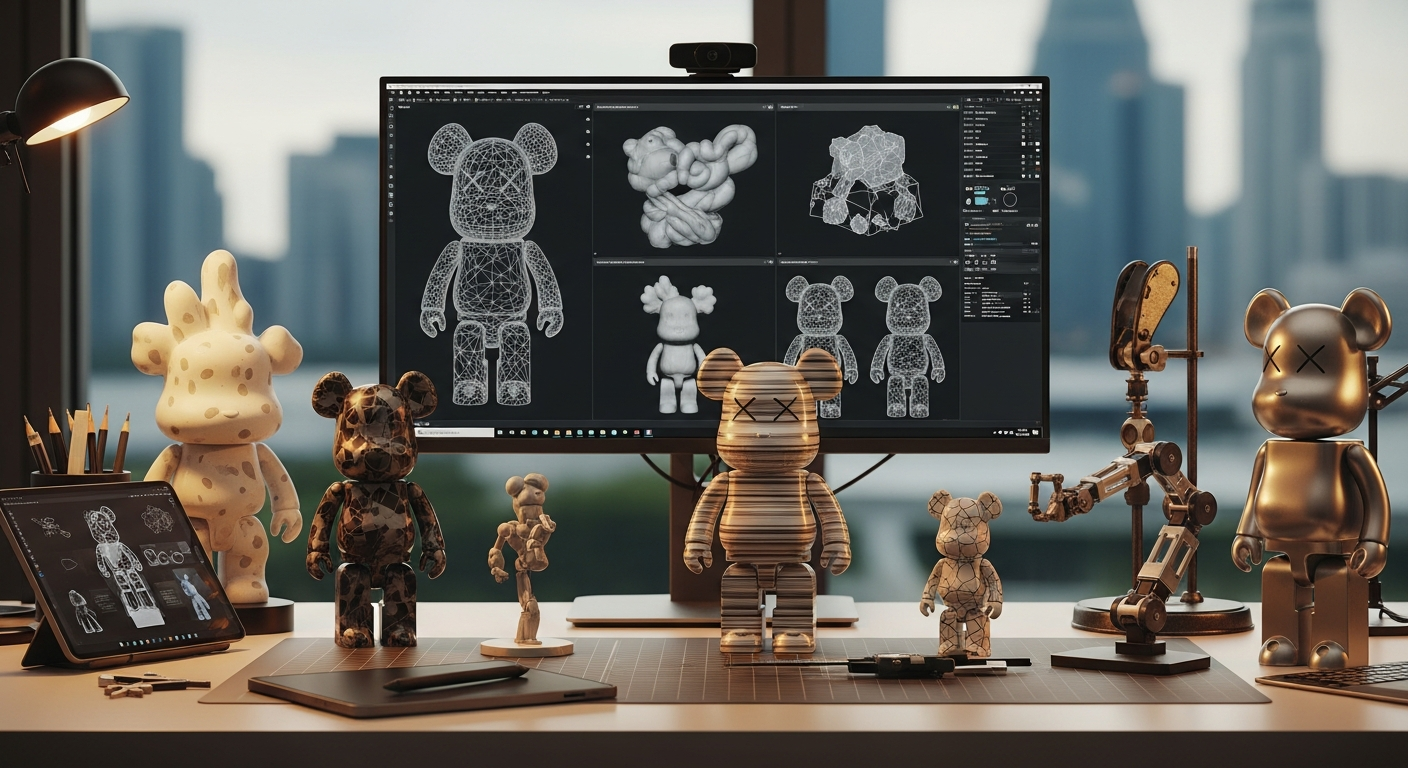
- AI-assisted sculpting accelerates initial forms: generative tools help artists explore variations quickly, feeding proven concepts into 3D-ready files.
- Parametric and modular design allow creators to offer configurable toys—different heads, limbs, accessories—assembled post-print or by collectors themselves.
- Digital provenance: Blockchains and secure metadata let designers embed edition numbers, authenticity certificates, and ownership records into digital files tied to each physical piece.
Together, these developments enable designer-led brands to maintain creative control while expanding commercial possibilities. When the design demands high fidelity and repeatability, a reliable art toys production partner can bridge concept and collectible reality.
How creators in Singapore can leverage 3D printing services
Singapore’s manufacturing and service landscape is uniquely supportive: proximity to advanced fabrication labs, strong logistics links across Asia, and a cluster of precision-focused service providers. To leverage those advantages, creators should consider:
- Choosing the right partner: Look for a provider with experience in fine finishing, paint-ready priming, and assembly. Request photo portfolios illustrating the exact aesthetic you want.
- Balancing prototype and production: Start with SLA prototypes for sculpt approval, then move to SLS or MJF for structural parts if needed. A good 3D printing shop will advise on hybrid approaches.
- Understanding lead times and costs: Short runs are affordable, but post-processing (sanding, priming, painting) is labour-intensive. Plan budgets for finishing services.
- Protecting IP and designs: Use NDAs and vetted contracts before sharing high-resolution files; local providers understand regional IP frameworks and can guide creators.
For artists seeking tailored outcomes—unique skin tones, metallic finishes, or complex jointing—working with specialists that produce custom art toys ensures the final pieces meet both creative and functional standards.
Case examples: limited editions, collabs, and retail-ready pieces
Several illustrative approaches are driving market growth:
- Limited-run drops: A designer releases a 200-piece resin series, each hand-painted after 3D printing. The low tooling cost makes exclusivity profitable.
- Brand collaborations: Local brands commission collectible mascots for events, produced via SLS for durability and post-painted for retail appeal.
- Modular systems: Artists sell base figures and unlockable accessory packs. 3D printing makes small-batch accessory production financially viable.
Singapore’s compact geography and global logistics make it practical to prototype locally and ship internationally within familiar timelines.
Practical checklist to launch a 3D-printed art toy
- Concept and brief: Define scale, articulation, finish, and edition size.
- Digital sculpt: Produce high-resolution STL or OBJ files; incorporate mechanical tolerances for moving parts.
- Prototype pass: Use SLA for master approvals; test fit and paint samples.
- Select production method: Determine if SLS, MJF, or high-detail resin suits the edition’s needs.
- Post-processing plan: Decide on sanding, priming, painting, and assembly steps.
- Packaging and authentication: Design packaging and include certificates or digital provenance metadata.
- Fulfilment strategy: Plan direct-to-collector drops, gallery partnerships, or retail distribution.
If scale increases, consider moving to silicone tooling for components that must be injection-moulded while retaining additive manufacturing for limited parts.
What to expect from the market in 2025 and beyond
The art-toy ecosystem is becoming more professional and diverse. 3D printing service providers in Singapore are expected to expand multi-material capabilities, streamline finishing workflows, and offer integrated supply-chain services catering specifically to designer collectibles. For creators, that means more creative freedom, faster to-market timelines, and the capacity to monetize niche ideas with confidence.
This shift is not just technological; it’s cultural. Collectors now value provenance, craftsmanship, and the story behind each piece. Additive manufacturing enables those stories to be realized at small scale without compromising quality, turning bold concepts into treasured collector items.
By pairing strong local manufacturing infrastructure with smart design workflows, Singapore continues to be a regional hub where art toys come to life with precision, sustainability, and creative depth. For designers and studios focused on pushing aesthetics and functionality, the tools to build their vision are increasingly accessible and sophisticated.