
Introduction
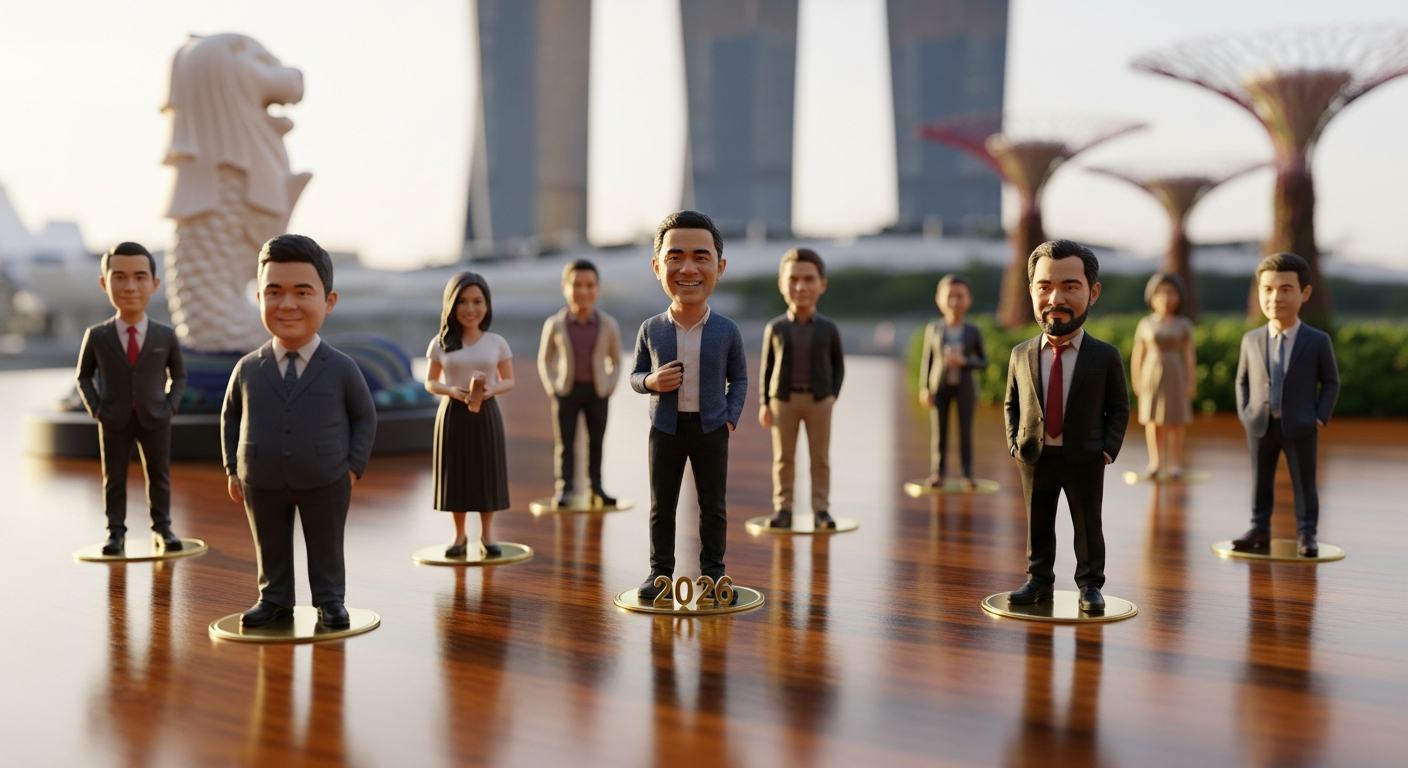
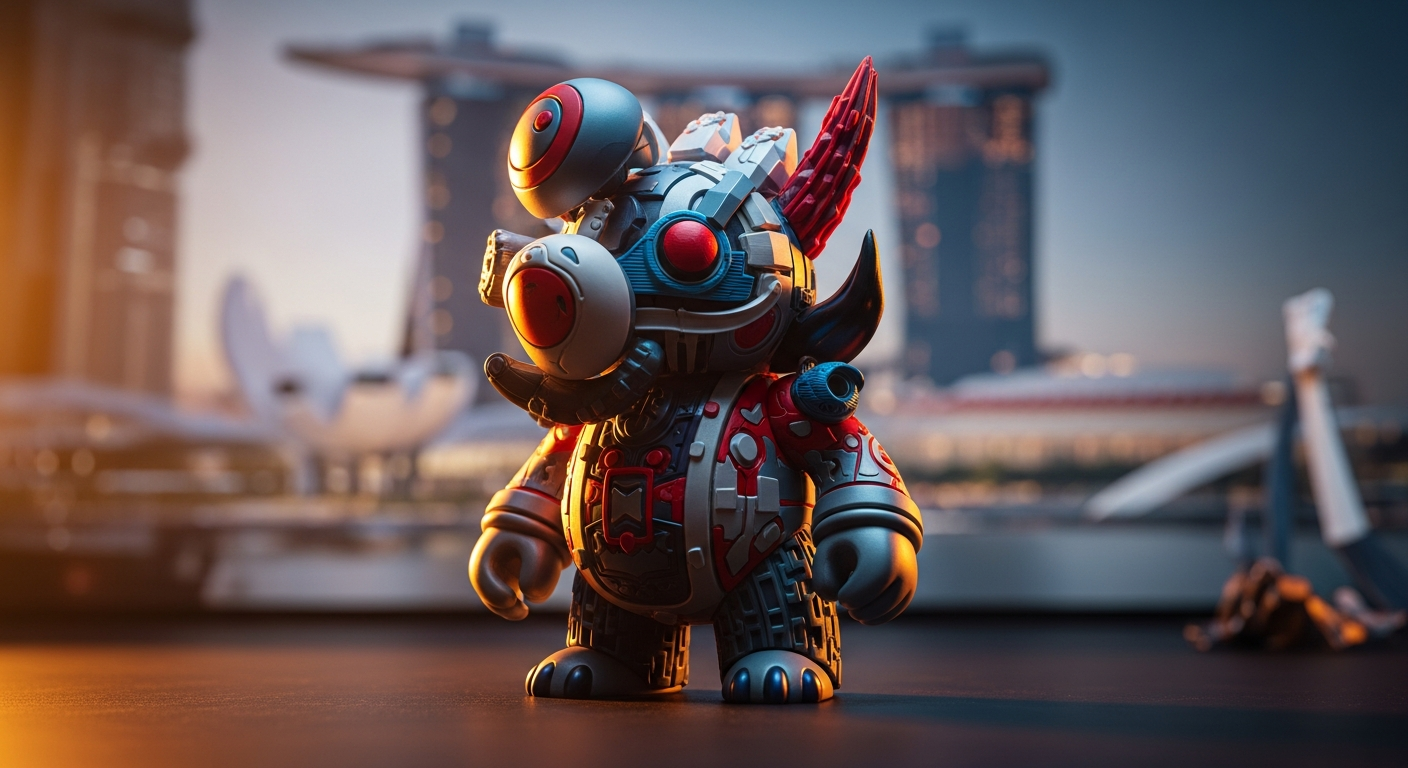
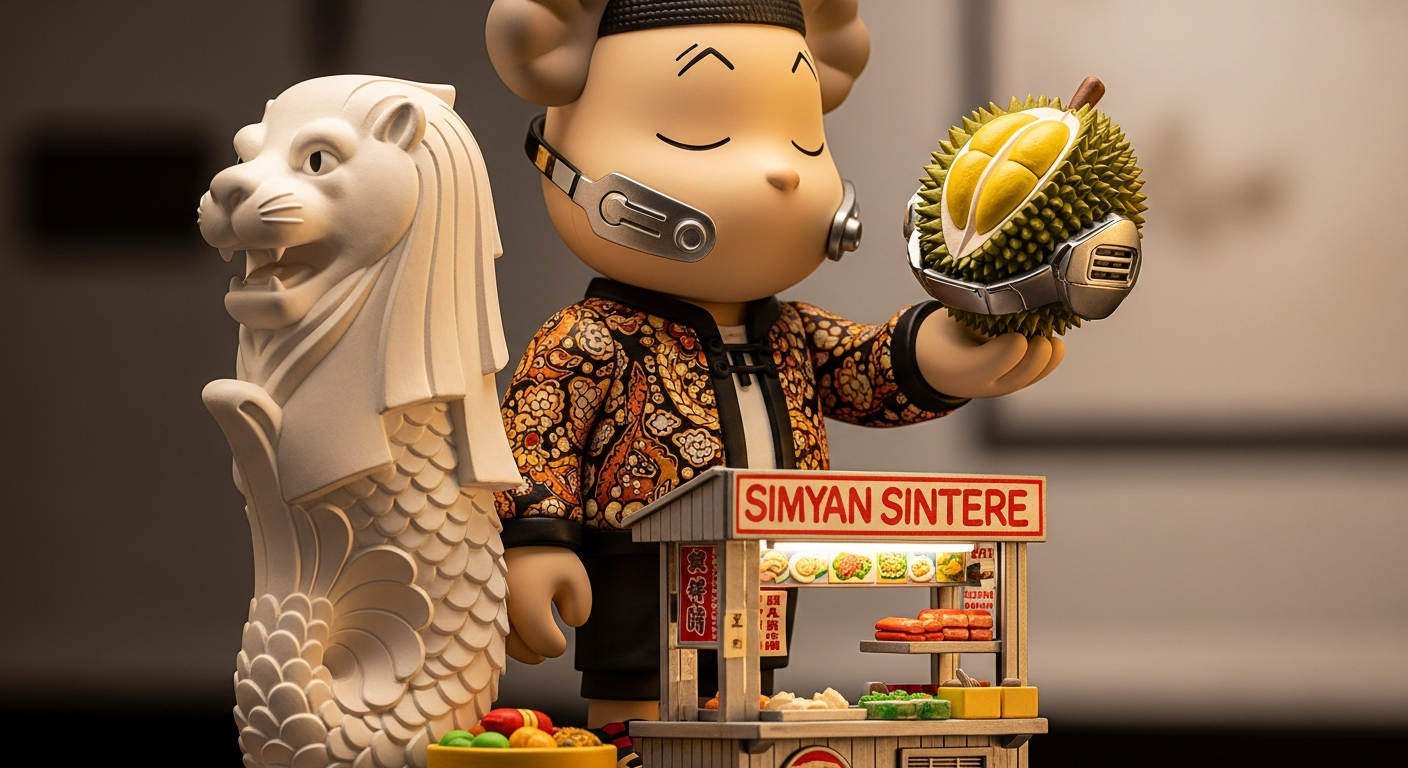
The intersection of 3D printing and designer collectibles is reshaping how art toys are conceived, produced and launched. By 2025, artists and brands in Singapore and across Southeast Asia are tapping into AI design tools, sustainable resin options and AR-enabled release strategies to create collectible drops that are faster to market, kinder to the planet and richer in digital experiences. This article explains how creators and buyers can leverage a 3d printing service singapore to produce high-detail art toys while staying on trend with eco-conscious materials and augmented reality integrations.
Singapore’s compact supply chain, advanced manufacturing facilities and strong IP protection make it a natural base for small-batch and bespoke production. Local 3d printing service singapore providers often offer rapid prototyping, short lead times and the ability to iterate with close communication — advantages that matter for art toy designers who need tight feedback loops between proof-of-concept and final collectible.
Key Singapore advantages:
– Proximity to regional finishing and paint studios for custom hand-finishes.
– Efficient logistics and lower transit times compared with overseas outsourcing.
– Access to advanced additive technologies (SLA, MSLA, SLS, PolyJet) and material certifications.
Different printing processes suit different aesthetics and production needs:
– SLA / MSLA / DLP: High-resolution resin printing ideal for detailed sculpting, smooth surfaces and complex undercuts common in designer art toys.
– SLS (nylon): Durable, textile-like surface and strength for functional pieces or toys meant to be handled heavily.
– PolyJet / MultiJet: Multi-material and full-color capability for prototypes or low-volume runs that require built-in color and translucency.
– FDM: Cost-effective for larger forms and basic prototyping, though less suited for fine-detail collectibles.
A 3d printing service singapore will advise on the best method depending on your sculpt detail, desired finish, budget and batch size.
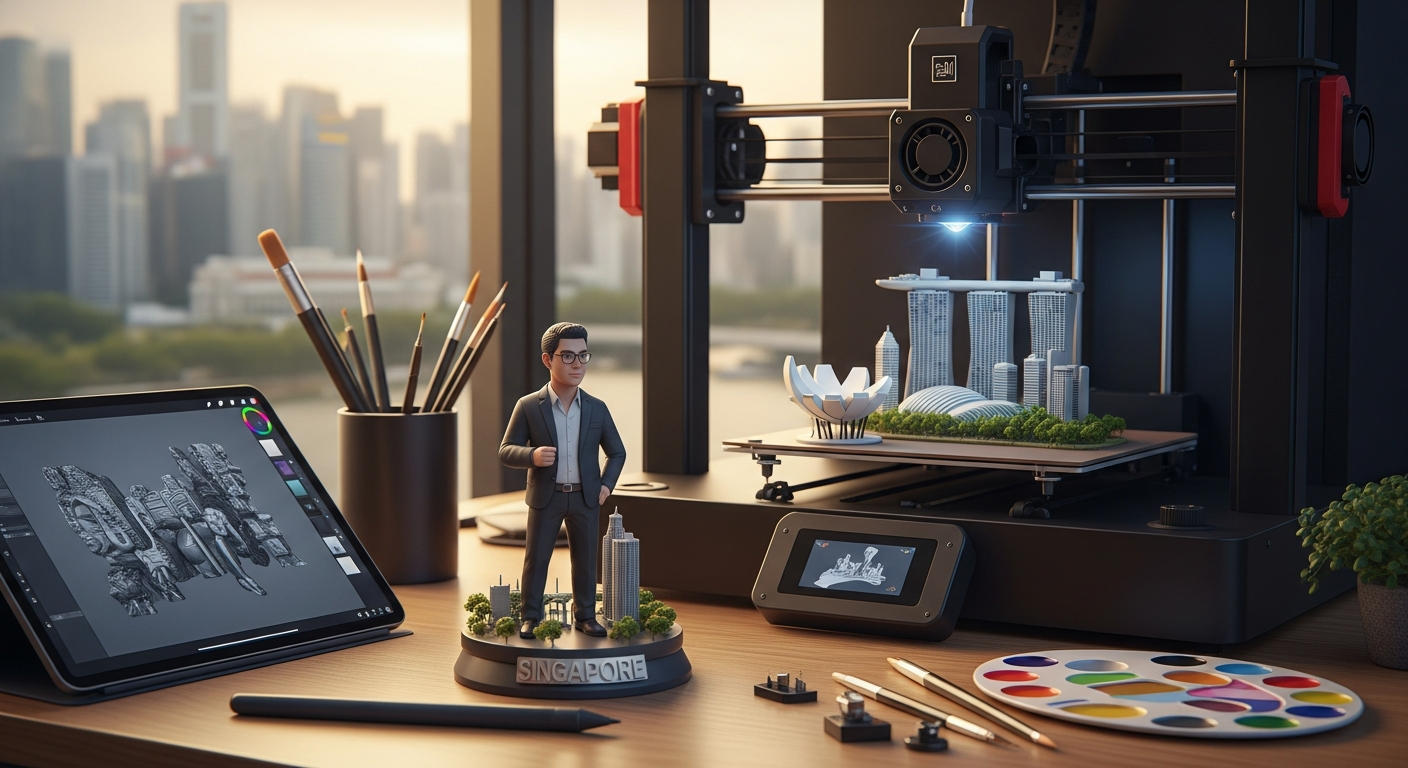
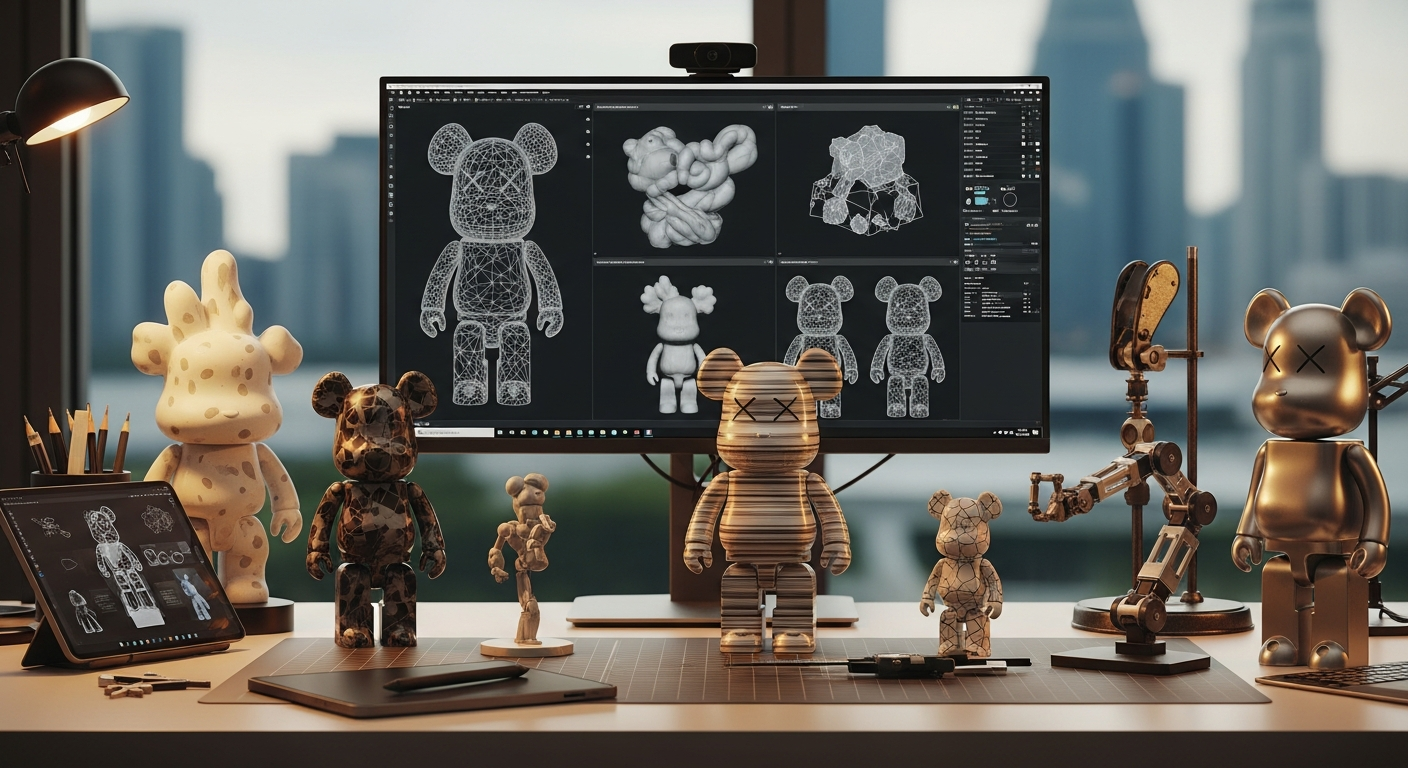
AI is transforming ideation and even the 3D modeling pipeline. Designers use AI tools for concept generation, iterative style exploration and accelerating retopology. Typical workflow:
1. Concept generation: text-to-image or image-mixing models produce visual references and style cues.
2. 3D seed models: AI-assisted tools can create base meshes or suggest variations from a sculpt (e.g., through generative design plugins and experimental text-to-3D services).
3. Artist refinement: sculptors finalize topology and detail in tools like ZBrush or Blender.
4. Print prep: models are optimized (decimation, wall thickness checks, support planning) and converted to print-ready formats.
Why this matters: AI speeds up ideation and provides novel shapes that maintain artistic authorship while reducing repetitive manual adjustments. When paired with a responsive 3d printing service singapore, time-to-market shortens — a critical advantage for limited edition drops.
Sustainability is no longer optional. The art toy scene increasingly prefers materials and processes that reduce environmental impact:
– Recycled and reclaimed resins: Some suppliers mix recycled photopolymer waste into new batches for lower embodied carbon.
– Bio-based resins: Derived partly from plant feedstocks, these reduce dependence on petrochemicals and are gaining traction for non-load-bearing collectible parts.
– Water-washable resins: Safer post-processing, less solvent use and easier disposal protocols.
– Closed-loop workflows: Local recycling of support material, careful curing to avoid VOCs, and responsible disposal of uncured resin.
A good 3d printing service singapore will be transparent about material sources, provide safety data sheets, and offer disposal or recycling options — helpful for artists who want to market their collectibles as sustainably produced.
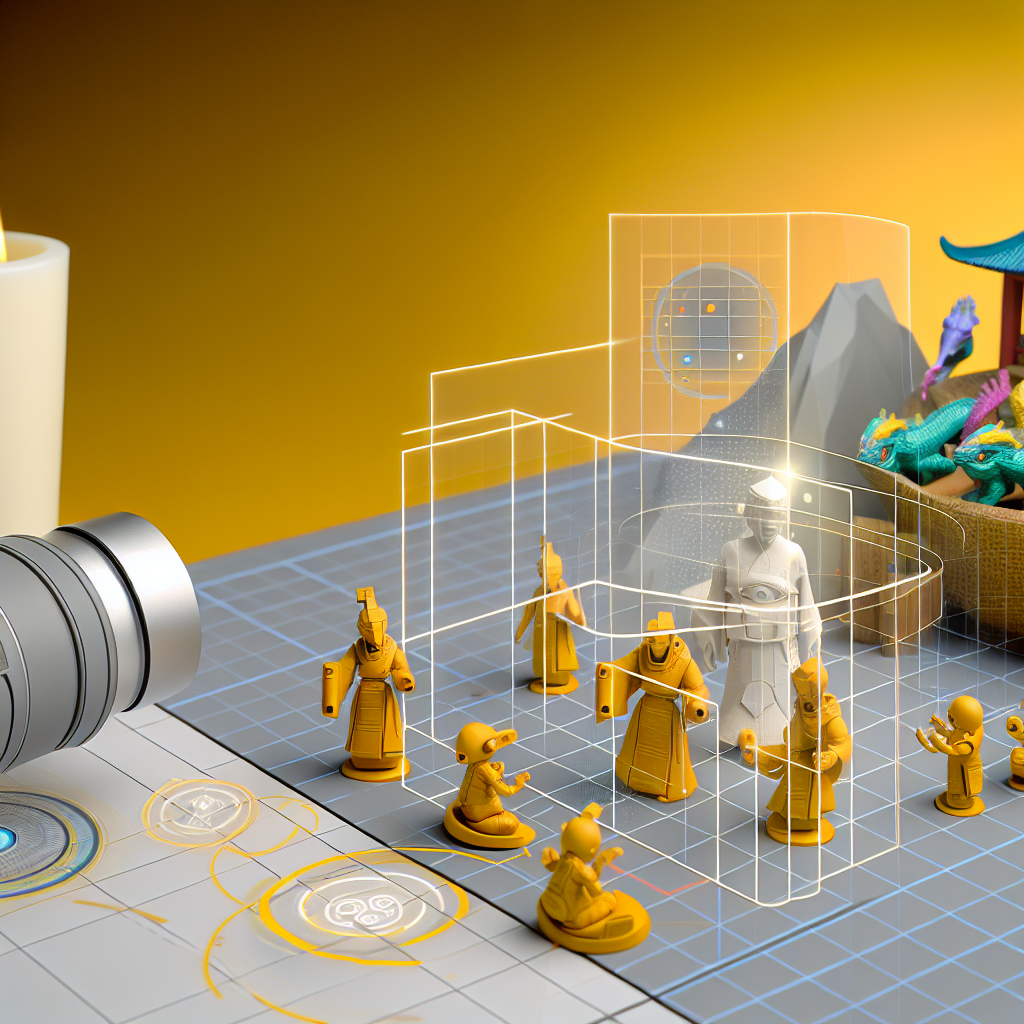
Augmented reality (AR) amplifies the value of physical art toys by creating digital layers that collectors can interact with. Typical AR-ready strategies for drops include:
– Creating a lightweight digital twin: Optimizing models (retopology, reduced polycount) and exporting to glTF or USDZ for WebAR and iOS/Android viewers.
– Texture baking and PBR workflows: Deliver photo-real renders and materials for consistent AR representation.
– Embedding provenance: QR codes, NFC chips or a linked NFT/digital certificate that unlocks AR content or animations.
– WebAR deployment: No-app experiences via AR-enabled web pages help reach collectors quickly during a drop.
When you work with a 3d printing service singapore that understands AR, they can supply both the physical part and the optimized digital assets needed for an AR-ready launch.
A standard timeline for art toy drops when using a professional 3D printing partner:
– Week 1–2: Concept and AI-assisted iterations.
– Week 2–4: High-detail sculpts and first resin prototypes (SLA/MSLA).
– Week 4–6: Testing, fit checks, and surface refinement; paint tests.
– Week 6–8: Small-batch printing and post-processing; assembly and QC.
– Week 8+: Packaging and launch, often coordinated with a digital (AR/NFT) release.
Services to expect from a 3d printing service singapore: white-box finishing, UV curing, sanding, priming, professional painting or pad printing, assembly, QC and low-volume manufacturing with flexible reorder options.
Art toy creators must protect their designs. Working with local partners in Singapore simplifies NDAs, IP agreements and contractual protections. Make sure your 3d printing service singapore offers:
– Clear NDAs and IP clauses.
– Secure file handling and limited access to design files.
– Advice on regulatory compliance for toys (if intended for children) and chemical safety for resins.
Successful drops combine scarcity with storytelling. Consider:
– Staged releases: Prototypes for community feedback, followed by limited editions and artist-signed variants.
– Bundled AR content: Physical toy + exclusive AR animation or unlockable art.
– Collaboration runs: Partner with local Singapore artists and brands to leverage cross-audience interest.
Expect AI tools to become more tightly integrated into 3D pipelines, enabling richer, more surprising sculpt options while automating much of the prep work for printing and AR. Sustainable materials will also continue to improve in performance and availability. For creators in Singapore, that means faster iterations, lower environmental impact and more immersive drops that bridge physical and digital worlds.
Conclusion
For artists and brands producing collectibles, the combination of AI-assisted design, responsibly sourced resins and AR-enabled drops opens a new era of creative possibility. Partnering with a knowledgeable 3d printing service singapore streamlines production, helps meet sustainability goals and ensures your art toys arrive to collectors as highly crafted physical objects — with compelling digital extensions — ready for the market in 2025 and beyond.