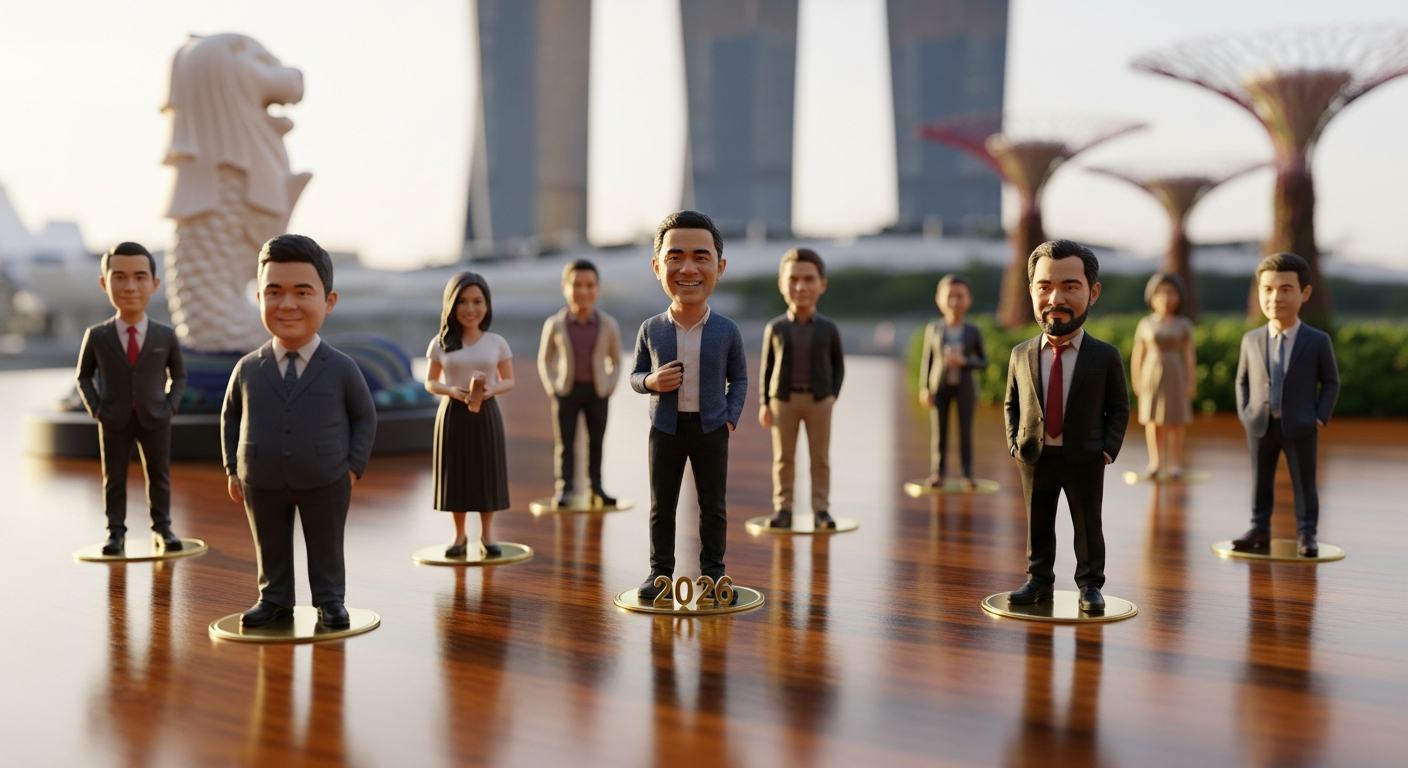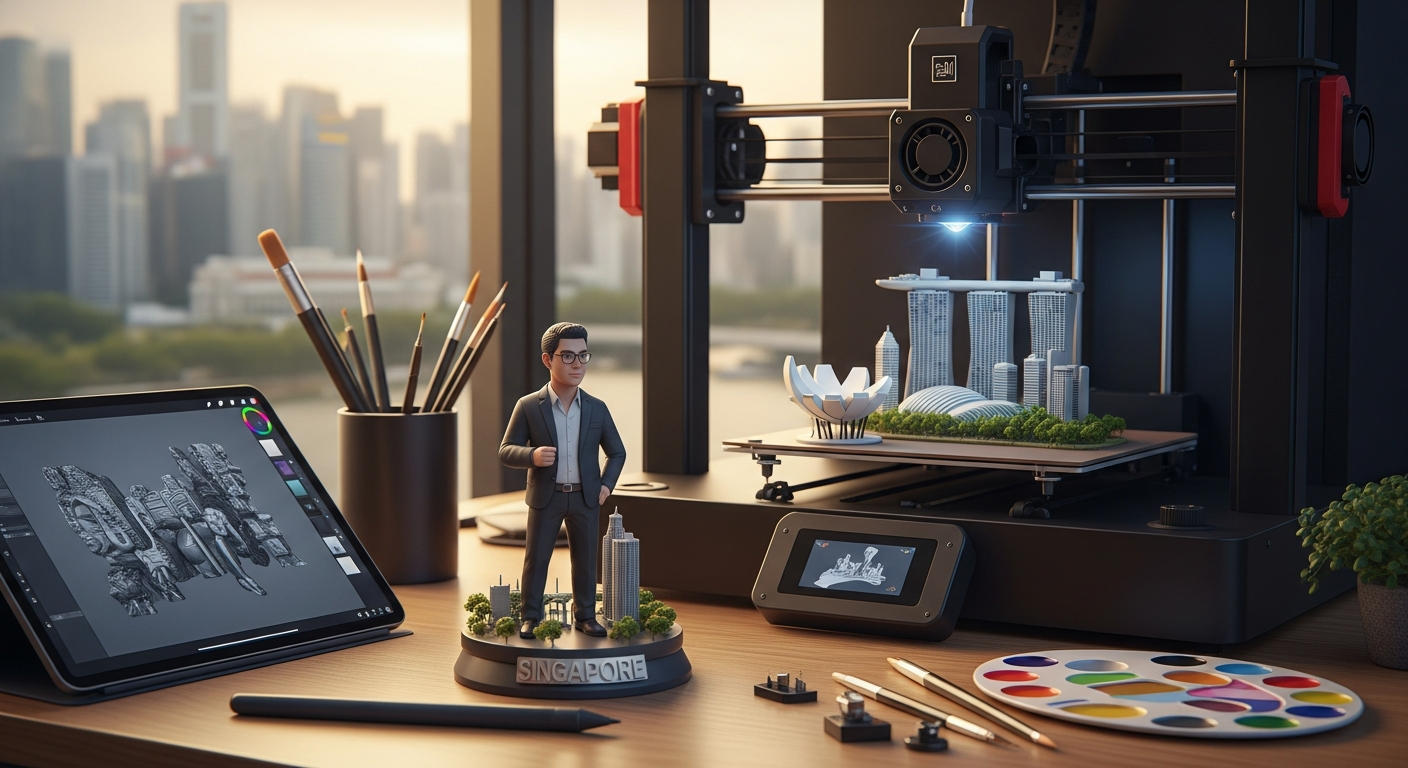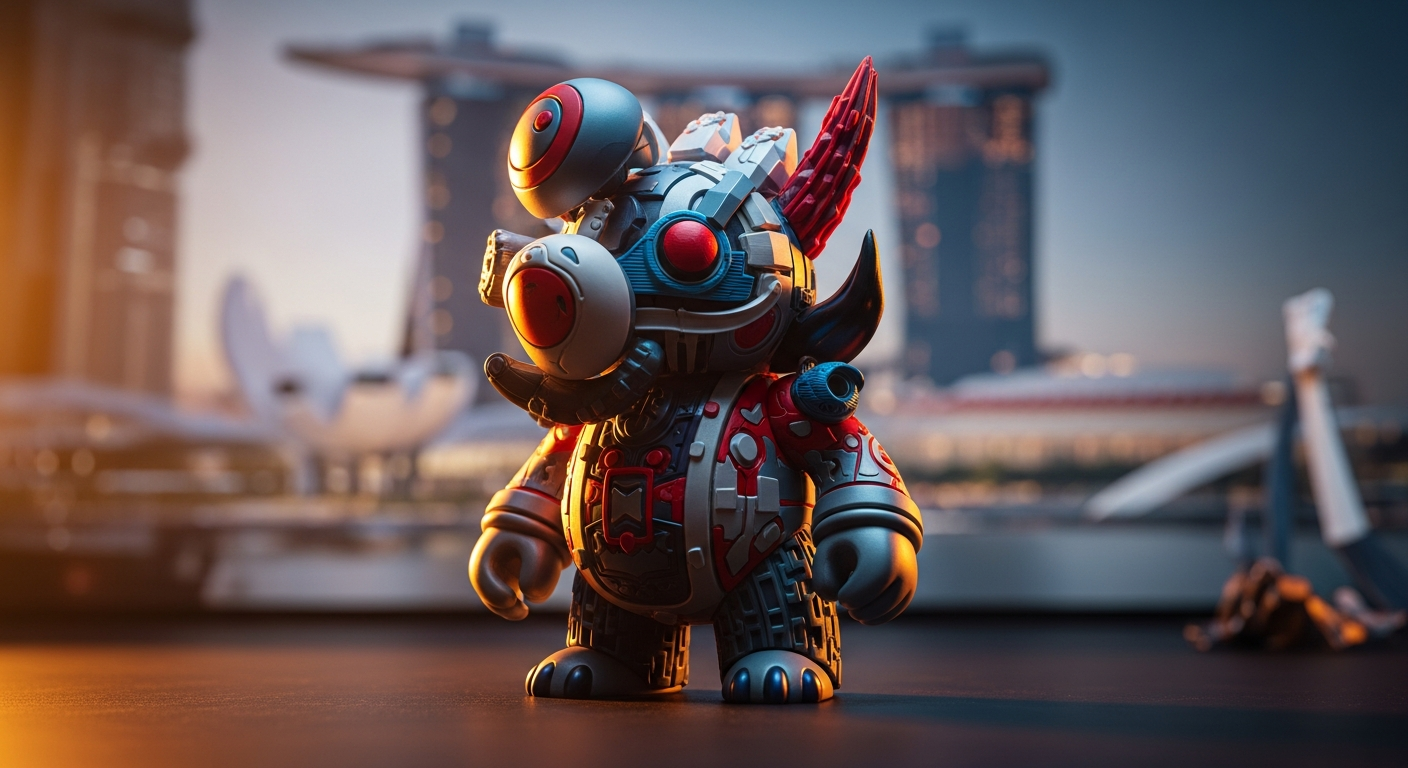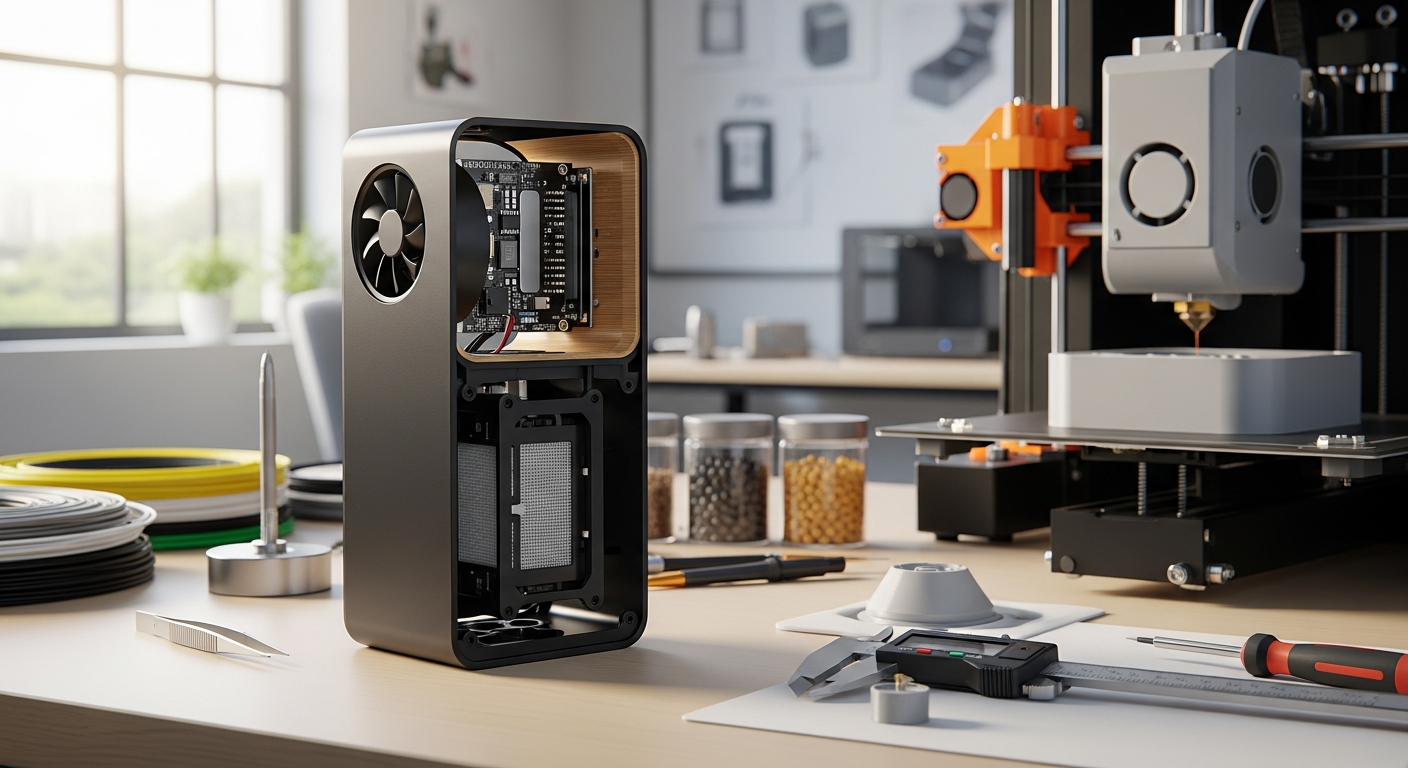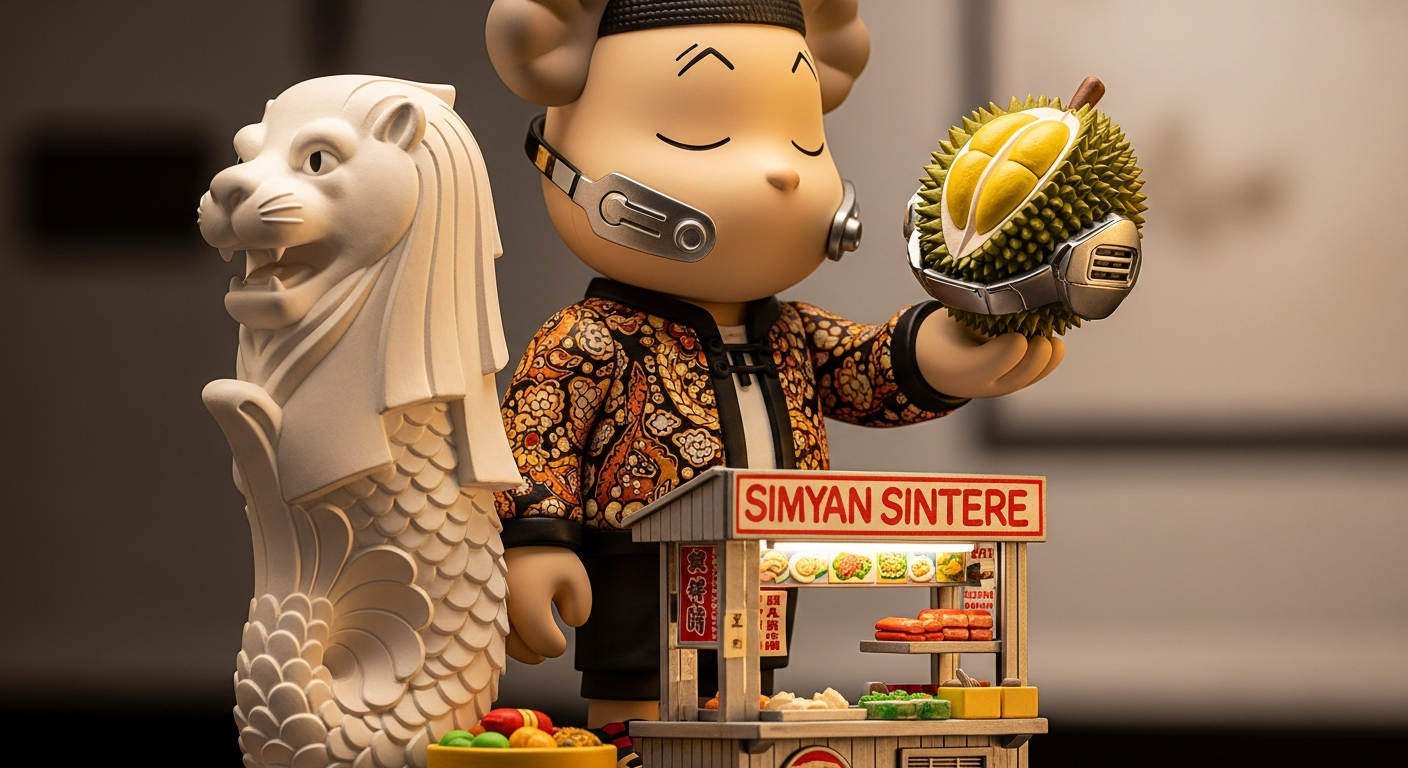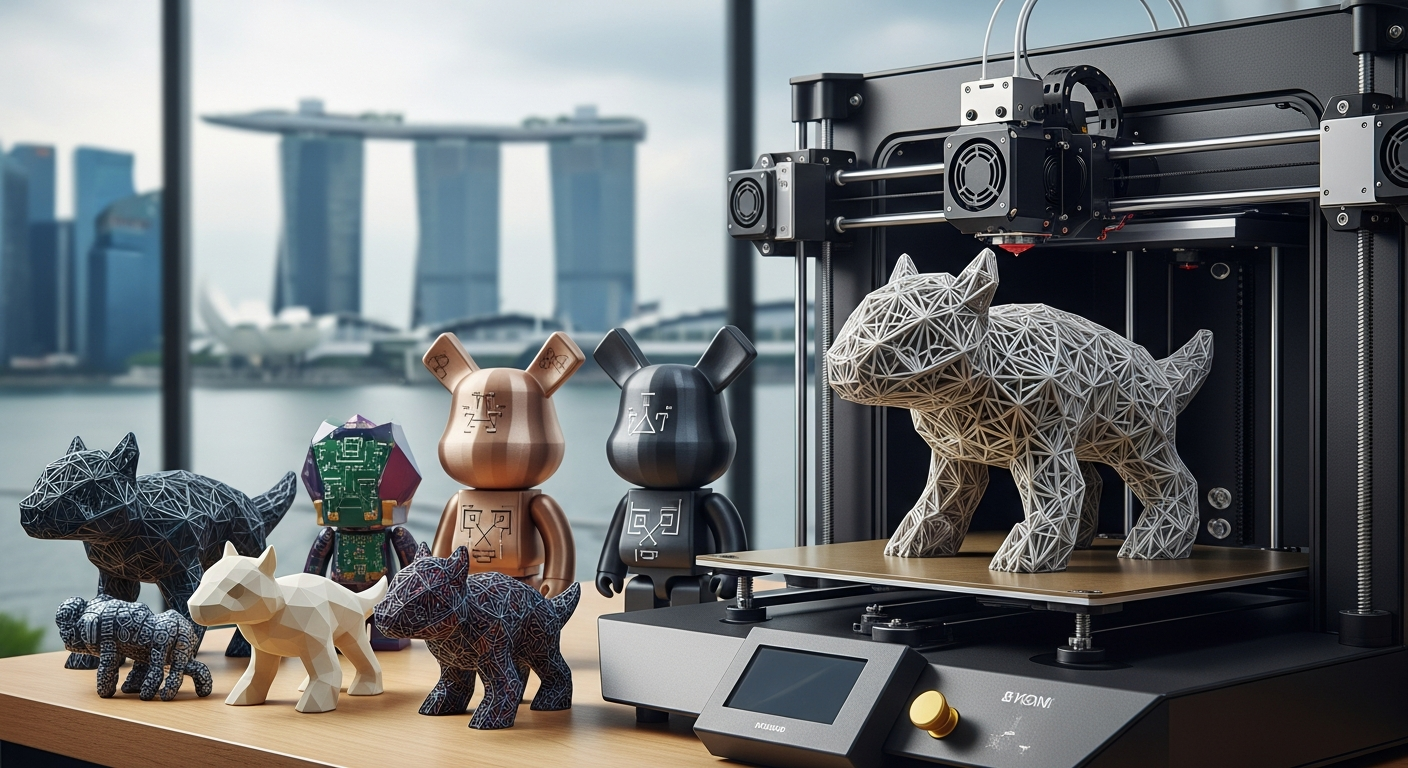
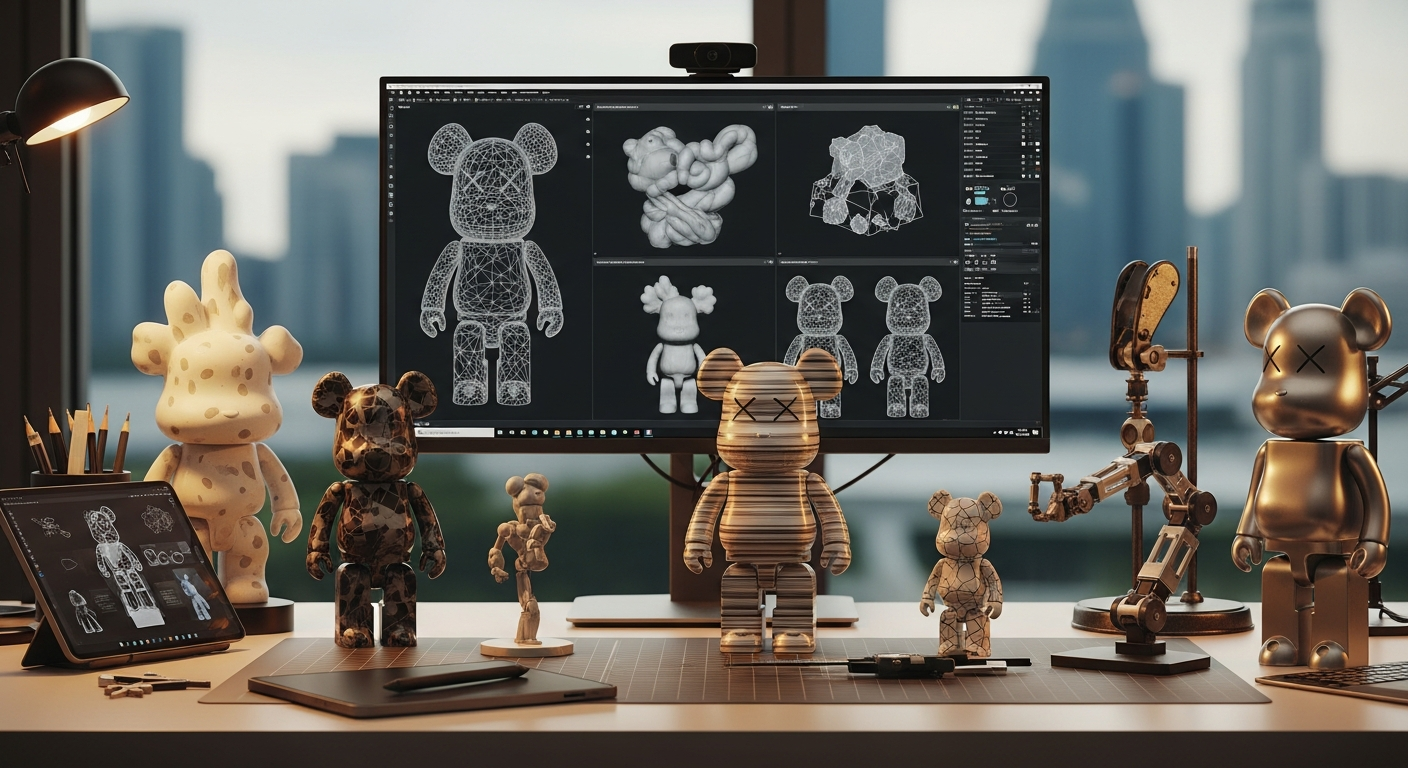

AI-driven creativity and additive manufacturing are reshaping how collectible art toys are conceived and produced. By 2025, artists and small studios are increasingly pairing generative AI tools with local fabrication partners to turn digital concepts into tangible, limited-run art toys. For designers in and around Singapore, choosing the right production partner is more than picking a machine — it’s about materials, finishing, delivery speed and protecting creative intent.
This article breaks down what to look for in a 3D printing partner in Singapore, which processes and materials work best for art toys, emerging 2025 trends, and a practical checklist for moving from AI design to a collectible object.
Generative AI has made idea iteration incredibly fast: artists can produce dozens of variants in hours, exploring surreal anatomies, novel textures and hybrid forms. The next challenge is production — converting high-variation digital output into physical objects collectors will pay for. Rapid, local additive manufacturing bridges that gap: it supports small batch runs, fast prototyping and high-detail printing essential for niche art toys.
This new workflow also fuels personalization and limited editions. Designers can offer collectors a unique AI-generated piece, then use a nearby fabrication partner for fast production and fulfillment. For those looking for a reliable partner, a reputable 3D printing service Singapore can accelerate design-to-shelf timelines while maintaining quality.
Print technologies available: SLA/DLP and high-resolution resin printing suit fine detail and smooth surfaces; SLS works well for durable, unpainted parts; Multi Jet Fusion or full-color binder-jetting can produce vibrantly colored parts straight off the machine.
Material options: check for photopolymer resins, flexible materials (TPU-like), rigid nylons, and specialty plastics. For higher-end collectibles, inquire about casting masters produced from 3D prints.
Post-processing capabilities: sanding, smoothing, priming, hand-painting, pad-printing and electroplating are essential for art toys that need a premium finish.
Low-volume pricing and lead times: many artists need runs of 10–500 pieces. Look for studios that specialize in short runs and offer transparent pricing tiers.
IP and NDA practices: ensure the provider will respect intellectual property and can sign NDAs for original designs.
Local logistics and scaling: a Singapore-based partner offers fast turnaround, reduced shipping complexity across Southeast Asia, and easier collaborative touchpoints. Explore experienced studios such as 3D printing service Singapore that focus on art and collectible production.
Resin (SLA/DLP): ideal for sculptural detail and smooth skin-like surfaces. Resin parts are excellent for hand-finishing and painting.
SLS (nylon): great for durable figures and interlocking parts, with a slightly grainy texture that takes paint well after priming.
FDM with specialty filaments: useful for larger-scale pieces or core structures where cost is a priority; however, layer lines often require more finishing.
Full-color binder-jetting and MJF color workflows: emerging technologies in 2025 are producing better color fidelity for art toys printed with integrated full-color patterns, useful for smaller runs that avoid hand-painting.
Multimaterial assemblies: combining rigid core prints with flexible joints or soft-touch elements is increasingly common; look for shops that can print or assemble mixed-material toys.
If color realism and tactile finish are priorities, partnering with a studio that offers dedicated finishing services will save time and improve collector appeal. Consider requesting sample swatches and small prototypes from a 3D printing service Singapore to verify look and feel before committing to a run.
Curate and clean AI outputs: generative models produce many variants; select cohesive silhouettes and refine them in a sculpting package (ZBrush, Blender).
Make the model watertight: ensure manifold geometry, correct normals and reasonable polygon counts. Hollow large volumes where possible to cut material costs and speed up printing.
Consider tolerances and assembly: define snap fits, locating pins and alignment features for multi-part toys. Communicate these requirements with your fabricator early.
Export appropriate file formats: STL remains standard for many processes; some full-color services may want OBJ with vertex colors or VRML for texture maps.
Request a prototype: always print a single proof to validate scale, ergonomics and fit before committing to a production run. Use a local 3D printing service Singapore to reduce iteration time.
High-end art toys depend on post-print craftsmanship. Common finishing steps include:
Some studios offer contract painting and assembly, which is a major benefit for artists who prefer to focus on design and distribution rather than labor-intensive finishing.
Costs vary by process, material and post-processing. Typical factors that influence pricing:
Turnaround for prototypes can be a few days; small production runs typically take 1–4 weeks depending on finishing levels. Sustainability is also gaining attention: studios that minimize waste through efficient nesting, recyclable support materials, and local production reduce shipping emissions and lead times. Many collectors appreciate eco-aware production stories, which can increase perceived value.
Generative design as aesthetic: AI patterns, topological forms and algorithmic textures are becoming signature styles among collectors.
On-demand, serialized production: print-on-demand enables limited drops without warehousing large inventories.
Hybrid finishing pipelines: digital color printing combined with selective hand-painting for premium contrast.
Micro-factory partnerships: small studios in creative hubs, including Singapore, offering end-to-end services from rapid prototyping to final assembly.
Augmented reality previews: some fabricators now provide AR previews so collectors can visualize scale and detail before production.
Artists and studios that combine AI creativity with reliable local fabrication — especially a specialist 3D printing service Singapore — are best positioned to exploit these trends.
By 2025, the most successful AI art toy projects pair imaginative AI-generated design with pragmatic fabrication decisions: choosing the right materials, anticipating finishing needs and working with a partner that supports low-volume, high-quality runs. For creators in Singapore and beyond, local 3D printing services offer speed, collaboration and finish expertise that transform AI concepts into collectible objects. When your goal is a standout art toy — whether one-off or a limited series — an experienced fabricator can turn algorithmic whimsy into a tangible, coveted piece.