Introduction
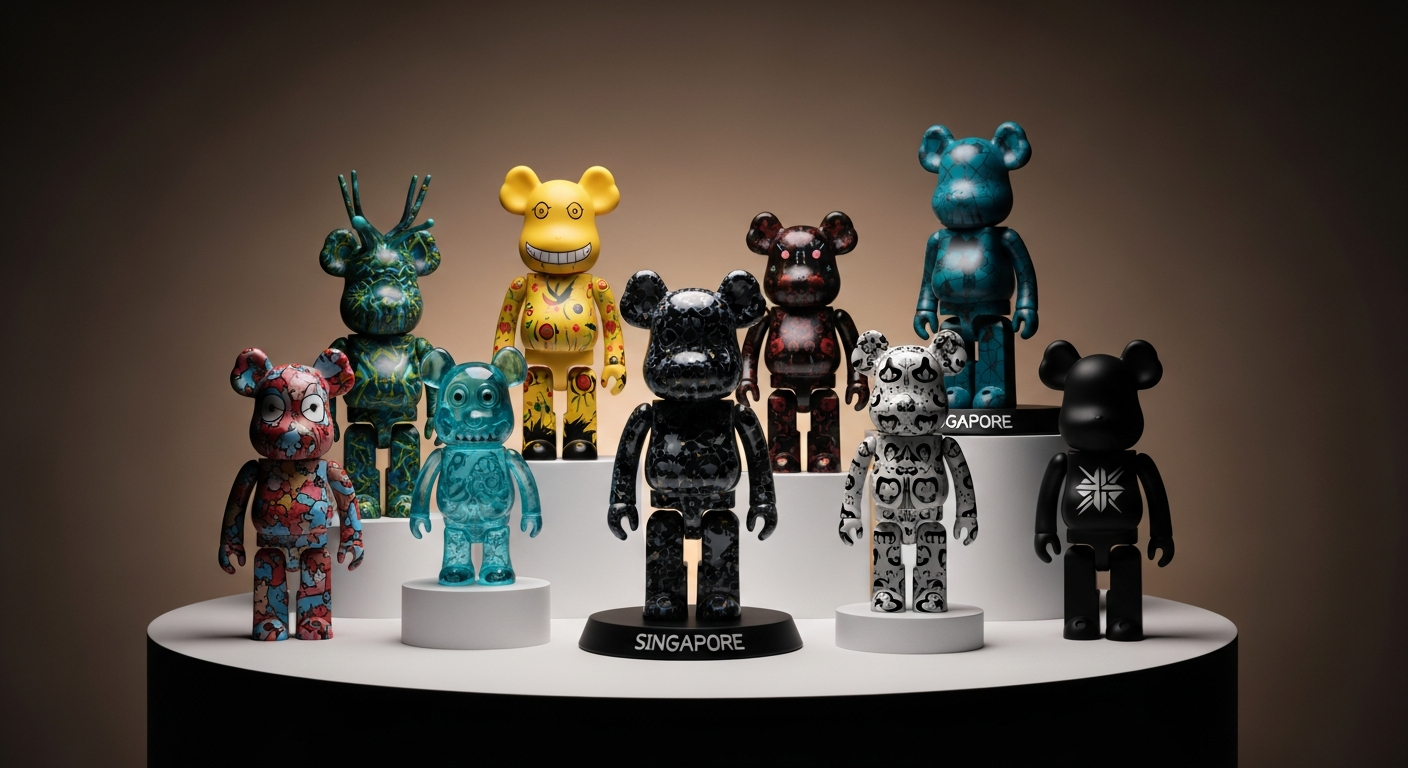
Collectors and brands increasingly look beyond mass-produced merchandise to create stories, scarcity, and emotional value. Limited edition art toys have become a powerful medium for artists, lifestyle brands, and cultural projects to build memorable experiences. In Singapore, a compact creative ecosystem and advanced prototyping capabilities make it an ideal place to execute high-quality collectible releases. This article explores the key phases of producing limited edition art toys and why working with specialists in custom figurine design Singapore raises your project from concept to collectible.
Why limited edition art toys matter
Limited edition art toys are about scarcity and storytelling. A tightly controlled edition run turns a figurine into a collectible asset, increases perceived value, and helps cultivate a dedicated audience. Beyond market value, these releases offer creative benefits:
- Brand differentiation: A bespoke figurine reflects brand identity in three dimensions.
- Community-building: Drops, signings, and exclusive events incentivize fan loyalty.
- Revenue diversification: Collectibles create a new sales channel with higher margins than standard merch.
Collectors often seek provenance, artist signatures, numbered certificates, and intentional design details. These elements are planned from the outset in professional production pipelines.
Understanding custom figurine design Singapore
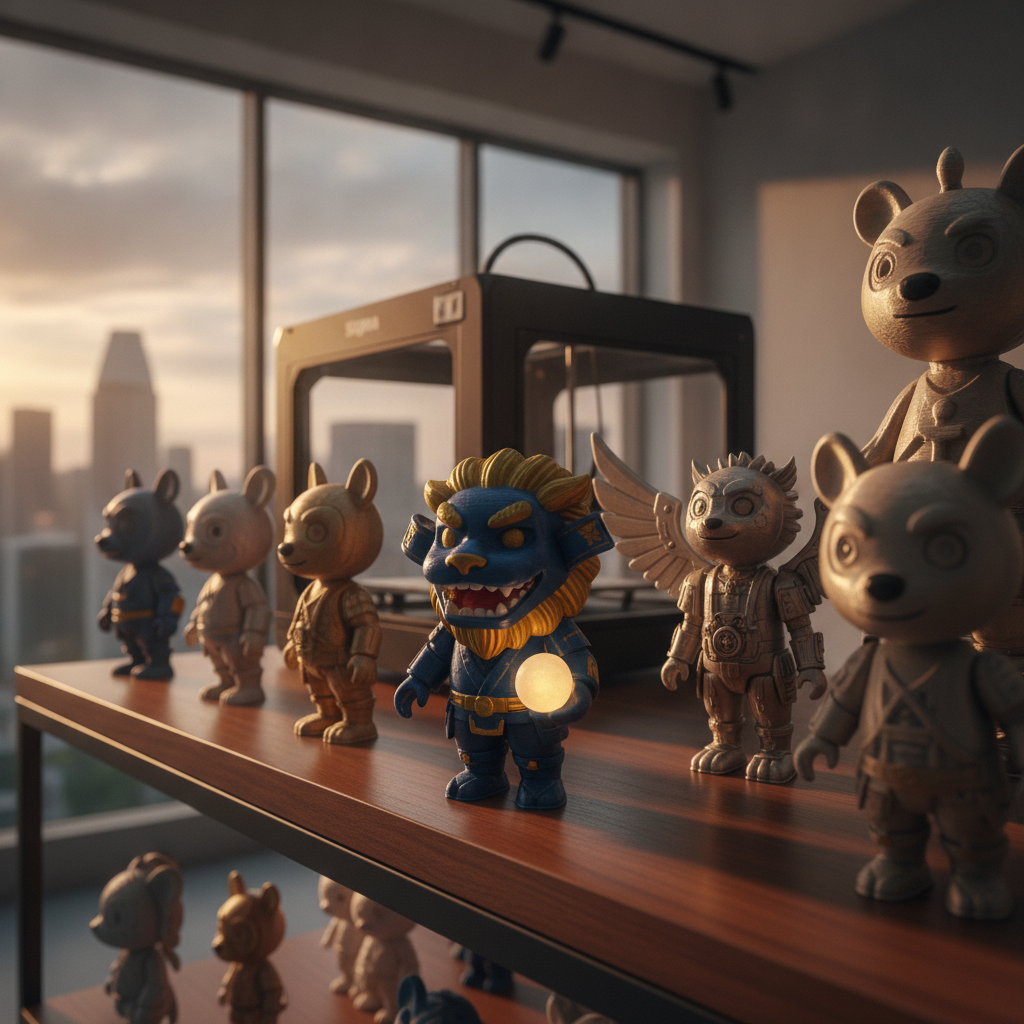
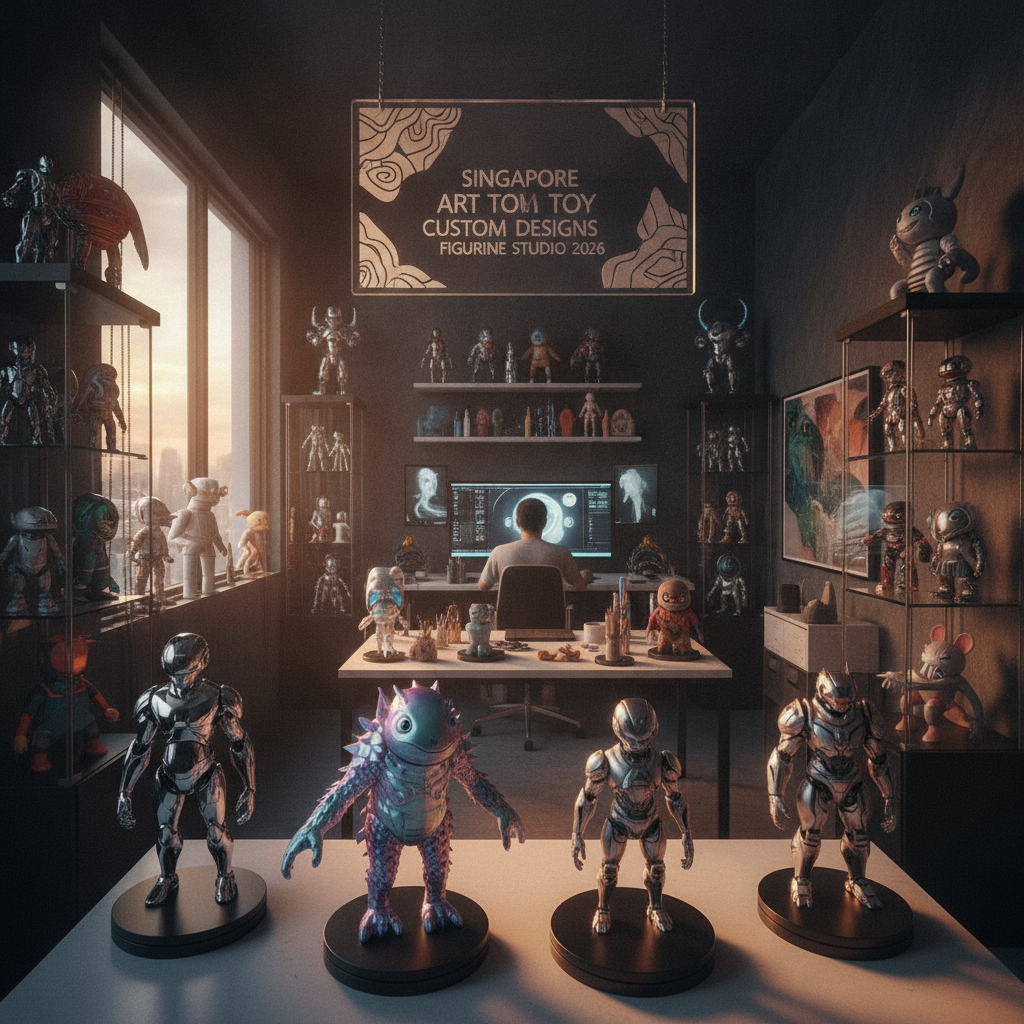
Custom figurine design in Singapore blends international standards with local agility. Designers here combine strong industrial design practices with a growing toy-art culture. A typical project begins with a creative brief, moves into sketching and 3D modeling, then advances to rapid prototype testing and production-ready tooling.
Key considerations when commissioning a custom figurine design Singapore include:
- Audience and positioning: Is the toy a gallery piece, a mass-market promo, or a mid-tier collectible?
- Edition size: The smaller the run, the higher the per-unit cost but the greater the collectible value.
- Materials and finish: Resin, vinyl, and mixed-media finishes each communicate different quality tiers.
- Regulatory and safety requirements: If toys are intended for children, compliance differs from adult collectibles.
Specialist studios help owners balance creative ambition with technical constraints, ensuring the final product looks as intended and functions reliably.
Concept to prototype: a step-by-step workflow
- Creative brief and research
- Define the narrative, target collectors, and target price point. Reference artworks, color palettes, and desired materials.
- Concept sketches and 3D sculpts
- Digital sculpting enables quick iterations while preserving fine detail. Early renders help stakeholders align on pose, scale, and expression.
- Rapid prototyping
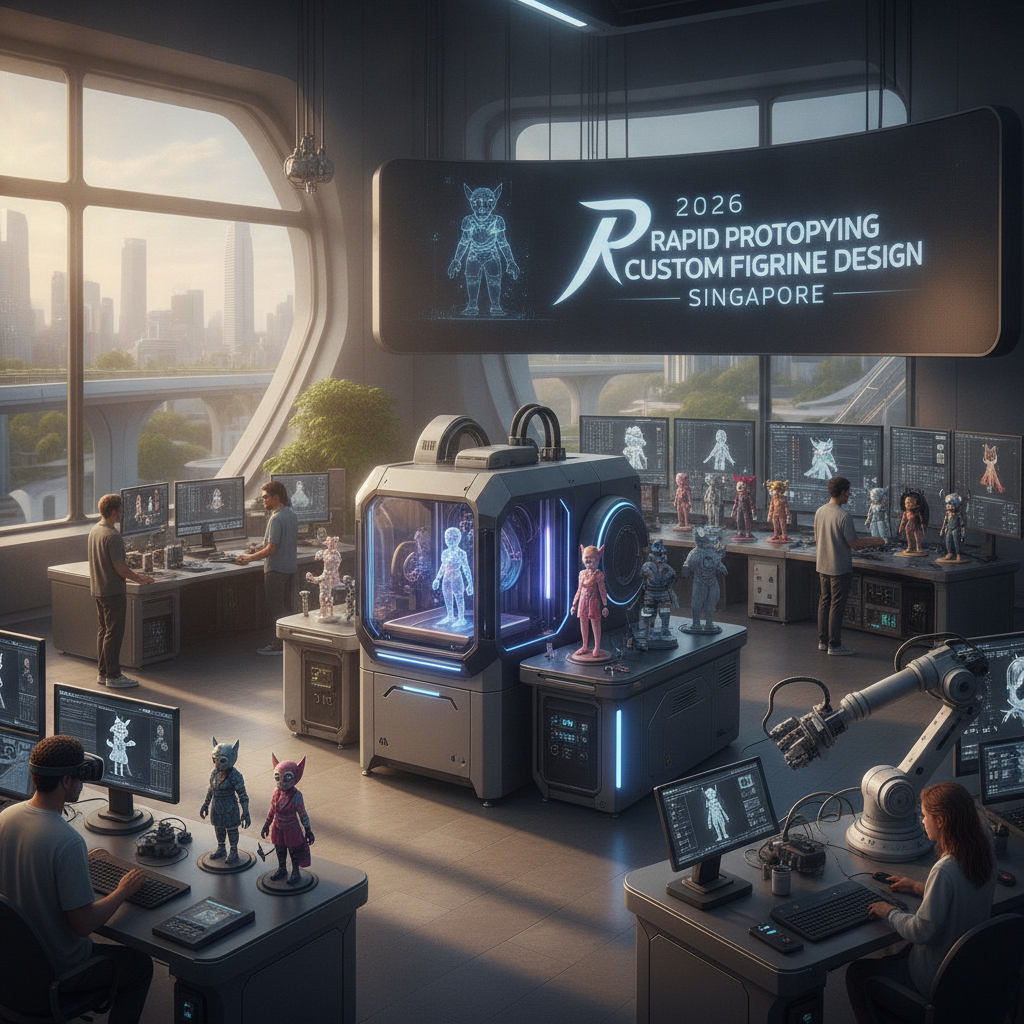
- Use rapid prototyping to produce physical proofs. These prototypes let you evaluate scale, articulation, and surface texture before committing to tooling.
- Materials selection and finish testing
- Decide between hard and soft materials, paint systems, and any fabric or metal components. Finish tests simulate aging, weathering, or gloss/matte contrasts.
- Tooling and small-batch production
- For resin or vinyl runs, tooling is often the largest upfront cost. Low-volume silicone molds or urethane casting are viable alternatives for very limited editions.
- Quality control and packaging
- Inspect each unit for paint fidelity and assembly integrity. Premium packaging, certificates, and numbering elevate presentation.
- Launch and fulfillment
- Plan drops, collector pre-sales, and shipping logistics. Limited editions benefit from staged releases, exclusives, and secondary market strategies.
Materials, techniques and trends to watch
The market for limited edition art toys is evolving. Here are trends and techniques gaining traction:
- Mixed-media hybrids: Combining injection-molded parts with hand-painted resin components creates a luxury feel.
- Small-batch vinyl revival: Soft vinyl has a tactile appeal, and boutique studios are reviving retro processes with modern finishes.
- Sustainable alternatives: Bioplastics and recycled materials are increasingly used to appeal to eco-conscious collectors.
- Augmented experiences: NFC chips or QR codes embedded in packaging link physical toys to digital content or certificates of authenticity.
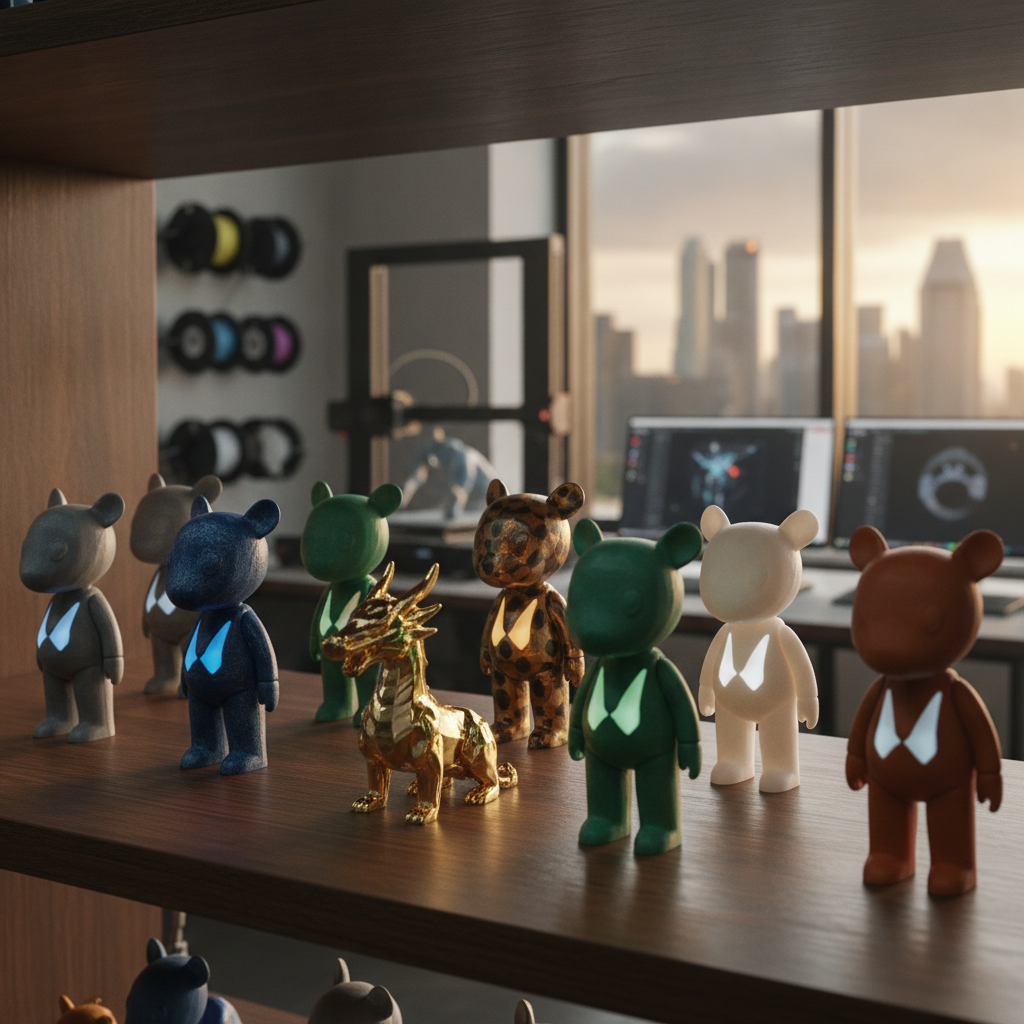
- Bespoke finishing: Hand-airbrushing, metallic leafing, and deliberate distressing turn each unit into a unique object.
If you need consistent detail and quick iteration, a reliable 3D printing service will be a central partner for early-stage prototyping and finishing work.
Choosing the right partner in Singapore
Selecting the right studio affects cost, timeline, and final quality. Look for partners who demonstrate:
- Portfolio depth: Examples of previous limited runs and custom pieces.
- Technical capability: In-house modeling, prototyping, and finishing capabilities shorten feedback loops.
- Communication and project management: Clear milestone planning and transparent costing reduce surprises.
- Knowledge of collectible markets: A partner that understands editioning, secondary markets, and collector behavior adds strategic value.
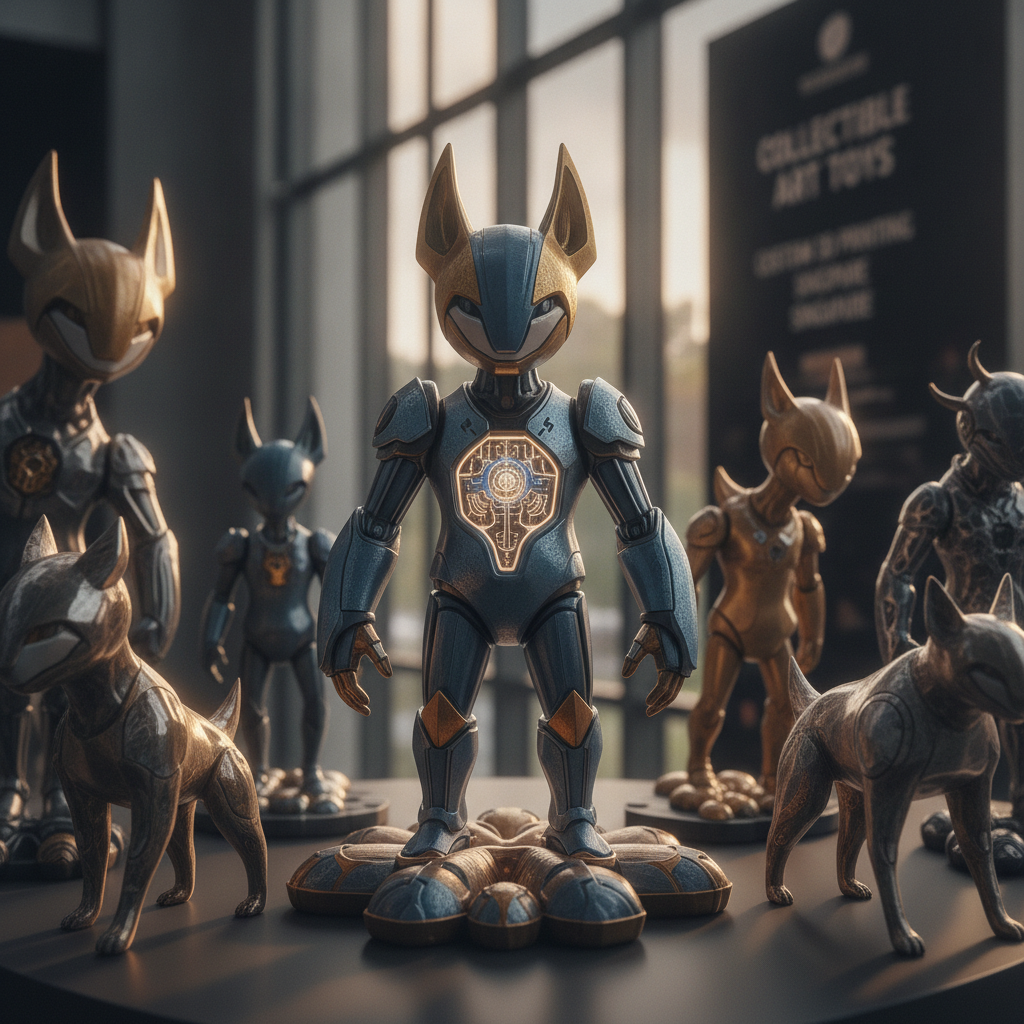
For clients seeking comprehensive creative and production support, explore studios specializing in designer art toys and lifestyle products that bridge art and commerce.
Costing, timelines and edition strategy
Budgeting for limited edition art toys depends on edition size, complexity, finishes, and packaging. Typical components of cost:
- Design and sculpting: Fixed cost that covers concept development and revisions.
- Prototyping: Per-piece cost for printed or cast proofs.
- Tooling and molds: Upfront investment that scales across larger edition sizes.
- Manufacturing: Per-unit production costs that decrease with volume.
- Finishing and QC: Labor-heavy work that affects per-unit pricing for special finishes.
- Packaging and inserts: Custom boxes, certificates, and protective inserts.
- Logistics: Shipping, duties, and fulfillment services.
Timelines commonly range from 8 to 20 weeks depending on complexity. Small-batch resin or urethane casting can be faster than full tooling for injection-molded vinyl. For projects that need tight iteration, prioritize partners offering both prototyping and finishing under one roof.
Launch strategies for limited-edition collectibles
A considered launch strategy can make or break demand. Best practices include:
- Tiered releases: Offer a small number of ultra-limited artist proofs and a larger numbered edition.
- Collaborations: Partner with a local artist, gallery, or influencer to reach new audiences.
- Drop mechanics: Use timed releases, raffles, or member-only presales to build excitement and reduce bot purchases.
- Storytelling: Provide narratives—making-of content, artist commentary, and numbered certificates—so collectors feel ownership over the story.
- Secondary market support: Consider a buy-back window or authentication service to maintain value and trust.
Working with a creative studio that understands both design and marketplace tactics ensures the collectible reaches the right buyers and retains value over time.
Case studies and inspiration
Across Southeast Asia, projects that fuse street art, limited runs, and lifestyle branding have seen strong engagement. Look for brands that:
- Play with regional narratives and cultural motifs to create unique story-driven pieces.
- Use limited-run variants and colorways to sustain interest across multiple drops.
- Leverage local manufacturing strengths for rapid turnarounds and quality control.
Studios offering bespoke services often publish galleries and walkthroughs that reveal successful approaches to editioning and finishing. Reviewing these examples helps shape realistic expectations for your own release.
Practical checklist for your project
- Define the creative brief and target collector profile.
- Determine edition size and special variants.
- Choose materials and finish priorities.
- Lock a timeline and confirm prototyping milestones.
- Budget for tooling, production, and packaging.
- Plan the launch sequence and communications.
- Arrange warehousing and fulfillment options.
- Prepare authentication materials and aftercare instructions.
A clear checklist keeps stakeholders aligned and reduces last-minute compromises that can undermine the collector experience.
Conclusion
Limited edition art toys are a compelling way to translate ideas into tangible cultural assets. Singapore’s creative manufacturing scene, combined with specialized expertise in custom figurine design Singapore, provides a strategic advantage for artists and brands aiming to create high-impact collectible releases. By defining a clear brief, collaborating with experienced partners, and planning a thoughtful launch, your limited edition release can become both a cultural statement and a sustainable revenue channel.
For teams seeking a turnkey approach—from digital sculpting to high-finish production—partnering with studios experienced in prototyping and lifestyle product design simplifies the path from concept to collectible. Explore resources and studio portfolios to identify the right fit and begin shaping an edition that resonates with collectors now and in secondary markets later.