Introduction
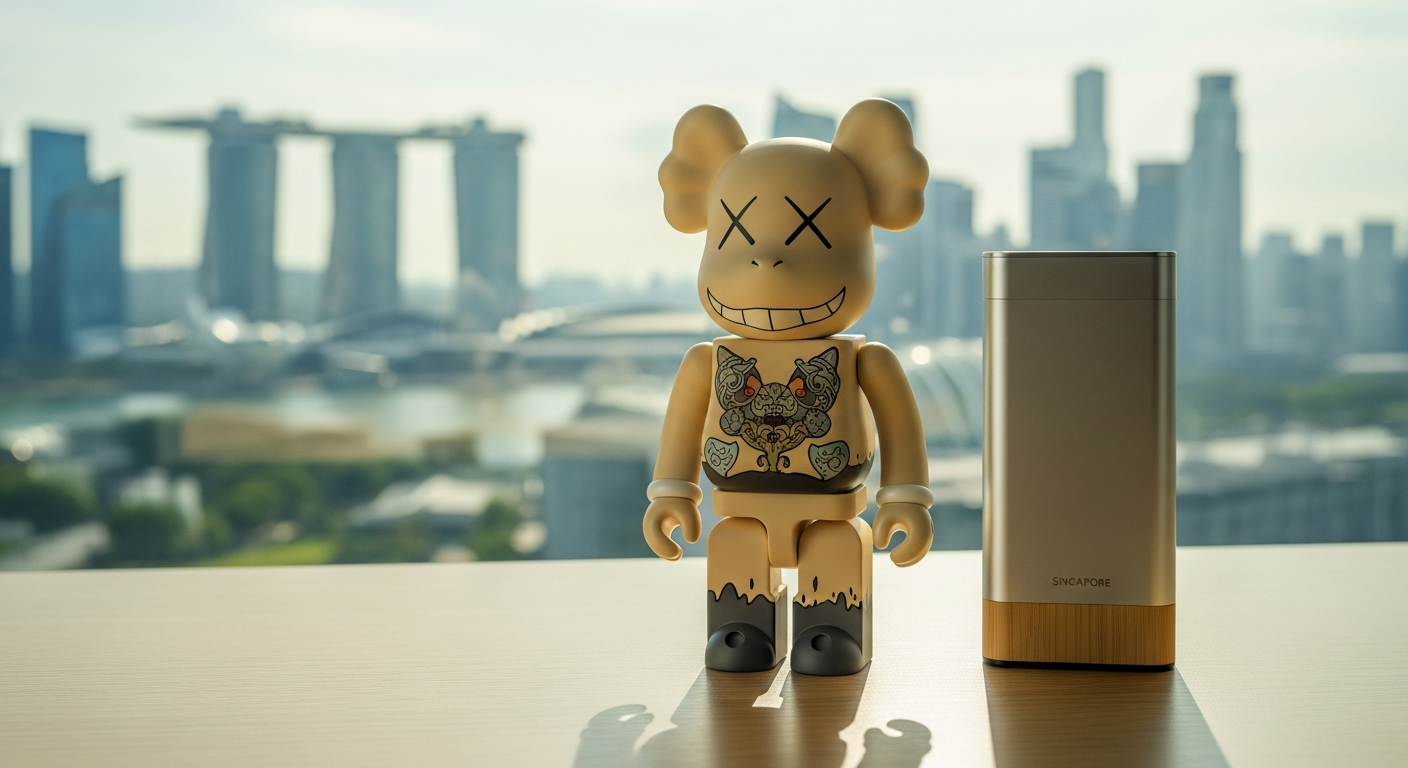
The art toy scene in Singapore has evolved from niche collectible culture into an internationally respected micro-industry. Artists and small studios increasingly rely on 3D printing to translate digital concepts into physical collectibles with precision, repeatability, and creative freedom. This guide explains how to choose a 3d printing service singapore for art toys, which technologies and materials matter in 2026, and practical tips for producing limited-edition drops that stand out.
Why 3D printing is now central to art toys
3D printing lets creators iterate designs quickly and economically at low to medium volumes. Unlike traditional tooling, additive manufacturing removes the high upfront cost barrier for short runs and one-off prototypes. For art toys — where detail, surface finish and limited editions are often the selling points — 3d printing service singapore providers offer specialized workflows that pair fine-detail processes with post-production finishing and assembly.
Key benefits:
- Rapid prototyping to refine sculpt and pose
- Short-run production without tooling costs
- Complex geometries, undercuts and integrated joints
- Customisation and serialized limited editions
Technologies and materials to consider in 2026
Not all printers are equal for art toys. Understanding the strengths of each technology helps match your design goals to a production method.
- SLA / DLP: Ideal for ultra-fine details and smooth surfaces. Resin-based processes are the go-to for intricate faces, tiny textures and collectibles where paint adhesion and sanding are critical.
- MJF / SLS: Powder-bed processes create durable, slightly textured parts with good mechanical strength. Useful for functional or rugged pieces and parts that need to snap or screw together.
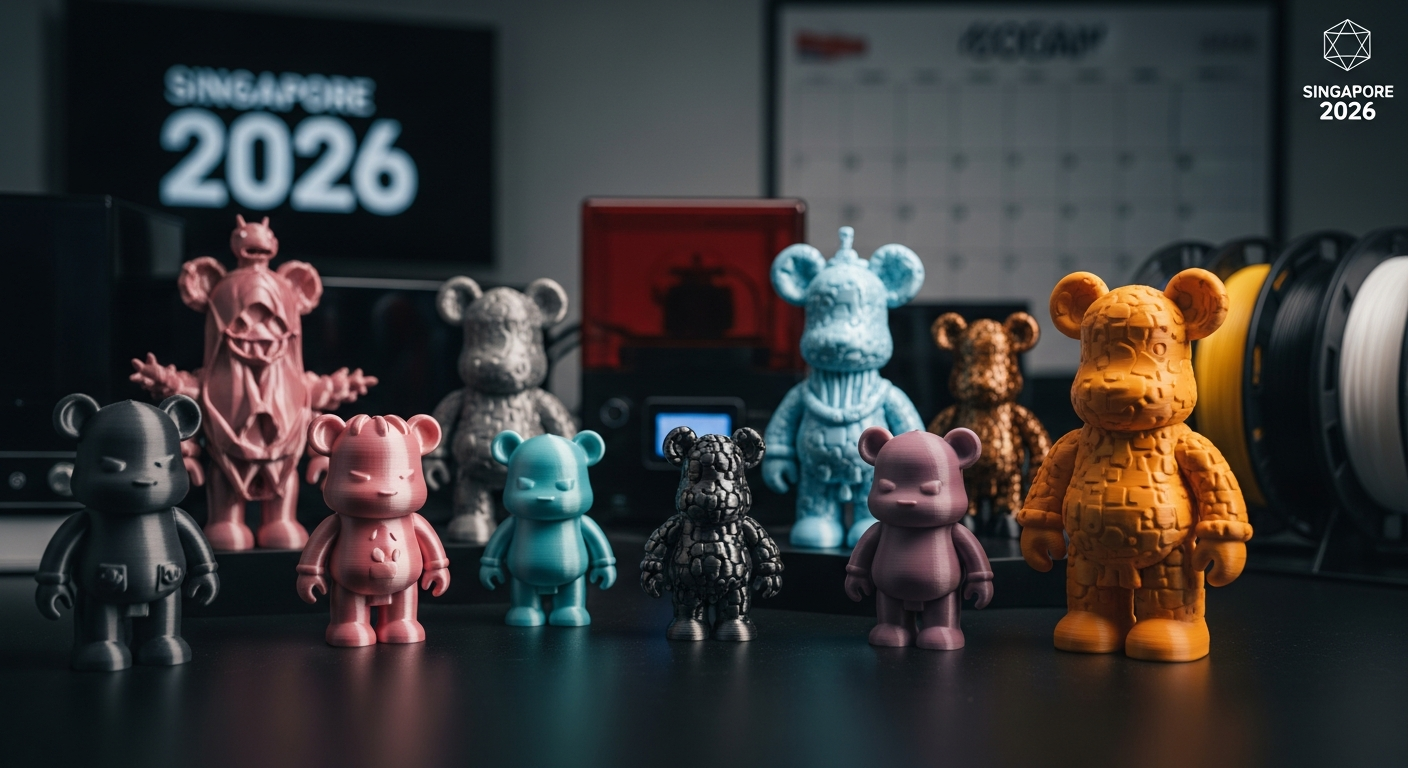
- FDM: Cost-effective for large forms or structural cores, increasingly used for large-format toys. Advanced FDM with soluble supports can be a pragmatic choice for prototypes and display pieces.
- Full-colour material jetting: Enables direct, full-colour prints for graphic-heavy toys, though costs and color consistency vary.
Materials to weigh:
- Standard resins for detail, ABS-like resins for durability
- Bio-based and low-VOC resins for greener production
- PA12 and TPU for flexible joints and wear-resistant components
If you need specialized services that combine design and production, look for studios that advertise end-to-end offerings, such as designer collaborations and lifestyle product design. For an example of such integrated services, consider a specialist partner focused on designer art toys and lifestyle product design Singapore.
Design tips for art toys destined for 3D printing
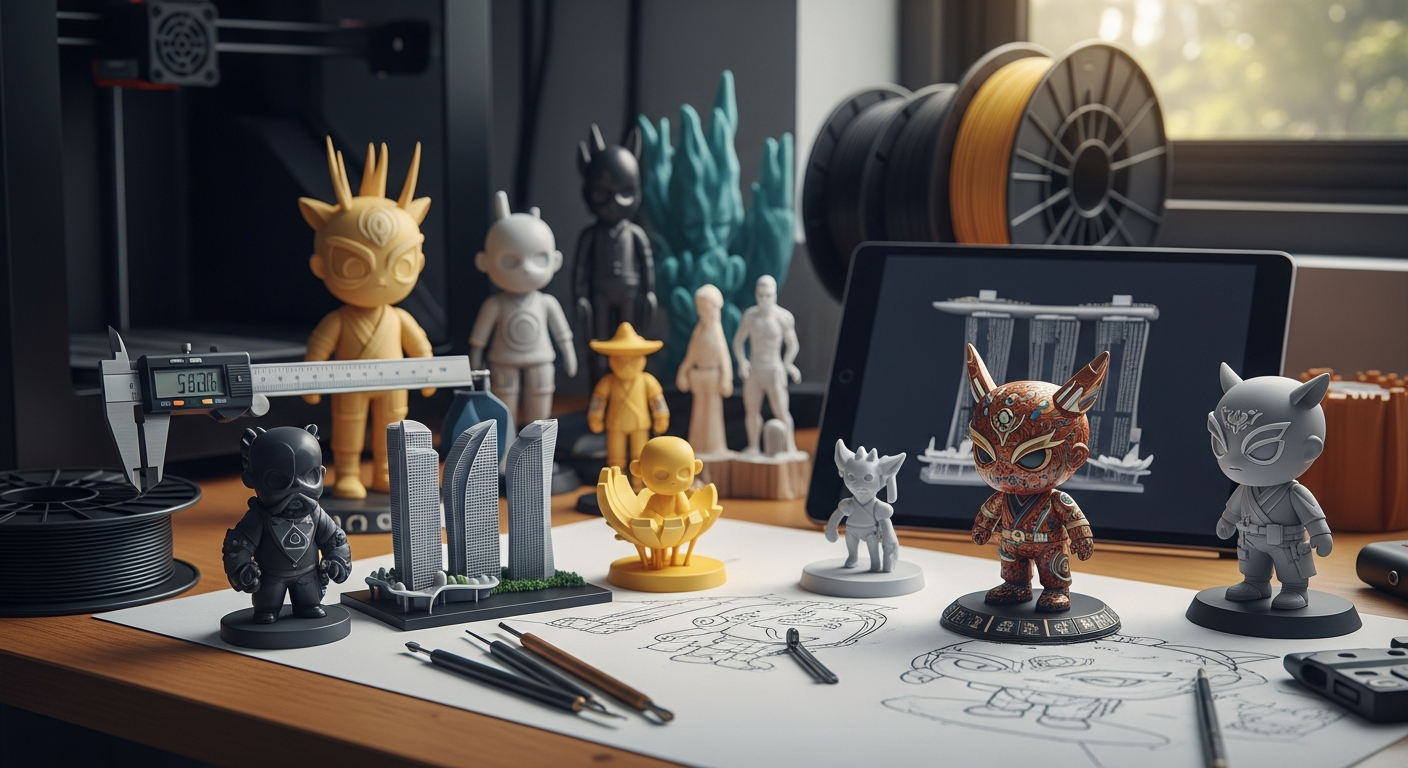
Start with manufacturability in mind. Small changes early in the CAD model reduce iteration time and cost.
- Minimum feature sizes: Confirm with your service provider. SLA can handle hairline features that FDM cannot.
- Wall thickness and hollowing: Hollowing reduces material and weight but needs escape holes to avoid trapped resin or powder.
- Assembly and tolerances: Design snap fits with clearance. Test fit with prototypes to tune tolerances for your chosen technology.
- Orientation and supports: Orient parts to minimise supports on visible surfaces. High-detail faces generally print best facing upward on SLA to preserve detail.
- Modular design: Break large models into printable sections for easier finishing and colour separation.
When you want controlled, limited runs with high fidelity, a reliable custom 3D printing Singapore partner takes your digital file and advises on such optimisations before printing.
Finishing, painting and post-processing that make art toys collectible
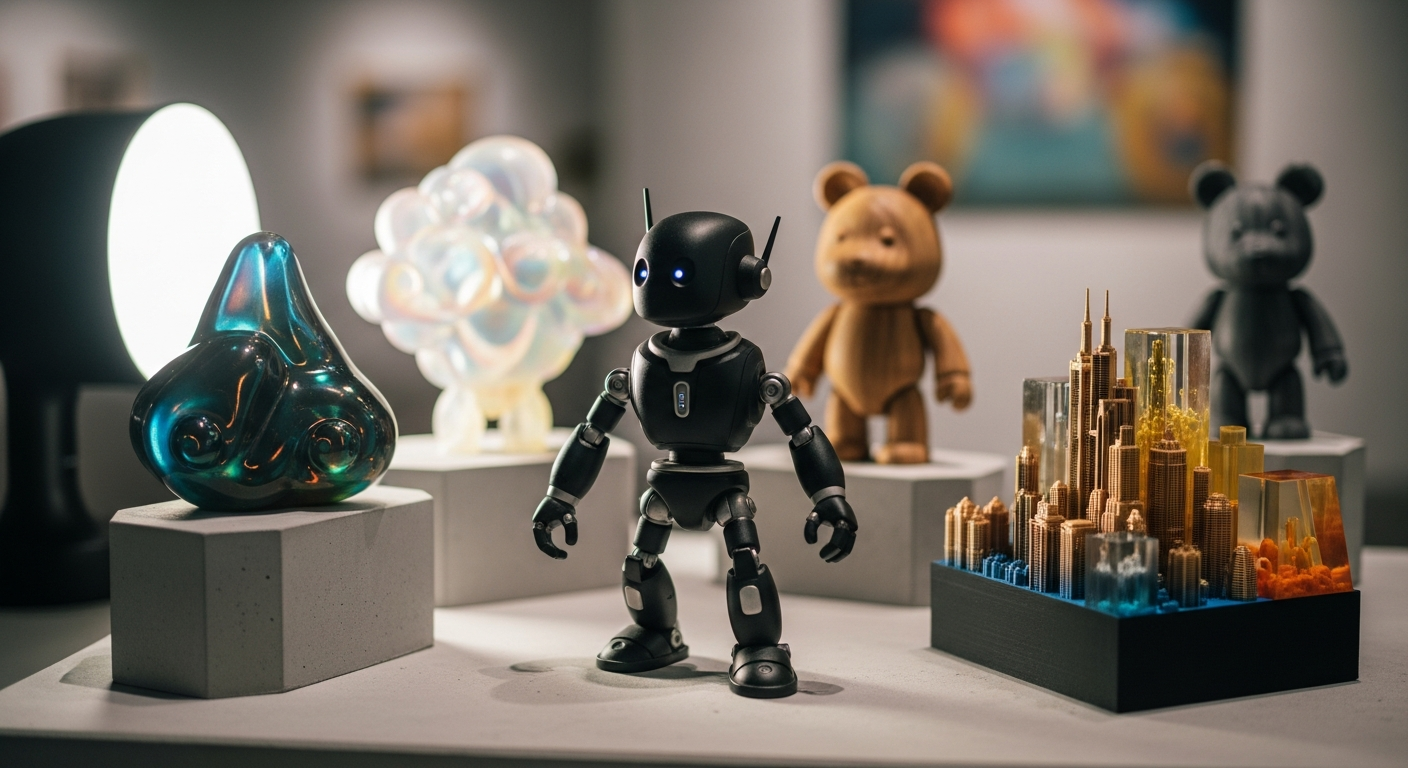
Post-processing transforms raw prints into gallery-ready collectibles. Leading 3d printing service singapore providers offer finishing services or can advise local finishers.
Essential finishing steps:
- Support removal, sanding and primer: Foundation for paint and texture.
- Surface smoothing: Resin coatings or vapor smoothing for certain polymers improve feel.
- Painting and masking: Airbrushing and hand-paint work are common for premium toys.
- Metalizing and plating: Vacuum metallizing or electroplating add premium finishes for accents.
- Pad printing and tampography: For consistent logos and facial details.
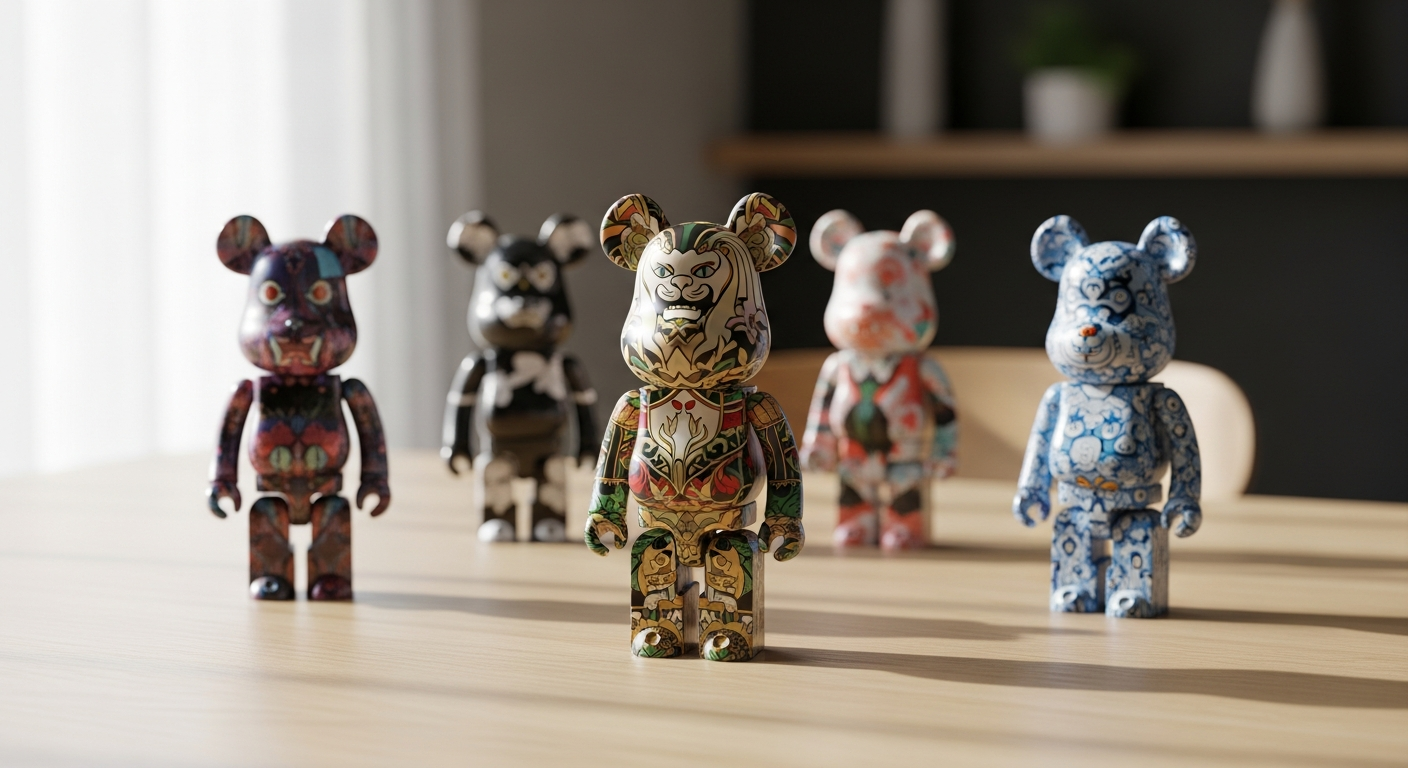
For complex workflows that include serialization or packaging for drops, look for suppliers experienced in limited edition art toys and custom figurine Singapore.
Cost, lead times and production planning
Budget and schedule depend on technology, finish level and batch size.
- Prototypes: SLA prototypes can be produced in days and cost a fraction of tooling.
- Small runs (10–200 units): Typical for limited art toy drops. Expect 2–6 weeks including post-processing.
- Medium runs (200–1,000 units): Costs decrease per unit but require more coordination; lead times often extend to 4–10 weeks.
Factors that affect price:
- Print time and machine hours
- Material costs, especially for specialty resins
- Labour for finishing, painting and assembly
- Packaging and logistics for drops
A good provider will publish sample pricing tiers and offer a breakdown so you can model pricing for sales channels. If you prefer FDM for larger parts, verify whether the provider offers FDM 3D printing Singapore for limited edition art toys to balance cost and quality.
Case studies and 2026 trends shaping art toy production
Several trends in 2026 are shaping how designers and studios produce collectibles:
- Hybrid production: Combining 3D printed masters with micro-injection molding for high-fidelity multi-piece toys in small runs.
- On-demand drops: Creators run flash releases with serialized prints, reducing inventory risk and leveraging scarcity.
- Advanced finishing ecosystems: Studios now bundle printing with in-house painting, metallizing and packaging for turnkey launch support.
- Sustainability: Demand for bio-based resins and recyclable materials is rising, with some studios offering carbon-offset printing options.
- Community-driven design: Fan collaborations and limited-edition variants increase engagement and resale value.
An example of a studio pushing these trends provides tailored services like Singapore FDM 3D printing and end-to-end support for limited art toy drops.
How to choose the right 3D printing service in Singapore
Selecting a partner is about fit: capability, communication and proven results.
Checklist for selection:
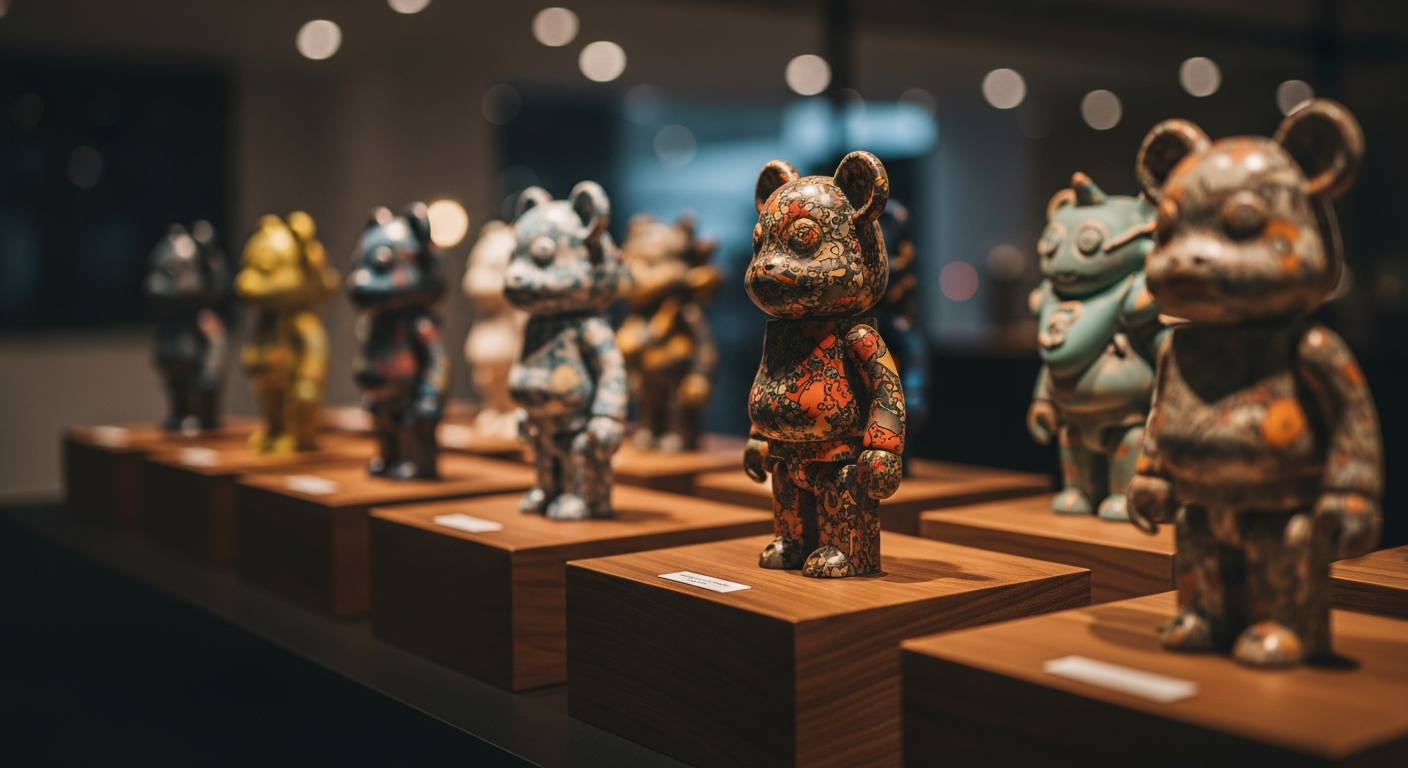
- Portfolio: Review past art toy projects for surface quality and paintwork.
- Technology mix: Ensure they offer SLA, FDM and powder-bed options to match different parts of your toy.
- Post-processing: Confirm whether painting, metalizing and assembly are available.
- Prototyping speed: Fast iteration cycles are crucial for design validation.
- Small-batch experience: Ask for case studies on limited editions and serialized runs.
- Communication and file support: Clear guidance on preferred file formats, tolerances and orientation saves time.
For artists without in-house manufacturing, partnering with a studio that specialises in limited edition art toys and custom figurine Singapore can streamline the path from sculpt to boxed product.
Serialization, packaging and release strategy
The collectible market prizes provenance. Integrate serialization and limited-run numbering during post-processing to add value.
- Numbering: Laser engraving or pad printing can add an edition number.
- Certificates: Include artist signatures or certificates of authenticity.
- Packaging: Design packaging that protects finished pieces and matches the drop narrative.
Some studios will manage the entire drop, from print runs to fulfillment logistics. If you plan a larger campaign, verify whether your 3d printing service singapore partner can scale to meet staggered releases and replenishment.
Sustainability and responsible production
Sustainable production is a growing differentiator. In 2026, more providers offer:
- Bio-based and low-VOC resins
- Recycled nylon for powder-bed prints
- Waste-minimising nested layouts and efficient packing
Ask providers about their waste handling and recycling practices. Studios that specialise in limited runs often optimise nesting and hollowing strategies to reduce material use and shipping weight.
Final checklist before you print
- Validate the final STL or native CAD with the provider’s checklist
- Approve material, surface finish and colour proof
- Request a painted prototype if paint fidelity is critical
- Confirm serialisation and packaging timelines
- Negotiate a schedule for multiple drop phases if needed
For artists seeking a hands-on partner that guides creative and production decisions, look into studios offering custom 3D printing Singapore and complementary design services.
Closing thoughts
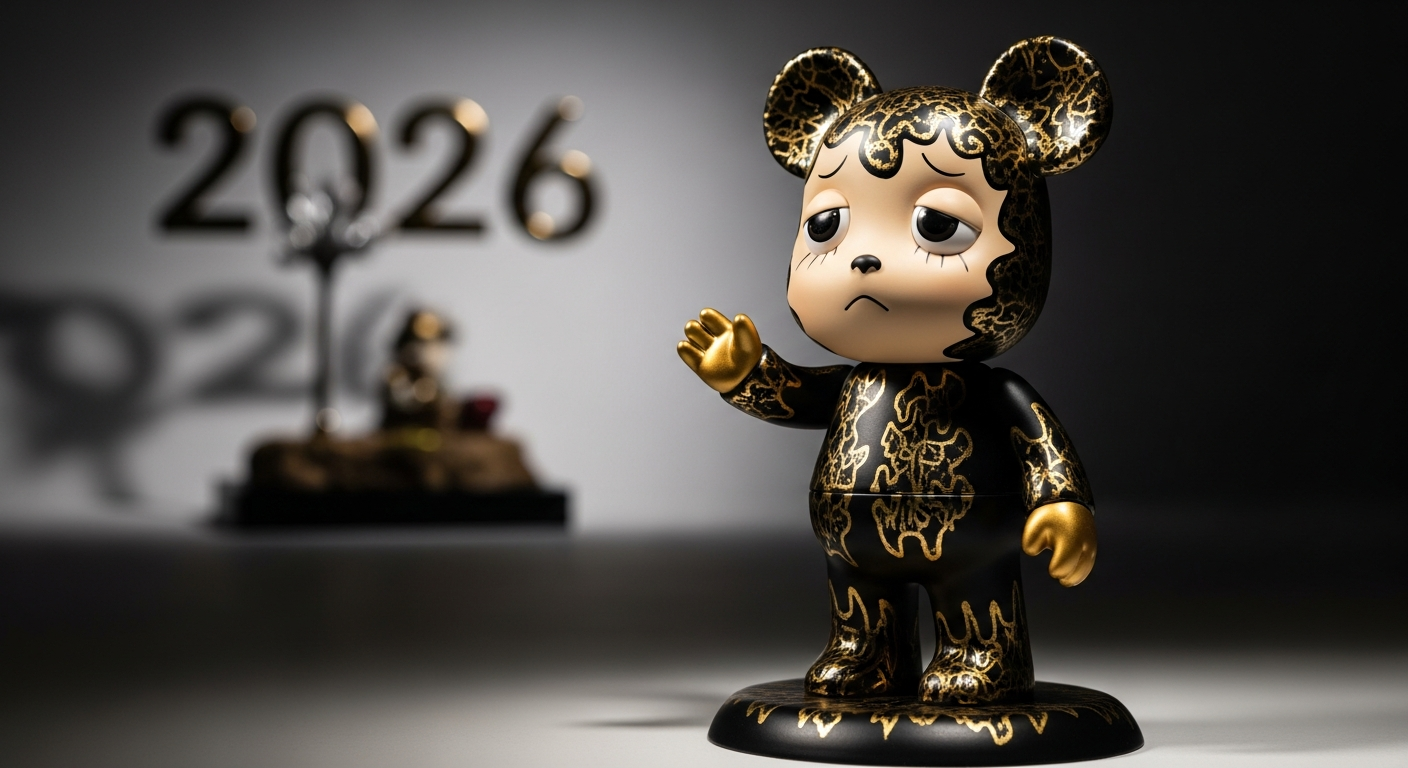
The right 3D printing partner in Singapore turns digital sculpts into collectible art toys with professional finishes and scalable production strategies. Whether you prioritise high-detail resin pieces or cost-effective FDM cores with premium finishing, modern studios provide the mix of technology, finishing and launch support to turn a concept into a sought-after limited edition. Aligning design choices with the right printing technology and finishing workflow is the simplest path to a successful 2026 art toy release.
References and further reading
- Example studio portfolio: designer art toys and lifestyle product design Singapore
- For custom runs and limited editions: custom 3D printing Singapore
- Technology spotlight: Singapore FDM 3D printing fuels limited art toy drops
- Full-service options for collectibles: limited edition art toys and custom figurine Singapore
- FDM-focused production for cost-sensitive runs: FDM 3D printing Singapore for limited edition art toys