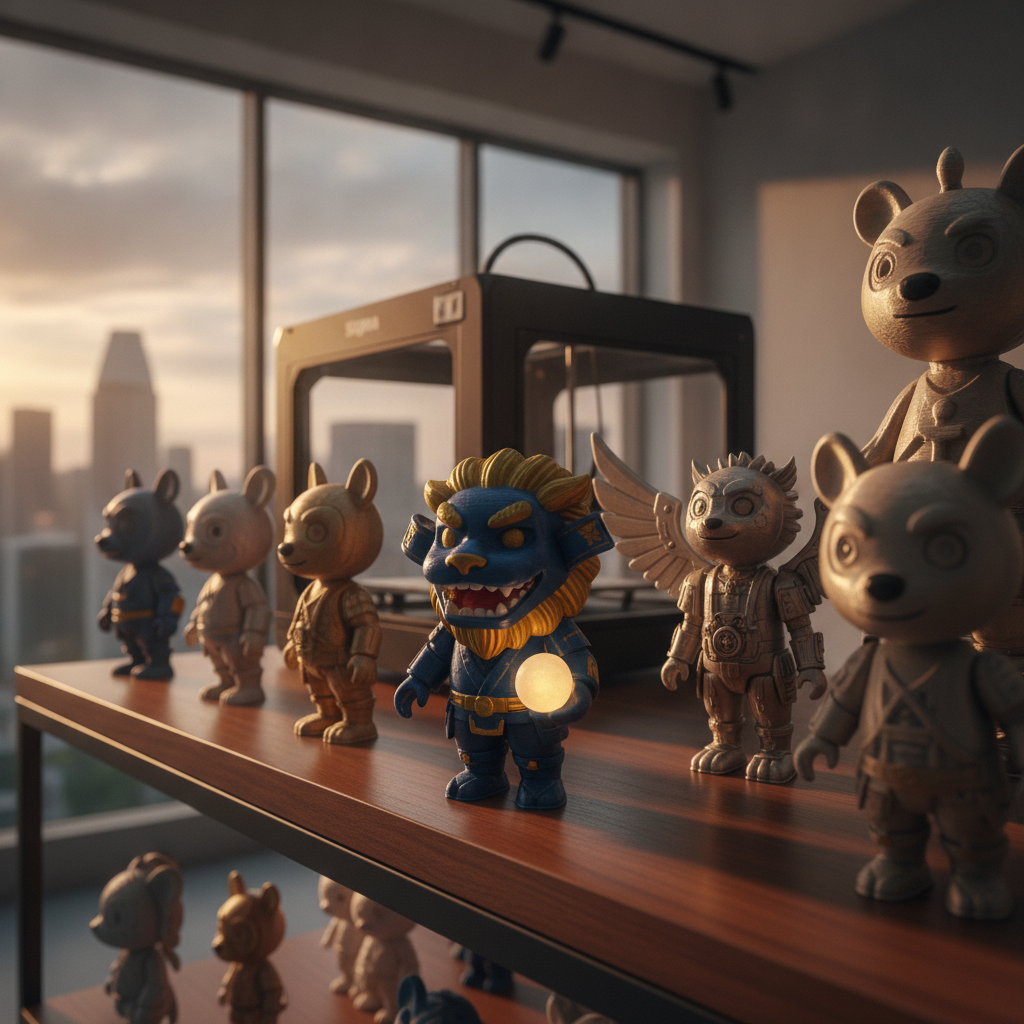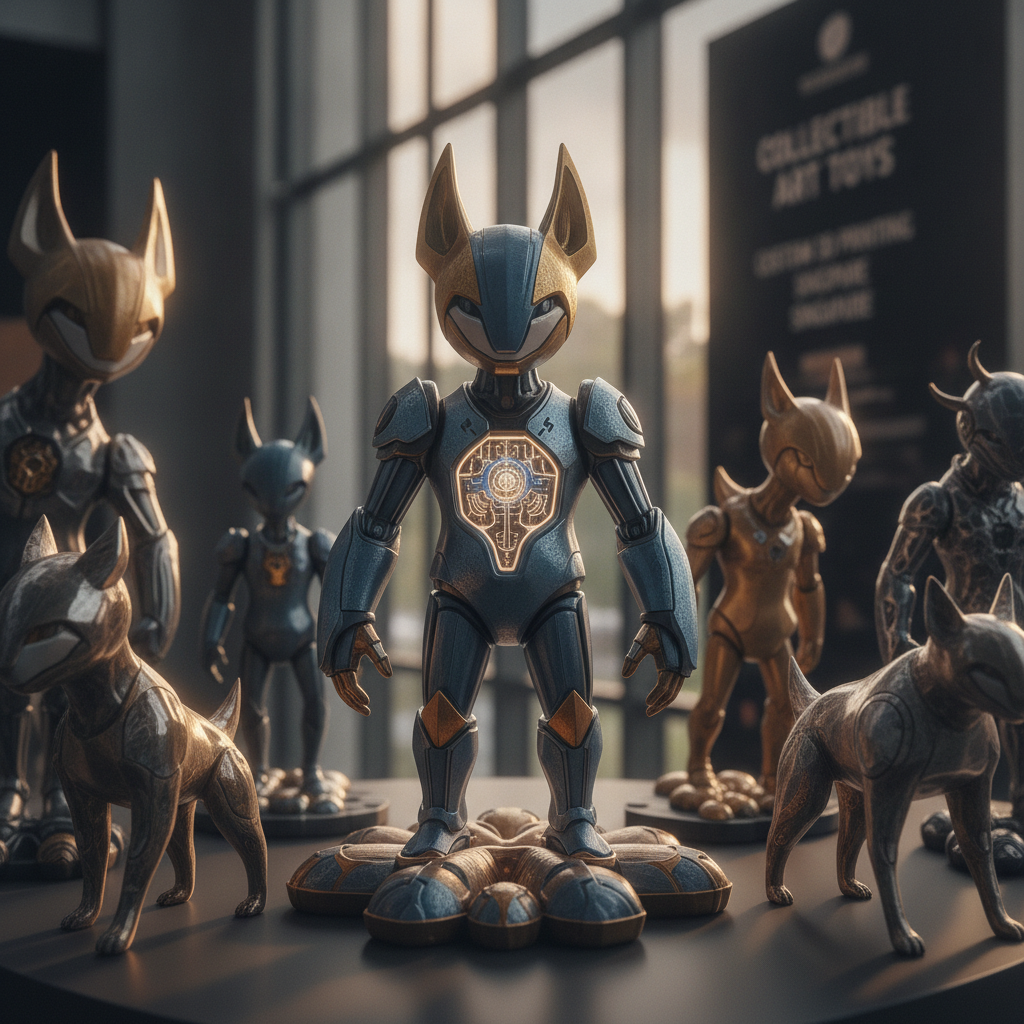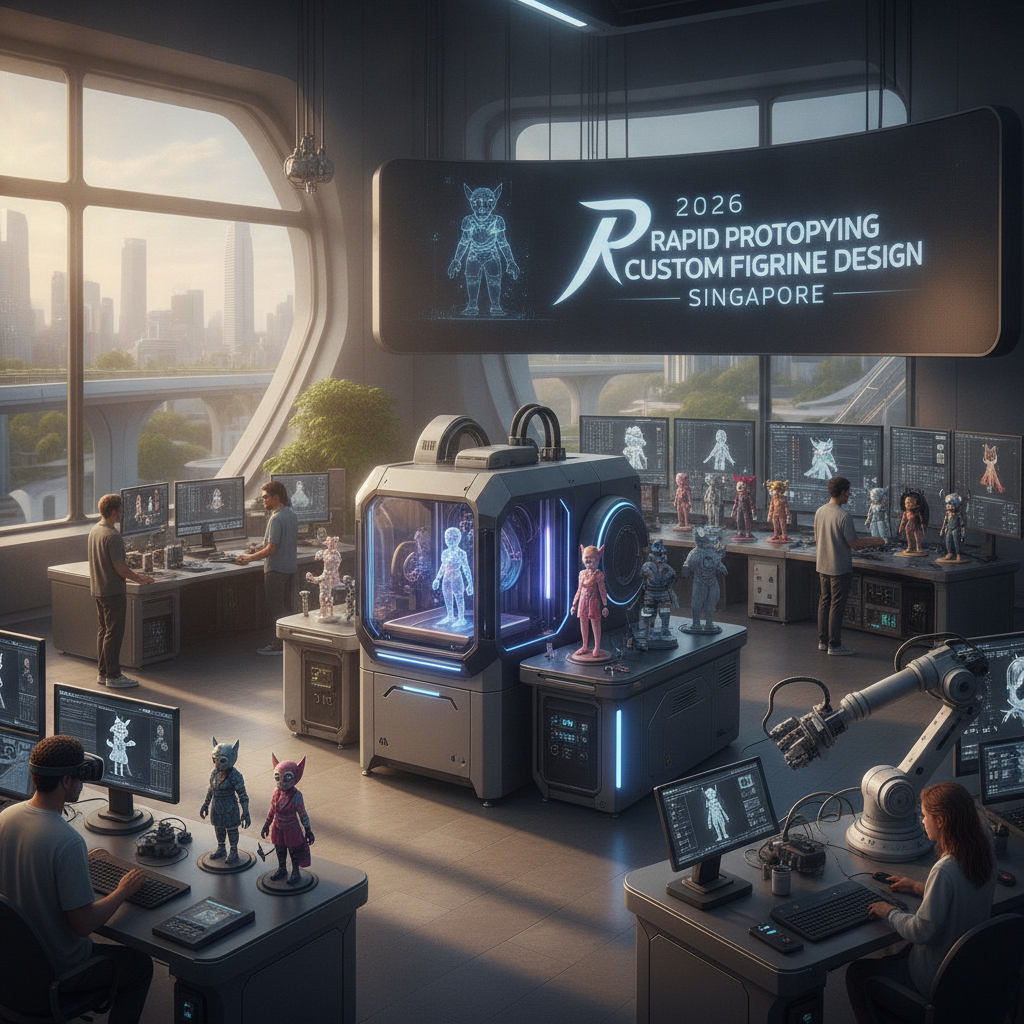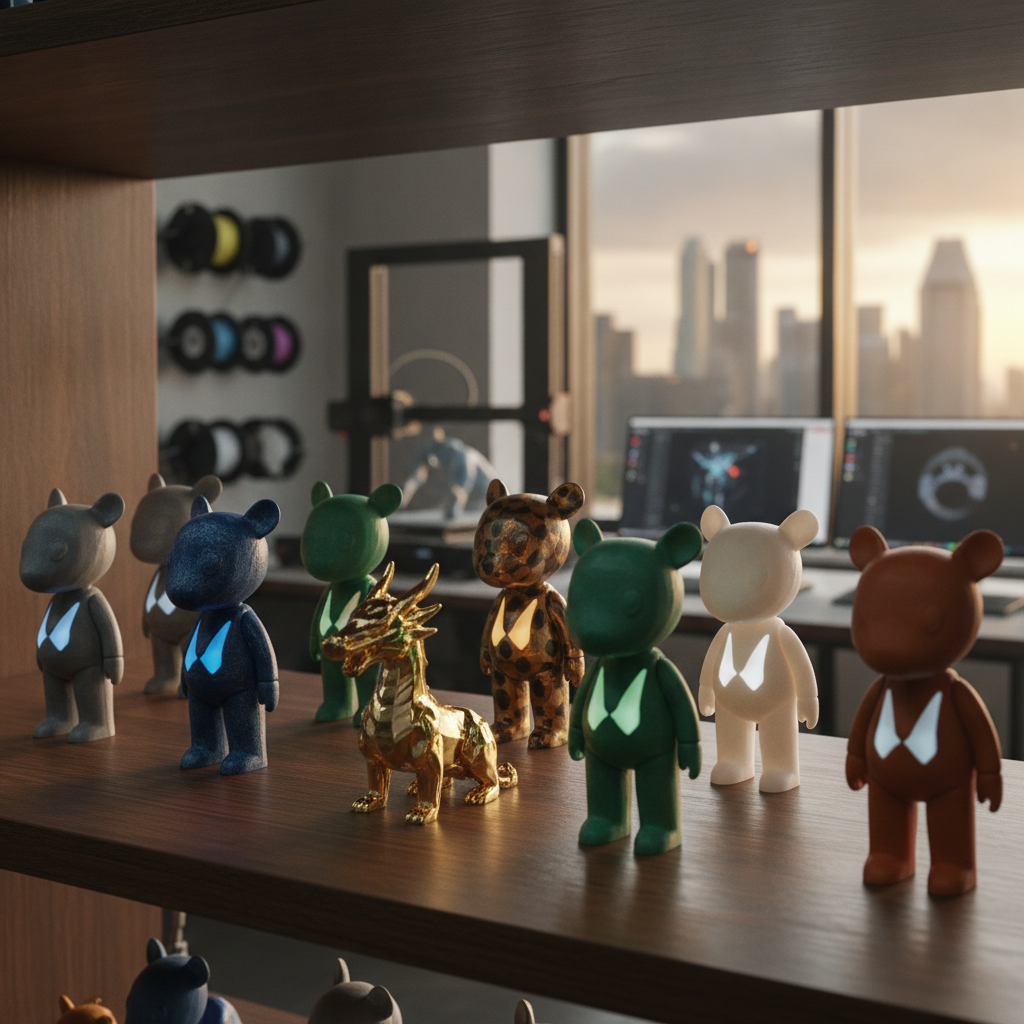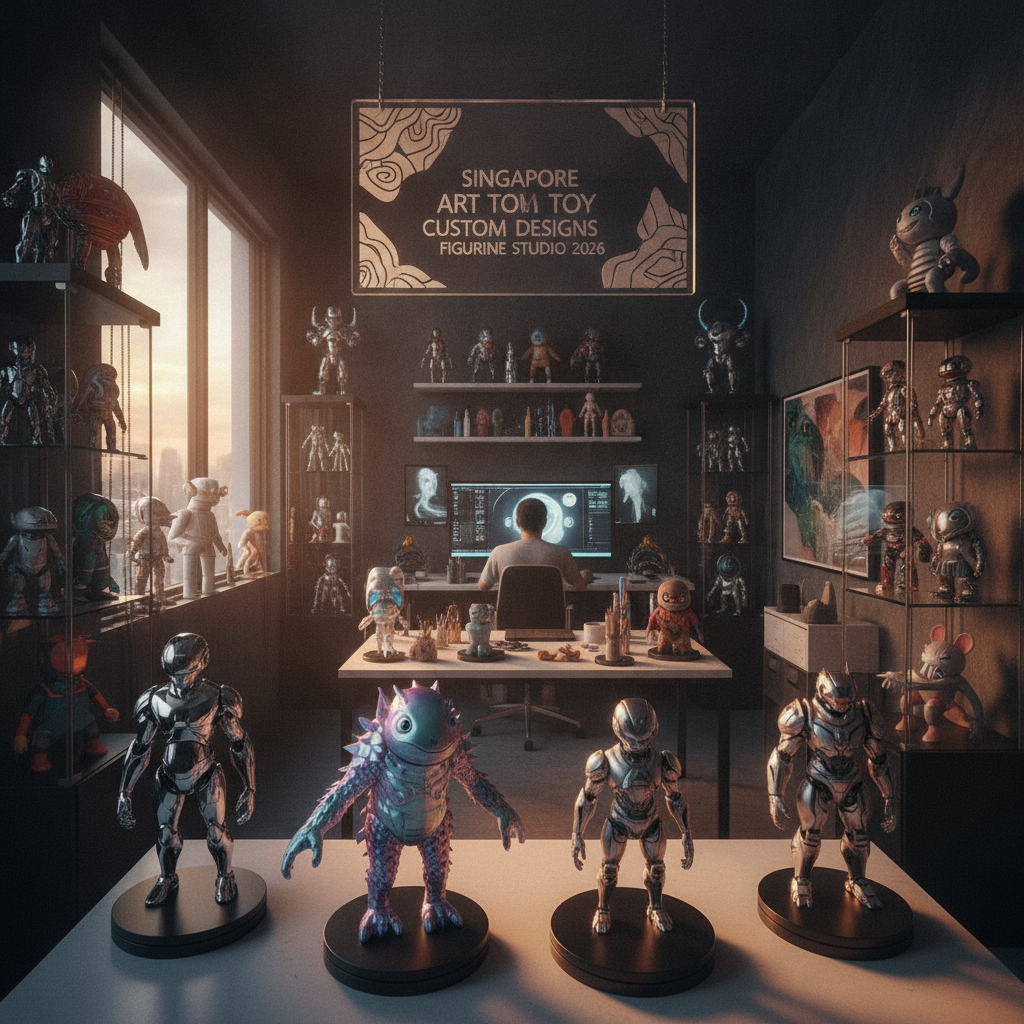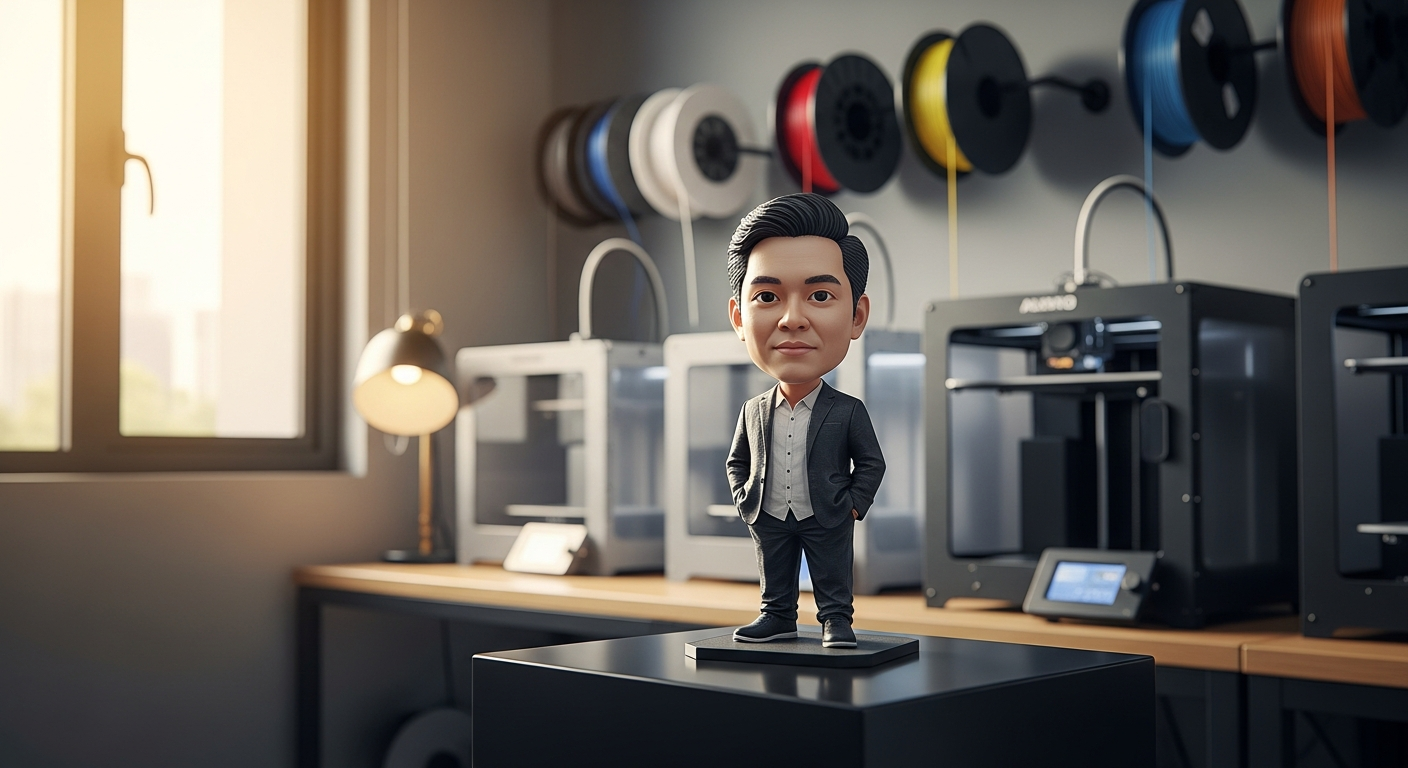
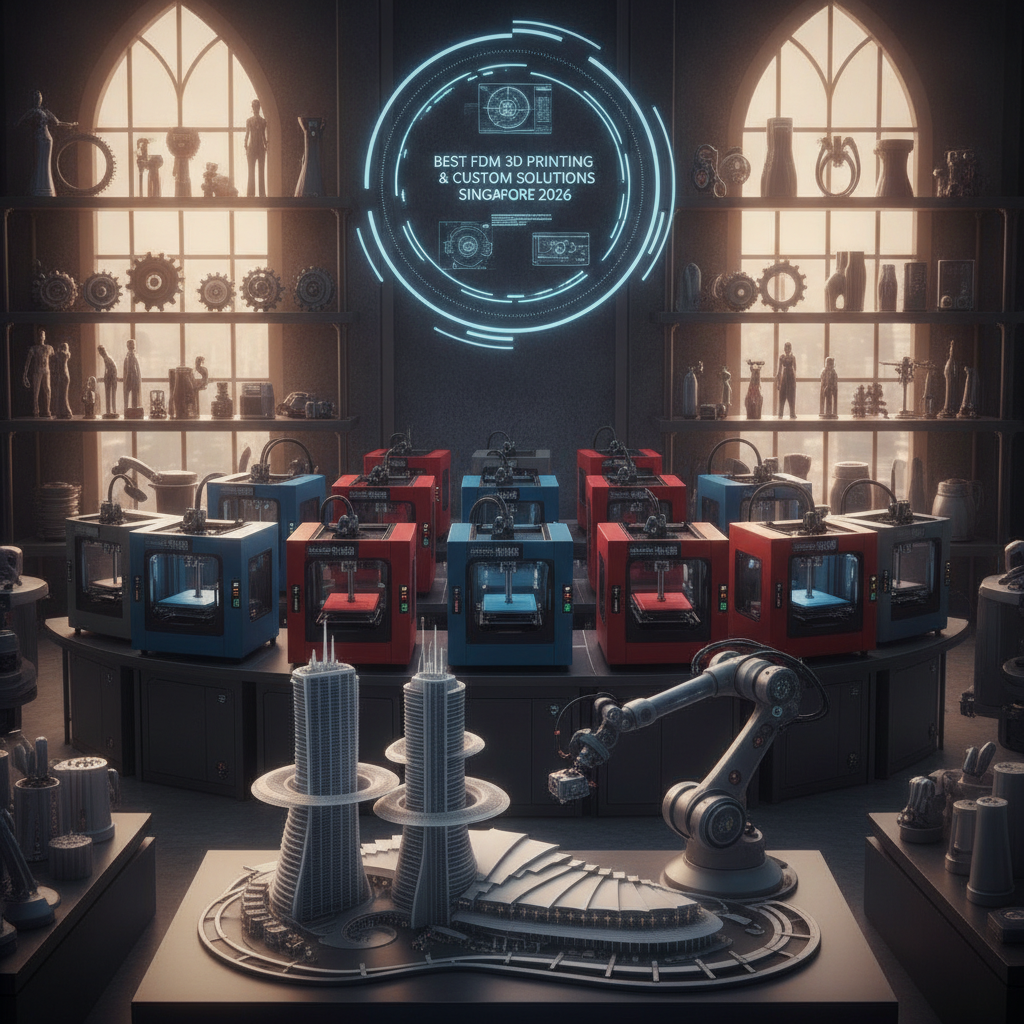

Personalized collectibles and bespoke gifts have moved from niche hobbies to mainstream consumer demand. As more people value tangible, meaningful mementos, the intersection of high-resolution 3D scanning, CAD modeling and advanced 3D printing has made it easy to transform a photograph or 3D scan into a durable, display-quality mini likeness. For creators, brands and individuals in Singapore, investing in a well-executed custom figurine can amplify brand storytelling, create unique merchandise, or capture milestone memories.
A true custom process goes beyond simply resizing a stock model. It begins with discovery — understanding the client’s vision, desired scale, pose, expression, clothing details, color palette and final use (display, play, or limited-edition sales). The production pipeline typically includes:
Integrated workflows that combine artistic sculpting with technical precision are essential. In Singapore’s competitive design scene, studios that offer end-to-end services — from bespoke CAD design to full-surface printing — deliver the most reliable results.
Design and modeling: Experienced modelers convert scans or photos into clean, printable CAD models. This stage resolves undercuts, unsupported features, and ensures the model is watertight so it prints without errors. For projects requiring articulation or removable parts, connectors and tolerances are engineered at this stage.
Printing technology choice: Selecting the right printing technology impacts detail, durability and cost. Resin-based SLA/DLP printers excel at ultra-fine detail for faces and fabric textures; FDM is faster and cheaper for large-scale prototypes; multi-jet or full-color binder-jet printing enables photographic color directly on the print.
Post-processing and finishing: Sanding, priming, painting and protective coatings elevate a printed piece into a collectible. Hand-painting and airbrushing can achieve photoreal results; automotive-grade clear coats add scratch resistance and UV protection.
Quality control and iteration: Small design tweaks after the first proof are common. Whether refining facial features or adjusting limb proportions for balance, an iterative workflow leads to better final outcomes.
Resin (SLA/DLP): Best for high-detail figurines. Smooth surfaces capture facial features and clothing textures. Typical downsides are brittleness and higher cost compared with FDM plastics.
ABS-like or PETG (FDM): Strong and durable, suitable for toys or parts that may experience handling. FDM is cost-effective for larger runs but may require more finishing to remove layer lines.
Full-color sandstone or binder-jet prints: Great for full-color figures without painting. Colors are vivid but surface fragility and sanding limitations can be factors.
Hybrid approaches: Print the main body in high-detail resin, then cast or attach stronger components where needed. This modular strategy balances look and functionality.
Choosing the right finish matters just as much as material. Matte finishes reduce reflections for museum-like display pieces; satin or gloss coatings can enhance vibrancy for collectibles.
Prices vary by scale, complexity, and finish. A simple 10–15 cm unpainted resin mini might start at a few hundred SGD, while fully hand-painted, base-mounted pieces can reach the high hundreds or more for limited runs. Turnaround times have shortened with improved local capacity: rapid prototyping can deliver test proofs within days, and small production runs within 1–3 weeks depending on painting workload and assembly.
For businesses, factoring in lead time for approvals, test prints, and shipping is crucial. Many Singapore studios offer express options and structured milestones to keep projects on schedule.
Corporate gifts and employee awards: A bespoke mini-figure can be more memorable than a plaque. Custom figurines personalize recognition and make for striking desk displays.
Collectible releases for artists and brands: Limited-edition mini runs become sought-after merchandise when paired with a strong narrative and consistent quality.
Wedding, graduation and family mementos: Mini-me keepsakes capture a moment in an original way.
Product prototyping and concept validation: Rapidly printed figures let designers test ergonomics, presentation and packaging before committing to mass production.
Singapore hosts a range of studios offering these strengths; targeting vendors with a track record in both art-toy production and commercial manufacturing yields reliable results.
AI-assisted CAD workflows are accelerating the modeling stage — automating retopology, suggesting pose adjustments and generating texture maps from photographs. These tools allow artists to spend more time on creative refinements while routine tasks are handled faster. For insights into integrating CAD for toy design, see designing art toys with CAD modeling.
Hybrid manufacturing strategies are also gaining traction: low-cost FDM proofs followed by SLA final parts reduce risk and waste. For rapid test cycles, studios are increasingly relying on fast FDM 3D printing for rapid prototyping.
On the sustainability front, recycled filaments, biodegradable resins and optimized nesting algorithms decrease material use and energy consumption. Studios that publish eco-practices help brands meet rising consumer expectations.
A recent campaign for a boutique apparel label involved a 12 cm photoreal mini used as a preorder incentive. Workflow highlights:
Deliverables included a limited run of 250 units with serialized bases — a structure that increased perceived value and collectible appeal.
Understanding economies of scale helps plan budget: per-unit costs drop significantly beyond the prototype stage. For short-run collectibles (50–500 units), hand-finishing still plays a major role. For larger runs, studios recommend tooling or partial injection molding for parts where durability or finish consistency is critical.
Transparent quotes should itemize design time, prototyping, printing, post-processing, painting and packaging. Adding contingency for color-matching and extra proofs avoids unexpected costs.
Selecting a studio with proven 3D printing capabilities ensures smoother production. For high-fidelity, collectible-focused projects, many Singapore studios combine CAD-driven design with hands-on finishing. For more on full-service offerings geared towards collectible art toys and detailed custom prints, explore resources like custom 3d printing singapore.
If your project leans toward product development or lifestyle goods, studios applying AI and CAD automation provide faster conceptual iterations — see AI CAD modeling for lifestyle products for methodologies used by local designers.
For tailored, bespoke figurine design services, the page on custom figurine design singapore outlines comprehensive workflows and production standards.
Creating a compelling mini-me figurine in Singapore is both an artistic and engineering exercise. Success hinges on clear briefs, realistic budgets and choosing a partner who understands both sculptural aesthetics and the technical demands of 3D printing. Whether you’re producing a dozen personalized keepsakes or scaling a collectible line, integrating CAD-driven design, smart material choices and a robust finishing workflow produces memorable, display-ready pieces that stand the test of time.
For practical examples of integrated studio processes and next-step workflows, check out resources on fast FDM 3D printing for rapid prototyping, and explore how specialist teams bring photoreal mini-figures to market via custom 3d printing singapore.
Bring your concept, and a skilled studio will convert it into a tactile, highly collectible mini that captures personality, detail and purpose.