Introduction: Why collectible art toys and Singapore matter in 2026
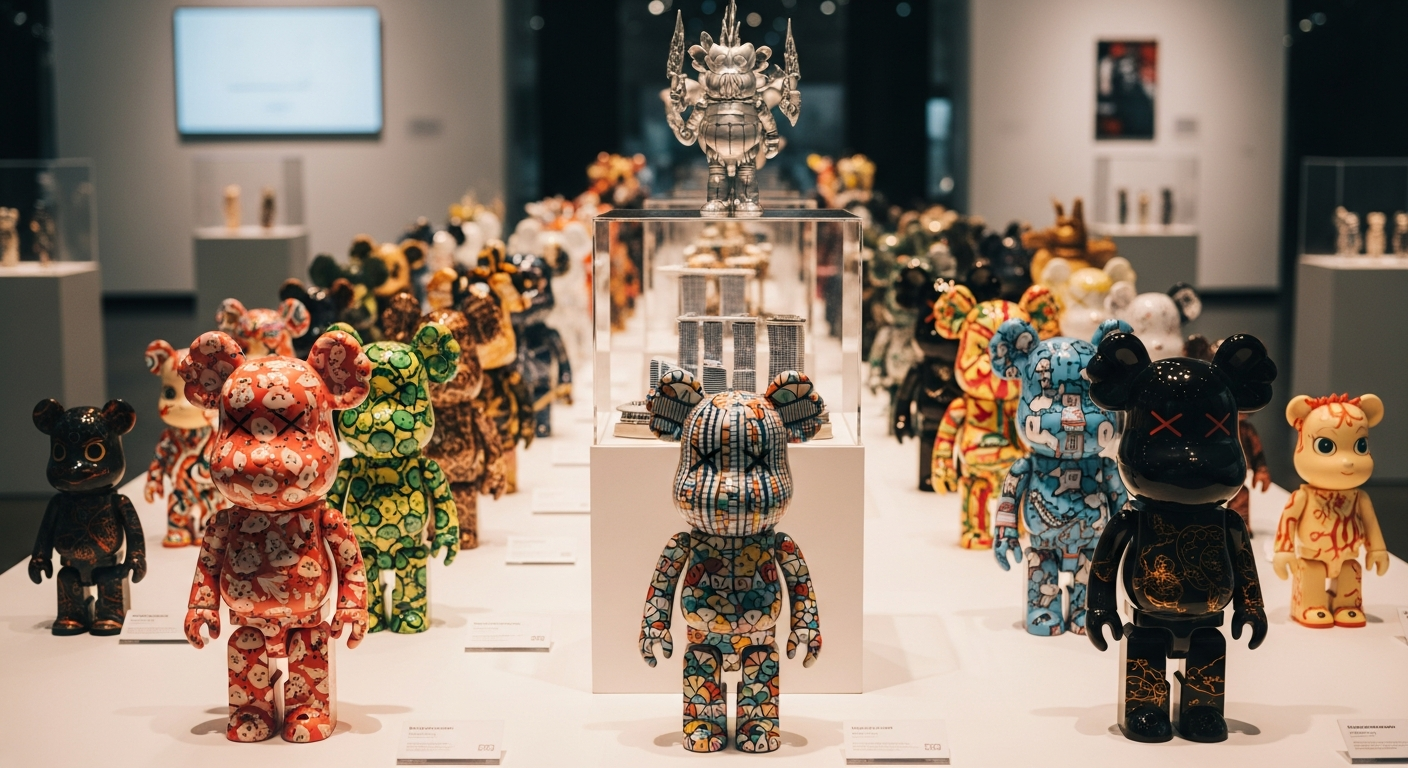
Collectible art toys have evolved from niche vinyl figures into a dynamic intersection of art, design and technology. In Singapore, a compact but fiercely creative market, collectors, independent artists and boutique studios are shaping a 2026 landscape defined by hyper-customization, advanced 3D-printing workflows and collaborative cross-disciplinary projects. Whether you’re a seasoned collector or an artist exploring commercial releases, understanding the mechanics of custom figurine design and the collectible art toys market in Singapore will help you make better creative and investment choices.
The 2026 market snapshot: trends driving growth
Collectible art toys continue to reap benefits from several converging trends:
- Hybrid production: Studios combine traditional sculpting with digital tools like CAD and 3D printing to speed iteration and increase design complexity.
- Limited runs and artist collaborations: Scarcity remains an effective curatorial tool—brand and artist collabs drive desirability.
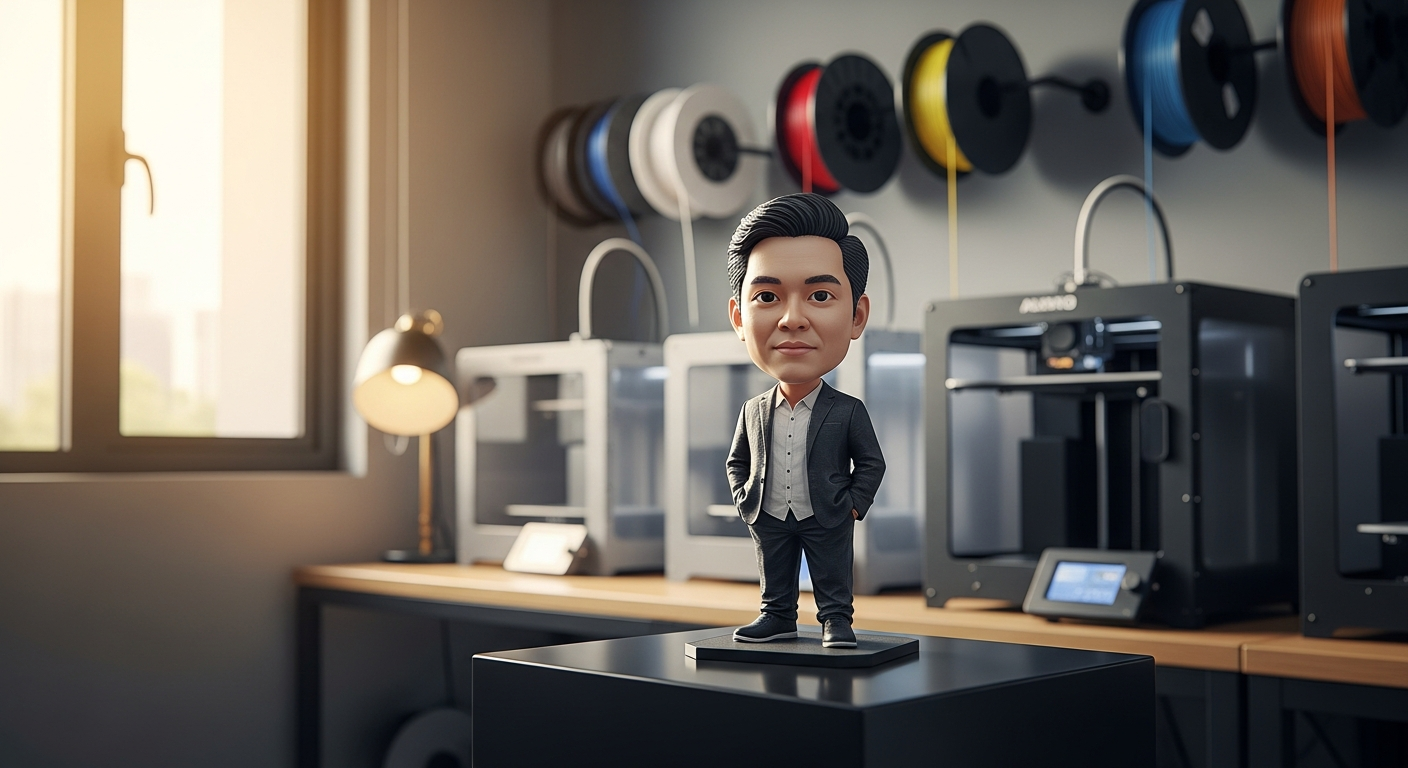
- Personalization demand: Buyers increasingly commission bespoke pieces, fuelling demand for professional custom figurine services in Singapore.
- Sustainability awareness: Recycled resins, bio-based filaments and low-waste finishing are becoming selling points.
- Secondary market vigor: Online marketplaces and community-driven drops keep aftermarket values robust.
These trends position Singapore as both a regional production hub and a creative center for collectible art toys, where quality, speed and design innovation converge.
How technology shapes custom figurine design
The technical toolkit for custom figurine design in Singapore is richer than ever. Key elements include:
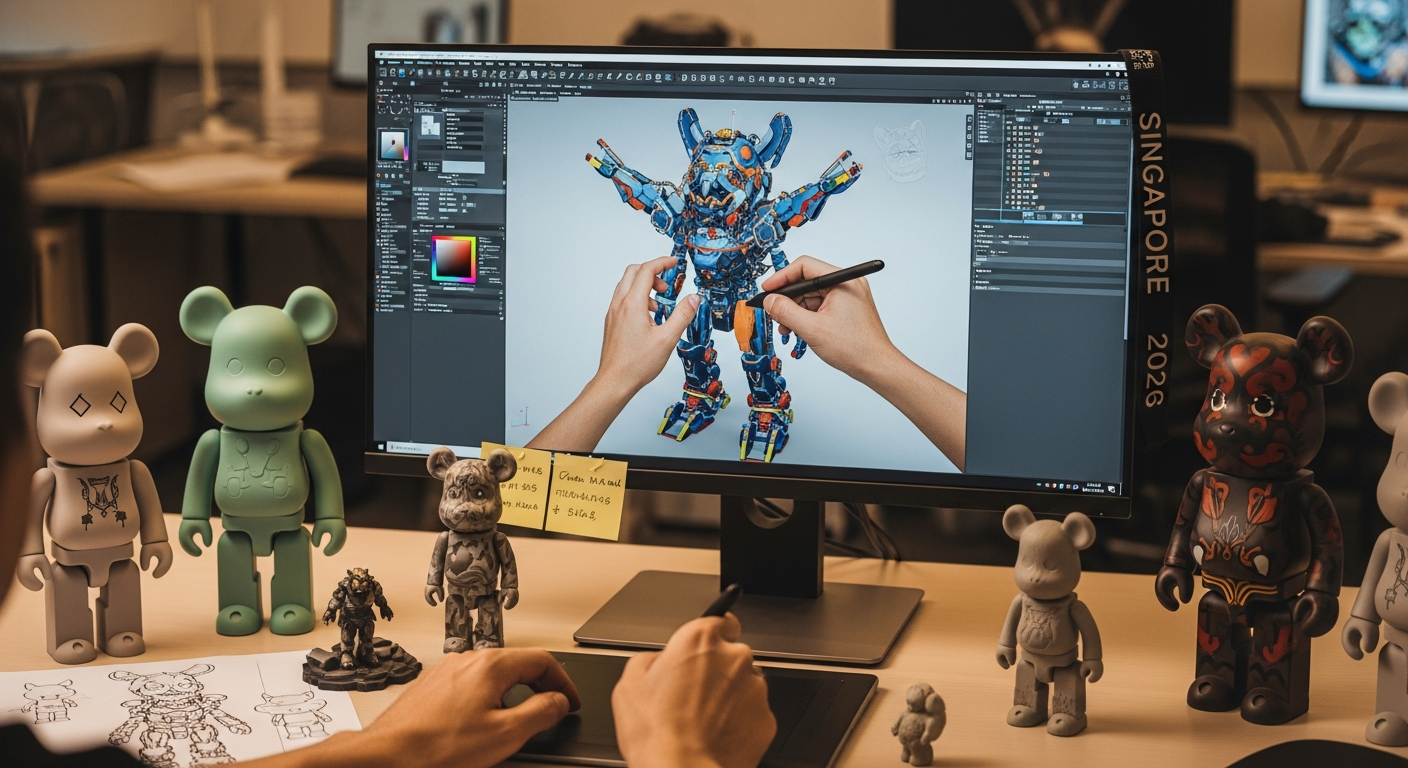
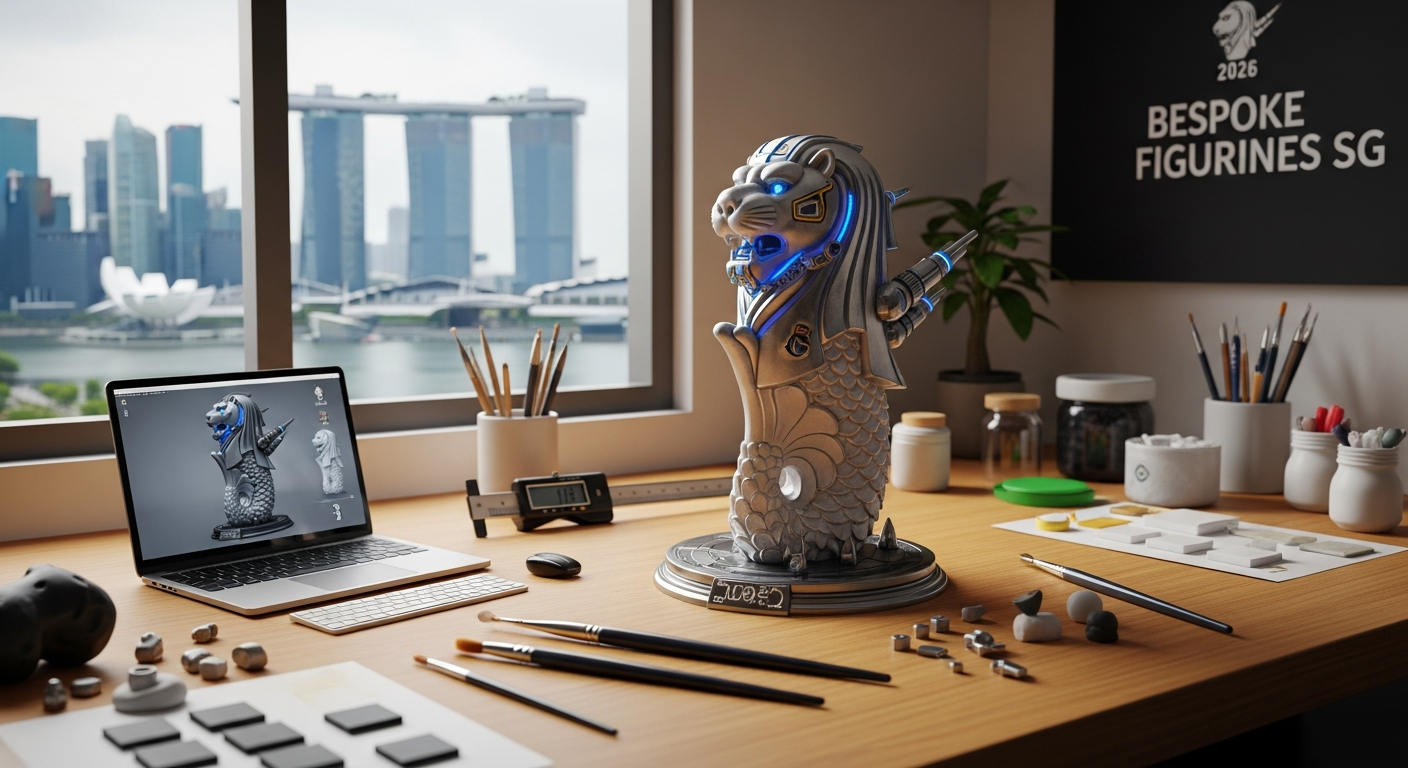
- CAD and 3D modeling: Artists either learn CAD or partner with specialists to translate sketches into print-ready models. For complex product-focused pieces, many studios use advanced services such as AI CAD modeling Singapore for lifestyle product design.
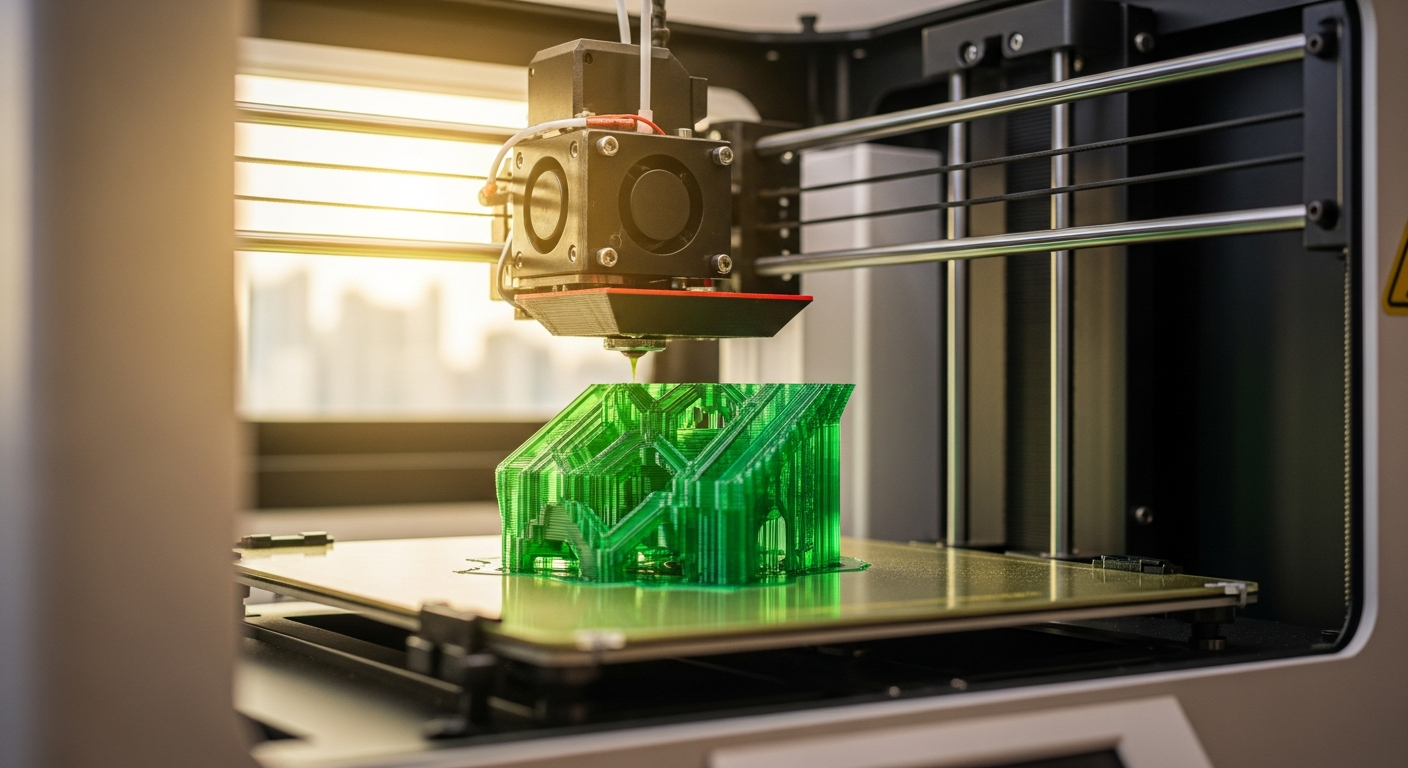
- 3D printing technologies: SLA and DLP resin printing excel for high-detail masters. FDM remains relevant for rapid, low-cost prototypes and structural parts—see services like fast FDM 3D printing for rapid prototyping.
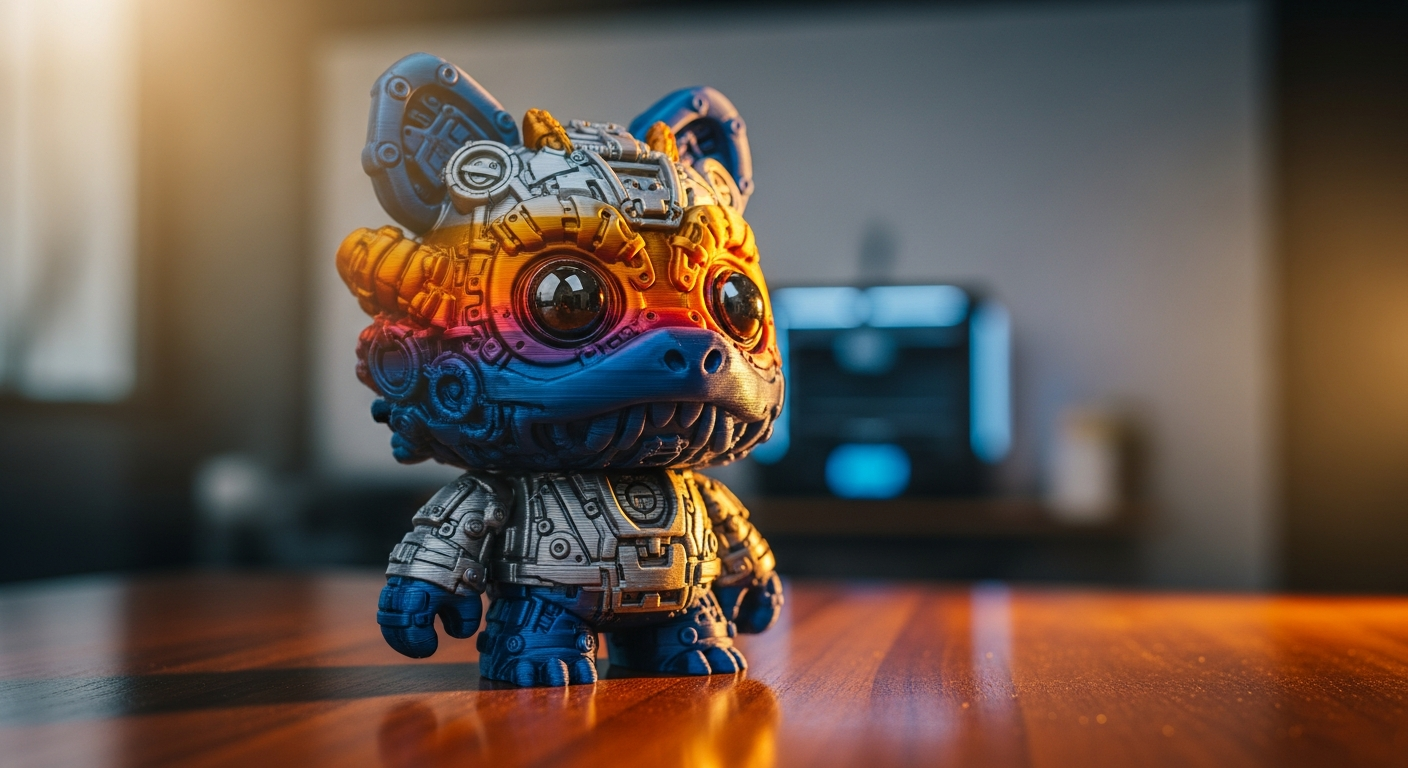
- Multi-material and color capabilities: Newer printers and post-printing methods allow multi-material assemblies and screen-accurate color finishes, enabling more lifelike and expressive toys.
- Digital sculpting & texture workflows: Tools such as ZBrush and Substance Painter bridge sculpting and final surface artwork.
The result: shortened development cycles and more accurate proofs, enabling small studios to compete with larger manufacturers on both quality and speed.
Step-by-step: the custom figurine design process
Creating a collectible art toy or a one-off custom figurine typically follows a predictable pipeline. Knowing each step helps collectors commission with confidence and artists manage expectations.
- Concept & brief: Define scale, articulation, target finish and the edition size. Clear references and desired textures are essential.
- 3D sculpting & CAD: The concept is translated into a digital model. If you need professional assistance, Singapore offers specialist options for custom figurine design Singapore to streamline this stage.
- Prototyping: Rapid prototypes—often via FDM or low-cost resin prints—test proportions and assembly. Rapid prototyping services reduce costly surprises; studios such as those providing fast FDM 3D printing for rapid prototyping are widely used.
- Mastering & tooling: For limited vinyl or injection-molded runs, a master is finalized and molds are prepared.
- Production & finishing: Painting, tampo printing, soft-touch coatings and assembly happen here; many studios handle multi-step finishing to industry standards.
- Packaging & drops: Good packaging enhances perceived value—limited edition numbering, certificates and artist notes are common.
This structured pathway reduces uncertainty and supports both one-off commissions and small collectible runs.
Materials and finishes: choosing what’s right for your toy
Material choice influences durability, detail, cost and environmental footprint. Common options include:
- Photopolymer resins (SLA/DLP): Best for ultra-fine detail and smooth surfaces—ideal for display pieces.
- PLA/ABS (FDM): Cost-effective and robust for large-scale prototypes or functional parts; suitable for internal supports or basic editions.
- Vinyl (PVC): Traditional for mass-produced collectible toys; softer finish and a tactile feel collectors appreciate.
- Polyurethane resin: Often used for limited resin-cast runs offering a balance of detail and production scalability.
Finishes matter just as much: hand-painting, airbrushing, pad printing and specialty coatings (e.g., pearlescent, matte or UV-protective) all affect perception and long-term condition.
If you plan to create a collectible line or a museum-quality piece, consider partnering with specialists that combine design and precision finishing—examples include studios highlighted in coverage of best custom 3D printing for collectible art toys.
Working with Singapore studios: what to expect
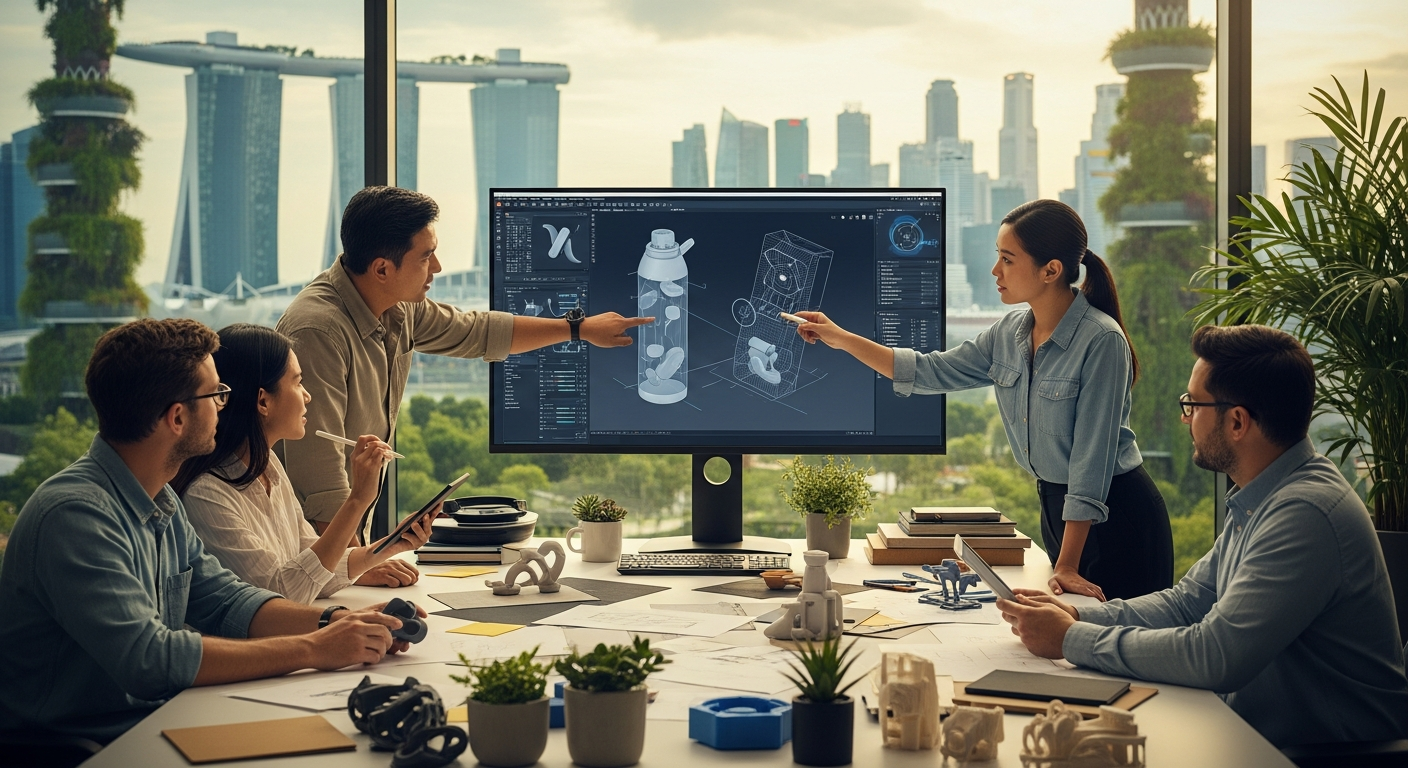
Singapore offers a network of competent studios that handle everything from CAD to final assembly. When selecting a partner, evaluate:
- Portfolio and sample quality: Look for consistent detail and finish.
- Communication and iteration policies: Transparent milestone-based workflows save time.
- Turnaround and scalability: Confirm lead times for prototypes and production runs.
- IP and licensing arrangements: A clear agreement on ownership, artist royalties and reproduction rights is crucial.
For designers seeking bespoke services, the Singapore market includes options focused specifically on small-batch production and artist collaborations—review local offerings like Singapore bespoke product design for custom figurines to compare service models and pricing.
Commissioning tips for collectors and artists
Commissioning a custom figurine can be deeply rewarding if handled with clarity:
- Prepare a detailed brief: Provide sketches, reference images, preferred pose, scale and finish references.
- Budget realistically: High-detail resin prints and hand-painted finishes add cost; discuss tiered options.
- Ask about proofs and revisions: Expect at least one prototype phase before final runs.
- Clarify exclusivity and editions: Decide if the piece is one-of-one, a limited edition or open edition.
- Request documentation: A certificate of authenticity and an artist statement increase resale value.
Studios that specialize in both design and fabrication—such as those noted in resources for custom figurine design Singapore—can help streamline negotiations and deliver predictable results.
Caring for collectible art toys: preservation best practices
Collectible art toys are often investments as much as personal objects. Preserve value by following these guidelines:
- Display away from direct sunlight to prevent fading and material degradation.
- Maintain moderate humidity and stable temperatures to avoid warping and cracking.
- Use dust-free display cases and handle objects with clean hands or gloves.
- Avoid harsh cleaners—dust with a soft brush or microfiber cloth.
- For multi-part pieces, keep spare parts, tools and packaging for future restoration or resale.
Proper care not only protects aesthetics but also helps maintain provenance for potential resale.
Investment perspective: are collectible art toys a smart buy in 2026?
Collectible art toys can appreciate, but outcomes vary. Key indicators of potential value:
- Artist reputation and ongoing demand: Early works from rising artists often outperform mass releases.
- Edition size and uniqueness: Smaller editions typically have higher scarcity value.
- Condition and provenance: Original packaging, certificates and documented provenance are critical.
- Cultural relevance and collaborations: Crossovers with established IP or influential artists can spike interest.
For investors, diversification and long-term horizons are recommended. Working with reputable galleries, attending toy fairs and tracking aftermarket sales data will inform smarter acquisitions.
The future: where collectible art toys and Singapore custom figurines are heading
Looking ahead, expect deeper integration of digital services (AR previews, NFT-linked authenticity), sustainable materials, and increased cross-border collaborations. Singapore’s strategic blend of creative talent, manufacturing precision and strong IP protections positions it to remain a leading hub for both bespoke custom figurine design and collectible art toys.
For practitioners and collectors who value high-quality production and collaborative design workflows, leveraging local expertise—and the specialized services and studios documented in industry rundowns like best custom 3D printing for collectible art toys—will be a strategic advantage in 2026.
Conclusion
Collectible art toys and custom figurine design in Singapore are at an exciting inflection point. Advances in 3D-printing, CAD-driven workflows and finishing techniques make it easier to realize ambitious designs at high fidelity. Whether you commission a one-off heirloom, produce a limited-edition run, or collect for pleasure and investment, understanding production pathways, material choices and the local studio ecosystem will help you make informed decisions and maximize creative and financial outcomes.