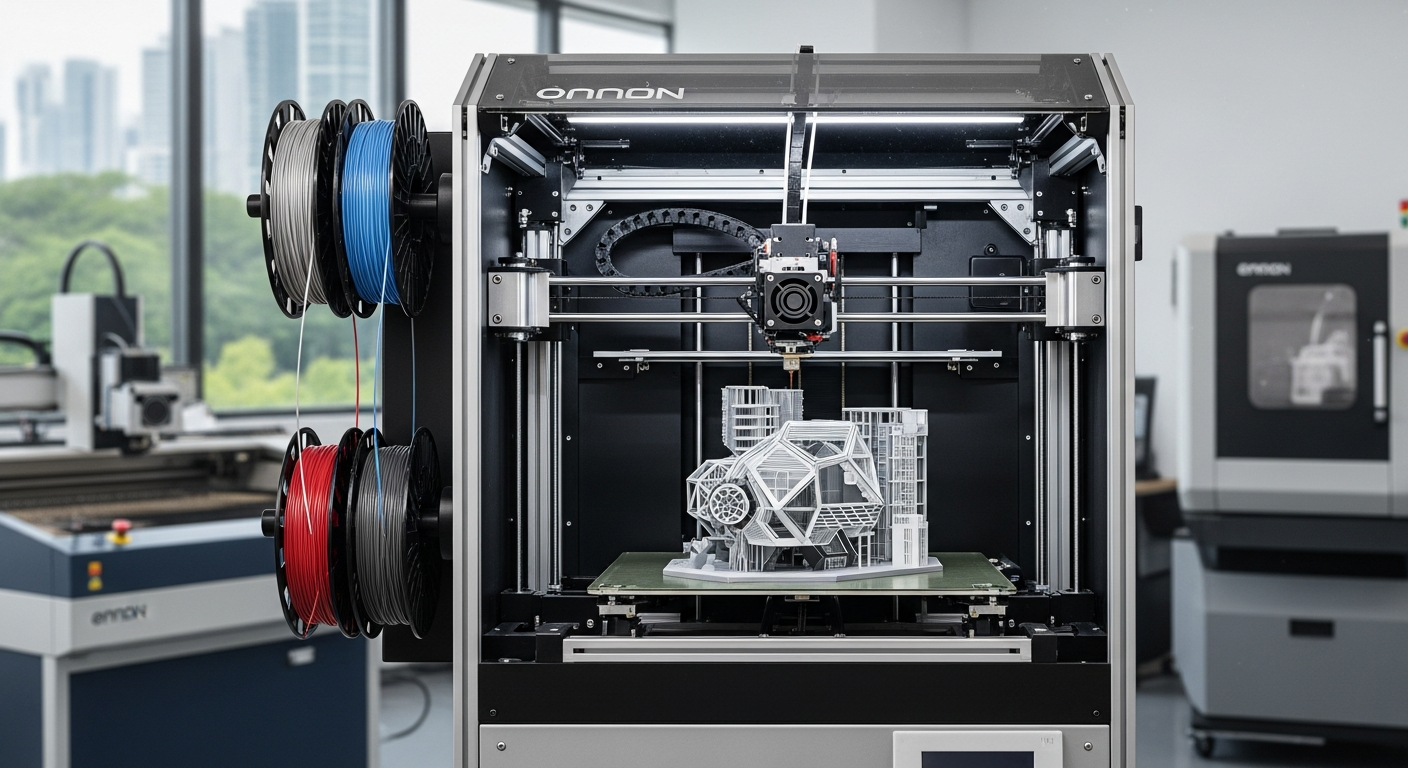

Singapore has become a regional hub for rapid prototyping, and by 2026 the momentum behind FDM workflows is stronger than ever. Small studios and large manufacturers alike use FDM 3D printing Singapore services to accelerate design cycles, validate concepts, and bring products to market faster and smarter. This article explores practical strategies, material and process choices, cost and timeline expectations, and how to pick the right partner for reliable rapid prototyping Singapore outcomes.
Fused Deposition Modeling (FDM) is often the first-choice technology for early-stage development because it balances cost, speed, and material variety. In Singapore’s dense design ecosystem, this balance matters: startups need quick iterations, product designers need tangible feedback, and brands want predictable lead times.
Key FDM advantages for rapid prototyping Singapore:
Those benefits explain why many teams choose FDM 3D printing Singapore for initial validation before moving to higher-fidelity processes.
Choosing the right filament affects functional testing, fit, and finish. Common options used across Singapore prototyping shops include:
Designers in Singapore who want both speed and functionality often start with PLA for form-checks and move to PETG, ABS, or nylon for functional iterations.
Rapid prototyping Singapore workflows benefit from design decisions that reduce print time and post-processing:
Consider a quick CAD-friendly checklist before sending files to an FDM 3D printing Singapore provider: tolerances, mating features, support minimization, and estimated print time.
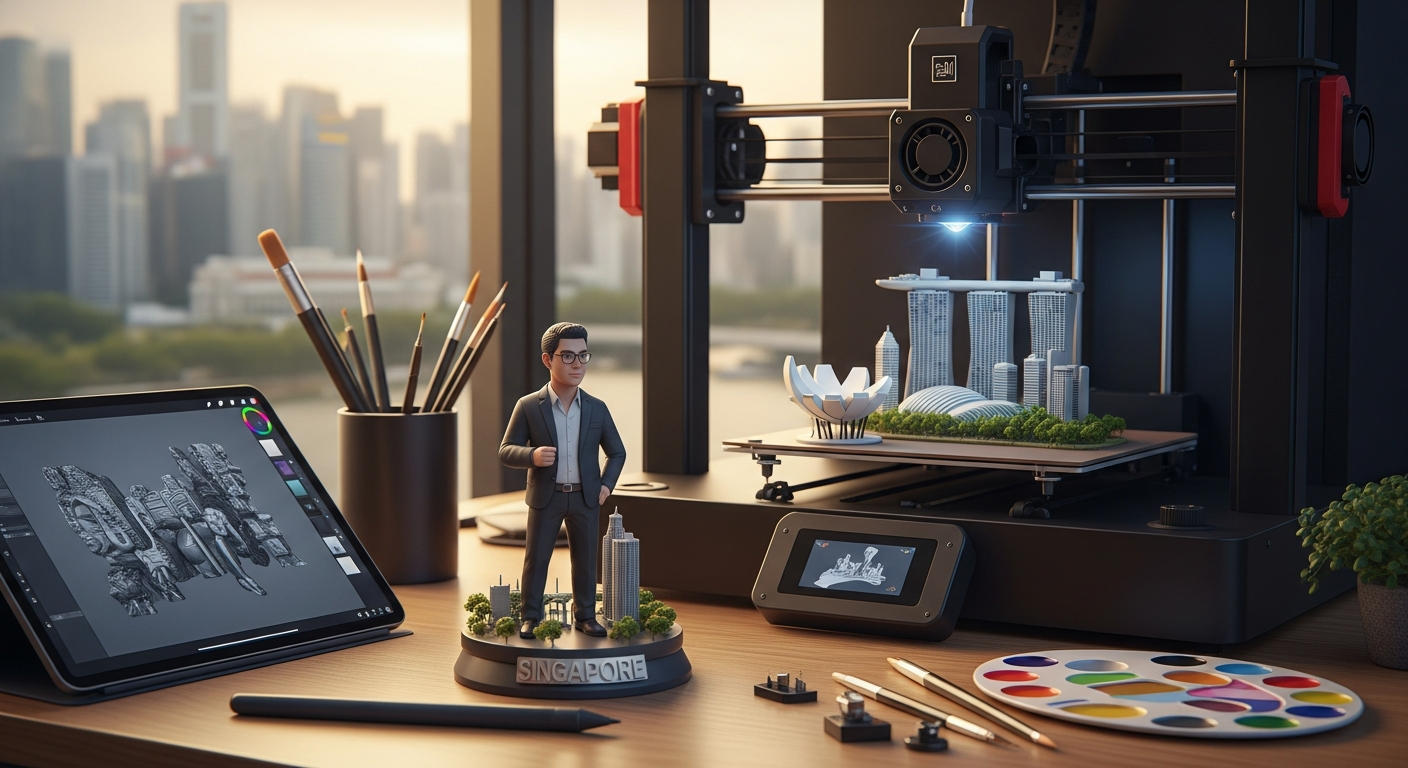
Post-processing turns rough FDM parts into client-ready prototypes. Typical services available locally include sanding and smoothing, vapor smoothing (for compatible materials), primer and paint, and assembly of multi-part models. Many Singapore studios offer finishing tailored to design reviews or trade-show presentations.
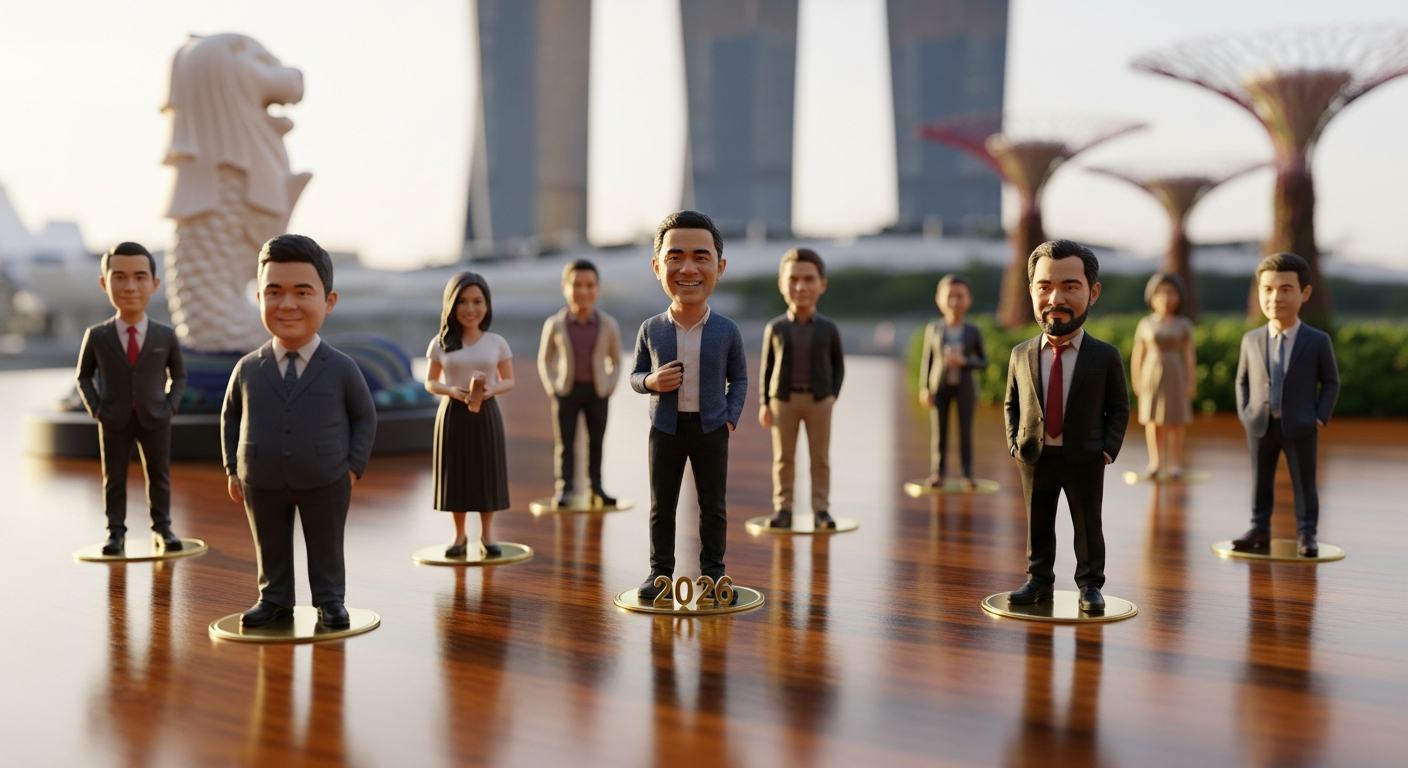
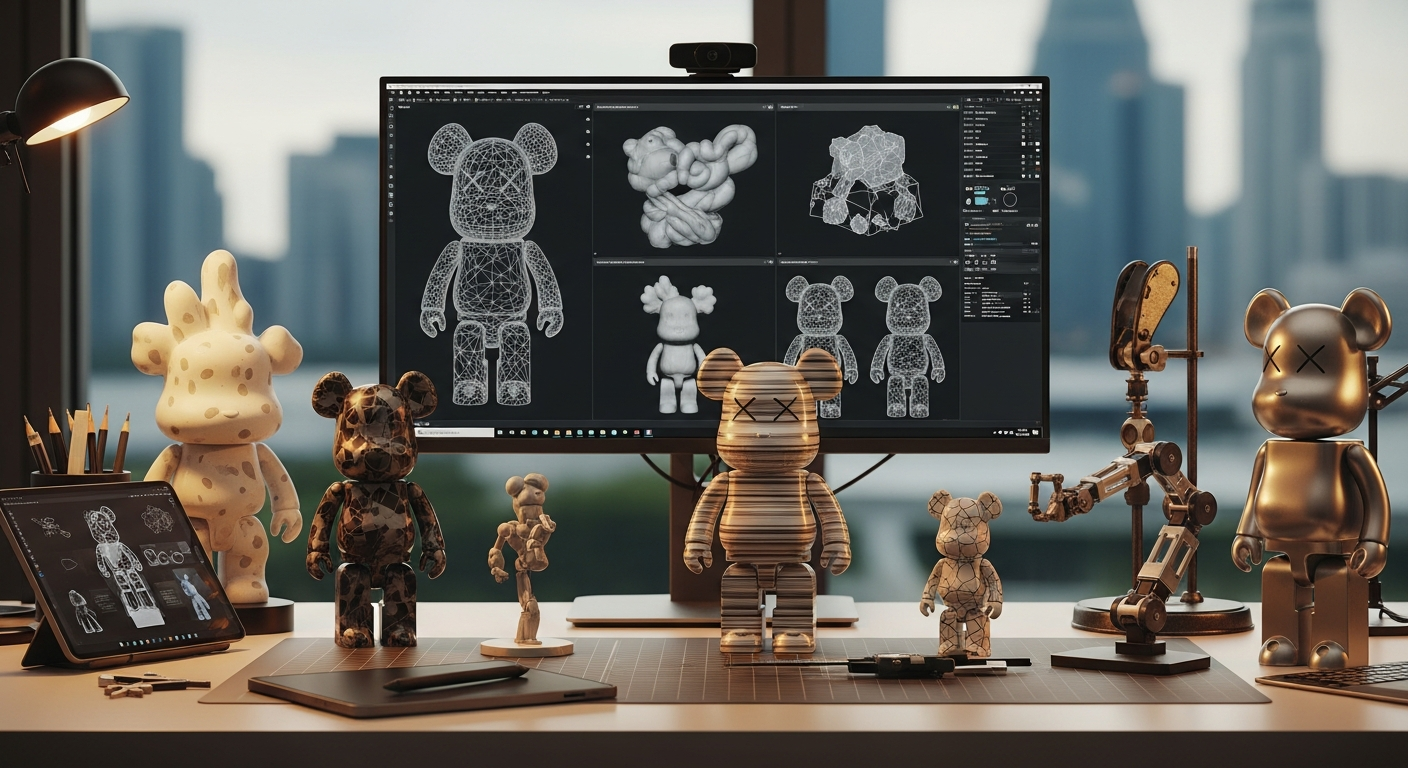
For collectors, toy designers, and lifelike figurines, combining FDM base prints with resin details or painted finishes can deliver striking results. Explore providers that specialize in hybrid workflows for the best outcomes.
Rapid prototyping Singapore projects often face the trade-off between speed and surface finish. You can accelerate iteration by:
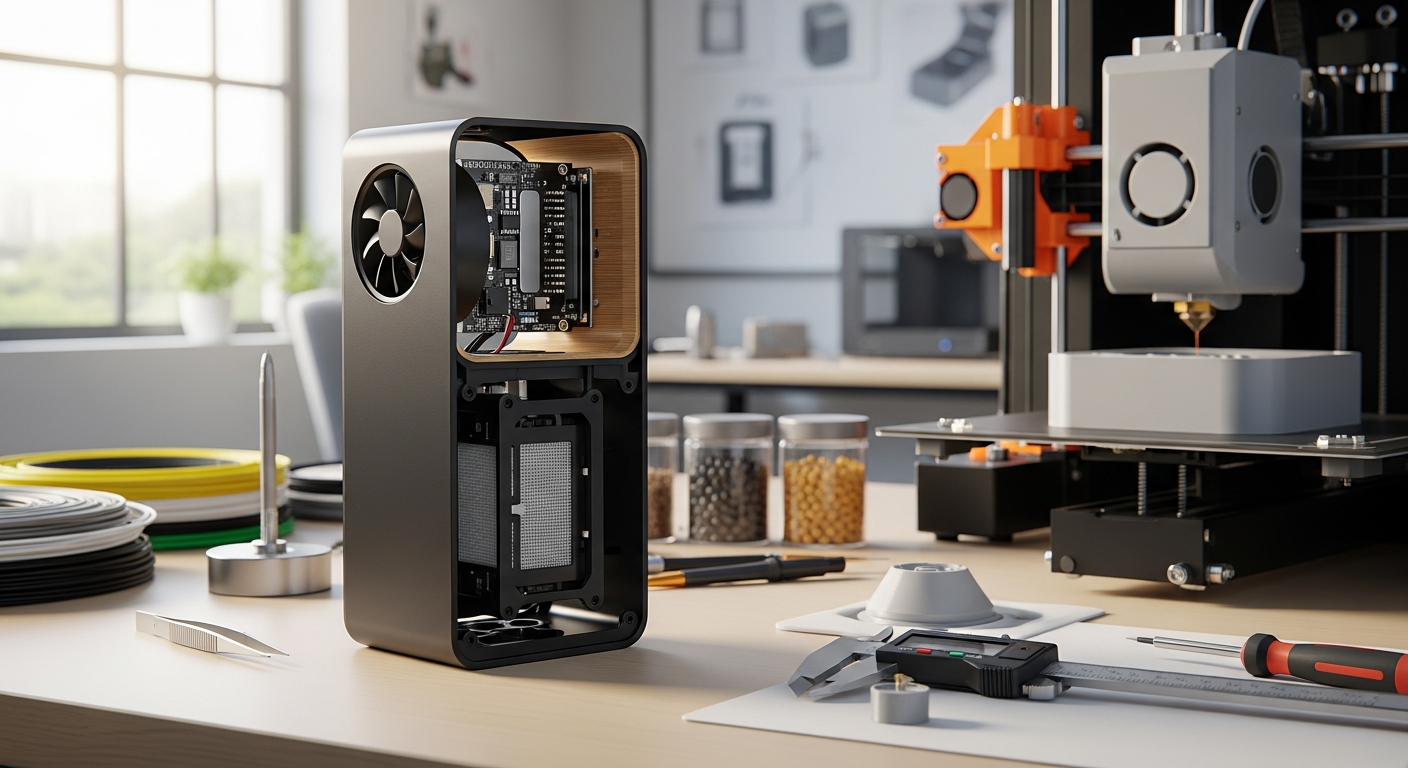
For functional prototypes where tolerances matter—snap fits, press fits, or mechanisms—build in tolerance allowances and consider finishing with machining or secondary processes.
FDM is usually cost-effective for prototyping, but costs vary with material choice, part volume, print resolution, and post-processing. Typical Singapore lead-time model:
Request itemized quotes to compare material, machine time, and finishing. Local providers in Singapore often provide rush options for product launches and design sprints.
Selecting a local prototyping partner is about capabilities and fit. Look for:
If you need integrated CAD support and engineering consultation, consider a specialist that pairs printing with modeling services like the best 3D printing service with CAD modeling to shorten iteration cycles.
Designers in fashion, consumer electronics, and product design rely on on-demand systems to test aesthetics and ergonomics. For lifestyle and small-batch product runs, an on-demand custom 3D printing model is invaluable: upload, review, iterate, and ship—often all within a matter of days.
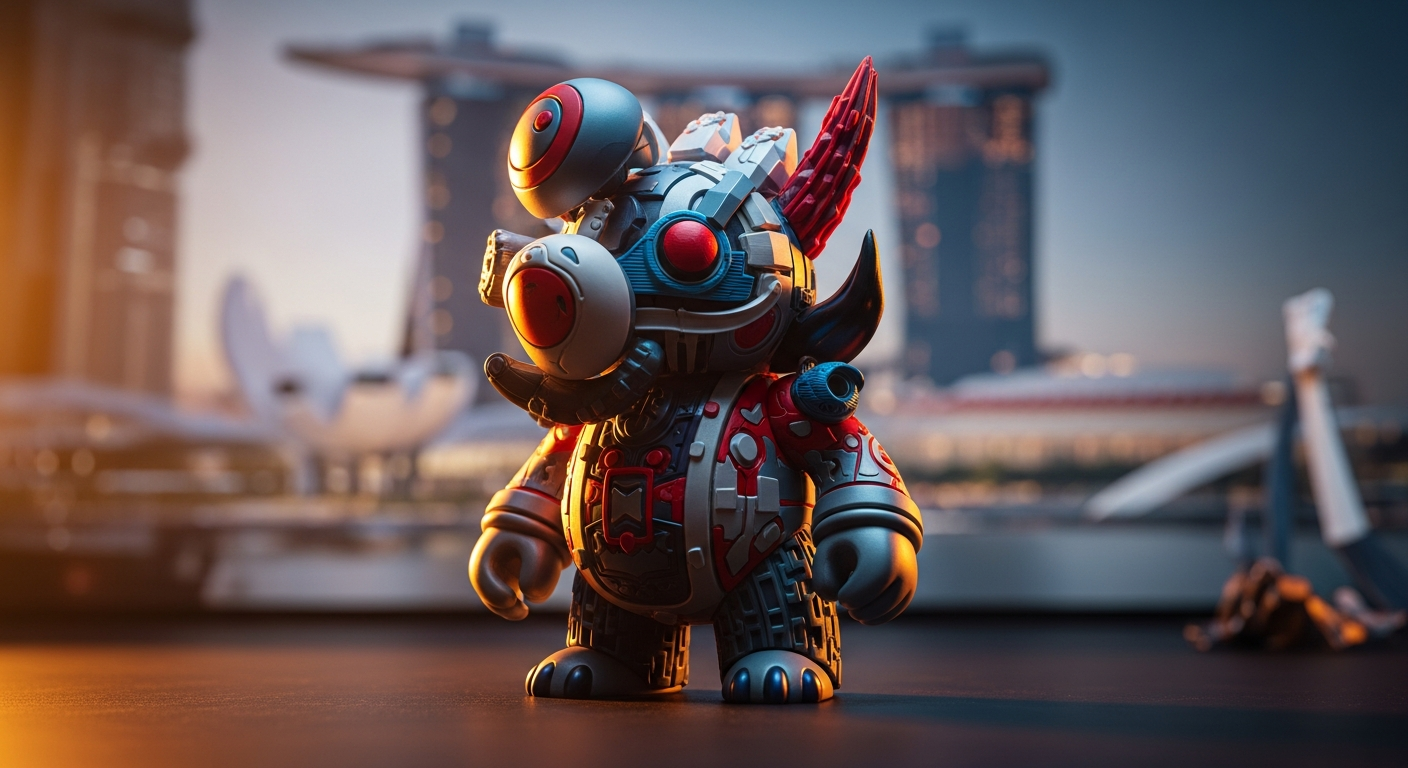
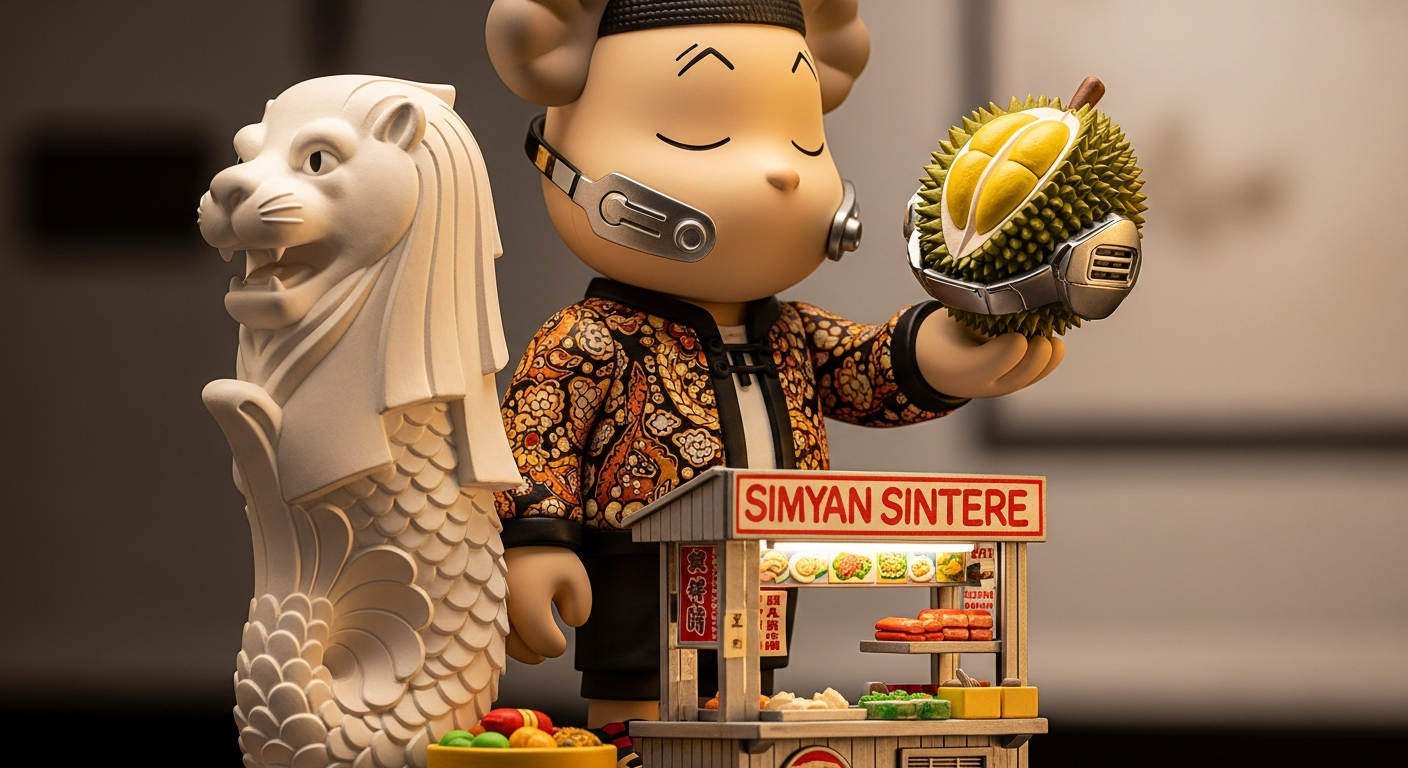
Singapore’s creative community frequently uses FDM as the backbone of toy prototyping. For creators who later add detail with resin or paint, FDM provides rapid form iterations. Local artists and studios leverage specialized services for limited runs and collector-grade finishes—if you build art toys, check resources on where to buy art toys and how to pair FDM with finishing workflows.
If you need figurines or character models that retain personality and detail, combining FDM base prints with targeted finishing can be a cost-efficient path; many providers advertise custom 3D printing for personalized figurines packages.
A Singapore-based toy designer wanted a 3-month launch timeline. Using iterative FDM prints, they tested proportions and balance in week-long cycles. The base forms were printed in PETG for stiffness, final parts were reinforced and smoothed, then painted. The result: faster market-ready models and reduced prototyping costs compared to full-resin production. Services focused on art toys rapid prototyping are increasingly common for this workflow.
Several trends are shaping the FDM rapid prototyping Singapore landscape in 2026:
These trends mean faster, stronger, and more sustainable prototypes without dramatically higher costs.
To streamline the process:
Many Singapore providers accept STL for fast quotes, but CAD files reduce back-and-forth and help the shop suggest design improvements.
FDM 3D printing Singapore remains the most practical way to accelerate product development and validate concepts quickly. Whether you are a startup testing market fit, a designer refining ergonomics, or an artist preparing limited editions, FDM offers reliable speed and cost control. Evaluate providers on turnaround, material expertise, and finishing capability; consider integrated services for the smoothest path from idea to prototype.
In 2026, the right mix of materials, smart design-for-FDM practices, and a local partner that understands your project will deliver the rapid prototyping Singapore advantage: faster decisions, lower iteration costs, and prototypes ready to impress stakeholders and customers.