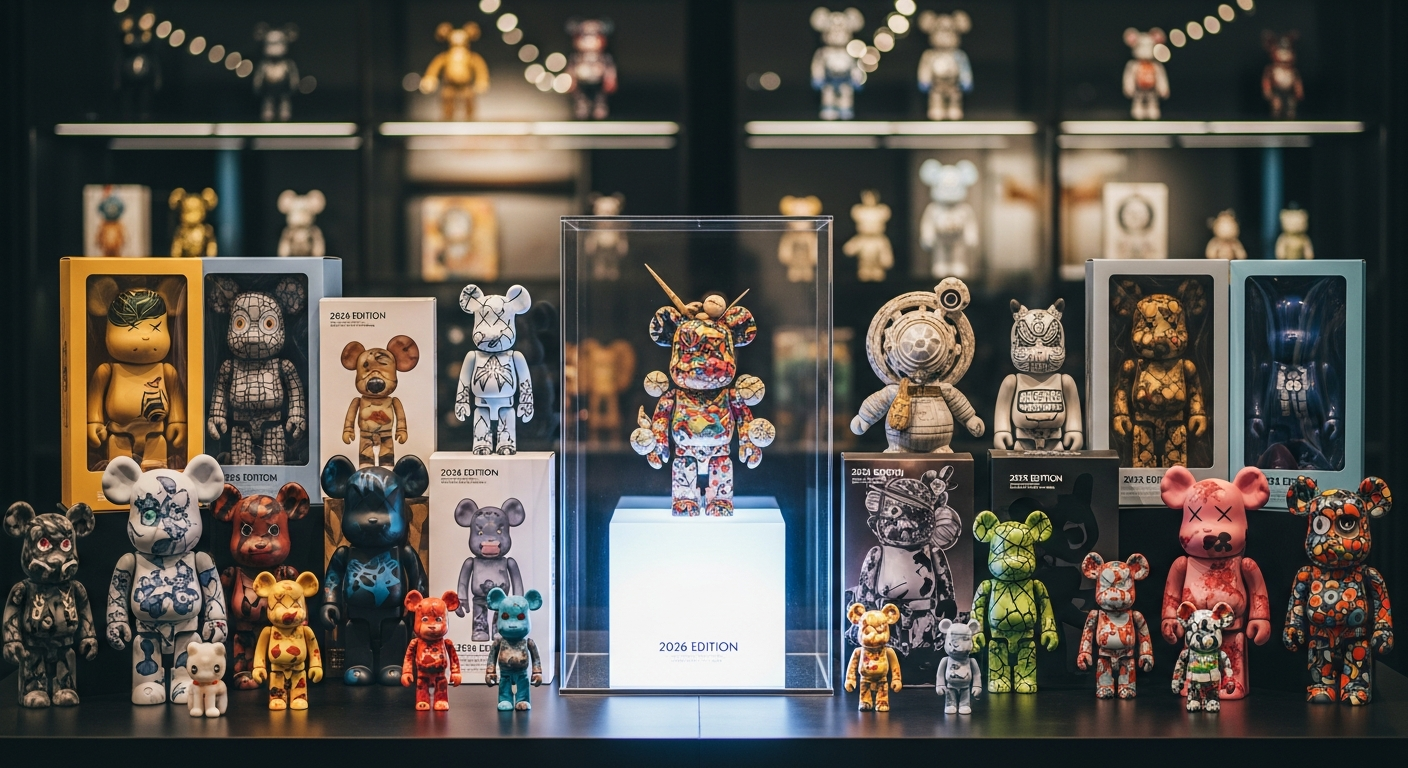
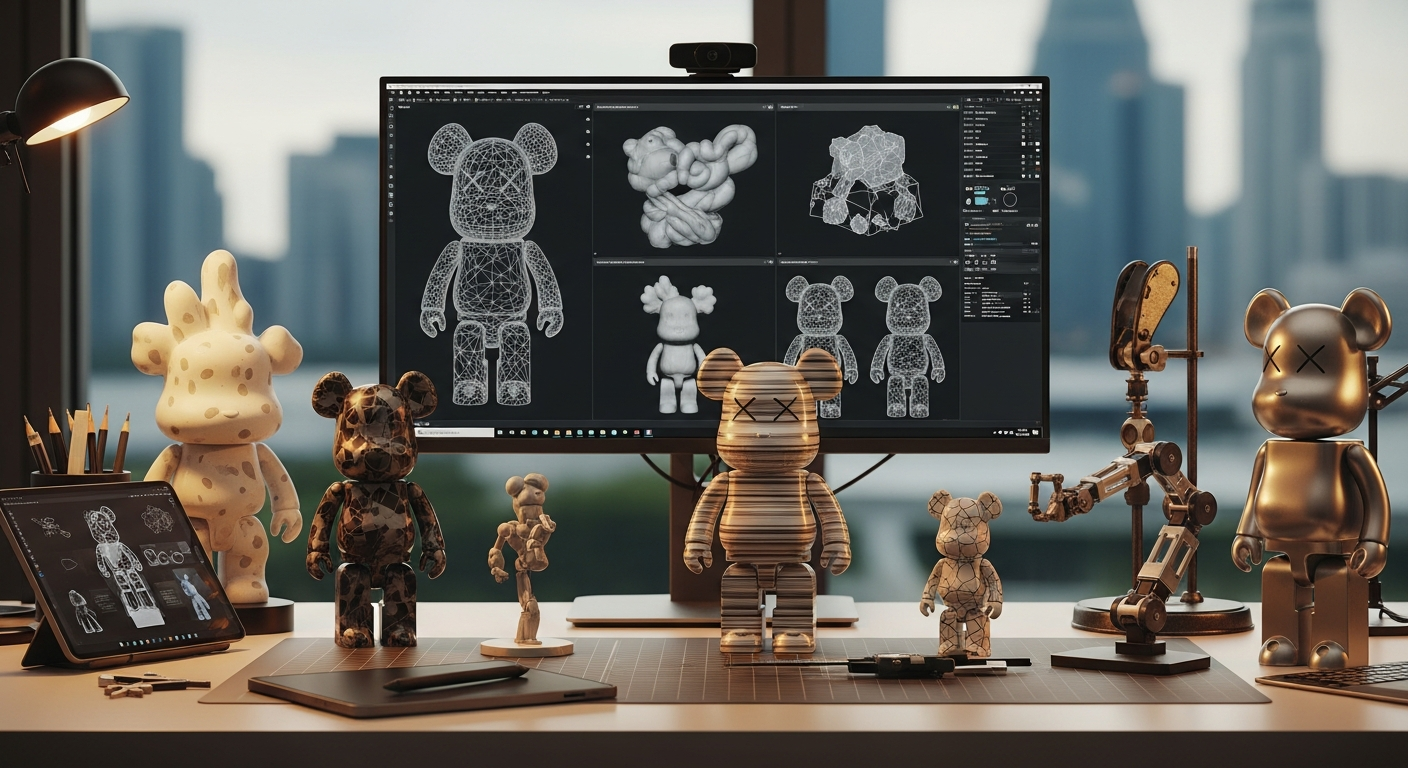

Art toys and limited edition art toys remain one of the most exciting intersections of contemporary art, design, and collectible culture. In 2026 the market keeps evolving: drops, collaborations, and tech-enabled production (like 3D rapid prototyping) have widened access while preserving the thrill of scarcity. This guide explains where to buy art toys and limited edition art toys responsibly and strategically—whether you’re a first-time buyer, a seasoned collector, or a designer looking to produce a run.
Large online marketplaces are often the first stop for collectors. Platforms such as Etsy and eBay maintain vast catalogs of independent artists and secondary-market pieces. These sites are great for discovering affordable, handmade art toys as well as chasing rare secondary-market finds.
Tips when using marketplaces:
– Check seller ratings and detailed photos.
– Ask for provenance: edition number, original receipt, or artist confirmation.
– Use secure payment methods that offer buyer protection.
For collectors who want manufacturing-level precision and professional releases, monitor specialized shops and platforms that curate designer toy releases. These stores may also work with 3D rapid prototyping services to produce higher-quality limited runs; learning about those production partners can reveal which designers are investing in longer-lasting, collectible editions. See an example of how studios combine design with production in discussions about art toys rapid prototyping.
Buying directly from artists is the most authentic way to collect. Many designers sell exclusive drops on their websites or through mailing lists and Patreon-like membership tiers. Benefits:
– Direct artist communication and provenance.
– Occasional subscriber-only or early-access drops.
– Opportunity to commission or request custom finishes.
Many designers now use CAD workflows and small-batch production rather than traditional resin casting. Understanding those workflows helps buyers anticipate value and quality. For insight into this process, explore how designer art toys meet CAD modeling.
Brick-and-mortar galleries and boutique toy shops still matter. They curate selections, host signings, and sometimes offer exclusives tied to gallery shows. If you prefer seeing a piece in person before buying, look for local galleries that focus on contemporary collectible design or urban art.
Conventions (DesignerCon-style shows), pop-up events, and gallery nights are prime opportunities to find debut pieces and get direct artist signatures, which increases provenance and long-term resale value.
The culture of limited drops and raffle systems continues into 2026. Social platforms (Instagram, Discord, and increasingly decentralized channels) are where designers announce releases. Discord communities in particular often host early-loot opportunities and whitelist spots for committed fans.
How to succeed in drops:
– Follow designers and shops on multiple channels to avoid missing announcements.
– Join Discords and mailing lists for whitelist chances and insider updates.
– Be ready to checkout quickly and have payment info pre-saved.
When a release sells out, the secondary market activates. Auction houses, reseller platforms, and collectible-specific sites host re-sales of rare pieces. Prices can spike quickly for hyped runs, but reputable secondary platforms provide authentication services and return policies that mitigate fraud.
Before buying secondary, assess condition, edition number, and whether the piece includes certificates, packaging, and artist signatures. These components materially affect value for limited edition art toys.
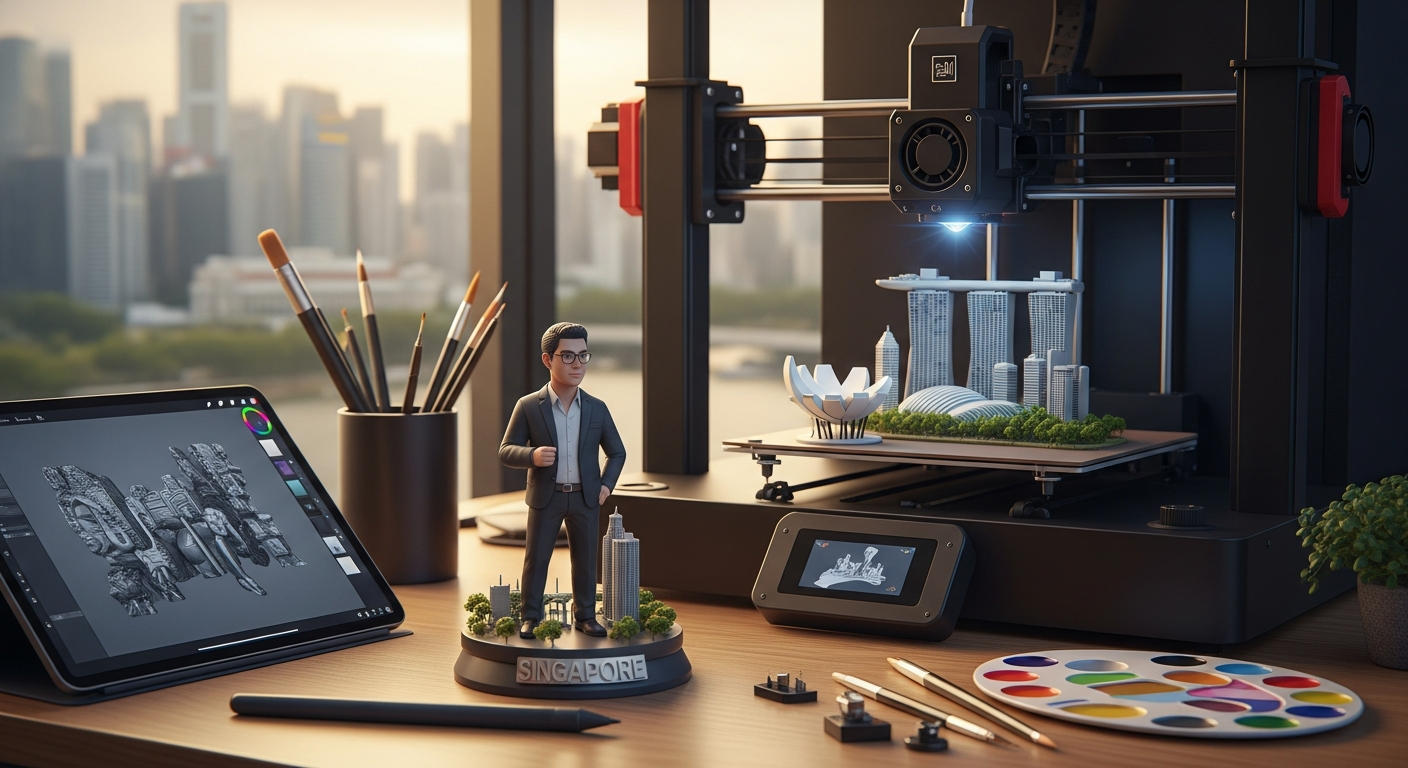
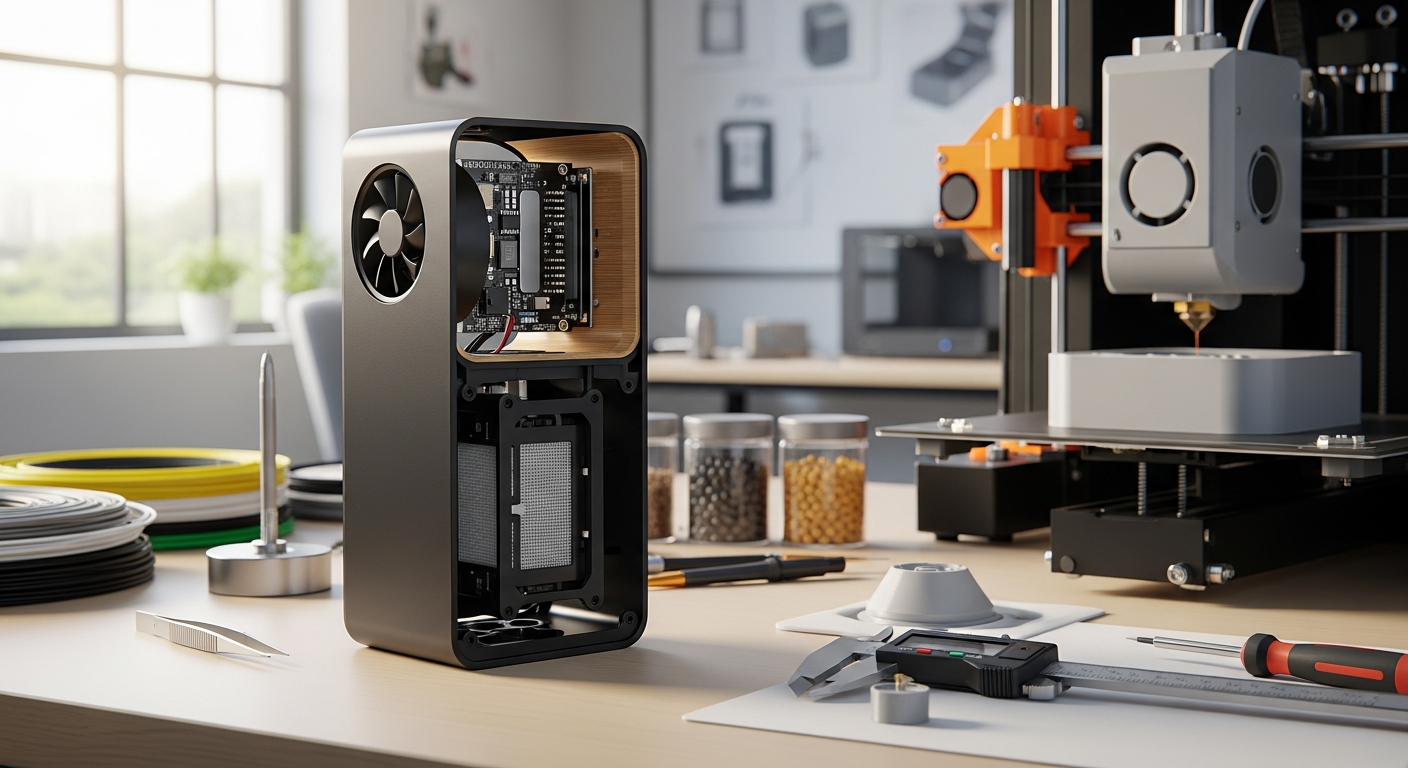
A major trend shaping where art toys are bought and how they’re made is 3D rapid prototyping. Designers and small studios now use digital workflows to prototype, iterate, and produce limited runs faster and more consistently than traditional sculpting methods. This has two major benefits for buyers: higher consistency across editions and more accessible custom runs.
If you’re a collector looking for personalized or small-batch pieces, consider services that specialize in toy production. For example, studios offering custom 3D printing for personalized figurines can produce highly detailed prototypes and limited production pieces with professional finishes.
For collectors and designers curious about production-grade services, many regional rapid prototyping labs now offer end-to-end support—modeling, prototyping, small-volume manufacturing, and finishing. See an in-depth look at limited edition art toys 3D rapid prototyping and how it affects edition quality.
If you’re planning a limited release, learning about rapid prototyping for limited edition art toys will help you select the right materials and production method for durability and surface finish.
Major brand collaborations with artists create crossover demand and mainstream exposure. Limited edition art toys tied to popular IPs or lifestyle brands often sell through both the brand’s channels and specialty retailers. These collaborations blend mass-market reach with collectible scarcity, making them popular with both casual buyers and speculators.
If you favor designer collaborations, monitor lifestyle and streetwear channels, as many drops are co-released across apparel, sneaker, and collectible niches.
When buying art toys—especially limited edition art toys—authentication is critical. Key things to verify:
– Edition number and total run size.
– Original packaging and certificate of authenticity (if issued).
– Signed certificates or artist signatures on the piece or box.
– Clear, high-resolution photos showing condition, and disclosure of flaws.
If a deal looks too good to be true for a release that sold out quickly, treat it suspiciously. Use platforms that offer authentication or third-party grading for high-value pieces.
Not every art toy will appreciate. Pricing depends on edition size, artist reputation, condition, and cultural relevance. Limited edition art toys with small runs, iconic collaborations, or early works from rising designers tend to perform best in the secondary market.
For buying as an investment, diversify across artists and editions, and prioritize pieces with strong provenance. Keep receipts and original packaging for long-term value.
Proper care preserves both aesthetic and financial value. Recommendations:
– Keep pieces out of direct sunlight to avoid color fading.
– Store in temperature-stable, low-humidity environments to protect materials.
– Use UV-protective display cases for particularly valuable editions.
– For vinyl and resin toys, avoid prolonged exposure to heat to prevent warping.
Proper storage matters when you buy limited edition art toys—packaging and condition dramatically affect resale value.
The art toy ecosystem in 2026 is richer and more accessible than ever—thanks to a blend of curated marketplaces, direct designer channels, specialty retailers, and advancements in 3D rapid prototyping. Whether hunting for mass-market finds or bidding on scarce limited edition art toys, knowledge of production methods, authentication, and community channels will help you buy with confidence and enjoy the hunt. Keep exploring designers’ direct channels, curated shops, and trusted prototyping partners to find pieces that fit both your taste and collecting goals.