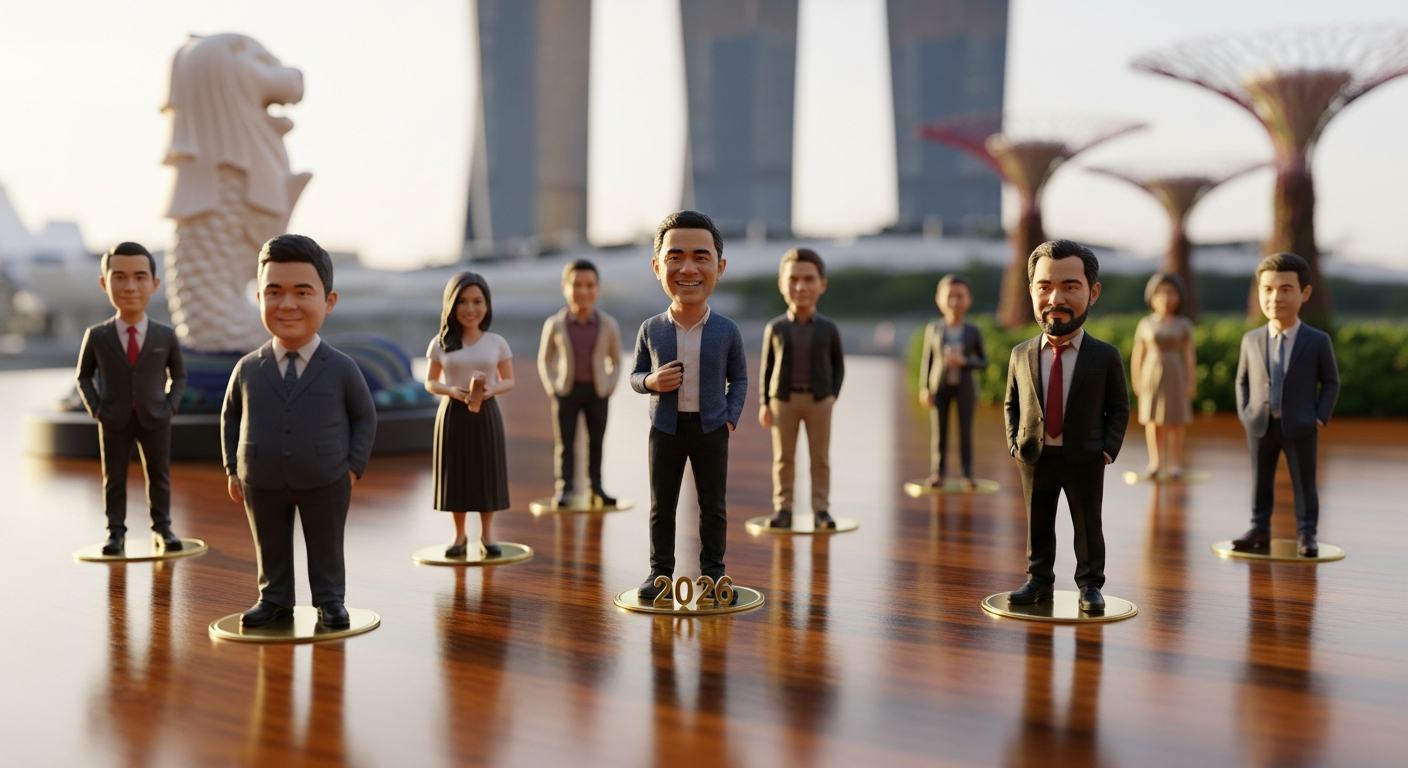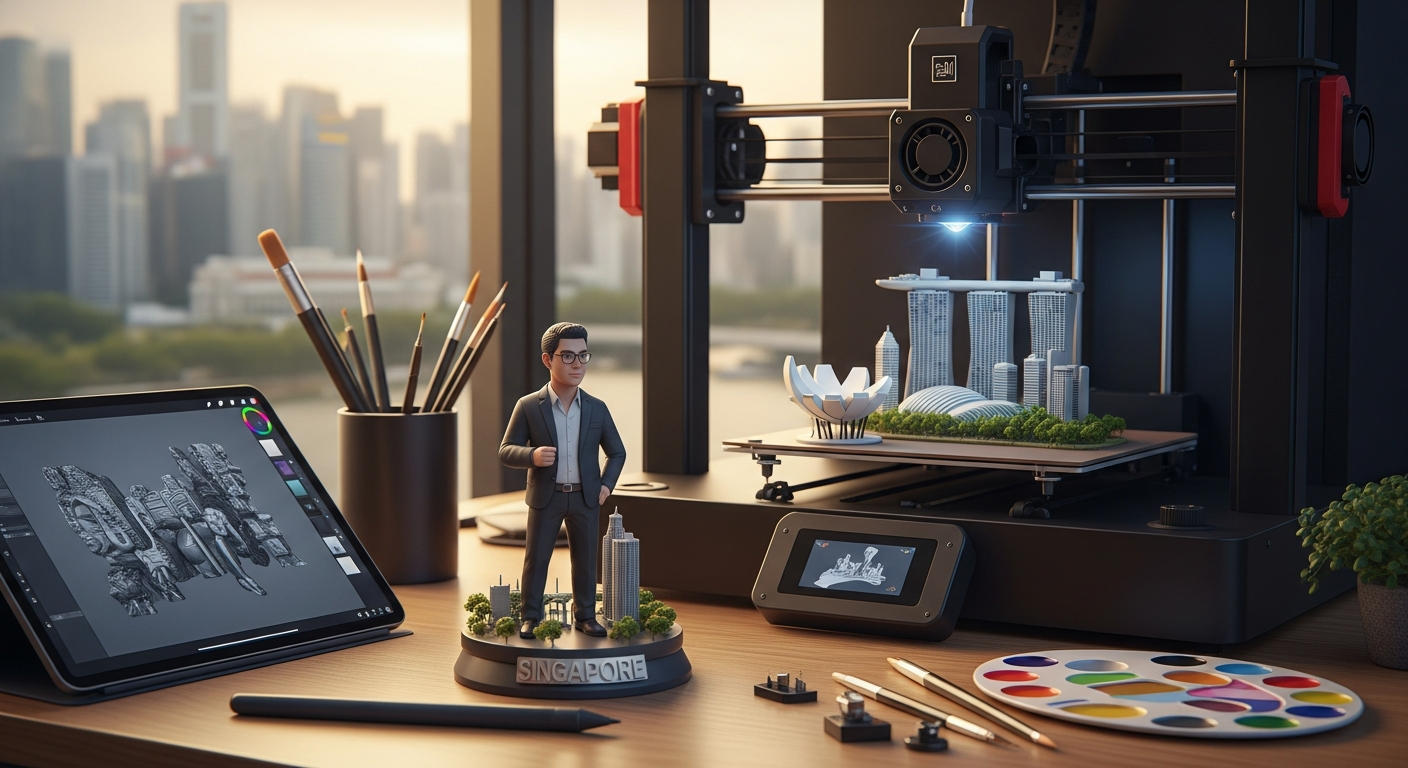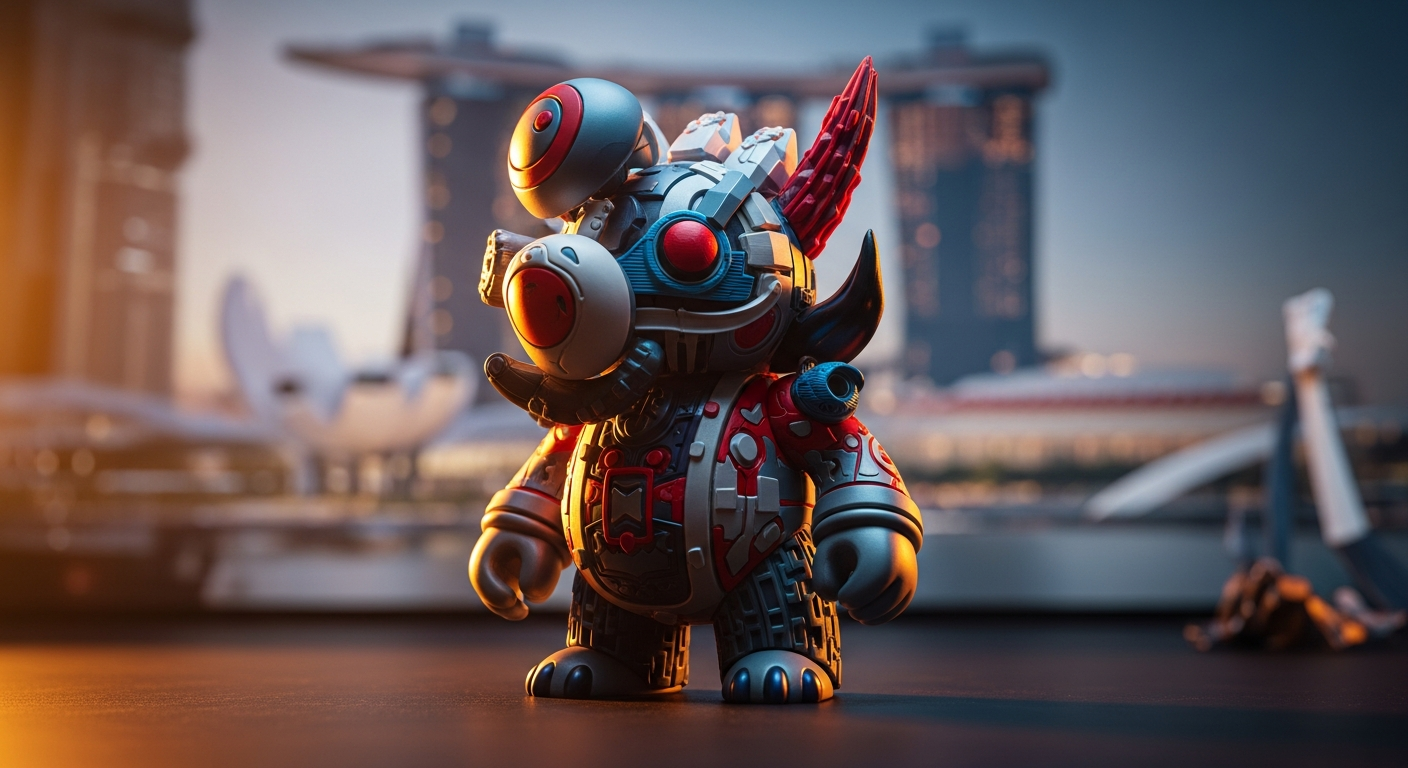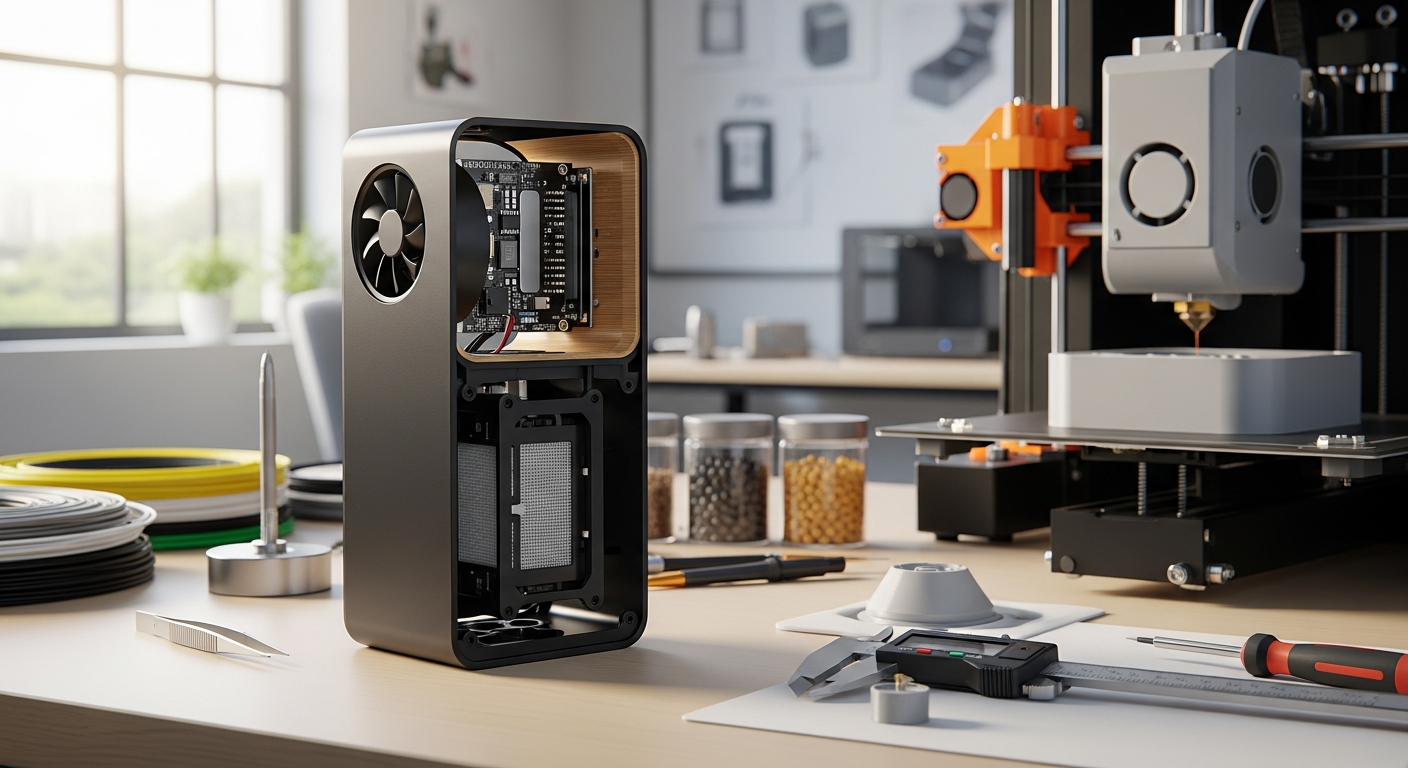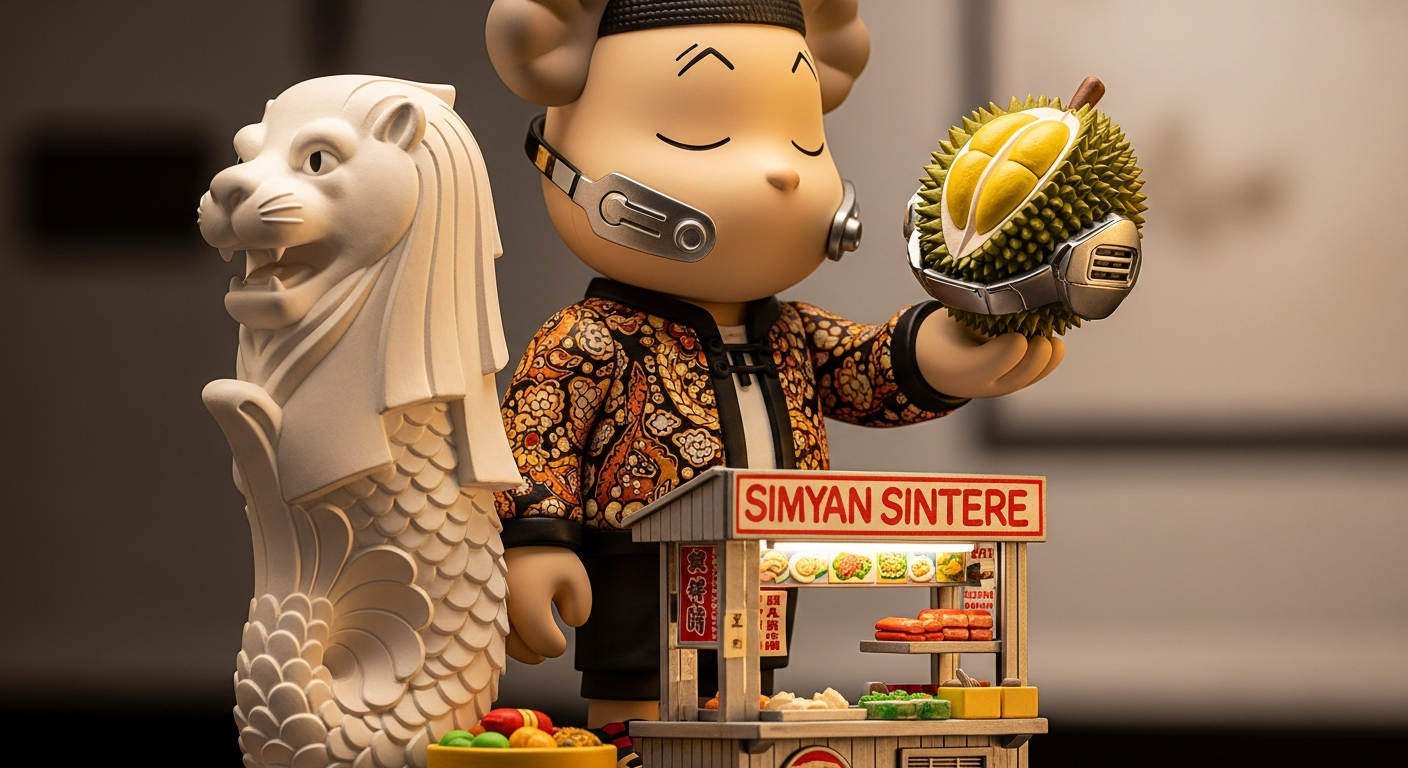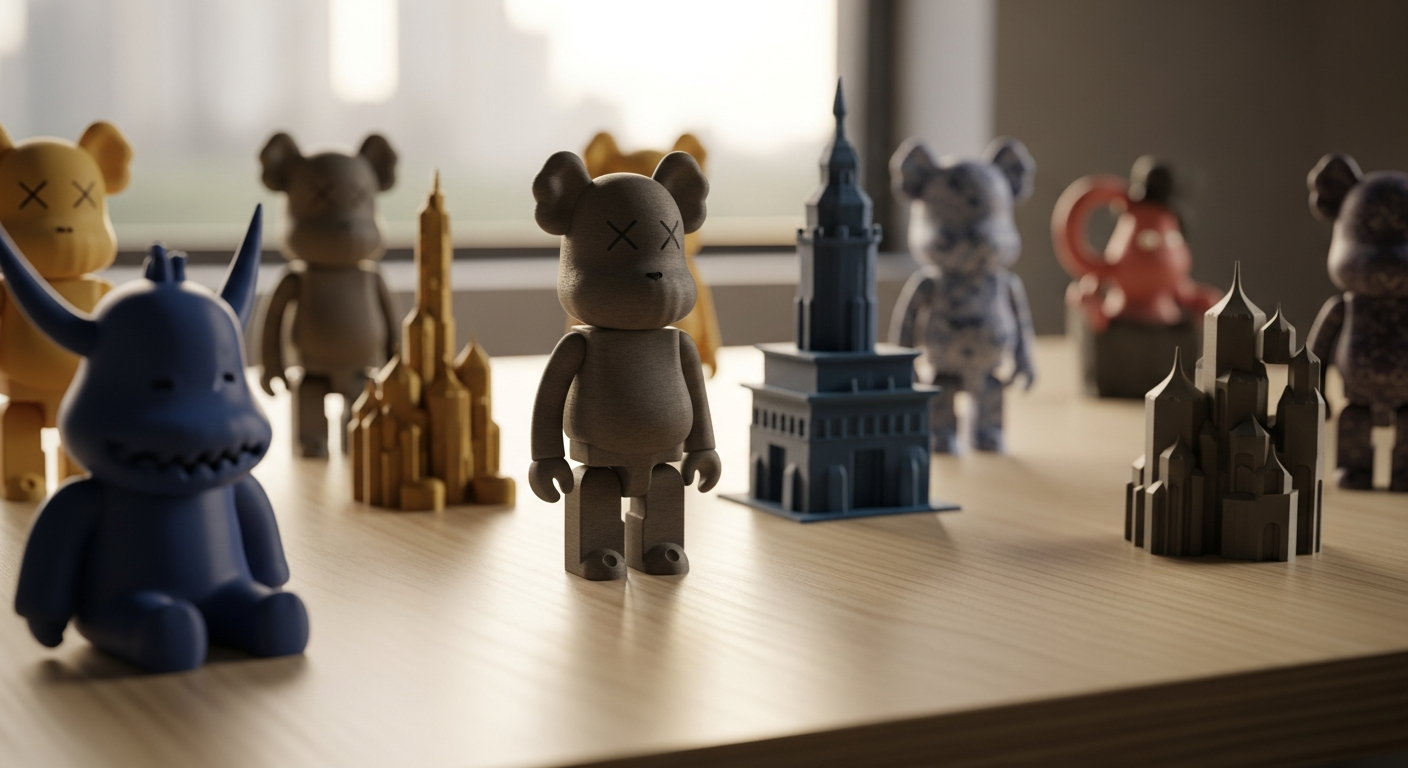
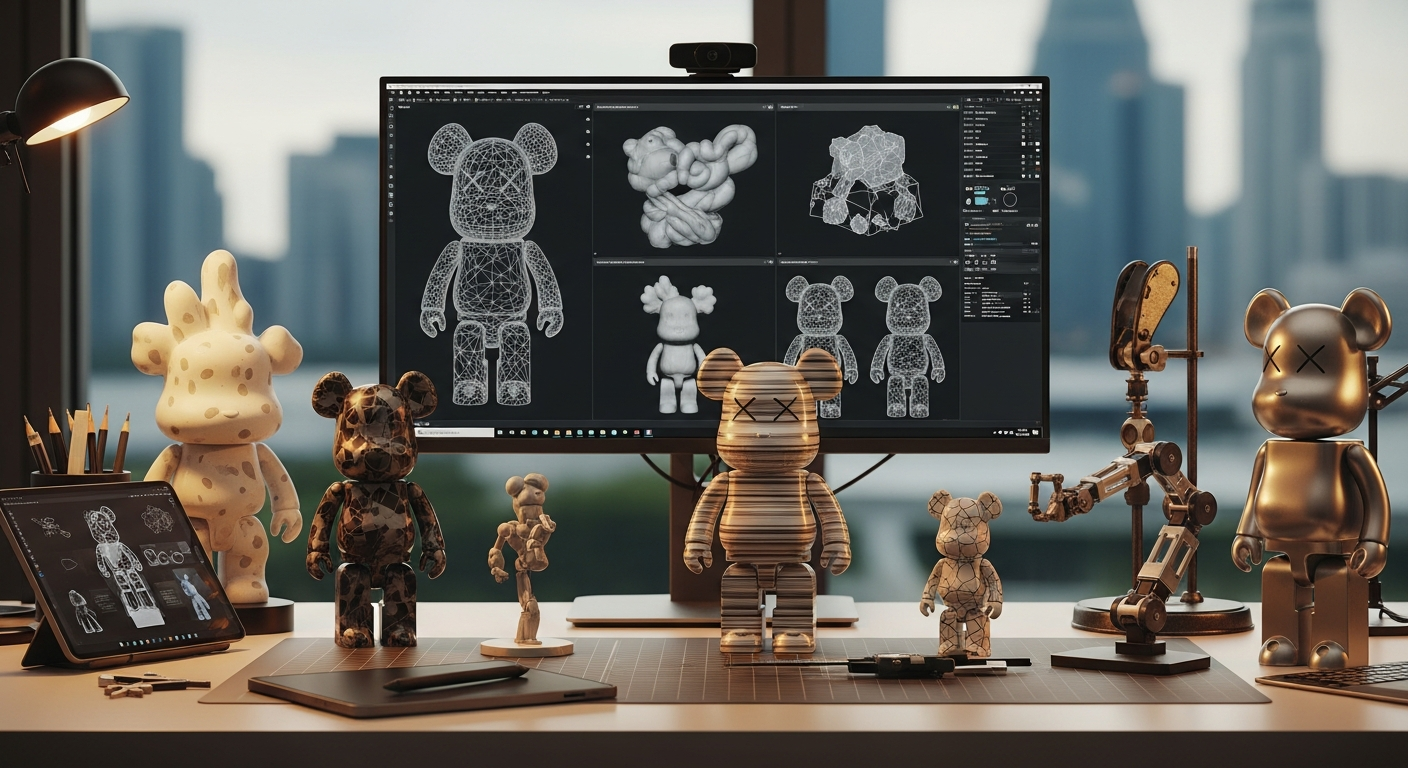

Collectors, independent designers and boutique studios are driving a renaissance in limited edition art toys. These pieces blend sculpture, industrial design and storytelling, and their value depends on refinement: crisp details, consistent finishes, and the ability to iterate rapidly. In this context, rapid prototyping plays a central role. Singapore’s advanced ecosystem for 3D printing, CAD and manufacturing makes it an ideal base for producing collectible runs with the precision and speed today’s market demands.
This article explains how limited edition art toys benefit from 3D rapid prototyping in Singapore, outlines technologies and workflows, and highlights trends designers should leverage to bring premium collectible series to market.
Limited edition art toys are defined by scarcity and craft. Buyers expect studio-level detail, consistent tolerances and a polished finish. Rapid prototyping allows designers to explore multiple iterations quickly without committing to expensive tooling. Key benefits include:
In Singapore, the availability of advanced prototyping labs and experienced service providers accelerates this process, so designers can focus on creative direction rather than manufacturing headaches.
Different prototyping technologies are suitable depending on design goals, tolerances and finish requirements:
Choosing the right mix is a strategic decision: many studios combine SLA masters with silicone molding for small limited runs, or use direct 3D printing for short production series.
A reliable workflow reduces surprises and accelerates time-to-market:
For tighter designer–engineer collaboration, explore CAD-based design services and model optimization that tailor geometry for printing and casting. See a practical approach to designer–CAD workflows here: https://artsoustudio.com/designer-art-toys-meet-cad-modeling-singapore-2026/.
Print-fail analysis: Print test pieces of critical subassemblies (joints, facial details, snap-fits) to validate dimensions and movement.
Finishing & paint tests: Use SLA or resin masters for primer, sanding and paint testing. Surface tests help determine which post-processing and coatings will preserve detail.
Small-batch production: For limited editions, consider urethane casting from silicone molds or short-run 3D printing with post-processing for a consistent collector finish.
Quality checks and packaging: Final QA should include fit and finish inspection, packaging mock-ups and serialized numbering for authenticity.
For providers that integrate CAD and production-ready services in Singapore, a one-stop path can save weeks of coordination. Learn more about integrated prototyping offerings tailored to art toys: https://artsoustudio.com/rapid-prototyping-singapore-for-limited-edition-art-toys-2/.
Material and finish choices shape perceived value. Consider these common options:
Finishing techniques matter: priming, wet sanding, airbrushing, tampo printing and metallic or pearlescent coatings elevate perceived quality. If you plan serialized versions or unique colorways, plan finish tests during the prototyping stage.
Rapid prototyping reduces upfront tooling costs but there are trade-offs: per-unit cost for 3D printing remains higher than injection molding for large volumes. For limited editions, common strategies include:
Typical turnaround times in Singapore for prototype quantities vary by technology: SLA test parts can be delivered within days, while silicone molds and urethane casting require 1–3 weeks from master approval. For designers requiring predictable schedules, partner with a local service provider offering transparent quotes and timeline guarantees. Find dependable 3D services and small-batch solutions here: https://artsoustudio.com/custom-3d-printing-service-singapore-2026/.
Design choices affect cost, strength and finish. Practical DfM tips:
Incorporating DfM early reduces iteration cycles and improves final product consistency. For the latest CAD and prototyping best practices, consult trend resources and modelling guides: https://artsoustudio.com/cad-modeling-singapore-and-rapid-prototyping-trends-2026/.
Several trends are shaping the industry and should influence your prototyping choices:
Being aware of these trends enables studios to position limited editions as collectible art rather than mere toys.
Selecting the right partner should be based on capabilities, communication and quality control. Checklist items:
A partner that offers both design optimization and production services can reduce friction and shorten lead times. Explore providers who package CAD, prototyping and lifestyle product design services in Singapore: https://artsoustudio.com/lifestyle-product-design-singapore-3d-printing-service-2026/.
These scenarios show how hybrid workflows and targeted choices in materials and processes deliver collector-grade pieces with controlled costs.
For creators of limited edition art toys, rapid prototyping in Singapore offers speed, precision and a path to small-batch production without sacrificing artistry. By choosing the right combination of digital design, printing technologies and finishing workflows, studios can iterate faster, improve quality and deliver collectible runs that resonate with buyers. Careful DfM, strategic batching and a trusted local partner turn ambitious concepts into tactile collectibles that honor both design intent and market expectations.
Integrating these practices can move a project from proof-of-concept to sold-out drop with predictable quality and timing, reinforcing brand trust and collector loyalty.