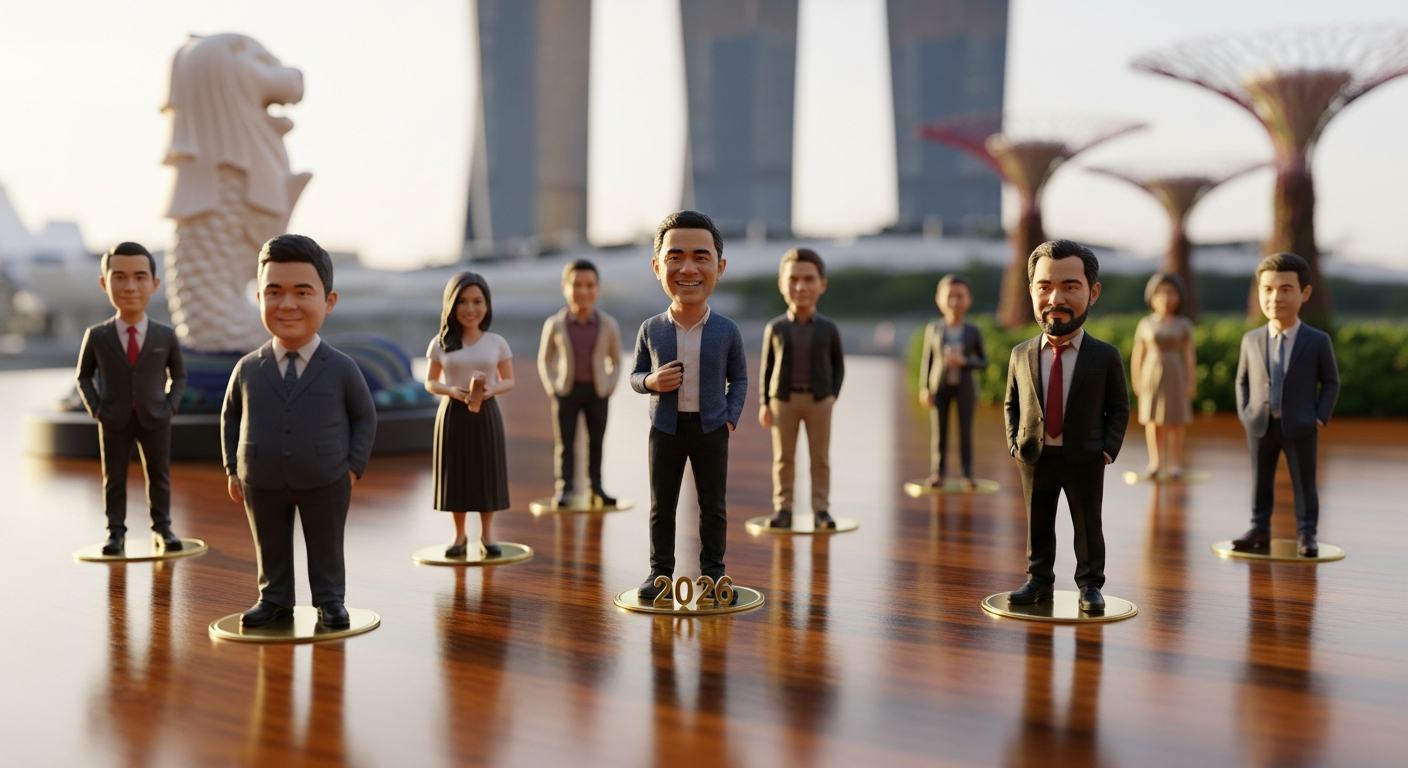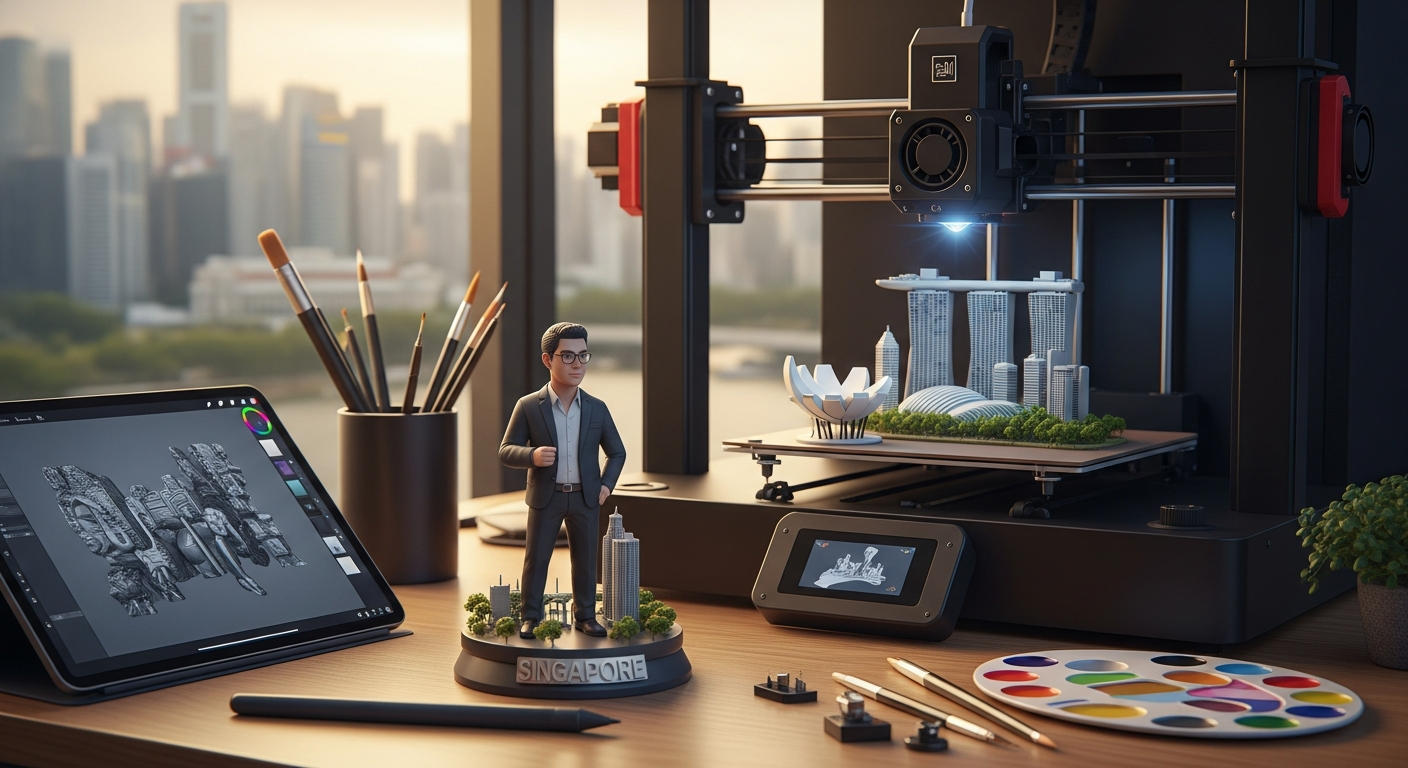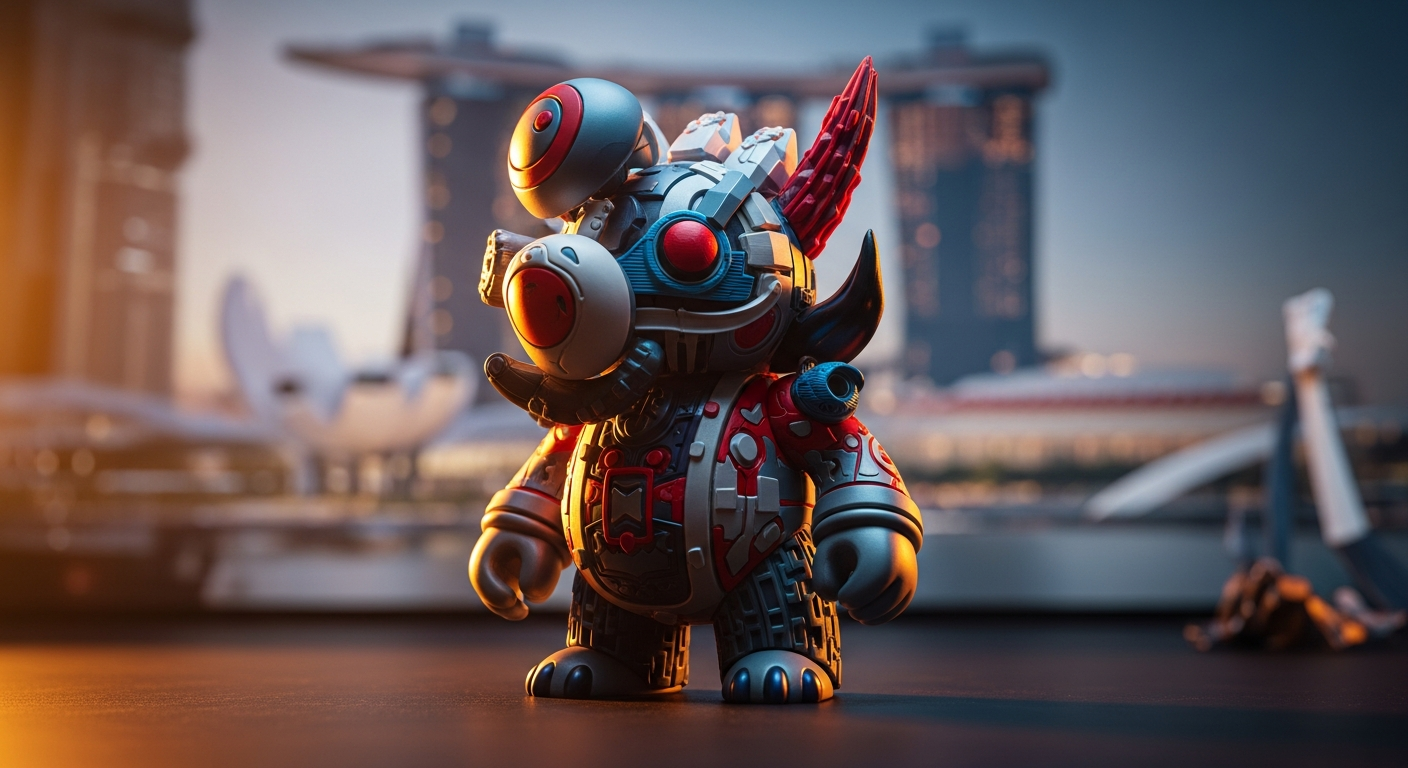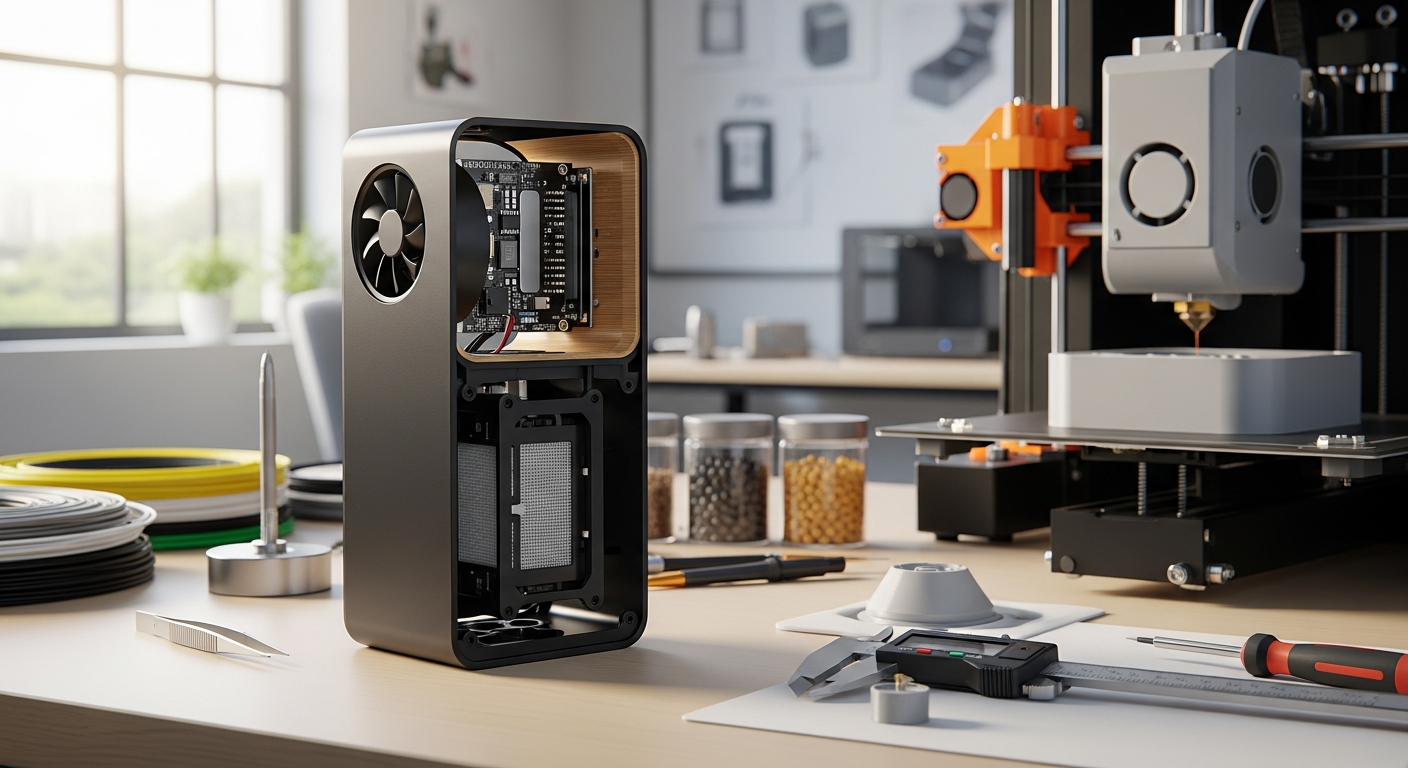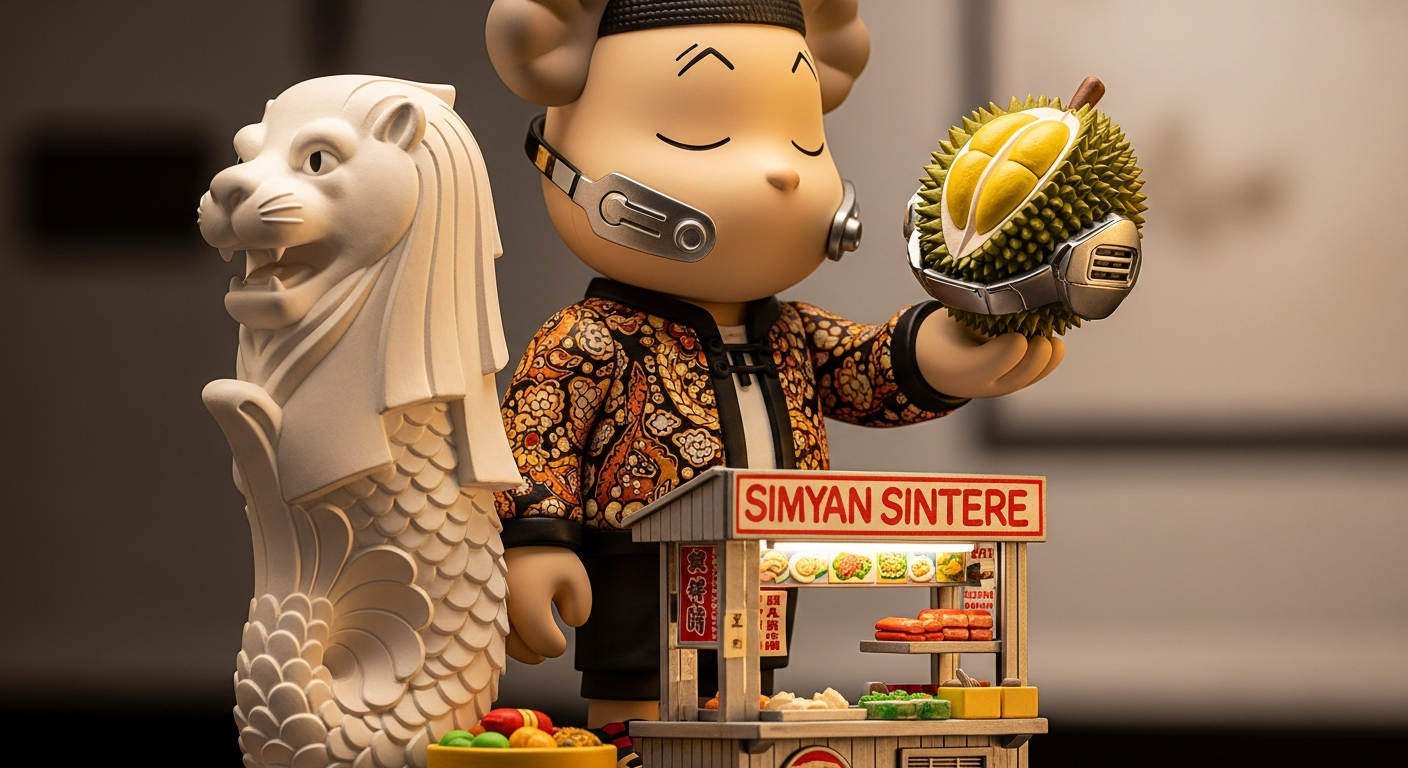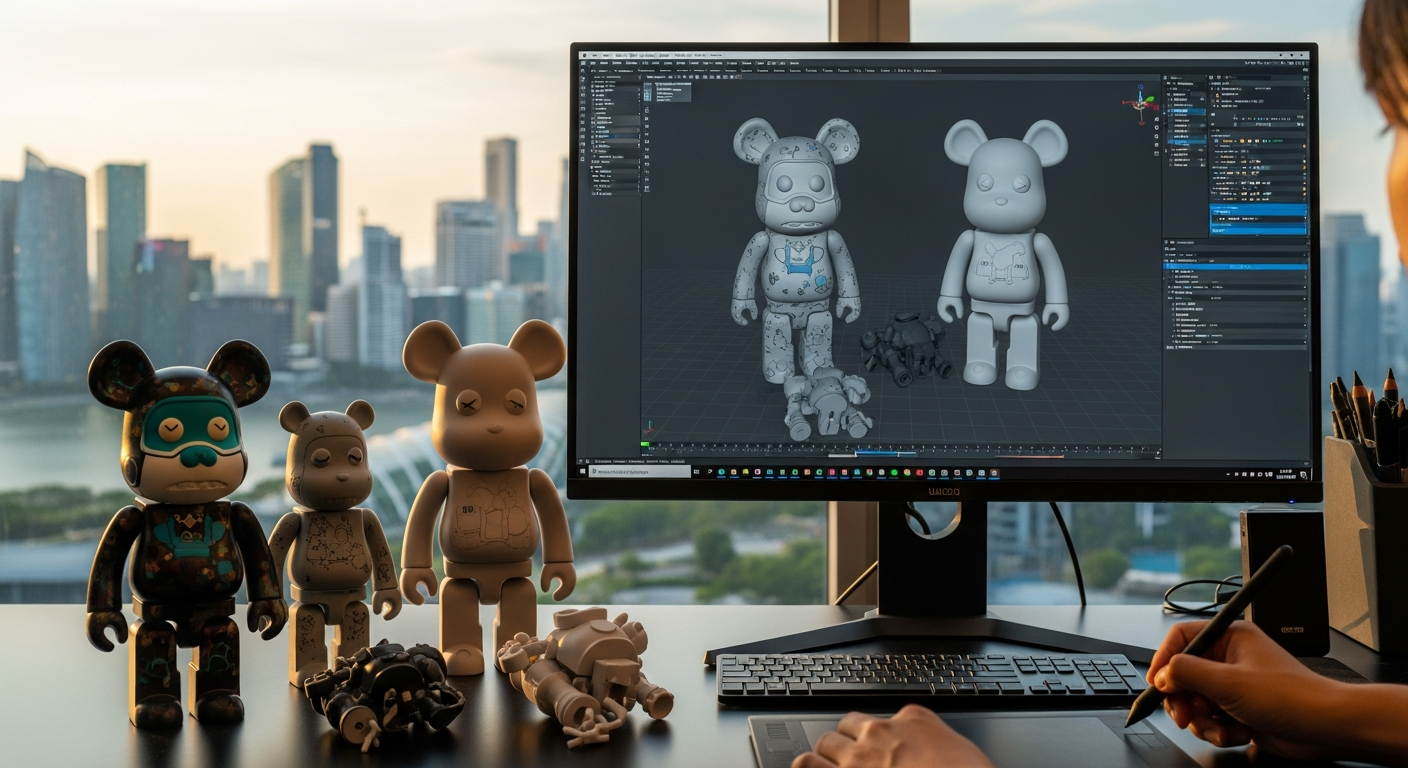
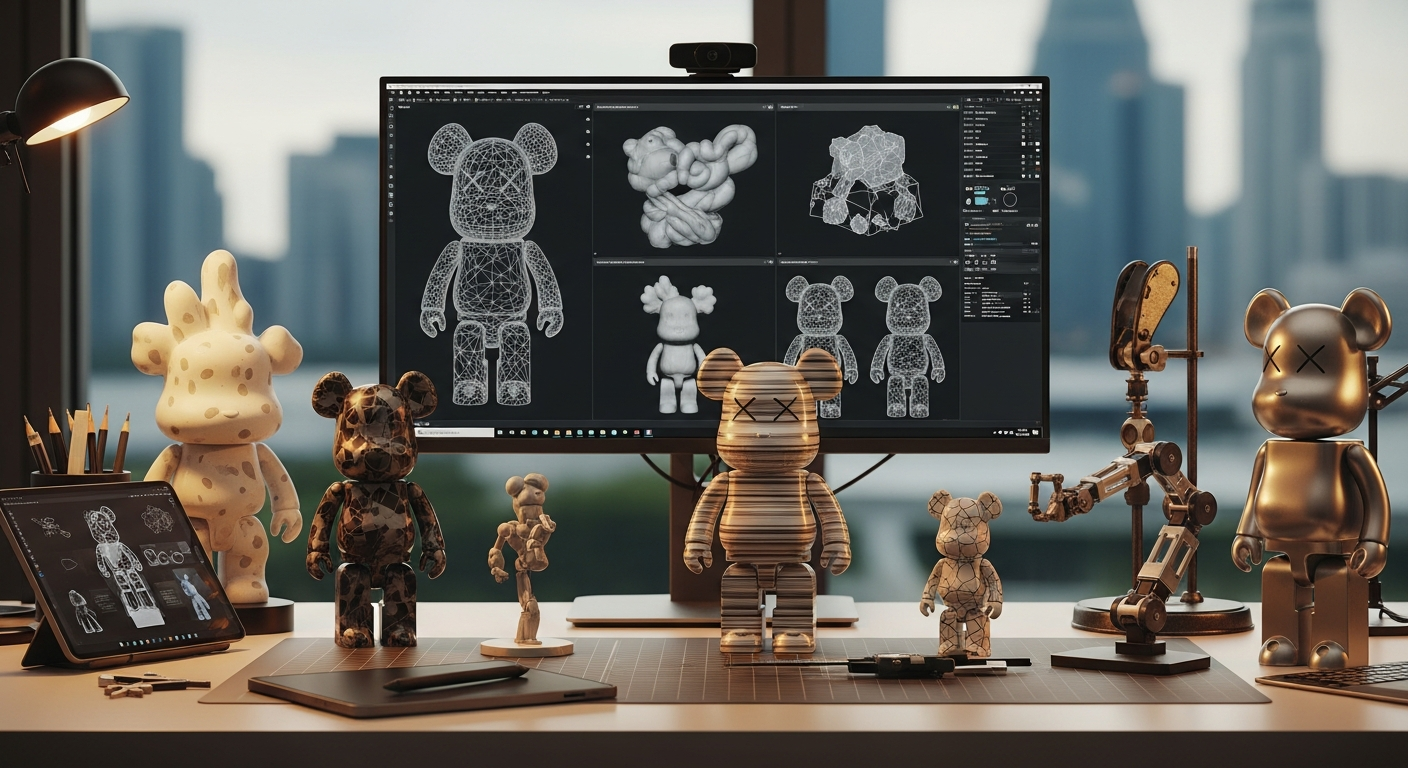

In 2026, the intersection of designer art toys and advanced CAD workflows is redefining how collectible figures are imagined, prototyped, and produced. From independent vinyl artists to lifestyle product houses, designers are blending traditional sculpting instincts with digital precision. This fusion accelerates iteration cycles, raises production quality, and enables small-batch business models that thrive on scarcity and story.
This article walks through the practical and creative ways CAD modeling Singapore is reshaping the art toy landscape, highlights prototyping techniques that matter today, and outlines strategies for artists and brands to turn a concept into a sought-after object.
CAD is no longer the exclusive domain of industrial engineers. Contemporary tools bridge organic sculpting and parametric control, so creators can maintain artistic nuance while benefiting from the repeatability and accuracy of digital files. For art toys, that means better articulation, tighter tolerances for interchangeable parts, and surface detail that survives production.
Beyond craft, CAD enables seamless collaboration between creatives, prototyping labs, and manufacturers. Designers in Singapore can iterate rapidly with local services that combine modeling, printing, finishing, and short-run production, reducing lead times and lowering minimum order quantities.
Learn more about how local ecosystems support this approach with a deep dive into CAD workflows and rapid prototyping at CAD modeling Singapore.
Modern art toy pipelines mix sculpting and CAD. Key tools and techniques include:
These capabilities make it possible to produce complex, multi-component toys that feel handcrafted yet perform like machined goods.
Choosing the right prototyping route depends on budget, run size, and desired finish. Common pathways include:
Local studios in Singapore increasingly offer end-to-end services that combine these processes so designers can test fits, evaluate paint schemes, and validate packaging before committing to larger production. For designers seeking 3D production support, consider partnering with a specialized 3D printing service that understands art toy finishing techniques.
Material choice defines not just durability but perceived value. Popular options in 2026 include:
Finishing techniques matter: multi-step priming, automotive-grade paints, tampo/silk-screen printing for fine graphics, and selective varnishes create the tactile, collectible finish that commands collector attention. Surface treatments implemented early in the CAD and prototyping phase—such as specifying micro-textures or draft angles—reduce finishing surprises later.
One of the most influential trends is the shift toward limited-edition drops backed by precise prototyping. Designers can validate concepts with a pilot batch, refine based on community feedback, and then produce a bundled limited run. This strategy reduces inventory risk and builds hype.
Singaporean studios are tailoring services for this model: rapid master creation, short-run casting, and on-demand finishing for numbered editions. If limited releases are your focus, explore case studies and workflows for producing successful limited runs at limited-edition art toys.
Successful toy projects combine storytelling with manufacturability. Product designers bring expertise in assembly, tolerances, and production cost optimization. Artists contribute character, narrative, and surface language.
Integrated teams use CAD to create assembly-ready files, mold-friendly parts, and packaging that protects delicate finishes. These collaborations are increasingly centralized within one studio—from concept sculpt to packaging dieline—so timelines compress and creative fidelity remains intact.
A directory of leading studios and design partners in Singapore helps creators find collaborators and production partners: top art toys and lifestyle product design studios Singapore.
Physical collectibles are now often paired with digital assets. A growing number of designers use CAD files as the basis for AR experiences, digital twins, or limited NFTs that authenticate ownership. These digital layers increase perceived value and create new engagement channels for collectors.
CAD models also simplify the creation of high-fidelity 3D previews used in pre-sales and crowdfunding campaigns, reducing the need for expensive photo shoots early in the campaign.
By 2026, consumer awareness has pushed many designers toward greener choices. CAD supports sustainability in several ways:
These choices resonate with collectors who care about environmental impact and help brands differentiate their launches.
If you need a single resource for workflow planning, tooling choices, and finishing guidance, many studios combine these services and offer tailored consultancy for art toy projects.
A Singapore designer wanted a 150mm articulated figure with interchangeable heads and a premium painted finish. The team used ZBrush to sculpt aesthetics, exported retopologized meshes into Fusion 360 for precision joint geometry, and printed SLA masters for resin casting. After two prototype iterations focused on joint friction and head locking mechanisms, the designer moved to urethane casting for a numbered run of 300 pieces. The pre-sale used high-resolution CAD renders in AR previews to galvanize collector interest and sold out within days.
This pathway highlights how CAD modeling reduces physical rework and compresses the timeline from concept to market-ready product.
If you are an artist or small studio launching a new toy line in 2026, prioritize the following:
To connect with local providers that can support end-to-end workflows and production advice, review specialized 3D printing and product design services that cater to lifestyle and collectible projects at lifestyle product design 3D printing service.
The best art toys in 2026 come from creators who balance handcrafted qualities with the precision of CAD modeling. Singapore’s proximity to advanced prototyping and its vibrant creative community make it an ideal place to experiment with new materials, serial limited releases, and hybrid digital experiences. By choosing the right tools and partners, designers can maintain artistic integrity while delivering products that stand up to collector expectations and commercial realities.
For designers seeking partnership models, tooling strategies, or prototyping guidance tailored to art toys, there are dedicated studios that combine design consultancy with production services to help you ship better, faster, and more sustainably.