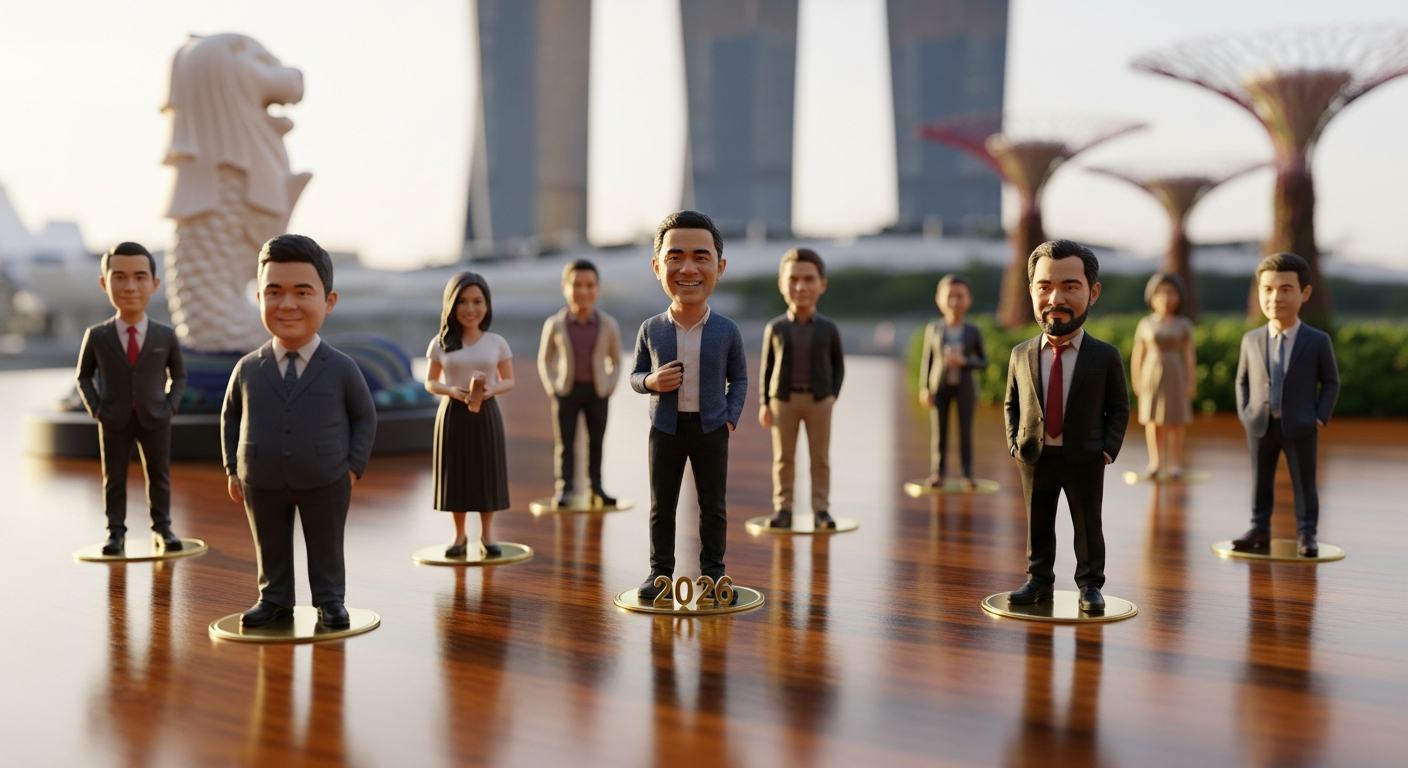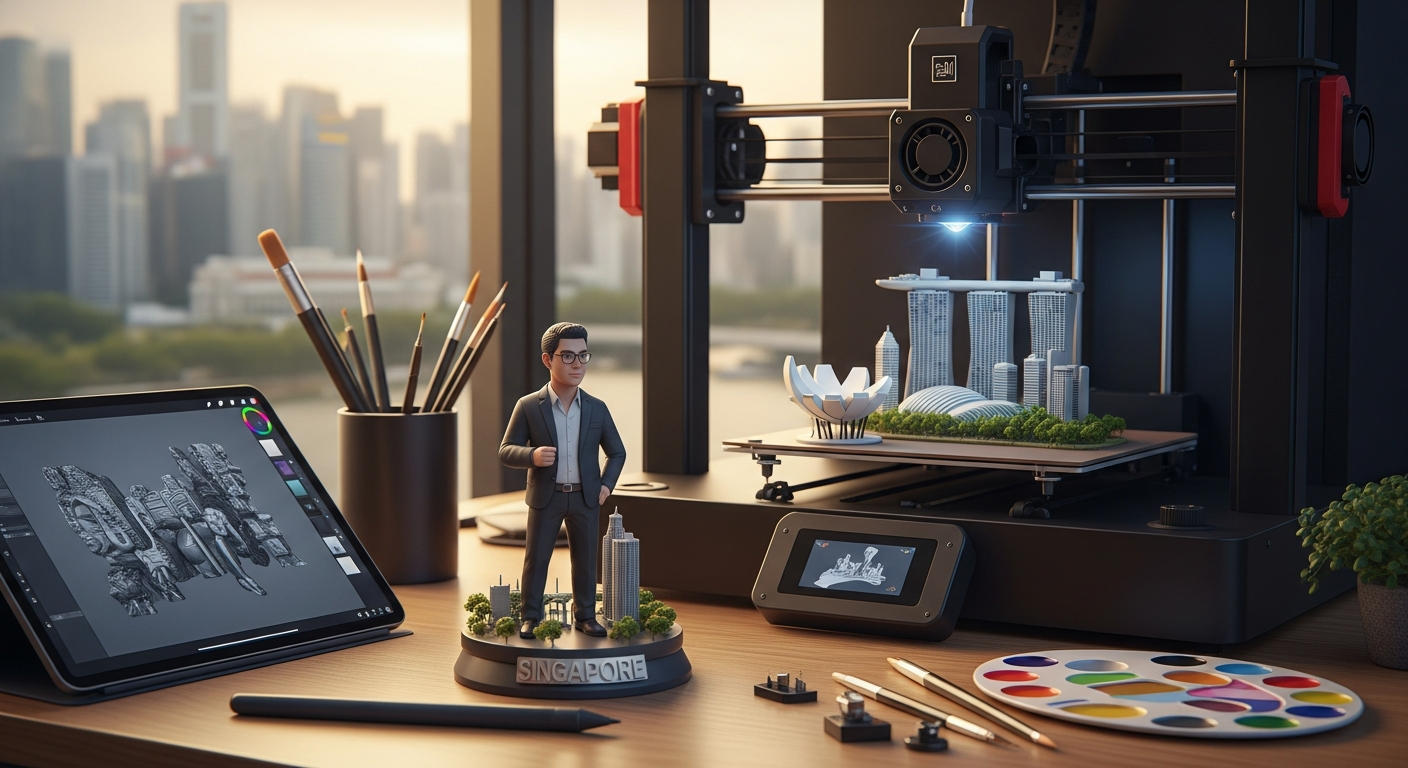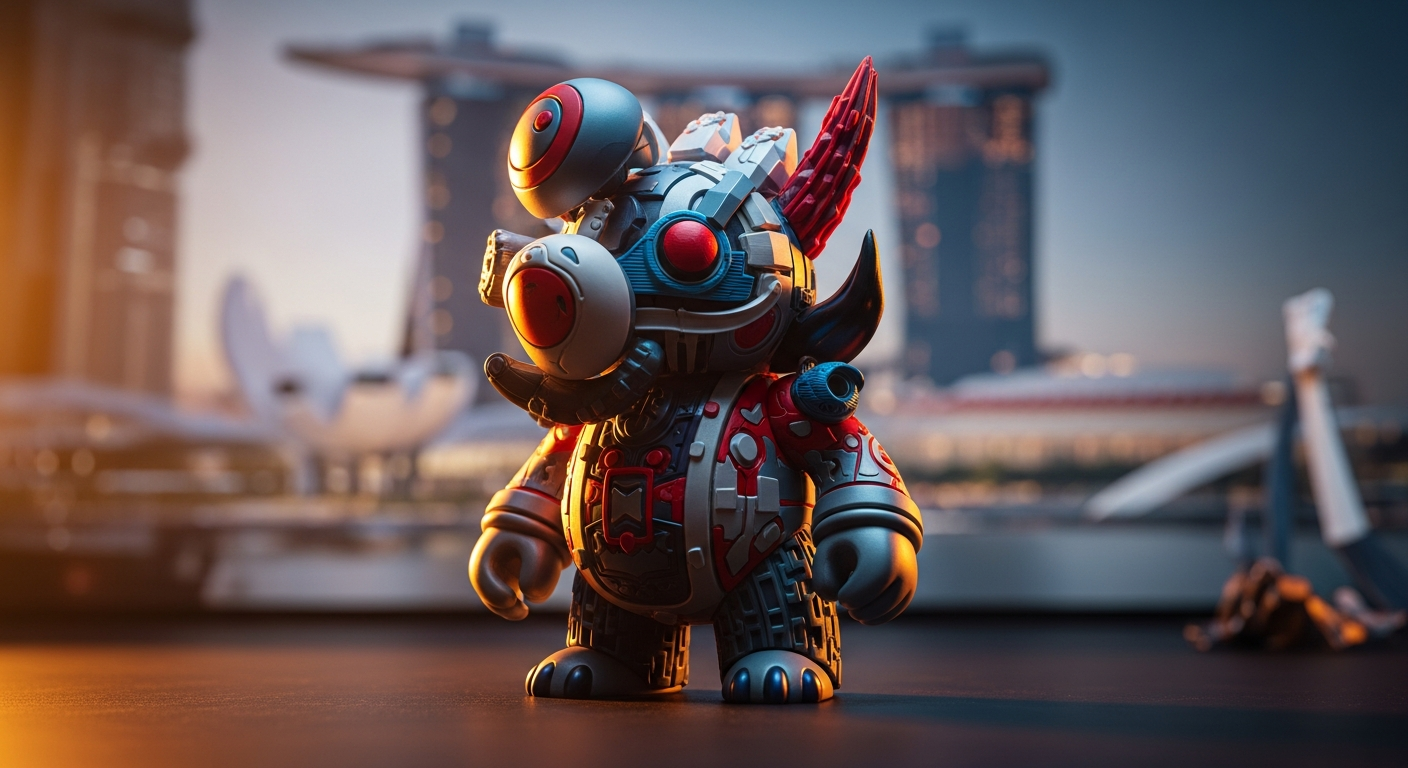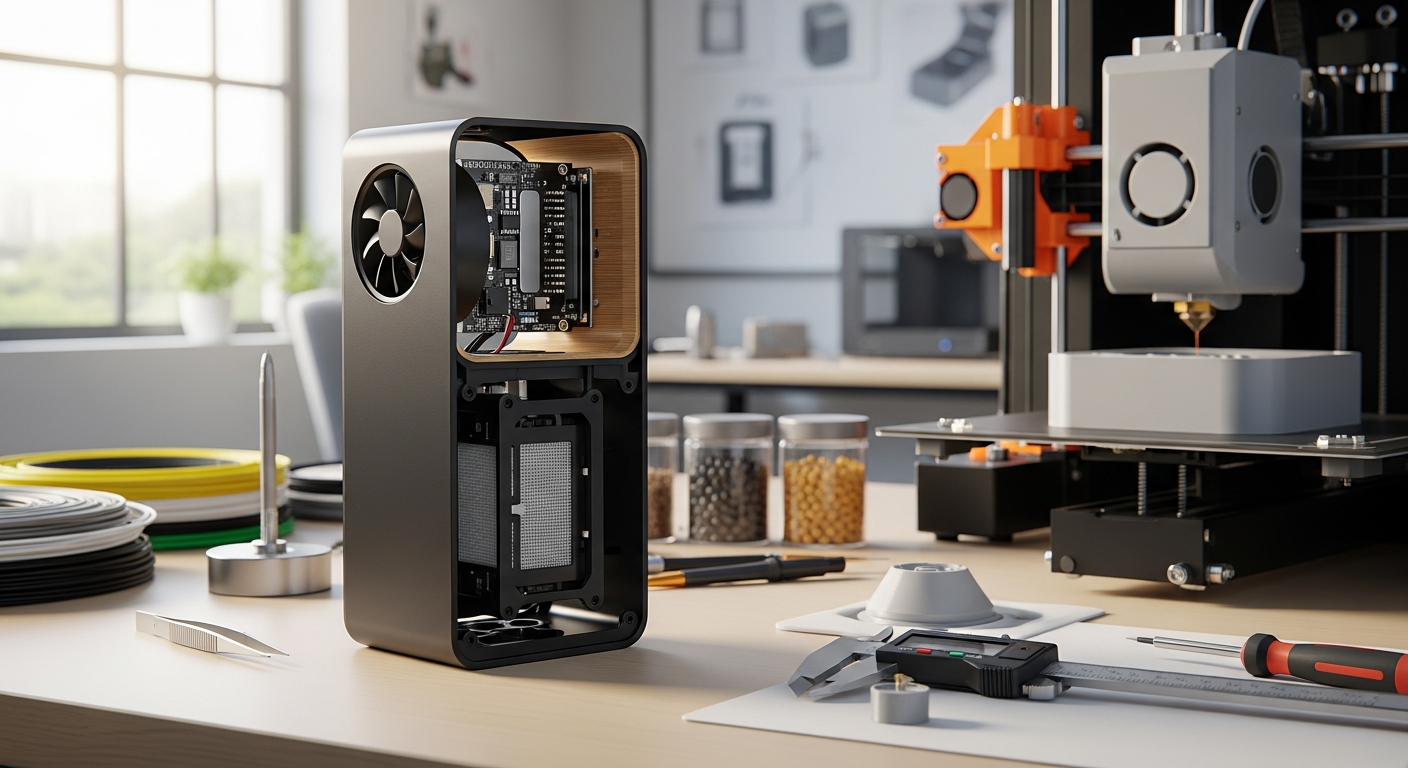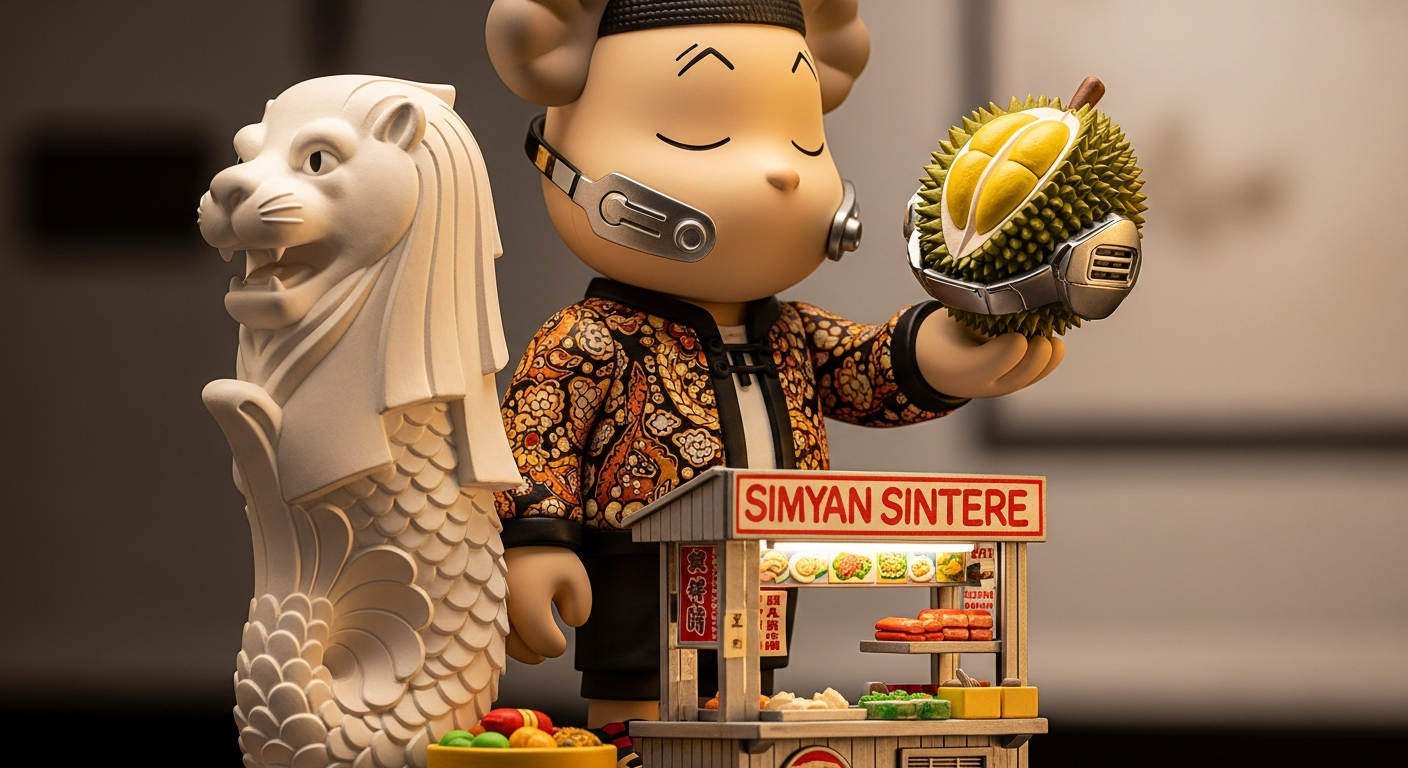

Collectors, artists, and indie studios are redefining what a collectible can be. Limited edition art toys are no longer just niche shelf pieces; they are serialized works of art with provenance, advanced surface finishes, and sophisticated packaging. At the same time, rapid prototyping Singapore has matured into a central hub for small-batch production, offering fast turnarounds, high-precision methods, and an ecosystem built for designers who need both speed and quality.
This article explains how modern prototyping workflows, materials, and manufacturing strategies enable artists and brands to launch standout limited edition art toys in 2026 — and why Singapore is one of the best places to do it.
Limited edition art toys today are judged on multiple factors beyond creativity: dimensional accuracy, paint fidelity, material feel, packaging design, and traceable editioning. Buyers expect:
Achieving that level of quality in editions of 50–1,000 units requires prototyping and manufacturing partners who can iterate quickly without compromising finish quality. That’s where rapid prototyping Singapore offers significant advantages.
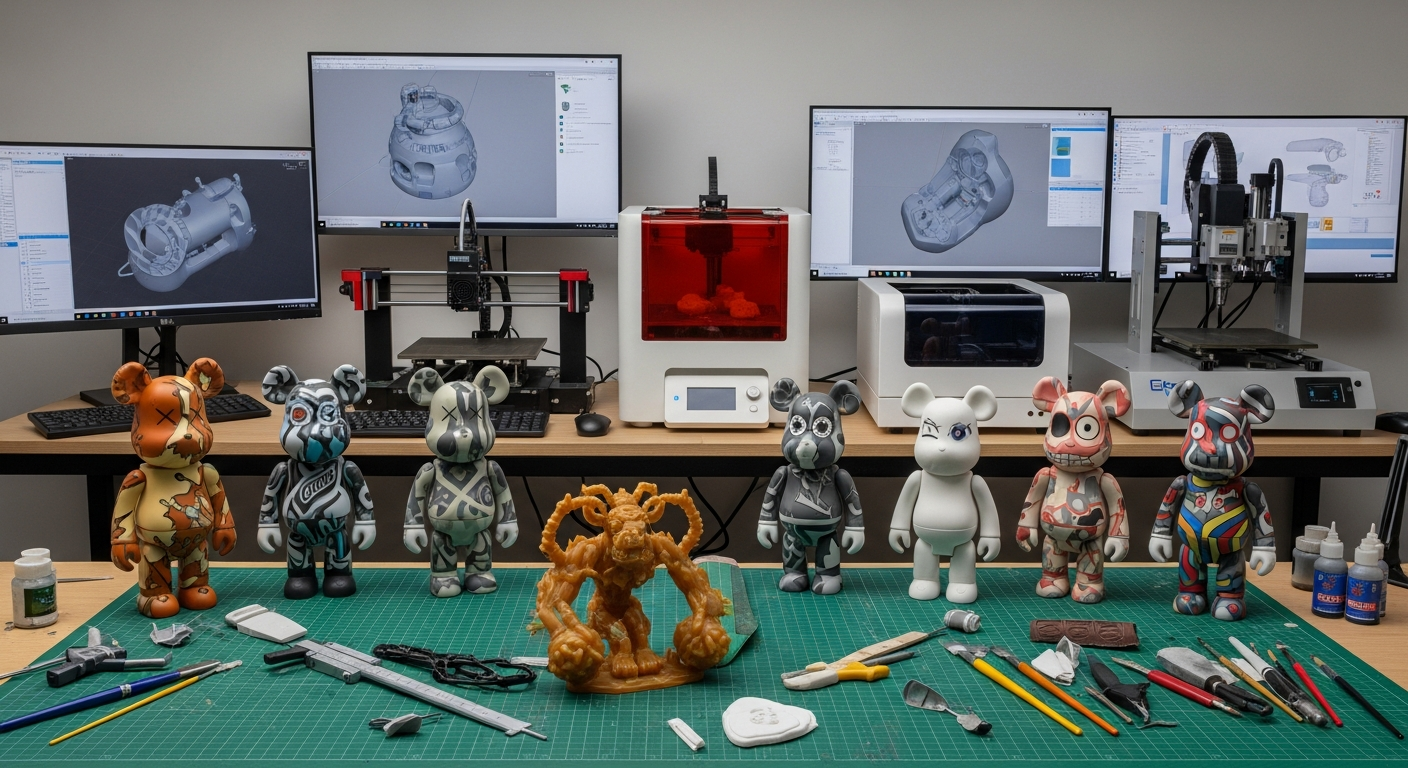
Rapid prototyping now includes a range of additive and subtractive methods tailored to different requirements. The major technologies used for limited edition art toys are:
Designers often combine processes: SLA masters for surface fidelity, silicone molds for urethane casting, and precision CNC or metal prints for hardware. Understanding these trade-offs early in the design phase shortens time-to-market and reduces per-unit costs.
Singapore’s value proposition for creators is threefold: technological capability, logistics efficiency, and professional services.
Local studios act as one-stop partners, guiding artists from concept validation through CAD optimization and small-batch runs, and bridging the gap between creative intent and manufacturable designs. For artists looking for locally tailored solutions, check resources like Singapore designer art toys services that specialize in lifestyle and product design.
A modern prototyping workflow for a limited edition run typically follows these steps:
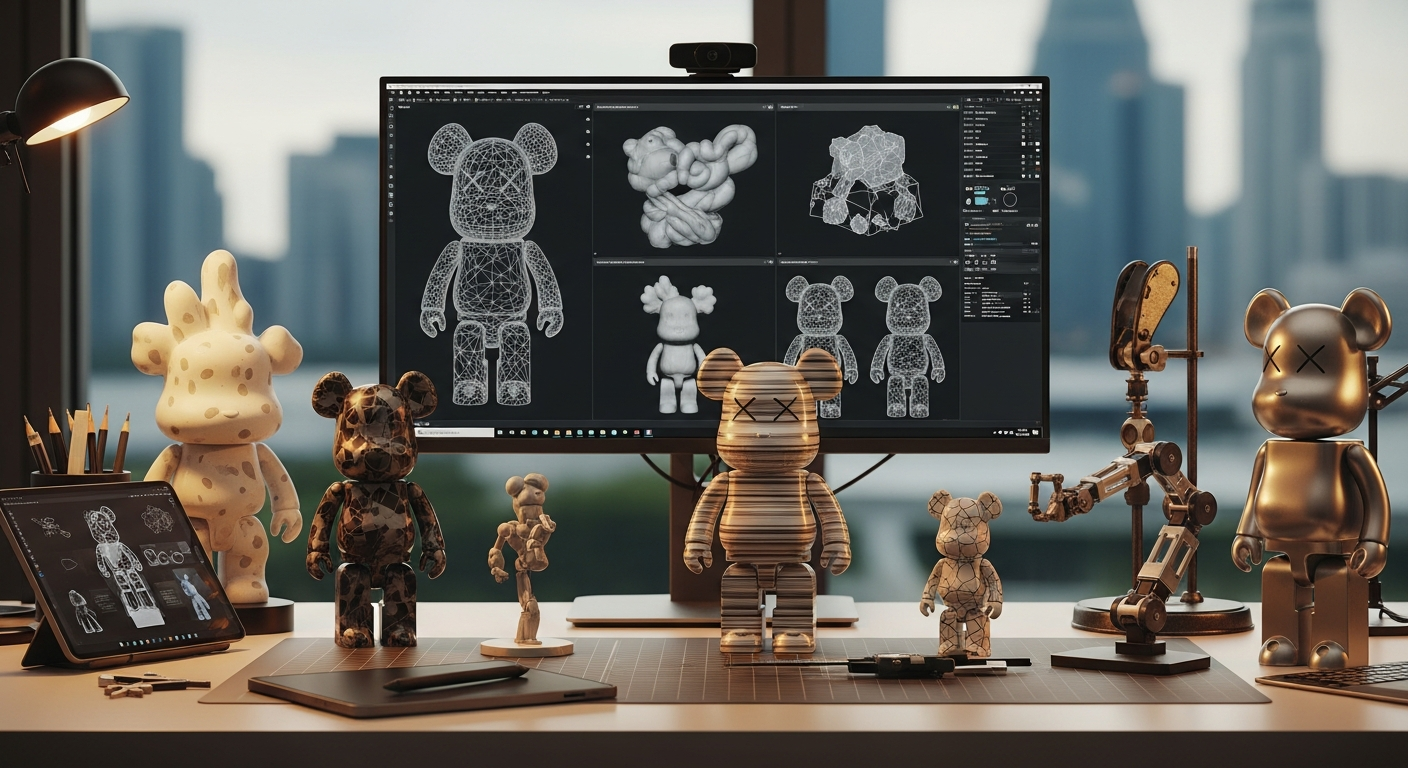
For technical guidance on the CAD phase and print preparation, refer to a practical CAD modeling Singapore rapid prototyping guide that addresses tolerances, wall thickness, and assembly.
Choosing the right process hinges on edition size and intended finish:
Rapid prototyping Singapore providers can give accurate cost modeling early in the project, allowing creators to test multiple finish variants and choose the most appropriate production route. They often provide bundled services including prototyping, painting, and boxed packaging to simplify fulfillment.
Surface work is where artistic intent becomes tactile reality. Techniques that lift limited edition art toys include:
Singapore workshops can coordinate mixed-media finishes and train painters to match color keys across an edition. For projects blending AI-assisted modeling and traditional craft, explore AI CAD modeling Singapore services that accelerate custom figurine design while preserving artisanal control.
Limited edition value depends on perceived and documented authenticity. Consider several protections:
Adding a clear provenance trail — from digital sculpt file to master print photos to serialized packaging — increases collector confidence and resale value.
Packaging and delivery are part of the collector’s experience. Key considerations:
Local fulfillment partners in Singapore can support kitting, personalization, and worldwide shipping with predictable timelines. For creators ready to scale, study how Singapore rapid prototyping boosts limited edition art toys by providing repeatable quality at speed.
Collectors are increasingly conscious about materials and lifecycle impact. Sustainable choices include:
Singapore suppliers are adopting greener materials and processes; designers can mandate eco-friendly specifications during the prototyping phase to align with brand values.
If you need a step-by-step launch roadmap, several studios now offer end-to-end packages to help creators move from design to order page quickly — for example, learn how to launch limited edition art toys with rapid prototyping using tested workflows and templated production plans.
A small studio developed a 200-piece run of an articulated character. Using digital sculpting, they produced a series of SLA prototypes to finalize face expressions and joint tolerances. After three iterations, they created silicone molds and moved to urethane casting for the body with CNC-machined metal joints for durability. A specialist painting team executed four hand-finished variants. The entire timeline from first sculpt to boxed shipment was eight weeks — demonstrating how rapid prototyping Singapore accelerates time-to-market while preserving high-detail artistry.
Limited edition art toys have evolved into a discipline that blends storytelling, product engineering, and small-batch manufacturing. Rapid prototyping Singapore stands out as a hub where artists can access advanced technologies, expert CAD services, and finishers capable of producing collectible-grade results. By leveraging the right mix of prototyping methods, materials, and logistics, creators can deliver emotionally resonant pieces that hold value for collectors and endure as design statements.
For designers seeking hands-on technical resources and partner studios, begin with targeted CAD and prototyping guides to ensure your sculpt translates into the final collectible as intended. Quality, repeatability, and thoughtful presentation are the three pillars that turn a limited run into a lasting legacy.