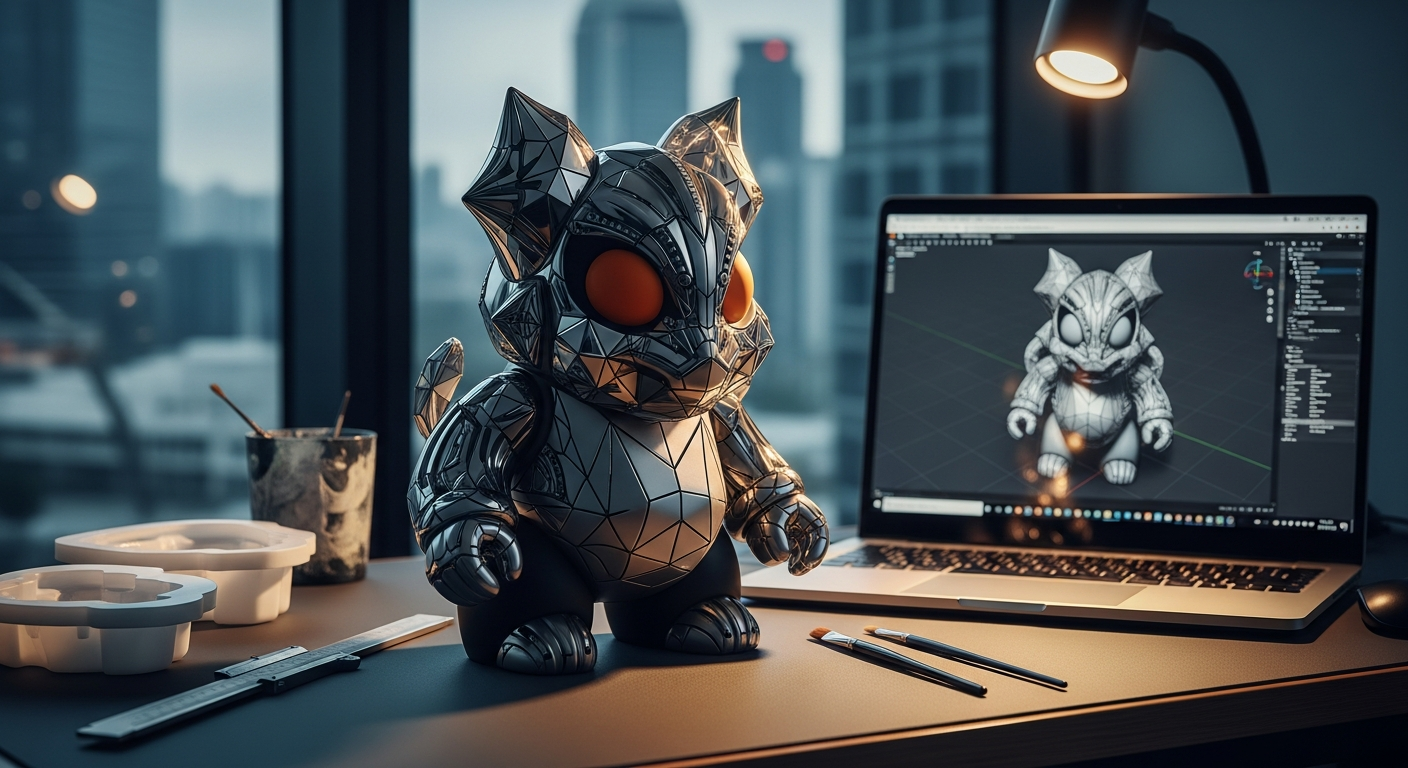


Limited edition art toys have evolved from niche galleries and designer boutiques into a sophisticated blend of craft, engineering and small-batch manufacturing. In 2025, the intersection of creative direction and technical precision—especially CAD modeling Singapore studios—has become a decisive factor in how toys are conceived, produced and valued by collectors.
This article explores the practical workflow and market trends that define successful limited editions: how ideas translate into CAD, how FDM and finishing techniques impact perceived value, and why Singapore is increasingly chosen for production and design services.
Singapore’s strengths go beyond geography. For creators of limited edition art toys, the city-state offers a unique combination of advanced CAD modeling services, accessible prototyping hardware (notably FDM 3D printers), efficient manufacturing partnerships, and robust IP and logistics infrastructure. Local studios can rapidly iterate designs while keeping turnaround times short—key for time-sensitive drops.
A practical showcase of these local capabilities can be found in detailed service offerings like FDM 3D printing and CAD modeling for 2025 workflows (https://artsoustudio.com/fdm-3d-printing-singapore-and-cad-modeling-2025/). These resources illustrate how Singapore-based teams streamline concept-to-production cycles for collectible figurines.
The CAD modeling phase is where the artistic idea becomes manufacturable. For limited edition art toys, CAD does more than capture shape: it encodes tolerances, snap-fit systems, hollowing strategies to reduce material, and surface details that respond well to finishing techniques.
Key CAD best practices for designer toys:
Studios that specialise in CAD modeling Singapore workflows can advise on these choices early, ensuring prototypes are faithful to the artist’s vision and optimized for cost-effective small-batch production.
Fused Deposition Modeling (FDM) remains a favorite for initial prototypes and even some production runs of limited edition art toys. It’s affordable, robust, and fast—perfect for testing articulation, scale and ergonomics. If you’re exploring how physical tests influence final design, read about the specific 2025 best practices for figurine FDM prototyping (https://artsoustudio.com/2025-guide-to-fdm-3d-printing-singapore-for-figurines/).
When to use FDM:
Limitations and mitigations:
For limited edition art toys, finishing is where perceived value is built. Collectors expect professional paints, protective coatings, custom decals, and sometimes hand-finished elements or signatures.
Finishing strategies that increase scarcity and desirability:
Working with a studio that understands finish workflows is critical. For artists concerned about budget, there are economical pathways that preserve finish quality like controlled spray booths and selective hand-finishing—see budget-focused production methods for collectible art toys (https://artsoustudio.com/budget-fdm-3d-printing-for-collectible-art-toys-singapore/).
The economics of limited editions require a balance. Too few units may alienate fans; too many dilute scarcity. Common strategies:
Variant strategies such as chase figures or artist proofs add gameable rarity that collectors value. Pre-orders and staged releases help gauge demand and reduce financial risk while preserving exclusivity.
Setting price requires factoring in costs—design, CAD modeling, prototyping, production (including FDM or other printing method), finishing, packaging, and marketing—plus a margin that reflects scarcity and brand value.
Tips for pricing:
Resources for ordering and streamlined production can simplify this step. For teams ready to move from prototyping to fulfilled orders, there are practical order services that integrate 3D printing and fulfillment in Singapore (https://artsoustudio.com/order-custom-figurines-with-3d-printing-singapore-2025/).
A strong narrative differentiates a toy on a crowded shelf. Limited edition launches benefit from:
Augmented experiences—AR previews, virtual unboxings, and mini-documentaries of the modeling process—engage modern collectors and create shareable assets.
For design teams in Singapore, collaborating with local studios that provide both CAD and production support makes these storytelling elements more authentic and easier to deliver, such as bespoke figurine design services (https://artsoustudio.com/limited-edition-art-toys-singapore-custom-figurine-design/).
Sustainability is a growing expectation. Limited edition creators can reduce environmental impact by optimizing prints (hollowing, nesting), choosing recyclable or biodegradable packaging, and using low-VOC paints. Communicating these choices enhances brand reputation.
Protecting IP is equally important—register designs where appropriate, contractually define ownership with collaborators, and document provenance for collectors. Singapore’s legal framework supports designers with clear channels for IP protection and enforcement.
If you’re evaluating partners, prioritize studios that combine CAD expertise, in-house prototyping, and finishing workflows—resources that demonstrate these integrated capabilities help streamline production (https://artsoustudio.com/fdm-3d-printing-singapore-and-cad-modeling-2025/).
Key trends shaping limited edition art toys in 2025:
For teams on a budget but still aiming high, tactical choices on where to allocate resources—CAD refinement, targeted finishing, or limited-run special effects—deliver the best return (https://artsoustudio.com/budget-fdm-3d-printing-for-collectible-art-toys-singapore/).
Limited edition art toys succeed when technical excellence matches a compelling story. Precision CAD modeling Singapore services and smart prototyping workflows translate artistic ambition into collectible reality. By optimizing production choices, investing in finish, and executing a tight drop strategy, artists and small studios can reach collectors and build lasting value. For a ready-made path from design to order, integrated 3D printing and fulfillment options in Singapore make it practical to move from prototype to polished limited edition quickly (https://artsoustudio.com/order-custom-figurines-with-3d-printing-singapore-2025/).
Careful planning, a clear edition strategy and partnerships with experienced CAD and printing teams are the foundation for limited edition projects that resonate with collectors and stand the test of time.


