Introduction
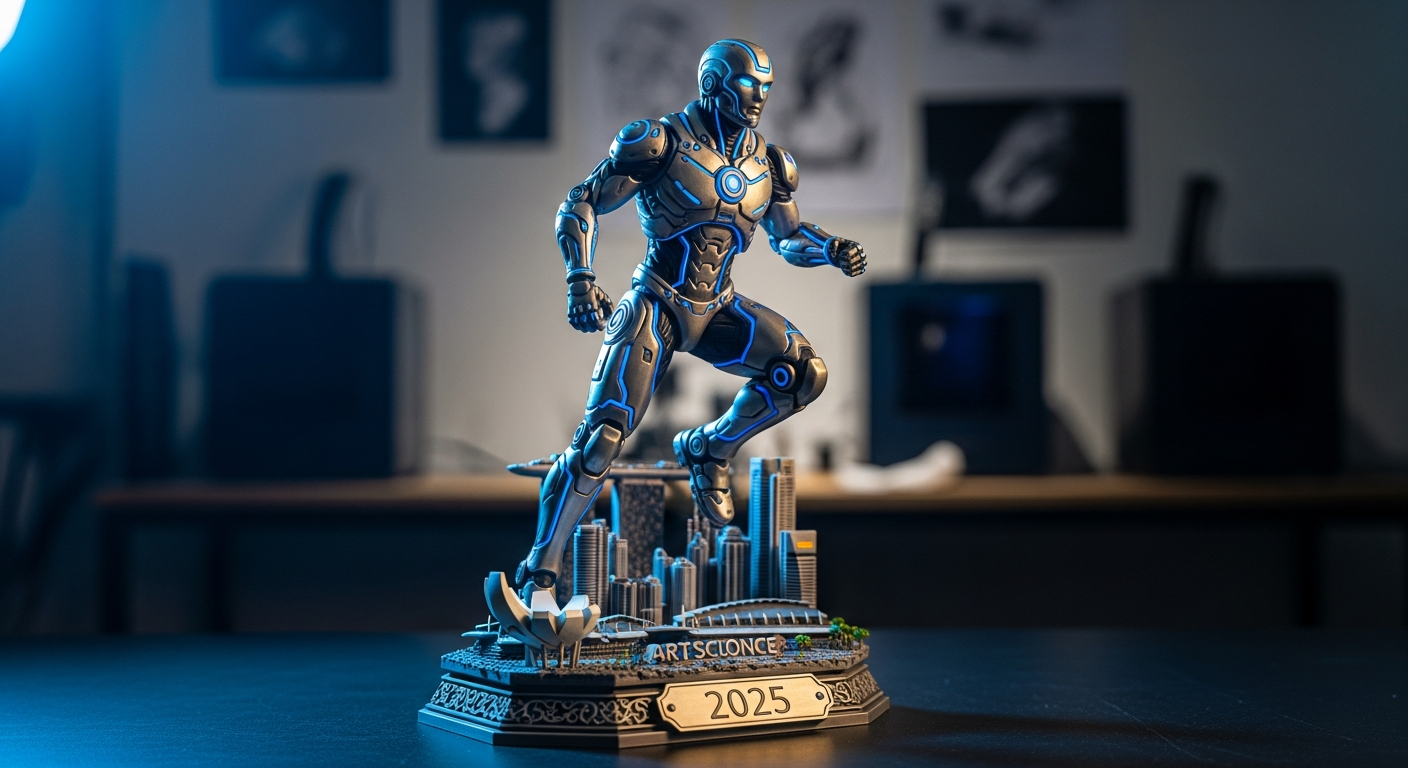
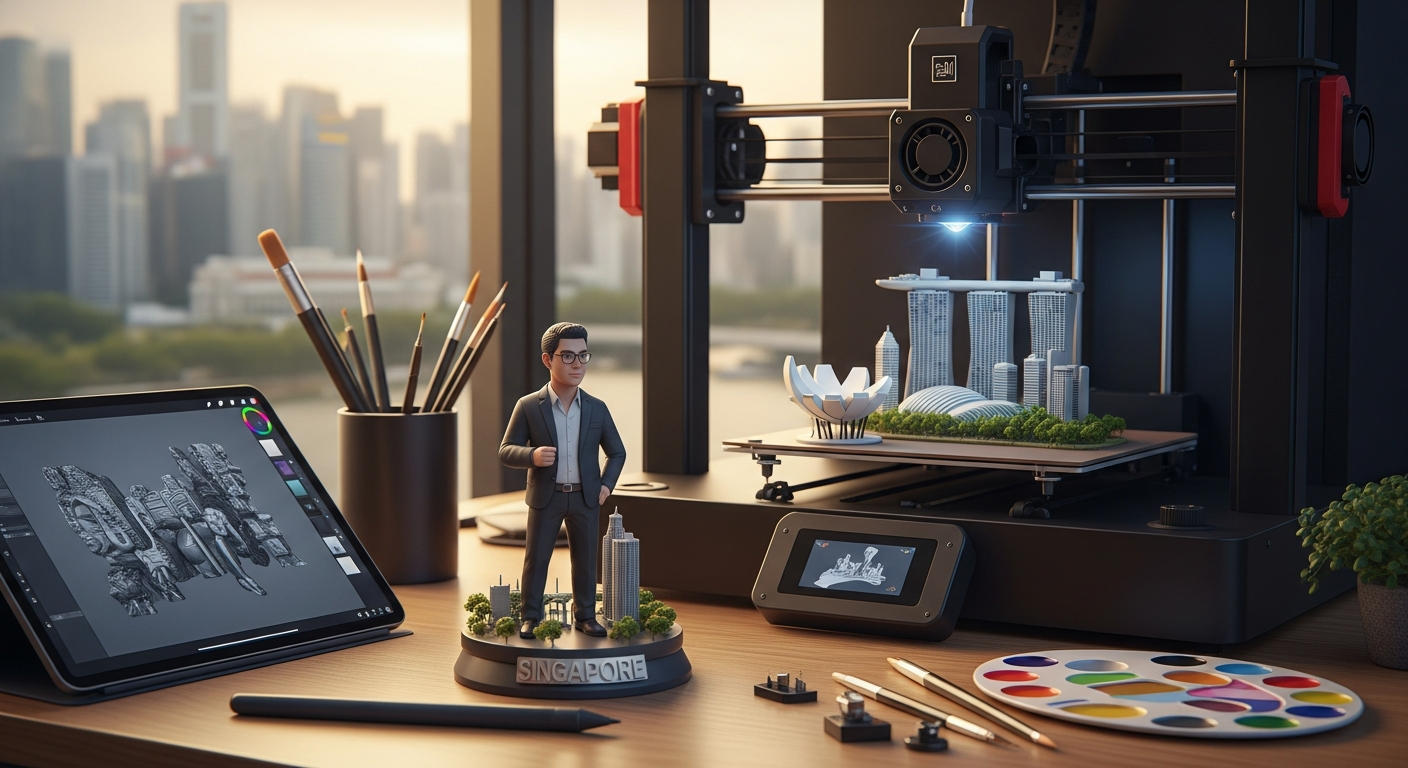
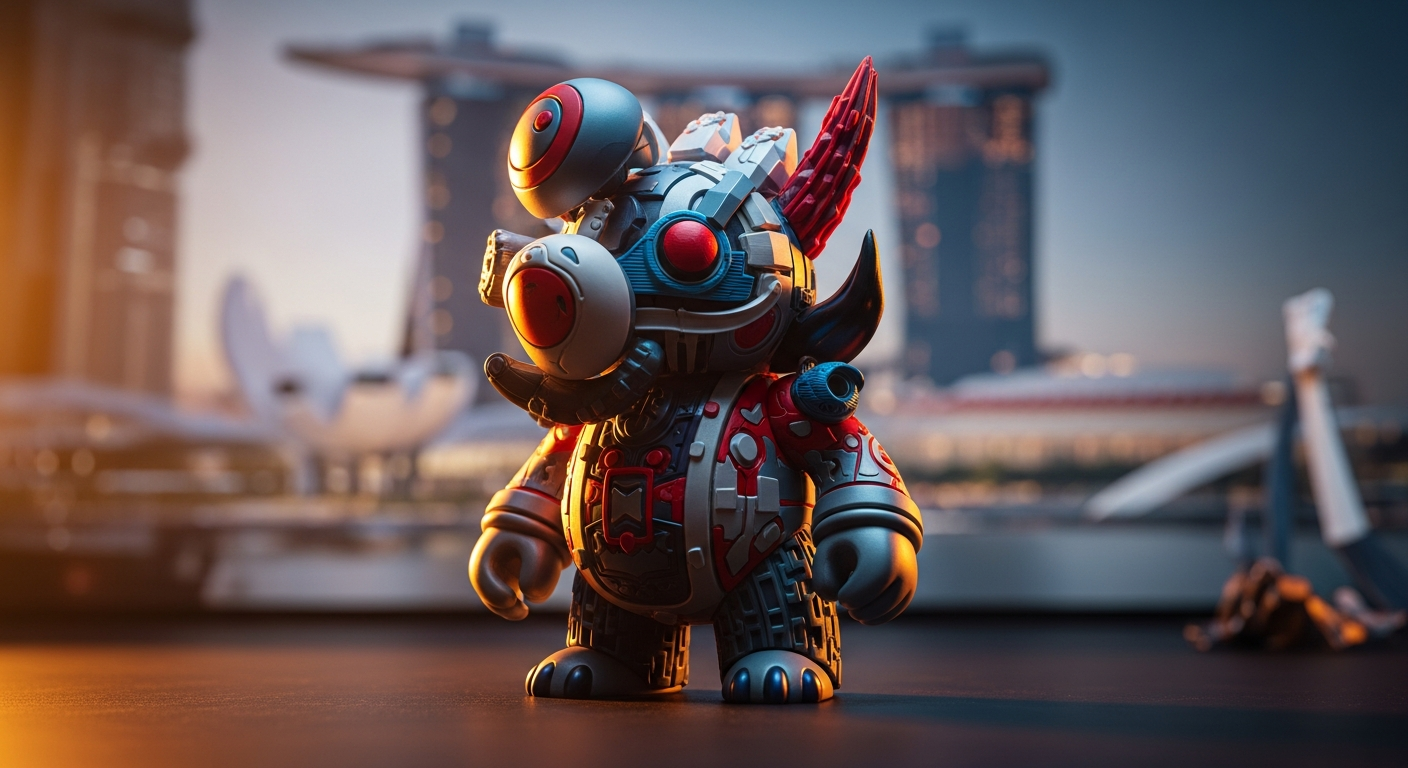
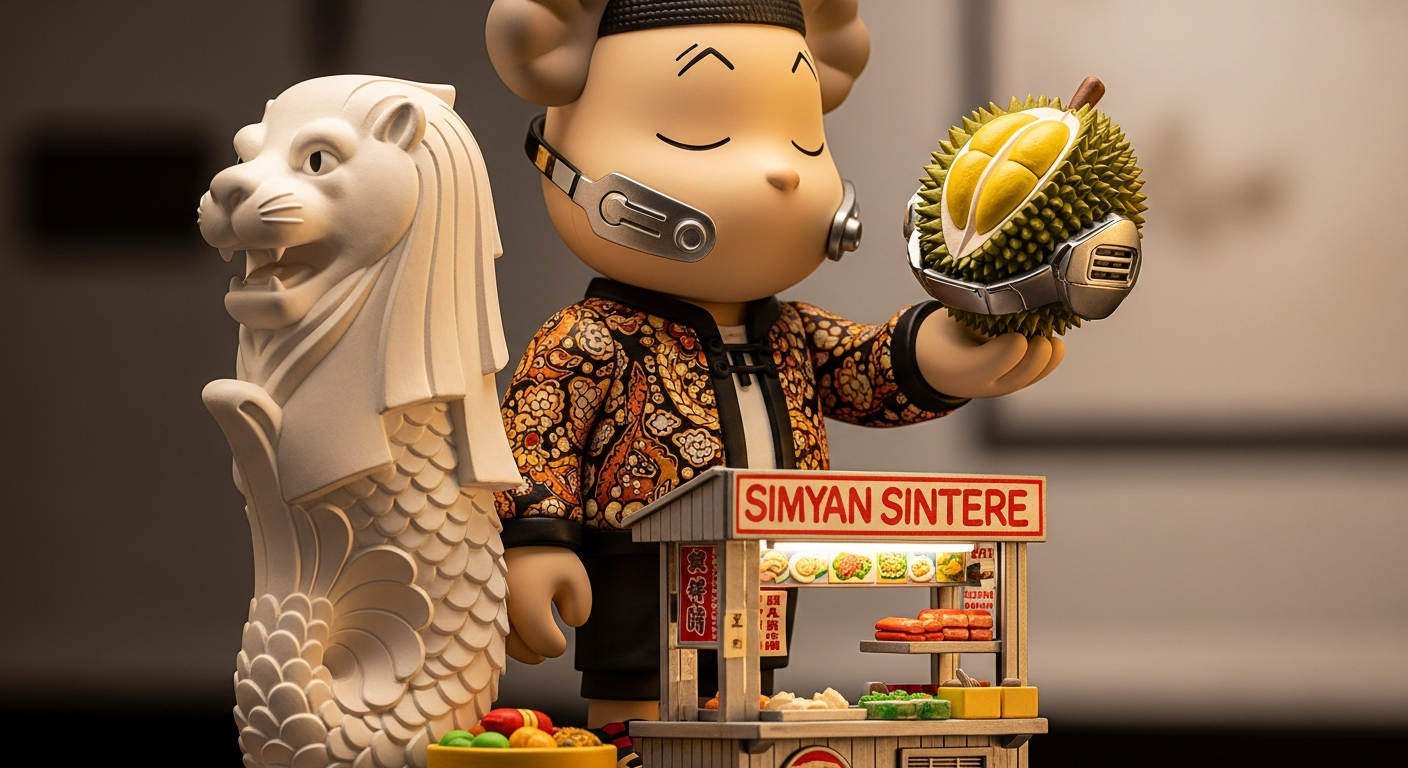
Singapore’s maker ecosystem has matured rapidly: affordable machines, sophisticated materials, and a growing community of designers and collectors mean custom 3D printing is no longer experimental — it’s practical. For artists, entrepreneurs, and hobbyists aiming to launch collectible art toys or bespoke figurines, understanding the 2025 landscape for custom 3d printing singapore and custom figurine design singapore unlocks faster prototyping, tighter quality control, and scalable small-batch runs.
This guide walks through the what, why, and how: technologies and materials, the design-to-print workflow, cost and timeline expectations, and practical tips to make your figurine project succeed in Singapore’s competitive creative market.
Why choose custom 3D printing in Singapore now?
- Central hub: Singapore offers quick logistics across Asia-Pacific, which cuts down shipping and iteration time for creators targeting regional markets.
- Mature services: Local providers combine industrial-grade machines with artist-focused finishing, giving you both precision and aesthetic polish.
- Speed to market: Rapid prototyping and short-run production let creators test collector demand and refine designs before committing to larger investments.
If you’re considering a production partner, reviews and portfolio examples are crucial — many artists reference local case studies and services for reliable results in collectible art toys. For curated options and service comparisons, explore specialized local resources like custom 3d printing singapore services that focus on collectible art toys.
Key 2025 trends shaping custom figurine design singapore
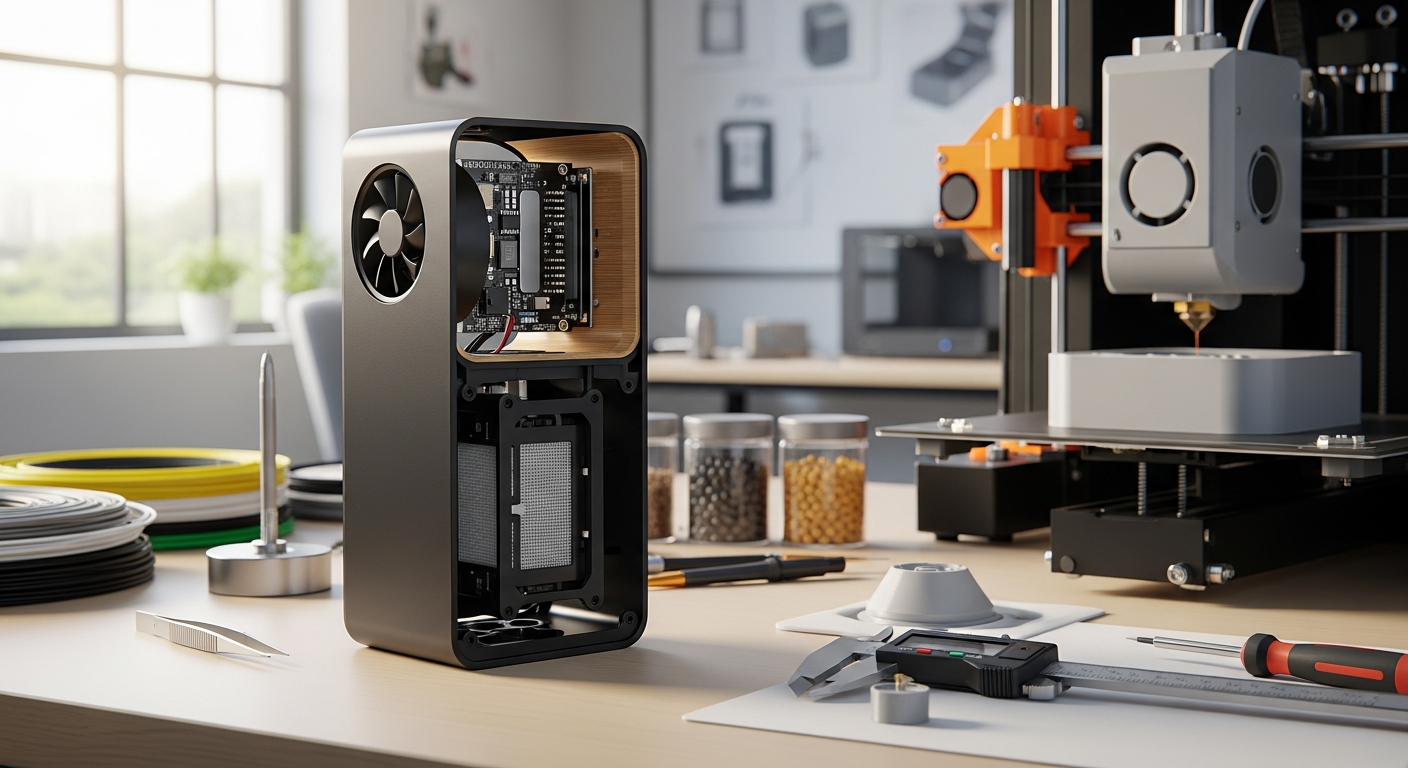
- Higher-resolution consumer printers: Affordable resin and polymer systems now rival industrial outputs in surface detail, enabling more intricate sculpting and smaller tolerance features.
- Hybrid workflows: Designers combine digital sculpting with hand-finishing and traditional painting to achieve a handcrafted feel on a repeatable base.
- Limited drops and community drops: Small-batch runs and serialized collectibles are dominating market strategies — Singapore’s fast fulfillment networks make limited drops practical and profitable. Learn how 3D printing service Singapore fuels limited art toy drops and market strategies.
Technologies and materials — pick the right mix
- FDM (Fused Deposition Modeling): Cost-effective for larger, less-detailed pieces and structural prototypes. Good for quick form validation.
- SLA / MSLA (Resin-based): Best for high-detail figurines and fine sculpting. Post-processing and curing are essential but results are crisp.
- SLS (Powder-based): Strong parts without support structures; useful for complex geometries and functional test pieces.
- Multi-material & color printing: On the rise for integrated color figurines, but often combined with hand-painting for premium finishes.
Materials to consider: ABS-like plastics for durability, engineering resins for detailed features, and flexible resins for articulated parts. If sustainability is a priority, seek providers offering bio-based resins or recycling programs.
A practical step-by-step process for custom figurine design singapore
- Concept & reference: Collect visual references and decide scale, articulation, and base design. Establish a realistic timeline.
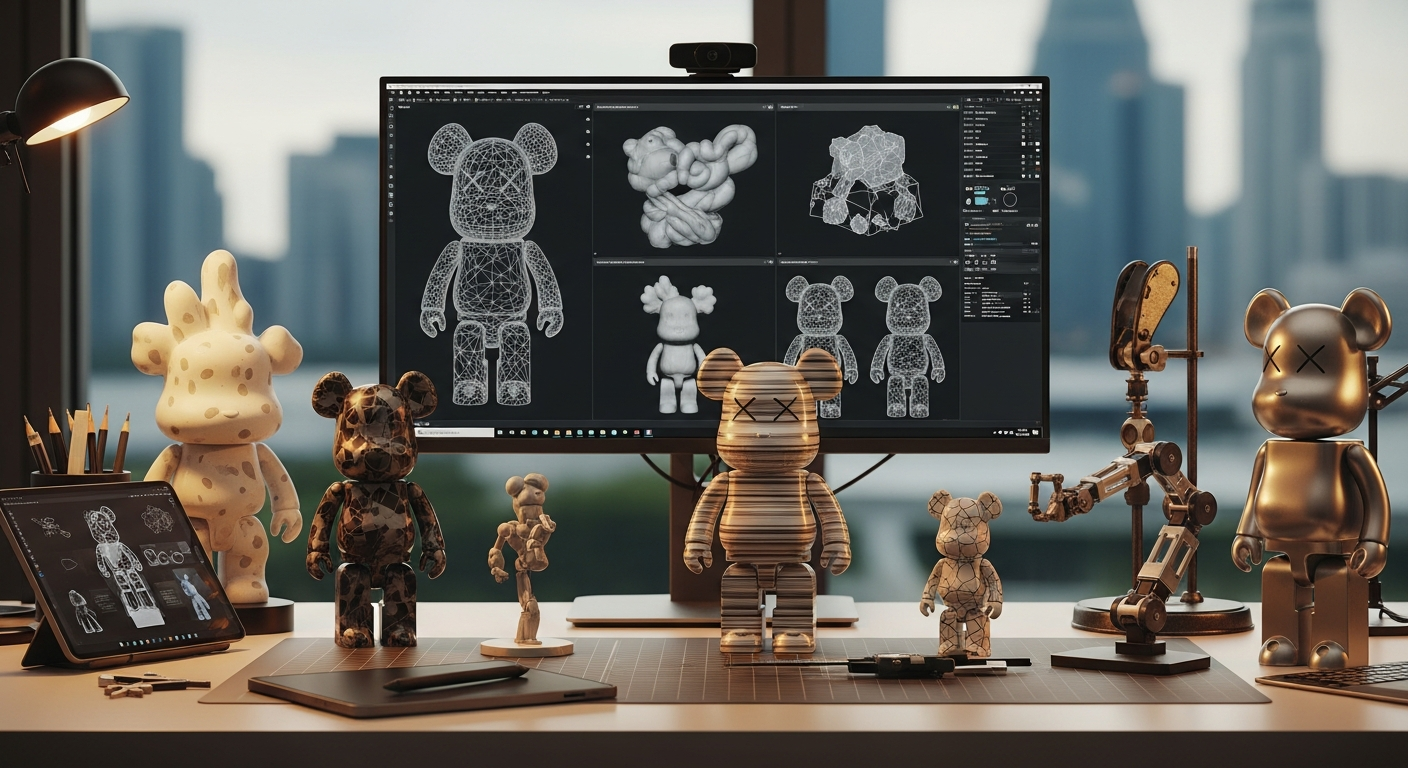
- 3D sculpting: Use ZBrush, Blender, or similar tools. Keep a non-destructive workflow so you can iterate quickly.
- Engineering checks: Wall thickness, tolerances for assembly, and articulations should be validated in the CAD phase.
- Test prints: Start with low-cost FDM or draft resin prints to check proportions and assembly fits.
- Final print and post-processing: High-resolution resin or SLS prints for the final pieces; sanding, priming, painting, and clear coats follow.
- Packaging & numbering: For limited runs, include serial numbers, certificates, and premium packaging to increase perceived value.
Cost, timelines, and realistic expectations
- Prototype (one-off): Expect SGD 50–300 depending on size and resolution.
- Small runs (10–100 units): Per-unit cost drops but depends on post-processing intensity — painting and finishing remain the biggest labor costs.
- Typical timelines: initial concept to prototype 1–3 weeks; final production for small drops 2–8 weeks depending on finishing complexity.
Transparent quotes should separate machine time, material, and finishing labor. Ask providers for a breakdown so you can budget paint, masking, and assembly costs accurately.
Choosing a local provider: what to look for
- Portfolio relevance: Look for experience with collectible art toys and figurines; providers who specialize in art toys provide better finishing and color-matching.
- Materials and machine list: SLA/MSLA and SLS capability is ideal for figurines.
- Post-processing skills: Sanding, priming, paint application, and varnish — these greatly affect the end result.
- Small-batch expertise: If you plan serialized drops, pick a partner used to limited runs and consistent quality control.
For examples of shops that support collectible art toys and limited drops, check services that combine production and drop strategies, especially those featured in local industry write-ups about 3D printing collectibles. A helpful resource outlines 3D printing service Singapore options that fuel limited art toy drops for creators planning rapid releases.
Design tips for better custom figurine design singapore
- Think modular: Design parts for easy assembly and repair — removable limbs or magnetic connections simplify finishing and shipping.
- Tolerances matter: Account for paint thickness and tolerances in mating parts; conduct fit tests early.
- Surface detail vs. printability: Extremely thin filigree can be beautiful digitally but fragile in print — balance detail with structural strength.
- Batch finishing strategy: Design surfaces for consistent priming and painting. Flat areas and recessed painting guides help mass finishing stay uniform.
When refining your design, compare alternate workflows — sometimes a slightly modified geometry reduces finishing time and cost without compromising aesthetics.
Post-processing, painting and finishing approaches
- Priming and sanding: Achieves a smooth surface ready for paint. Multiple primer layers and sanding between coats can elevate perceived quality.
- Base coats and masking: For multi-color figurines, utilize masking templates or stencils to speed up consistent paint application.
- Hand paint vs. pad printing: Hand paint is artisanal but slower; pad printing or tampography is ideal for precise, repeatable logos and small details on larger runs.
- Protective finishes: UV-resistant varnishes or clear coats protect paint and improve longevity.
If you want to offer premium versions, consider hand-signed limited editions with certificate cards and unique colorways.
Use cases: artists, entrepreneurs and corporate gifts
- Independent artists: Short runs to test concepts and build a collector base.
- Small brands: Limited drops to create hype and scarcity.
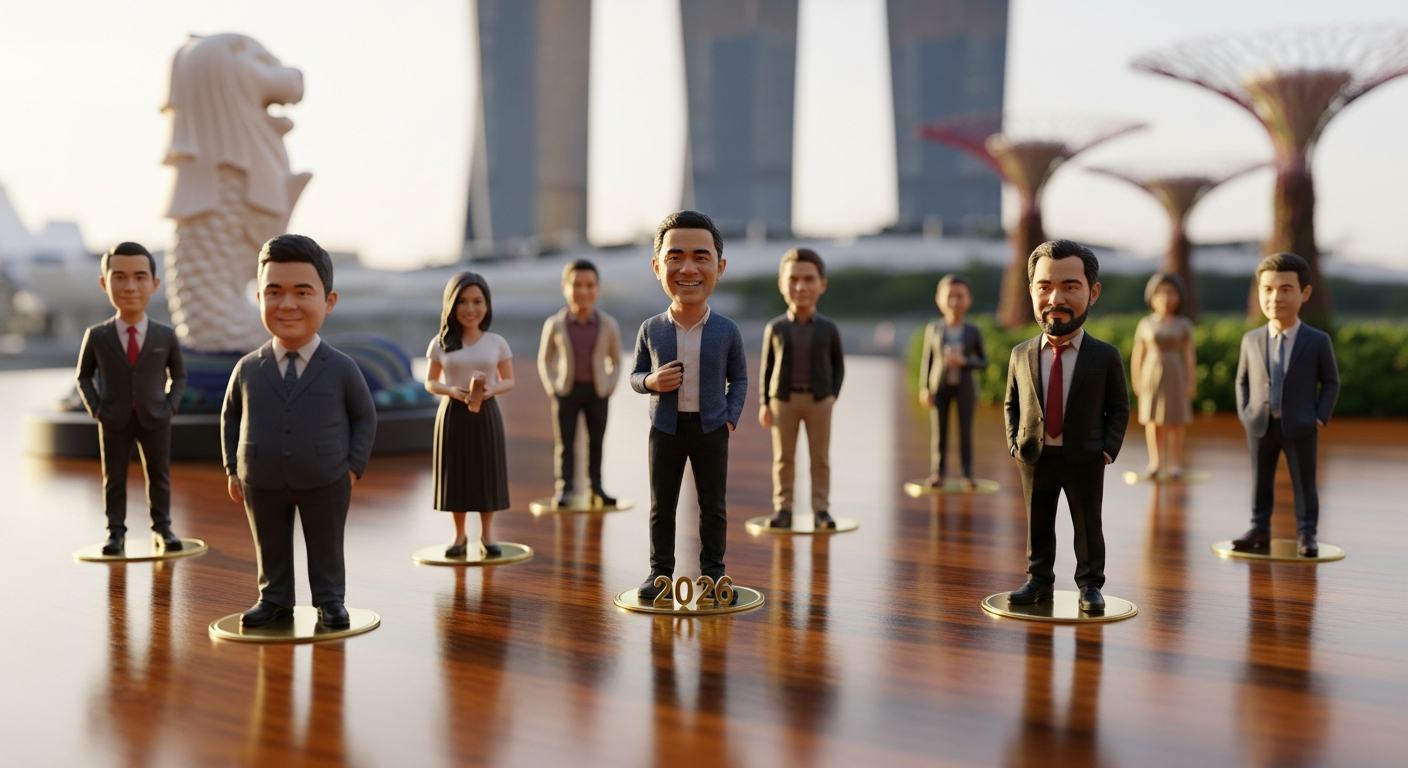
- Corporate clients: Branded figurines and commemorative collectibles for events and B2B gifting.
For inspiration on how art toys are produced and marketed in Singapore, look at curated case studies and service pages that focus on custom art toys with 3D printing Singapore 2025 to see how creatives package and launch limited collections.
Sustainability and regulatory considerations
- Material disposal: Ask providers about resin recycling and safe disposal. Some shops provide collection for hazardous waste.
- Toy safety: If your figurine is aimed at children, comply with regional safety standards and lab testing; collectibles for adults have different thresholds but still benefit from safe material selection.
Staying informed about material safety and local regulations preserves brand reputation and minimizes compliance risks.
Quick checklist before you print
- Finalized design files with correct tolerances and supports
- Clear brief for finish, colorways and assembly
- Budget breakdown (printing, post-processing, packaging)
- Production timeline with sample approval stage
- Shipping and fulfillment plan for single and multi-drop releases
To see examples of service offerings and trends that can help shape your checklist, explore industry-focused overviews on art toys 3D printing trends 2025.
Conclusion — moving from idea to collectible
Custom 3D printing Singapore and custom figurine design Singapore offer creators unprecedented control over form, finish, and release strategy in 2025. By selecting the right technology, planning for post-processing, and partnering with experienced local providers, you can turn a digital sculpt into a compelling collectible that resonates with collectors.
For hands-on examples of providers and portfolio work that support art toy creators, review comparative service pages and case studies covering the best custom 3D printing for collectible art toys in Singapore. These resources showcase practical workflows and partner options for creators ready to scale from prototype to small-batch drops.