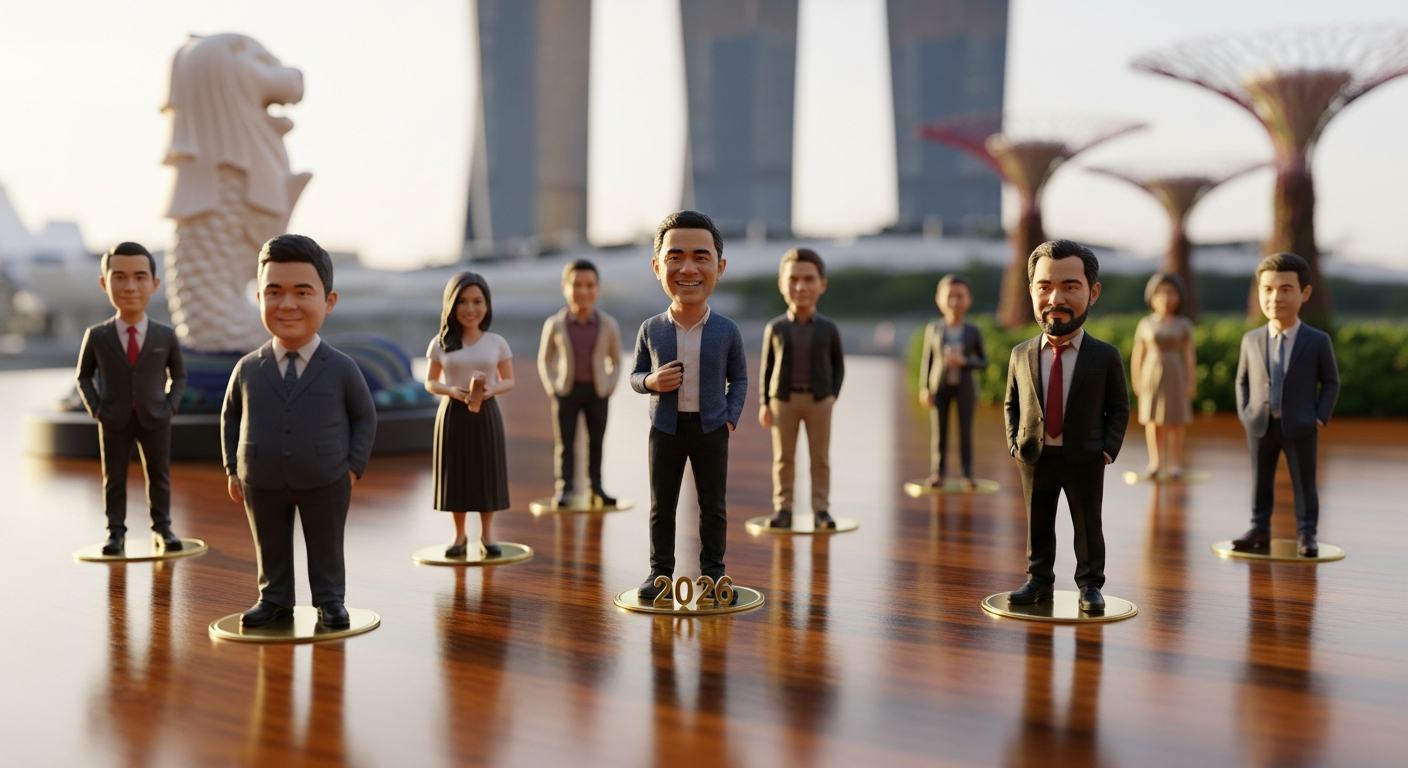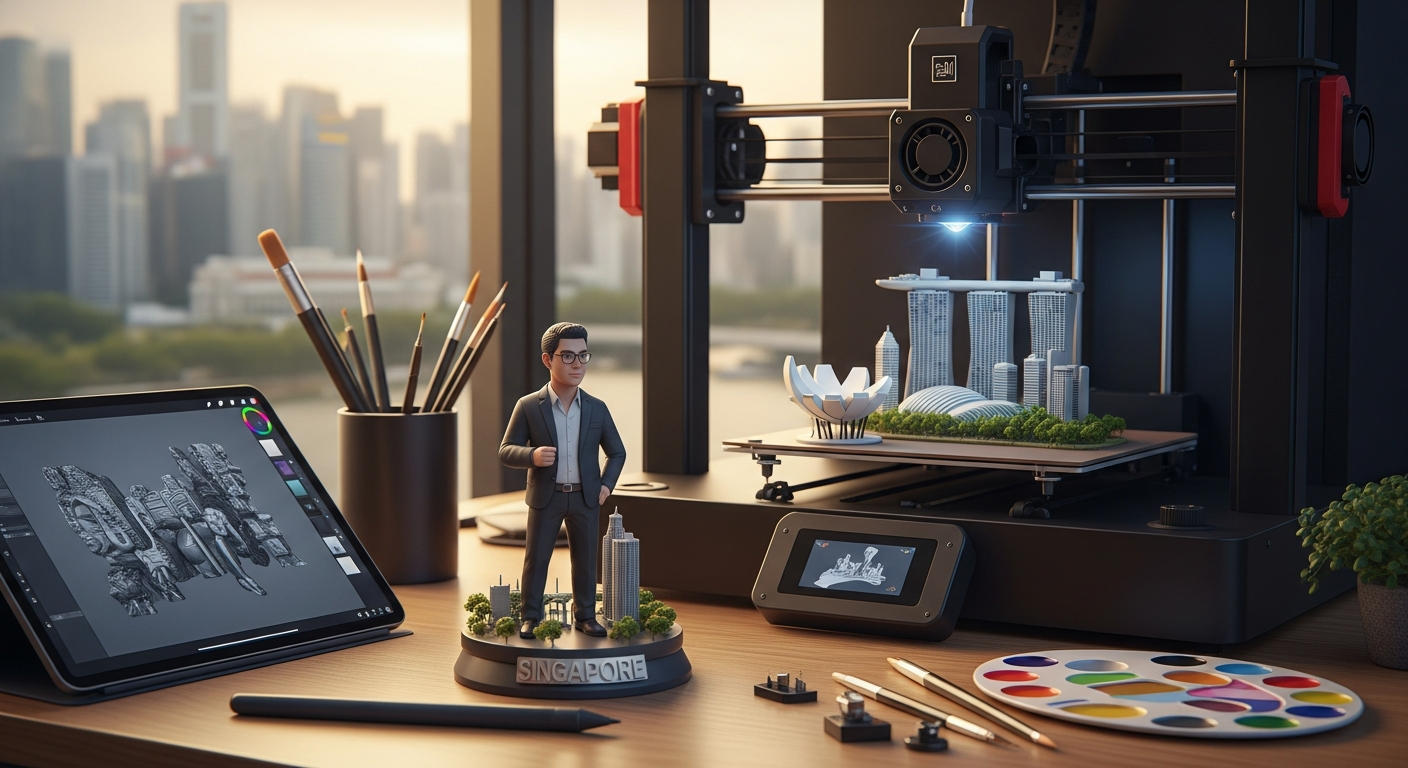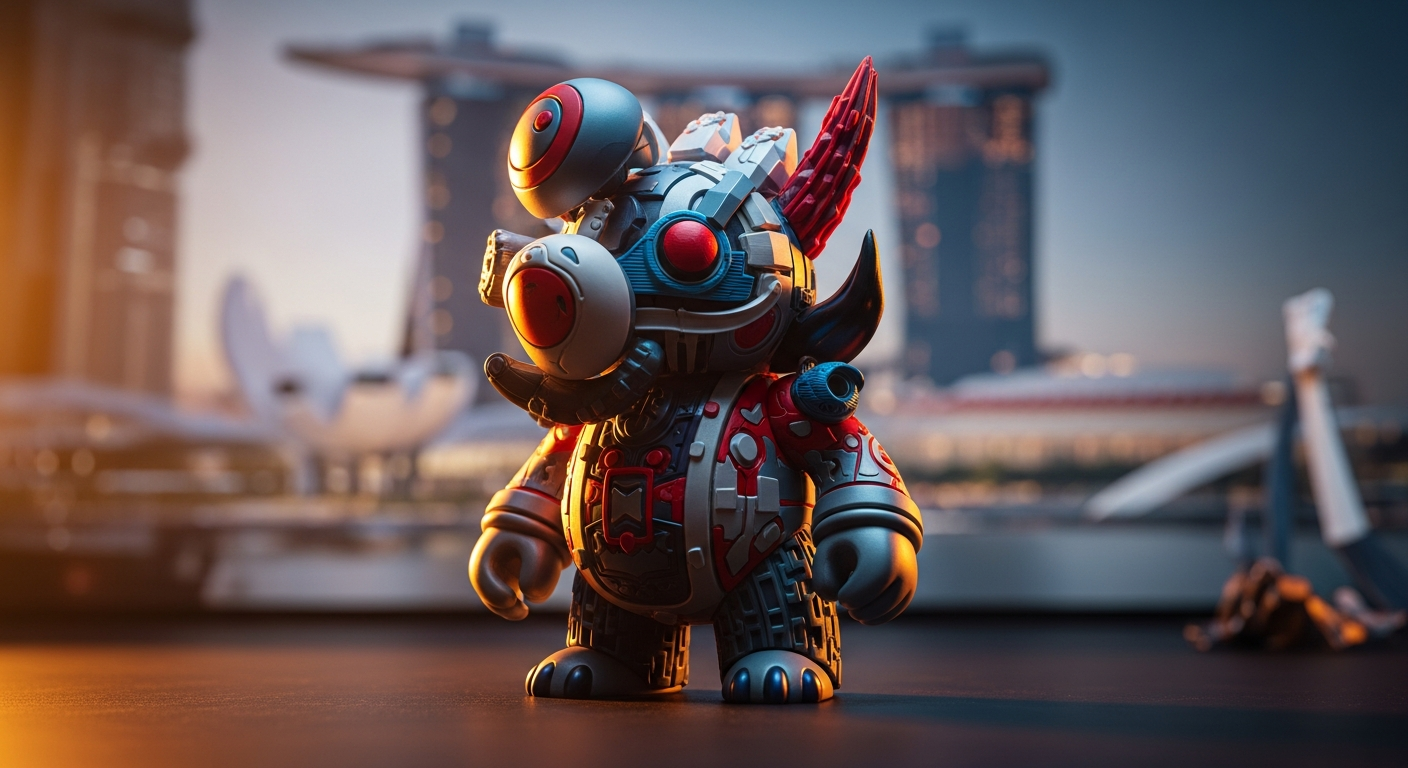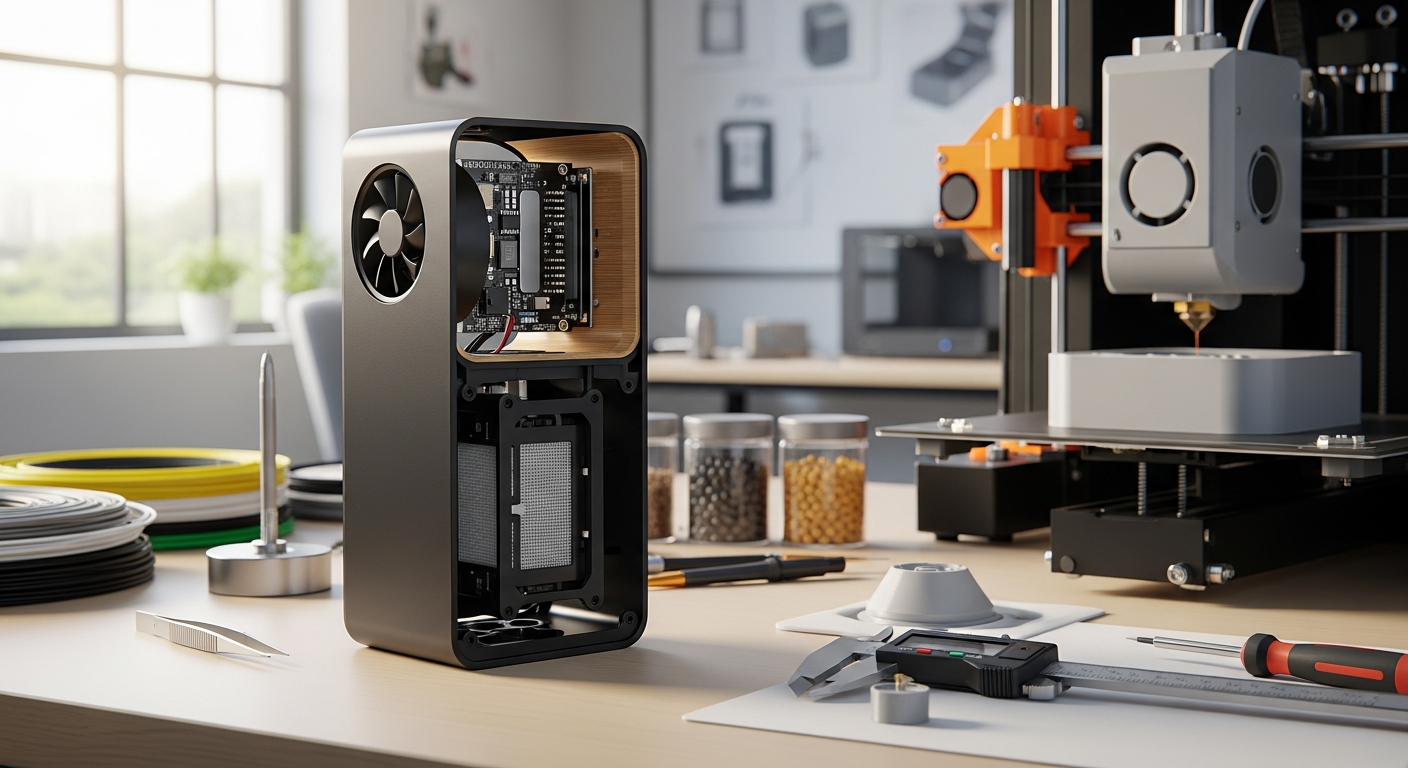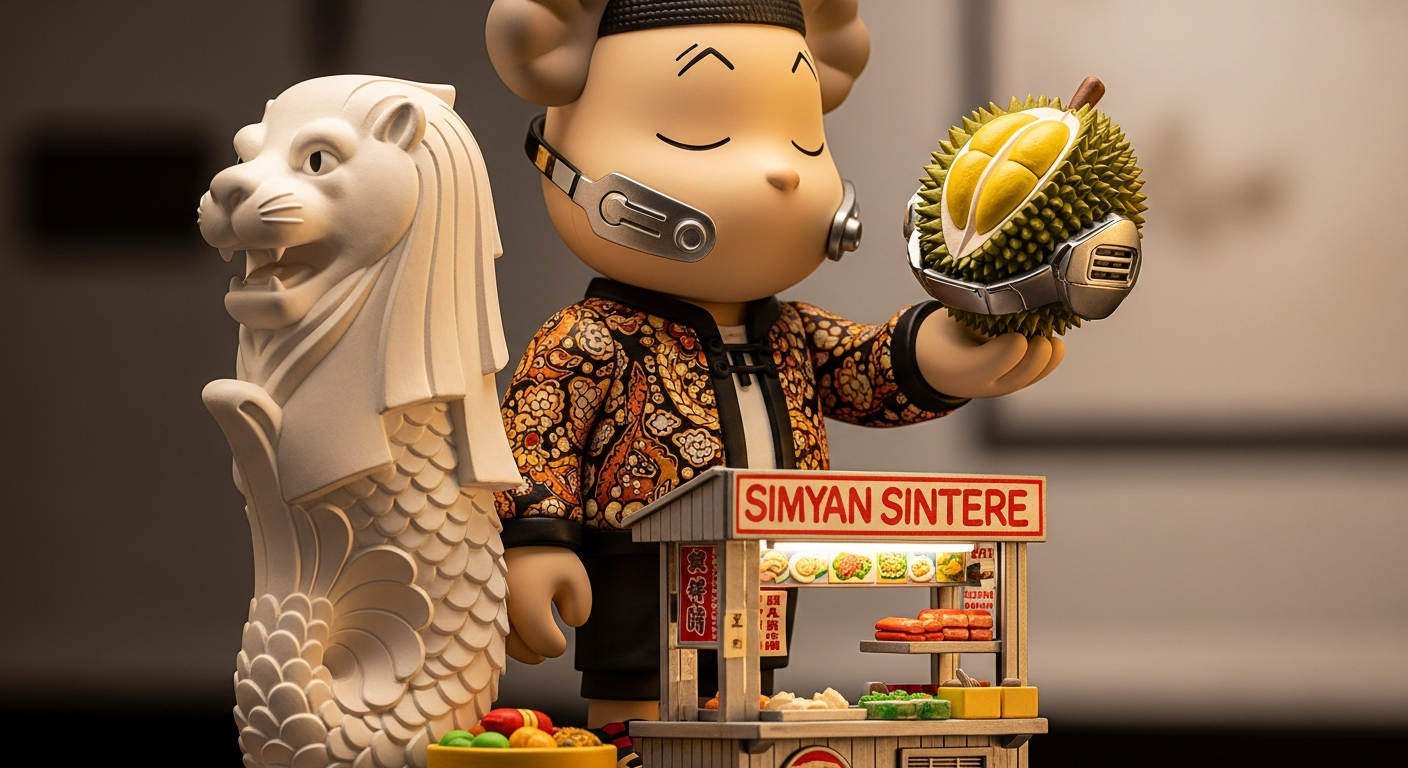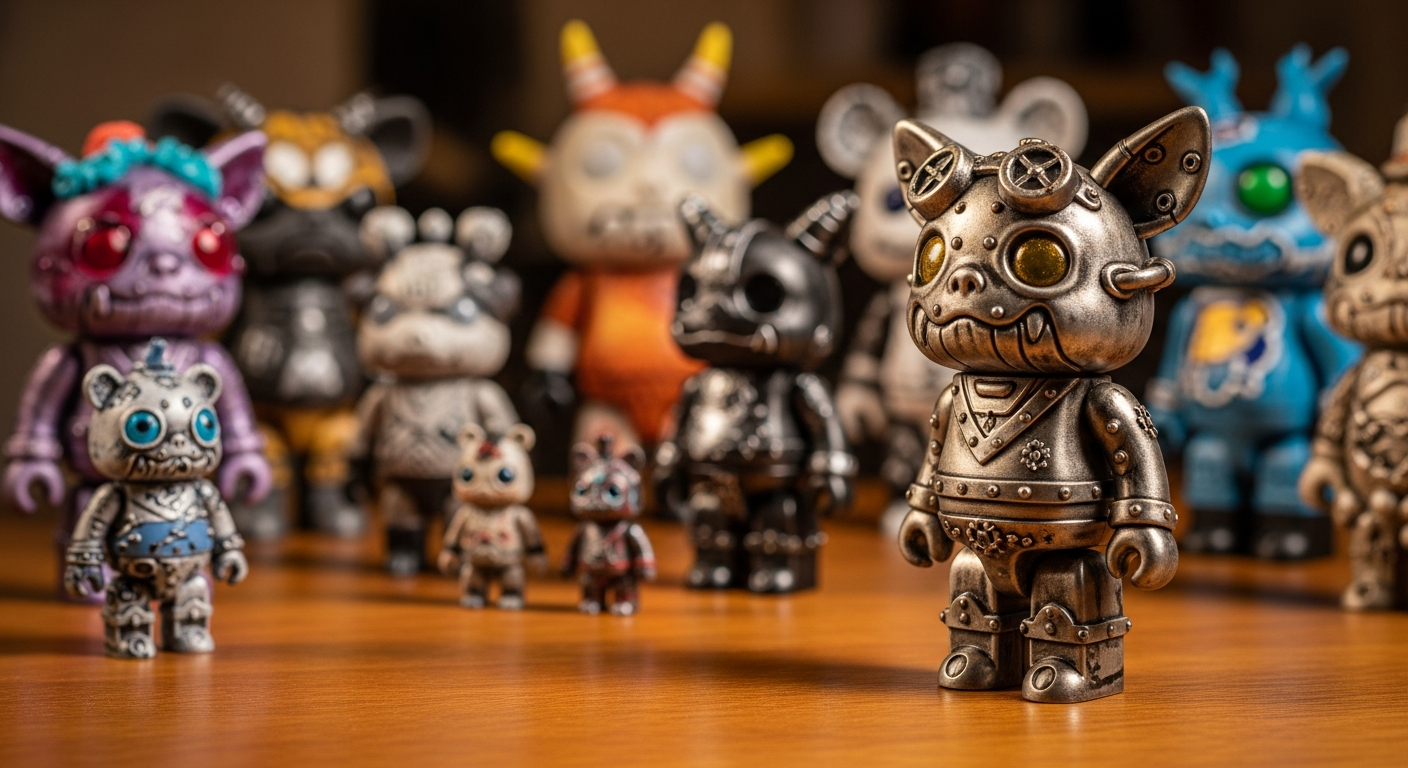
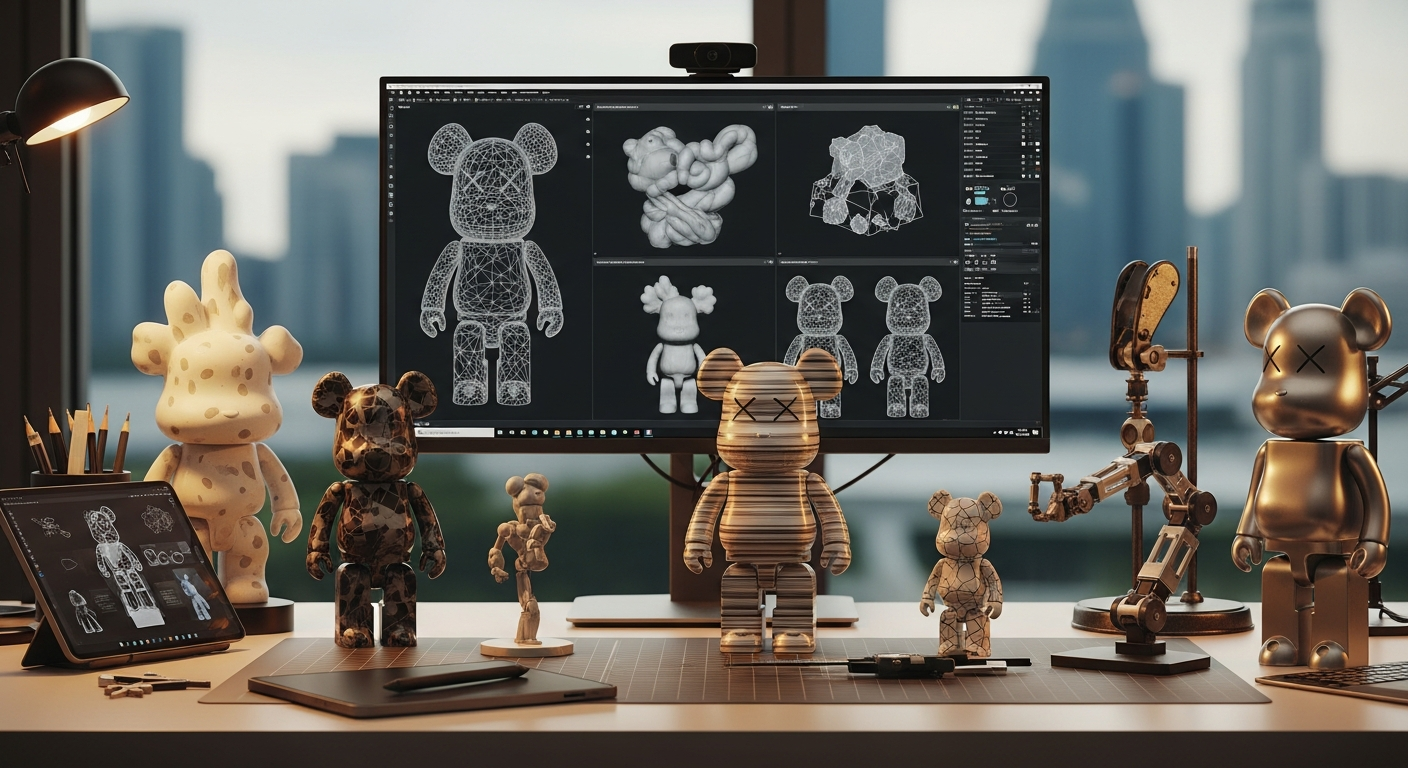

The collectible art toys market has exploded in the last decade: independent designers, boutique studios and established brands are producing limited runs of high-detail figures, designer toys and sculptural collectibles. Central to this evolution is access to reliable custom 3D printing Singapore services that combine studio-grade quality, fast turnarounds and flexible production volumes. Whether you are prototyping a new character or launching a limited edition series, choosing the right 3D workflow can make the difference between a product that delights collectors and one that falls short.
Singapore punches above its weight for creative manufacturing. The city-state offers a dense ecosystem of design studios, rapid prototyping labs, and manufacturing partners that understand IP protection, timelines and quality control. For creators seeking local partners, working with a Singapore-based provider makes communication and iteration easier — and it generally means faster shipping to regional markets across Southeast Asia.
Local studios specializing in toy production often combine hands-on finishing skills with advanced 3D printing workflows. If you want a production partner experienced in limited editions, consider a specialist 3D printing provider—many list case studies and gallery work showing finished collectible pieces. For example, check a focused service offering detailed support for toy creators at https://artsoustudio.com/3d-printing-service-singapore-for-art-toy-creators-2025/.
Not all 3D processes are created equal for collectible art toys. Your choice should reflect the model’s complexity, surface fidelity, mechanical requirements and batch size.
A helpful resource for trend-aware creators explores how the industry is adapting: https://artsoustudio.com/art-toys-3d-printing-service-singapore-trends-2025-2/.
Material choice directly impacts weight, feel and paint adhesion — all critical for collectible art toys. Popular options:
Post-processing finishes elevate a print from prototype to collectible: sanding, priming, high-build filler, airbrushing, and selective gloss/matte varnishes. For complex palettes and multiple finishes, studios often combine hand-painting and automated spray booths to ensure consistency across a limited run.
For production-ready art toys, many creators partner with specialists who can scale a design while preserving finish quality; see an example of scale-focused services at https://artsoustudio.com/scale-art-toys-with-3d-printing-service-singapore-now/.
Designing for 3D printing requires thinking beyond the sculpt. Consider these guidelines to reduce surprises and save cost:
If you’re refining how your designs translate from concept to product, check tailored services for custom art toys in Singapore: https://artsoustudio.com/custom-art-toys-with-3d-printing-singapore-2025/.
Collectors often expect high-quality finish and good materials, but production costs can escalate if not planned. Primary cost drivers include:
Smart creators manage costs by limiting edition sizes, offering tiered finishes (standard vs premium), or using 3D printing for masters that are then molded for slightly larger runs. For clear examples of how studios support small runs and pricing models, see a local 3D printing service breakdown at https://artsoustudio.com/3d-printing-service-singapore-for-collectible-art-toys-2025-2/.
Post-processing is where a collectible becomes desirable. Key steps:
A production partner experienced in toys will typically offer sample approvals and limited pre-production runs to validate finish and packaging.
Collectors and creators increasingly prefer sustainable workflows: biodegradable resins, recycled nylon, and low-waste production methods. In Singapore, several studios are experimenting with recyclable packaging and resin recycling programs. Combining digital production with on-demand runs also reduces overproduction — a growing selling point for eco-conscious buyers.
Selecting a partner is about more than a machine list. Look for:
For designers who need hands-on collaboration, many creators find value in a partner that offers workshops, mold-making and paint studios. A curated service dedicated to art toys can guide you from file optimization to final packaging—explore one such service at https://artsoustudio.com/3d-printing-service-singapore-for-art-toy-creators-2025/.
If you need a streamlined local production path that supports creators from prototype to launch, review services focused on scaling custom art toys: https://artsoustudio.com/scale-art-toys-with-3d-printing-service-singapore-now/.
The intersection of design, fabrication and collectible culture has never been more accessible. With well-chosen materials, an optimized design for 3D printing and the right Singapore-based partner, creators can produce collectible art toys that stand out in finish, feel and storytelling. The current trends — small-batch exclusivity, hybrid production methods and sustainable practices — reward designers who balance creativity with pragmatic production planning. By prioritizing surface fidelity, material choice and post-processing workflows, your collectible art toys can achieve the look and durability collectors expect while taking advantage of the flexibility that custom 3D printing Singapore studios provide.