Why 2025 Is an Opening Moment for Collectible Art Toys
The collectible art toys market has matured from niche studio experiments into a vibrant segment driven by designer collaborations, limited drops and passionate communities. In 2025, makers are leaning heavily on advanced fabrication to produce pieces with studio-quality detail and repeatable consistency. Choosing the right 3D printing partner is now as important as the design itself — especially if you want to control finish, color, and batch size without sacrificing artistic intent.
Whether you’re a designer launching your first series or a brand scaling limited editions, understanding how a 3D printing service in Singapore fits into this landscape will save time, cost and creative headaches. Below are practical insights and current trends to help you plan production for art toys in 2025.
Current Trends Shaping Art Toys and 3D Production
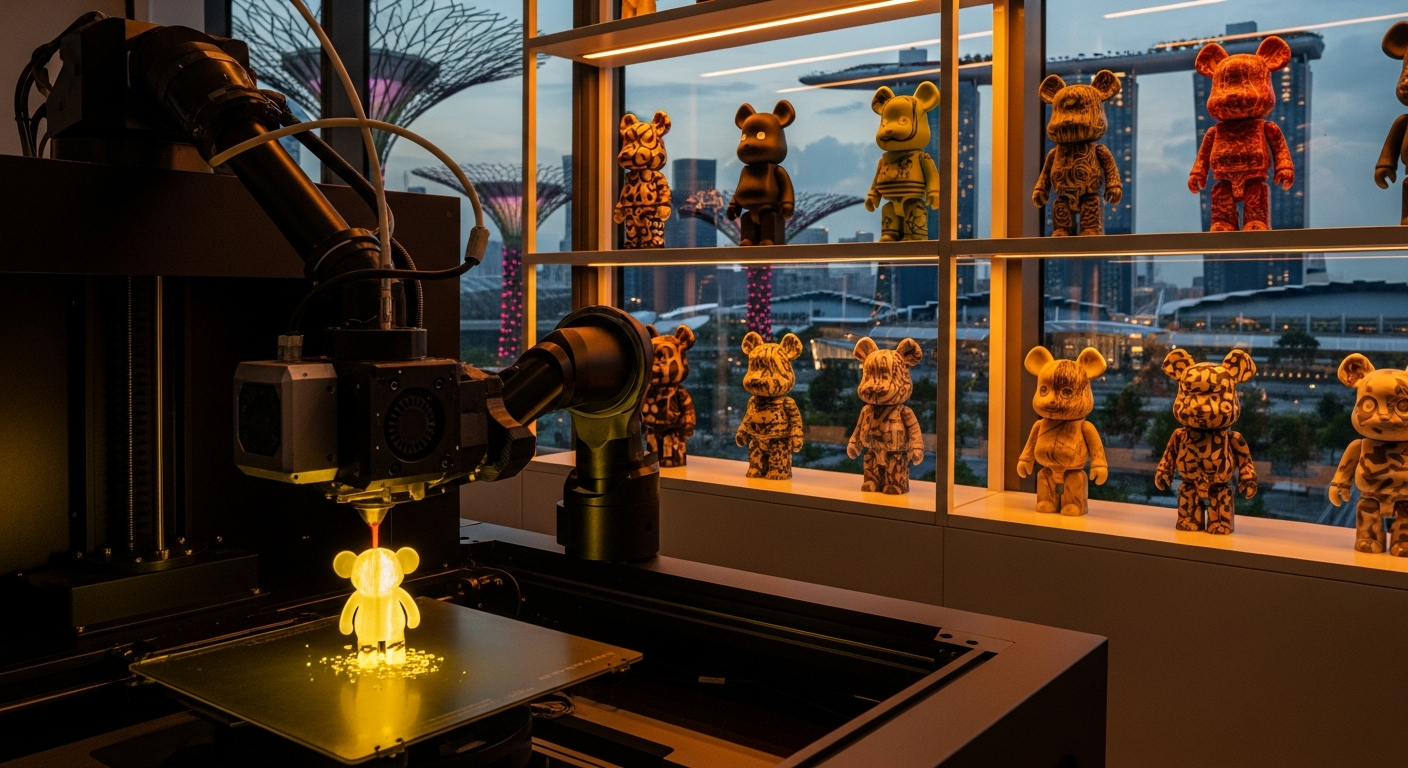
- Hyper-detailed resin prints: SLA and DLP technologies enable crisp features and fine textures that appeal to collectors.
- Hybrid finishing workflows: Manufacturers combine automated printing with hand painting and airbrushing to create premium looks while keeping costs predictable.
- Small-batch economics: Tools like optimized nesting, shared post-processing runs and modular molds make runs of 20–200 viable.
- Sustainability focus: Recycled resins and efficient post-processing reduce waste — an increasingly important selling point.
These trends mean that a specialist 3D printing service Singapore can be more than a supplier; it can be a production partner that preserves your aesthetics at scale.
Understanding Technologies — Which Is Best for Art Toys?
Not all 3D printing methods are equal for collectible art toys. Choose based on scale, detail and finishing needs.
- SLA/DLP (resin): Best for high-detail sculpts, smooth surfaces and small parts. Resin printers are ideal for limited-edition designer toys where surface fidelity and crisp detail matter.
- SLS (nylon powder): Durable and flexible enough for functional components, but textures are grainier — useful for modular toys or parts needing strength.
- MJF (multi-jet fusion): Good for stronger plastic parts with consistent mechanical properties; color options are expanding.
- FDM (filament): Cost-effective for prototypes and large simple forms, but visible layer lines often require heavier finishing.
Many studios in Singapore blend technologies, printing master prototypes in resin and producing secondary parts in SLS or MJF. If your toy requires precise joints or internal hollow cavities for electronics, discuss multi-material strategies with your 3D printing service Singapore.
Materials and Surface Finishes That Collectors Expect
Collectors expect tactile and visual quality. Typical material workflows include:
- Castable resins for silicone molds when producing identical copies with resin casting.
- High-detail resins for direct production of limited runs (prepped, primed and painted).
- PA12 nylon for durable, paintable bodies in larger runs.
Finishing options that elevate value:
- Priming and sanding to remove print artifacts.
- UV-curable topcoats for glossy or satin finishes.
- Hand and airbrush painting for gradients, weathering, and metallics.
- Pad printing or tampography for tiny, consistent graphics.
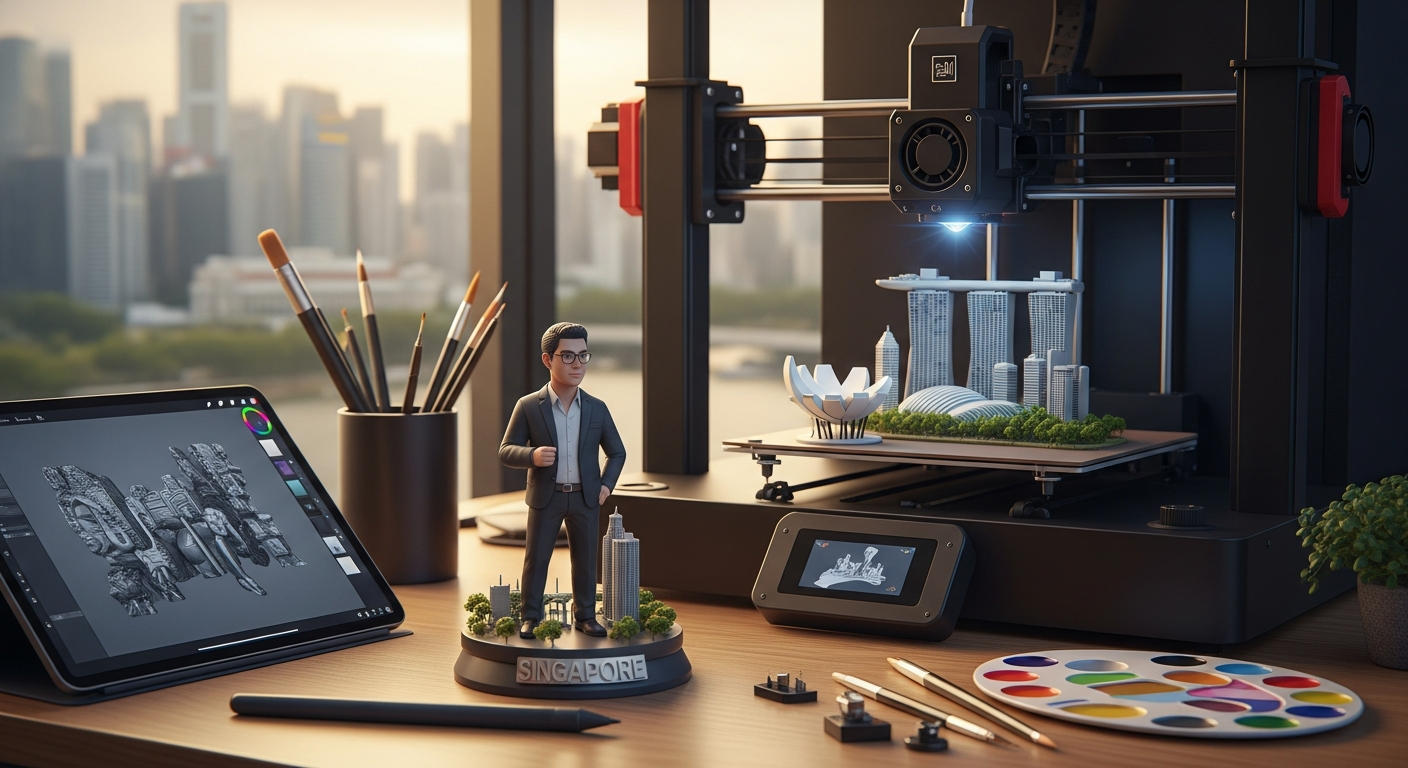
A printing partner that offers finishing services — or coordinates closely with a painter — helps ensure the final object matches the original artwork. Search for studio partners that highlight end-to-end finishing capabilities like the ones at art toys.
Prototyping vs. Production: How to Stage Your Project
Stage projects in three phases:
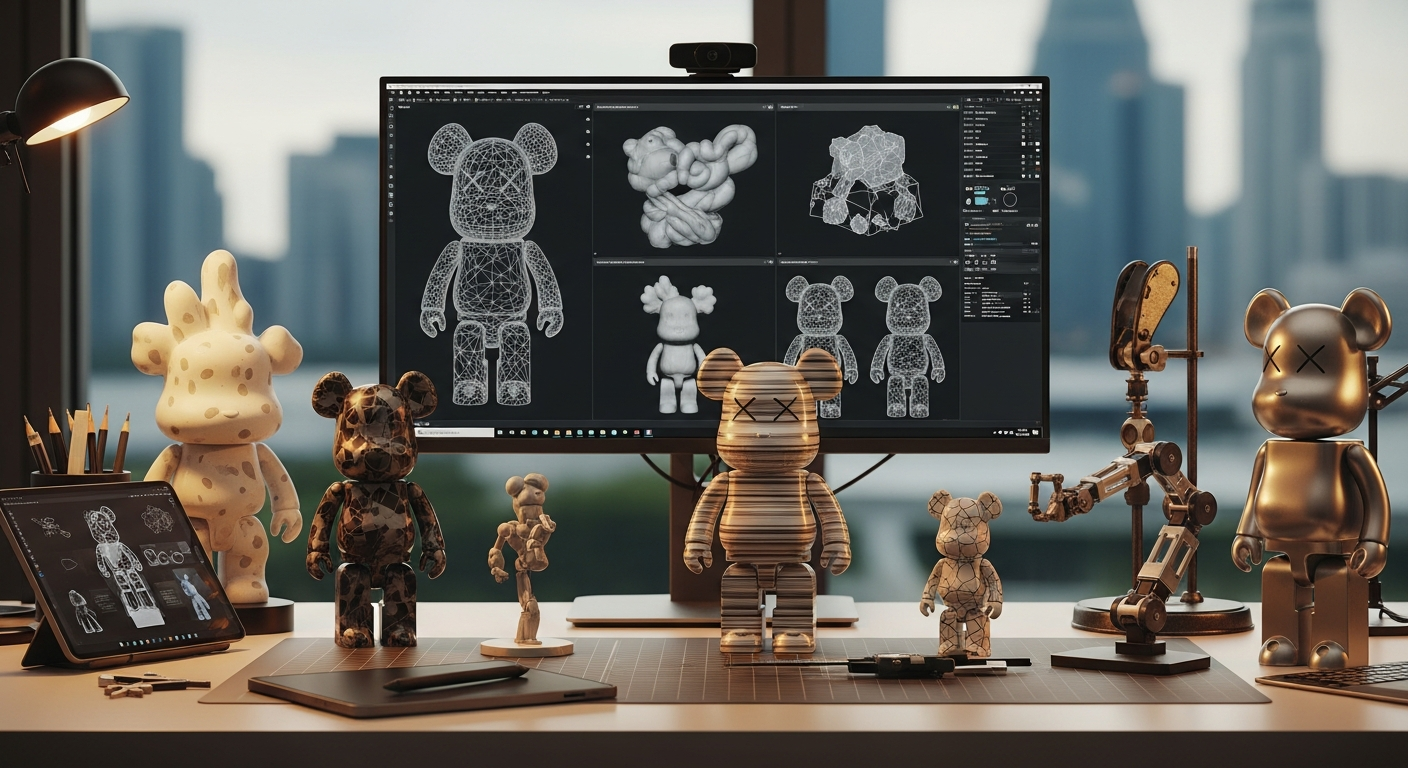
- Concept & prototyping: Rapid FDM or resin prints to check proportions and articulation.
- Beta sample: High-detail resin or small SLS run to test assembly, paintability and tolerances.
- Production: Small-batch resin production or molded runs if demand justifies tooling.
This phased approach reduces risk and clarifies exact costs. If you plan special features (magnetized joints, electronics, or glow-in-the-dark elements), confirm compatibility with materials during prototyping with a trusted collectible art toys partner.
Cost Drivers and Timelines for Art Toy Runs
Key cost drivers:
- Print technology: SLA resin tends to be pricier per part than FDM but delivers far superior detail.
- Part size and orientation: Larger or inefficiently nested parts increase material and labor cost.
- Post-processing: Hand sanding, painting, and assembly add significant labor time.
- Tooling: Silicone molds or small hard tooling add upfront cost but reduce per-piece cost for mid-size runs.
Typical timelines in 2025:
- Prototype (1–2 weeks): Rapid prints and basic finishing.
- Beta sample (2–4 weeks): High-detail prints, multiple finishes, and functional testing.
- Production (4–8+ weeks): Depends on batch size, finishing, and shipping. Small-batch resin production can be faster if the studio has in-house finishing.
Getting accurate quotes early and sharing detailed files (STL, STEP) will reduce surprises. A savvy custom art toys provider can also suggest cost-saving changes that retain artistic integrity.
IP, Licensing and Quality Control
Protecting IP and ensuring consistent quality matters as collectible values rise. Best practices:
- Contracts: Define ownership, reproduction rights, and confidentiality before sharing files.
- QC checkpoints: Approve master samples before full runs and request batch photos or in-person inspections where possible.
- Serialization: Laser-etch or pad-print edition numbers and artist signatures for provenance.
Many Singapore studios are accustomed to working with licensors and IP owners; ensure your partner is willing to sign NDAs and provide traceable production records.
Choosing a 3D Printing Service in Singapore — Checklist
When evaluating partners, consider:
- Portfolio: Look for completed art toy projects and examples of finishing.
- Technology mix: Do they offer SLA, SLS, MJF and finishing under one roof?
- Small-batch expertise: Can they handle limited runs with consistent results?
- Communication: Clear timelines, responsive quotes and file feedback are crucial.
- Sustainability: Ask about resin recycling, waste management and energy efficiency.
A strong provider will act as a collaborator, helping you optimize for production while preserving the artistic character of the design. For a balanced mix of printing capability and finishing, see case examples from 3D printing service.
Practical Tips to Reduce Time and Cost
- Consolidate parts where possible to reduce joints and assembly labor.
- Design for printability: add chamfers to thin areas, maintain consistent wall thickness, and design assembly tolerances.
- Batch colors: Group parts by base color to reduce painting changeovers.
- Approve a single master sample to lock finishes and reduce rework.
These adjustments can reduce per-piece costs and accelerate delivery without diminishing collector appeal.
Conclusion
The intersection of high-fidelity 3D printing and artisanal finishing makes 2025 an exciting year for collectible art toys. A specialist 3D printing service in Singapore can help you translate sculptural vision into collectible reality, balancing detail, durability and production cost. By selecting a partner with the right technology mix, finish capabilities and small-batch experience, you preserve your creative direction while delivering pieces collectors will prize.