Introduction
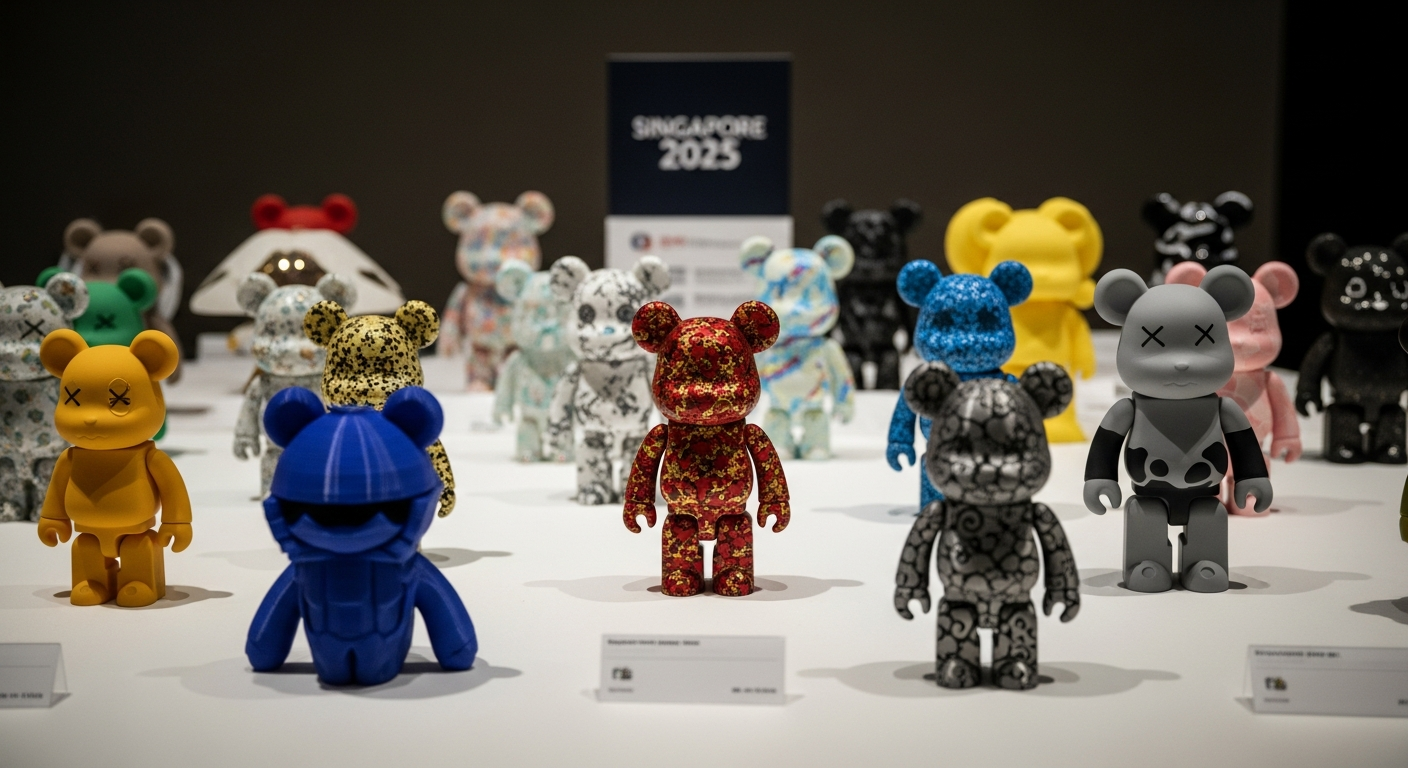
The convergence of advanced 3D printing technologies and a vibrant designer community is redefining collectible culture in 2025. From one-off gallery pieces to small-batch runs for independent designers, Singapore has become a strategic hub for turning imaginative concepts into tactile, collectible realities. This article explores how a modern 3d printing service singapore can help artists, toy designers and studios produce high-quality art toys with speed, precision and scalable options.
Why 3D printing is reshaping art toys
Traditional toy production often required large minimum orders and long lead times. 3D printing flips that model by enabling:
- Rapid prototyping: creators iterate designs quickly without the cost of tooling.
- Low-volume production: small-batch runs are economically viable, ideal for limited editions.
- Higher detail and complexity: internal geometries, undercuts and articulated joints are easier to realize.
- Faster time-to-market: new designs reach collectors faster, which matters in fast-moving art toy communities.
These advantages align precisely with what contemporary art toy makers need: the freedom to experiment and the option to produce curated drops.
Popular 3D printing processes for art toys in 2025
Understanding printing technologies helps designers pick the right process for their vision and budget.
- SLA (Stereolithography): Excellent for ultra-fine detail and smooth surfaces — a go-to for prototypes and display pieces.
- DLP (Digital Light Processing): Similar to SLA but often faster for small-batch production runs.
- MJF / SLS (Multi Jet Fusion / Selective Laser Sintering): Durable nylon parts, ideal for functional elements or toys requiring strength.
- Full-color binder jetting: Delivers full-color prints without hand-painting, useful for intricate surface graphics.
- PolyJet / Multi-material jetting: Enables soft-touch elements and multi-material assemblies in a single print.
A reputable 3d printing service singapore will advise which method best matches your artwork, finish expectations and budget.
Materials and finishes that elevate art toys
Materials are no longer just about structural properties — they’re central to a toy’s aesthetic and tactile appeal.
- Resins: multiple stiffnesses and translucencies for detailed figures and delicate parts.
- Nylon: strong and slightly flexible — perfect for articulated pieces.
- Photopolymers with post-curing: produce gallery-quality surfaces that take paint and varnish well.
- Composite filaments and TPU: allow flexible limbs or soft-touch features.
- Full-color gypsum or polymer prints: reproduce complex color patterns without manual painting.
Post-processing options amplify the final look: sanding and priming for a smooth paint-ready surface, electroplating for metallic effects, and custom coatings for matte, satin or gloss finishes. Many studios in Singapore now combine in-house painting and pad-printing to produce collectible-ready pieces.
The design-to-production workflow
A streamlined workflow reduces risk and cost. Typical stages include:
- Concept & sketching: define silhouette, articulation and surface details.
- 3D modeling & engineering: CAD modeling, assembly design and tolerance checks for moving parts.
- Prototyping: iterate with SLA or DLP to test fit and aesthetics.
- Final material selection: choose production technology (SLS, MJF, binder jetting, etc.).
- Production run & post-processing: printing, cleaning, curing, painting and finishing.
- Quality control & packaging: ensure each piece meets the collector standard.
When partnering with a 3d printing service singapore, you gain access to technical reviews at each stage so your art toy is both beautiful and robust.
Cost considerations and short-run economics
One of the biggest selling points for designers is cost-efficiency for small volumes. In 2025, pricing is driven by:
- Volume and part size: per-unit cost decreases as run size increases, but 3D printing remains economical for tens to hundreds of units.
- Post-processing complexity: hand-painting and bespoke coatings add cost.
- Material choice: advanced photopolymers and full-color processes are pricier than standard nylon.
- Design complexity: intricate, multi-part assemblies require more print time and finishing labor.
For many indie makers, a hybrid strategy works best: 3D print prototypes and limited editions, then switch to injection molding when demand justifies tooling costs.
Trends shaping art toys and printing in Singapore (2025)
- Sustainability: biodegradable resins and recycled nylon options are gaining traction as collectors ask for greener practices.
- Full-color direct printing: binder jetting and advanced color workflows reduce manual paint labor and shorten production timelines.
- Digital provenance: many art toys are launched alongside digital tokens or AR experiences, linking physical pieces to NFT-backed ownership or augmented reality display features.
- Collaborative studios: cross-disciplinary teams (modelers, painters, engineers) in Singapore provide end-to-end services for designers who want turnkey execution.
- Personalization and modularity: customizable components and modular toys that can be recombined to create variants are more popular than ever.
A local art toys ecosystem makes it easier for designers to test these trends quickly and affordably.
Quality control and collector expectations
Collectors expect museum-grade finishes and consistency across editions. Professional services focus on:
- Tight tolerances for moving parts and assembly.
- Consistent color matching across pieces and batches.
- Durable coatings that withstand handling and UV exposure.
- Secure packaging that preserves display value during transit.
Working with experienced production partners who understand collector markets ensures your pieces arrive ready for display and resale.
Case examples: from designer concept to shelf
- Single-run gallery piece: an artist uses SLA to realize a 1:1 sculpture with hand-applied finishes and a limited certificate of authenticity.
- Limited edition drop (50–200 units): designers use DLP or MJF for faster throughput, combined with selective painting and numbering.
- Functional collectible line: a startup prototypes articulated toys in SLS nylon and migrates to low-volume injection molding once orders scale.
In each example, a local prototyping partner helps reduce iterations and manage production timelines.
How to pick the right 3D printing partner in Singapore
Choose a partner that offers:
- Technical expertise across multiple processes and materials.
- End-to-end services: CAD support, printing, finishing and packaging.
- Transparent pricing and realistic lead times.
- Portfolio and references in art toys or collectibles.
- Flexible runs that support both one-offs and short production batches.
An established 3d printing service singapore will also advise on design for manufacturability (DFM) so you hit quality and cost targets.
Final thoughts
In 2025, the relationship between toy designer and manufacturer is more collaborative than ever. Advances in 3D printing technologies — paired with Singapore’s creative ecosystem — make it possible to explore bold aesthetics, experiment with materials and ship collectible-ready art toys at realistic costs. Whether you’re a solo artist releasing a limited edition or a studio preparing a seasonal drop, working with a seasoned service provider ensures your concept becomes a collectible people want to own.
Partnering with the right local team turns technical hurdles into creative opportunities and lets designers focus on what matters most: the art.