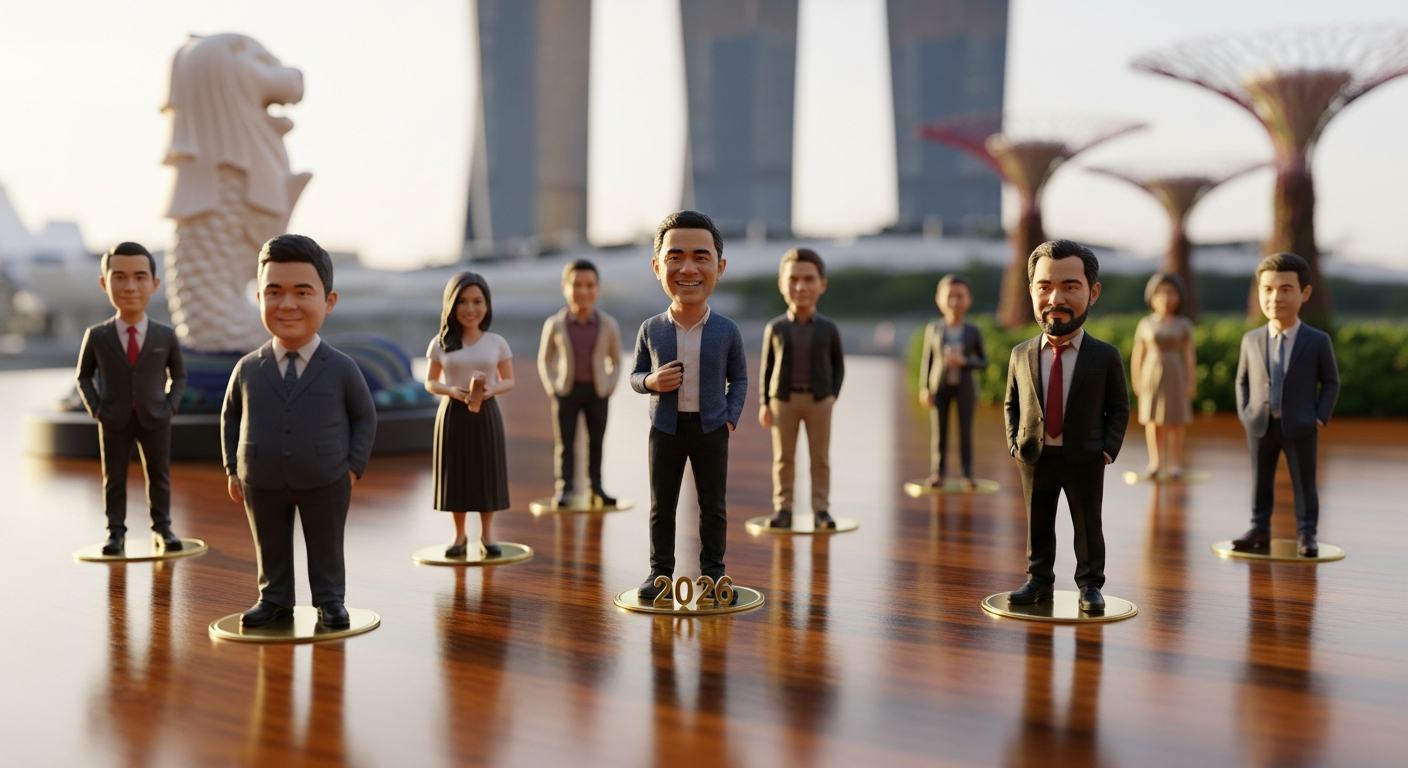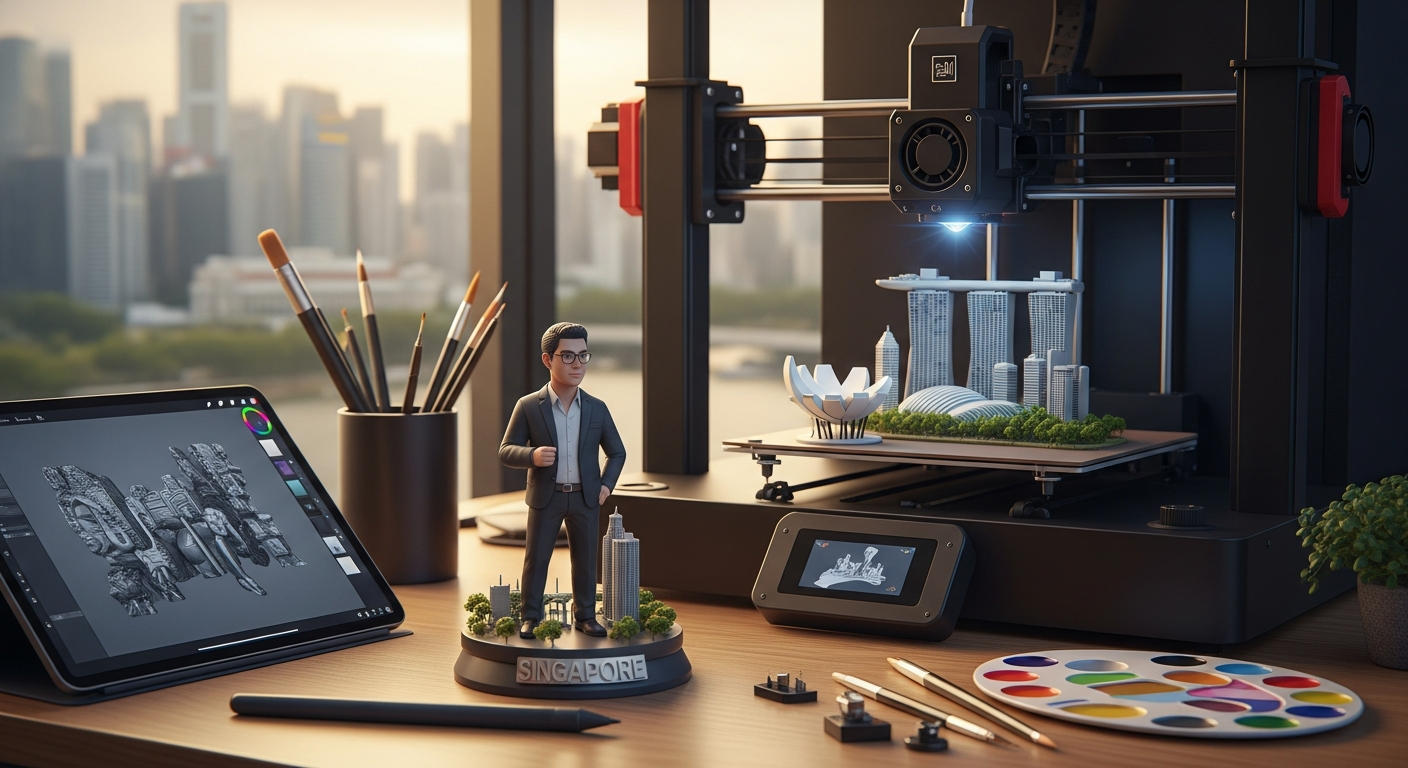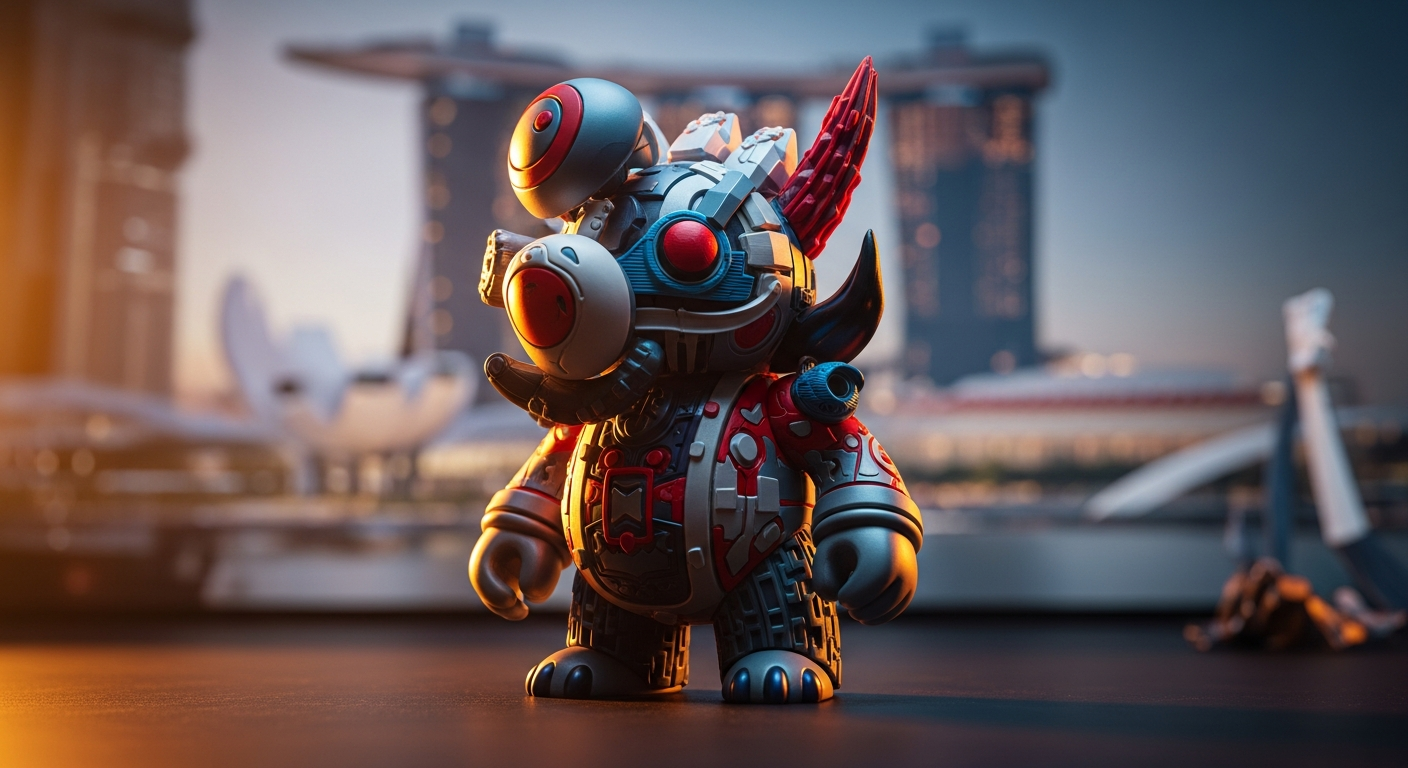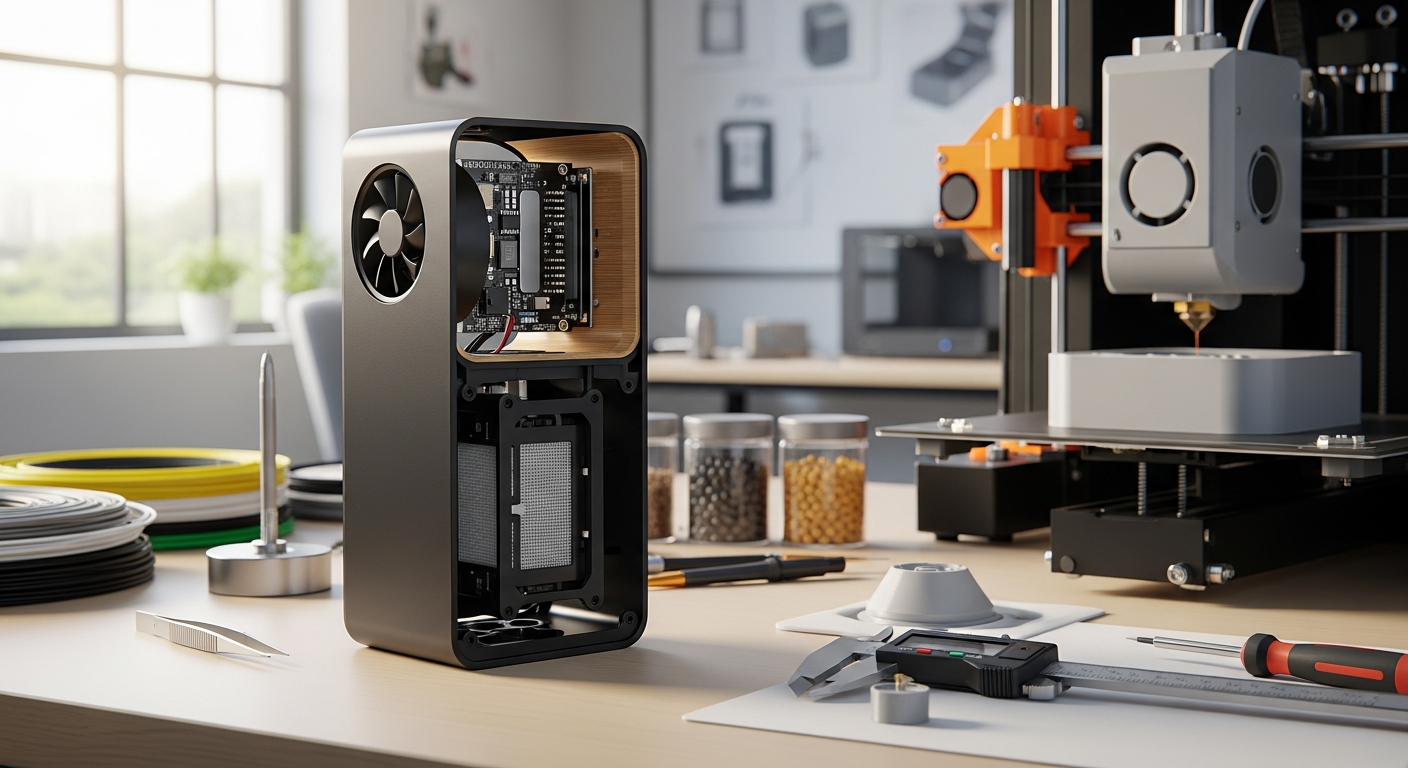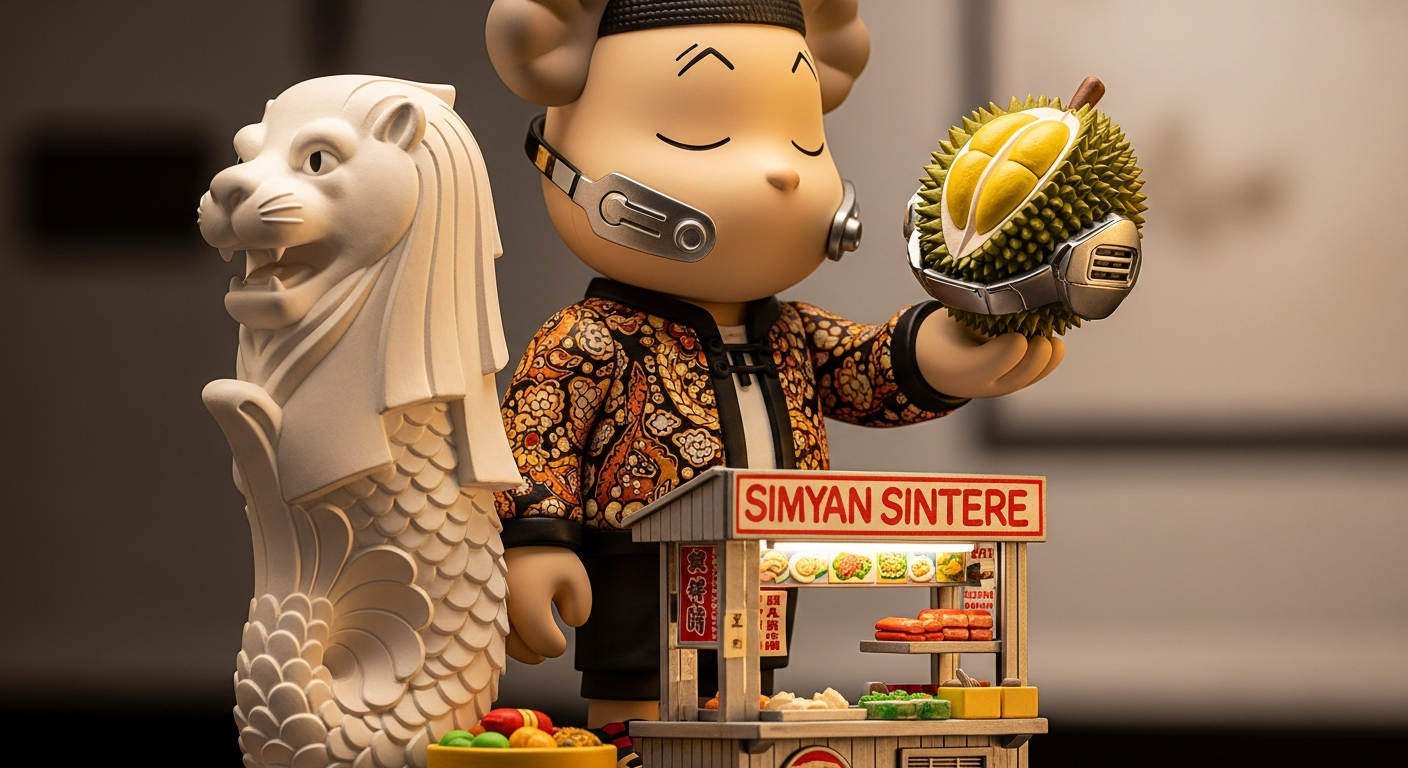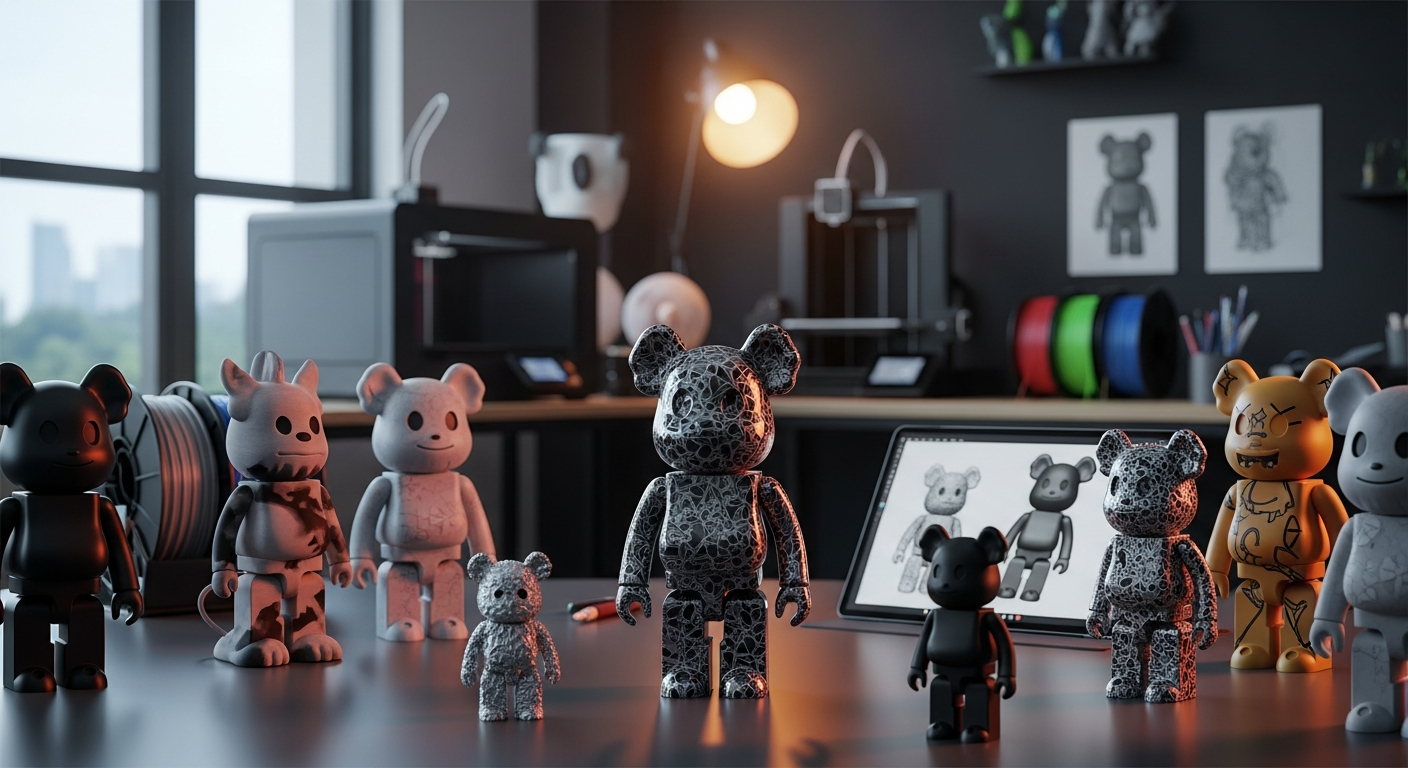
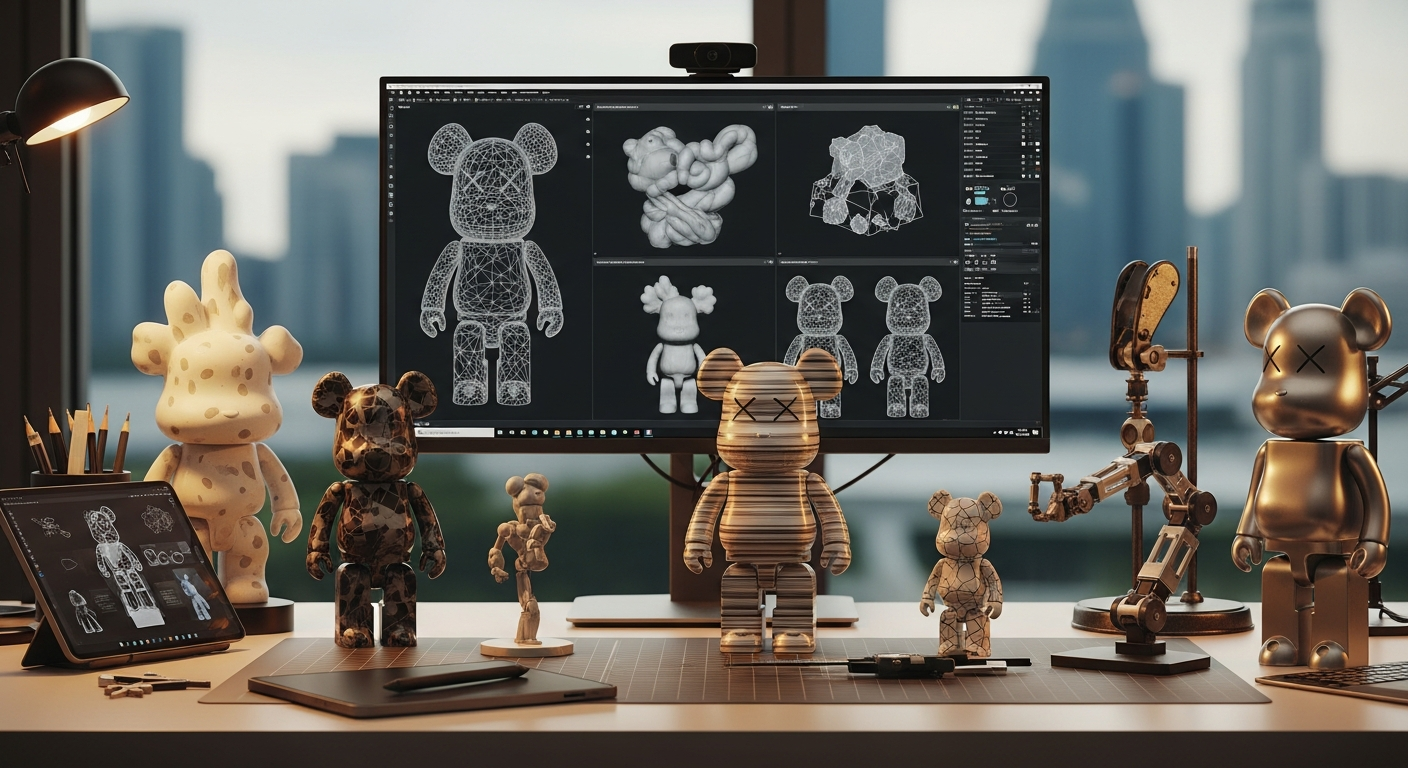

The intersection of collectible art and advanced manufacturing is reshaping how creators, brands and independent studios bring art toys to market. In 2025, Singapore has emerged as a regional hub for short-run production, rapid prototyping, and high-fidelity finishing that match the expectations of designer toy collectors. This article explores the technological, creative and commercial trends driving art toys and how a modern 3D printing service in Singapore can help designers scale creative ideas into market-ready pieces.
3D printing lets designers escape the limits of traditional tooling. Complex geometry, undercuts, internal cavities and very high-detail surfaces are now achievable without expensive molds. For the art toy world, the biggest advantages are:
Many designers use 3D printing for the prototype stage and increasingly for final-production parts. For inspiration and services, designers often search for specialised partners in the region such as an experienced art toys studio that understands both creative and technical needs.
Different processes shine at different stages of toy creation. Knowing which to use is essential for quality, cost and finish.
Choosing the correct technology depends on desired aesthetics, mechanical requirements, and budget. Many Singapore studios offer multiple technologies under one roof to support hybrid workflows.
Collectors increasingly care about sustainability. In 2025, material choices trend toward recycled or bio-based resins and nylons, and low-VOC post-processing. Popular options include:
Sustainability doesn’t mean sacrificing quality — many services in Singapore combine recycled feedstock with rigorous QA to meet collector standards.
To get the best results from a 3D printing service, designers should adopt a few practical habits:
Singapore-based providers often assist with DfAM (Design for Additive Manufacturing) consultations, helping artists translate sculptural ideas into printable assemblies.
Collectors judge toys by finish more than anything else. In 2025, finishing options have expanded:
A reliable partner will offer integrated finishing so the delivered product is shelf-ready, not a raw print.
The art toy market continues to hybridise physical and digital ownership. Notable trends:
For these strategies, a local 3D printing partner simplifies logistics, rapid reprints, and last-minute design changes — making Singapore a practical production base for Asia-Pacific drops.
When evaluating vendors, prioritise these capabilities:
Use trusted partners who specialise in collectibles to avoid common pitfalls. For starters, search for teams experienced in 3D printing service Singapore workflows and toy-specific finishing.
Typical timelines in 2025 are shorter than five years ago, but quality finishing still takes time. Expect:
Cost drivers include material choice, part volume, surface area (more surface = more finishing), and manual finishing labour. To control costs, designers often combine printed masters with silicone casting for runs of 50–200 pieces.
For toys intended for sale, confirm safety standards for target markets (e.g., mechanical safety, small parts regulations). Many Singapore studios provide testing coordination and can advise on compliant materials and finishing processes. Quality control steps include dimensional inspection, paint adhesion tests and batch traceability.
The short-run, high-detail manufacturing model now common in Singapore is enabling new business models: micro-brands, community-driven drops, and truly bespoke collectible experiences. Expect continued advances in multi-material printing, full-color photorealistic processes, and more eco-friendly feedstocks. Studios that combine creative consultancy with technical execution will win the trust of designers and collectors alike.
For artists and brands, partnering with an experienced studio streamlines turning concept into collectible. Whether you need a high-detail resin prototype, a multi-material prototype, or a short-run production batch, an established designer collectibles partner in Singapore can provide the technical skills and finishing expertise you need. When planning limited editions or market drops, also consider working with specialists in custom figures production and prototype 3D printing workflows to ensure your release meets collector expectations.
2025 is shaping up to be a year where creativity meets manufacturing agility. For the art toys sector, that means designers can dream bigger and bring premium, sustainable and highly finished collectibles to market faster than ever. Singapore’s ecosystem of advanced 3D printing services, skilled finishers and proximity to key markets makes it an attractive base for designers aiming to launch standout pieces and limited-edition drops with confidence.