Why 3D printing is transforming the art toy market
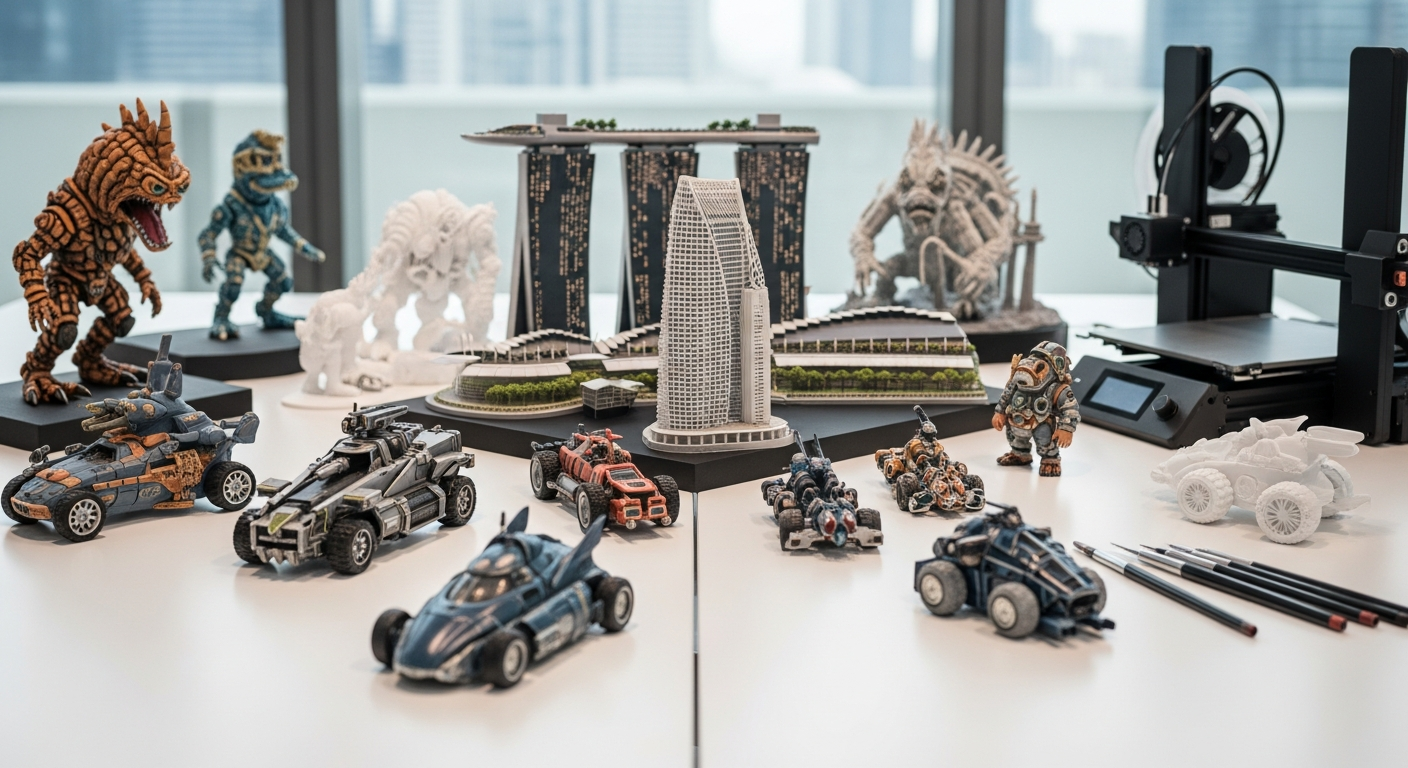
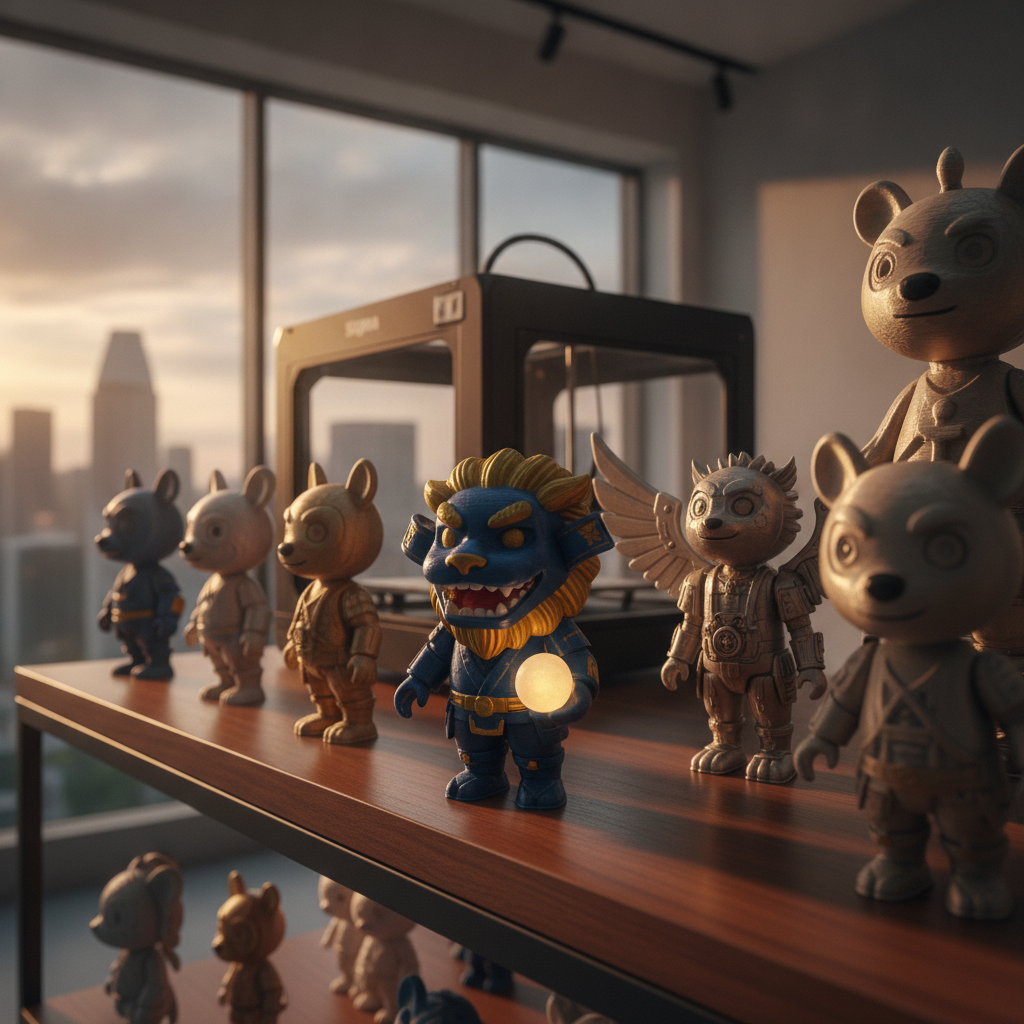
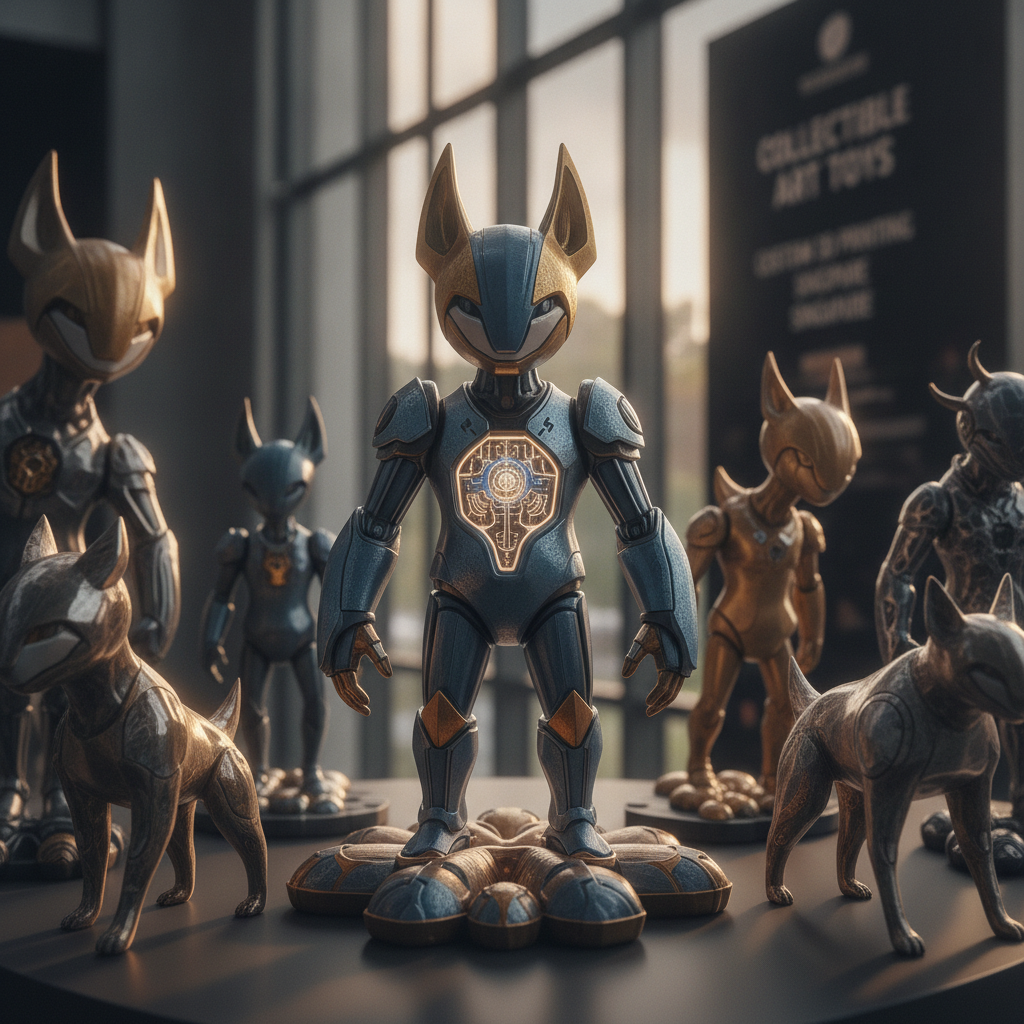
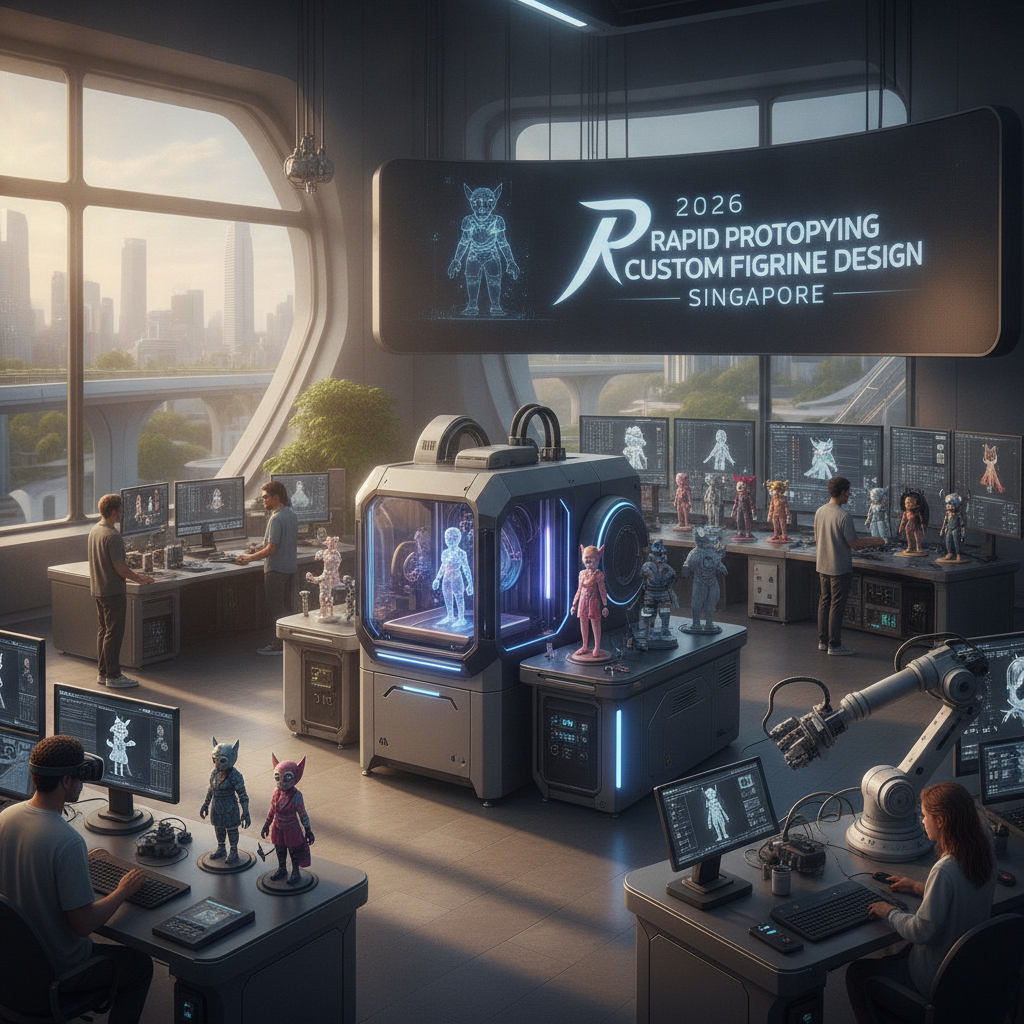
Independent designers and boutique studios are redefining collectible culture with limited-run figures, designer toys and one-off sculptures. Traditional manufacturing methods—vacuum casting, injection molding—work well at scale but can be costly and slow during the creative iteration phase. That’s where modern additive manufacturing comes in: it enables faster prototyping, greater design freedom, and more cost-effective small-batch production for art-driven products.
For makers looking to accelerate growth, partnering with a quality 3D printing partner unlocks new possibilities for art toys — from complex undercuts and organic surfaces to integrated joints and multi-part assemblies.
Choose the right 3D printing technology for your art toys
Not all 3D printing is created equal. Your final look, durability and production cost depend heavily on the method chosen. Here are the most common technologies and when to use them:
- SLA/DLP (resin-based): Best for ultra-high detail and smooth surfaces. Ideal for collectible figures with crisp facial features and intricate textures. Resin prints typically require post-cure and careful handling but yield museum-quality detail.
- SLS (powder-based nylon): Excellent for durable, functional parts with complex geometries and no need for support structures. SLS parts are robust and can be dyed or smoothed for a matte, tactile finish.
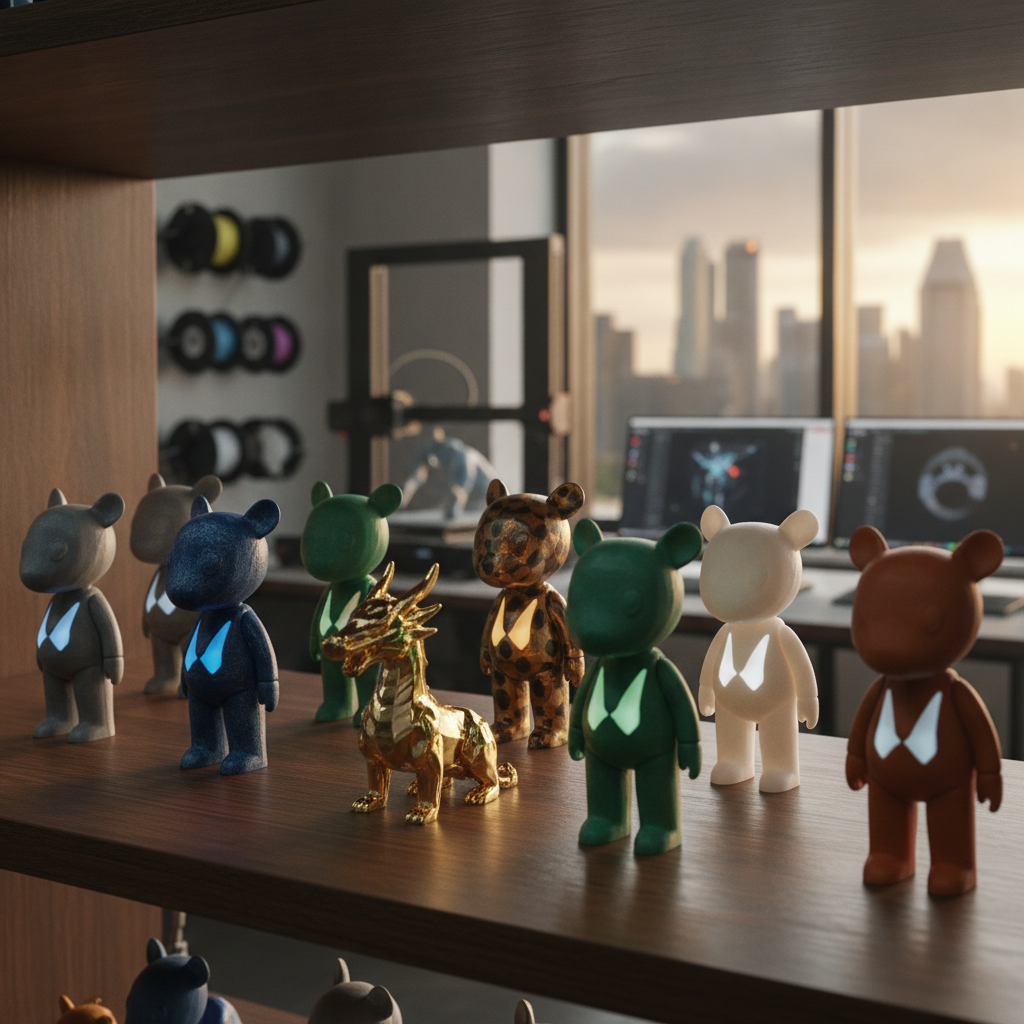
- PolyJet / MultiJet: Allows multi-material and multi-color printing in one run. Great when you want color variation or soft-touch elements without painting.
- FDM (filament): Cost-effective for larger forms and structural prototypes. Surface finish is coarser, so FDM is more suitable for concept models or parts that will be sanded and finished.
Working with a local 3D printing provider in Singapore makes it easy to evaluate test prints in person and choose the ideal method for your collectible series — especially when tight color matching and finish quality matter. Search explicitly for a dedicated 3D printing service Singapore to ensure access to these equipment options.
Design tips for manufacturable, collectible-ready pieces
Designing for 3D printing isn’t just about creativity; it’s about anticipating production realities. Follow these practical tips to reduce iteration time and cost:
- Split complex models into logical assemblies: design snap-fit joints, keyed connections, or threaded inserts to simplify painting and assembly.
- Consider wall thickness and internal supports: thin walls can warp or break in post-processing. Aim for minimum thicknesses recommended by your chosen printing tech.
- Orient parts for optimal detail: small facial features often print best when oriented to minimize support marks on high-visibility surfaces.
- Add escape holes for hollow prints: if you’re using resin or powder processes, design drainage or venting to remove uncured material safely.
- Use test coupons and scale samples: print small test sections to confirm detail level and fit before committing to a full run.
These steps prevent expensive rework and shorten development cycles when working with a 3D printing service Singapore.
Post-processing and finishing: turning prints into collectibles
The print is only the beginning. Post-processing is what gives art toys their collectible desirability:
- Support removal and sanding: clean support marks and layer lines for a seamless surface.
- Priming and surface prep: a good primer reveals imperfections and helps paint adhere.
- Painting and sealing: airbrush base coats, hand-painted details, and protective clearcoats add value and longevity.
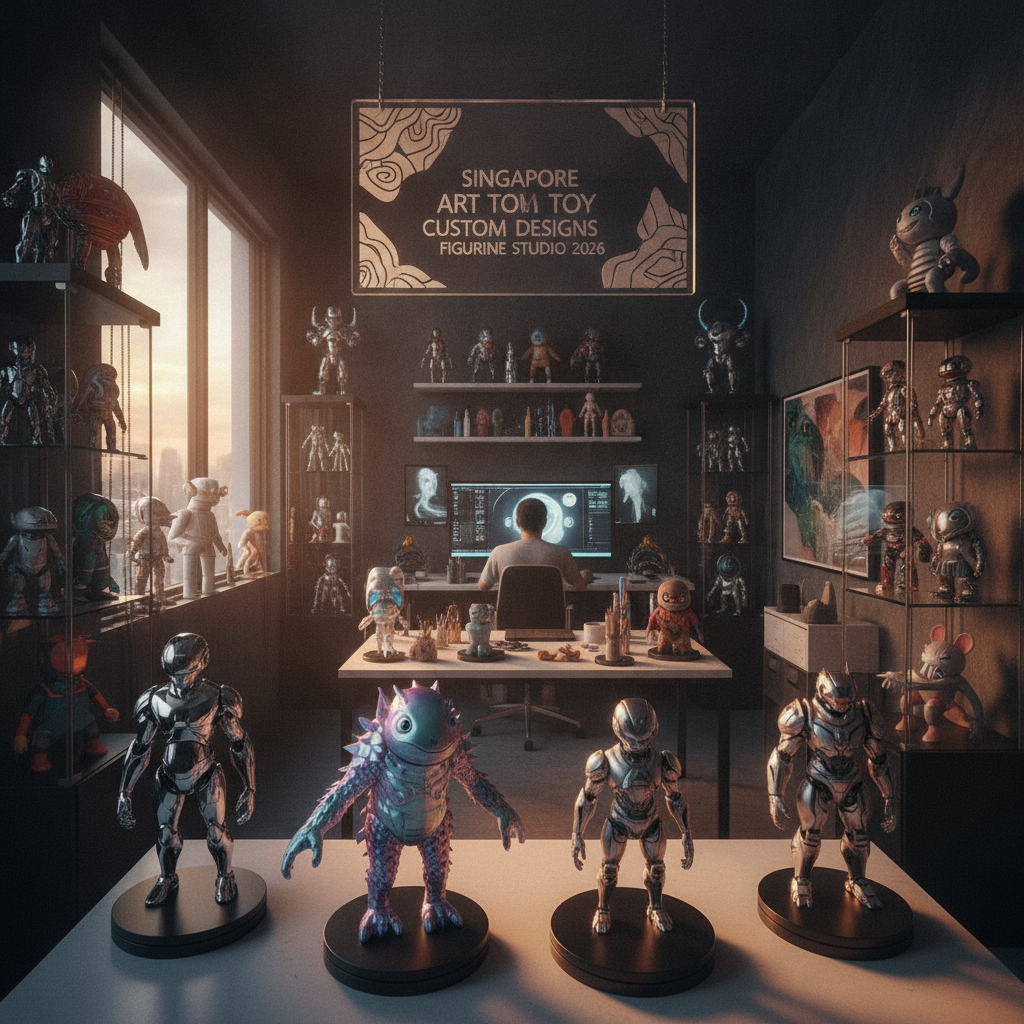
- Metalization and plating: for premium editions, vacuum metalizing creates shiny, metallic surfaces.
- Assembly and packaging: design packaging that complements the collectible and protects it during shipping.
Many 3D printing providers offer in-house finishing, assembly and painting services to deliver ready-to-sell pieces. When you need consistent finishes across a small series, use a partner who understands color matching and quality control for collectible runs of art toys.
Scaling from prototype to small-batch production
The typical path for an art toy project is: concept → prototype → limited run → larger production or mold transfer. 3D printing accelerates the first three stages dramatically.
- Rapid iteration: test multiple head sculpts, accessories and poses within days instead of weeks.
- Small-batch economics: printing multiple units in one build tray avoids the overhead of tooling, which is ideal for limited editions and seasonal drops.
- Transition strategy: use printed masters to make molds for silicone casting or to create patterns for low-volume injection molding once demand justifies tooling costs.
When scaling, track metrics like unit cost per piece, print time per unit, post-processing labor and packaging expenses. A Singapore-based provider can help optimize production runs to balance quality, lead time and budget.
Cost, lead times and quality control in Singapore
Singapore offers a mature manufacturing and creative services ecosystem with reliable logistics, skilled finishing technicians and strict quality standards. Typical considerations:
- Lead times: prototyping runs can take 1–7 days depending on complexity and finishing. Small-batch production often takes 1–3 weeks including post-processing.
- Pricing: expect higher per-unit costs for printed parts compared to molded runs, but far lower upfront costs since tooling is not required.
- Quality control: request inspection photos, dimensional reports or test fittings to ensure consistency across the batch.
Working with a local 3D printing service Singapore reduces shipping delays and enables faster in-person QC checks—critical when launching collectible drops or meeting tight release calendars.
Intellectual property and collaboration best practices
Protecting your designs and collaborating with external vendors is essential:
- Use NDAs and IP agreements: ensure your designs and proprietary processes are contractually protected.
- Share only necessary files: provide production-optimized files (STL, STEP) and withhold full source files where appropriate.
- Keep version control: tag final production files and maintain a changelog for any post-print modifications.
Strong partnerships with local providers make it easier to manage confidentiality and collaborate on finishing, packaging and logistics.
Trends shaping the future of art toys and 3D printing
Several trends make now an exciting time to scale art toys with additive manufacturing:
- Hybrid production workflows: 3D printing + traditional molding let creators offer both custom limited editions and affordable larger runs.
- Color and material advancements: full-color binder jetting and multi-material printers reduce finishing time and expand design possibilities.
- Sustainability focus: recyclable PA11/12 materials and bio-based resins reduce environmental impact for eco-conscious brands.
- Crowdfunding and pre-order economics: validate designs with a community before committing to larger production runs.
These trends empower artists and studios to experiment, crowdsource funding, and launch with confidence.
Working with a 3D printing partner in Singapore: checklist
Before you commit, use this quick checklist to evaluate providers:
- Do they offer the printing technologies you need (SLA/SLS/PolyJet)?
- Can they provide examples of finished art toys or collectible figures?
- What finishing services are available (priming, painting, assembly)?
- Do they handle small-batch runs and have transparent pricing?
- Are turnaround times and shipping options clearly stated?
A local, experienced vendor not only prints parts but becomes a production partner—helping you scale from prototype to collectible line consistently and affordably. If you’re serious about bringing high-quality collectibles to market, partnering with a Singapore-based 3D printing specialist provides the speed, expertise and finish options that modern collectors expect.
Final thoughts
3D printing is no longer just for proof-of-concept models; it’s a practical, creative production tool for scaling art toys from single prototypes to small limited editions. By choosing the right technology, designing for manufacturability and partnering with an experienced 3D printing service in Singapore, creators can iterate faster, control quality and bring more imaginative, collectible pieces to market. Start with test prints, refine finishes, and lock in a production workflow that aligns with your brand’s vision and collector expectations.