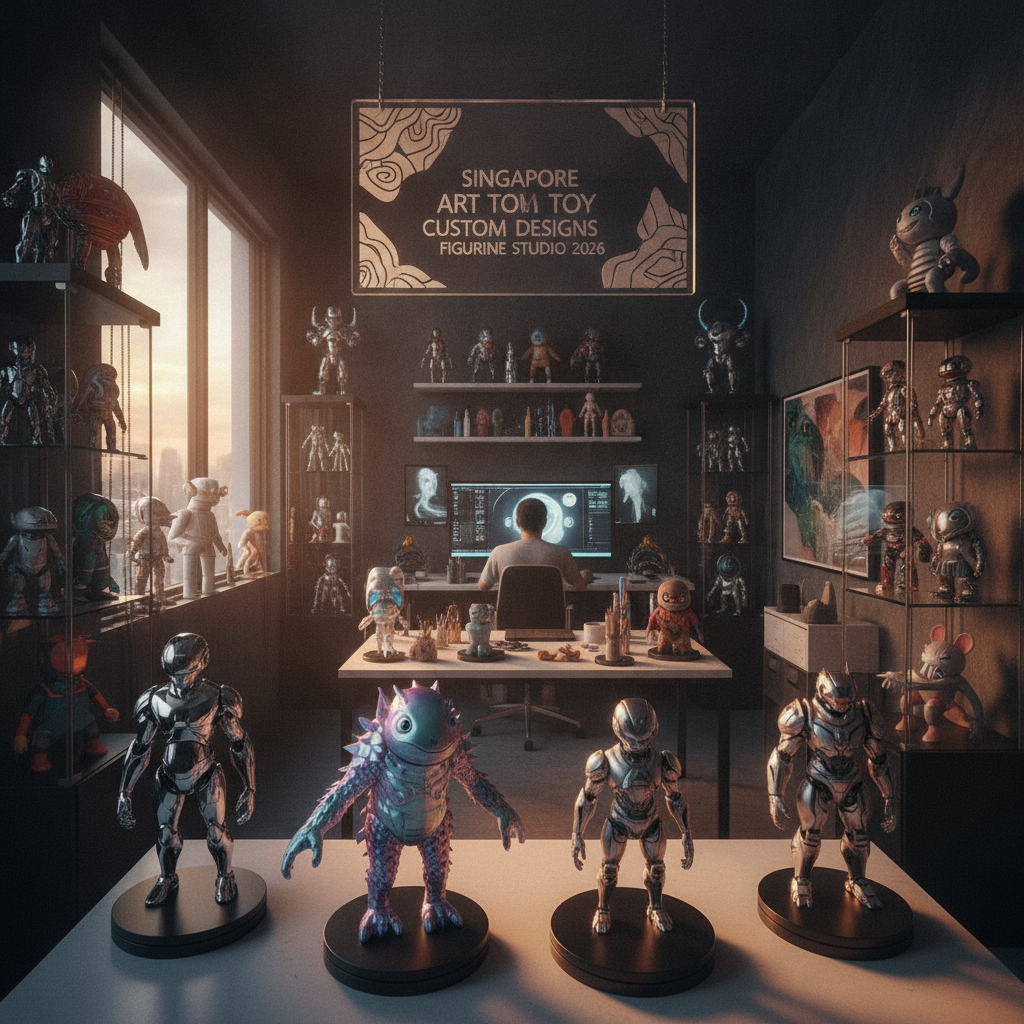


Understanding the fundamental differences between limited edition toys and mass production releases forms the cornerstone of intelligent collecting strategies that balance personal enjoyment with long-term value considerations. Production scale directly influences pricing, availability, appreciation potential, and collector perception in ways that extend far beyond simple supply and demand economics.
The art toy market operates on principles that blend traditional collectibles economics with contemporary art valuation methods, creating unique dynamics where scarcity, artistic merit, and cultural significance interact to determine both immediate pricing and long-term appreciation potential. Singapore’s sophisticated collector community demonstrates particular appreciation for these nuanced value factors.
Modern production technologies have blurred traditional boundaries between limited and mass production, with advanced manufacturing enabling small-batch precision previously impossible while digital design tools democratize creation processes that once required substantial capital investment. These technological shifts create new opportunities and challenges for both creators and collectors.
Limited edition production typically employs enhanced manufacturing techniques that prioritize quality over efficiency, enabling detail levels and finish quality that mass production economics cannot support. Hand-finishing, premium materials, and individual quality inspection create tangible differences that collectors recognize and value.
Small batch manufacturing allows for experimental techniques, custom tooling, and specialized processes that would be economically unfeasible for larger production runs. These unique approaches often result in distinctive characteristics that enhance collectibility while supporting premium pricing structures.
Artist involvement in limited production often extends beyond initial design to include production oversight, quality approval, and individual piece authentication that adds provenance value while ensuring artistic integrity throughout the manufacturing process.
Quality consistency within limited runs typically exceeds mass production standards due to closer oversight and smaller batch sizes that enable immediate correction of any issues that arise during production cycles.
Premium pricing for limited editions reflects not only production costs but also artificial scarcity creation that supports luxury positioning within art toy markets. This pricing strategy targets serious collectors willing to pay premiums for exclusivity and enhanced quality.
Immediate sellout expectations create urgency that drives rapid purchase decisions while establishing secondary market premiums that often exceed retail prices within hours or days of release. This dynamic rewards collectors who secure pieces at retail while creating investment appreciation.
Exclusive distribution channels, including artist direct sales, specialty retailers, and convention releases, enhance perceived value while controlling market availability in ways that support premium positioning and collector community development.
Investment potential analysis reveals that limited editions typically outperform mass production pieces in secondary markets, though individual results vary significantly based on artist reputation, cultural relevance, and execution quality.
The Singapore collector community particularly values limited editions that incorporate local cultural elements or commemorate significant events, creating regional premiums that reflect cultural significance beyond pure scarcity value.
Provenance documentation becomes crucial for limited edition value maintenance, with certificates of authenticity, numbered editions, and artist signatures providing verification that supports secondary market transactions and insurance valuations.
Condition sensitivity increases proportionally with edition size limitations, as damage or wear significantly impacts value when replacement opportunities are restricted. This sensitivity makes proper storage and display techniques essential for value preservation.
Cultural significance often develops around limited editions that capture specific moments, movements, or artistic developments within art toy culture. These pieces frequently become historical artifacts that represent their creation periods while maintaining contemporary relevance.
Network effects within collector communities create additional value through social recognition, trading opportunities, and community status that extends beyond simple financial appreciation to encompass cultural capital within specialized collecting circles.
Professional photography becomes particularly important for limited edition documentation, both for personal records and eventual resale marketing that maximizes realized returns when market timing favors liquidation.
Injection molding and other high-volume production techniques enable consistent quality and affordable pricing that makes art toys accessible to broader audiences while maintaining acceptable quality standards for casual collectors and gift purchasers.
Economies of scale allow mass production to achieve detail levels and finish quality that continuously improve as manufacturing technology advances, narrowing traditional quality gaps between limited and mass production categories.
Global distribution networks support mass production success through retail partnerships, online platforms, and international shipping that creates worldwide availability impossible for limited edition releases with restricted distribution channels.
Quality standardization ensures consistent results across large production runs while implementing cost-effective quality control measures that maintain acceptable standards without the individual attention possible in limited production.
Material selection for mass production typically emphasizes durability, safety compliance, and cost-effectiveness over premium characteristics, though advancing materials science continues improving available options within budget constraints.
Entry-level pricing makes mass production pieces ideal for new collectors, gift purchases, and casual fans who appreciate art toy aesthetics without requiring premium quality or exclusivity factors that drive limited edition premiums.
Retail availability through mainstream channels including toy stores, department stores, and online retailers creates discovery opportunities for consumers who might never encounter limited edition releases through specialized channels.
Series continuity enables ongoing character development and story progression that builds fan loyalty while creating collection completion motivations that drive repeated purchases across extended release schedules.
Child-friendly options often emerge from mass production lines that emphasize safety, durability, and play value alongside aesthetic appeal, expanding art toy culture to younger demographics while building future collector interest.
The comprehensive collecting guide principles apply equally to mass production pieces, where smart acquisition strategies can build impressive collections within modest budgets while developing expertise that informs future premium purchases.
Steady pricing provides predictable collection building costs while eliminating speculation pressure that can distort limited edition markets. This stability appeals to collectors seeking predictable hobby expenses and gradual collection development.
Selective appreciation occurs within mass production categories when specific pieces gain cult status, artist recognition develops, or cultural significance emerges that elevates individual items above their production category peers.
Nostalgia value development often favors mass production pieces that reached wider audiences and created shared cultural memories, sometimes generating appreciation that exceeds limited edition performance decades after initial release.
Regional market variations create opportunities for mass production pieces that achieve different reception levels across global markets, enabling informed collectors to identify undervalued pieces with appreciation potential.
Understanding different art toy materials helps collectors evaluate mass production quality and longevity prospects that affect long-term satisfaction and potential value retention.
Limited production enables artistic experimentation with unconventional materials, complex assemblies, and challenging manufacturing techniques that mass production economics cannot support. This freedom often results in innovative approaches that advance the medium.
Mass production constraints require design adaptation that considers manufacturing limitations, safety requirements, and cost targets while maintaining artistic integrity. These challenges often inspire creative solutions that benefit both categories.
Collaborative relationships between artists and manufacturers vary significantly between production methods, with limited editions typically allowing greater artist control while mass production requires compromise and adaptation to industrial requirements.
Custom figurine design processes benefit from understanding both production methods, enabling creators to optimize designs for intended production scales while maintaining artistic vision and market viability.
Artist reputation development often begins with limited edition work that establishes creative credentials before transitioning to mass production opportunities that provide broader exposure and financial stability.
Limited editions frequently serve as vehicles for social commentary, cultural critique, or artistic statements that might face resistance in mass market contexts due to commercial considerations and broader audience sensitivities.
Mass production pieces often reflect mainstream cultural trends and safe aesthetic choices that appeal to diverse audiences while avoiding controversial themes that could limit market acceptance or retail distribution.
Educational value varies between production methods, with limited editions often requiring collector knowledge and cultural literacy while mass production pieces typically emphasize immediate visual appeal and accessibility.
Cross-cultural adaptation becomes particularly relevant for mass production intended for global markets, requiring sensitivity to diverse cultural contexts while maintaining coherent artistic vision.
The art of storytelling through designer toys demonstrates different approaches across production scales, from intimate narratives in limited pieces to broad appeals in mass market releases.
Urgency creation through limited availability triggers fear-of-missing-out responses that drive immediate purchase decisions, often without the careful consideration that characterizes mass production purchases.
Value perception differs significantly between categories, with limited edition buyers often focusing on exclusivity and investment potential while mass production purchasers emphasize affordability and immediate gratification.
Community validation through ownership of rare pieces provides social rewards within collector circles that mass production pieces typically cannot offer, creating additional motivations beyond simple aesthetic appreciation.
Research behavior varies between categories, with limited edition purchases often requiring rapid decision-making based on limited information while mass production allows extended comparison shopping and review consultation.
Budget allocation strategies must account for different risk-reward profiles between categories, with limited editions requiring larger individual investments while mass production enables diversified collecting approaches.
Resale value trajectories typically favor limited editions due to controlled supply and potential demand growth, though exceptional mass production pieces occasionally outperform due to unexpected cultural significance or nostalgia factors.
Authentication challenges increase with value and scarcity, making limited edition verification more critical while mass production pieces face fewer counterfeiting pressures due to lower profit margins.
Market liquidity varies dramatically, with popular limited editions often finding ready buyers while mass production secondary markets may require patience or below-retail pricing for successful sales.
International market access affects both categories differently, with limited editions often commanding premiums in markets where they were unavailable while mass production pieces face global competition that limits regional price variations.
Professional display techniques become increasingly important for limited edition pieces where presentation quality affects perceived value and resale potential more significantly than mass production alternatives.
3D printing technology continues blurring production scale boundaries by enabling limited edition quality at reduced setup costs while maintaining customization possibilities that challenge traditional manufacturing categories.
On-demand production models may eliminate inventory risks while enabling hybrid approaches that combine limited edition exclusivity with mass production efficiency through pre-order systems and direct-to-consumer fulfillment.
Sustainable manufacturing practices increasingly influence production decisions across all scales, potentially creating new value categories based on environmental impact rather than traditional scarcity or volume considerations.
Digital integration features may become standard across production scales while creating new differentiation opportunities through enhanced functionality, authentication methods, or interactive experiences.
Blockchain technology applications could revolutionize authenticity verification and ownership tracking across all production categories while reducing fraud risks that currently affect high-value limited edition markets.
Generational shifts in collecting preferences may alter traditional value hierarchies as younger collectors potentially prioritize different factors including sustainability, digital integration, and cultural relevance over pure scarcity considerations.
Global market expansion continues creating new opportunities for both production categories while potentially homogenizing regional preferences that currently support diverse value propositions across different cultural contexts.
Economic factors including inflation, disposable income changes, and competing entertainment options will likely affect both categories differently while potentially shifting collector preferences between exclusivity and accessibility.
Cultural democratization through social media and online communities may reduce the social capital value of limited edition ownership while emphasizing artistic merit and personal satisfaction over exclusivity factors.
A: Not necessarily. While limited editions typically show stronger appreciation, exceptional mass production pieces occasionally outperform due to cultural significance or nostalgia value. Investment success depends more on artist reputation, cultural relevance, and timing than production method alone.
A: Verify through official sources including artist websites, authorized retailers, and manufacturer announcements. Look for numbered certificates, official packaging, and consistent information across multiple sources. Be wary of artificially created scarcity or misleading marketing claims.
A: Begin with quality mass production pieces to develop knowledge and preferences without major financial risk. Gradually transition to limited editions as expertise grows and budget allows. This approach builds collecting skills while minimizing expensive mistakes during the learning process.
A: Yes, particularly pieces that gain cultural significance, feature breakthrough artists, or become discontinued classics. Examples include early Pop! figures, certain Kidrobot series, and pieces that defined specific movements within art toy culture. Research and patience can identify promising candidates.