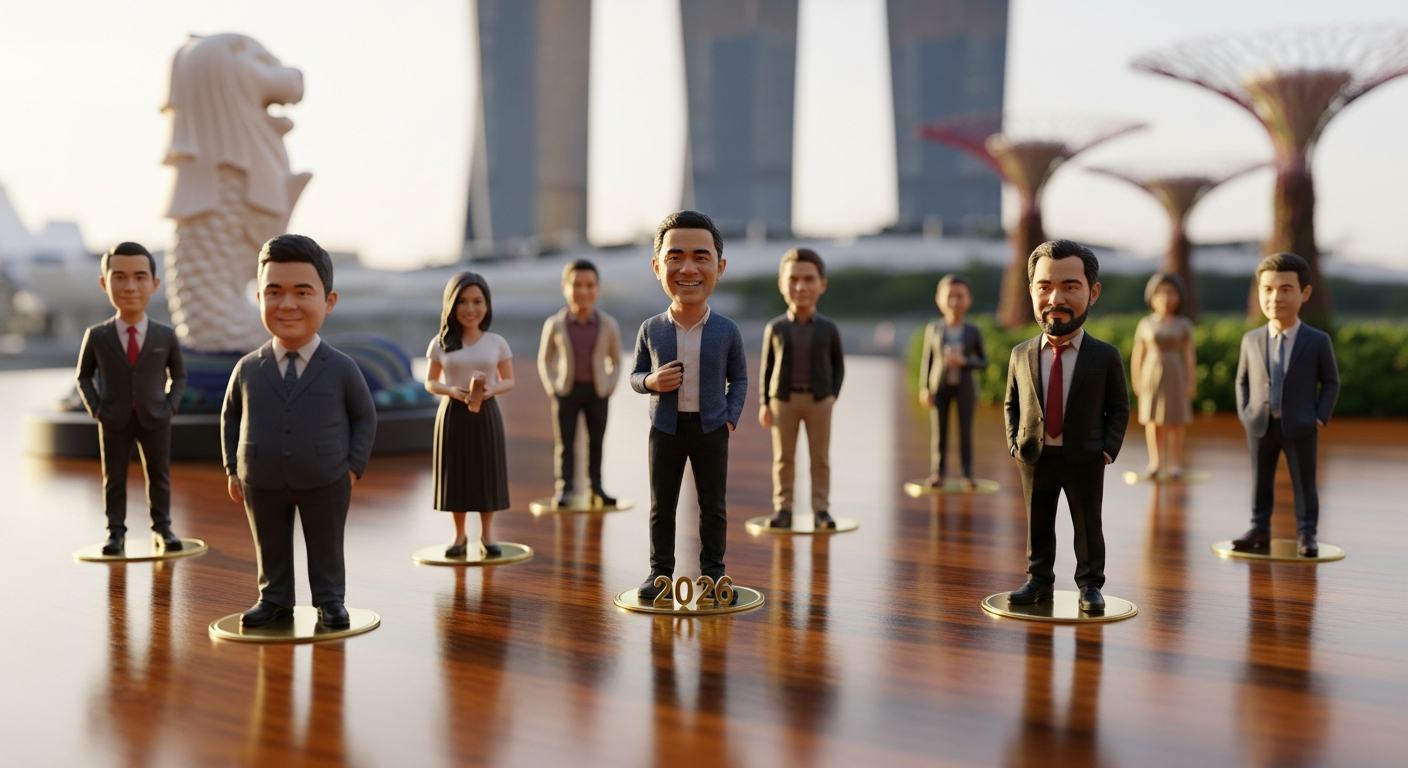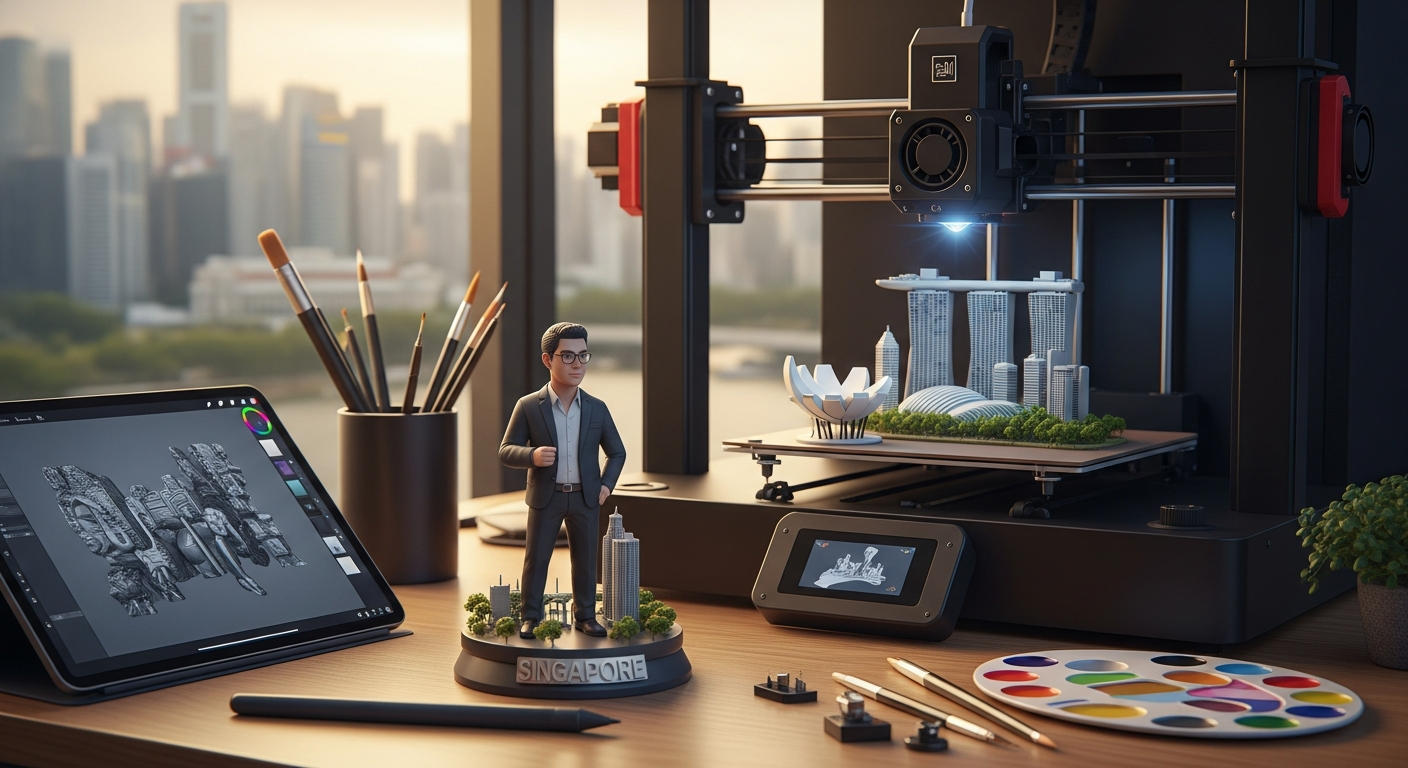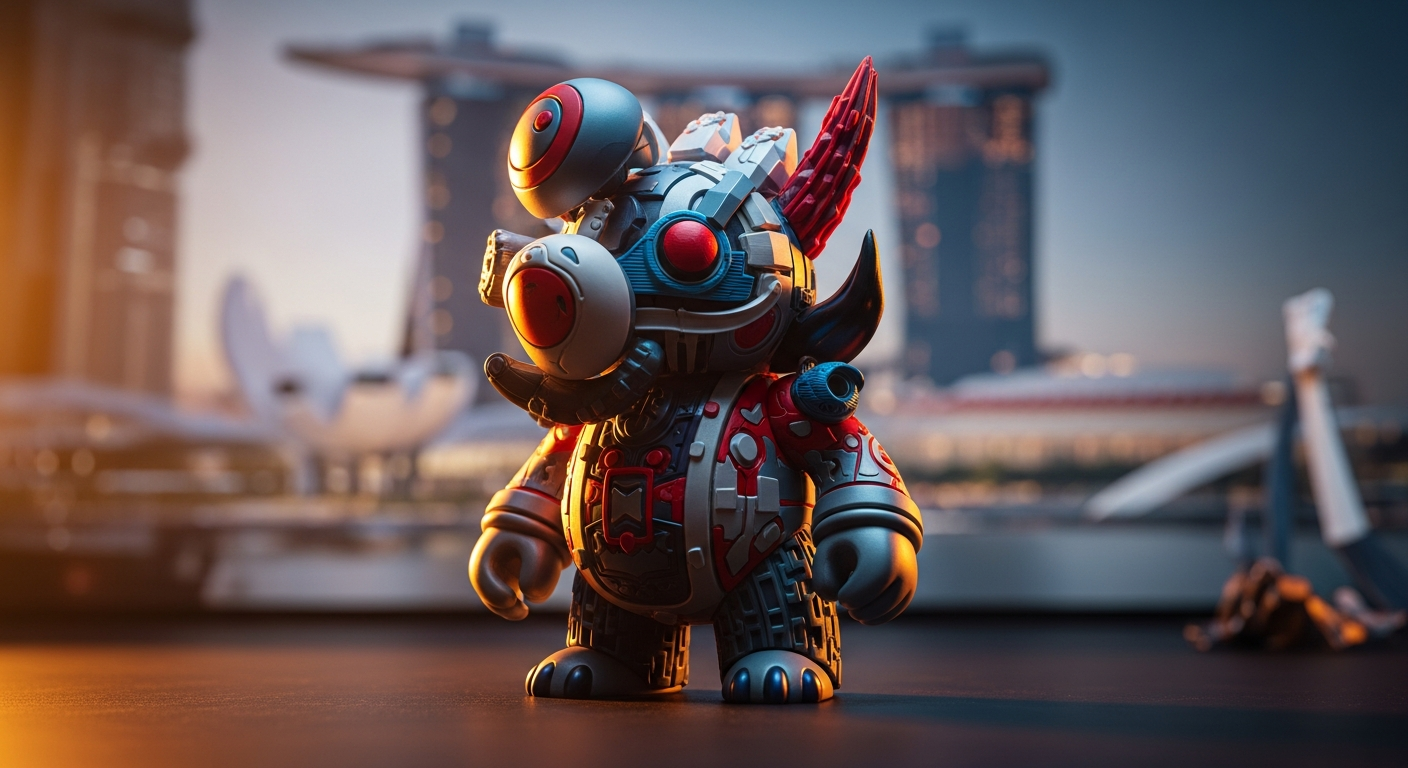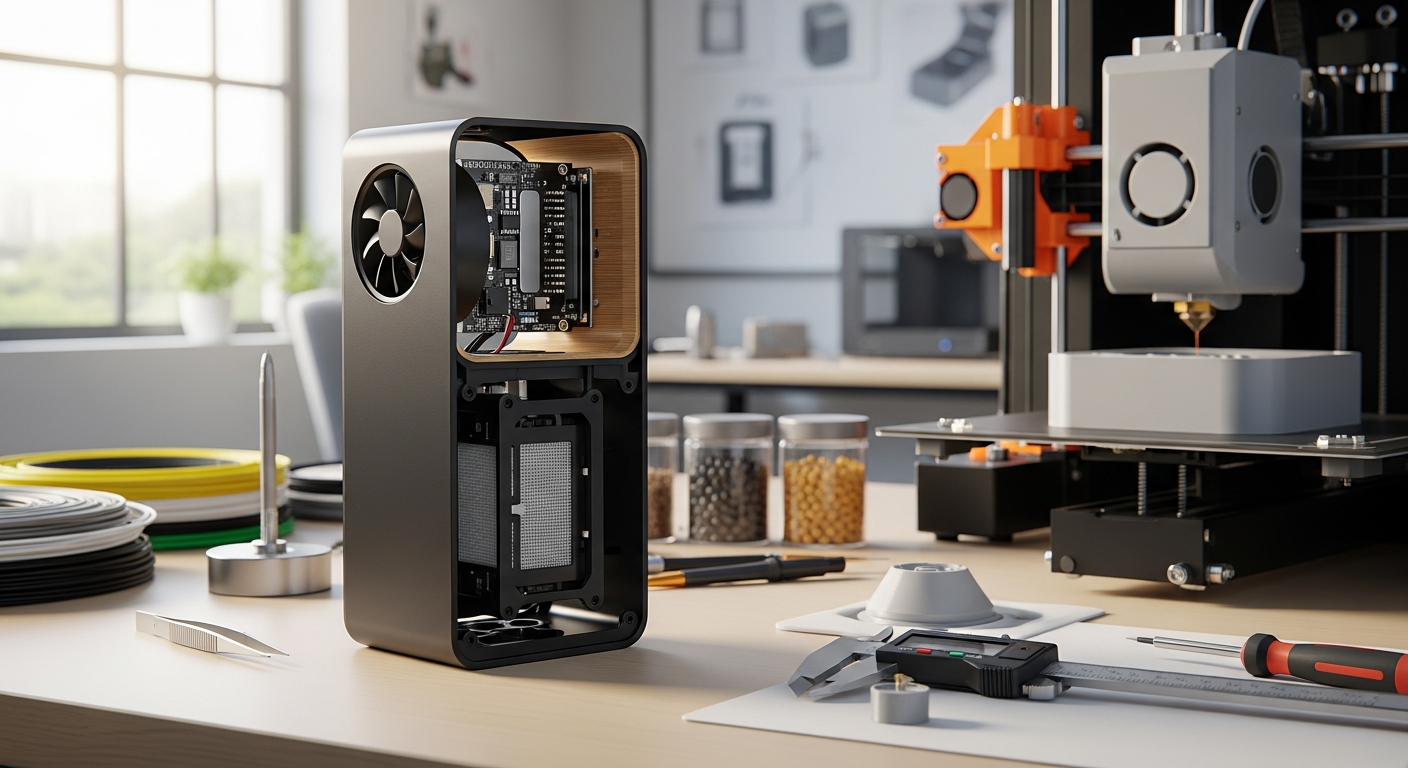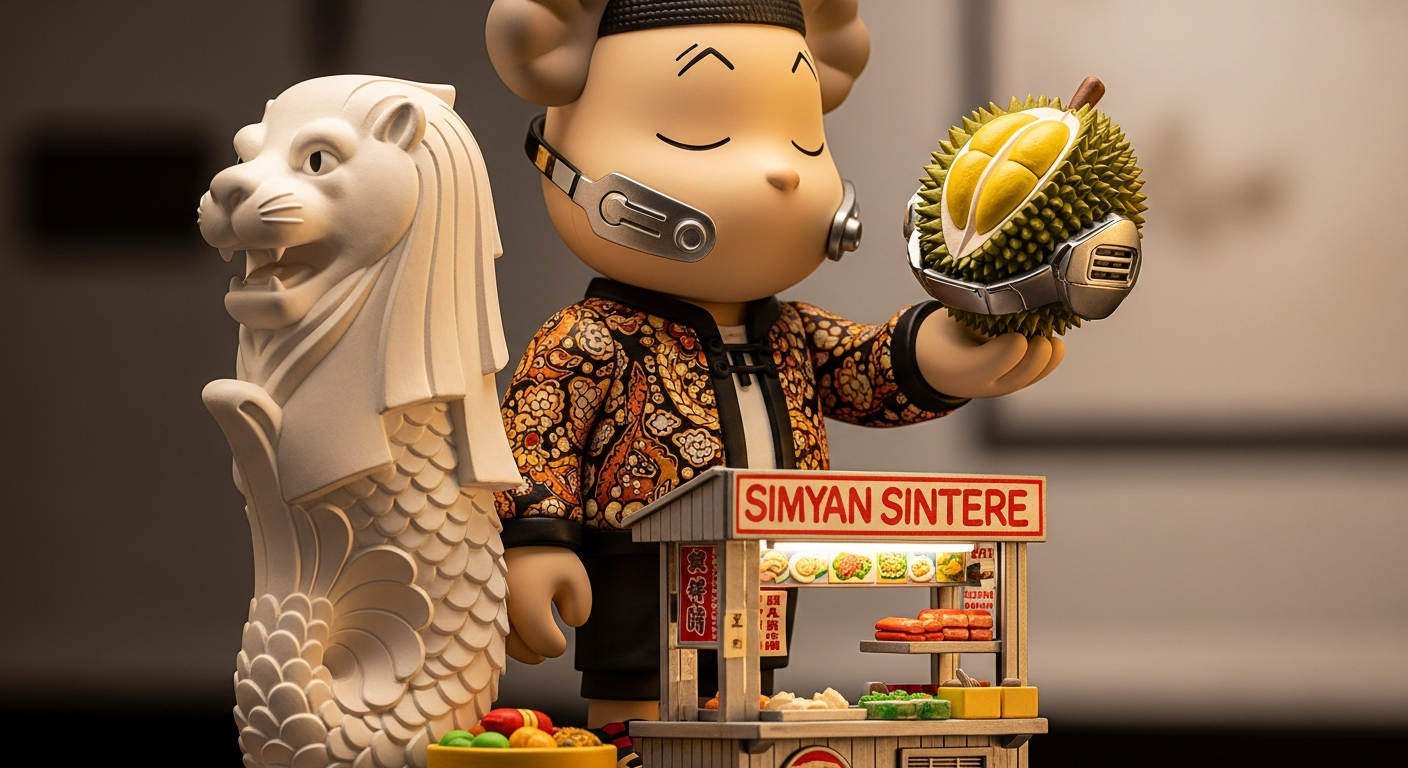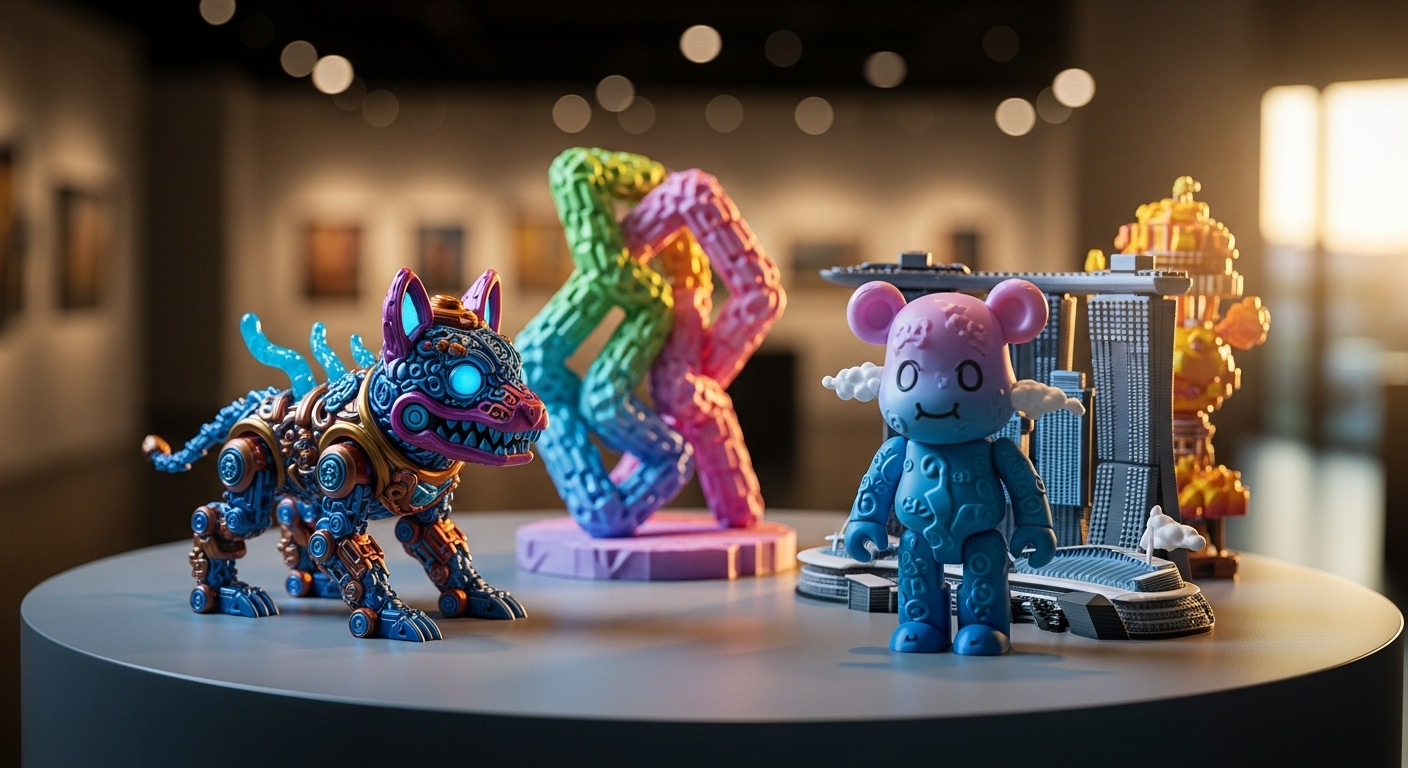
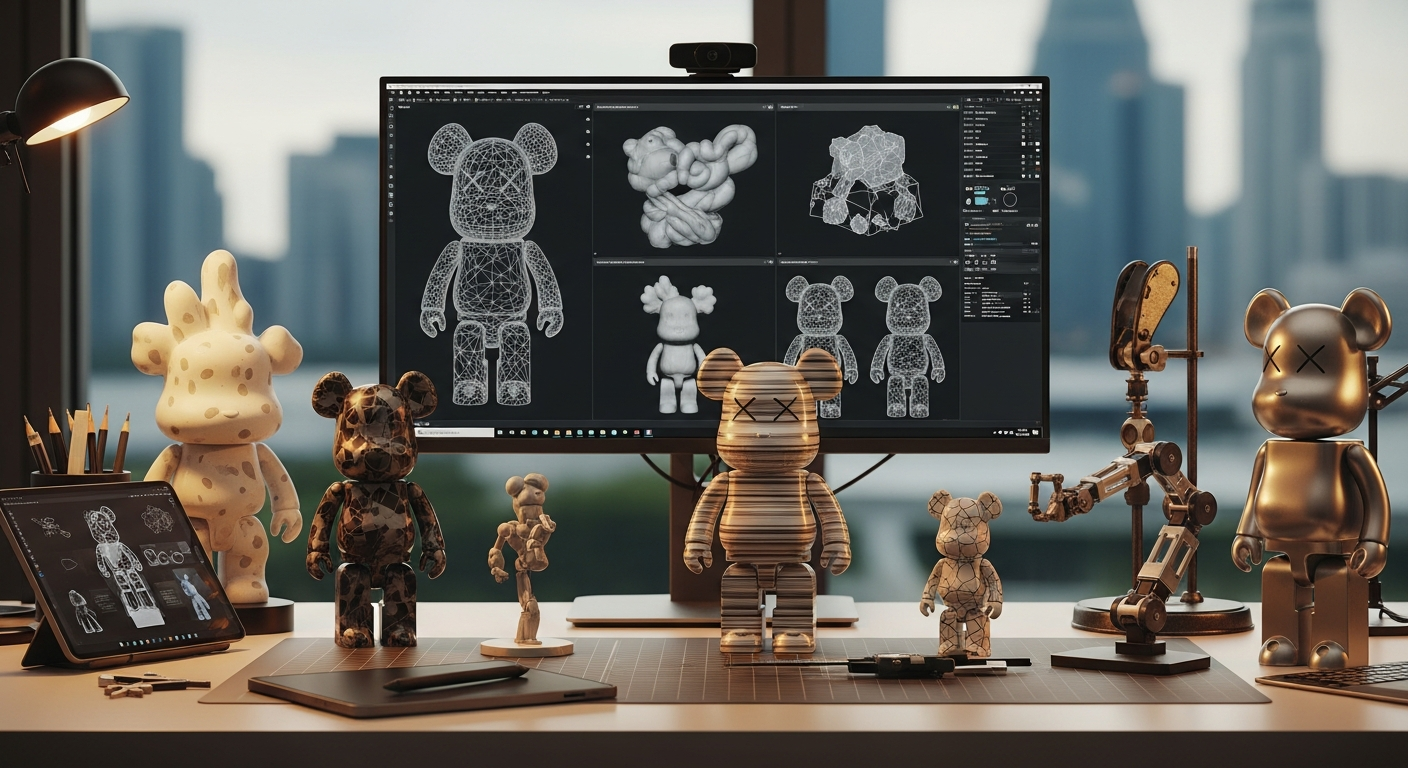

In 2025, art toys are no longer niche curiosities; they are a visible intersection of design, street culture, and collectible markets. Singapore’s compact creative ecosystem and strong logistics network make it an ideal base for designers and small studios producing limited-run art toys. Advances in full-color 3D printing have lowered the barrier to producing richly detailed, ready-to-display figures that previously required expensive hand-painting or labor-intensive finishing.
Full-color 3D printing allows artists to capture gradients, textures and photographic detail directly on the printed part. This cuts weeks from traditional workflows and removes a sizeable portion of manual labor. For art toys—where color, surface effect and tight graphic registration are central to a piece’s appeal—full-color output means prototypes and production items look closer to the original concept from the first batch.
This capability is particularly valuable when working with limited runs or collaborative drops. Rather than spending time and money on outsourced painting, creators can iterate faster and maintain more consistent color across sets. Designers looking for a reliable 3D printing service Singapore partner find this technology attractive for both prototyping and small-batch manufacturing.
Each technology has trade-offs in durability, finish and price. When choosing a provider, ask to see physical samples and color chips—digital images can hide differences in finish and saturation.
Selecting a 3d printing service singapore for art toys involves evaluating several practical and creative criteria:
A strong local partner can also help navigate import/export, customs and local promotional events. Connecting with a trusted local 3D printing studio simplifies logistics and shortens feedback loops during design iteration.
Material choice affects cost, longevity and perceived value. Common choices for art toys include:
Post-processing can dramatically improve perceived value: priming and UV-resistant clear coats increase longevity, while selective matte or gloss finishes enhance visual contrast. Many studios now mix digital print with hand-applied elements—metallic leaf, spot varnish or fabric accessories—to create hybrid premium releases.
Designers who want a managed path from concept to market often engage a specialist to turn files into print-ready assets for custom art toys.
Full-color processes can range from economical to premium depending on size, resolution and finish. Typical considerations:
For limited editions, many creators accept a slightly higher unit price in exchange for rapid turnaround, strong color fidelity and tighter QC. Localized production is also advantageous for time-sensitive releases tied to events or store launches.
By 2025, sustainability is a major differentiator. Designers and buyers increasingly expect eco-conscious choices: recyclable materials, reduced packaging, and on-demand production to avoid overstock. Some providers offer recycled nylon and solvent-free post-processing; others provide take-back programs for end-of-life toys.
Choosing local production reduces transport emissions and provides opportunities for tighter QC and waste reduction. If sustainability matters to your collector base, require material disclosure and ask potential partners about recyclability and waste handling.
These trends make it essential to select a partner that understands both the creative and business sides of art toys. Search terms like full-color 3D printing and local studio portfolios will reveal partners that balance craft and scalability.
Start by compiling a clear brief: desired size, color fidelity, functional requirements (joints, magnets), target run size, and budget. Request physical samples and a color proof for the intended finish before approving a production run. Engage early with your provider to discuss file preparation, assembly options and packaging constraints—this reduces surprises and shortens time-to-market.
A reliable relationship with a 3D print partner empowers designers to focus on storytelling and brand building rather than manual finishing. For creators in Singapore and the region, working with a trusted 3D printing service Singapore means faster iterations and access to the latest full-color capabilities. When executed well, full-color 3D printing transforms concepts into collectible art toys that hold their value and delight collectors.
Start with one carefully planned prototype, secure a clear color proof, and scale thoughtfully—this approach balances creativity, cost and collector expectations while leveraging the best of 2025’s 3D printing advances.