Why eco 3D printing matters for art toys in 2025
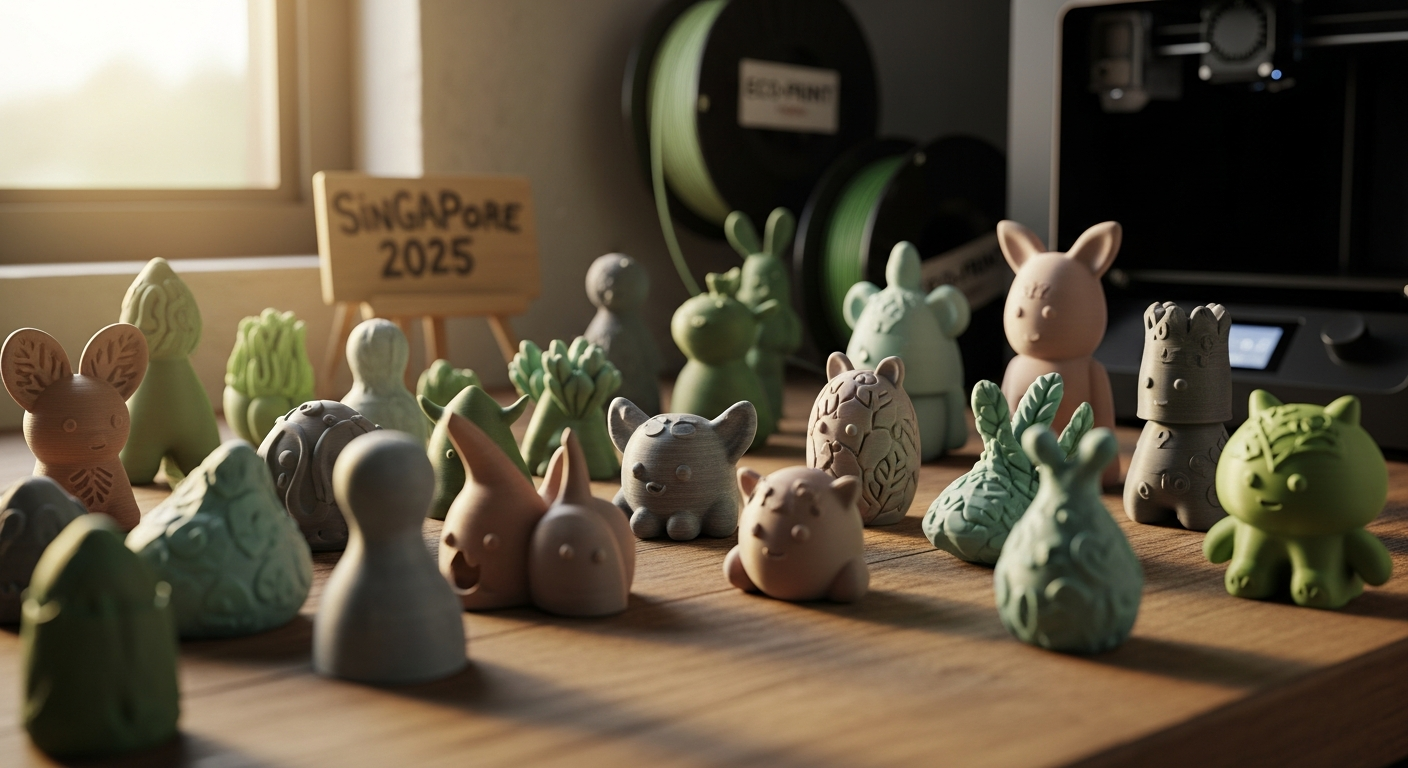
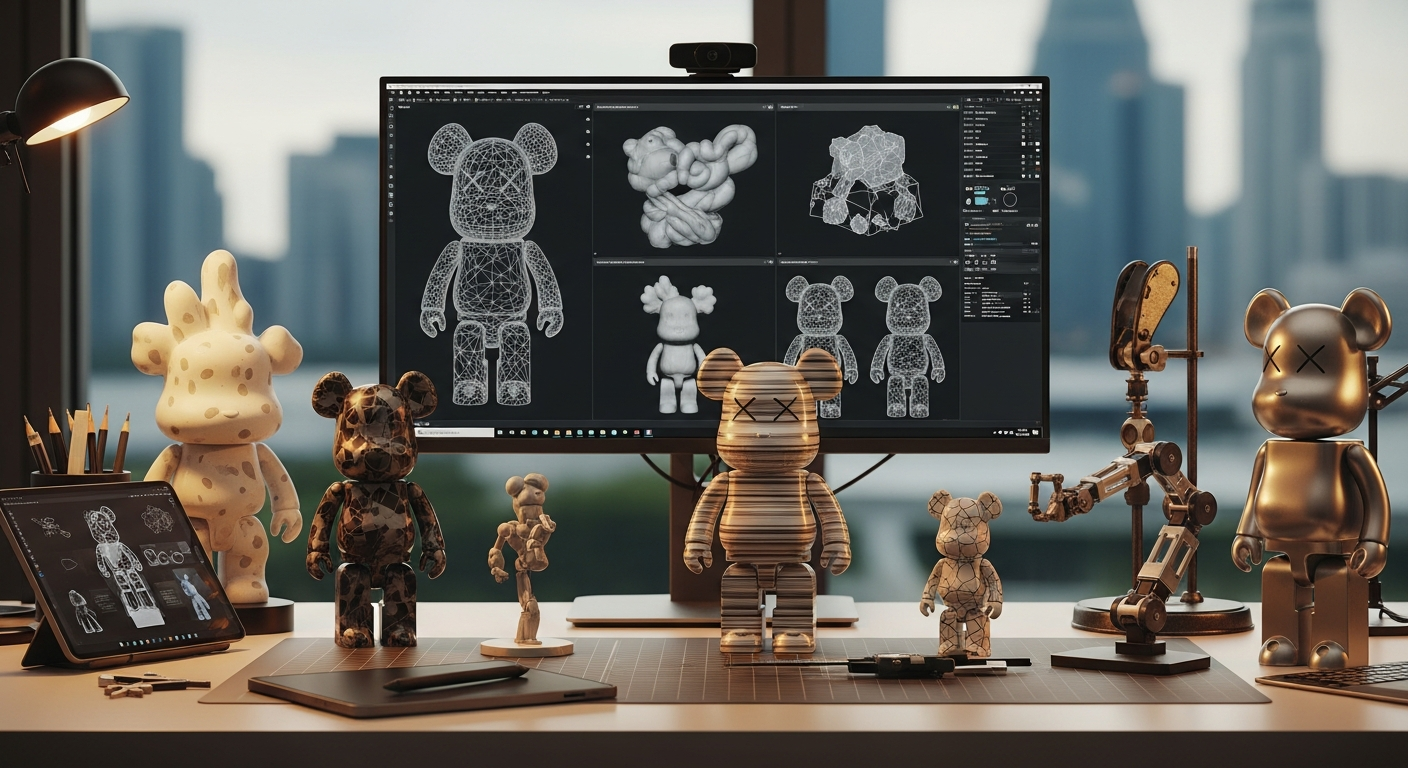
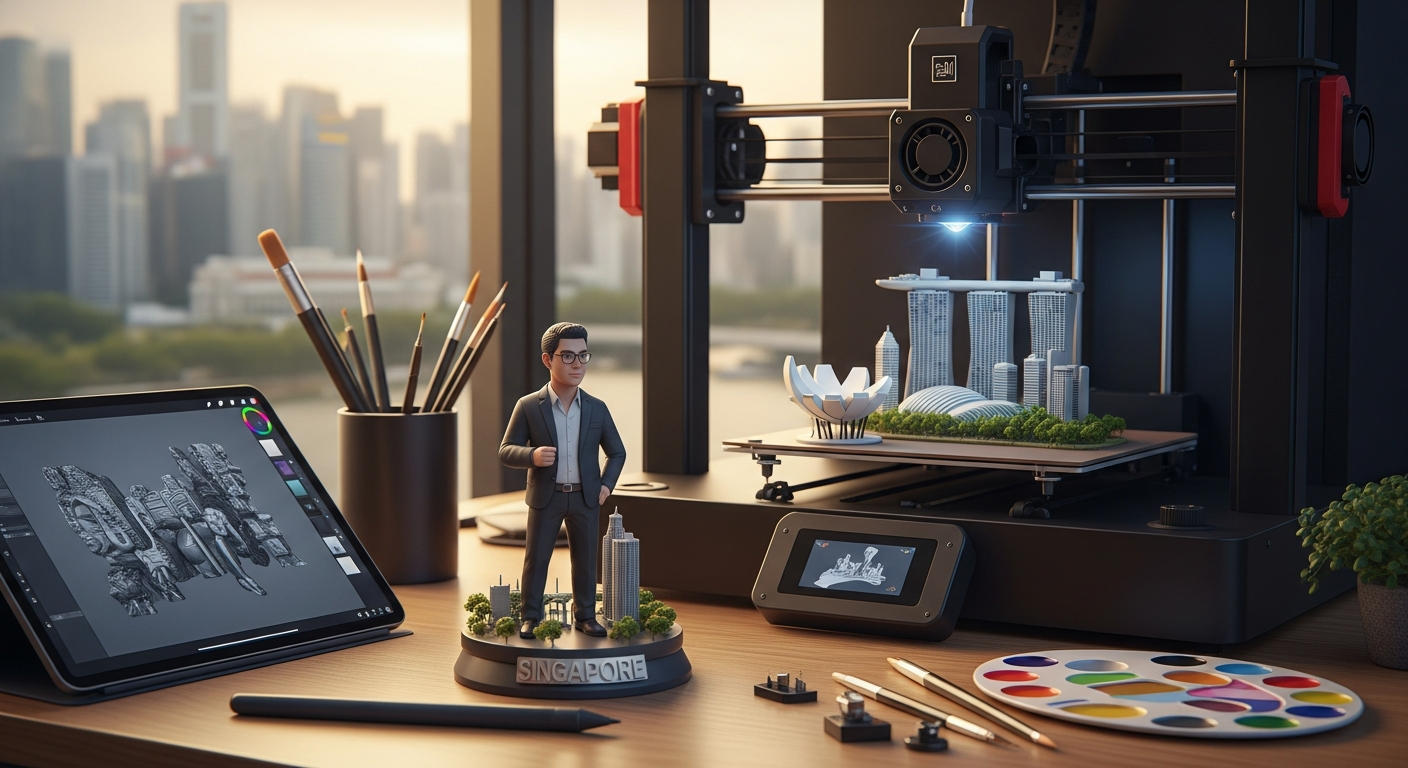
Collectible art toys are no longer just about aesthetics — collectors and creators in 2025 expect sustainability, traceability and local manufacturing. Combining creative design with responsible material choices and efficient workflows reduces environmental impact while preserving the detail and vibrancy that make art toys special. This article shows how to choose an eco 3d printing service singapore, pick sustainable materials, and optimize designs for minimal waste and maximum collectible appeal.
The sustainability trends reshaping art toys
- Circular materials: Recycled and bio-based filaments and resins are increasingly available. From recycled PETG to plant-derived PLA blends and bio-resins, these options cut raw-plastic demand and support circular supply chains.
- Low-waste production: On-demand, small-batch runs and localized production reduce inventory waste and transport emissions. Many studios now combine preorder drops and limited editions to match supply with real demand.
- Responsible post-processing: Water-based paints, biodegradable supports like PVA, and solvent recovery systems are becoming standard in eco-conscious shops.
- Transparency and certifications: Buyers look for studios that can show material sources, recycling programs and environmental management systems such as ISO 14001 or equivalent practices.
These shifts make it easier for toy designers to align aesthetics with responsible manufacturing without sacrificing finish quality.
Which printing technologies suit art toys — and which are greener?
-
SLA/DLP (resin-based): Best for super-fine detail and smooth surfaces — ideal for premium designer toys. The environmental caveat is resin handling and disposal. Choose studios that use eco or bio-resins, have resin-recovery workflows, and use IPA recycling or alternative cleaning methods.
-
SLS/MJF (powder bed fusion): Great for durable, complex shapes with minimal support structures. Powder recycling and efficient use of material make these options relatively low-waste when managed correctly.
-
FDM (filament extrusion): Cost-effective and widely accessible. Using recycled or bio-based filaments such as recycled PETG or PLA reduces footprint, and waste is minimized with smart nesting and hollowing strategies.
When vetting a 3d printing service singapore, ask which technologies they run, how they manage material recovery, and whether they offer eco-friendly material options. For a one-stop link to local service information, see 3d printing service singapore.
Eco-friendly materials that work for art toys
- Recycled PETG: Strong, glossy and suitable for durable toys. Recycled PETG lowers demand for virgin plastics and offers good post-processing options.
- Recycled or bio-PLA: Great for display pieces and non-load-bearing toys. PLA is biodegradable in industrial composting and has a lower carbon footprint compared with many petroleum-based plastics.
- Bio-resins and plant-based resins: Newer formulations deliver fine detail for resin prints while reducing fossil feedstocks. Confirm cure properties and long-term stability for collectible items.
- Water-based paints and sealants: Essential for finishing while minimizing volatile organic compounds (VOCs).
If you want suppliers who support sustainable materials and finishing, check services that advertise eco practices such as sustainable materials.
Design-for-sustainability: practical tips for art toy creators
- Hollow smartly: Hollowing large parts reduces material use and weight, but maintain adequate wall thickness and internal ribs for structural integrity.
- Use escape holes: For hollow resin and SLS prints, include escape holes to remove uncured resin or loose powder efficiently.
- Modular designs: Break toys into snap-fit modules to simplify printing orientation, reduce supports, and allow repairs or part replacement.
- Orient to minimize supports: Support structures increase material use and post-processing. Orient parts to lower support area without compromising surface quality in visible zones.
- Optimize infill and shell thickness: For FDM, a combination of lower infill, reinforced shells, and internal lattices gives strength with less material.
Following these strategies helps creators reduce waste and printing time while retaining the look and feel collectors expect.
Post-processing and finishing with a green footprint
- Resin handling and recycling: Confirm that the provider uses closed-loop IPA filtration or alternative cleaning methods and safely disposes of waste resin.
- Use water-based primers and paints: They reduce VOC emissions and are gentler on artists and the environment.
- Mechanical finishing over chemical smoothing: Where possible, choose sanding and polishing instead of solvent-based vapor smoothing. If vapor smoothing is necessary, ask about solvent recycling systems.
- Reuse and recycle support materials: Some FDM supports (like certain breakaway materials) can be reclaimed and recycled; inquire about onsite recycling programs.
If consistent eco finishing is a priority, partner with a studio experienced in sustainable post-processing — many local firms list that as a service, including options for custom art toys.
Choosing the right eco 3d printing service in Singapore
Checklist when evaluating providers:
- Material transparency: Do they publish or disclose material datasheets and origins?
- Waste management: Do they recycle powders, filaments and solvents? Do they have a take-back or recycling program for failed prints?
- Energy and local production: Are prints manufactured locally in Singapore to reduce shipping emissions? Do they use energy-efficient printers or renewable energy sources?
- Certifications and reporting: Can they provide environmental policies or certifications (internal or third-party)?
- Portfolio and finishing: Do they have experience with collectible art toys and the finishing quality you need?
Ask for a sample run, material swatches and a breakdown of expected waste and lead times. Many creators find it useful to start with a small prototype batch to verify finish and eco claims.
For a practical example of a local partner-oriented approach, explore options under eco 3d printing.
Business strategies for sustainable toy drops in 2025
- Preorder and limited drops: Reduces unsold inventory and aligns production with demand.
- Community involvement: Co-design runs with collectors to secure demand and reduce speculative production.
- Repair and spare parts: Offer replacement parts instead of full-unit replacements to extend product lifespans.
- Transparency in lifecycle: Share an item’s materials, expected longevity, and end-of-life options so buyers can make informed decisions.
These strategies not only lower environmental impact but also build trust and long-term value for your brand.
Quick technical checklist before you send a print job
- Confirm final part orientation and support strategy.
- Validate wall thickness, tolerances and snap-fit clearances.
- Request a material datasheet and proof of recycling/workflow for the chosen material.
- Ask about post-processing steps, expected surface finish, and painting compatibility.
- Get a waste estimate and ask how failed prints are handled.
A clear brief speeds production and reduces reprints, saving time, money and material.
Closing: combining craft and conscience
Art toys in 2025 are as much statements about creativity as they are about values. Choosing an eco 3d printing service singapore and designing with sustainability in mind improves brand reputation, reduces environmental impact, and often delivers cost efficiencies through smarter production. Whether you are producing limited-run collectibles or planning a small production line, applying these materials, process and design principles will help you make beautiful toys that collectors love — and the planet thanks you for.
For resources, partner recommendations and further services tailored to art toy production, see art toys.