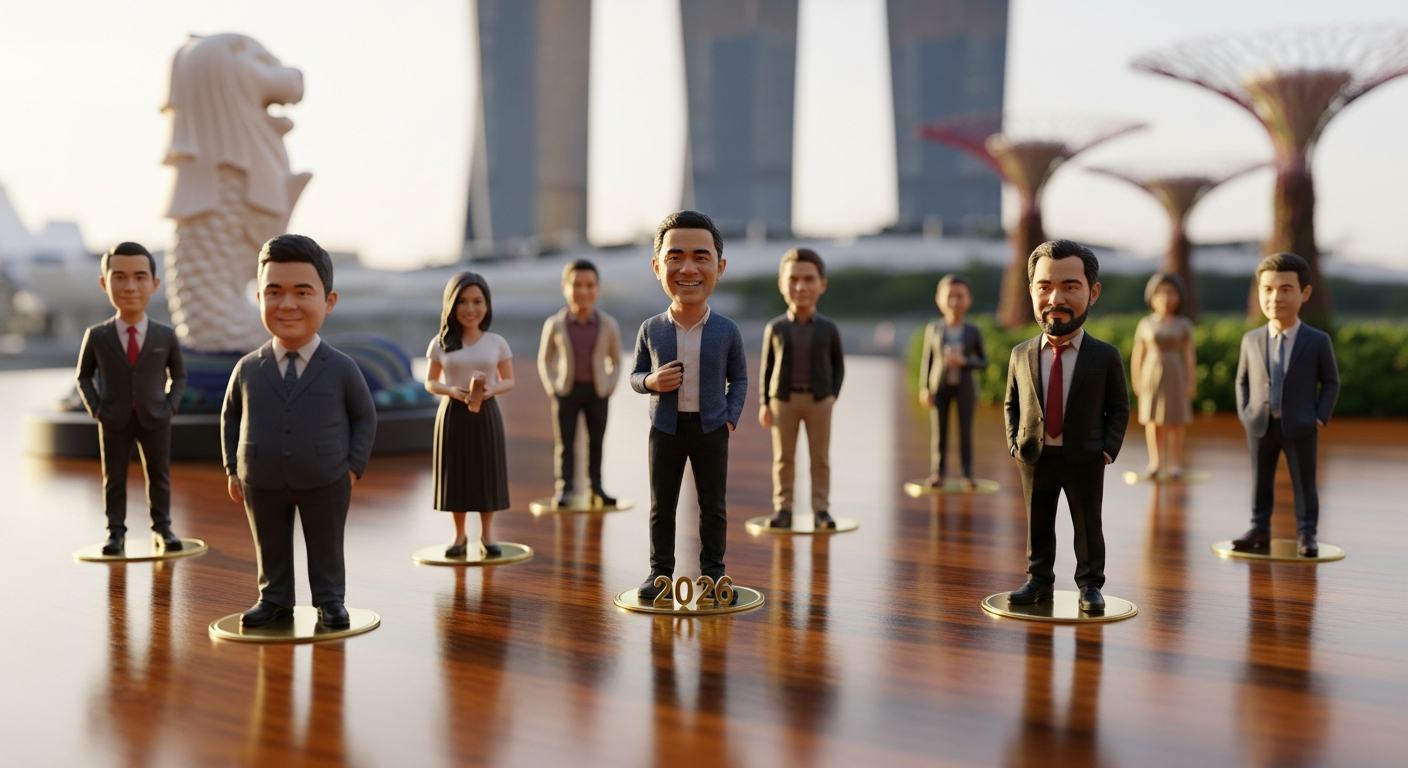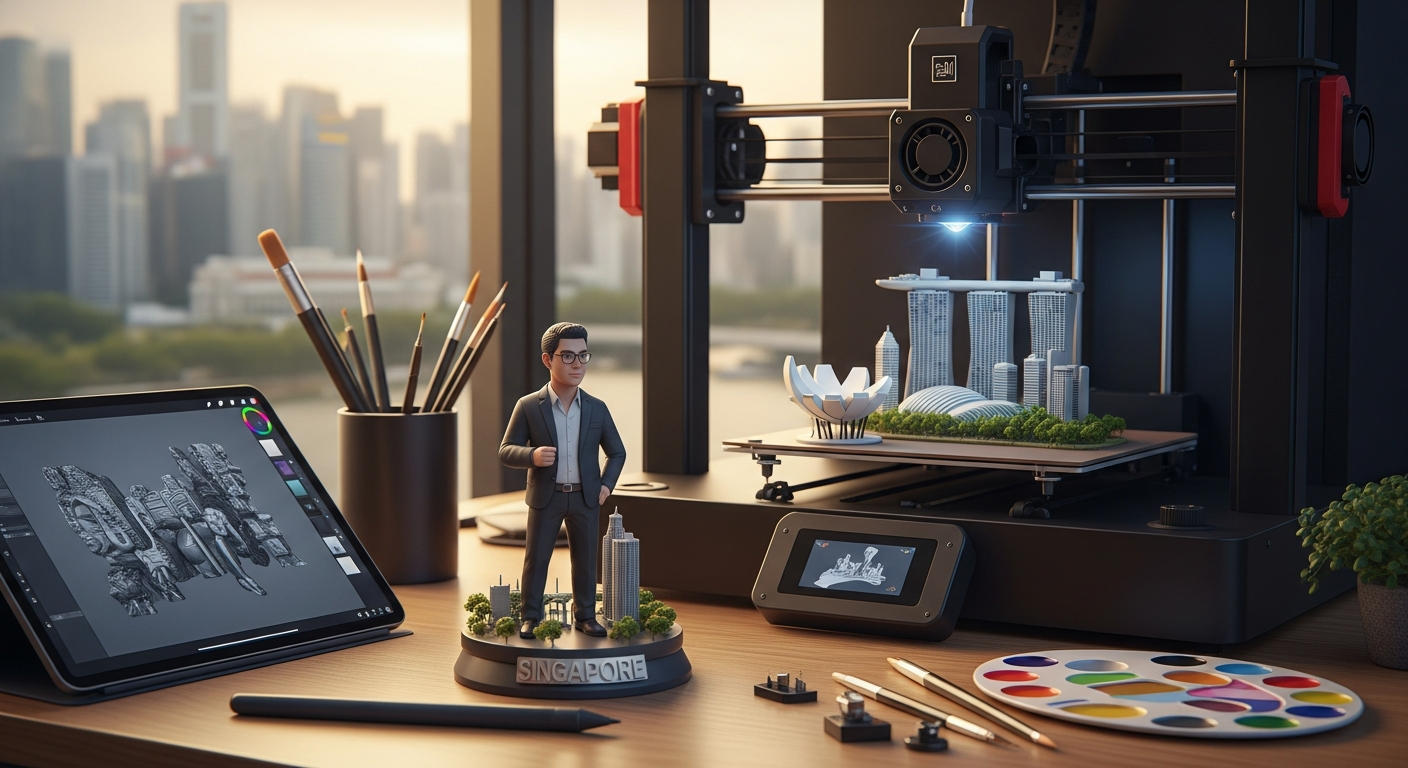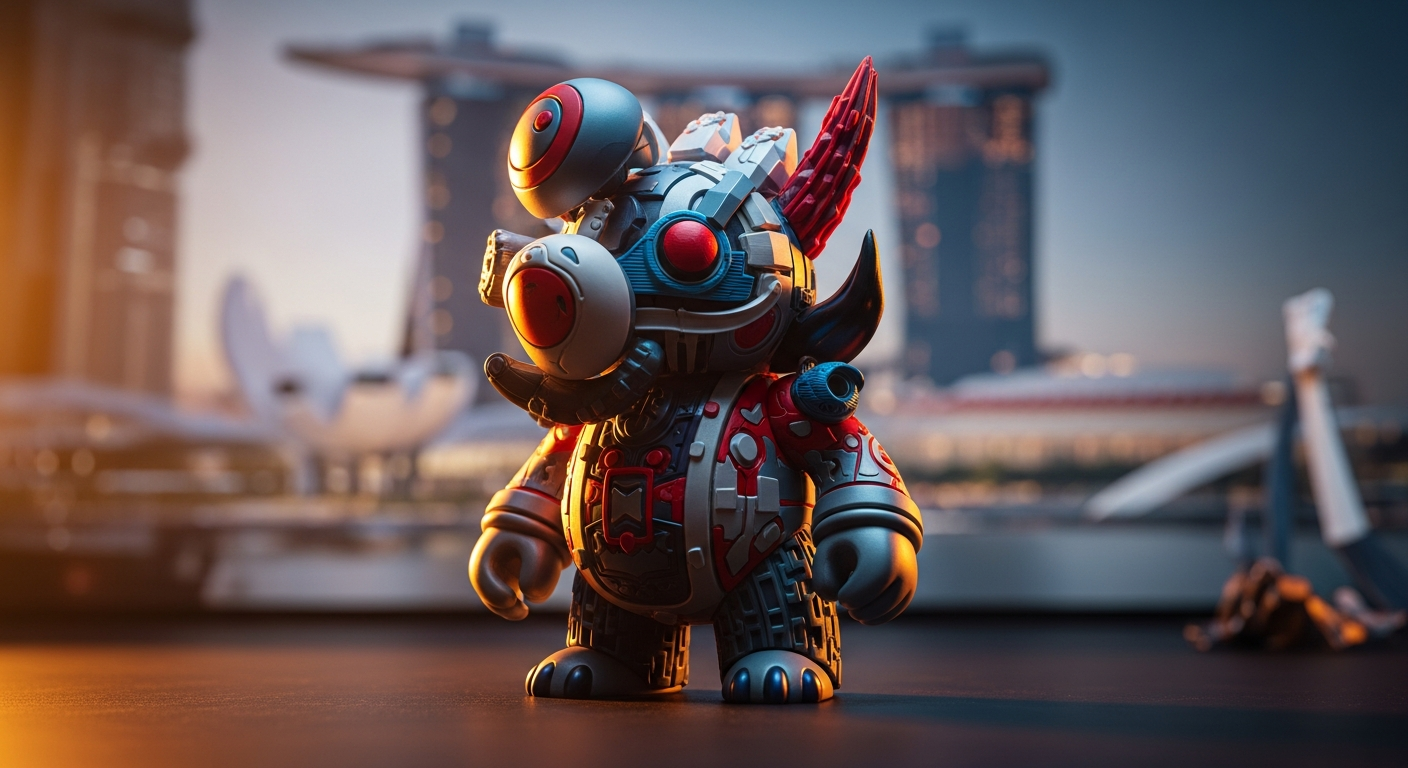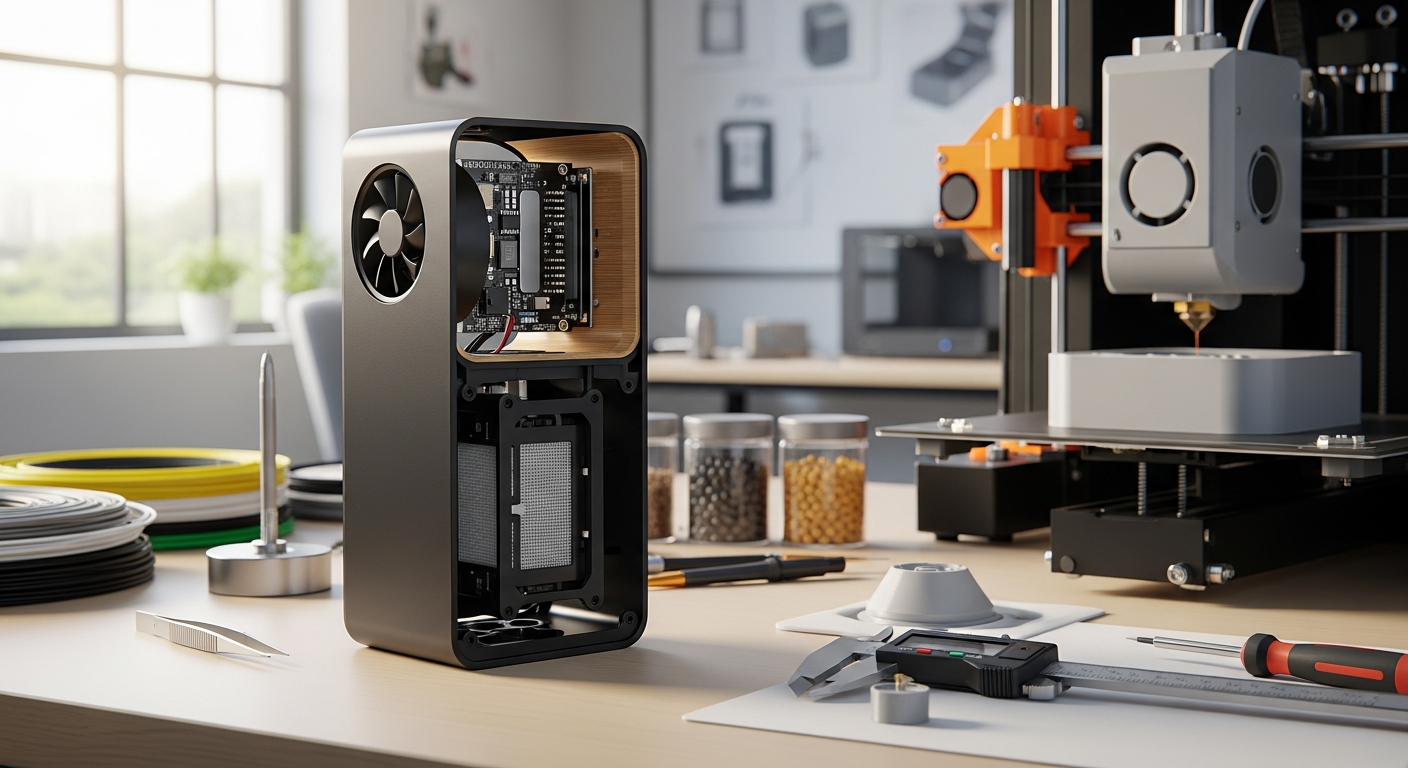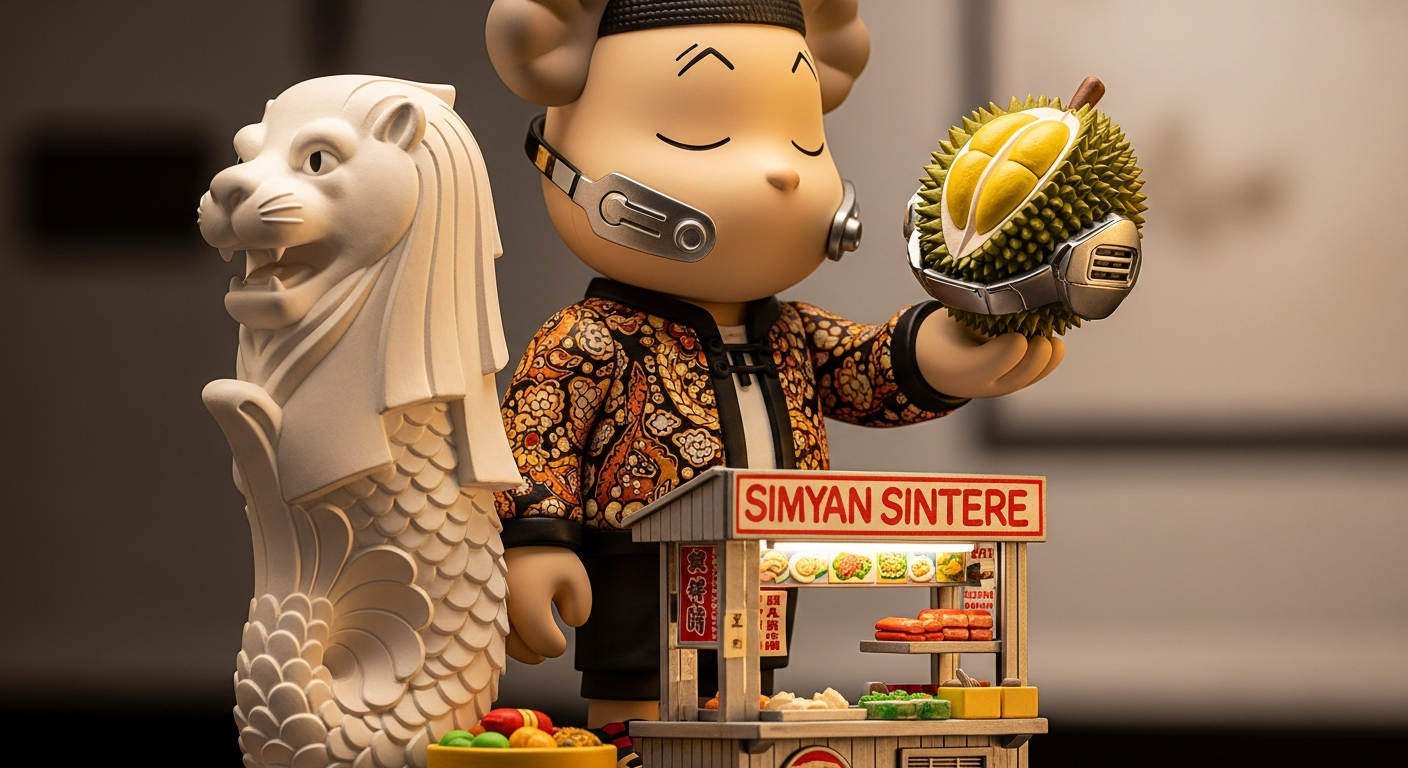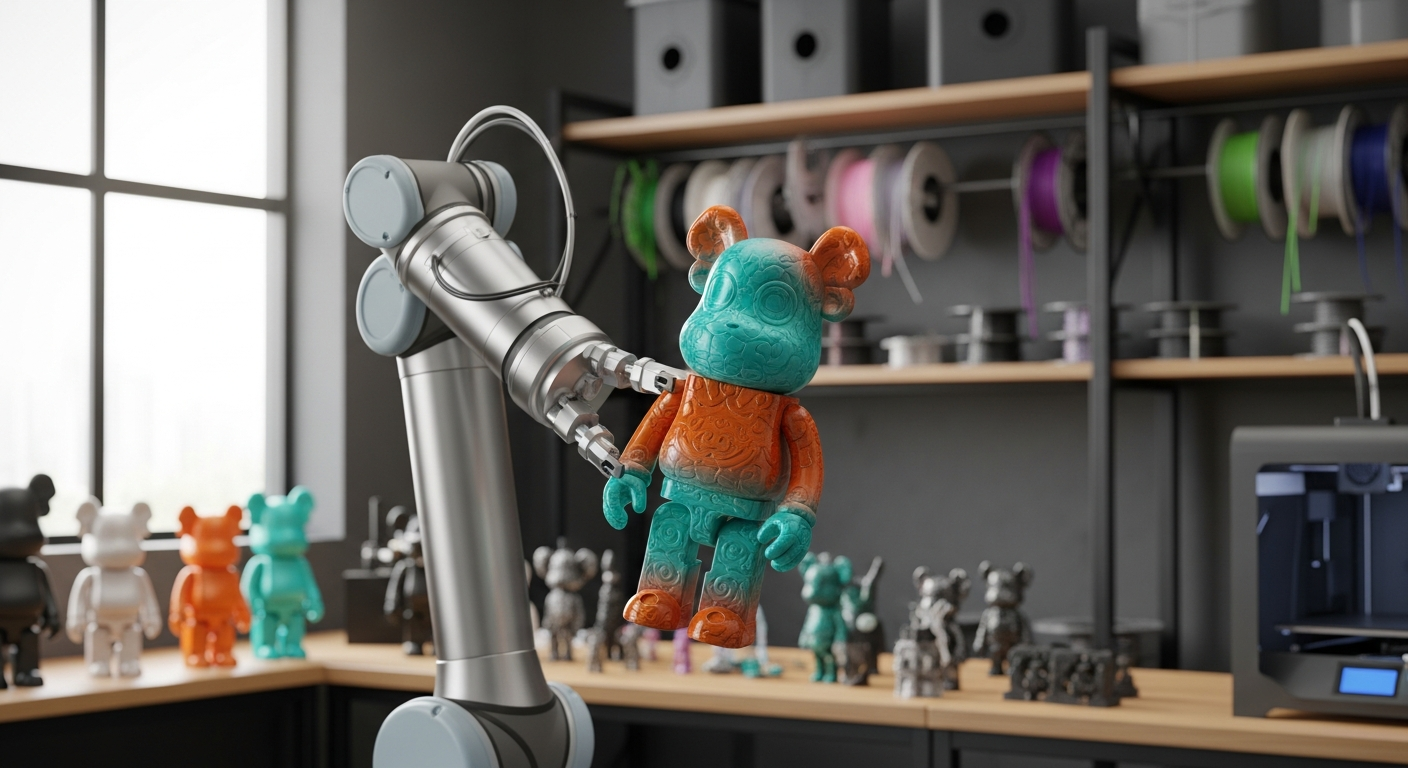
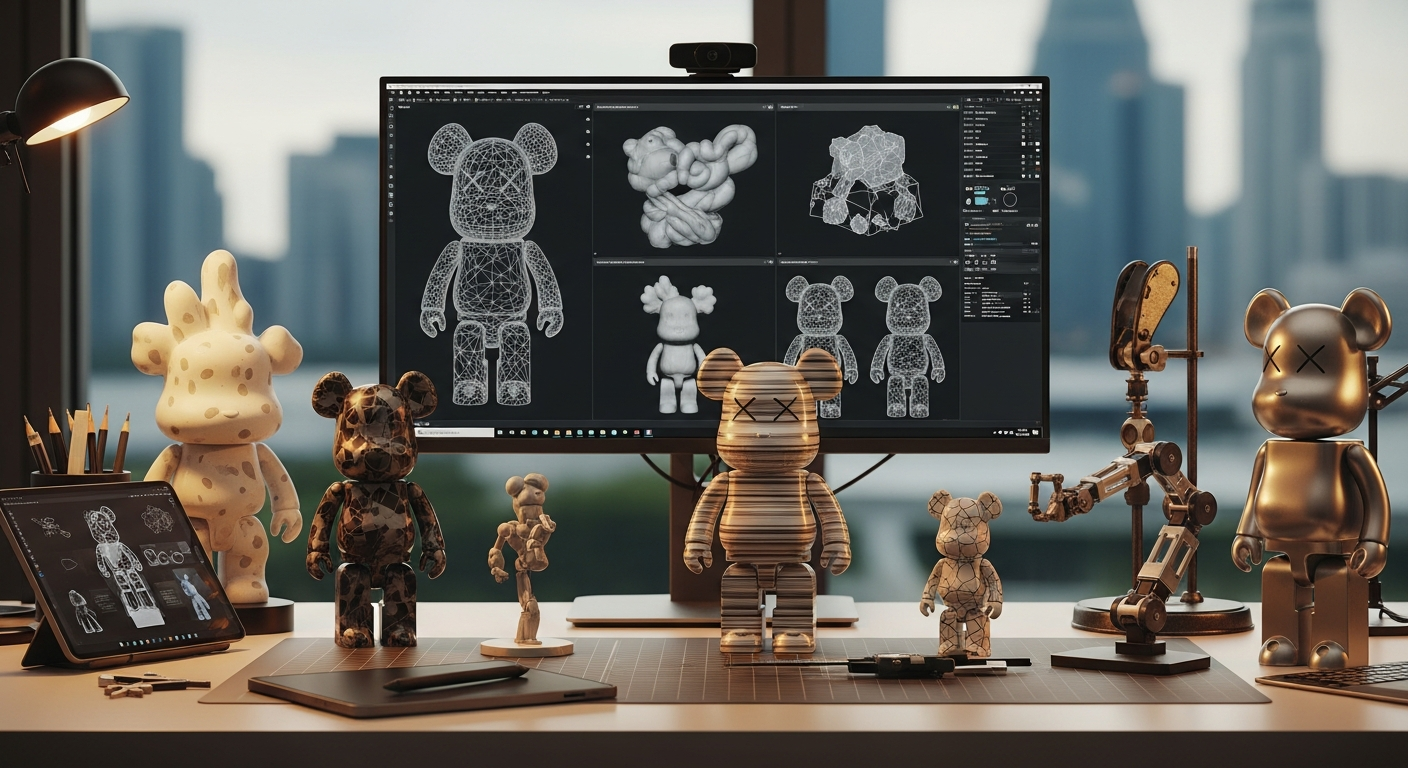

The explosion of designer art toys over the last decade owes a lot to accessible fabrication technologies. Independent creators and small studios no longer need expensive tooling or long factory minimums to bring a character from sketchbook to shelf. A reliable and affordable 3D printing service in Singapore can help artists iterate faster, keep quality high, and produce limited runs that capture collector interest.
This article explores practical ways to use 3D printing for art toys, how to choose the right shop in Singapore, materials and finishing options, cost-saving strategies, and design tips that preserve artistic intent while making parts manufacturable. Whether you’re testing a first edition or scaling a limited series, these techniques help you maximize value without sacrificing detail.
3D printing bridges concept and physical object with unmatched speed. Artists can turn sculpted CAD files or 3D-scanned clay maquettes into high-fidelity prototypes with minimal lead time. That means more design iterations, better surface detail, and the ability to test multiple colorways or accessory configurations before committing to a production run.
The shift in workflow also makes it easier to experiment with limited editions and collabs—artists produce small, collectible runs that feel exclusive without the cost of traditional injection molds. For creators focused on craft and individuality, this flexibility is game-changing for the modern collector market. If you want a service tailored to designer figures, look for partners who understand the subtleties of producing art toys and can advise on scale, tolerances, and finishing. Many local studios in Singapore now specialize in such projects and can assist from initial concept to final delivery. For a practical resource, see this hub on art toys.
Not all 3D printing services are equal—especially when you need both aesthetic fidelity and cost-effectiveness. When evaluating providers in Singapore, consider:
Look for a partner that combines technical capability with an understanding of toy production. A provider that lists designer collectible work on their portfolio and offers focused support will likely help avoid costly iterations later. To find specialized local options and services, explore curated providers of 3D printing service Singapore.
Choosing the right process depends on the level of detail, surface finish, durability, and budget:
For prototyping workflows that require multiple revisions, start with FDM for form checks, move to SLA for detail validation, and finalize small runs in SLS or resin depending on strength and finish needs. Many studios also offer composite finishes or plating for premium editions. If your project is focused on iteration and refinement, partner services that offer rapid prototyping can shorten your development cycle.
Several factors influence pricing for art toys: part volume, print technology, material cost, post-processing labor, painting/assembly, and packaging. Here are practical ways to manage costs:
A service provider experienced in collectible toys will propose economies of scale and workflows that keep production affordable while preserving the art. If your strategy includes limited collectors’ runs, consider a studio experienced in small-batch production.
Good digital design reduces waste and iteration time. Key considerations:
Early collaboration with your chosen print shop helps translate artistic vision into manufacturable assets. Many studios offer file-check services and will flag problem areas before printing.
Collectors expect a premium finish, and finishing choices can transform 3D-printed parts into shelf-ready pieces.
If your project demands a high level of finishing, choose a 3D printing partner that offers integrated finishing options or reliable third-party finishing vendors. Services that combine print and finishing save logistics time and reduce miscommunication; look for providers that list comprehensive finishing services.
Before you place a production order, confirm the following:
Engaging with a local, specialist 3D printing service Singapore creators trust will accelerate your timeline and ensure the final pieces match your artistic standard.
3D printing empowers artists to create detailed, collectible art toys with much lower upfront cost and faster speed than traditional manufacturing. By choosing the right process, optimizing design for printability, and partnering with a service that understands toy production, creators can deliver high-quality limited runs that excite collectors and sustain creative growth. Thoughtful planning around materials, finishing, and batch strategy lets you keep projects affordable while maintaining the craftsmanship collectors expect.