Introduction
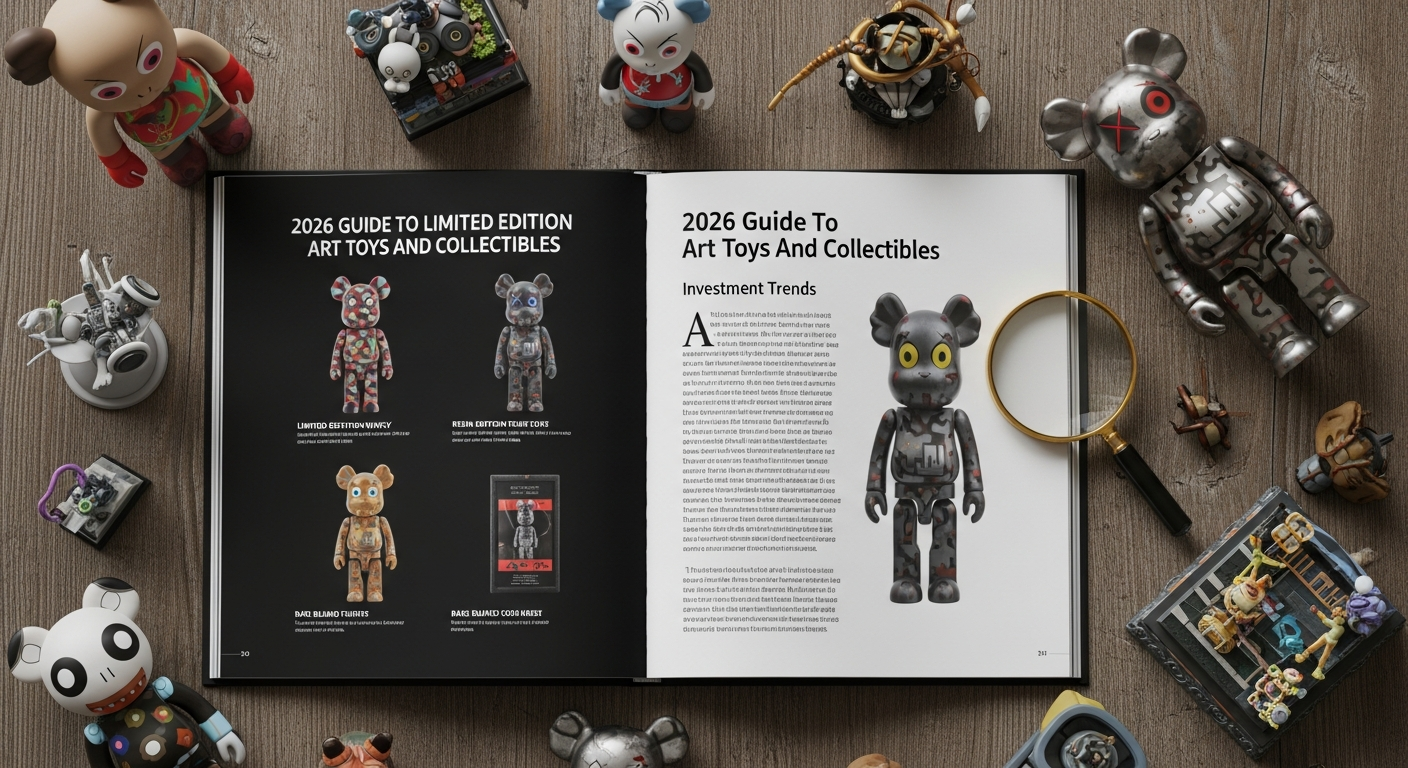
Art toys have evolved from niche shelf pieces into a global collectible market that blends art, design and street culture. In 2026, limited edition art toys are not just about scarcity; they represent provenance, design intent, and new ways to connect creators and collectors. This guide breaks down what makes limited edition art toys valuable, current trends shaping the market, how they’re produced, and practical advice for collectors and creators.
What are art toys and limited edition art toys?
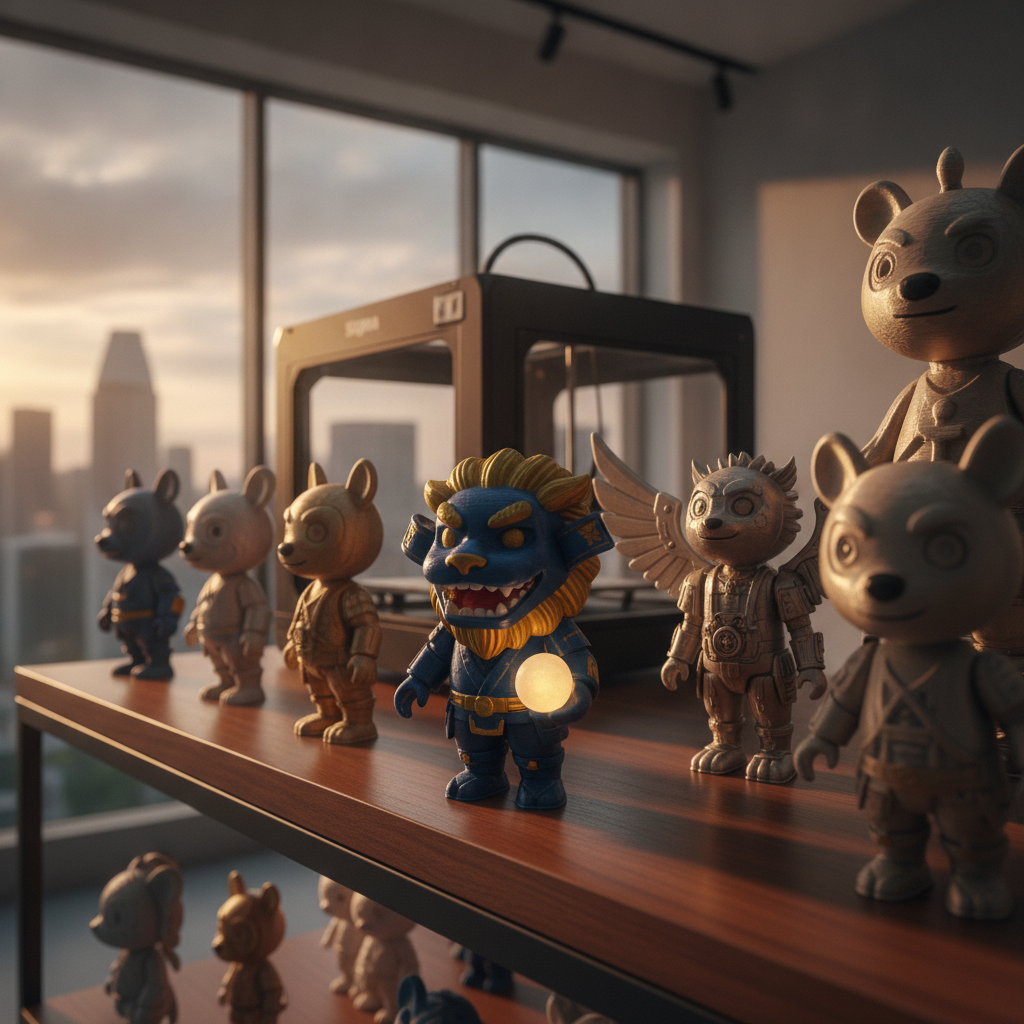
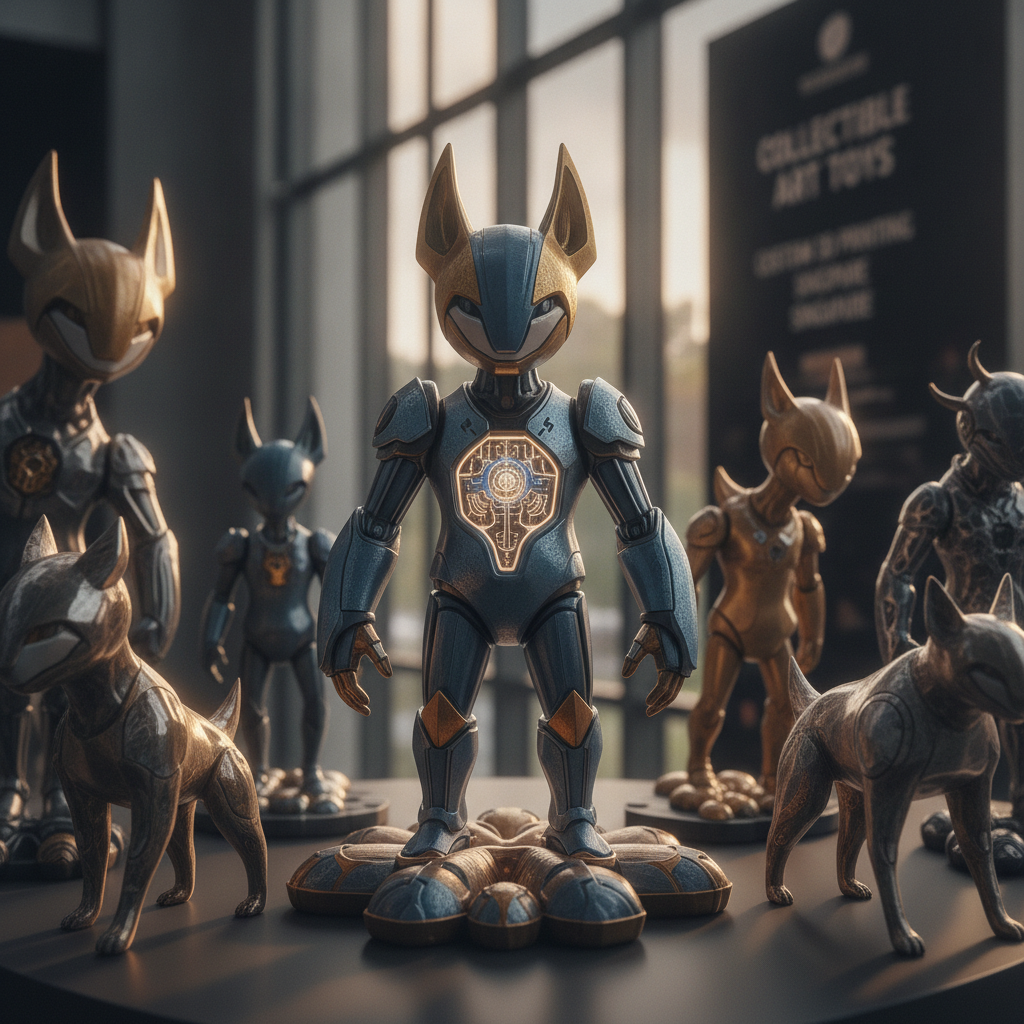
Art toys are designer figures created with an emphasis on artistic expression rather than mass-market merchandising. They range from designer vinyl figures and resin sculptures to soft-vinyl sofubi and mixed-media collectibles. Limited edition art toys are produced in intentionally small quantities — often serialized or numbered — to create scarcity and enhance collectibility.
Typical limited runs vary: microdrops of 5–50 pieces for high-end artist pieces, 100–500 units for mid-tier runs, and 1,000+ for broader production collaborations. Limited editions may include variants, artist proofs (AP), signed copies, and special packaging that all influence value.
Why collectors prize limited edition art toys
- Scarcity and exclusivity: Limited runs create rarity, which drives demand among collectors.
- Artistic authorship: Pieces made or signed by established artists or designers carry greater cultural and monetary value.
- Community and ritual: Drops, gallery releases, and conventions build fandom and long-term engagement.
- Investment potential: Certain artists and series appreciate in resale markets, especially when provenance and condition are strong.
Collecting is both emotional and strategic: the best collectors balance passion (the story behind a piece) with diligence (authentication, condition and market timing).
2026 trends reshaping the market
- Phygital collectibles: More art toys are paired with NFTs or digital twins that verify provenance, offer digital display options and provide post-sale engagement.
- Sustainability: Creators increasingly use recycled resins, bio-based plastics and minimal packaging. Sustainability credentials can add market appeal.
- Microbrands and direct-to-collector drops: Independent designers use limited, direct drops and build tight-knit communities around smaller runs.
- Advanced prototyping and small-batch manufacturing: Faster iteration cycles mean artists can test colorways and variants quickly before committing to a run.
- Cross-category collaborations: Collaborations with streetwear, gaming and lifestyle brands broaden audiences and elevate profile.
These shifts mean collectors should watch for phygital credentials, materials provenance and edition transparency when assessing value.
How limited runs are designed and produced
Designing a limited edition art toy follows these core stages: concept -> prototyping -> tooling/manufacture -> finishing and packaging.
- Concept and sculpt: Artists sketch and sculpt either by hand or digitally.
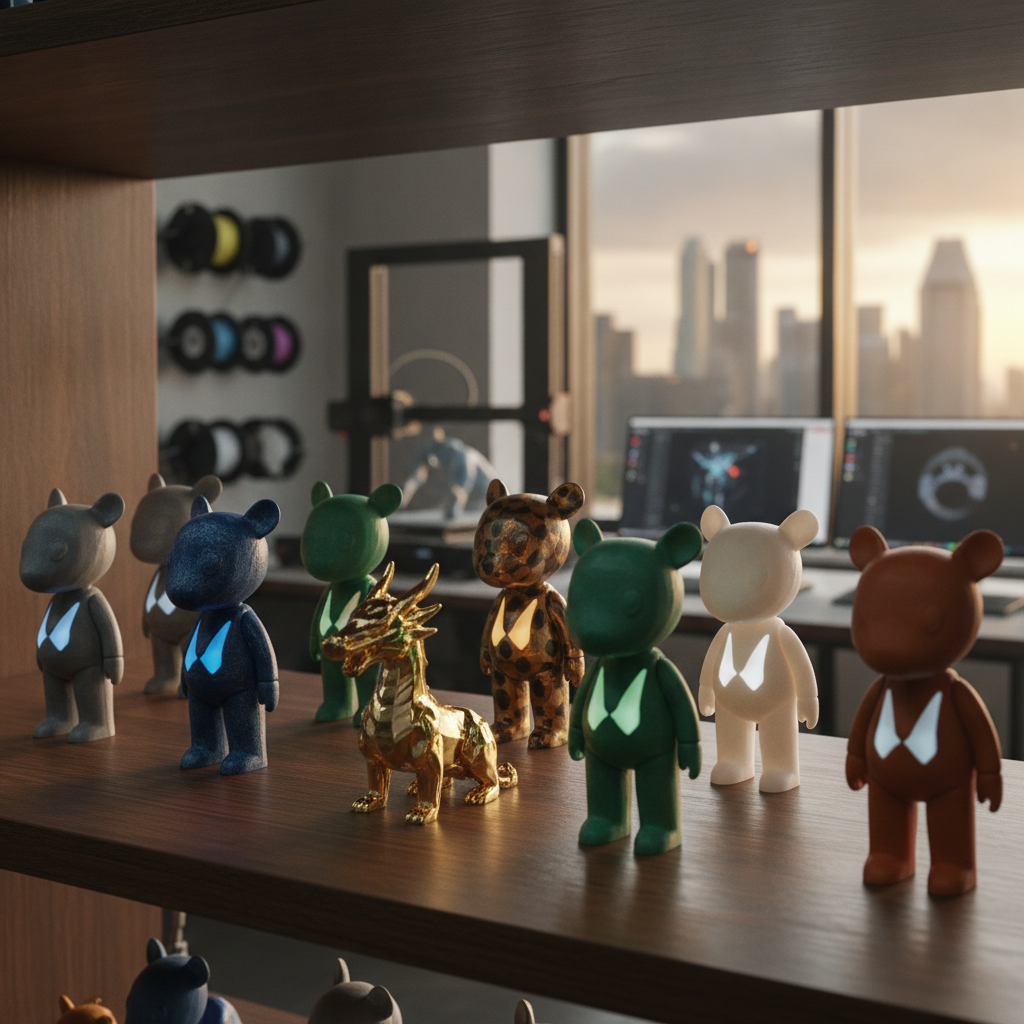
- Prototyping: Rapid iteration is now standard. Design teams often rely on digital sculpting and 3D-printed prototypes to test scale and pose. If you’re exploring streamlined prototypes and small-batch testing, resources on rapid prototyping explain modern workflows and timelines.
- Material choice: Common materials include PVC/vinyl (for injection molding), polyurethane resin (for detailed small runs), and increasingly 3D-printed photopolymer resins for one-off proofs.
- Production: Small editions often use resin casting; larger limited editions may use soft vinyl or injection molding.
- Finishing and QC: Hand-painting, airbrushing, tampo printing and special coatings are applied. Quality control is critical for maintaining consistent editions.
When planning a release, consider partnering with studios experienced in both art-direction and technical production. For hands-on 3D prototyping and manufacturing solutions, research studios offering a full path from design to production and check options for the best 3D printing service if you need high-resolution rapid parts.
Authentication, provenance and certificates
Provenance is central for limited edition art toys. Look for:
- Certificates of Authenticity (COA): Signed and numbered certificates increase trust. Match serial numbers on COA with the piece and box.
- Signatures and stamps: Artist signatures, studio stamps or unique markings increase credibility.
- Digital provenance: NFT-backed or blockchain-recorded ownership and transfer history is increasingly common for higher-value releases.
- Professional documentation: High-resolution photos, original invoices, and correspondence from the artist or studio help verify provenance.
Avoid purchases without verifiable documentation for high-value limited editions. If in doubt, reach out to the artist’s official channels, galleries, or trusted resellers to validate authenticity.
Buying, storing and caring for your collection
Buying strategically:
- Research the drop: Follow artists and brands on official channels. Drops can be timed and capped, so know the minting process and shipping windows.
- Previews and artist notes: Limited edition details — edition size, variants, packaging — influence future value.
- Condition matters: Mint-in-box (MIB) pieces typically command the highest resale prices.
Storage and care:
- Display with care: UV light causes paint and vinyl to yellow. Use UV-filtering glass or place displays away from direct sunlight.
- Temperature & humidity: Keep collectibles in a stable environment (avoid extremes) to minimize warping and crazing.
- Dust and handling: Use nitrile gloves for handling; store in acid-free boxes or original packaging when practical.
- Insurance and documentation: High-value pieces should be photographed, inventoried and insured. Maintain COA and purchase receipts in a safe place.
How to create a limited edition art toy (step-by-step)
Creators can turn a concept into a collectible by following a clear process:
- Define the edition strategy: Decide edition size, variants, price point and whether to include COAs or other perks.
- Finalize artwork and scale: Confirm sculpt, pose and dimensions.
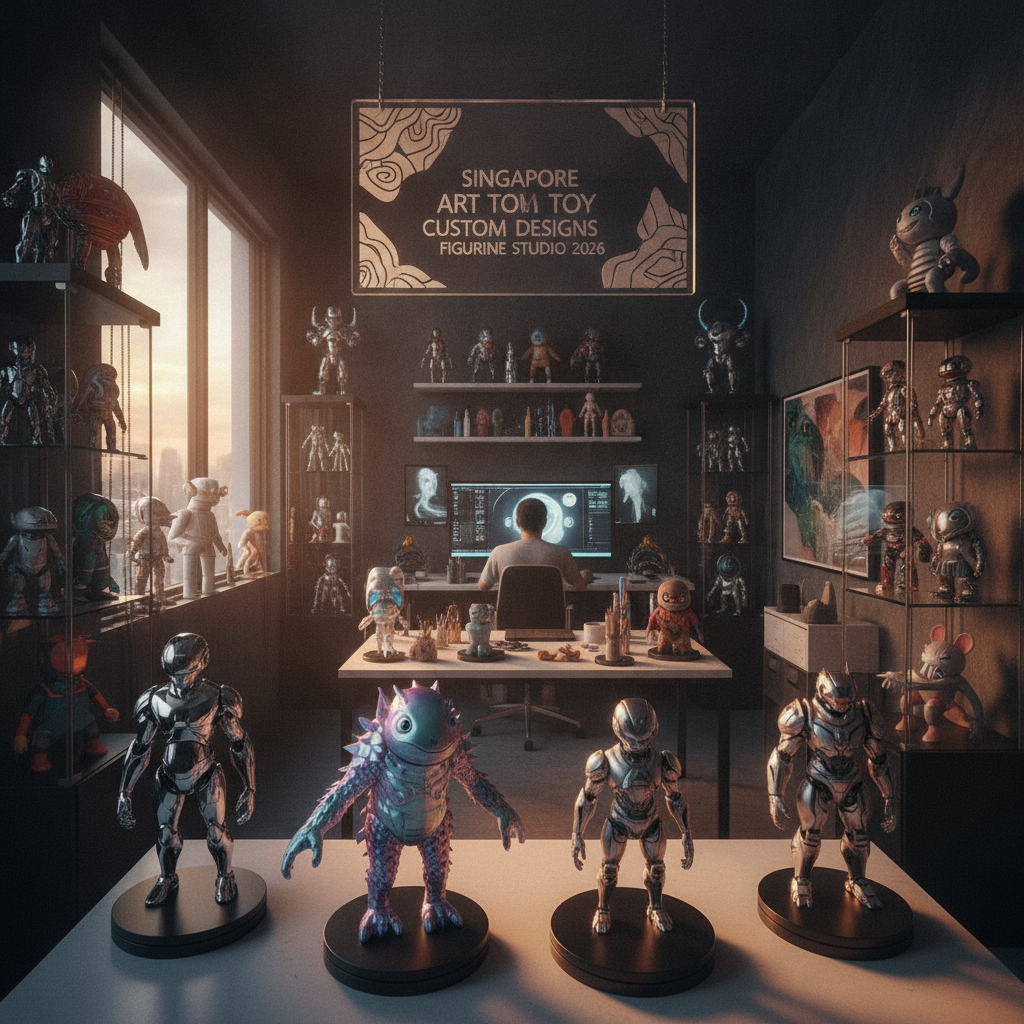
- Prototype rapidly: Use a combination of hand-sculpting and 3D printing for quick iterations. Studios that specialize in custom figurine design can speed development.
- Select manufacturing method: Choose resin casting for smaller runs, vinyl/injection for larger limited editions, or hybrid approaches.
- Partner with product designers: A strong lifestyle product design perspective helps packaging and positioning for your target audience.
- Quality control and finishing: Insist on production samples and sign-offs before the full run.
- Launch and post-sale support: Plan shipping, returns, and community engagement to build long-term collector relationships.
For bespoke production support, consider suppliers that specialize in bespoke art toys and tailor their workflow to artist needs.
Selling and secondary markets
Primary sales happen via gallery exhibitions, online drops, and brand collaborations. Secondary markets — auctions, peer-to-peer marketplaces and specialist resellers — determine long-term price trajectories. Platforms like StockX and eBay, plus dedicated collector forums, are central to price discovery; however, niche marketplaces and auction houses can produce surprising results for rare pieces.
When selling, provide full provenance, COAs, high-quality photos and condition reports. For protection, use tracked shipping, signature requirement on delivery and insurance for high-value items.
Pricing and investment considerations
- Artist pedigree: Artists with established followings or museum exposure often command premiums.
- Edition size and variants: Smaller runs and unique variants typically appreciate more.
- Condition and packaging: Untouched packaging and complete documentation preserve value.
- Market cycles: Like other collectibles, art toy values can fluctuate. A medium-term horizon (3–5 years) is realistic for many strategic investments.
Collecting for joy and cultural value often yields the best experience; financial upside can follow when choices are informed and well-documented.
Final practical tips
- Build provenance from day one: Keep receipts, communications and COAs safe and digitize records.
- Join communities: Forums, Discord channels and conventions connect you with trusted sellers and insider drops.
- Vet manufacturing partners: If creating your own edition, evaluate prototypes, ask for material safety data and request sample finishes.
- Embrace transparency: For both creators and collectors, transparent edition details and honest condition reporting build long-term trust.
Conclusion
Limited edition art toys in 2026 are a nuanced blend of art, craft and technology. Whether you’re collecting for passion, investment or creating your own collectible series, understanding production methods, provenance, and market dynamics will help you make smarter decisions. The market rewards creativity, transparency and care — invest in those elements and your collection will be both personally meaningful and commercially resilient.